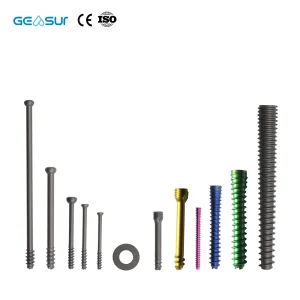
Explore our medical-grade titanium alloy orthopedic implants designed for high-stability trauma fixation and optimal bone compression.
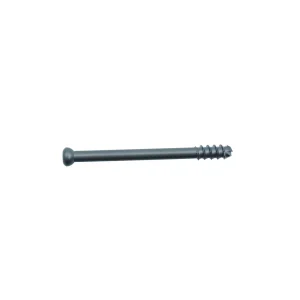
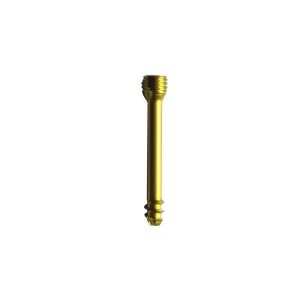
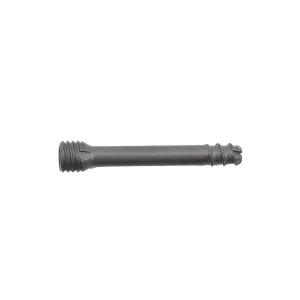
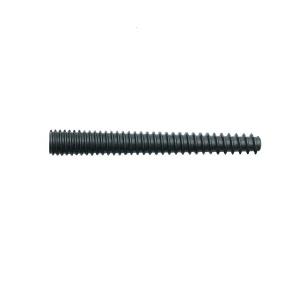
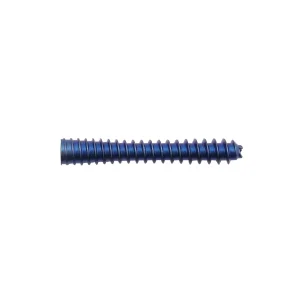
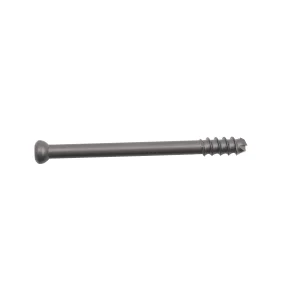
A technical overview of biomechanical advantages, manufacturing standards, and clinical applications in modern trauma reconstructive surgery.
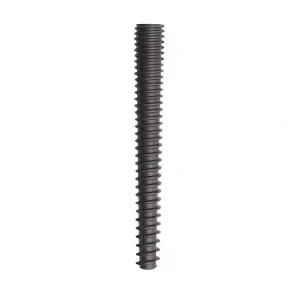
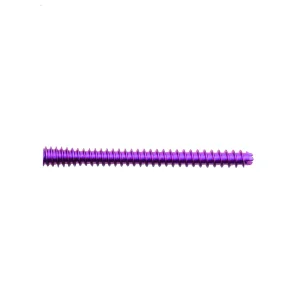
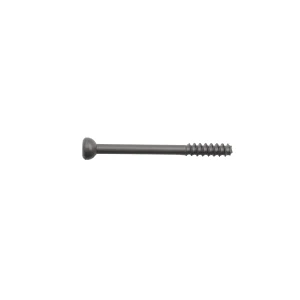
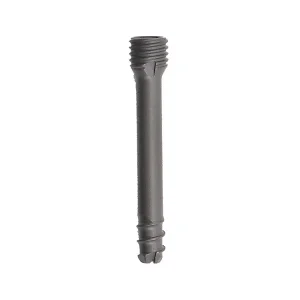
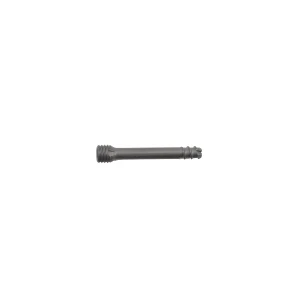
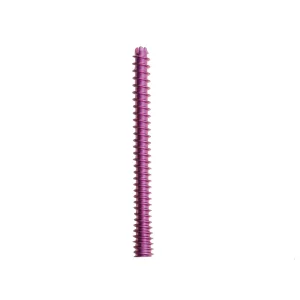
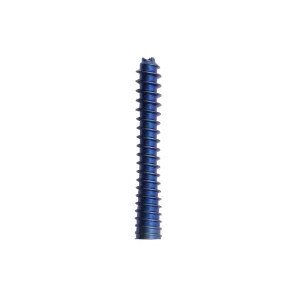
Cannulated compression screws represent a paradigm shift in orthopedic trauma and reconstructive surgery. By incorporating a hollow central core (cannulation), these implants allow orthopedic surgeons to achieve highly precise placement over a pre-positioned guide wire. This minimally invasive approach minimizes soft tissue disruption, preserves local vascularity, and significantly reduces intraoperative placement errors.
The mechanical efficiency of a cannulated screw lies in its thread design. Whether utilized in femoral neck fractures, patellar reconstruction, or arthrodesis of small joints, the compression generated across the fracture line is critical. The differential pitch of headless compression screws (Herbert-style) ensures that as the screw is driven home, the distal threads pull the bone fragment toward the proximal head, achieving rigid internal fixation without the prominent hardware irritation associated with traditional headed screws.
The global demand for high-quality cannulated screws is driven by an aging population, rising incidence of osteoporotic fractures, and the rapid expansion of Ambulatory Surgical Centers (ASCs) requiring efficient, reliable, and cost-effective implant systems. Modern trauma centers are shifting toward standardized, comprehensive instrument sets that accommodate multiple screw diameters (from micro 2.4mm Herbert screws to large-fragment 7.3mm cancellous screws) to streamline workflow and reduce inventory overhead.
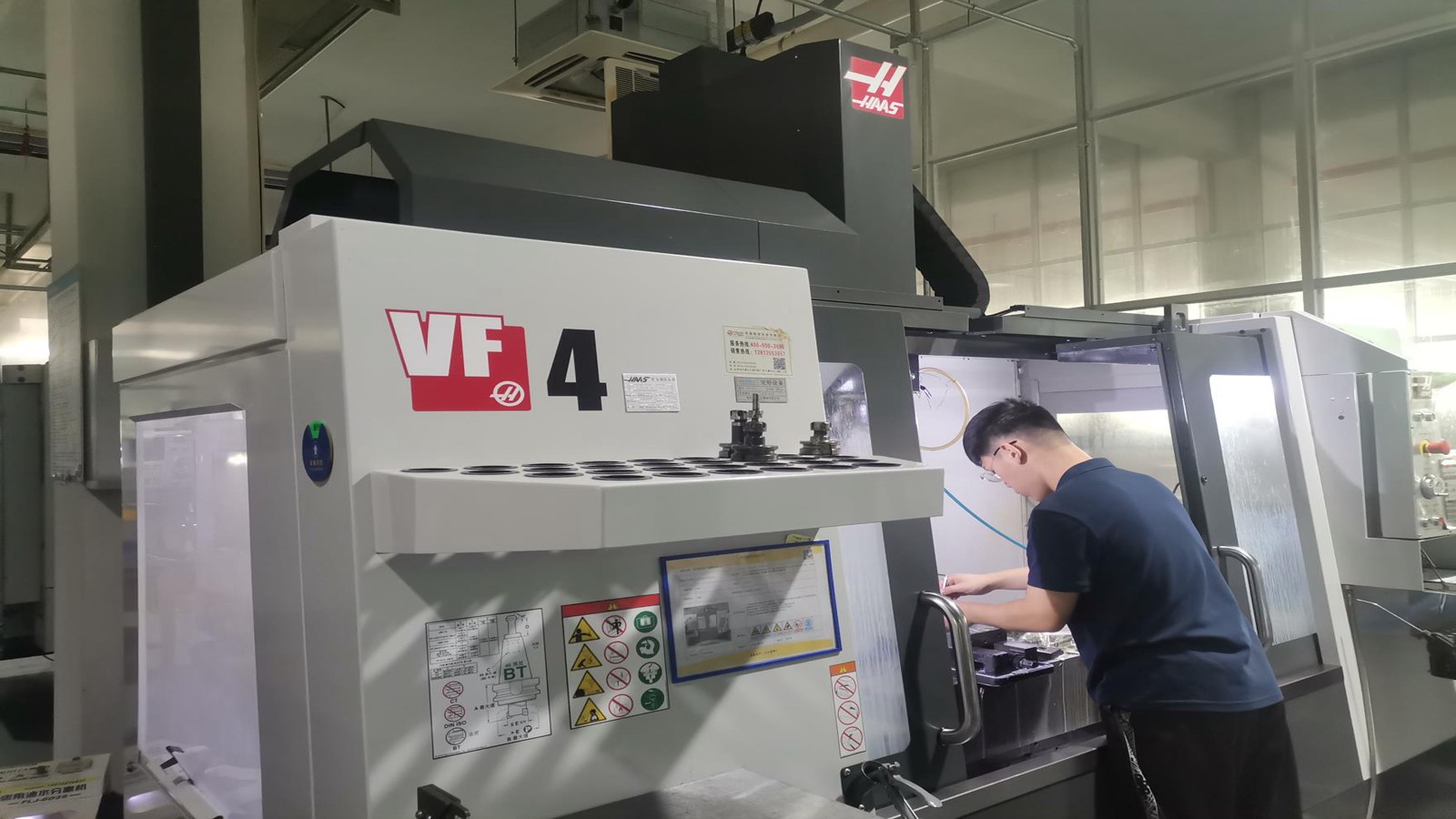
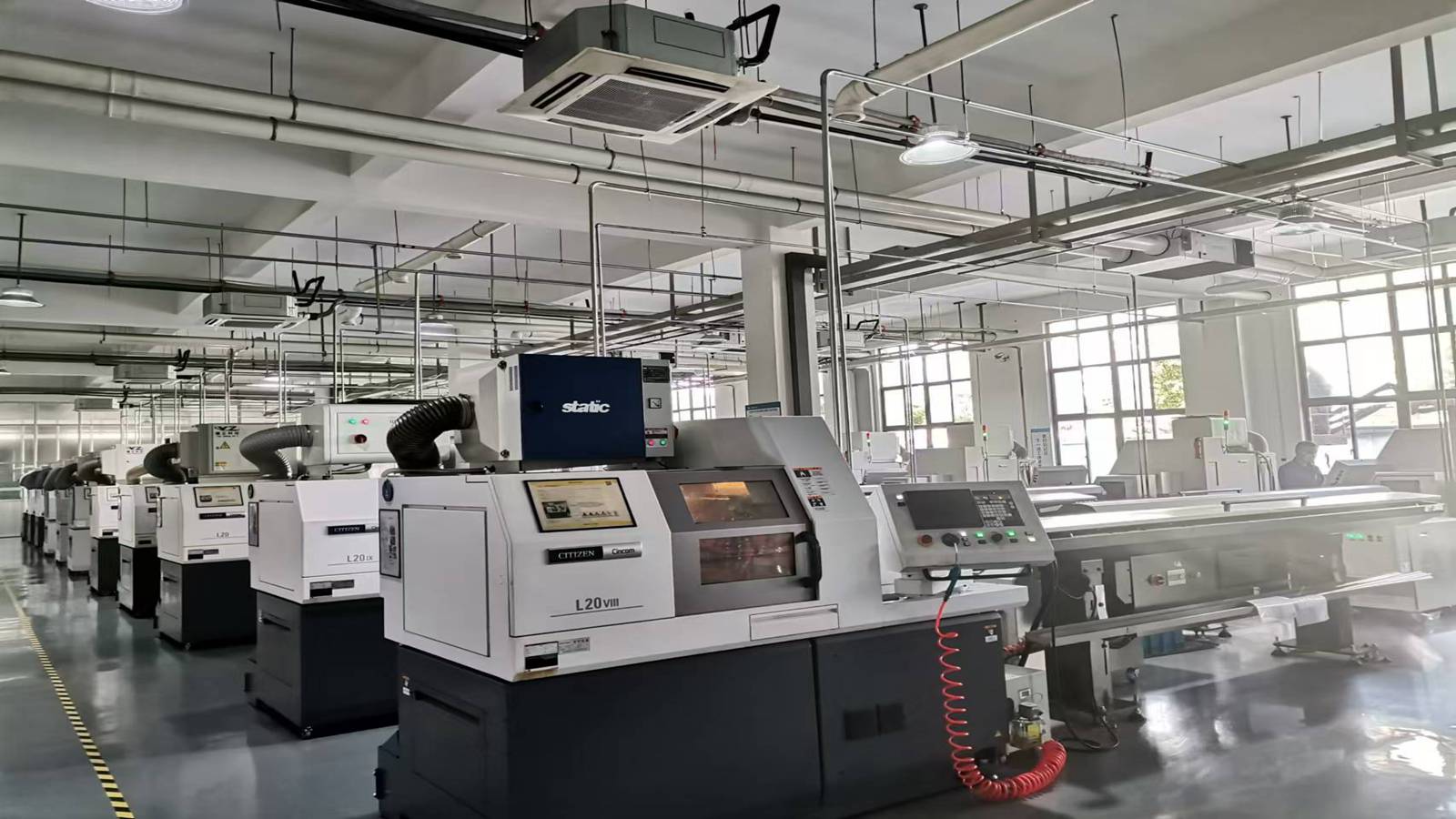
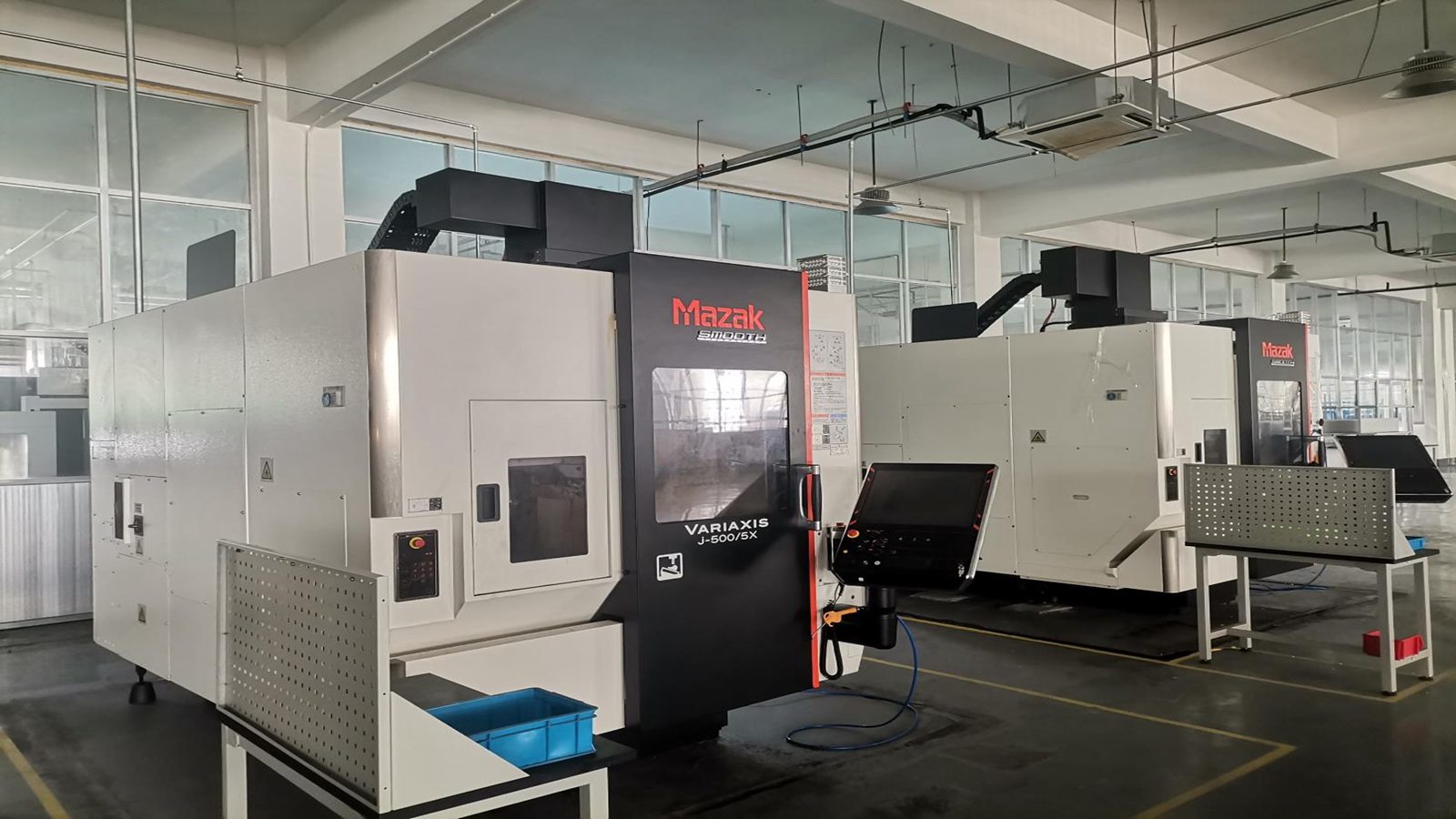
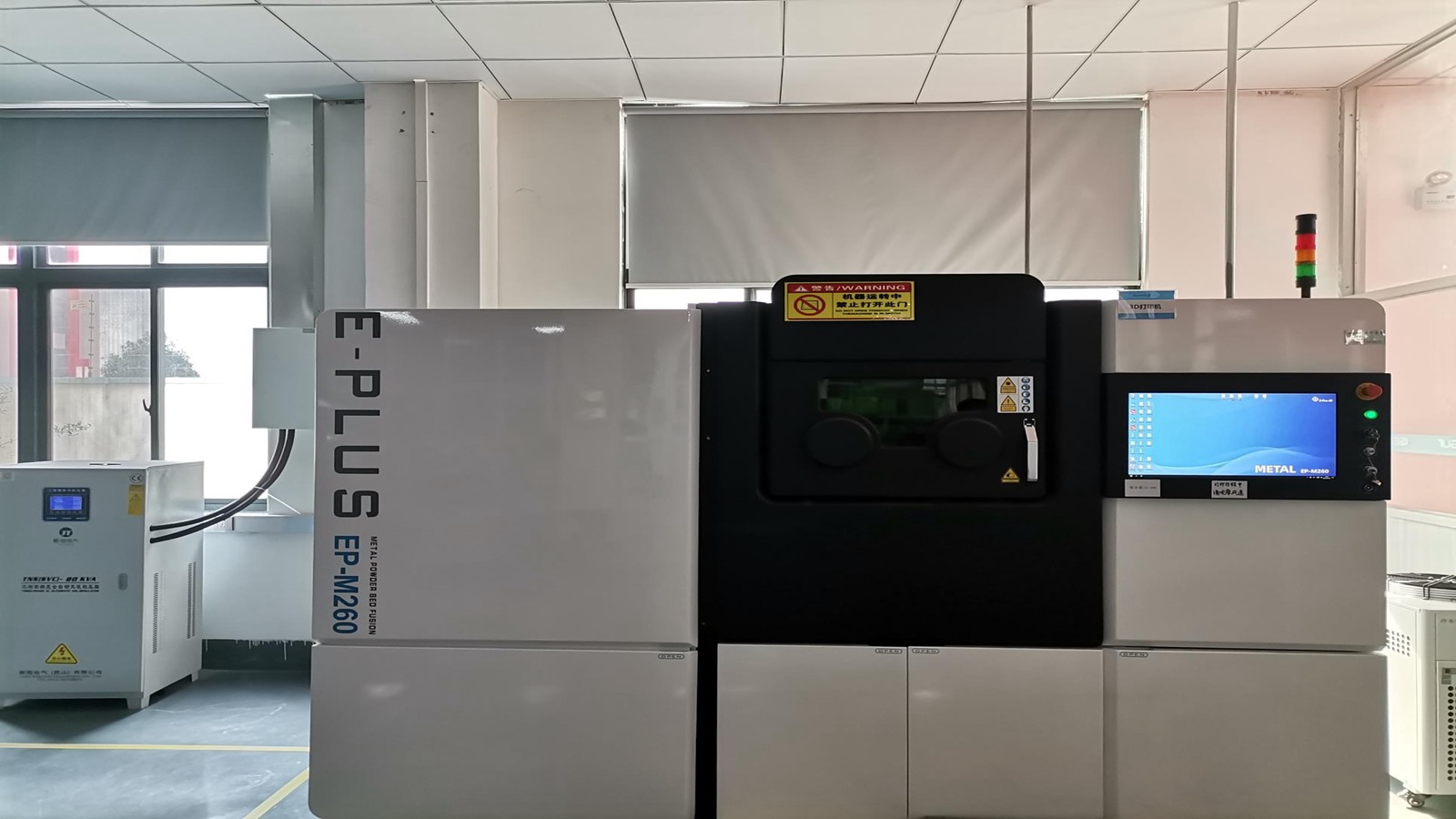
Furthermore, the integration of advanced manufacturing technologies, such as Swiss-type CNC machining and automated optical inspection, has enabled factories to produce implants with micron-level tolerances. This ensures that the guide wire fits perfectly within the cannulation without binding, a critical factor during high-stakes trauma procedures.
To assist procurement managers, biomedical engineers, and distributors, the table below outlines the standard clinical indications and engineering configurations of our cannulated screw portfolio:
| Screw Diameter | Thread Type | Common Clinical Indications | Guide Wire Compatibility | Material Grade |
|---|---|---|---|---|
| 2.4mm / 2.5mm | Headless Compression (Herbert) | Scaphoid fractures, carpal/tarsal arthrodesis, osteochondral fractures | 0.8mm - 1.0mm | Ti-6Al-4V ELI (ASTM F136) |
| 3.5mm / 4.0mm | Partial / Full Thread (Countersunk) | Medial malleolus, radial head, calcaneus, acetabular fractures | 1.2mm - 1.4mm | Ti-6Al-4V ELI (ASTM F136) |
| 4.5mm / 6.5mm | Cancellous / Cortical Threads | Tibial plateau, sacroiliac joint dislocation, pediatric femoral neck | 1.6mm - 2.0mm | Ti-6Al-4V ELI (ASTM F136) |
| 7.3mm | Large Cancellous (16mm / 32mm thread) | Adult femoral neck fractures, slipped capital femoral epiphysis (SCFE) | 2.0mm - 3.2mm | Ti-6Al-4V ELI (ASTM F136) |
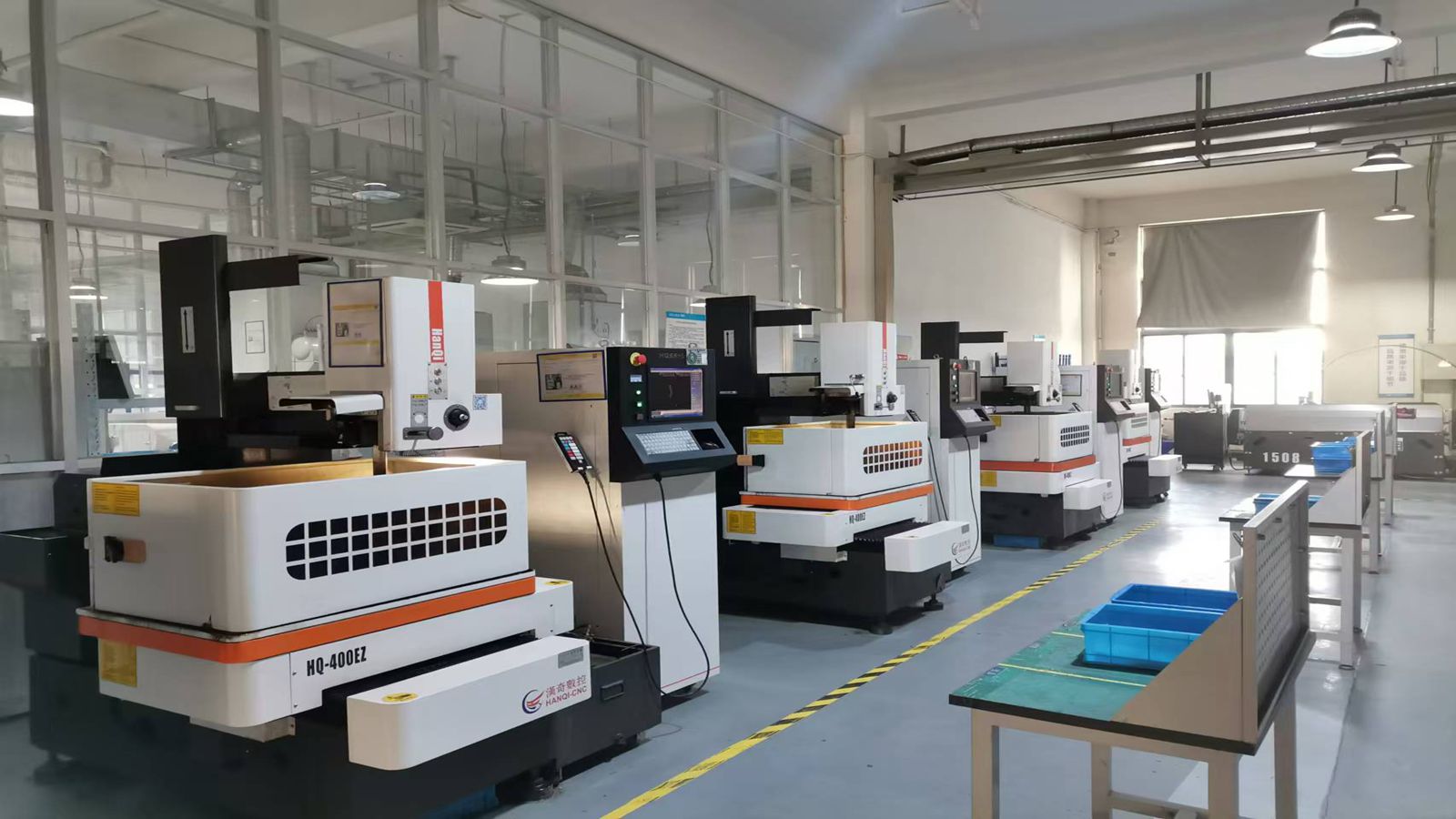
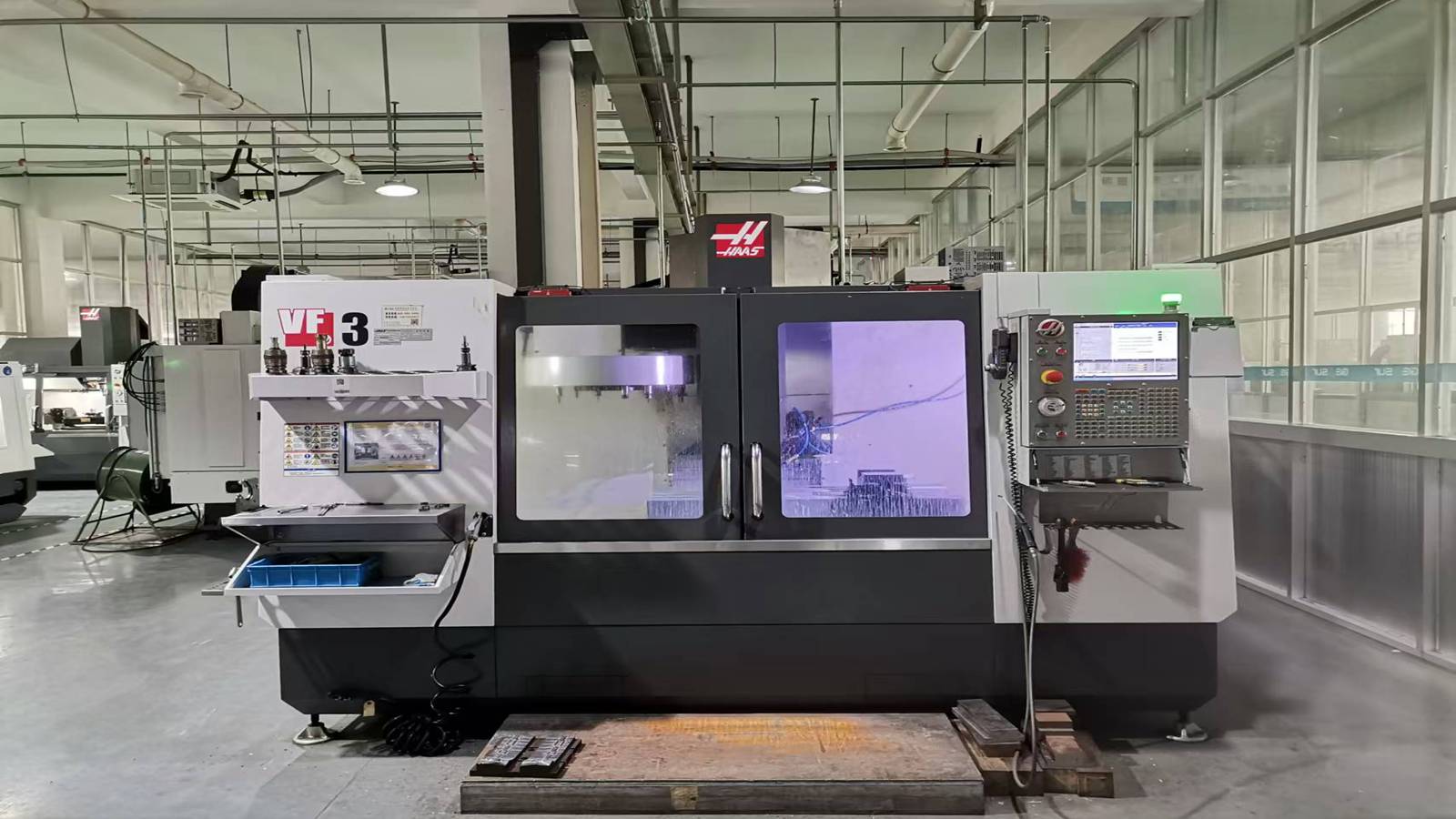
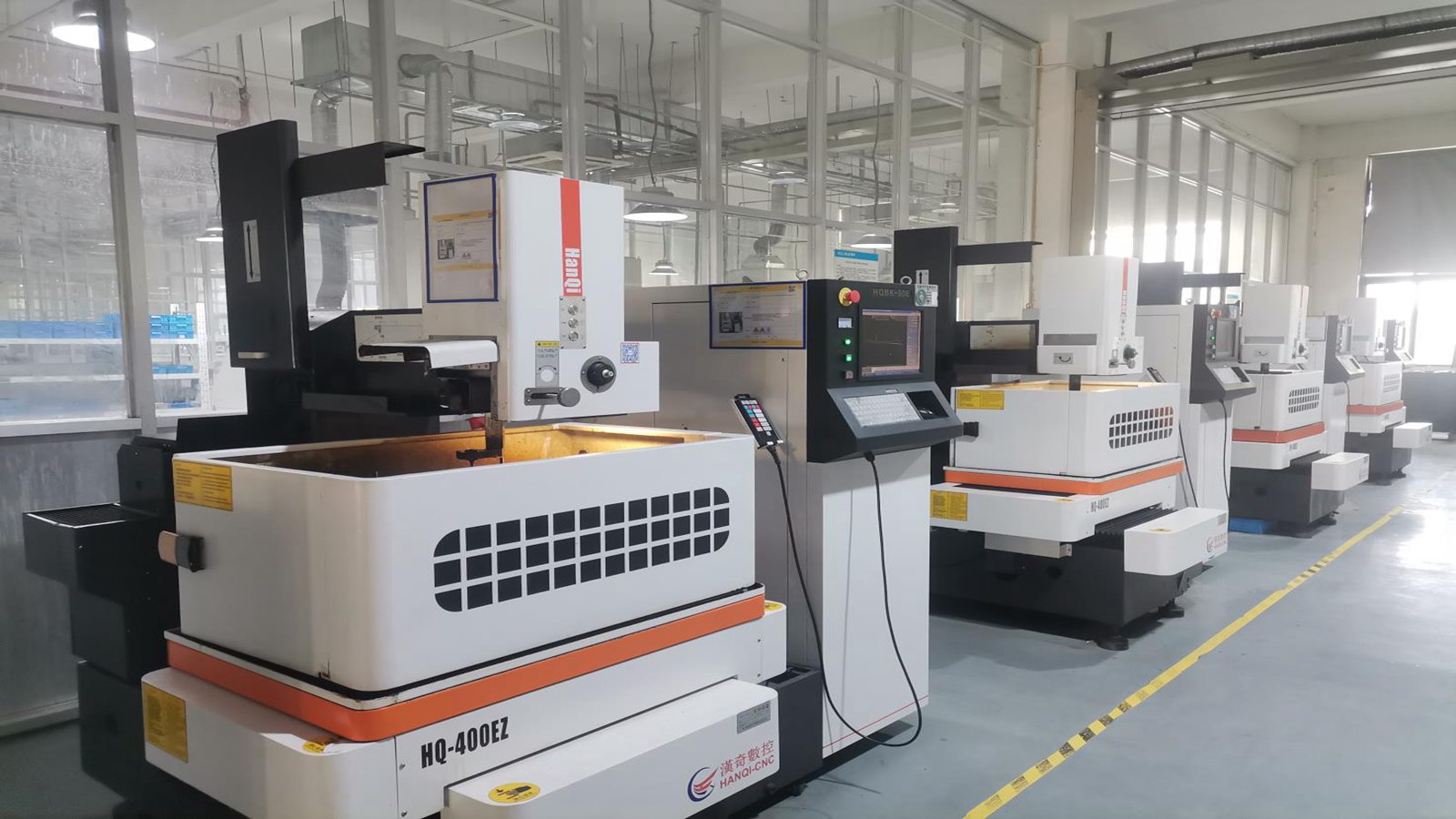
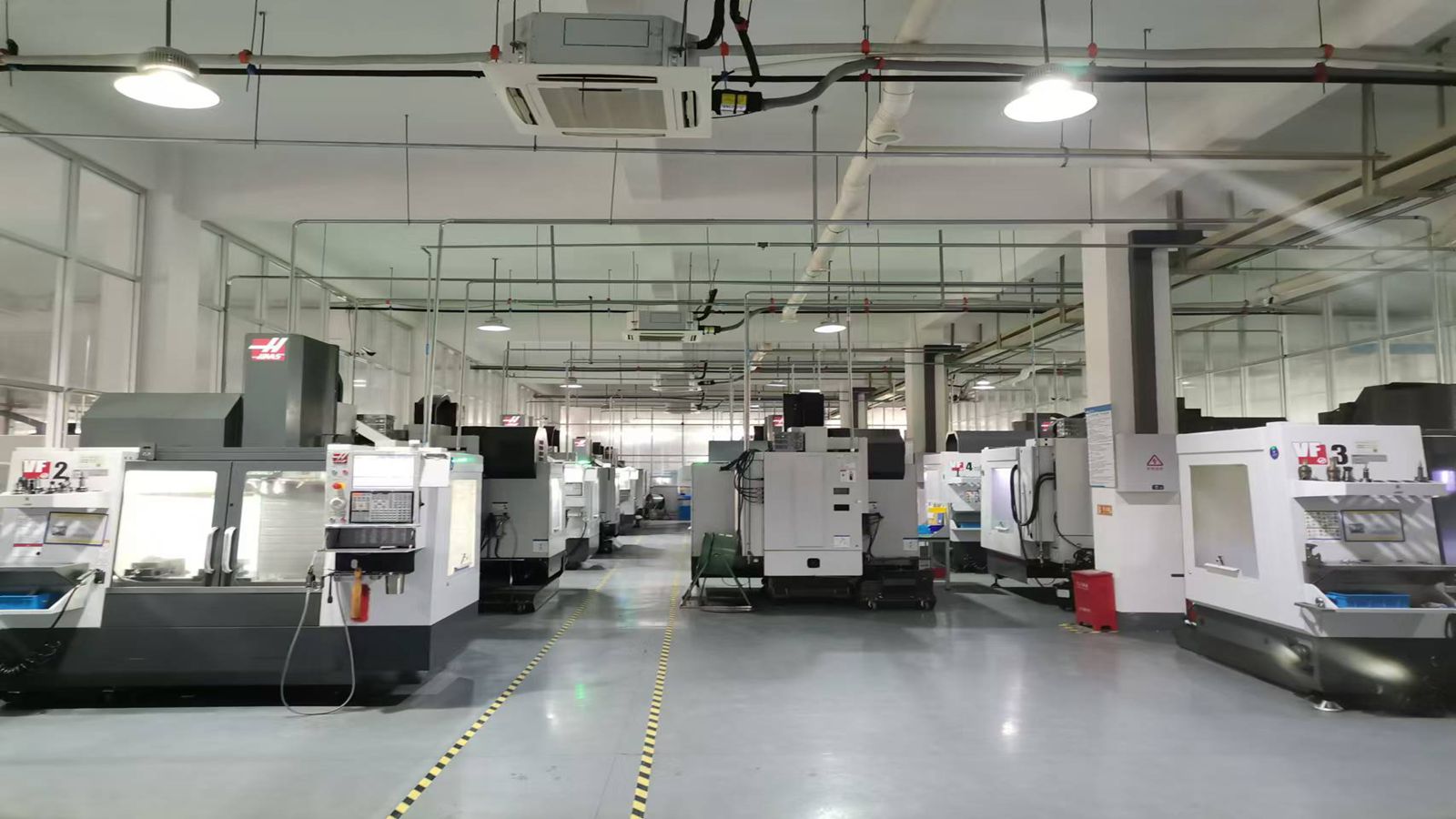
As a premier orthopedic medical device manufacturer, HBM Medical Apparatus And Instruments Co., Ltd. operates a state-of-the-art 30,343 square meter production facility. Our commitment to clinical safety and implant reliability is backed by rigorous quality management systems that meet and exceed international standards. With 12 dedicated production lines and over 120 high-precision CNC processing machines, we guarantee consistent dimensional accuracy across millions of units annually.
Every batch of titanium alloy is sourced from certified medical-grade suppliers, accompanied by chemical composition and mechanical testing certificates. We ensure complete traceability from raw bar stock to the sterilized implant in the operating room.
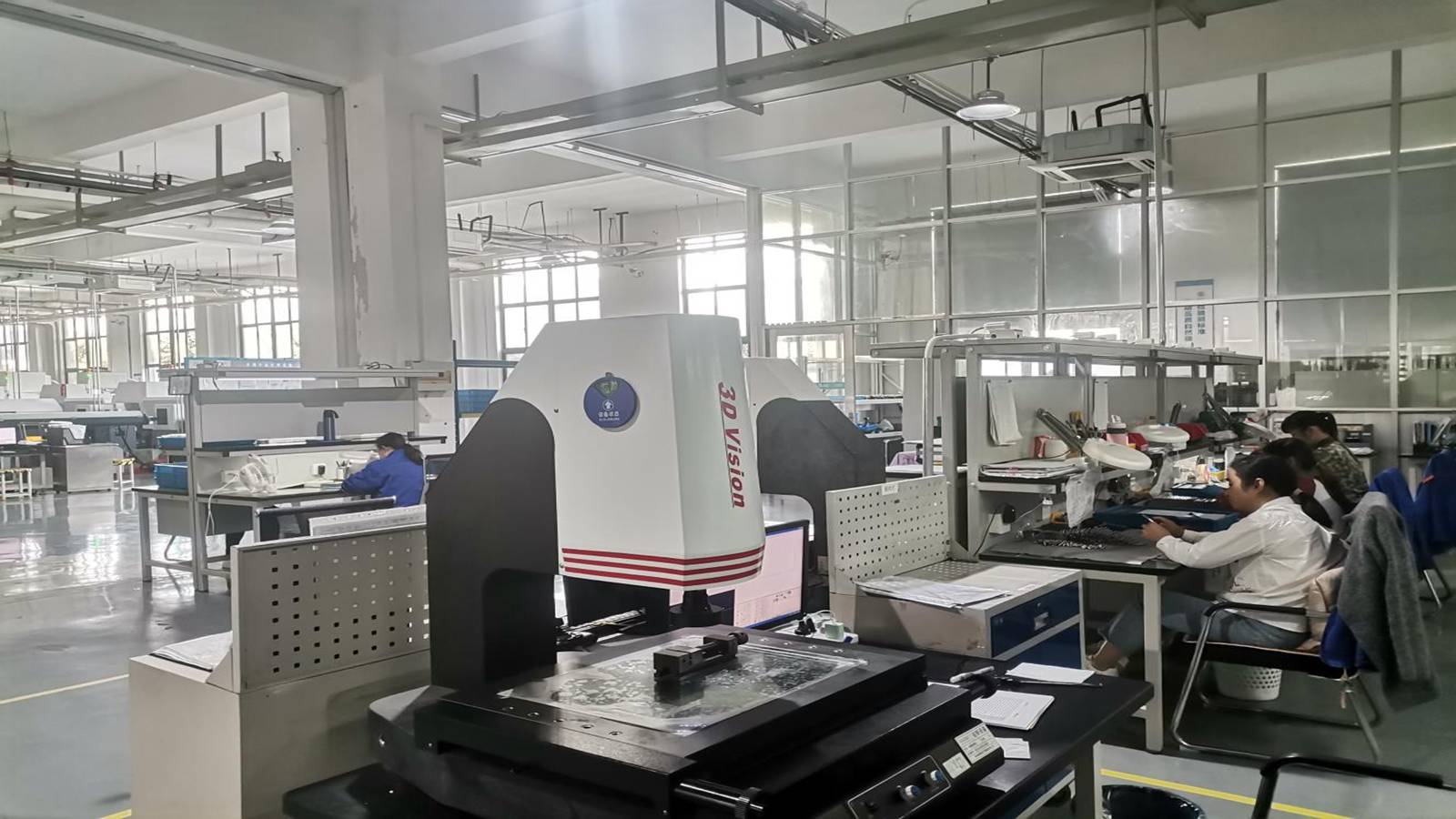
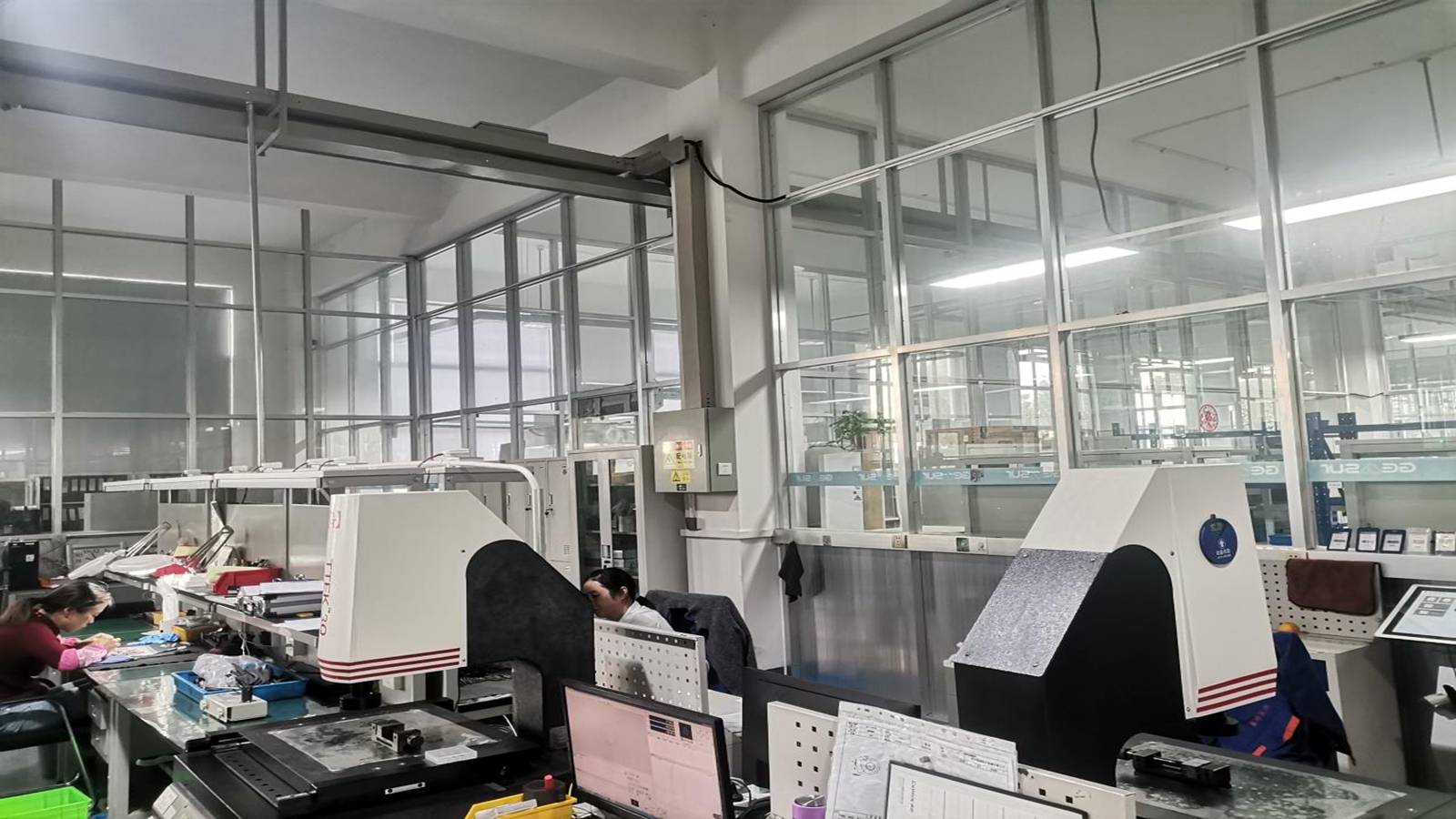
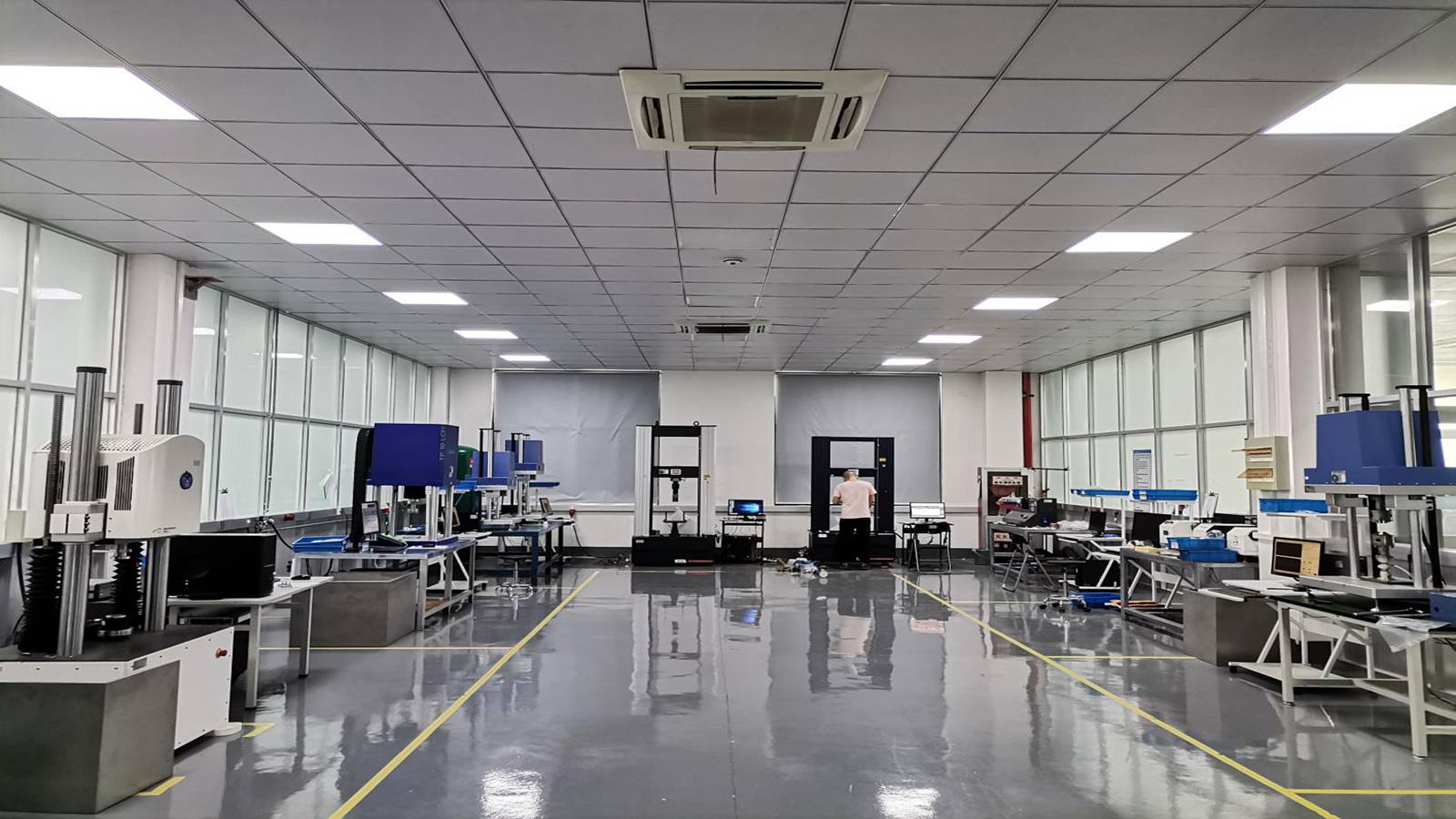
Our dedicated team of 36 QA/QC inspectors utilizes coordinate measuring machines (CMM), optical comparators, and digital roughness testers to verify thread pitch, cannulation concentricity, and surface integrity on all production lines.
Our facilities and products are fully certified under ISO 13485, MDSAP, and CE MDR (EPT 0477.MDR.25/5905 & EPT 0477.MDR.25/5973), ensuring seamless regulatory clearance in European, Asian, and Latin American markets.
HBM Medical is not just a factory; we are an innovation partner. Our R&D department comprises 31 highly qualified engineers (including 1 doctorate, 11 postgraduates, and 17 graduates) dedicated to developing next-generation orthopedic solutions. We offer comprehensive customization options, including:
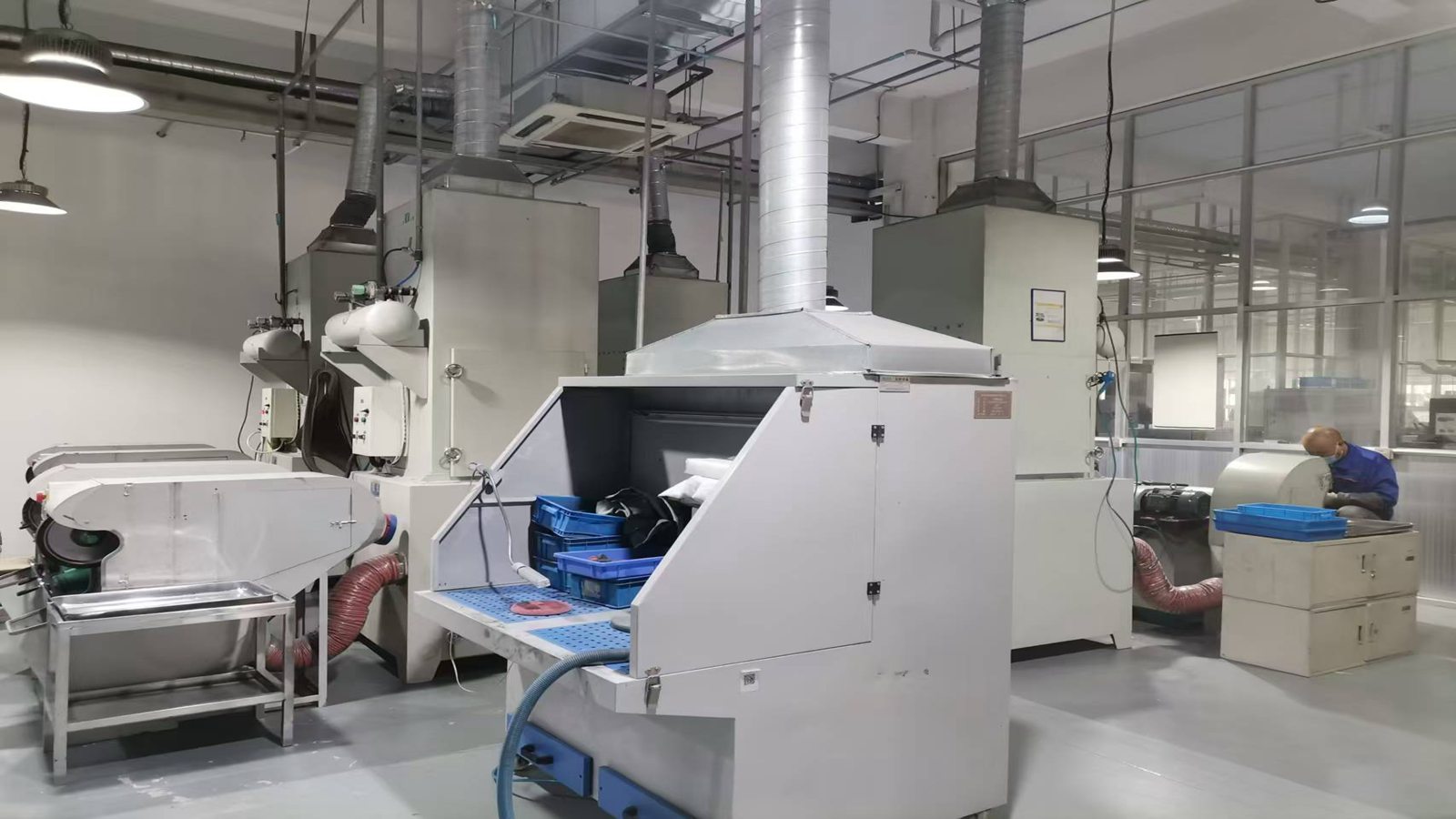
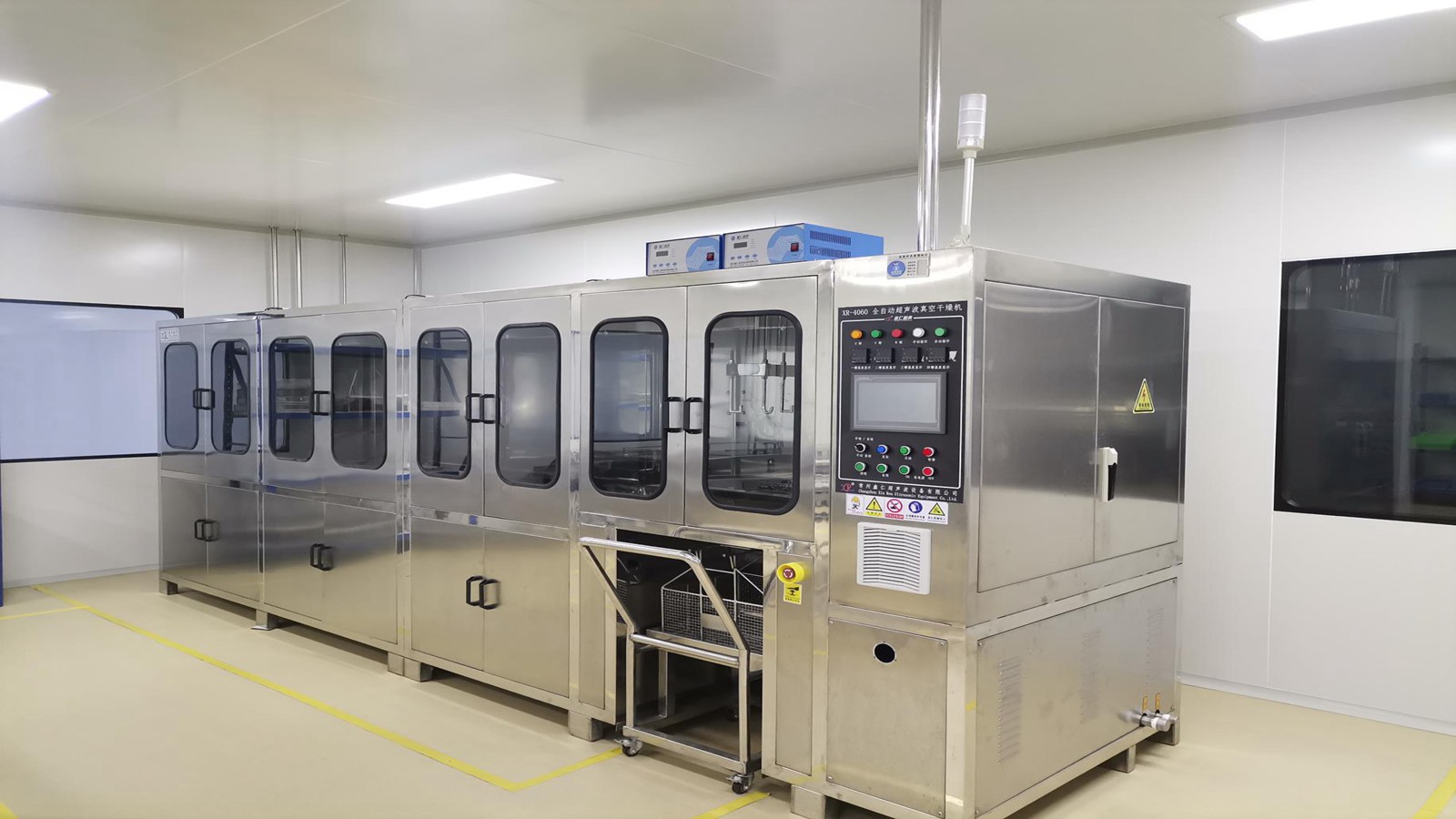
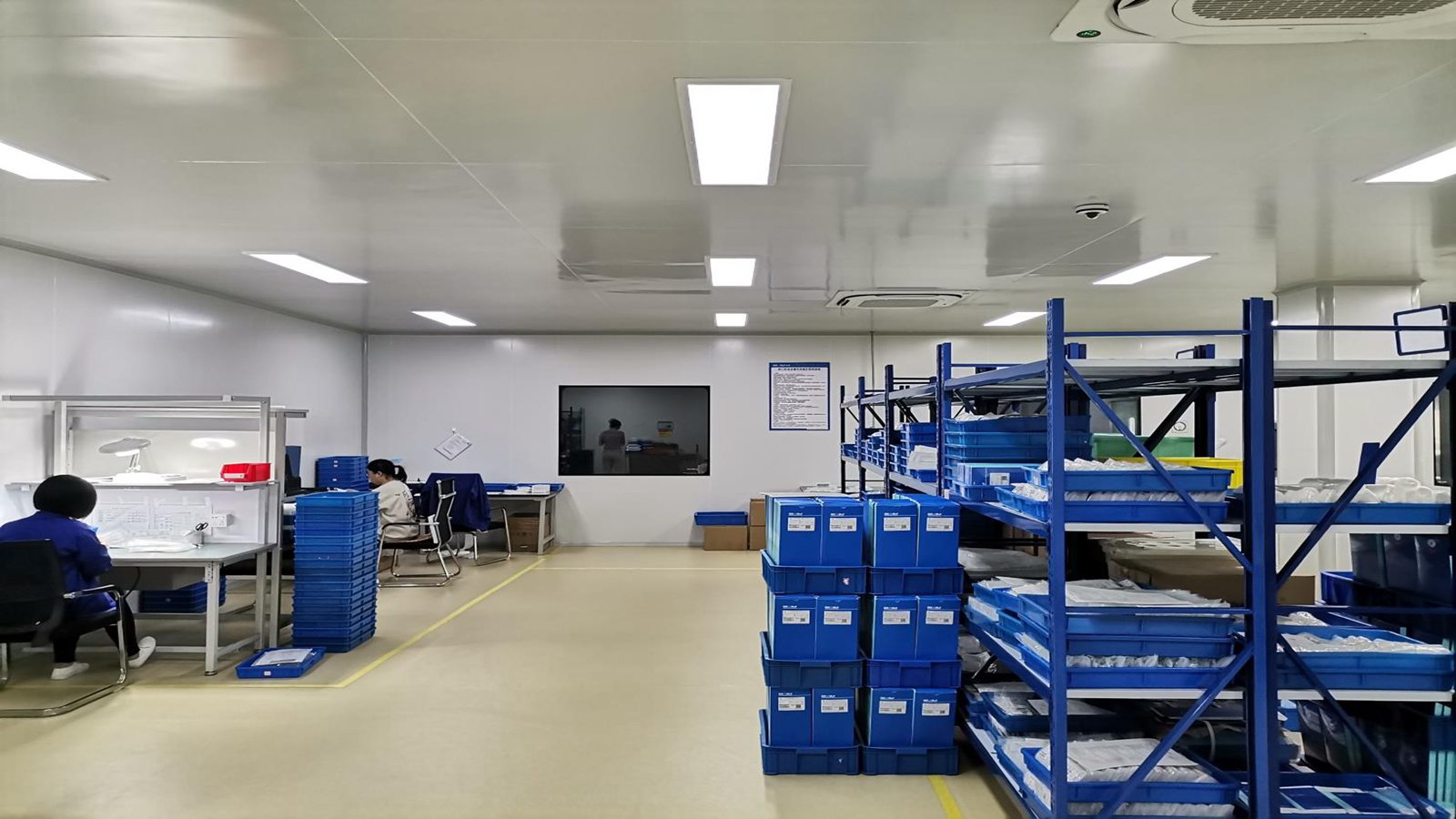
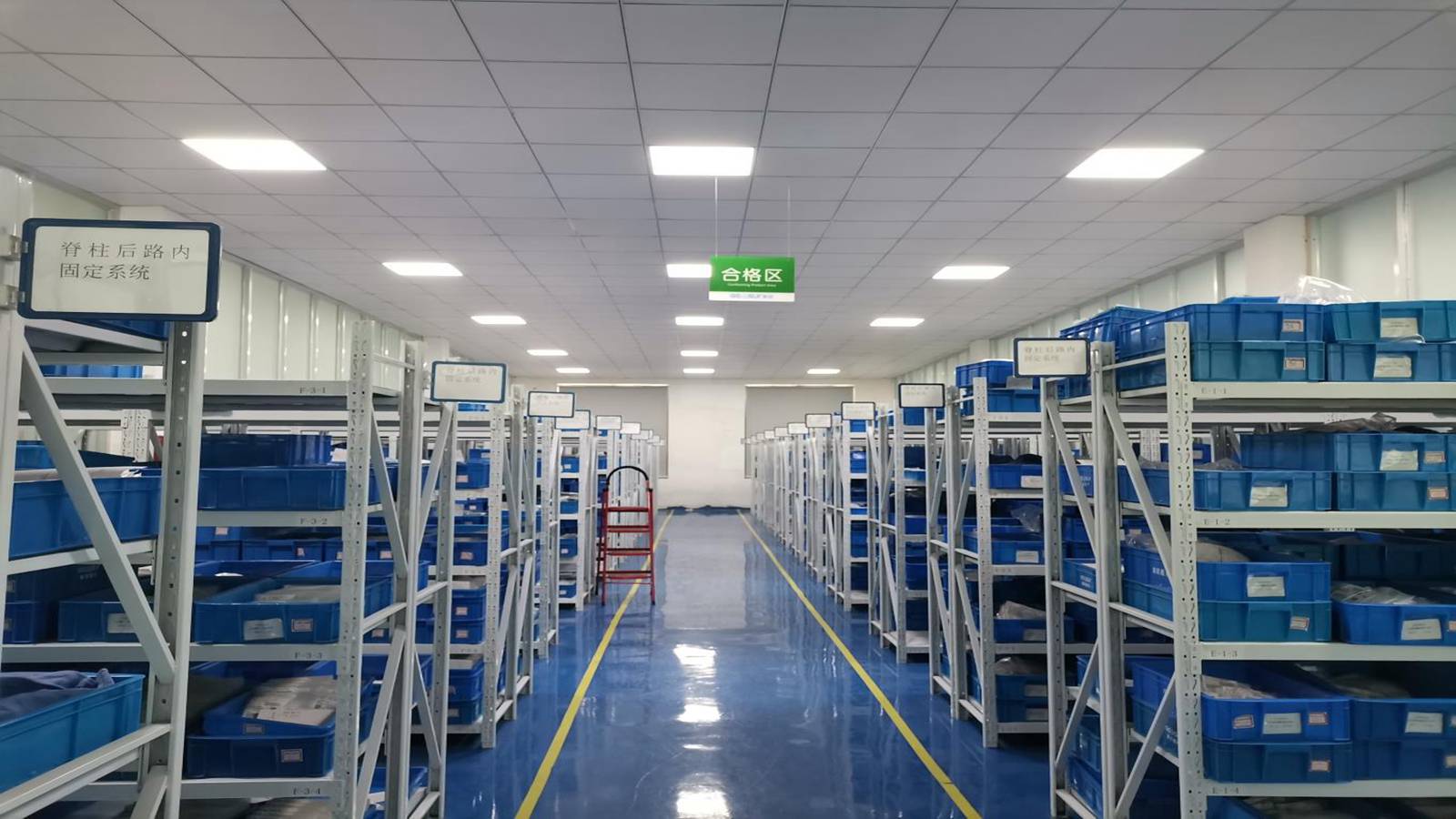
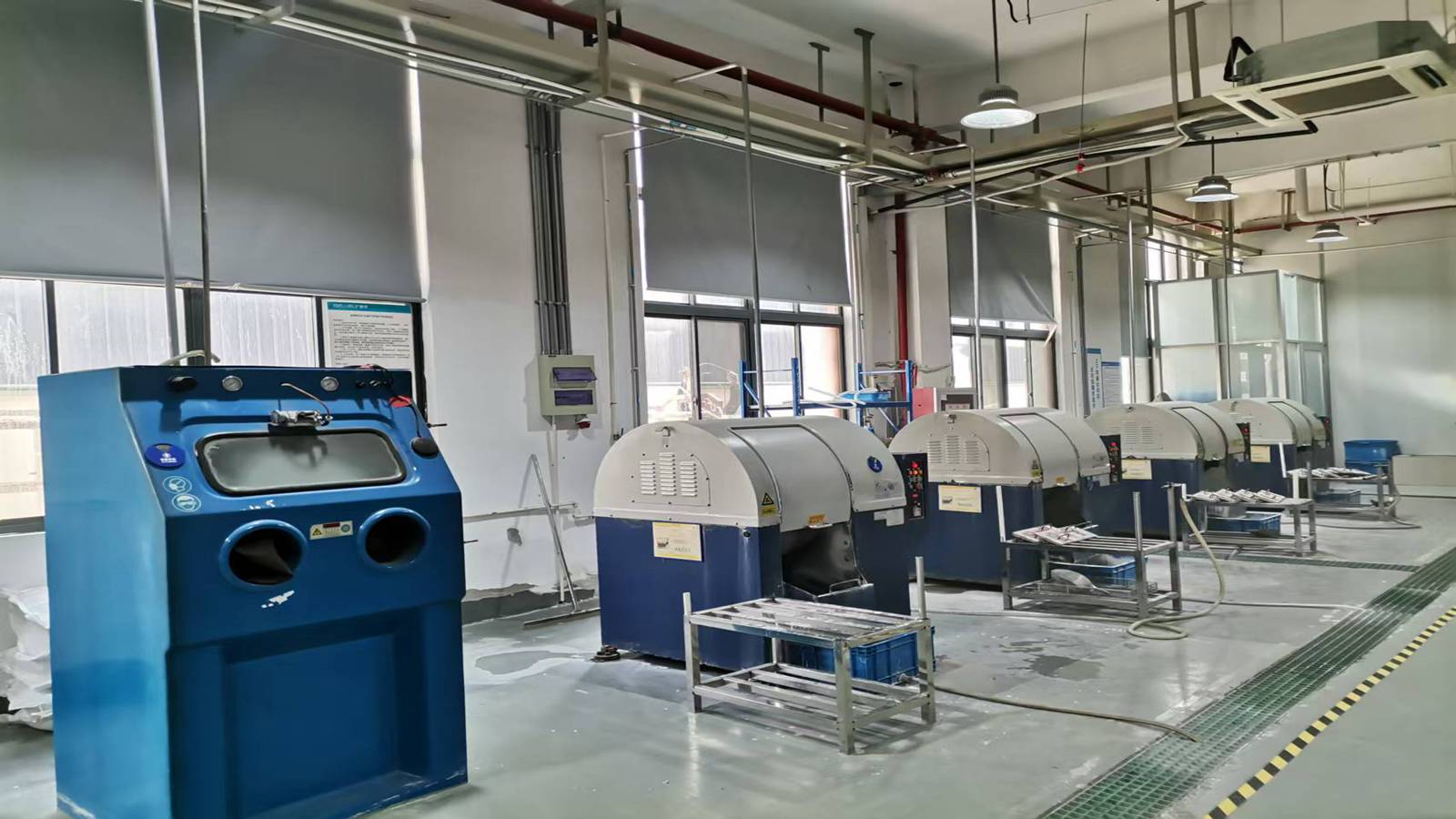
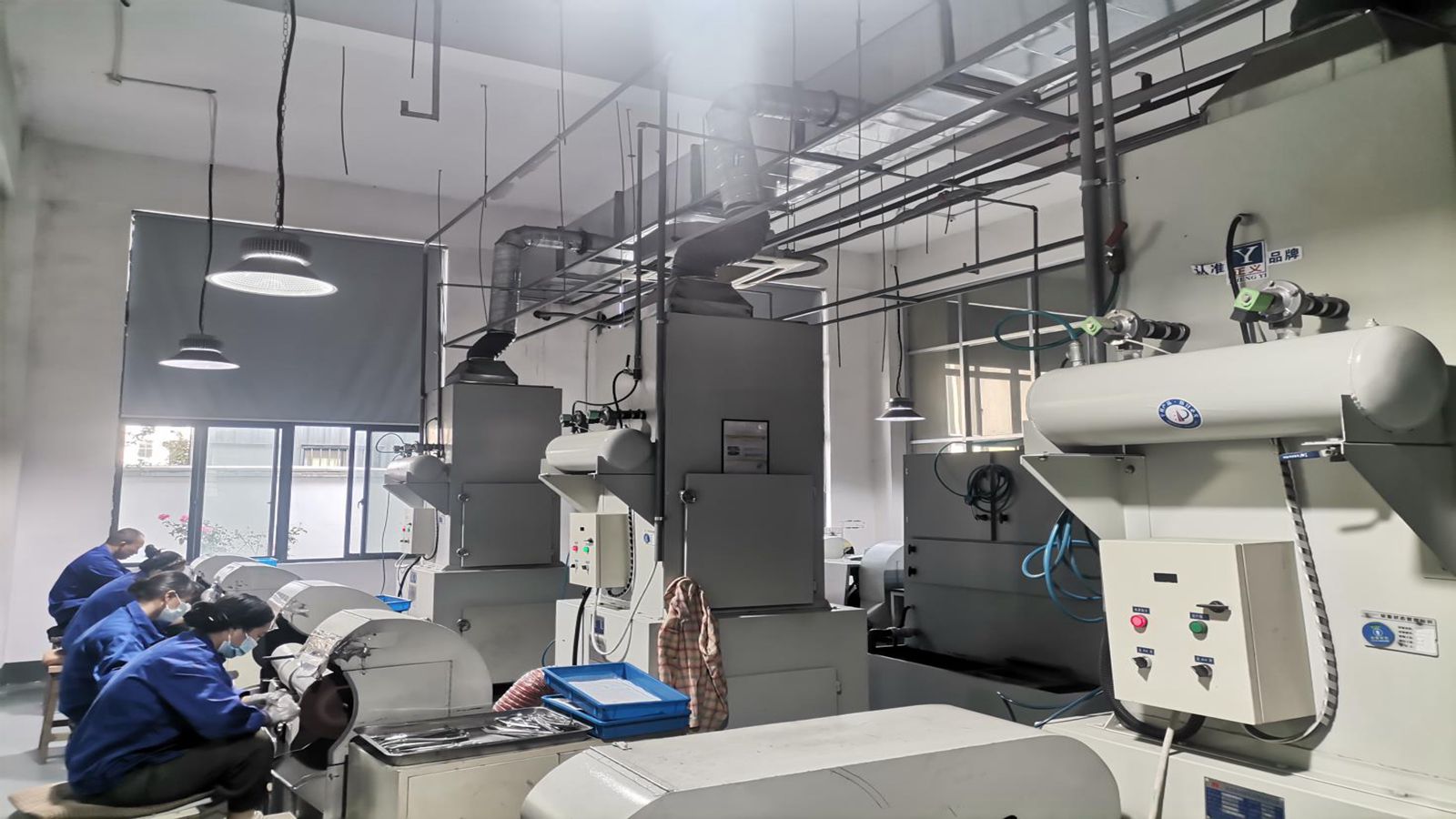
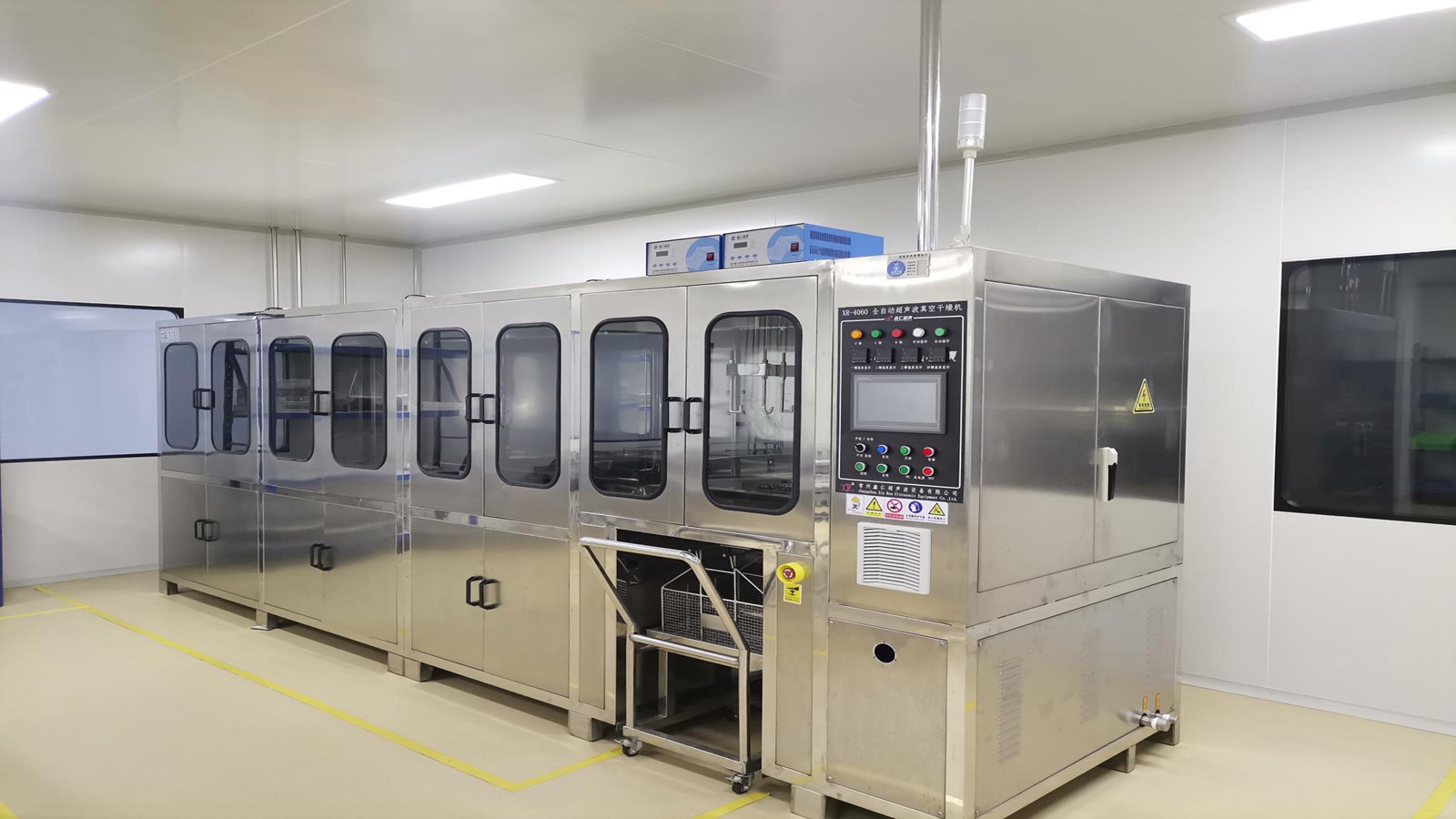
A visual insight into HBM Medical's production environment, featuring high-precision CNC machining, automated washing, and cleanroom packaging.



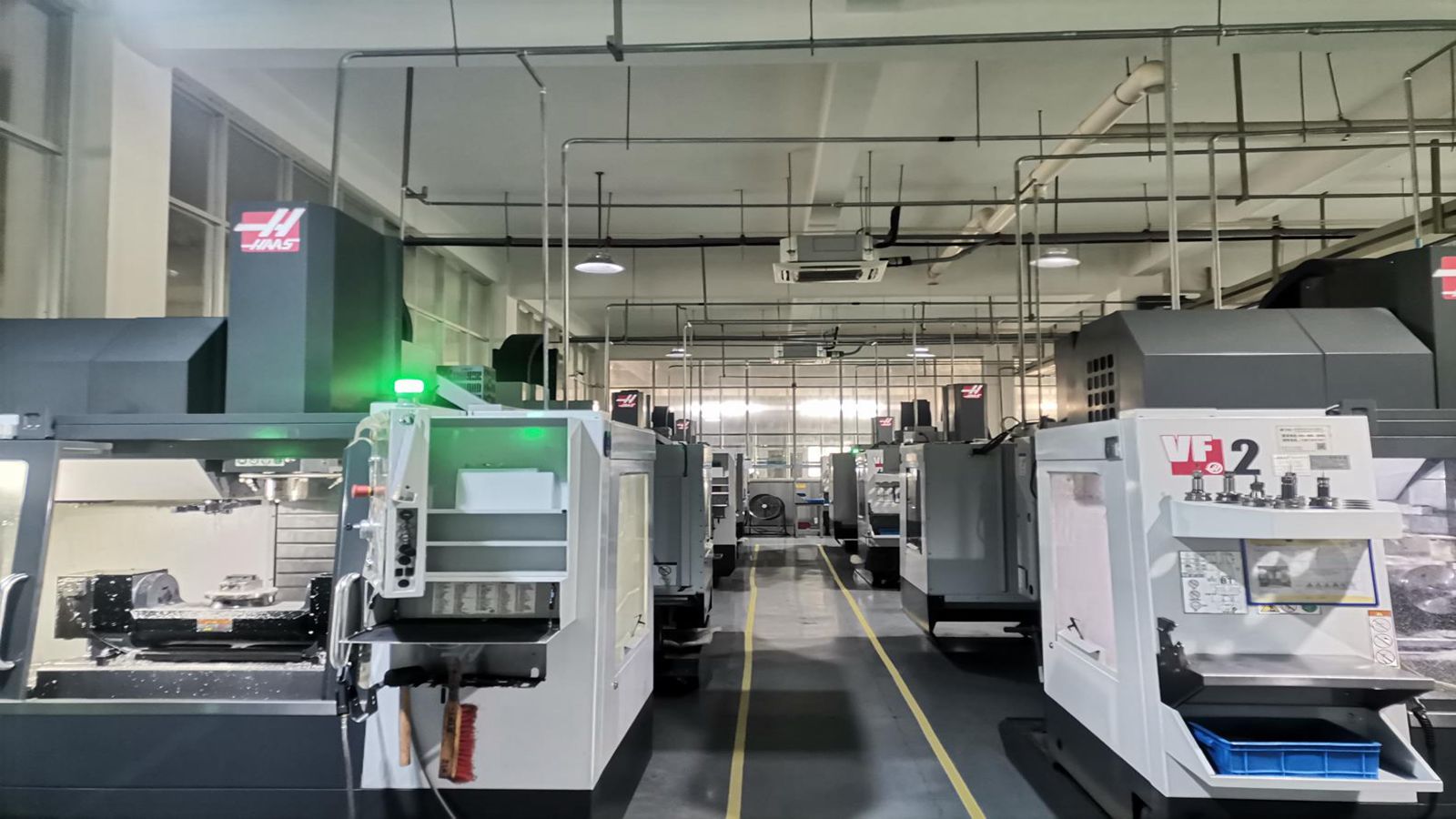
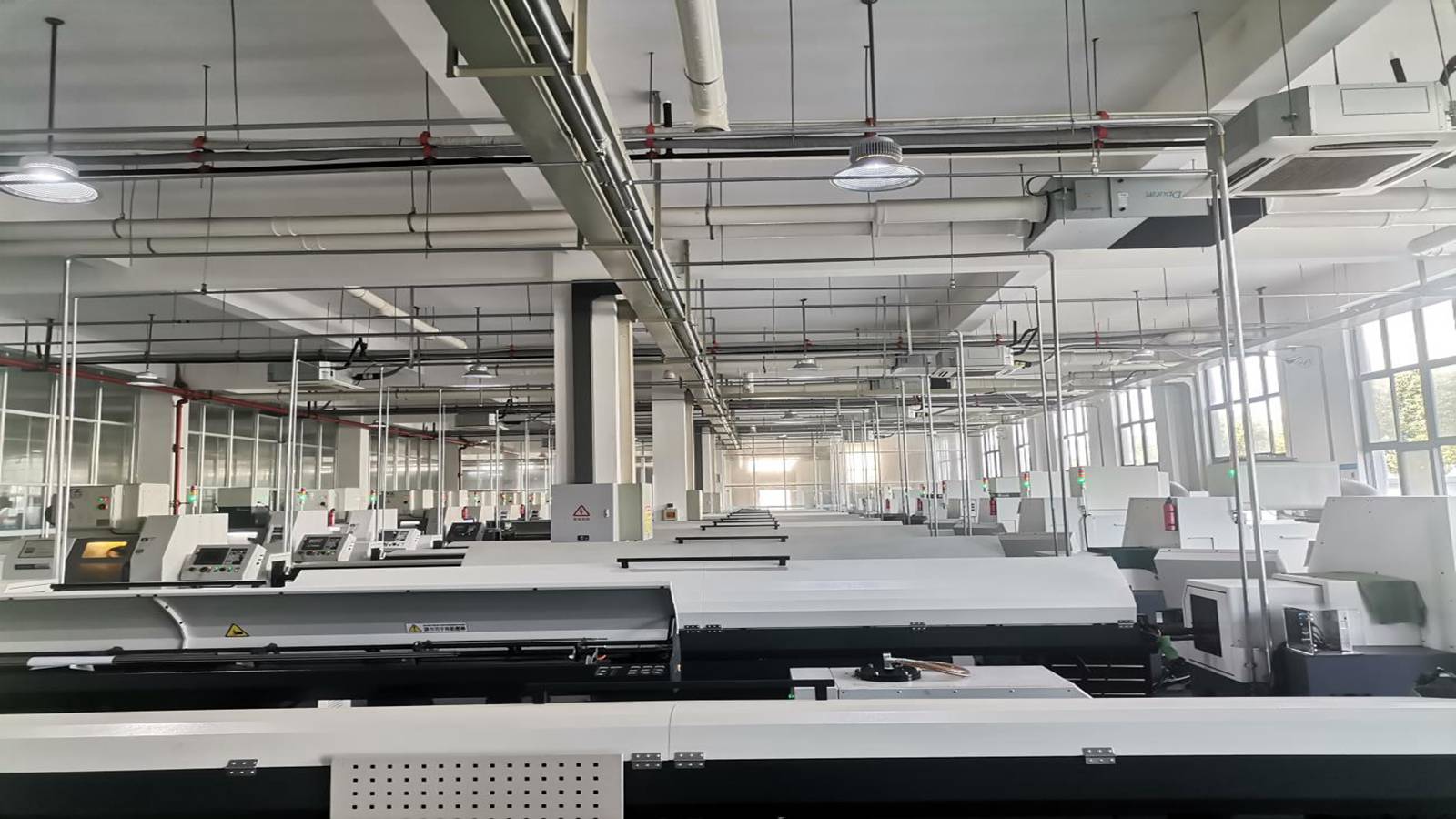
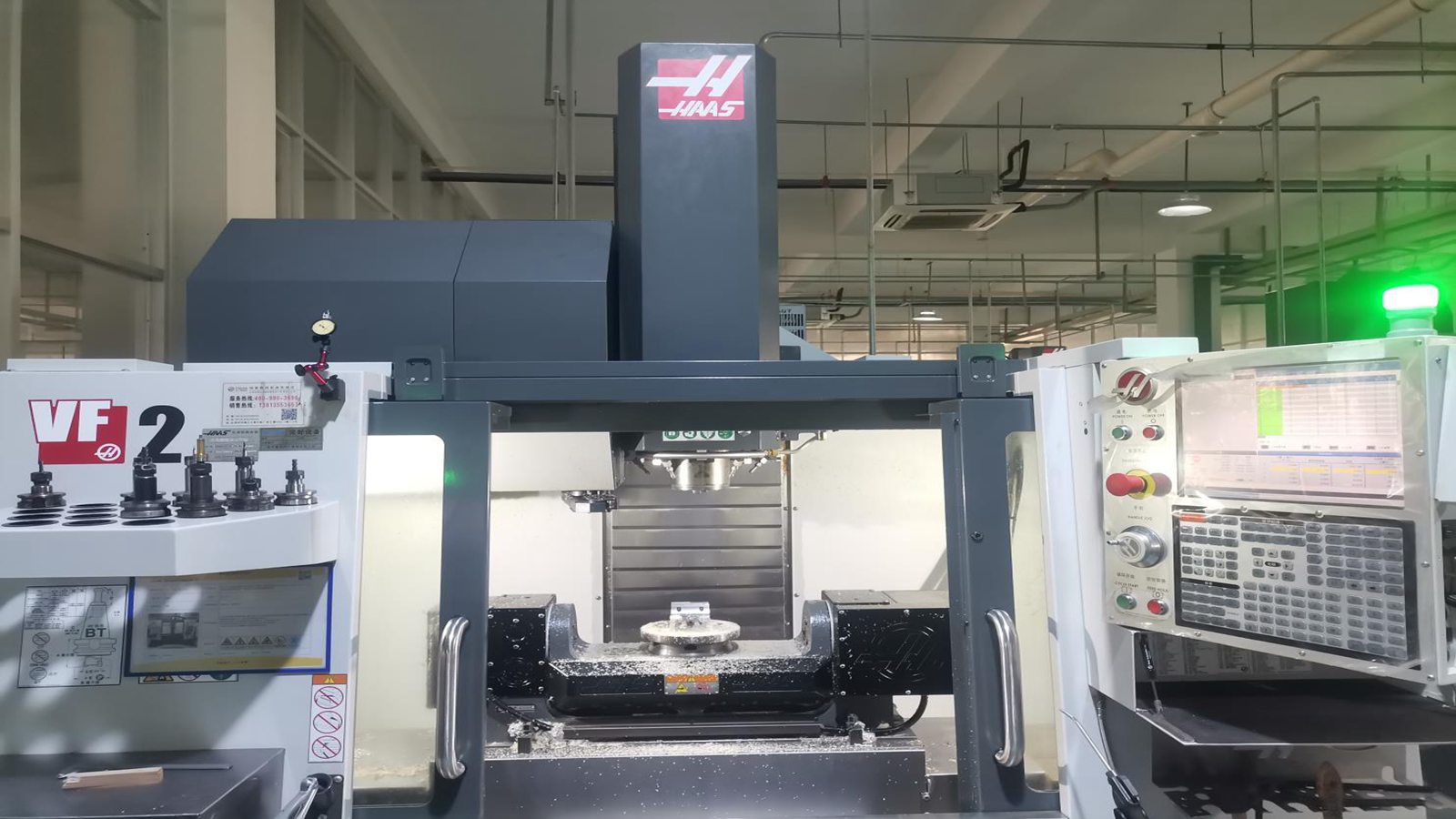

HBM Medical Apparatus And Instruments Co., Ltd. is a leading orthopedic medical equipment R&D, manufacturing, and operation enterprise in China, with a sales network covering the whole country and sales offices in many regions in China. With first-class production equipment, professional R&D, technology, and manufacturing teams, a quality management system in line with international standards, and an efficient marketing service strategy, HBM has won the recognition of many partners.
The company has a number of senior R&D technical teams with years of experience in the orthopedic medical device industry, and has made unique achievements in the field of orthopedic medical devices. HBM Medical has always put the talent development strategy in the first place, and constantly improved and built a professional innovation team with high quality and strong R&D ability. We adhere to the development concept of technological innovation, product innovation, and service innovation. Gather and integrate superior resources, serve the great cause of human health, work hard and forge ahead bravely—"Integrate the Master, Health being achieved."
HBM Medical can provide professional integrated solutions for the R&D, production, and sales of orthopedic implants and surgical instruments. The company has a production site of over 30,000 square meters, more than 350 processing and testing equipment, and strong production capacity. The products have obtained certifications such as CE and FDA, which meet international standards and ensure quality. The company has passed systems such as ISO 13485, ISO 14001, etc., and has sufficient sustainable development capabilities to provide customized services for customers.
Established on 2015-10-15, with 10 years of exporting experience and 10 years in the industry, HBM Medical serves main markets including the Domestic Market (80%), Eastern Europe (5%), and Southeast Asia (5%), catering to brand businesses, retailers, engineers, wholesalers, and manufacturers.
Find answers to common technical, manufacturing, and regulatory questions regarding our cannulated screw systems.
Browse our extensive range of specialized compression screws, including Herbert-style headless screws and complete surgical instrument sets.
 HBM Medical