Explore our leading-edge spinal implants engineered from medical-grade titanium alloy, featuring high mechanical stability and precise tolerances.
A comprehensive analysis of clinical demands, material innovations, and regulatory landscapes shaping the future of spinal fusion and motion preservation therapies.
The global spinal implants market is undergoing a profound paradigm shift. Driven by an aging global population, rising incidences of degenerative disc diseases, and the rapid adoption of Minimally Invasive Spine Surgery (MISS), the demand for high-performance spinal fixation devices has reached unprecedented heights. Today's clinical environment demands implants that not only provide immediate mechanical stability but also actively promote rapid osseointegration and long-term biomechanical harmony.
As a leading orthopedic medical equipment R&D and manufacturing enterprise, HBM Medical Apparatus And Instruments Co., Ltd. stands at the forefront of this evolution. By integrating advanced material science with state-of-the-art manufacturing technologies, we deliver spinal systems that meet the rigorous demands of modern neurosurgery and orthopedic trauma departments worldwide.
Utilization of premium medical-grade Titanium Alloy (Ti-6Al-4V ELI) and advanced PEEK polymers to ensure optimal biocompatibility, high fatigue strength, and reduced stress shielding.
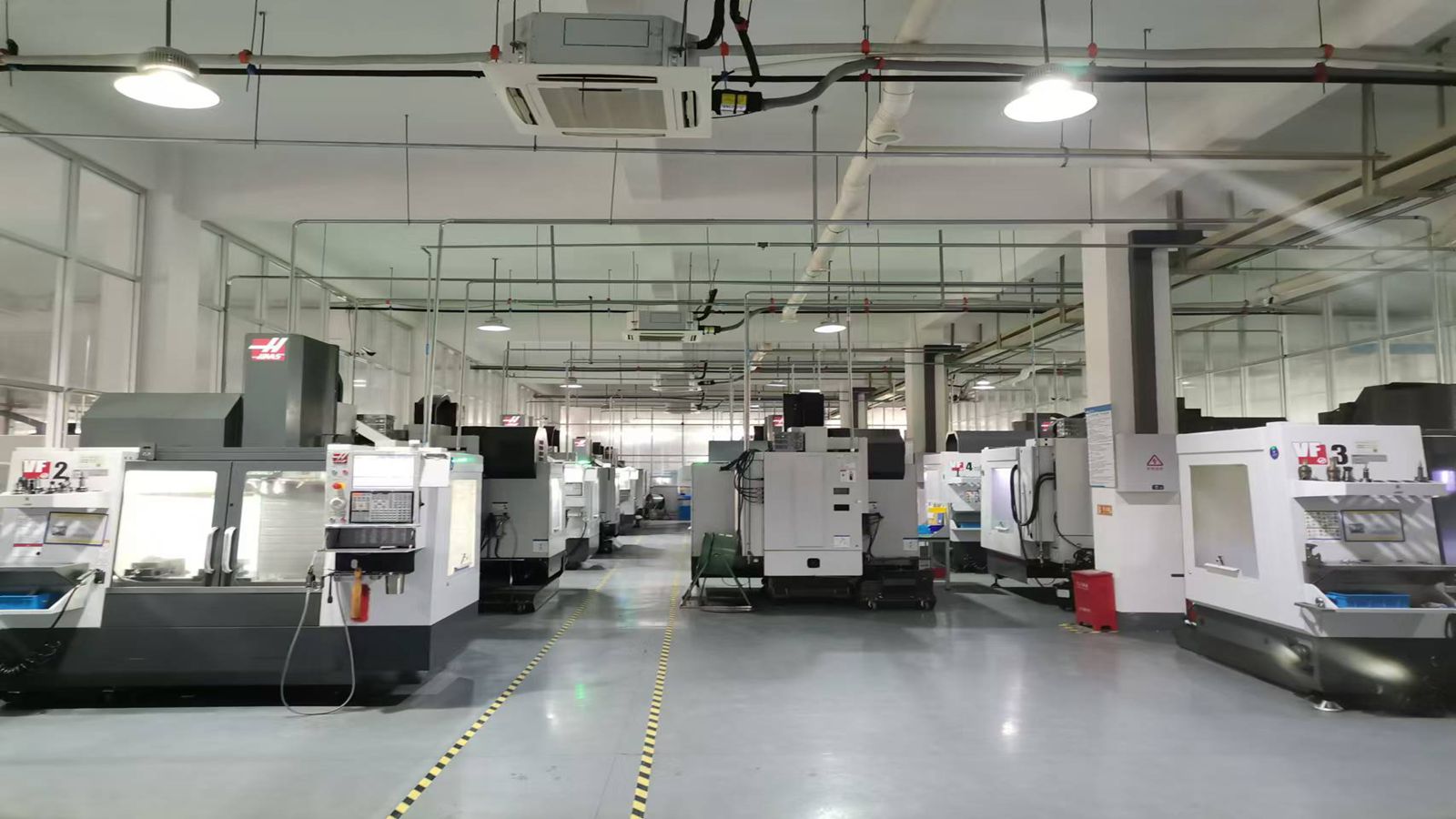
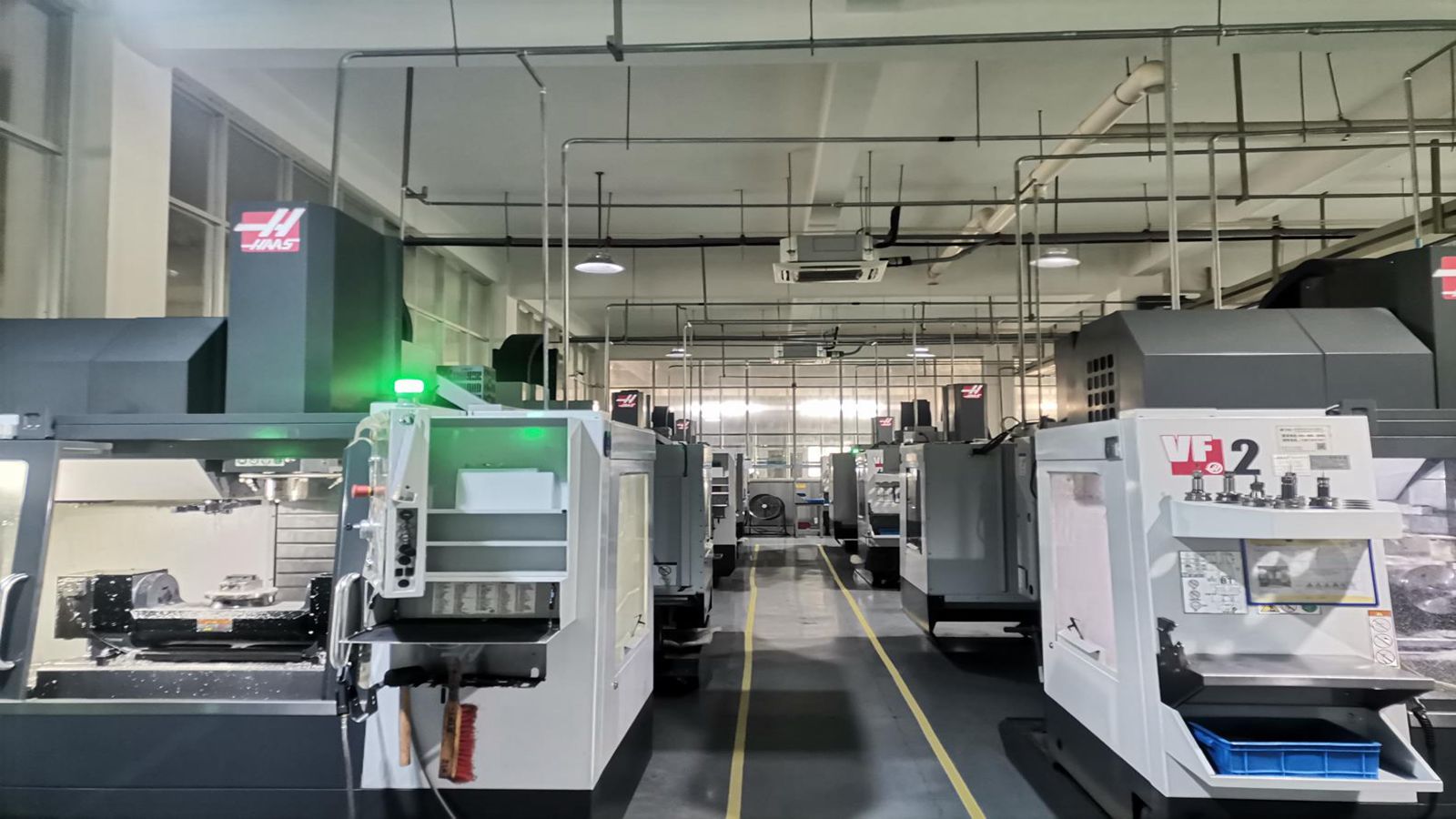
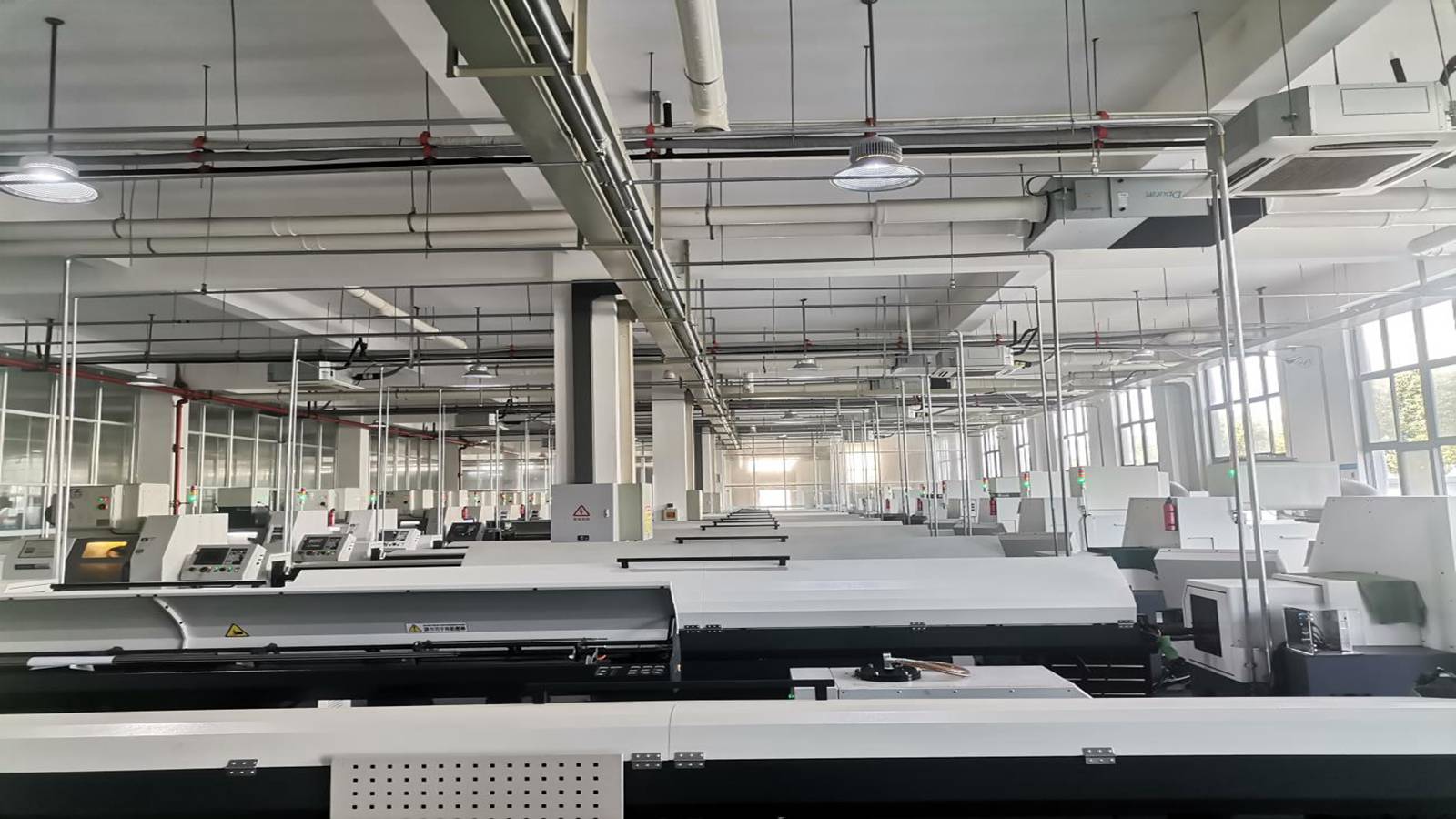
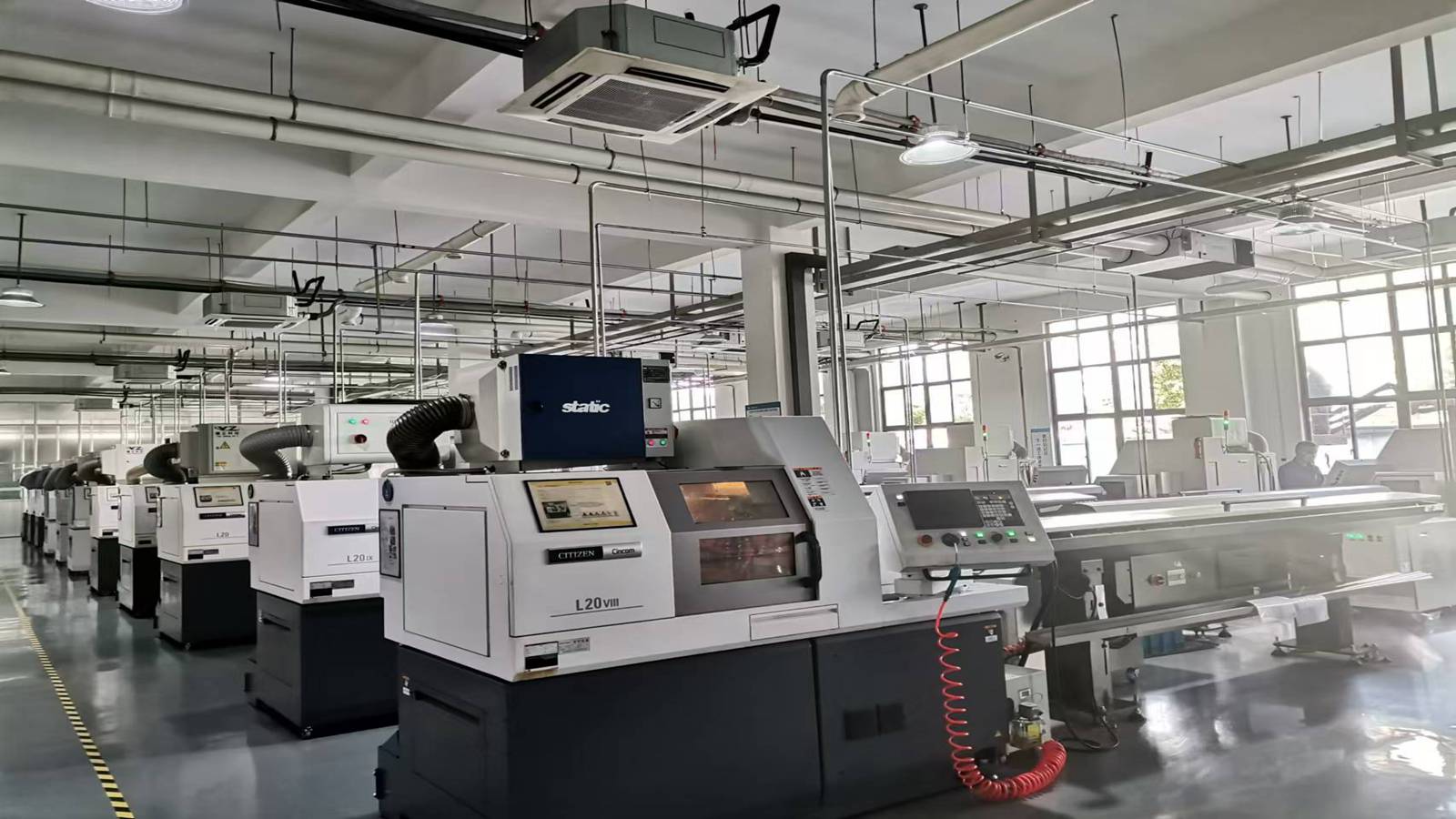
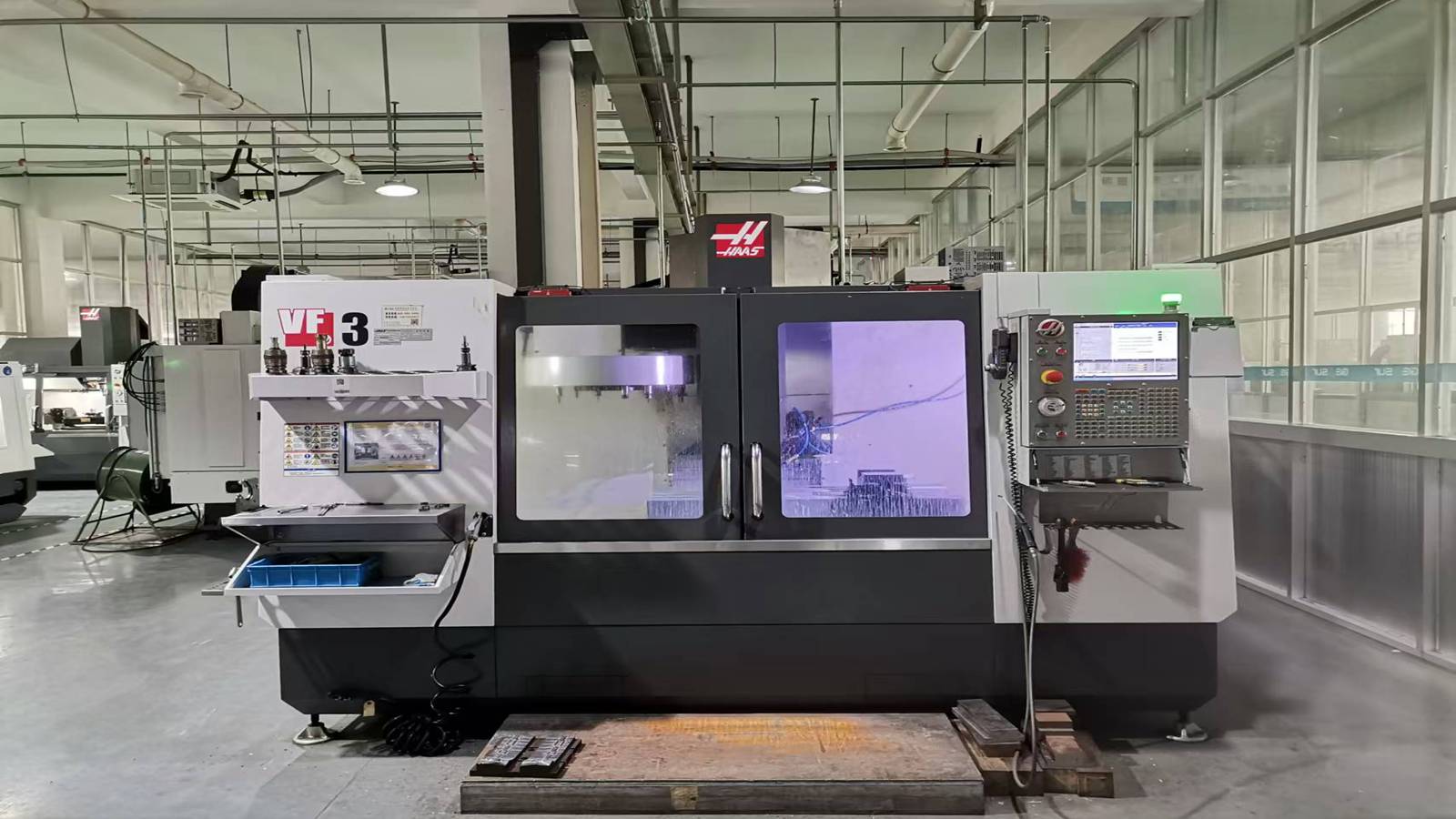
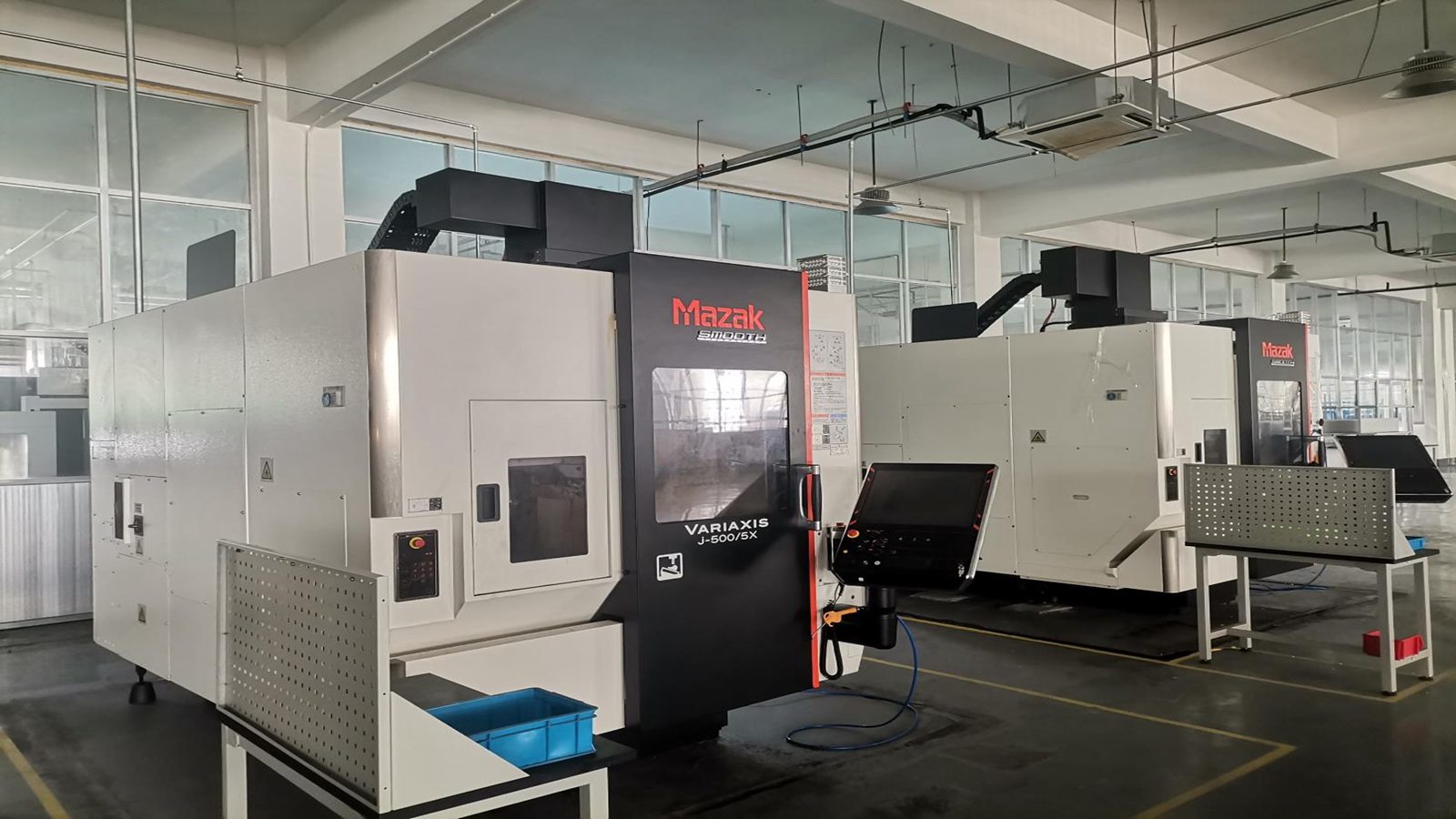
Micron-level manufacturing tolerances executed via advanced multi-axis CNC Swiss-type lathes, ensuring flawless thread profiles and reliable locking mechanisms.
Strict adherence to international quality standards, backed by comprehensive certifications including ISO 13485, MDSAP, and CE (MDR) approvals.
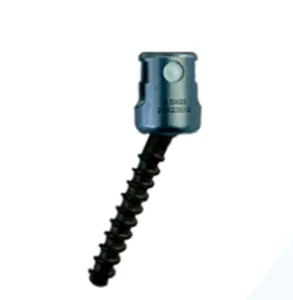
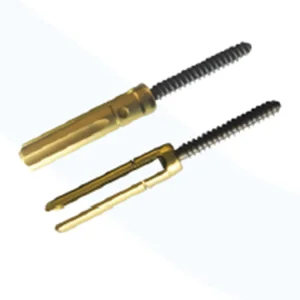
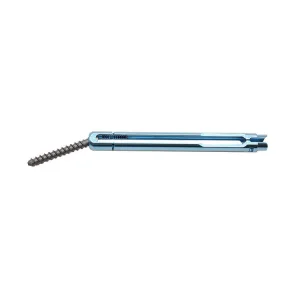
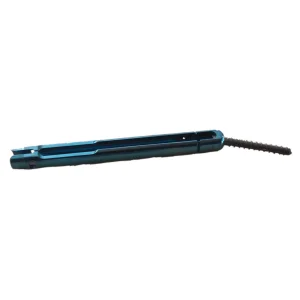
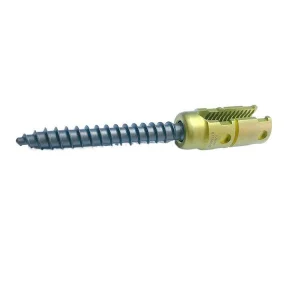
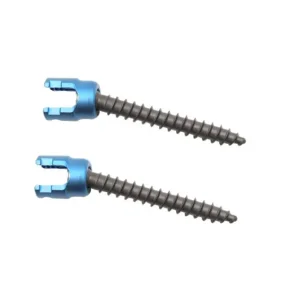
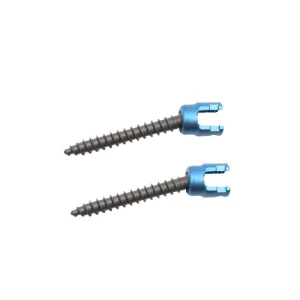
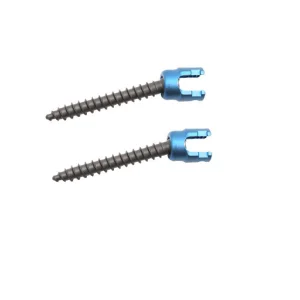
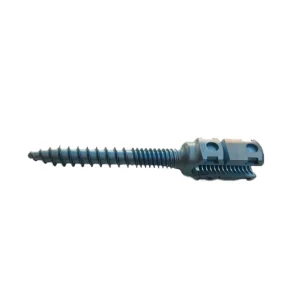
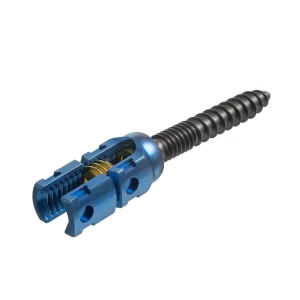
Traditional open spinal surgery, while highly effective, is associated with significant muscle dissection, intraoperative blood loss, and prolonged recovery times. The contemporary surgical standard is rapidly transitioning toward minimally invasive techniques. MIS pedicle screw systems, such as our Geasure Titanium Minimally Invasive Pedicle Screw, utilize percutaneous insertion methods. These systems feature extended tabs or reduction sleeves that allow surgeons to secure the spinal column through minimal skin incisions, significantly reducing patient morbidity, postoperative pain, and hospital stays.
How HBM Medical leverages smart manufacturing, vertical integration, and rigorous quality control to secure global orthopedic supply chains.
In the wake of global supply chain disruptions, medical device distributors and hospital procurement networks are prioritizing supply chain resilience and cost-efficiency without compromising on clinical quality. The Chinese medical device manufacturing sector has undergone a massive technological upgrade, transitioning into a highly automated "Factory 4.0" ecosystem.
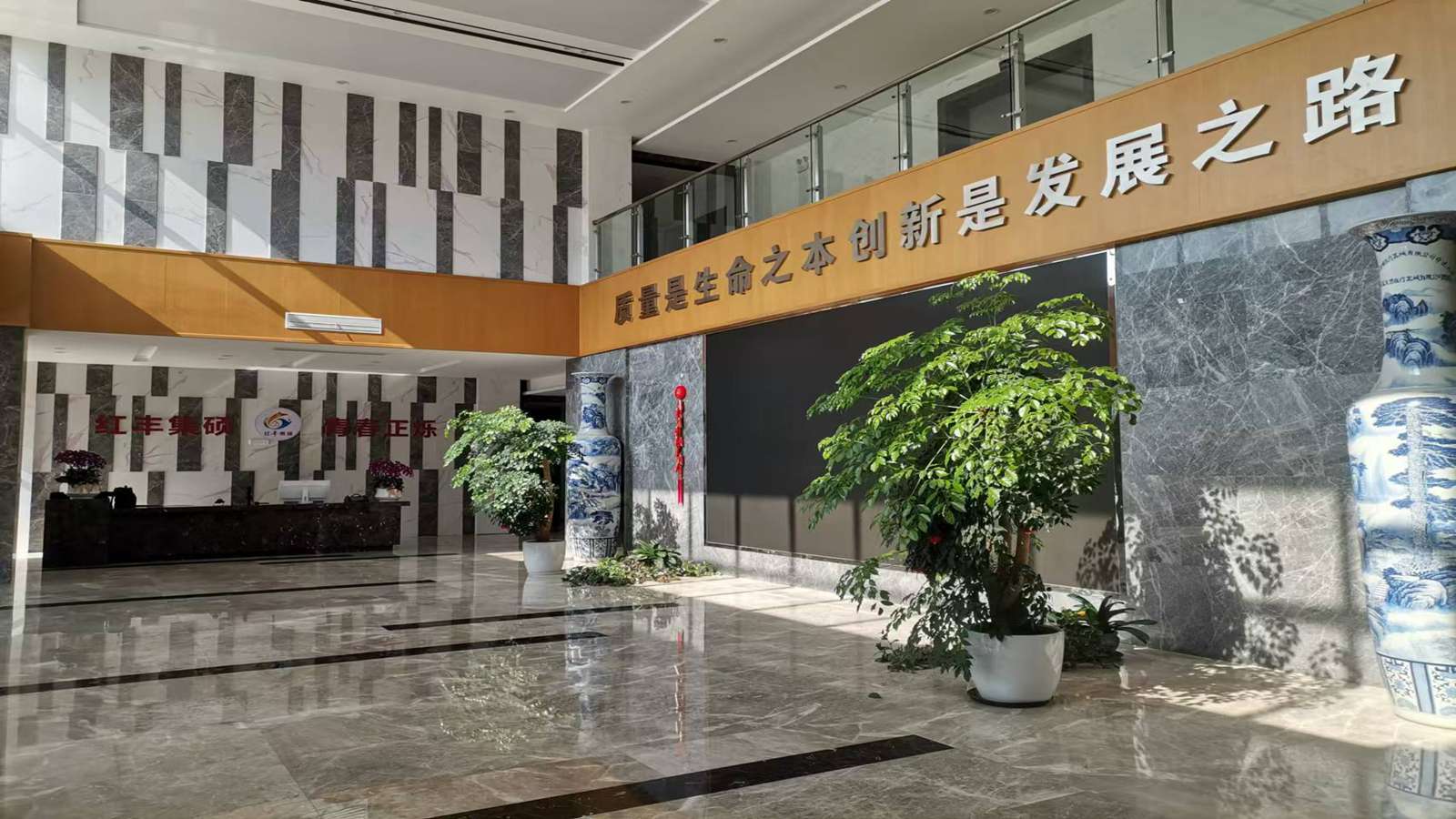
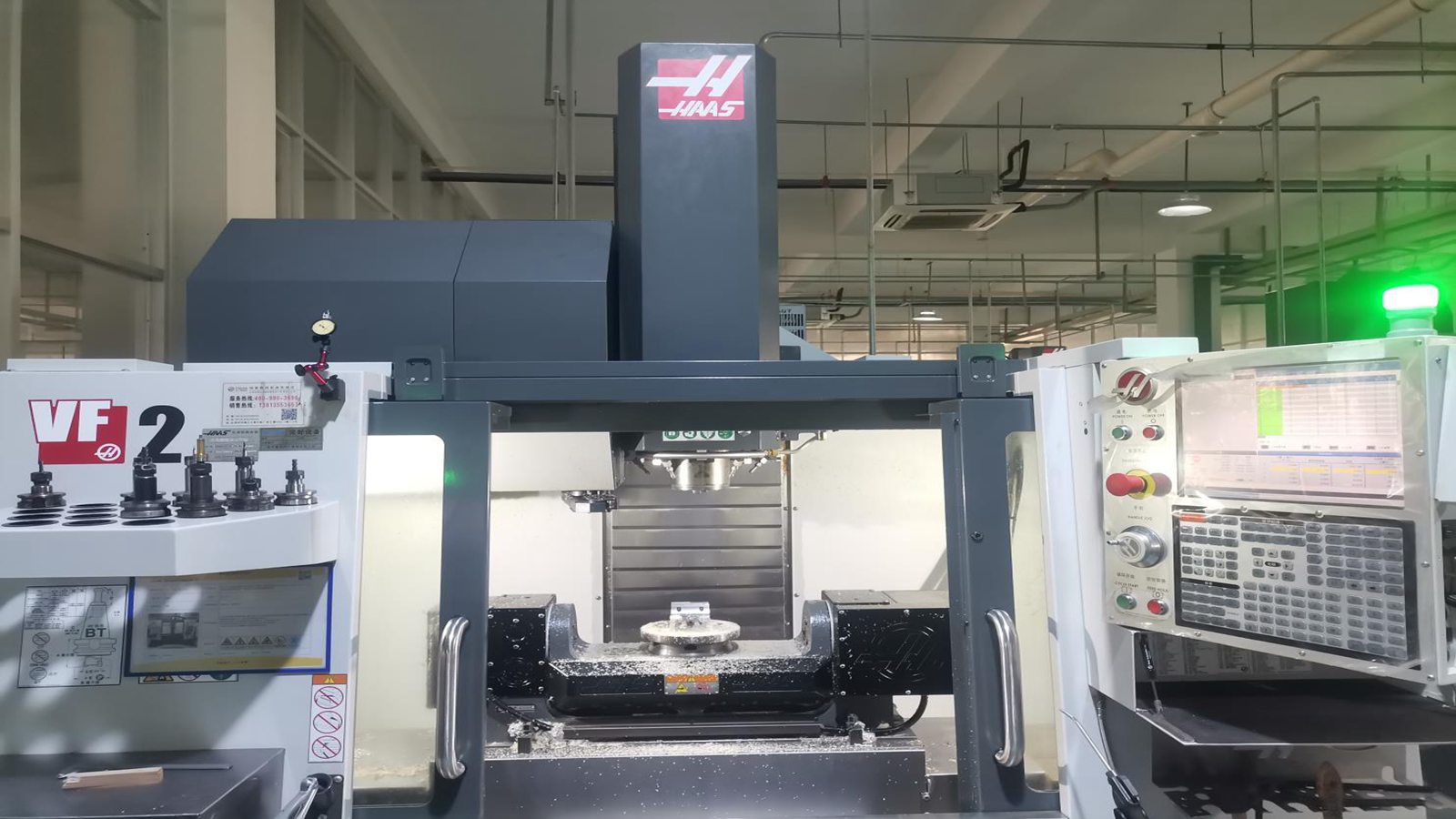
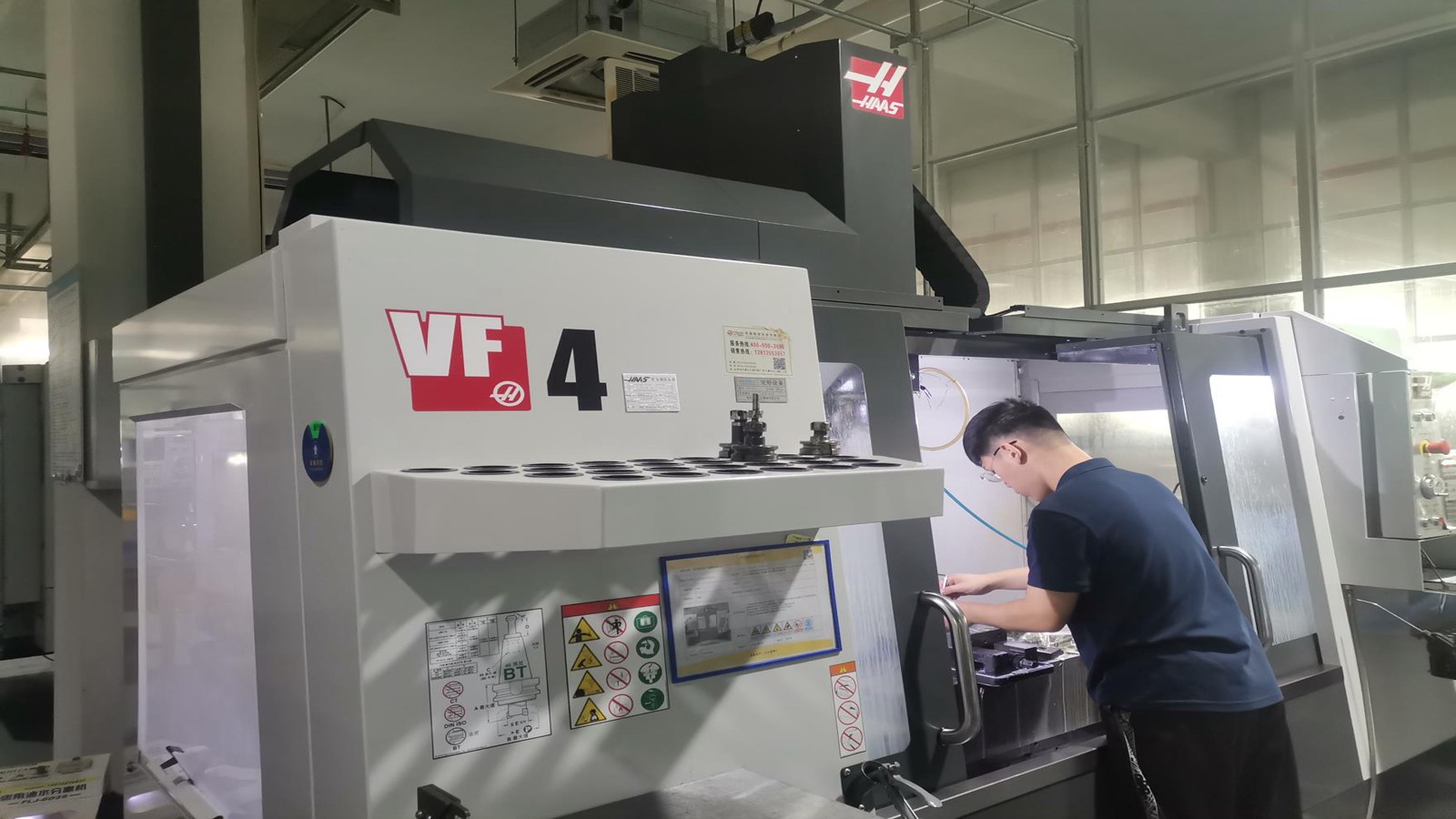
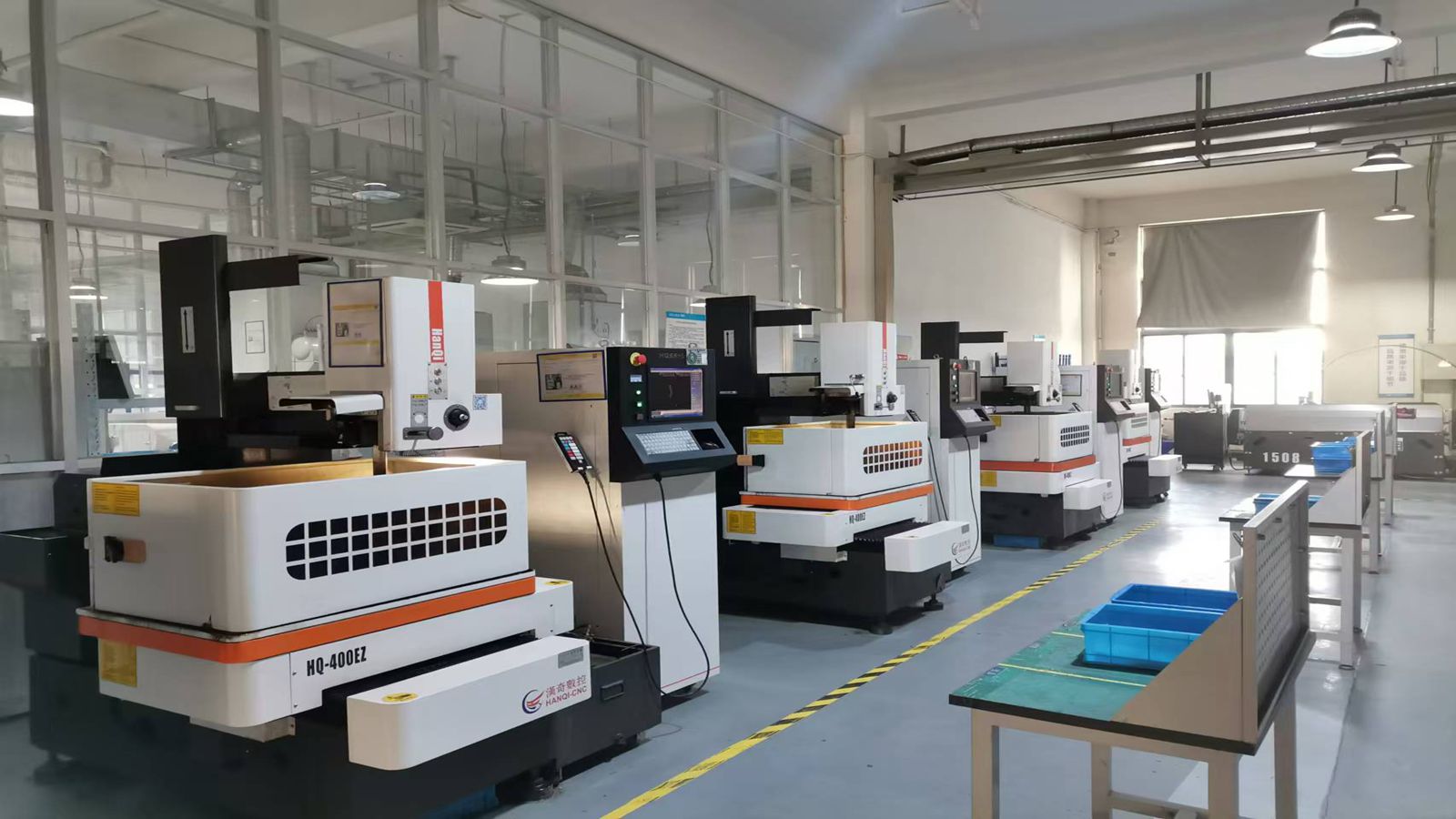
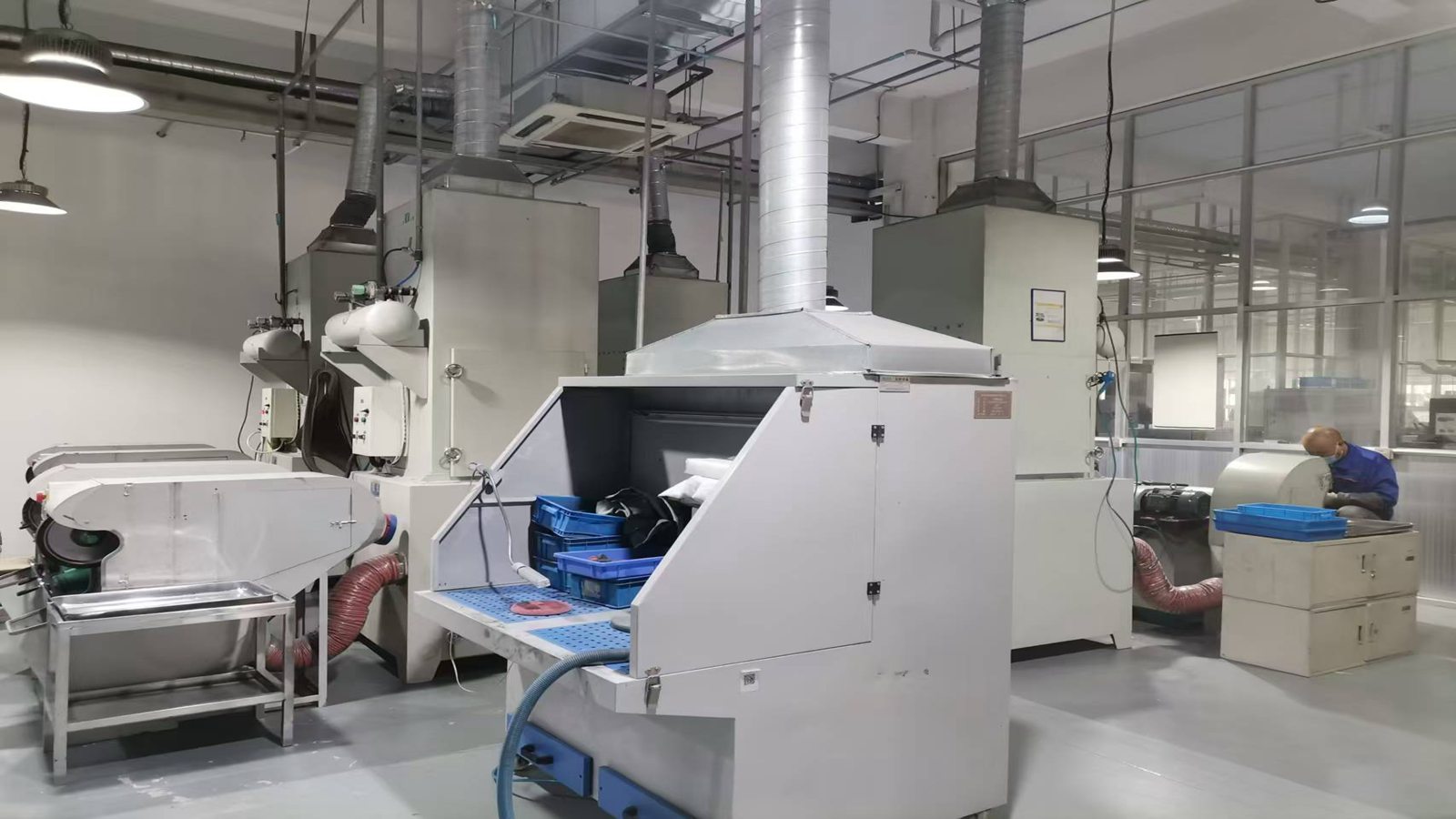
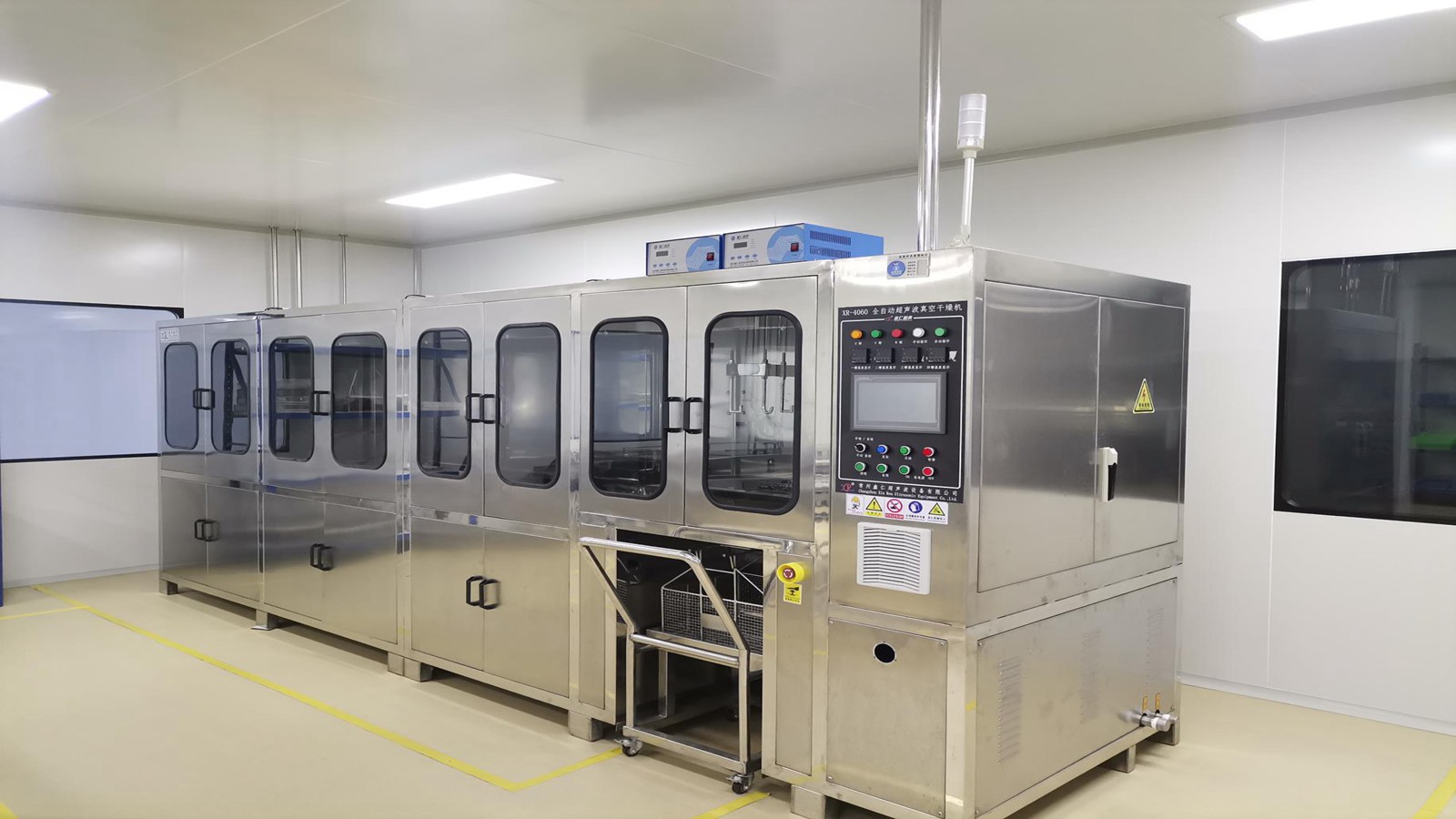
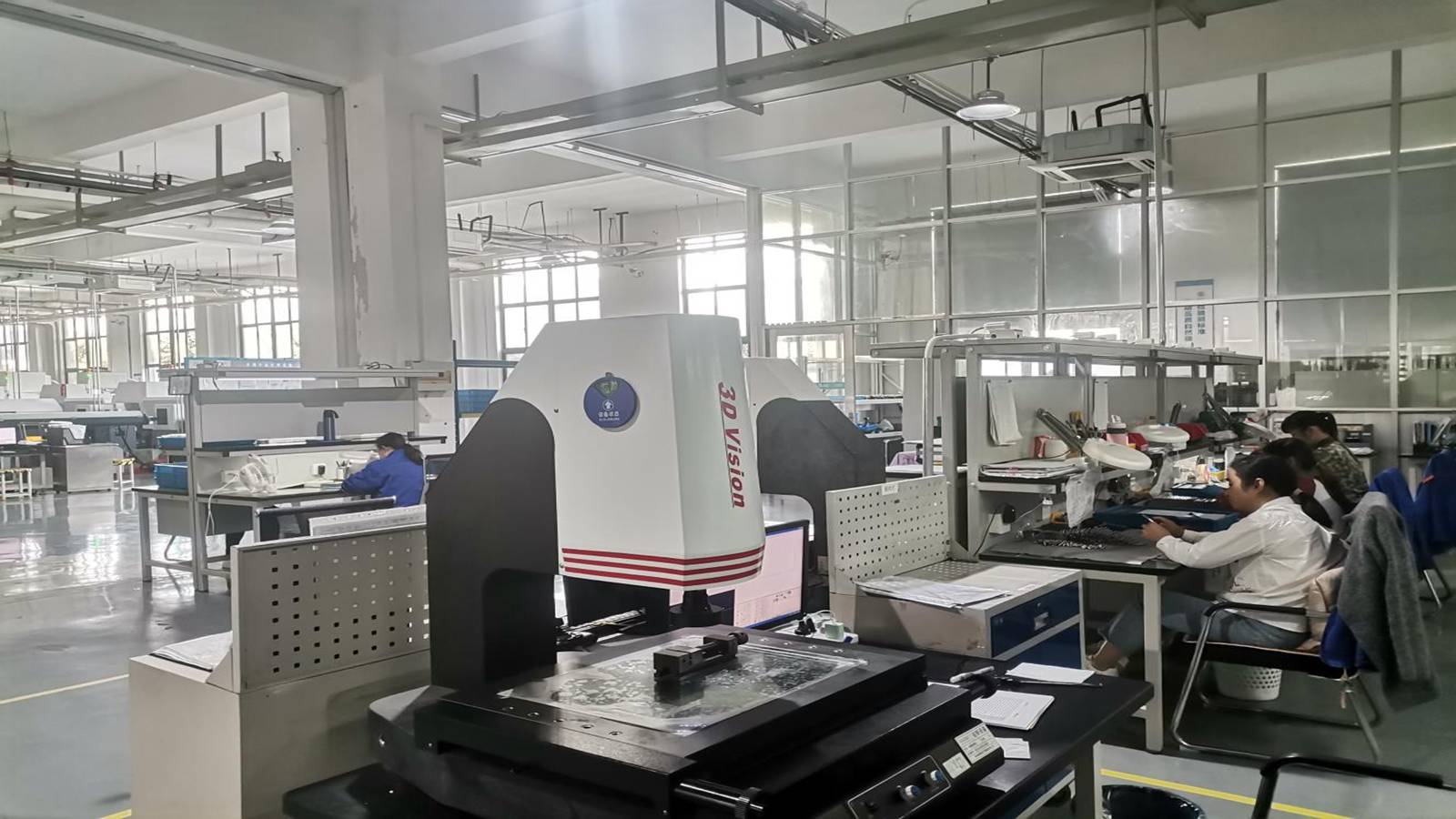
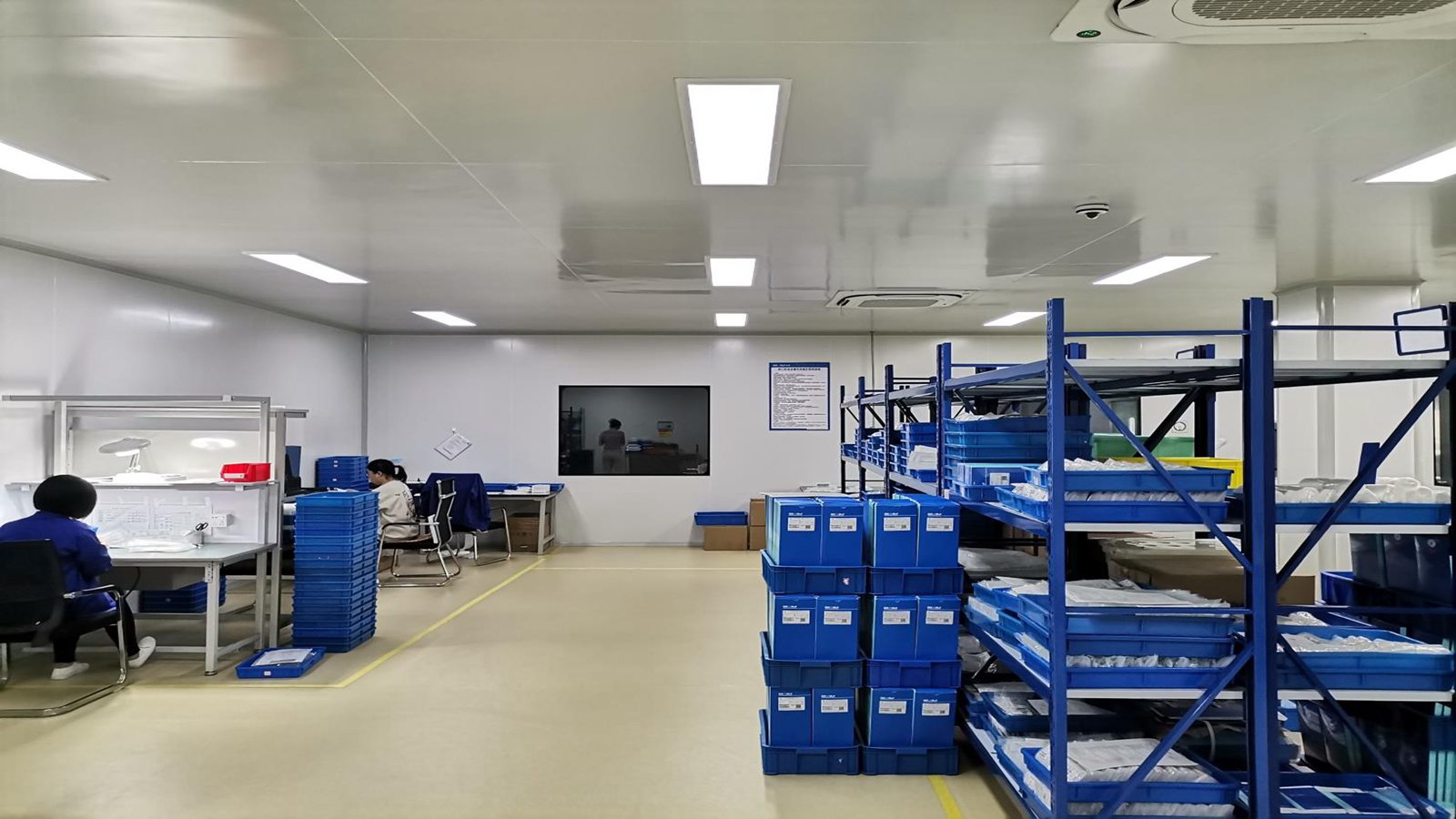
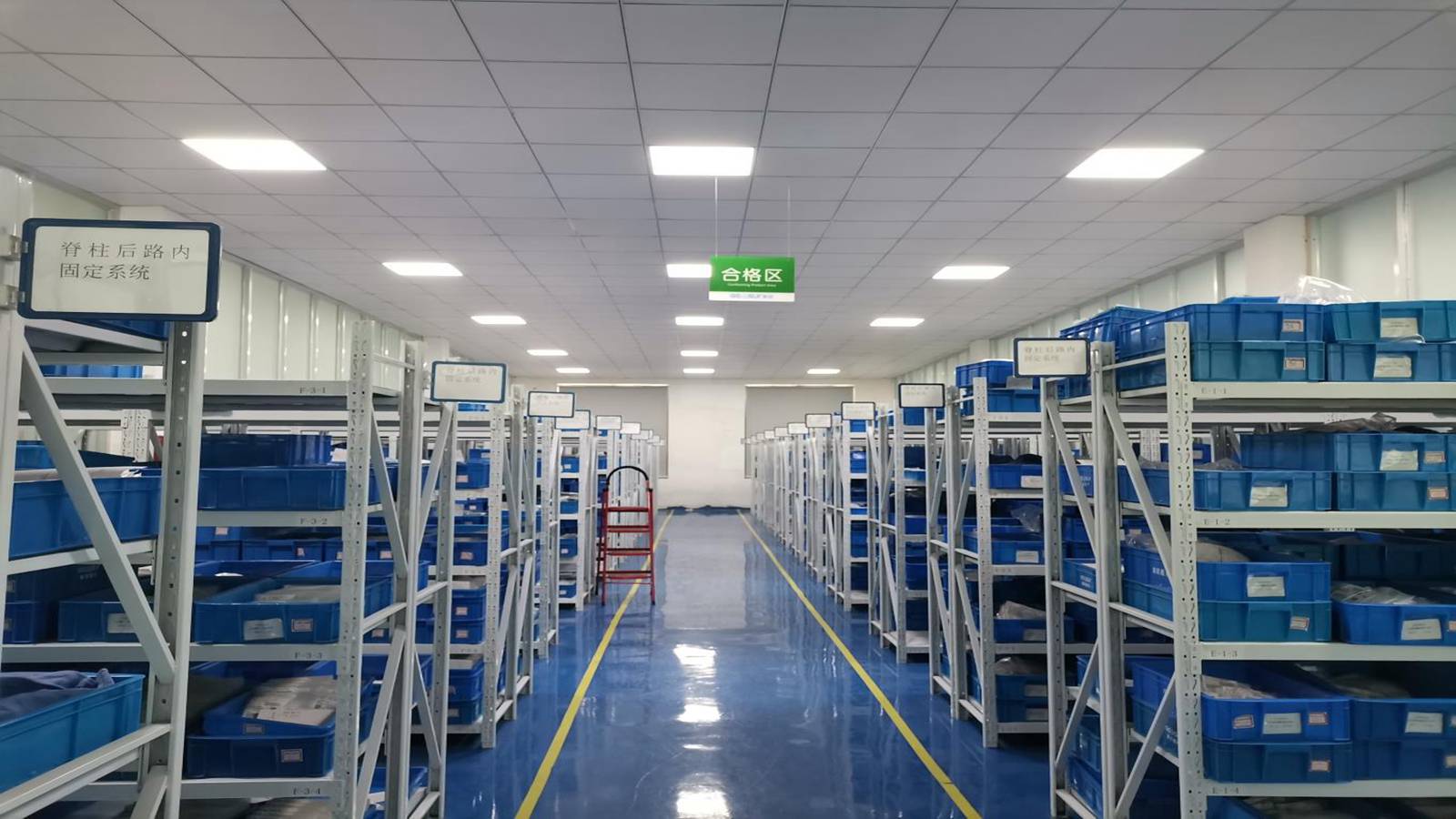
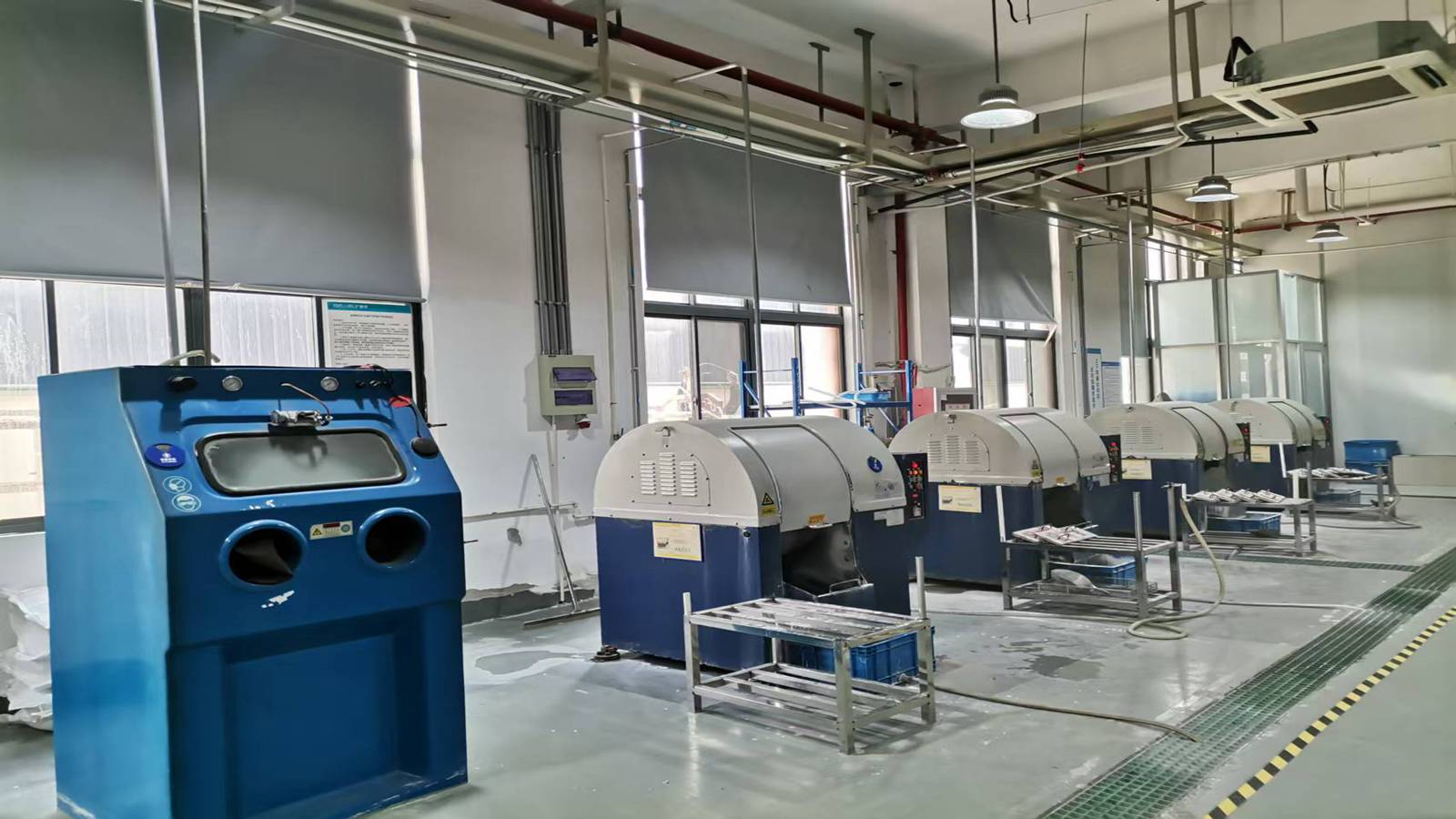
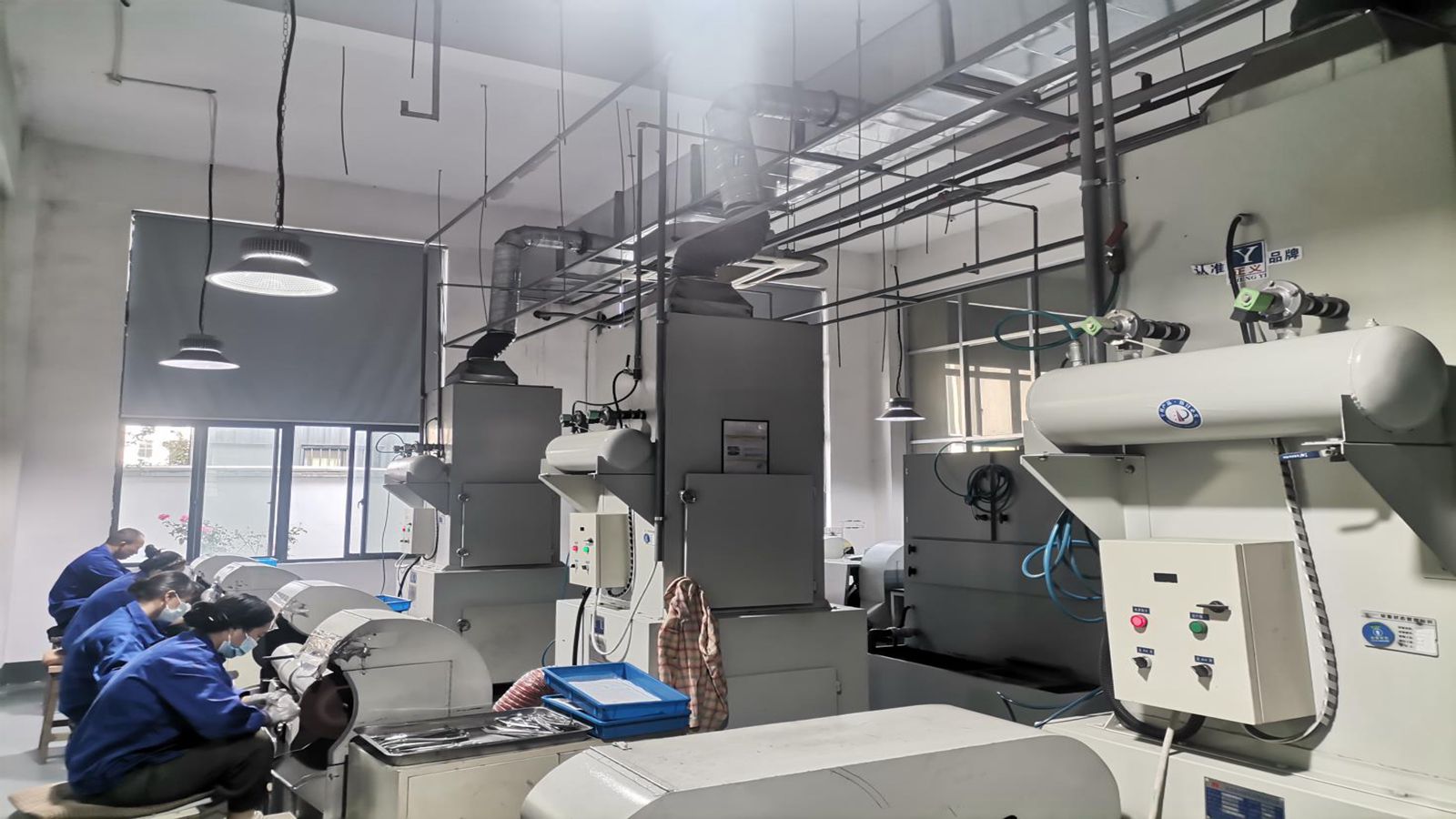
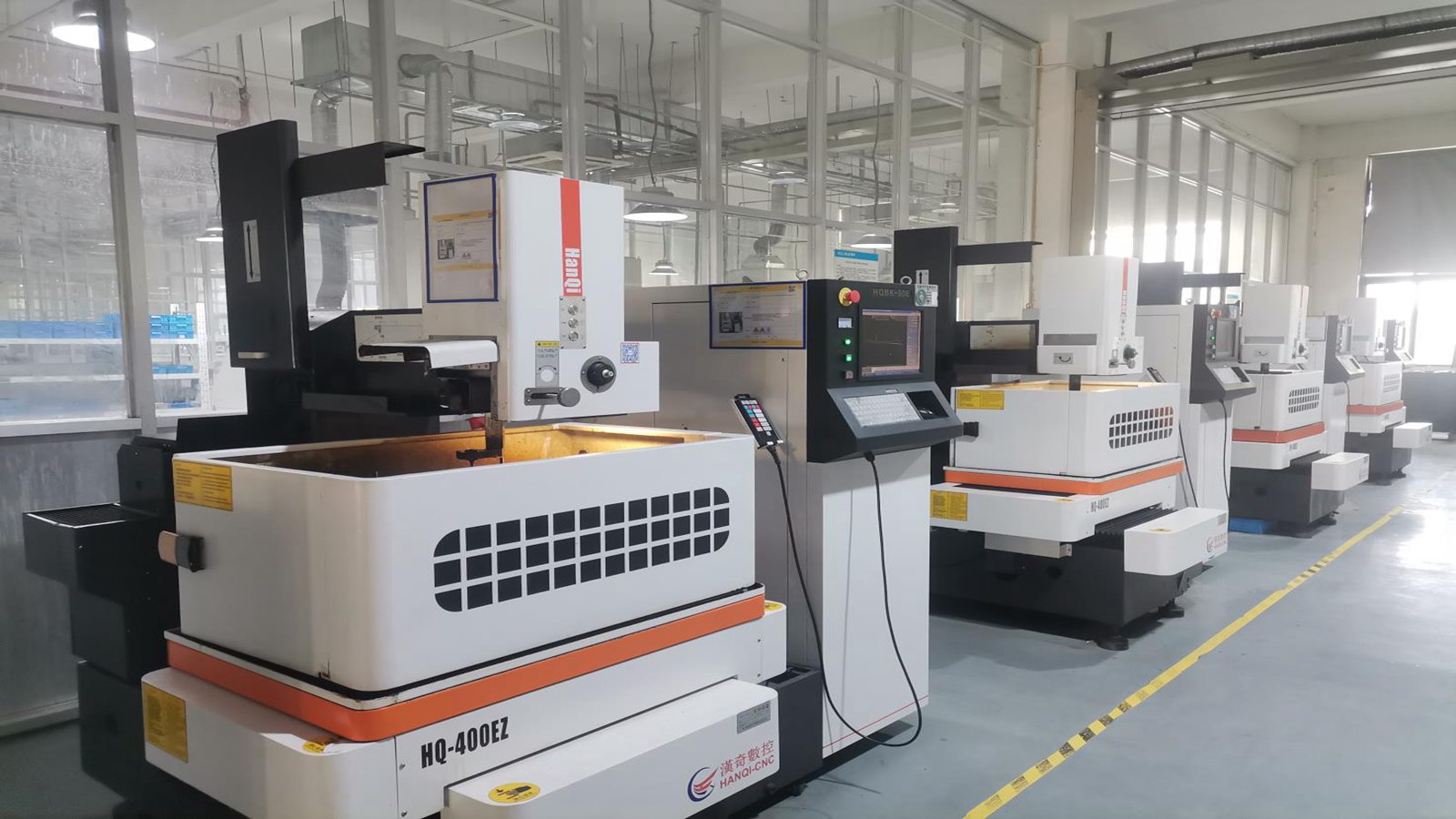
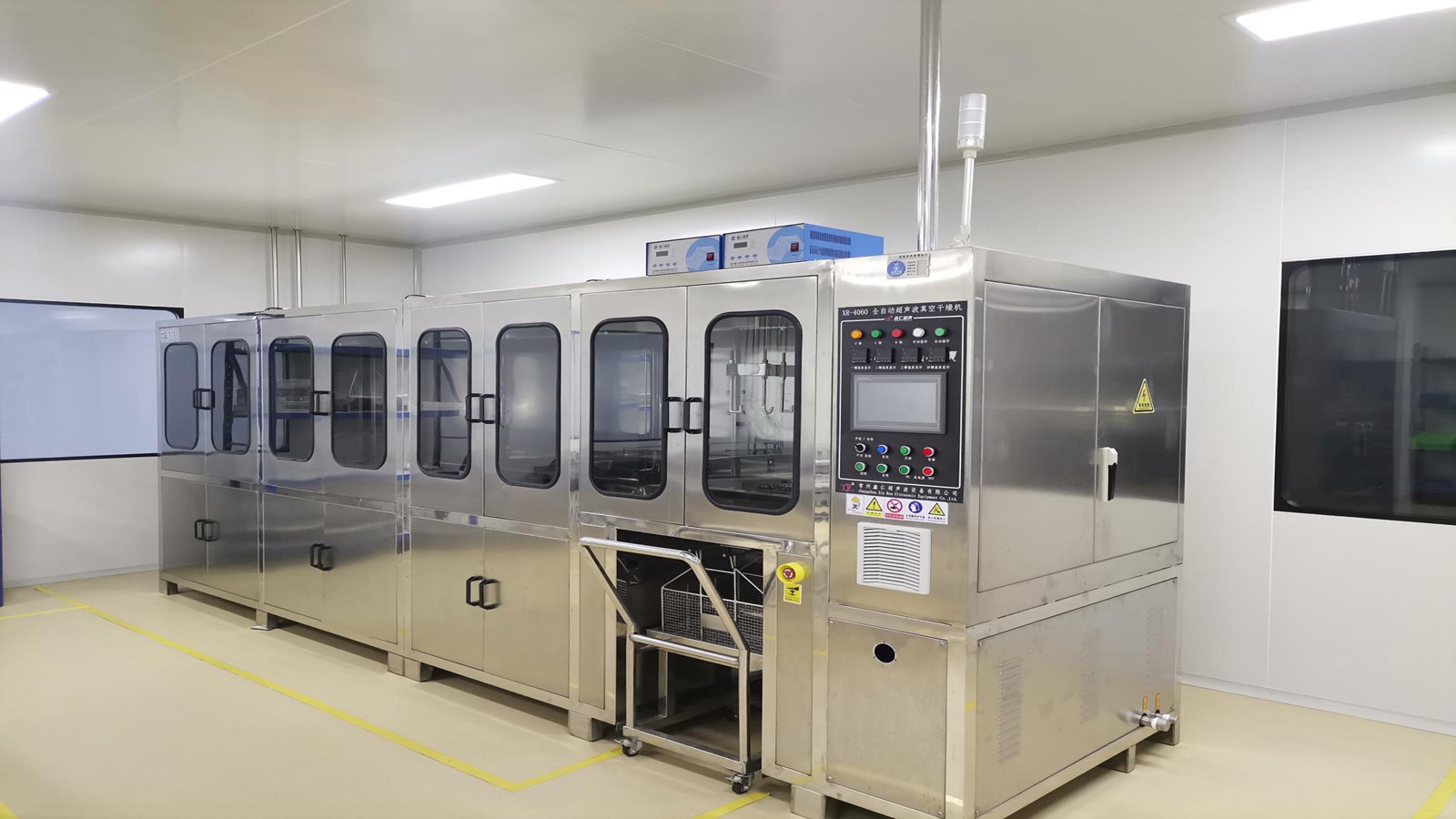
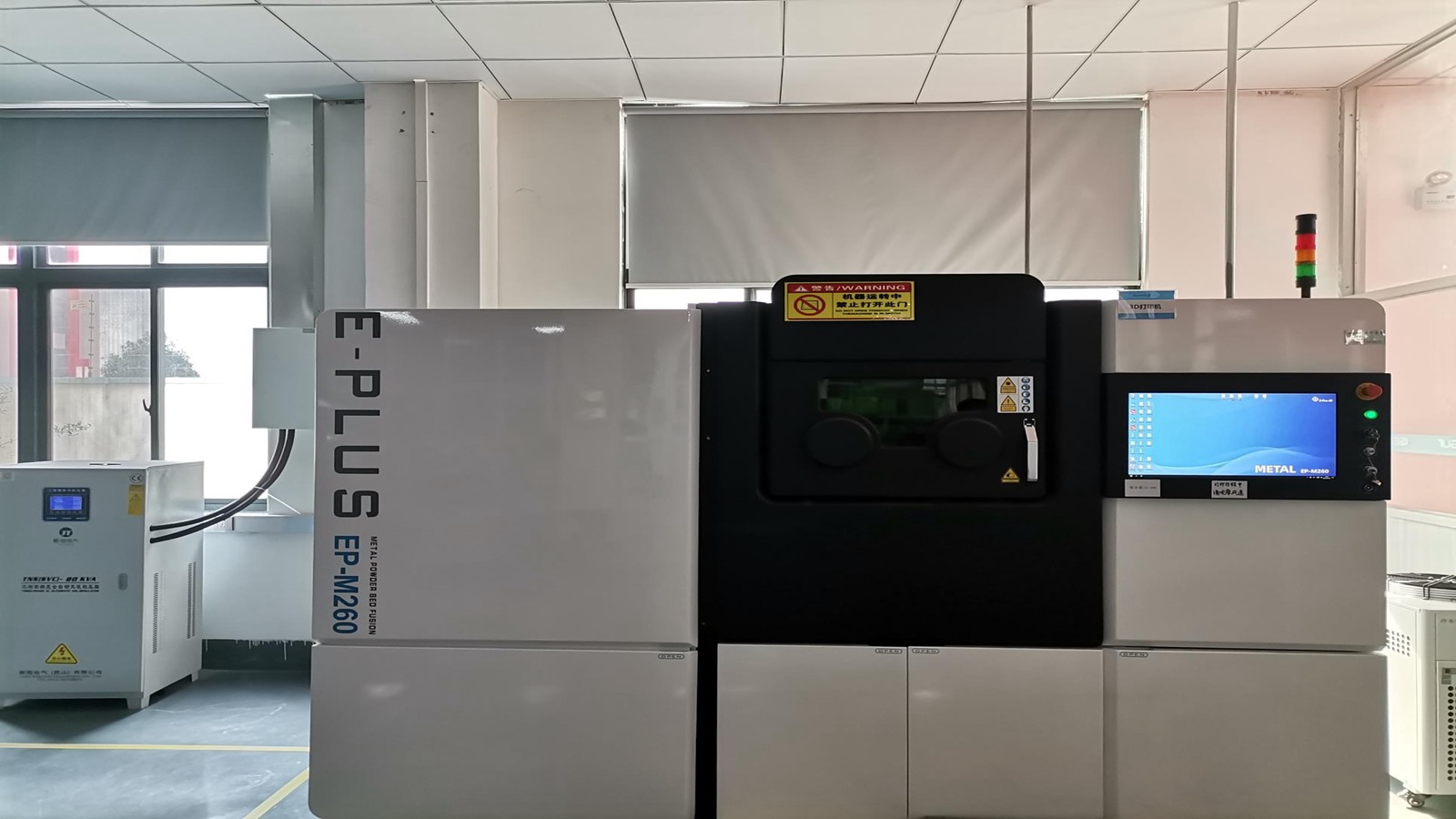
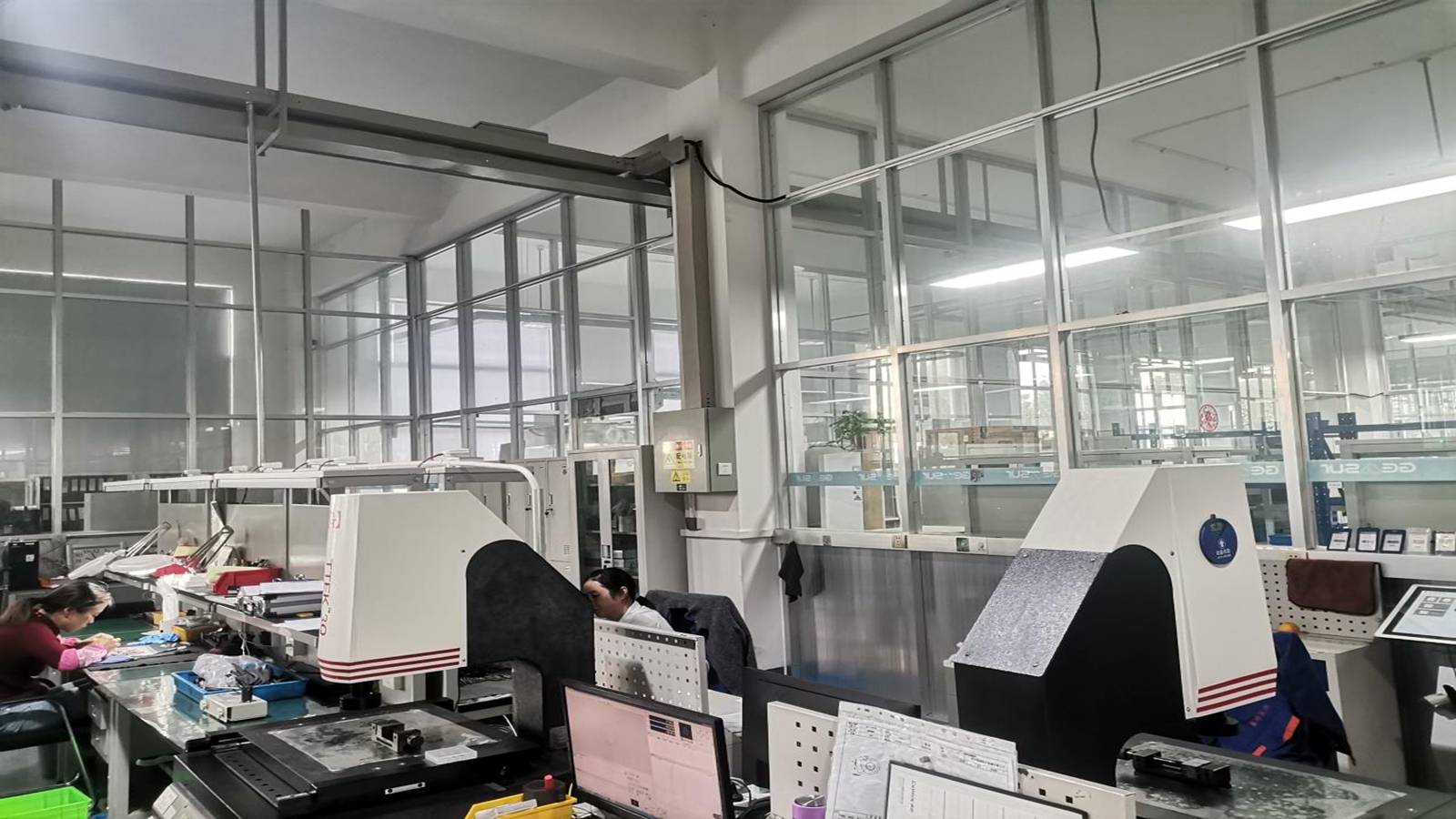
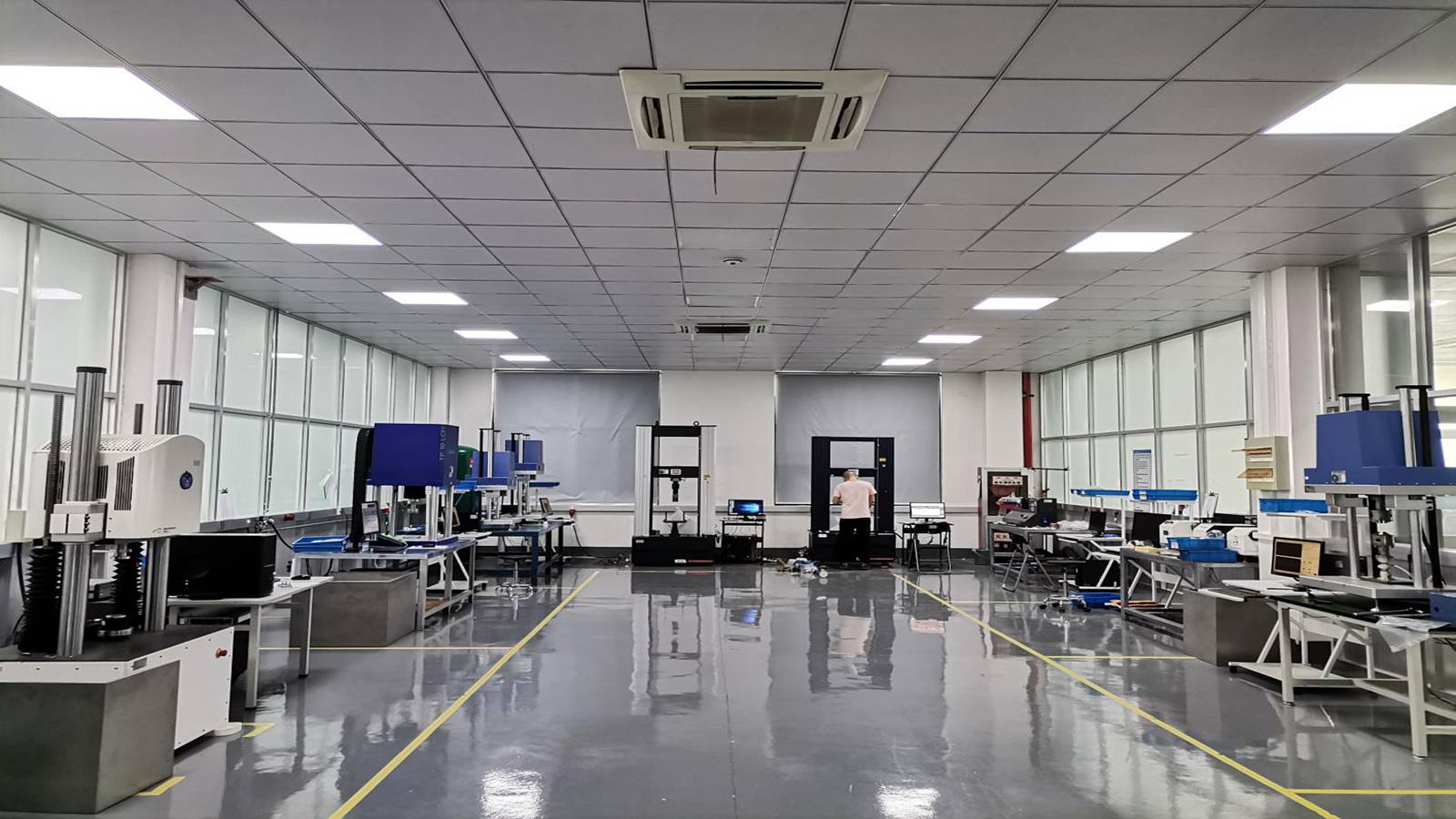
At HBM Medical, our 30,343 square meter state-of-the-art facility is equipped with over 120 advanced processing and testing machines across 12 specialized production lines. This massive infrastructure enables us to maintain complete control over the entire manufacturing lifecycle—from raw material sourcing and precision machining to surface treatment, cleanroom packaging, and sterilization.
Quality assurance is the cornerstone of our manufacturing philosophy. We support 100% traceability of raw materials, ensuring that every batch of titanium alloy or PEEK utilized in our implants is accompanied by mill test certificates and chemical composition analyses. Our quality control protocol involves rigorous testing at every stage:



Understanding the design parameters that dictate pull-out strength, angular range, and long-term stability in spinal fixation systems.
The clinical success of a posterior spinal fixation system relies heavily on the design of the pedicle screw. Our engineering team, comprising 31 highly qualified R&D engineers (including postgraduates and doctorate specialists), continuously refines our screw geometries to optimize load sharing and bone-screw interface stability.
| Screw Type | Key Design Features | Clinical Indications | Biomechanical Advantage |
|---|---|---|---|
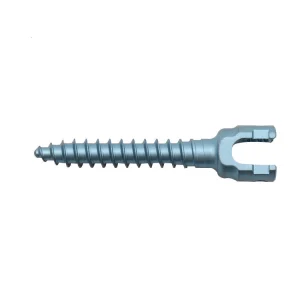
| Monoaxial Pedicle Screw | Rigid, single-piece screw head and shaft construction. | Deformity correction, high-stress trauma cases. | Maximum rigidity and direct control over vertebral rotation. |
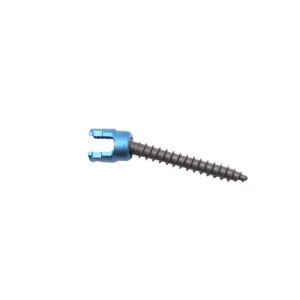
| Polyaxial Pedicle Screw | Spherical head design allowing up to 60° angular range of motion. | Degenerative disc disease, multi-level fusions. | Facilitates easy rod placement in complex anatomical alignments. |
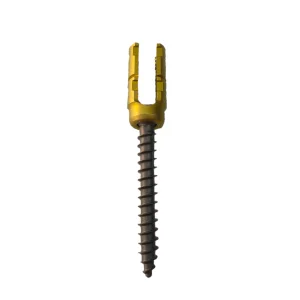
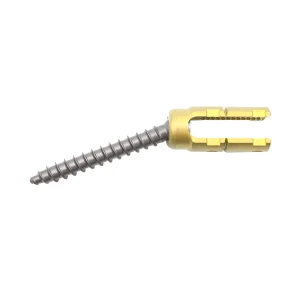
| Reduction Pedicle Screw | Extended tabs designed for controlled vertebral reduction. | Spondylolisthesis, severe spinal deformities. | Allows gradual, safe reduction of displaced vertebrae without extra tools. |
| MIS Pedicle Screw | Cannulated shaft with integrated percutaneous guide tabs. | Minimally invasive posterior stabilization. | Minimizes soft tissue trauma and preserves paraspinal muscle integrity. |
Our pedicle screws feature a dual-lead, differential thread design. The proximal cortical thread provides maximum purchase in the dense cortical bone of the pedicle, while the distal cancellous thread features a wider pitch to maximize bone compaction within the vertebral body. This dual-thread configuration increases insertion speed by 50% and enhances pull-out resistance, particularly in osteoporotic bone structures.
For the delicate anatomy of the cervical spine, our Geasure 3.5mm Titanium Polyaxial Cervical Screws offer a low-profile head design to minimize adjacent soft tissue irritation. The high angulation capability allows for seamless rod contouring and placement, providing robust stabilization for cervical spondylotic myelopathy and instability cases.
How international medical device distributors and hospital networks can mitigate risks and ensure regulatory compliance.
Procuring class III medical devices like spinal implants requires strict adherence to international regulatory frameworks. Hospital purchasing groups and global distributors must evaluate potential manufacturing partners based on their E-E-A-T (Experience, Expertise, Authoritativeness, and Trustworthiness) profile.
HBM Medical has spent over a decade refining its manufacturing protocols and expanding its global regulatory footprint. Our comprehensive certifications include:
We understand that different markets have unique clinical preferences and anatomical requirements. HBM Medical offers robust OEM/ODM and customization services, including sample processing, graphic processing, and customized design on demand. Backed by our 31 R&D engineers, we can rapidly prototype and manufacture bespoke implant profiles and specialized surgical instrument kits tailored to your brand's specifications.
Expert insights addressing the most critical questions raised by orthopedic procurement managers, regulatory officers, and distributors.
Complete your spinal construct with our high-strength straight rods, reduction screws, and double-thread pedicle screw systems.
 HBM Medical