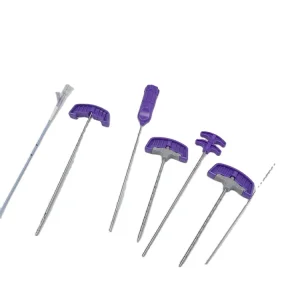
Explore our premium range of precision-engineered surgical instruments, trauma fixation plates, and spinal fusion systems.
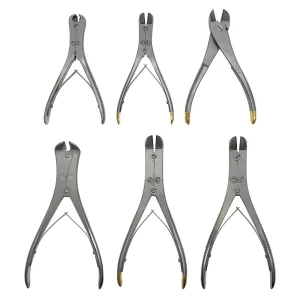
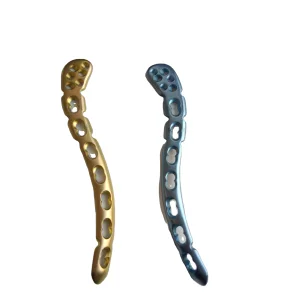
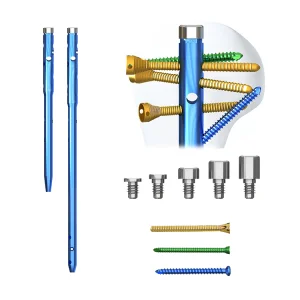
An in-depth analysis of clinical demands, manufacturing standards, and the OEM/ODM supply chain landscape.
The global orthopedic trauma market has witnessed a paradigm shift over the past two decades. The transition from traditional dynamic compression plates (DCP) to advanced locking compression plates (LCP) represents one of the most significant technological leaps in osteosynthesis. Small fragment locking plates, typically designed for 2.7mm to 3.5mm screw systems, are critical in stabilizing fractures of the clavicle, distal radius, fibula, humerus, and ankle joint complex.
Unlike conventional plates that rely on plate-to-bone friction for stability—which can compromise periosteal blood supply and lead to bone necrosis—locking plates function as internal fixators. The threaded screw heads lock securely into the plate's threaded holes, creating a fixed-angle construct. This mechanical advantage is particularly crucial in osteoporotic bone, comminuted fractures, and non-union cases, where traditional screws are highly susceptible to stripping and pull-out.
The global demand for small fragment locking plates is driven by an aging demographic, rising incidences of sports-related injuries, and high rates of vehicular trauma in developing regions. According to recent orthopedic industry reports, the trauma fixation segment accounts for over 30% of the global orthopedic devices market, with small fragment systems constituting a dominant share of internal fixation procedures.
Currently, the market is characterized by a dual demand: high-end clinical settings in North America and Western Europe demand highly customized, anatomically pre-contoured plates with low-profile designs to minimize soft tissue irritation. Concurrently, emerging markets in Asia-Pacific and Latin America require cost-effective, high-durability implants that comply with stringent regulatory frameworks like CE MDR and FDA 510(k). This has positioned specialized OEM/ODM factories in China, such as HBM Medical, as vital strategic partners for global medical device brands.
How advanced metallurgy and precision manufacturing ensure optimal clinical outcomes.
Utilizing premium Titanium Alloy (Ti-6Al-4V ELI) conforming to ASTM F136 and ISO 5832-3, ensuring unmatched biocompatibility, superior fatigue strength, and reduced Young's modulus closer to human bone.
Advanced 3D bone modeling and finite element analysis (FEA) allow our R&D team to pre-shape plates to fit specific anatomical structures, reducing intraoperative bending and operating time.
Type II Anodization and electro-polishing processes create a dense, protective oxide layer that enhances corrosion resistance, reduces bacterial adhesion, and minimizes cold welding of locking screws.
Modern small fragment systems utilize Combi-Holes, which combine a dynamic compression unit with a threaded locking unit. This allows surgeons to choose between standard compression, locked fixation, or a combination of both within the same plate. Furthermore, the industry is moving towards polyaxial (variable-angle) locking systems, allowing screws to be angled up to 15 degrees off-axis. This flexibility is critical when targeting specific bone fragments while avoiding existing implants or joint spaces.
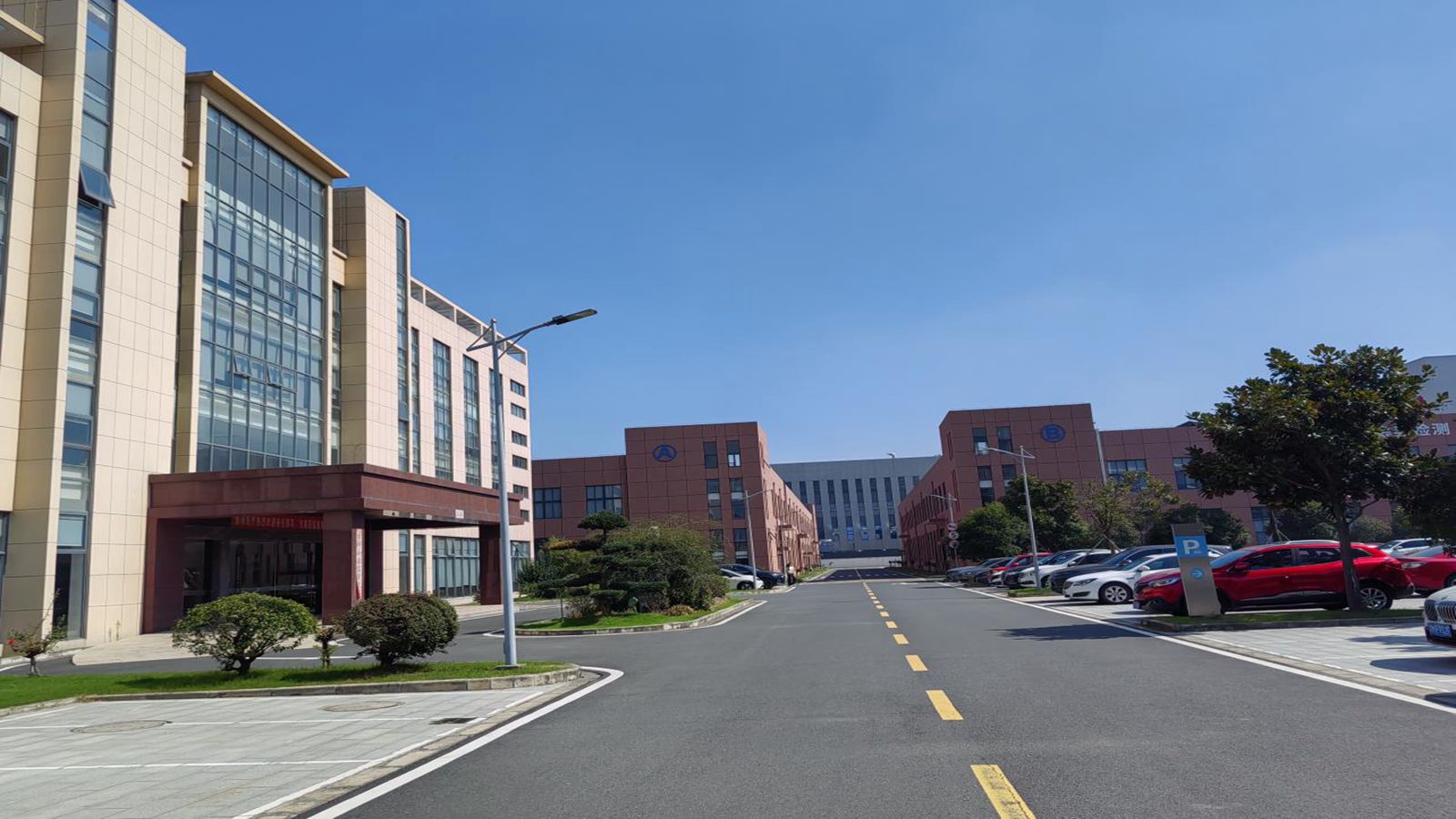
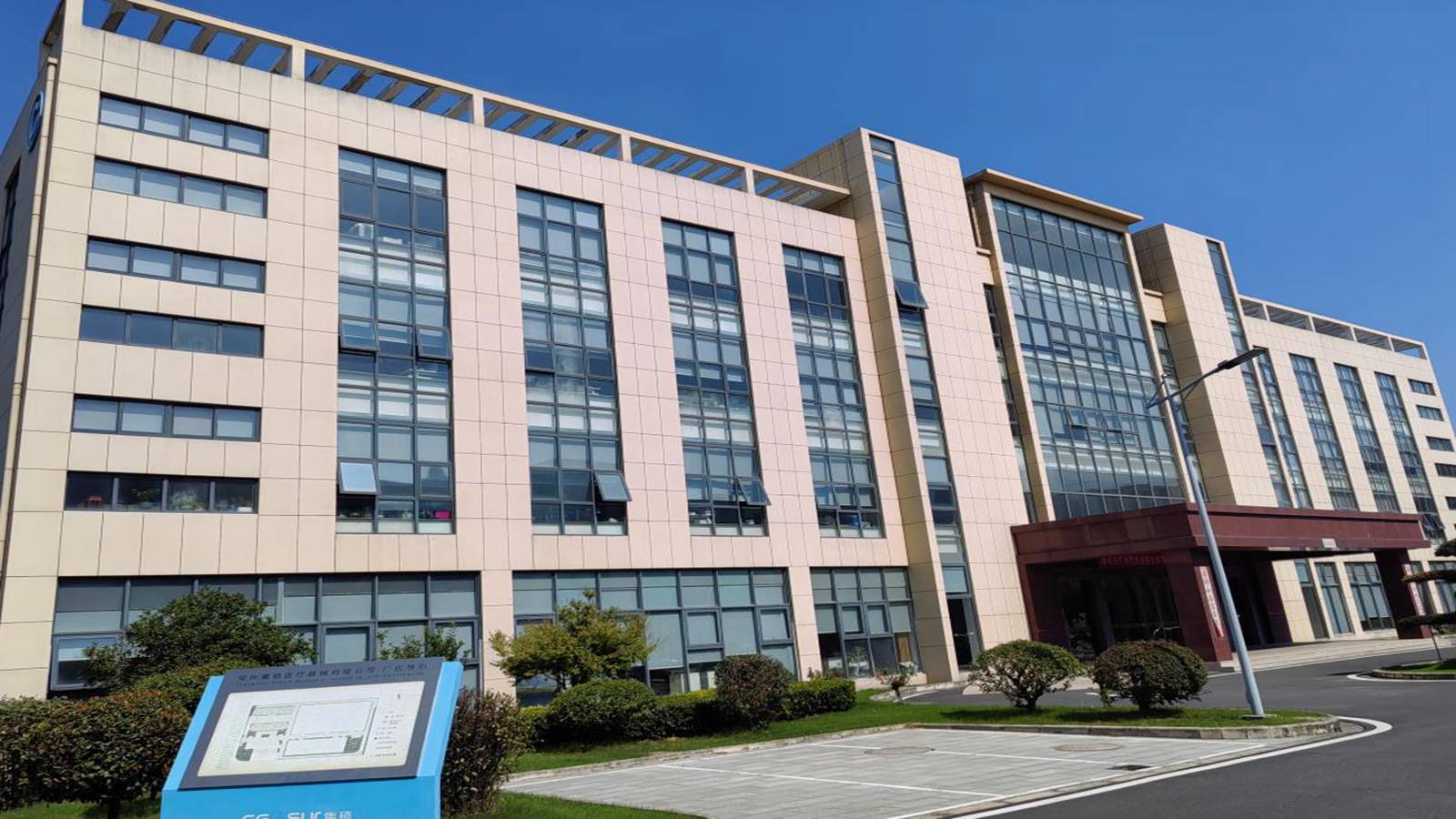
Leveraging a state-of-the-art 30,000+ m² facility, international certifications, and deep R&D expertise.
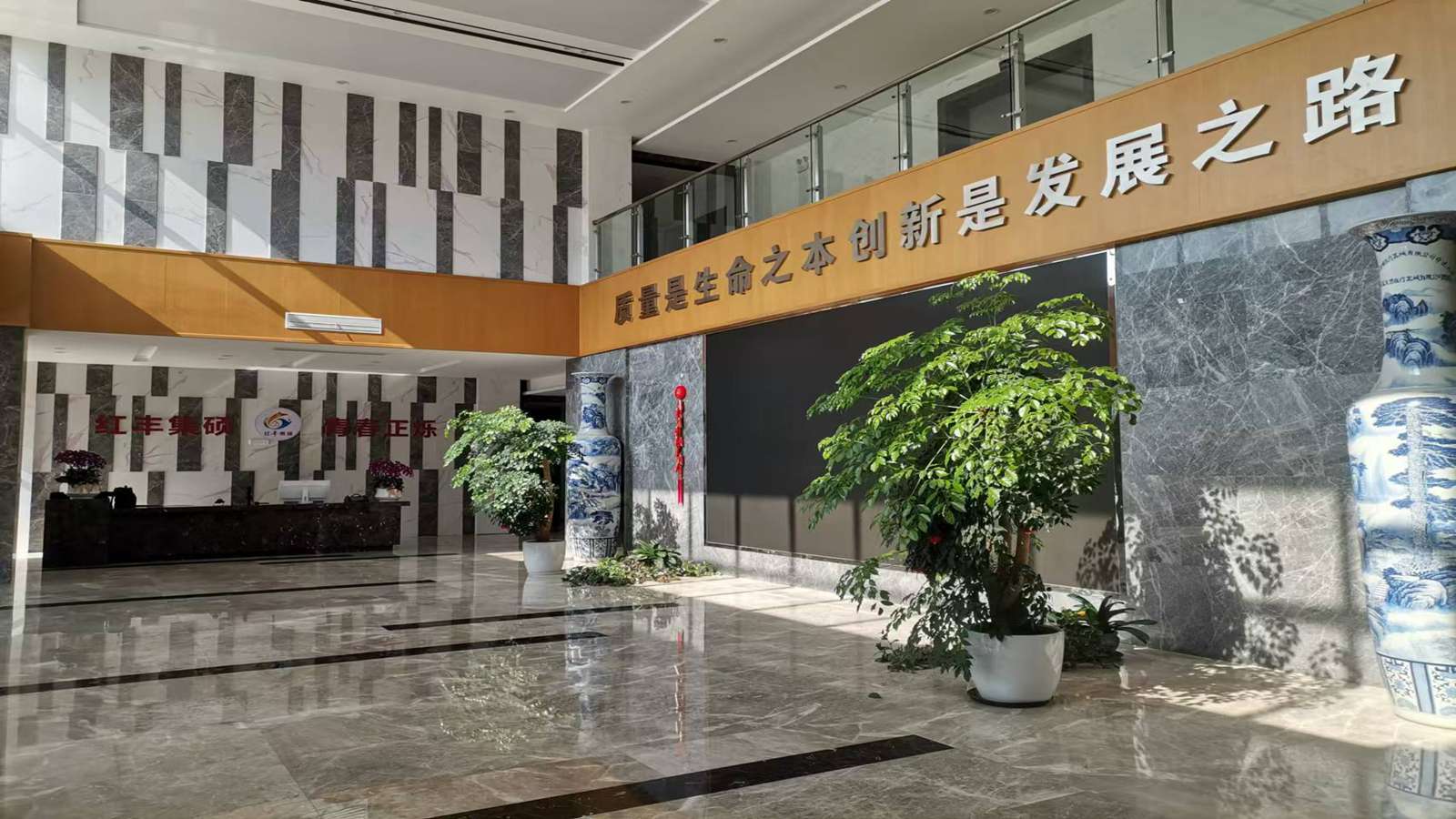
HBM Medical Apparatus And Instruments Co., Ltd. is a premier orthopedic medical equipment R&D, manufacturing, and operation enterprise in China. Established in 2015, we have built a robust sales and service network covering both domestic and international markets, backed by a decade of exporting excellence. Our corporate philosophy—"Integrate the Master, Health being achieved"—drives us to deliver world-class orthopedic solutions that meet the highest clinical standards.
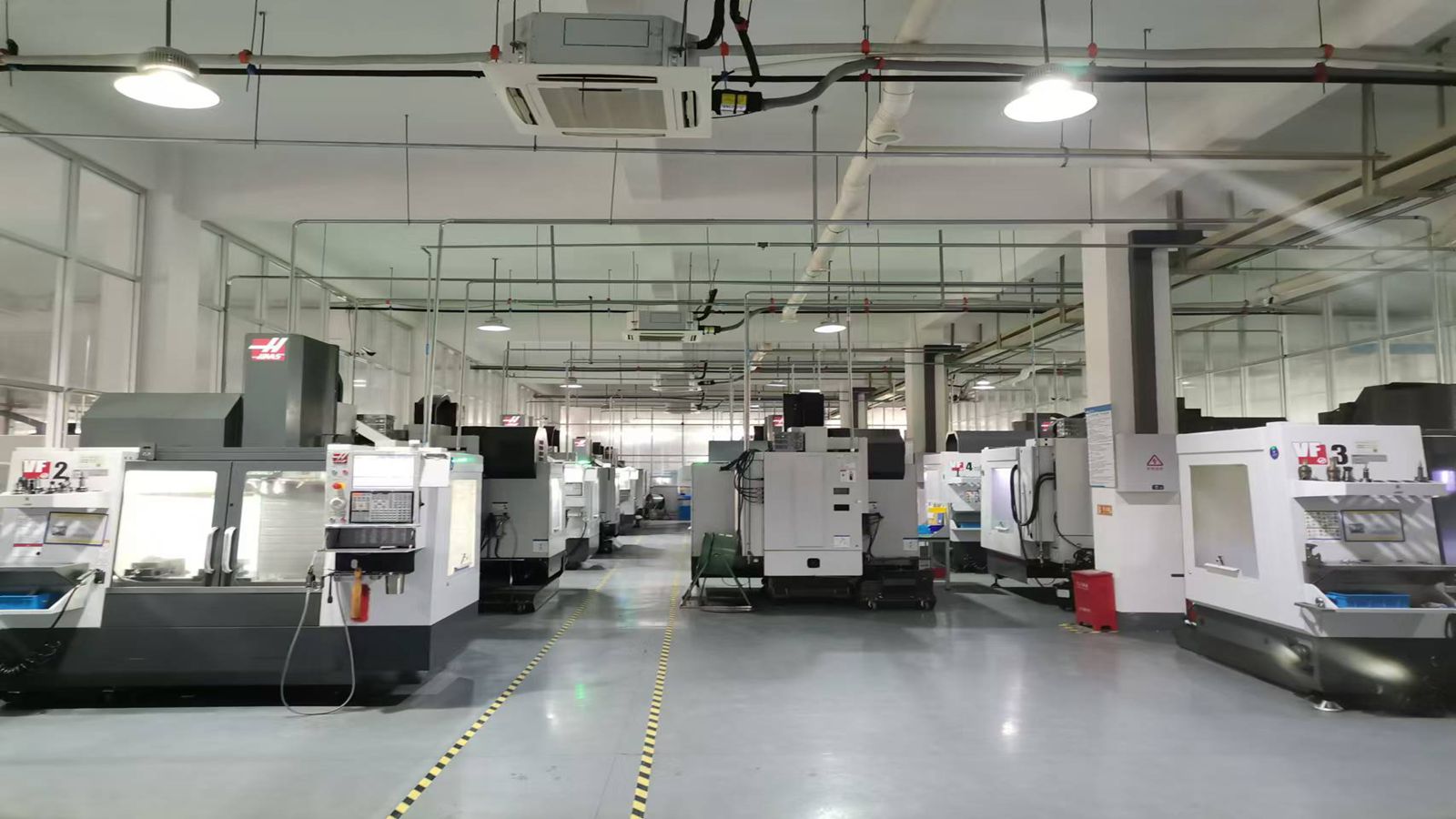
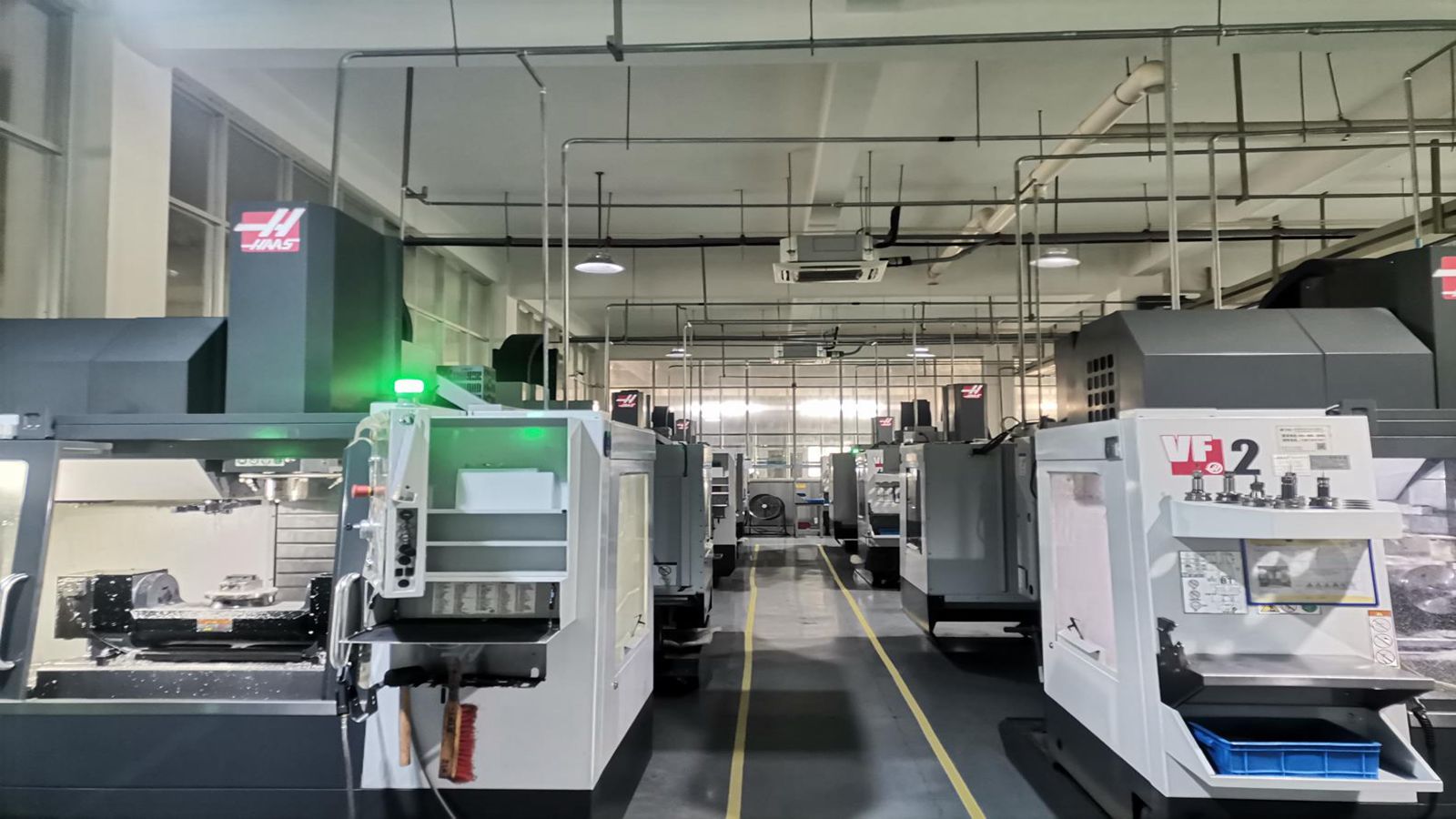
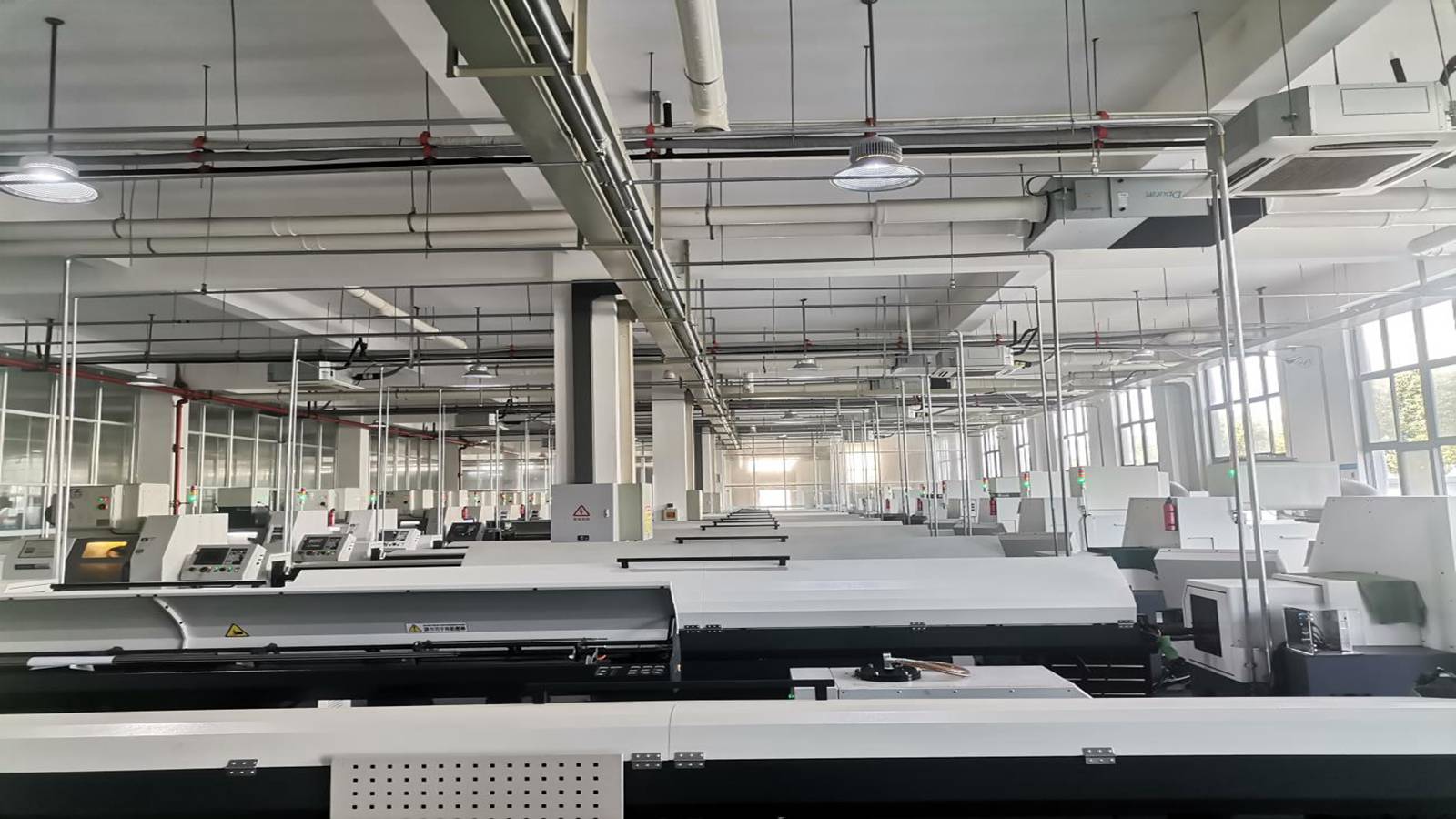
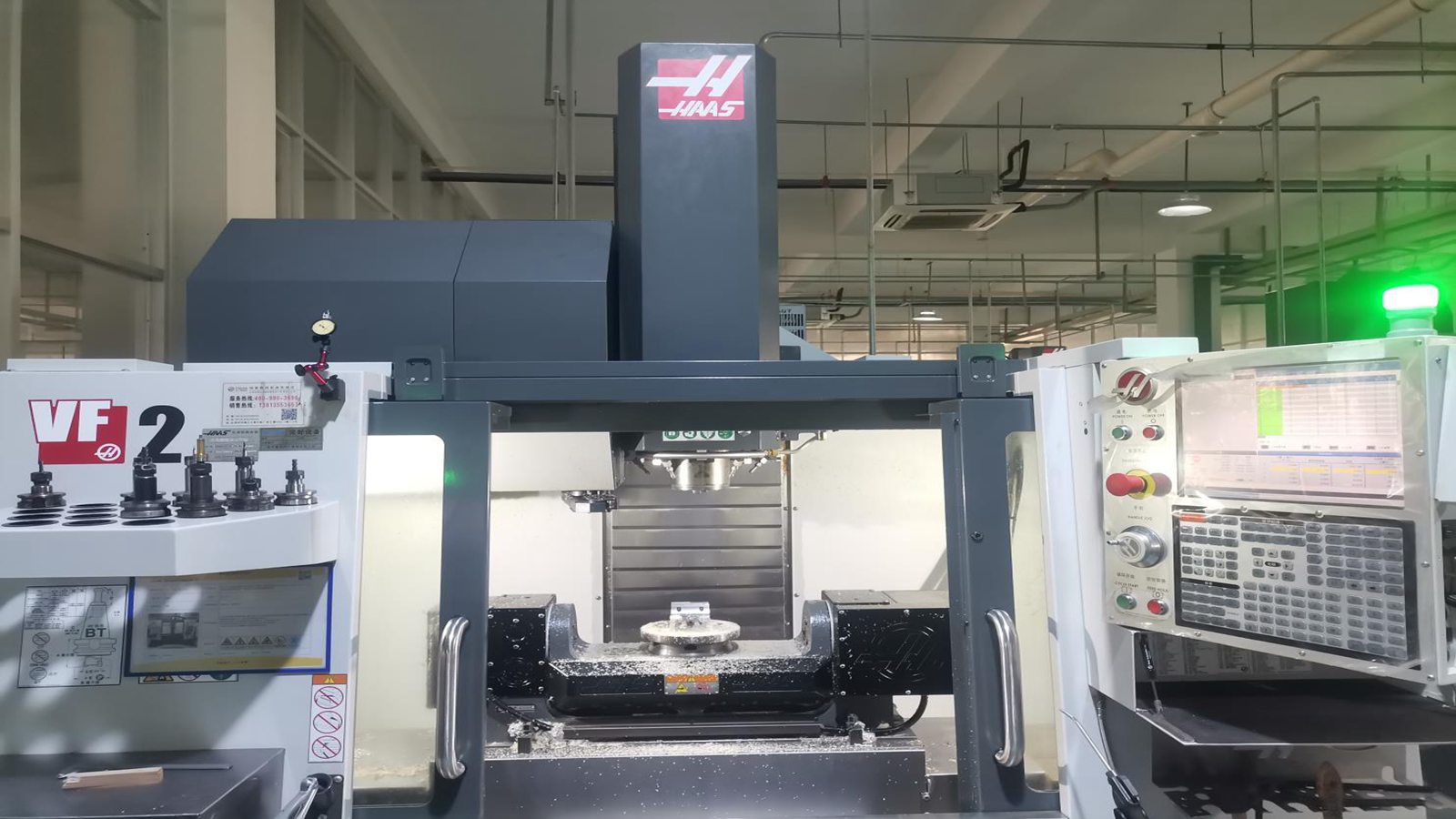
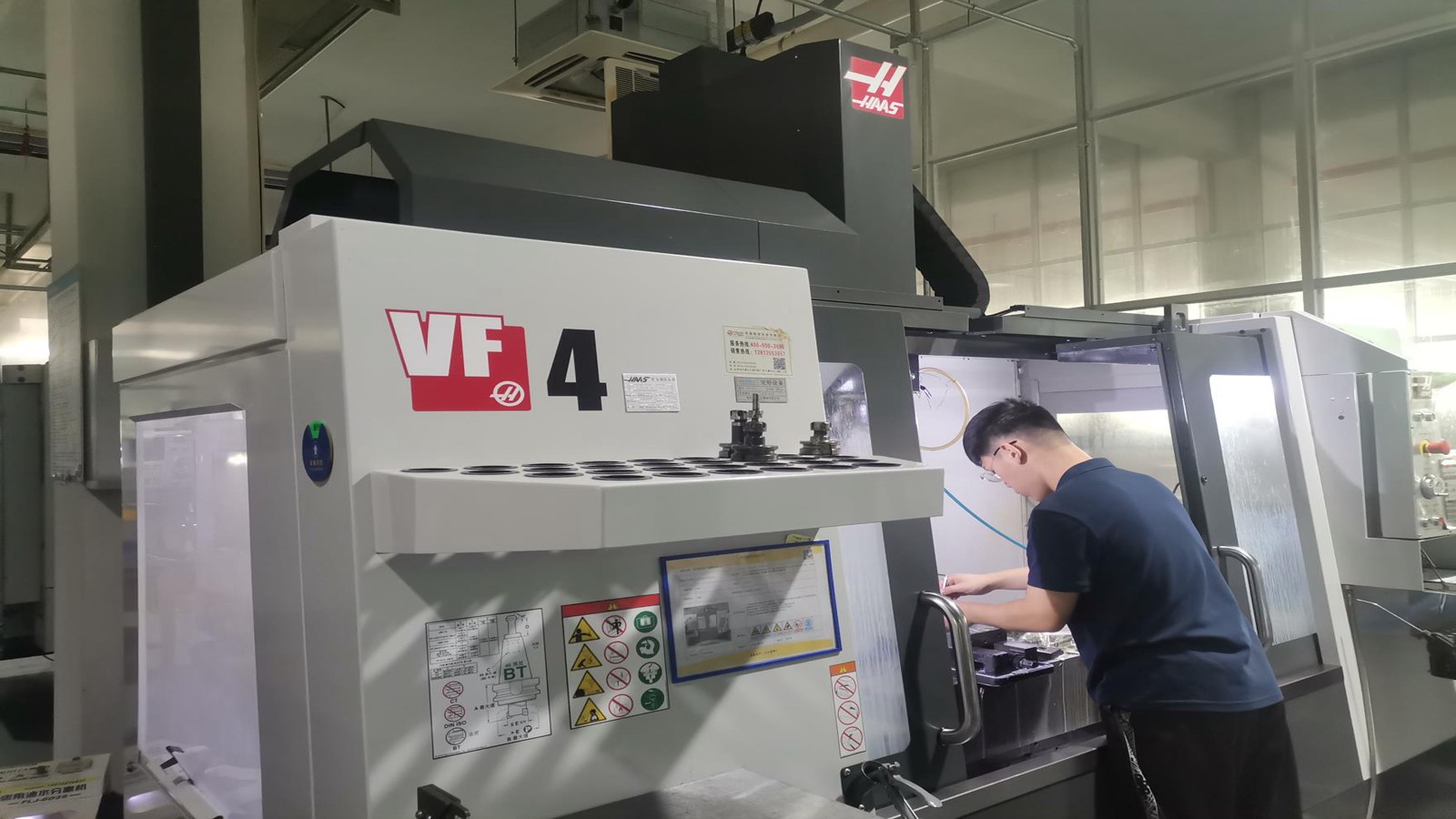
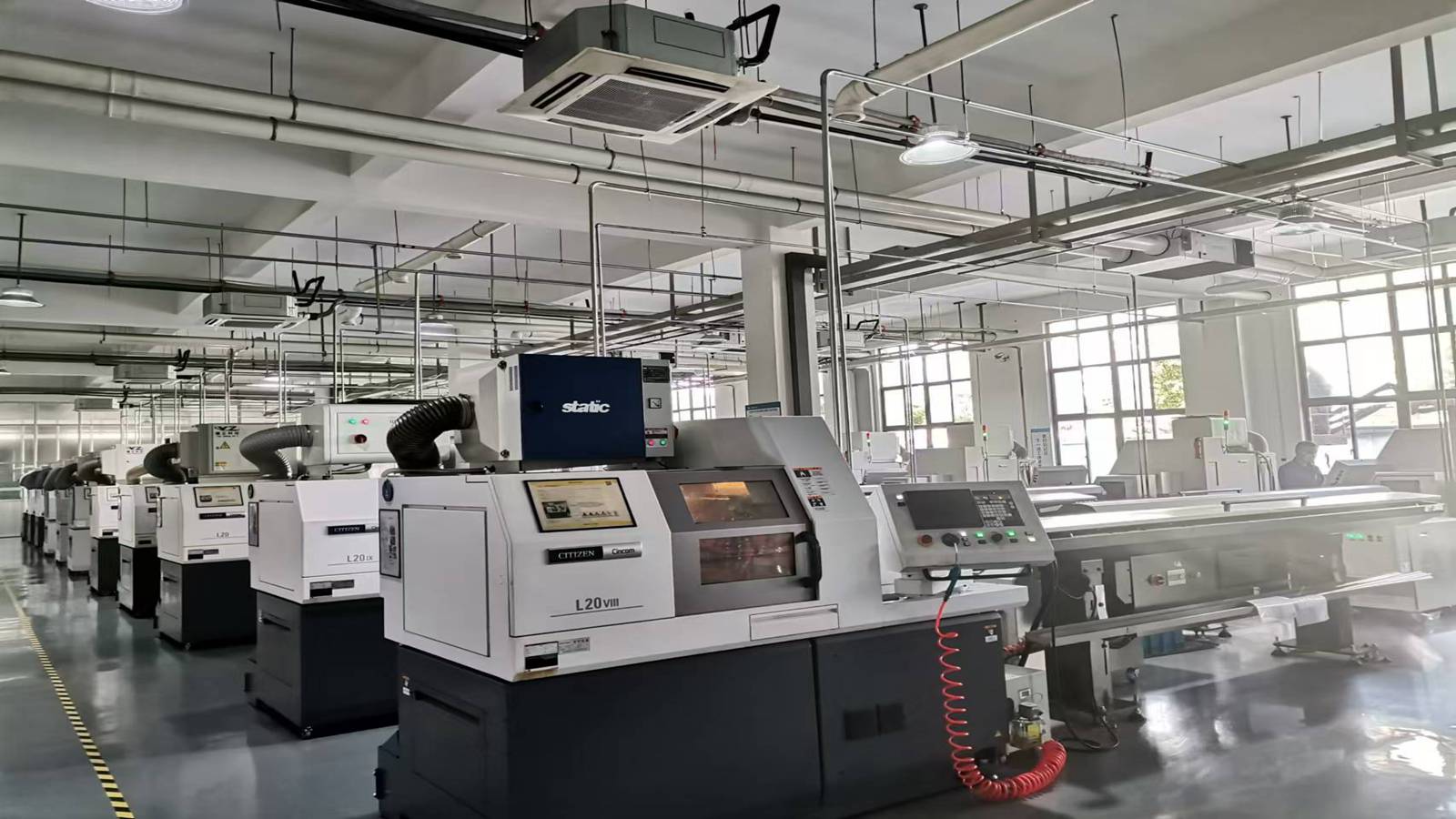
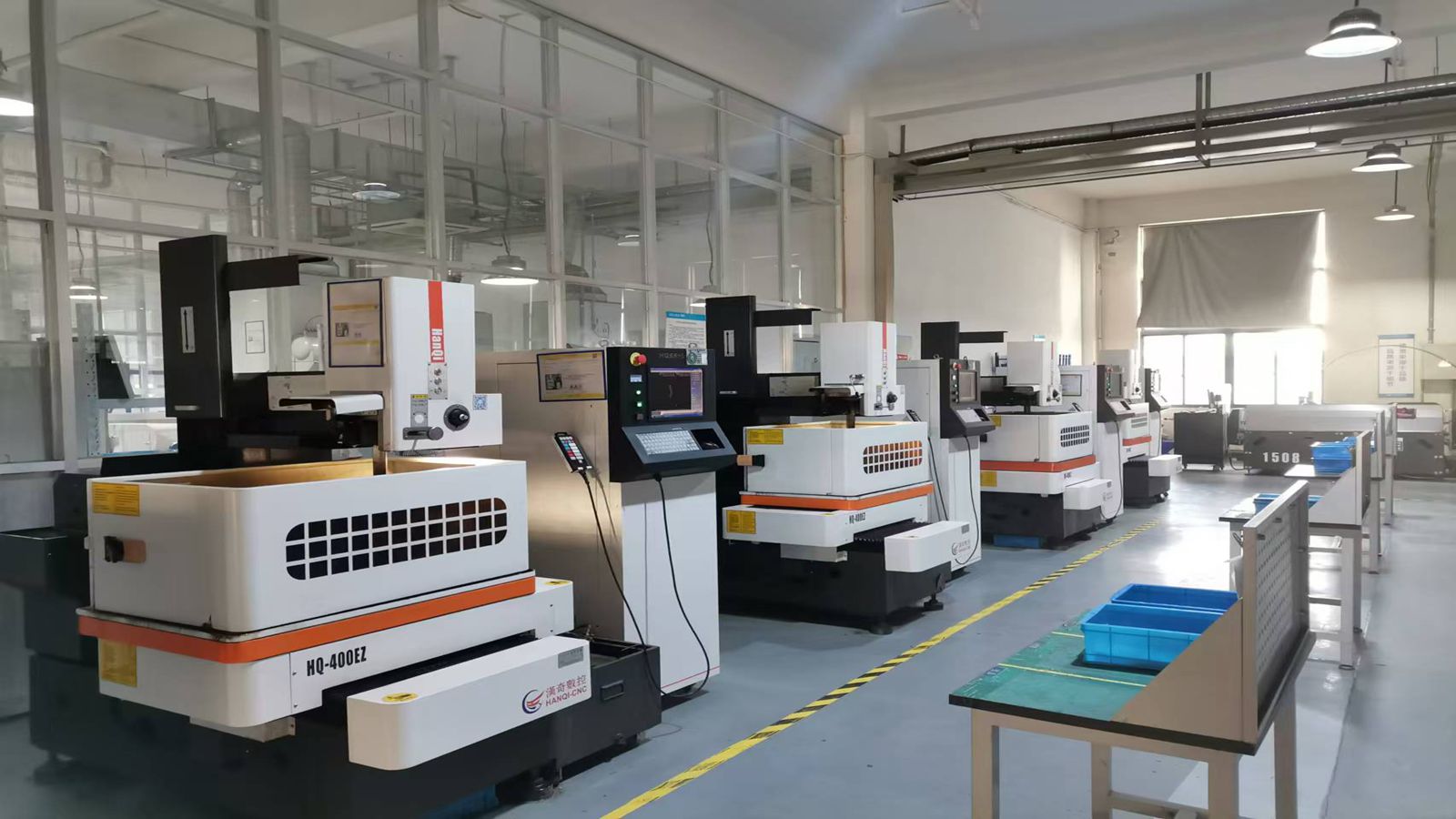
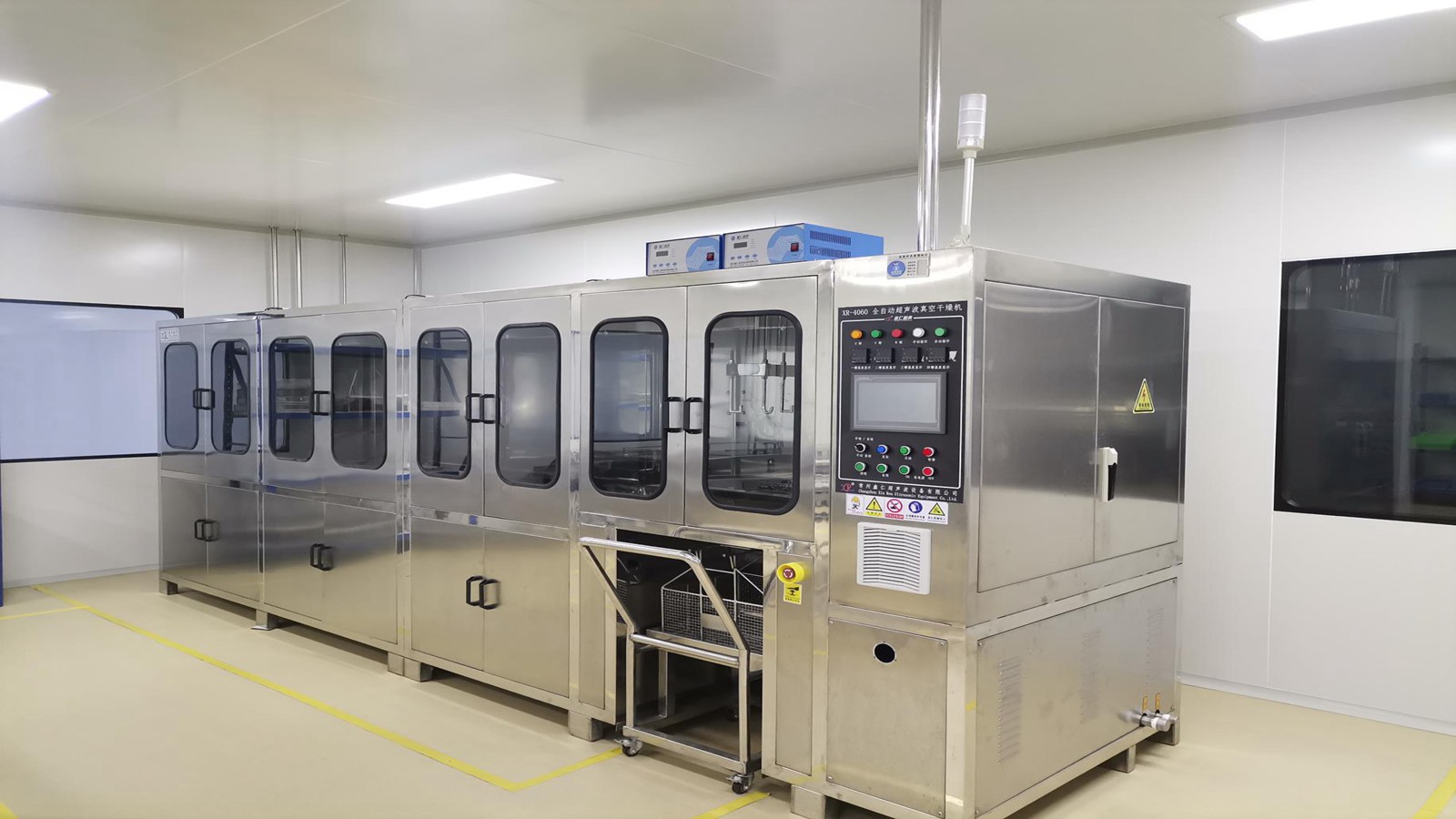
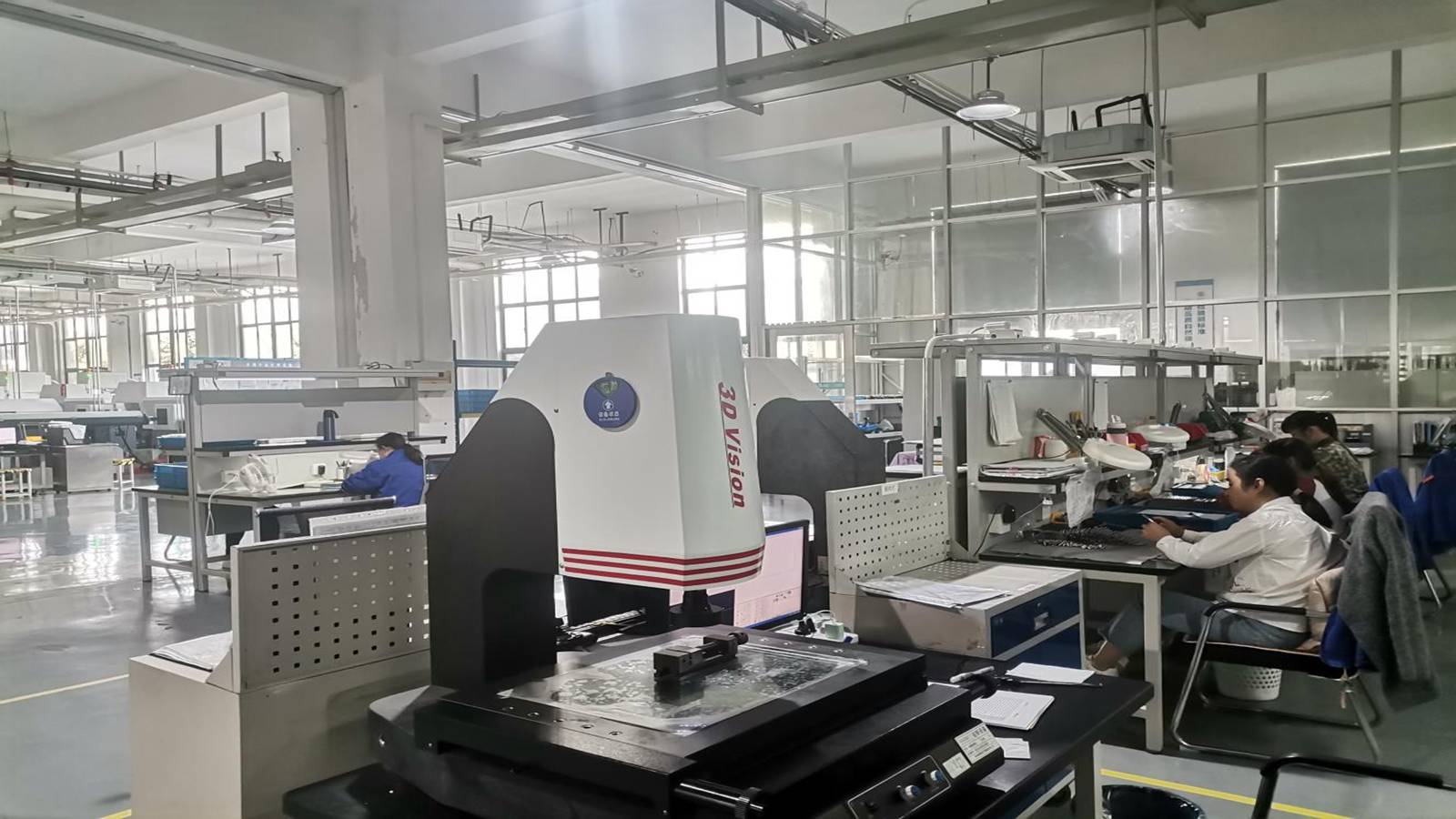
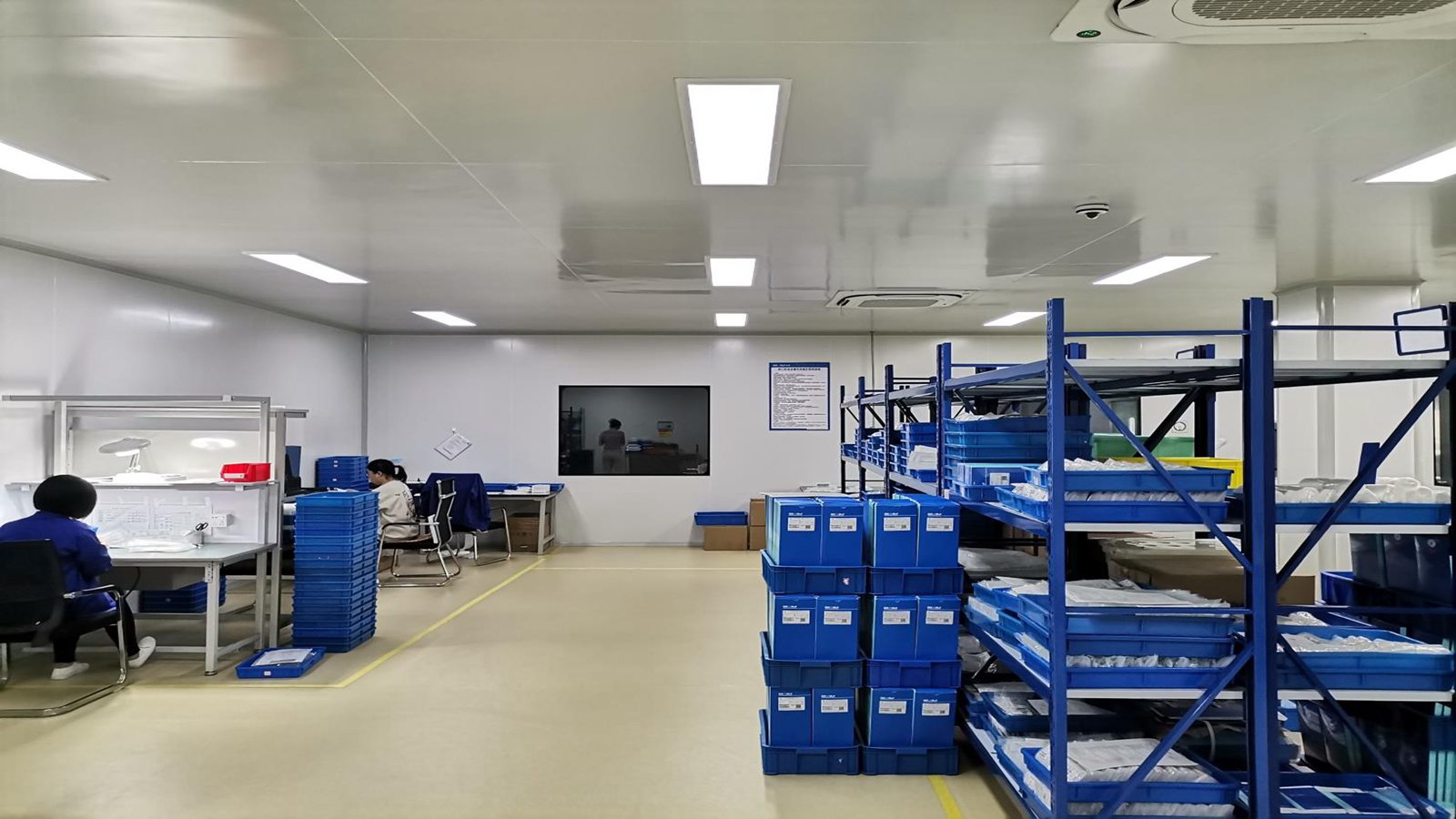
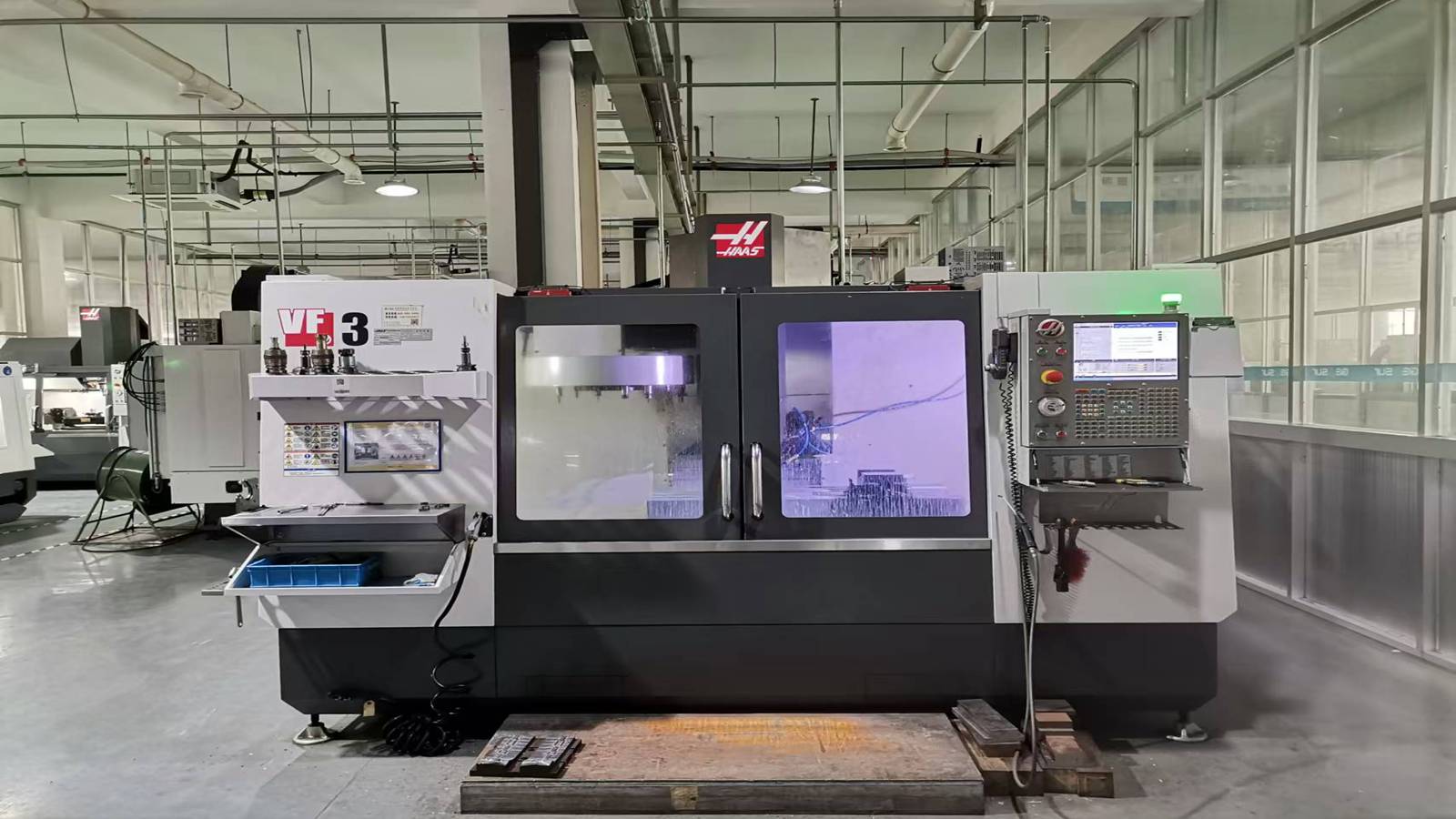
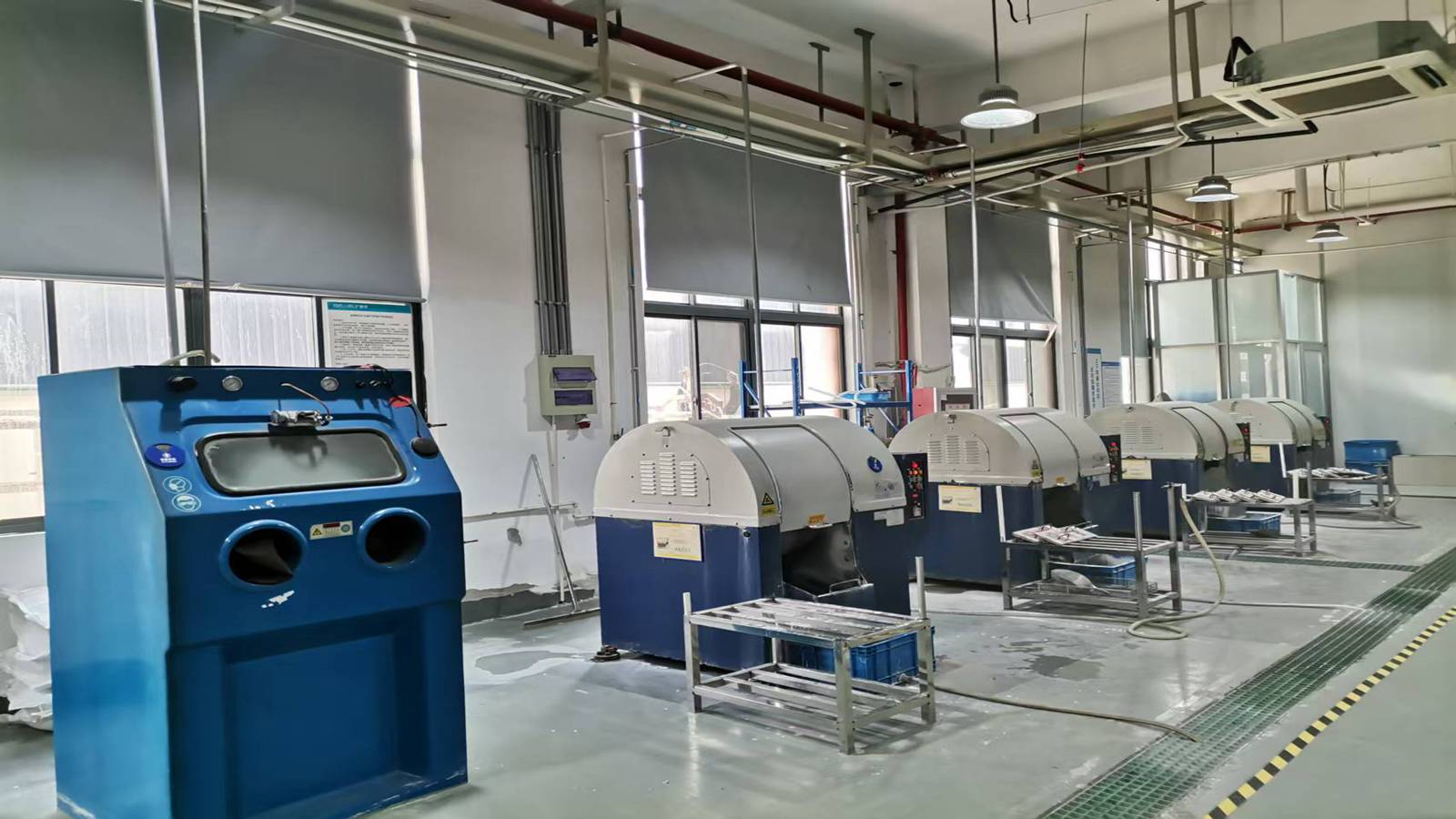
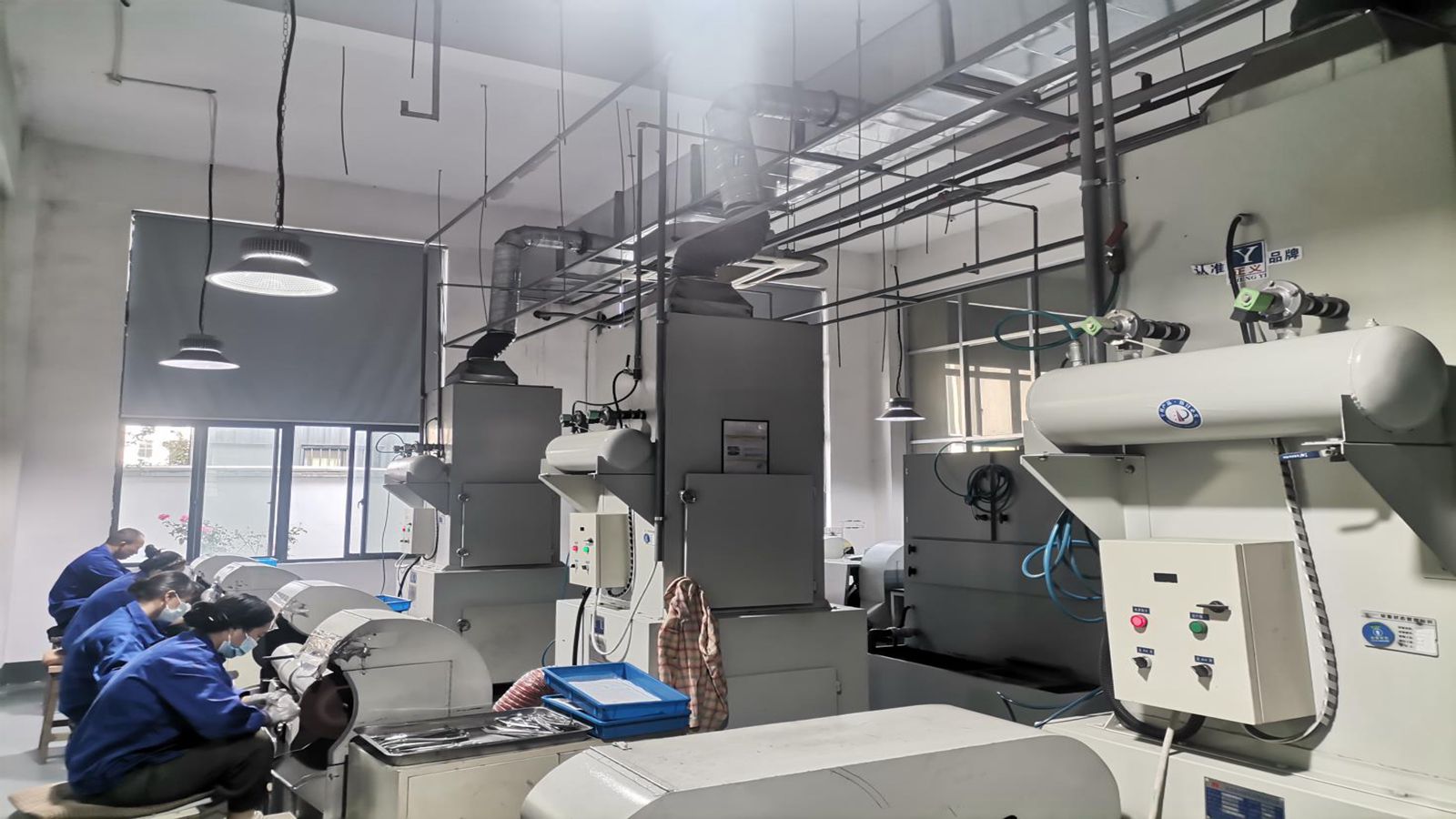
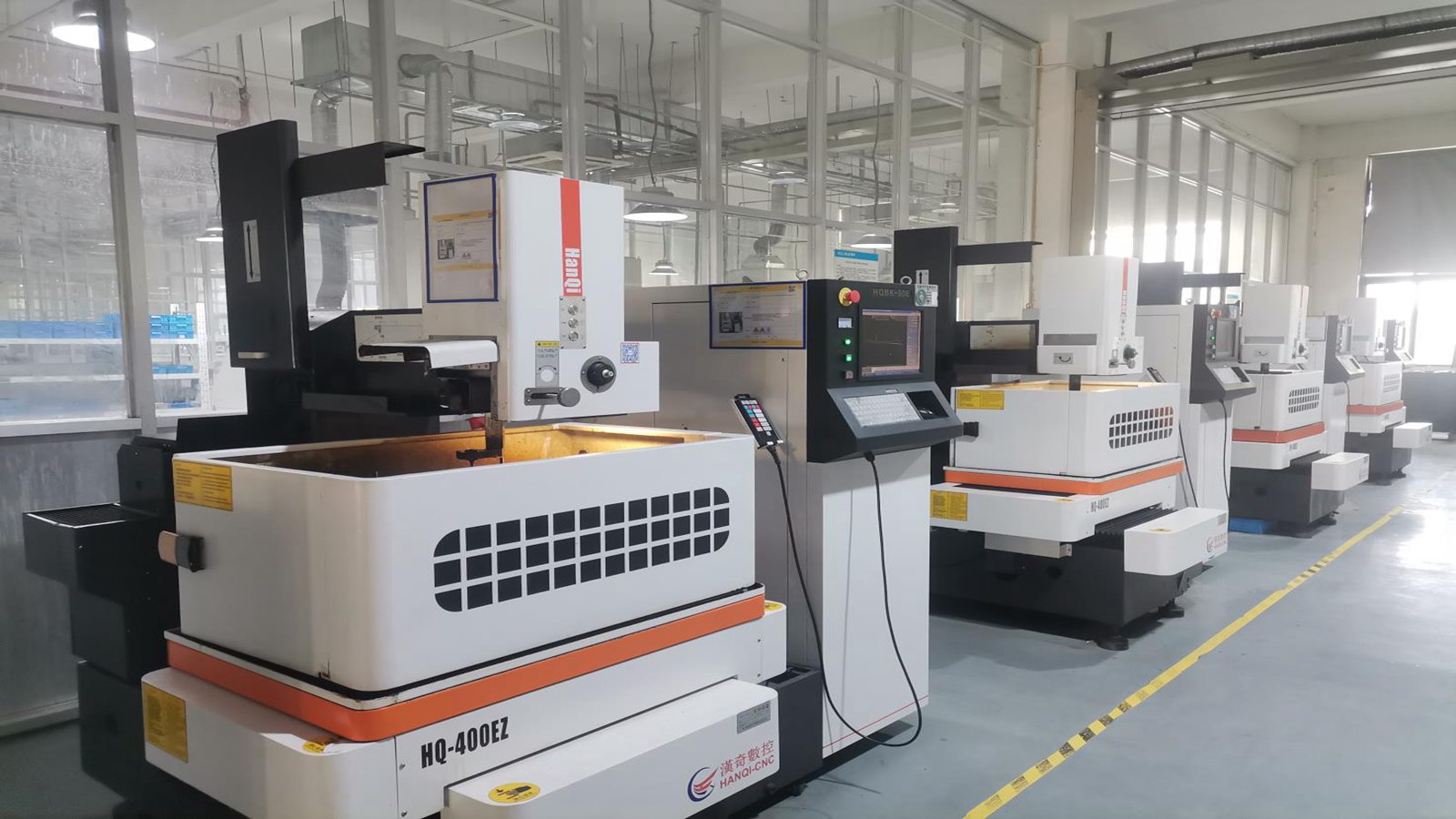
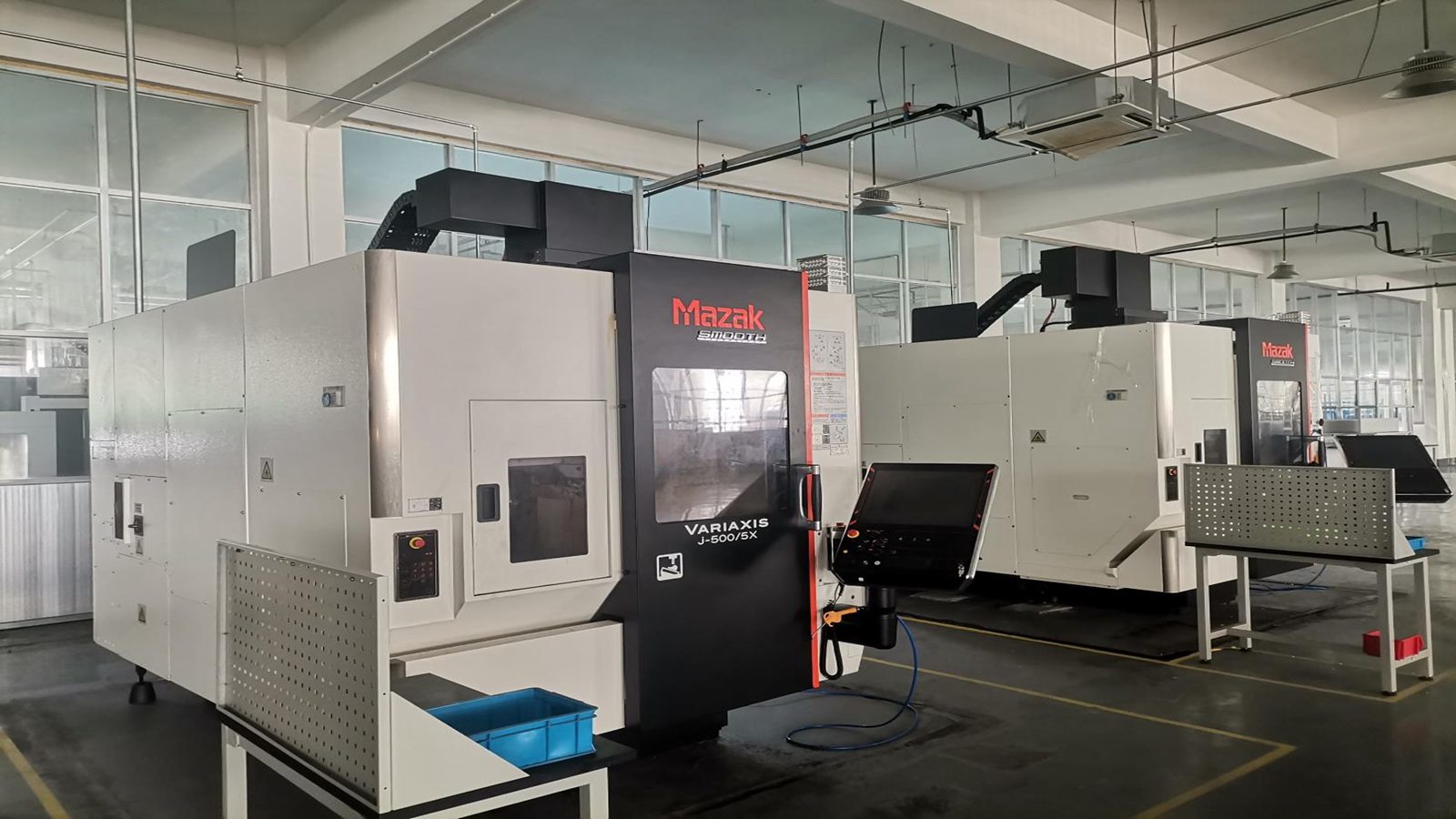
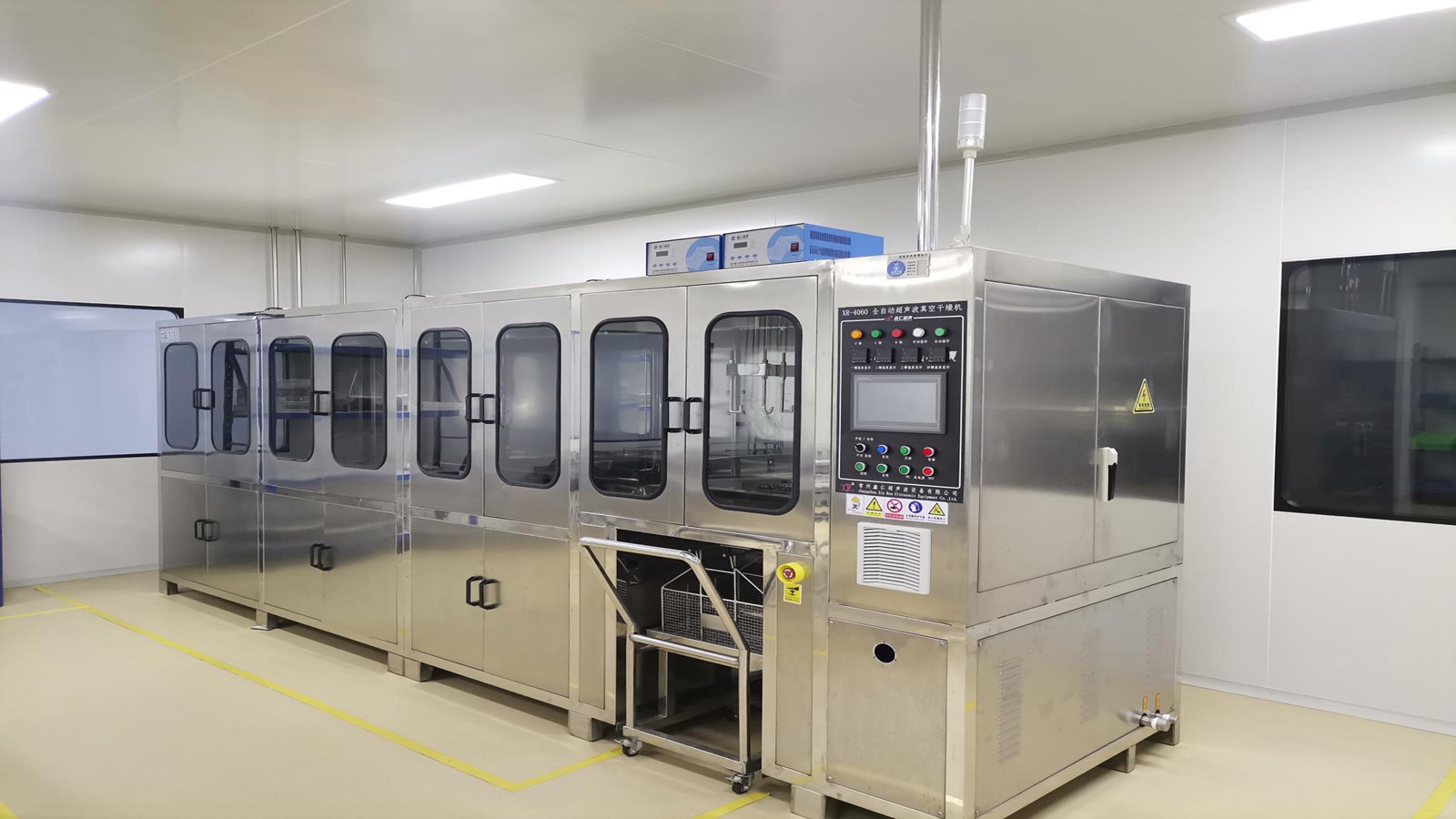
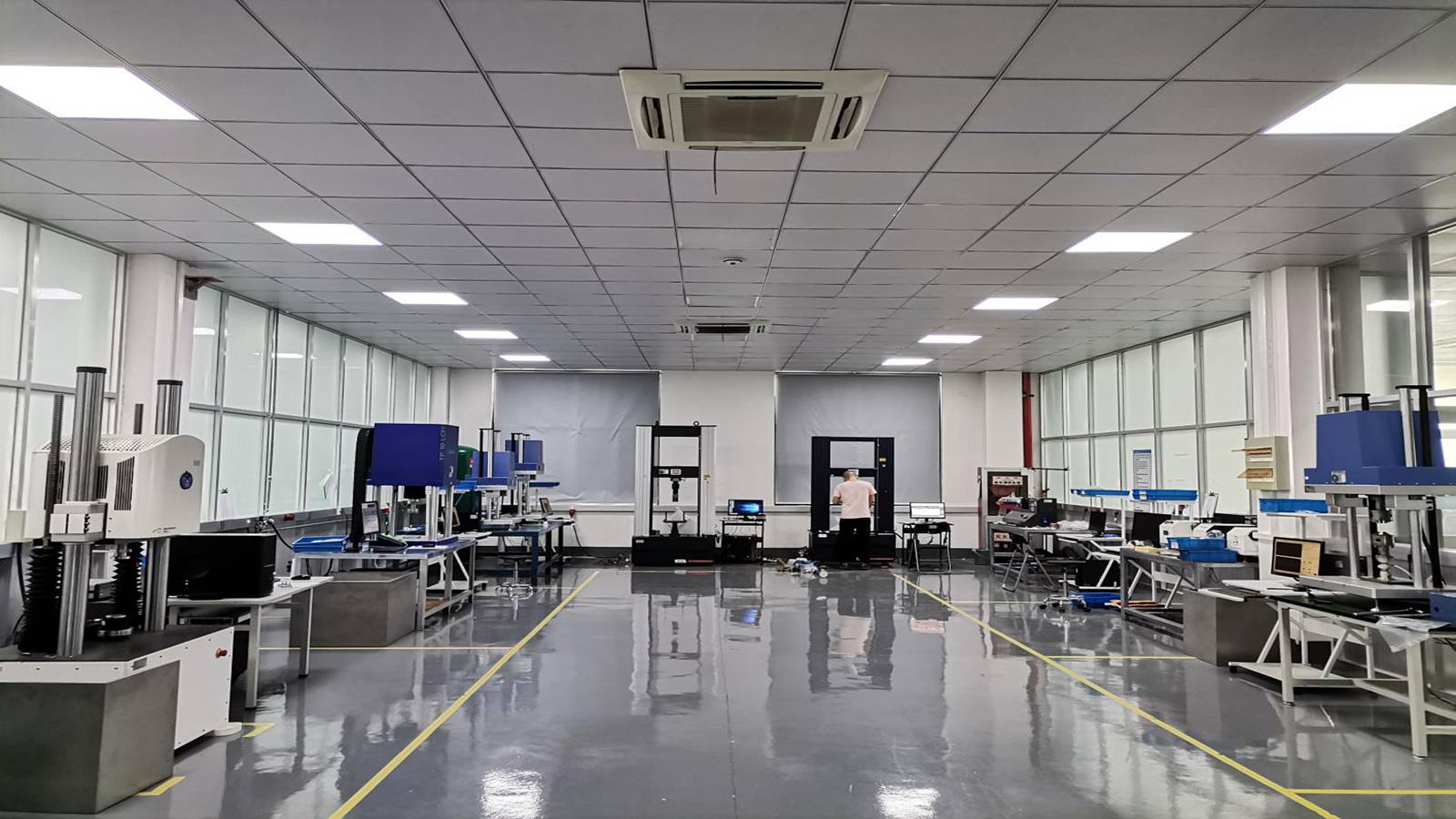
Our production site spans over 30,343 square meters and is equipped with more than 350 advanced processing and testing instruments, including ultra-precision multi-axis CNC milling centers, Swiss-type lathe machines, and automated cleanrooms. With 12 specialized production lines, we ensure high-capacity, consistent output of complex trauma implants, spinal fusion cages, and surgical power tools.
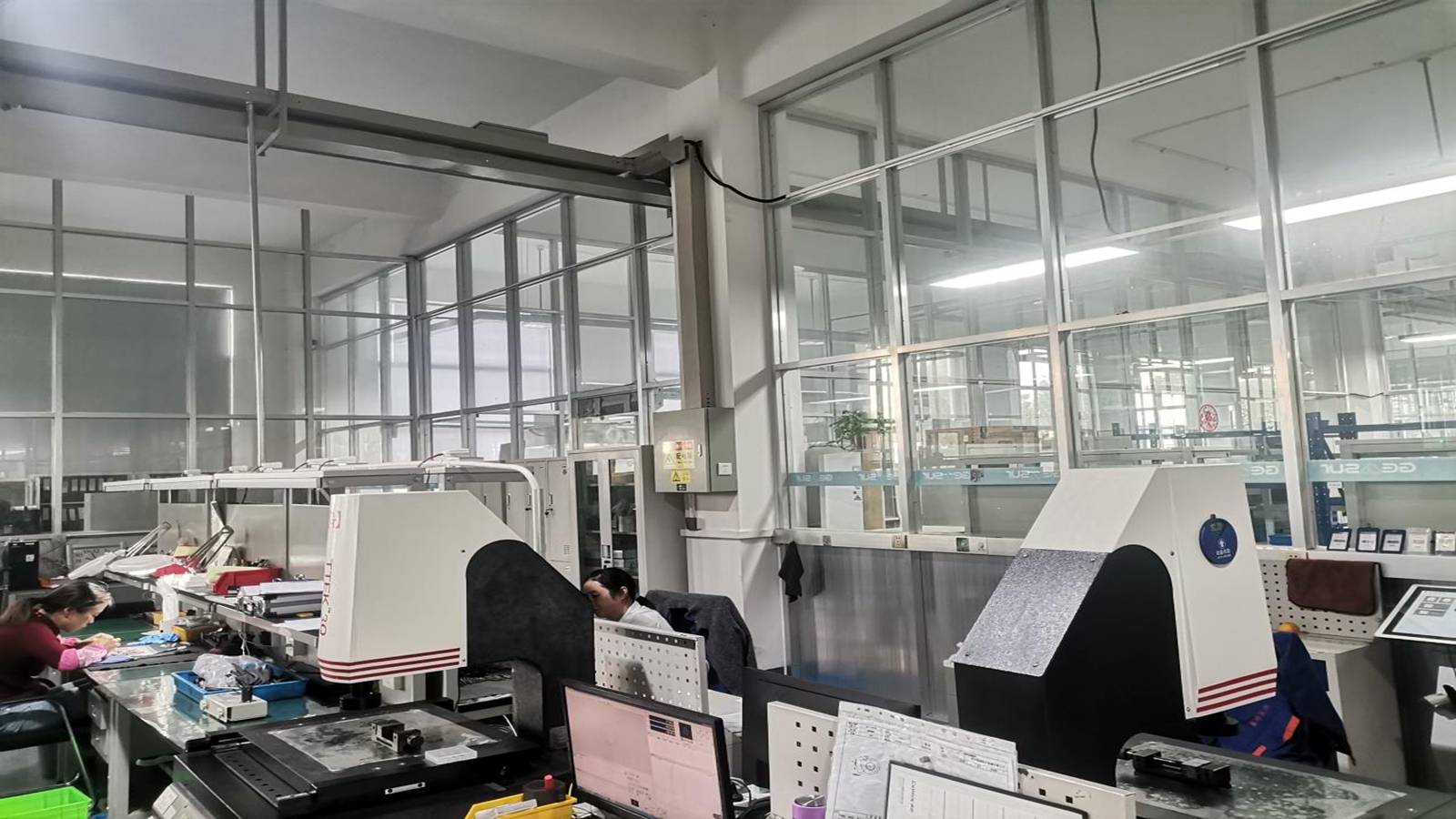
At HBM Medical, quality is not a metric; it is our core promise. We maintain a comprehensive quality management system certified under ISO 13485, MDSAP (Medical Device Single Audit Program), and CE (MDR). Our quality control protocol includes:
Tailoring orthopedic trauma implants to diverse global healthcare systems and clinical environments.
In busy municipal trauma centers, operating room efficiency is paramount. HBM Medical provides standardized, color-coded Small Fragment Locking Plate Instrument Sets. These sets feature intuitive layouts, self-retaining screwdrivers, and universal drill guides that streamline the surgical workflow. By reducing instrument complexity, we help hospitals minimize surgical times, lower anesthesia risks, and optimize sterilization turnaround cycles.
Geriatric patients with osteoporotic bone require implants that offer immediate stability without compromising delicate vascular structures. Our low-profile titanium locking plates distribute mechanical stress evenly across the bone-plate interface, preventing localized bone resorption. For pediatric applications, our micro and small fragment systems provide ultra-thin, high-strength fixation that respects growth plates and minimizes soft-tissue tension during closure.
For international medical device brands looking to expand their portfolios, HBM Medical offers a complete turnkey solution. From initial CAD drafting and finite element analysis to rapid prototyping, regulatory documentation support (including CE MDR technical files), and custom private-label packaging, we accelerate your time-to-market. Our R&D team—comprising doctorate and postgraduate medical device engineers—specializes in translating clinical feedback into high-performing commercial products.
Anticipating the next generation of smart implants, surface modifications, and additive manufacturing.
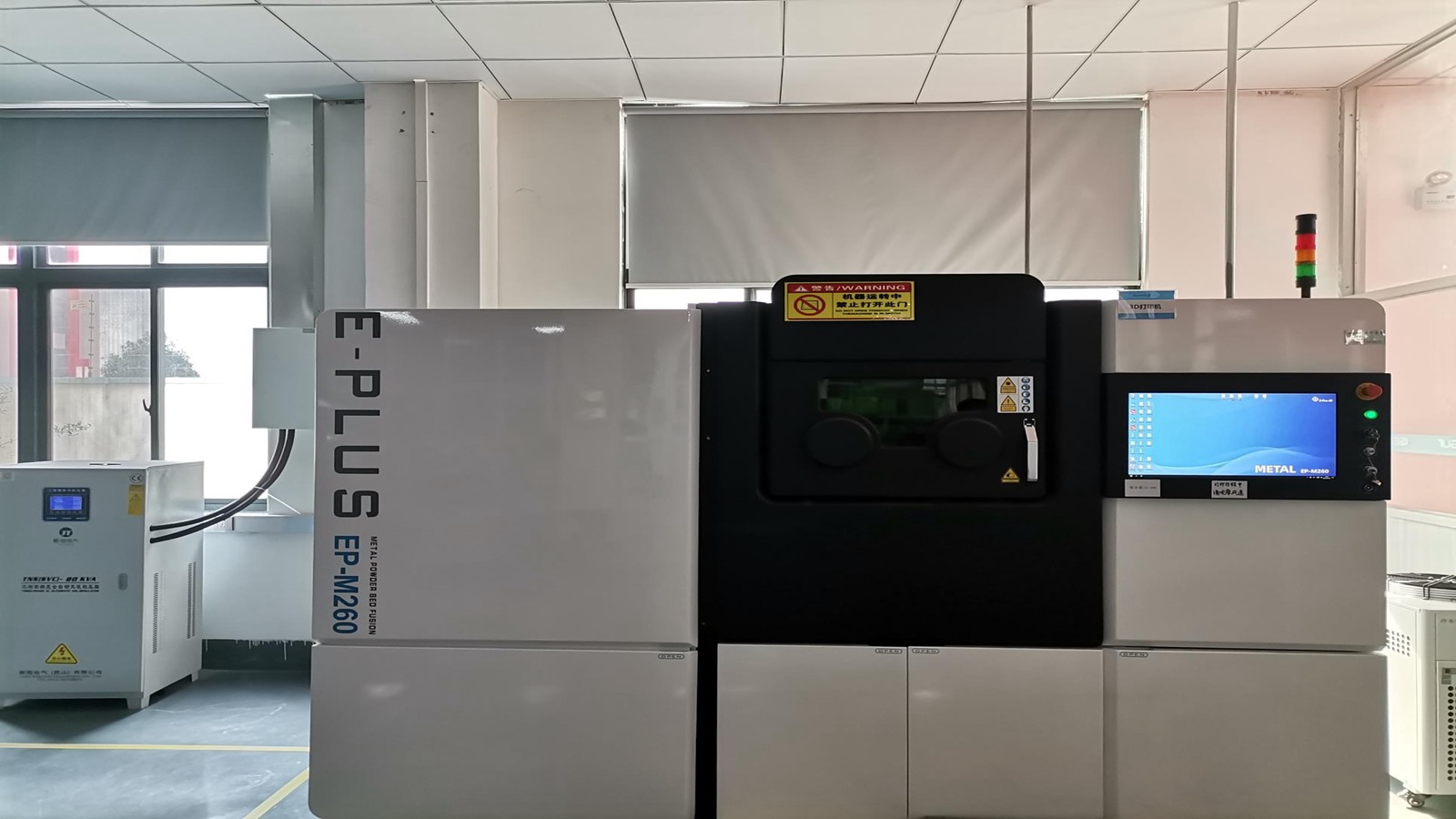
While traditional CNC machining remains the gold standard for high-volume production, 3D printing (Electron Beam Melting and Direct Metal Laser Sintering) is revolutionizing custom implant fabrication. HBM Medical is actively researching porous titanium structures that mimic trabecular bone, promoting rapid osseointegration and reducing stress shielding in complex reconstructive surgeries.
Implant-associated infections represent a severe clinical challenge. The future of small fragment plates lies in smart surfaces. We are developing advanced coating technologies, including silver nanoparticle deposition and hydroxyapatite (HA) plasma spraying. These coatings are designed to actively inhibit bacterial colonization while accelerating bone healing at the fracture site.
To eliminate the need for a second surgery to remove implants—particularly in pediatric patients—the industry is focusing on biodegradable magnesium alloys. These materials provide robust mechanical support during the critical healing phase and gradually resorb, leaving only natural, healthy bone behind. HBM Medical's long-term R&D roadmap includes strategic investments in magnesium-based internal fixation technology.
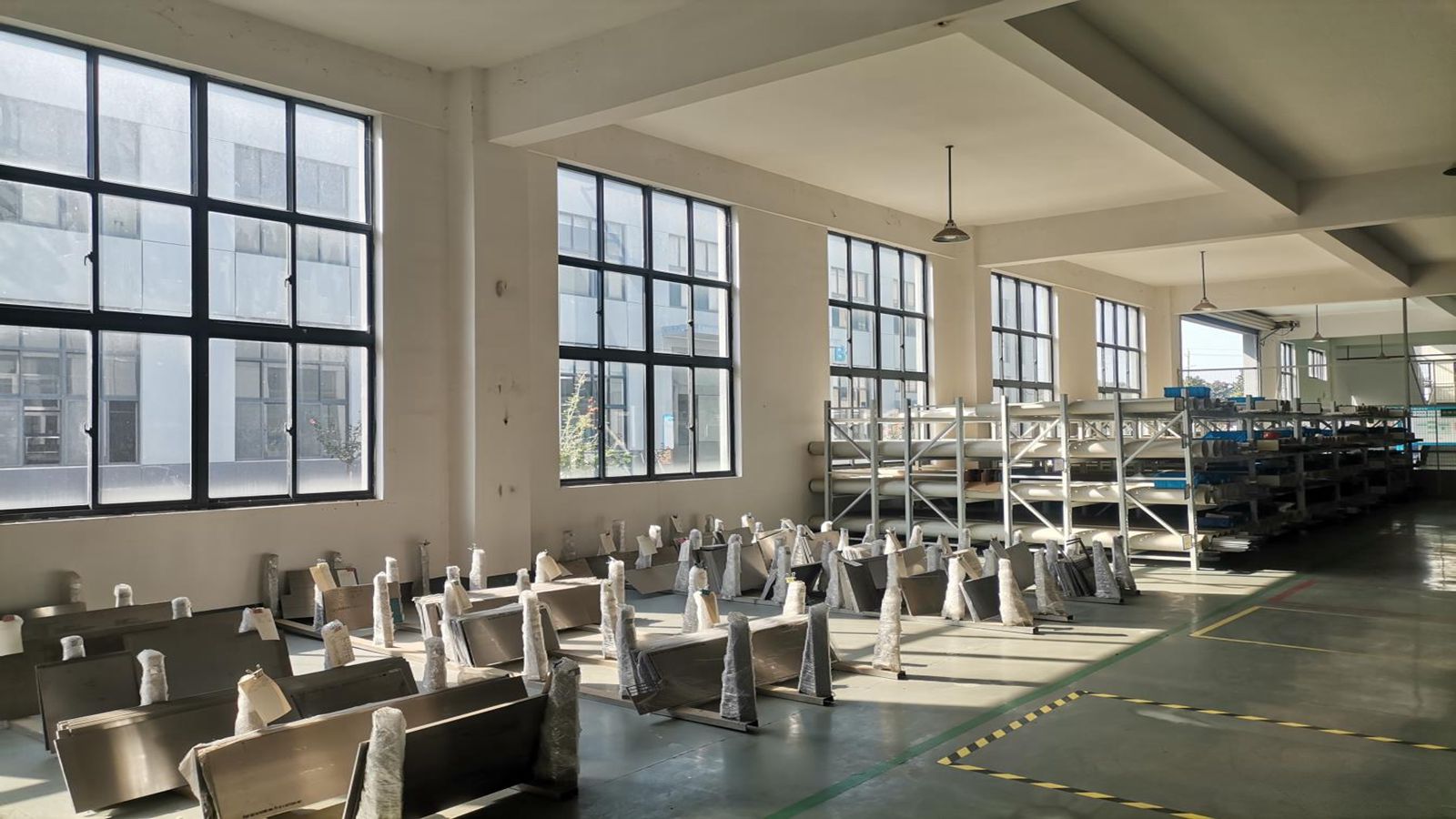
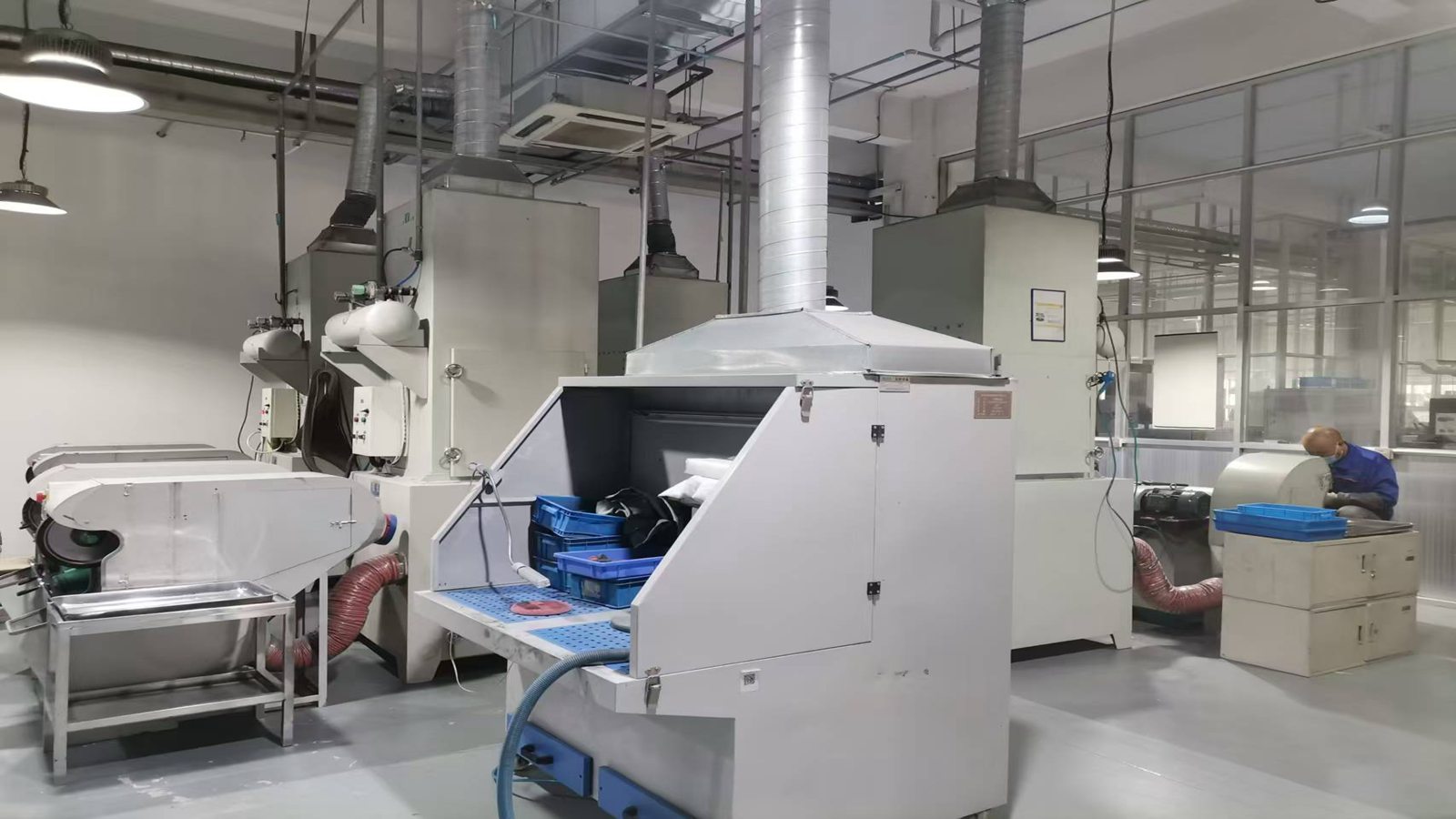
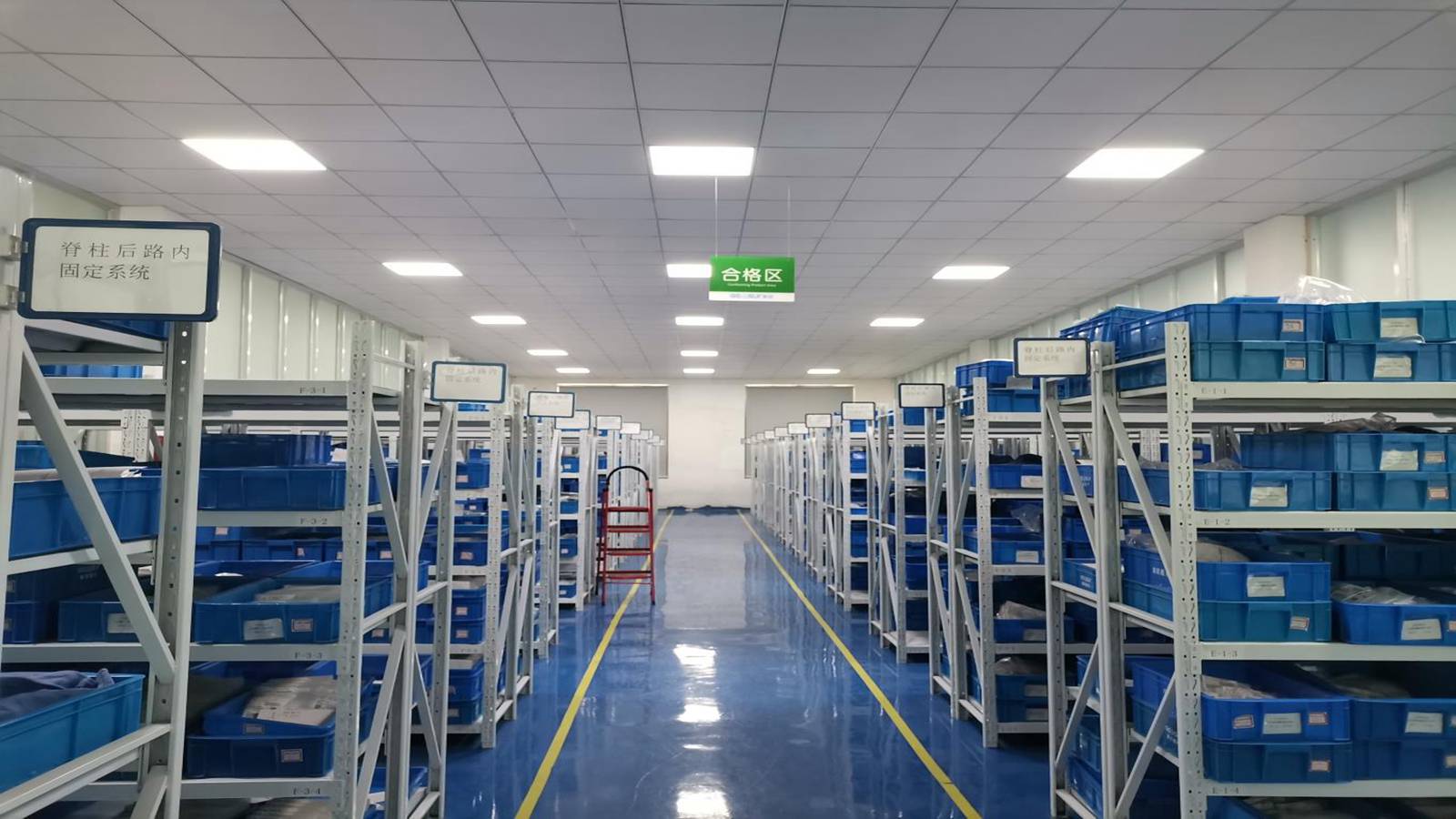
A visual tour of our advanced production lines, testing centers, and cleanroom facilities.
Addressing technical, regulatory, and commercial inquiries from global distributors and clinical partners.
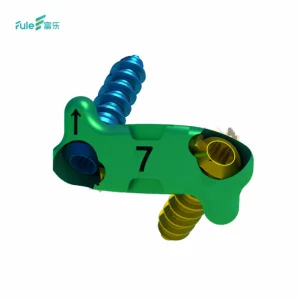
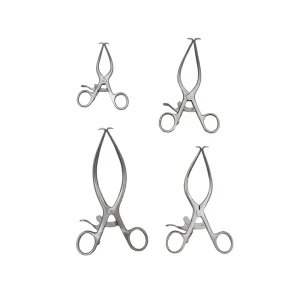
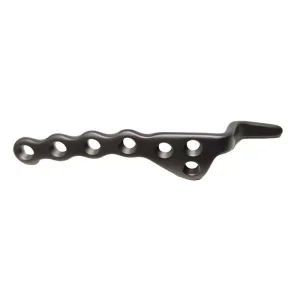
Discover our comprehensive range of trauma plates, spinal cages, and specialized veterinary power tools.
 HBM Medical