Precision-engineered clinical solutions manufactured in our state-of-the-art facility
In modern sports medicine, particularly in anterior cruciate ligament (ACL) reconstruction, the choice of fixation device plays a pivotal role in determining long-term clinical success. Cortical fixation buttons have emerged as the gold standard for femoral graft suspension, offering unmatched biomechanical properties that minimize graft slippage and optimize healing.
At the core of cortical fixation technology is the distribution of mechanical stress across the femoral cortex. By utilizing a low-profile, high-tensile titanium button, surgeons can achieve secure fixation that resists cyclic loading during early rehabilitation. The interface between the implant and the bone cortex must withstand forces exceeding 1000 N, preventing tunnel widening and ensuring graft-to-bone integration.
HBM Medical's proprietary designs focus on reducing the "windshield wiper" and "bungee cord" effects—common biomechanical failures associated with traditional fixation methods. Through rigorous finite element analysis (FEA) and dynamic fatigue testing, our cortical buttons are optimized to distribute loads evenly, preserving cortical bone density and promoting rapid osseointegration.
Addressing global challenges in ligament reconstruction through advanced engineering and clinical insight.
Traditional fixed-loop buttons often require precise tunnel depth calculations, leaving little room for intraoperative adjustments. HBM's adjustable loop cortical buttons solve this by allowing surgeons to tension the graft in situ, ensuring complete tunnel filling and optimal graft-to-bone contact regardless of anatomical variations.
Beyond ACL reconstruction, cortical fixation buttons are increasingly utilized in high ankle sprains and syndesmotic disruptions. Our dynamic stabilization systems allow micro-motion while maintaining anatomical reduction, accelerating patient recovery compared to rigid screw fixation.
For AC joint dislocations, dual-button cortical fixation provides a minimally invasive, high-strength solution that mimics natural coracoclavicular ligament kinetics. This reduces the risk of hardware prominence and the need for secondary removal surgeries.
Floor Space (㎡)
Production Machines
R&D Engineers
Years Exporting
The global sports medicine market is experiencing a paradigm shift towards outpatient, minimally invasive procedures. This transition has exponentially increased the demand for highly reliable, cost-effective cortical fixation devices. As healthcare systems globally face mounting cost pressures, manufacturers in China, led by HBM Medical, are bridging the gap by offering premium-tier implants that comply with strict international regulatory frameworks (CE MDR, MDSAP) at highly competitive price points.
The orthopedic implant supply chain is highly consolidated, with strict barriers to entry. Historically dominated by multi-national corporations based in North America and Europe, the industry is undergoing a democratization of high-end manufacturing. China's advanced manufacturing infrastructure, coupled with intensive R&D investments, has enabled domestic factories to match and exceed Western standards in surface finish, dimensional tolerance, and biocompatibility.
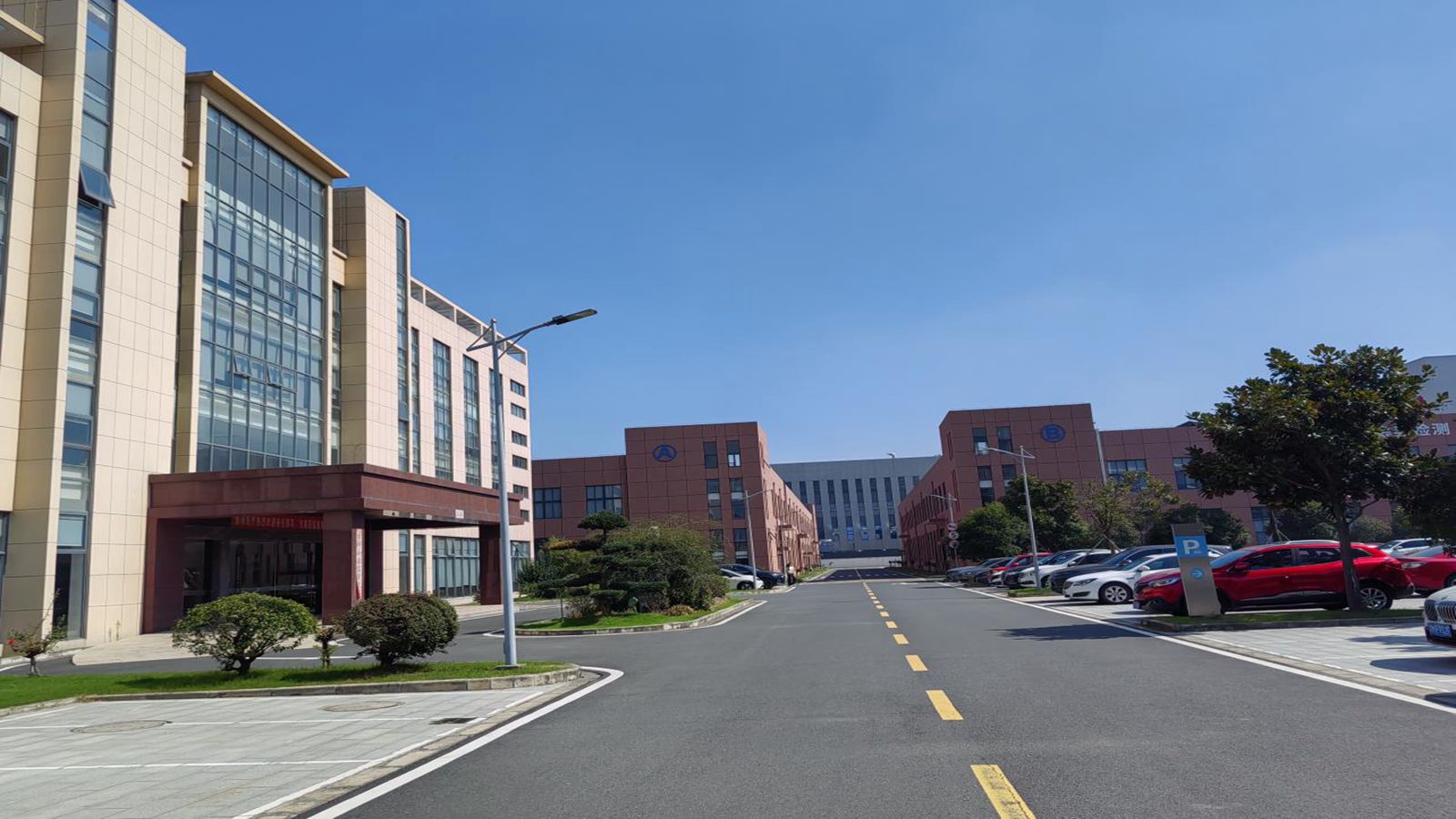
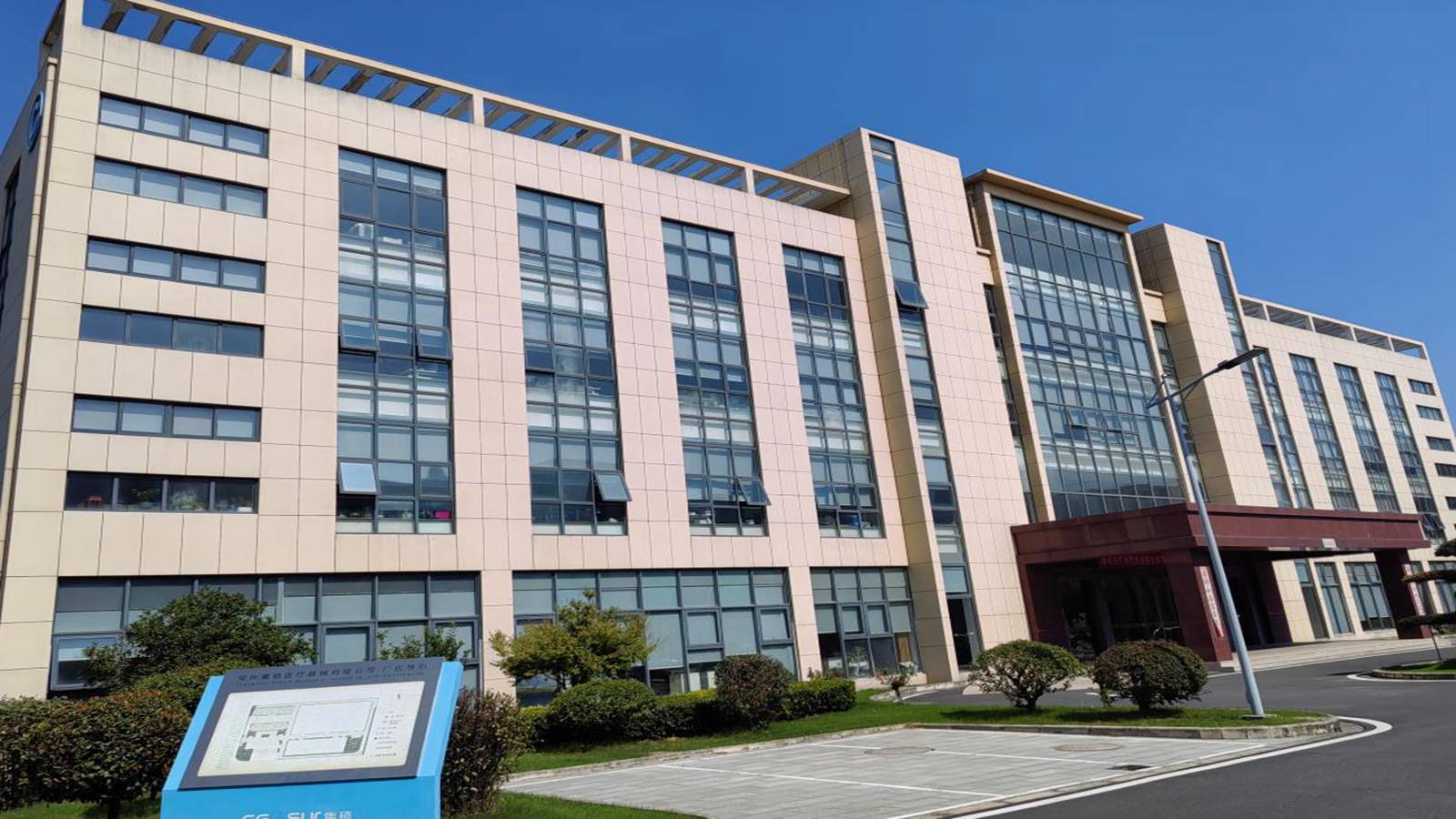
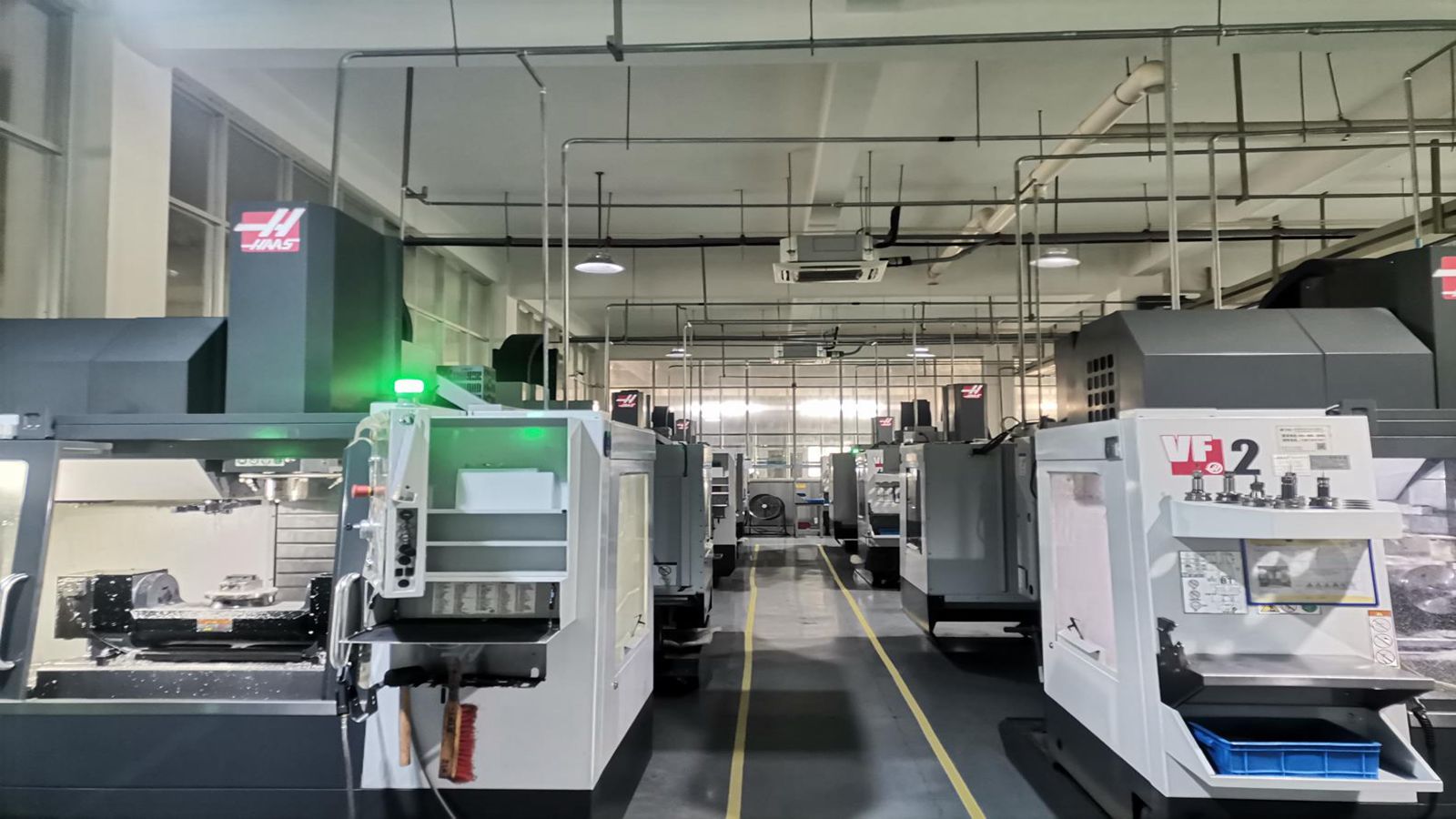
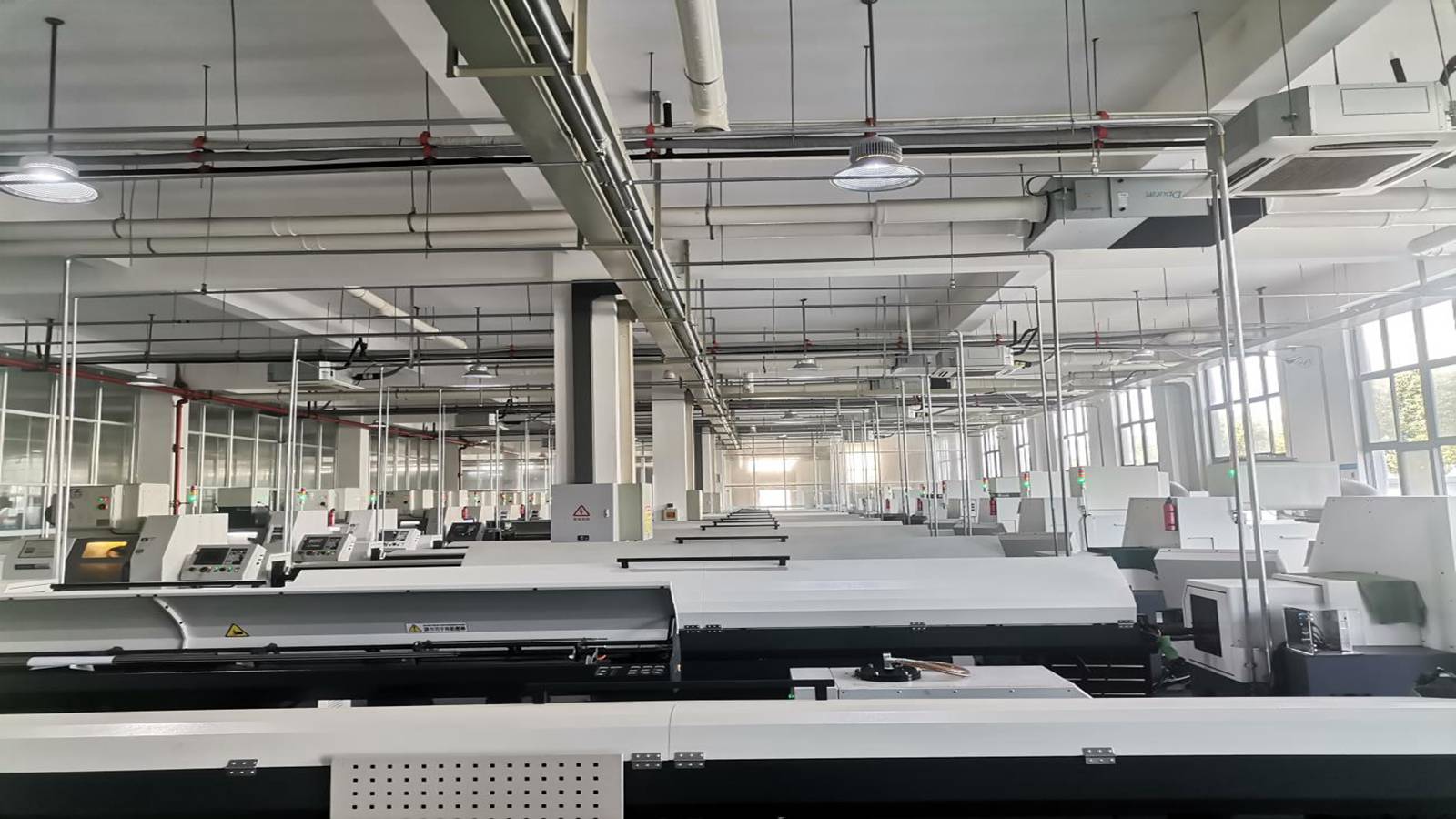
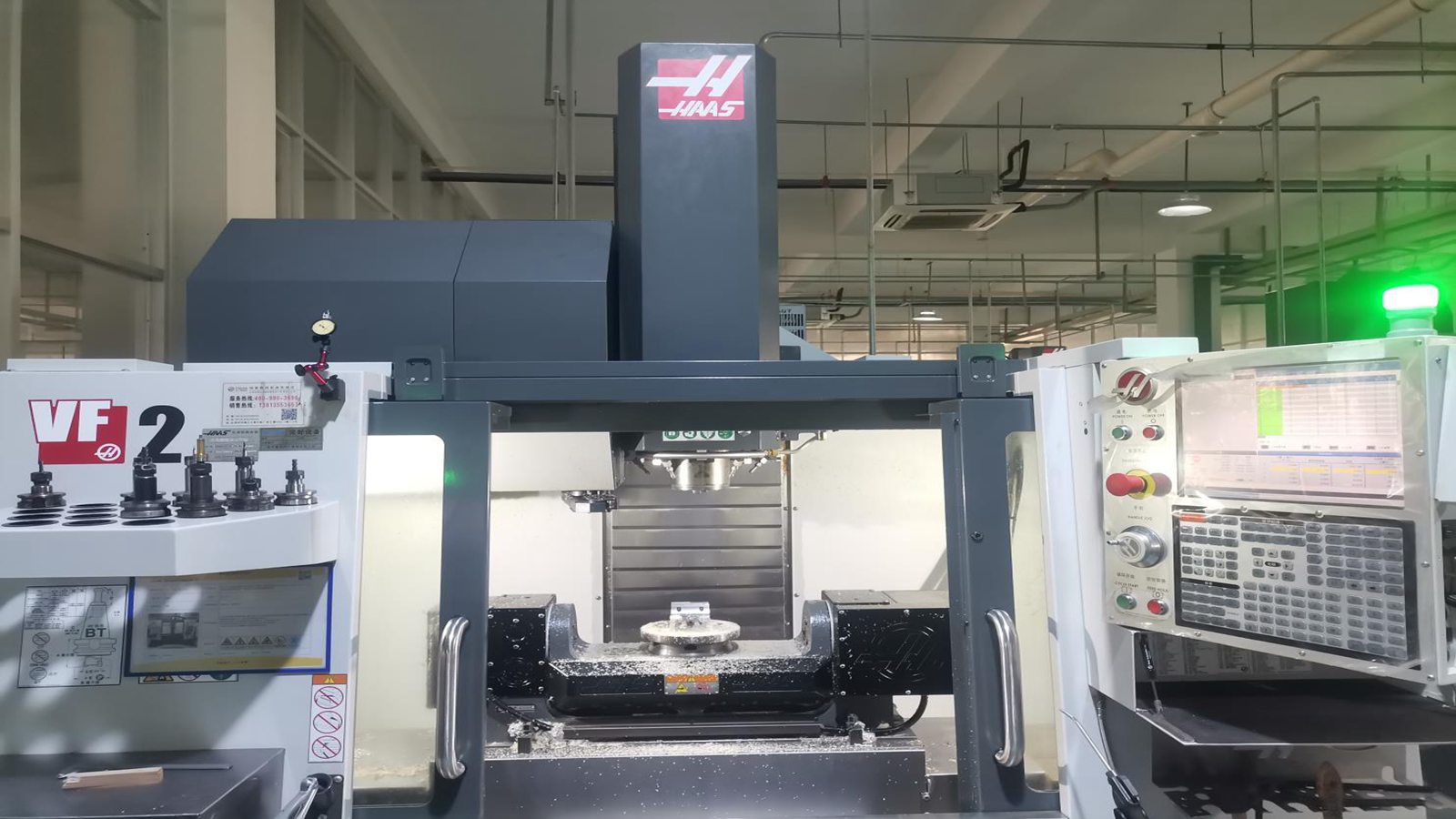
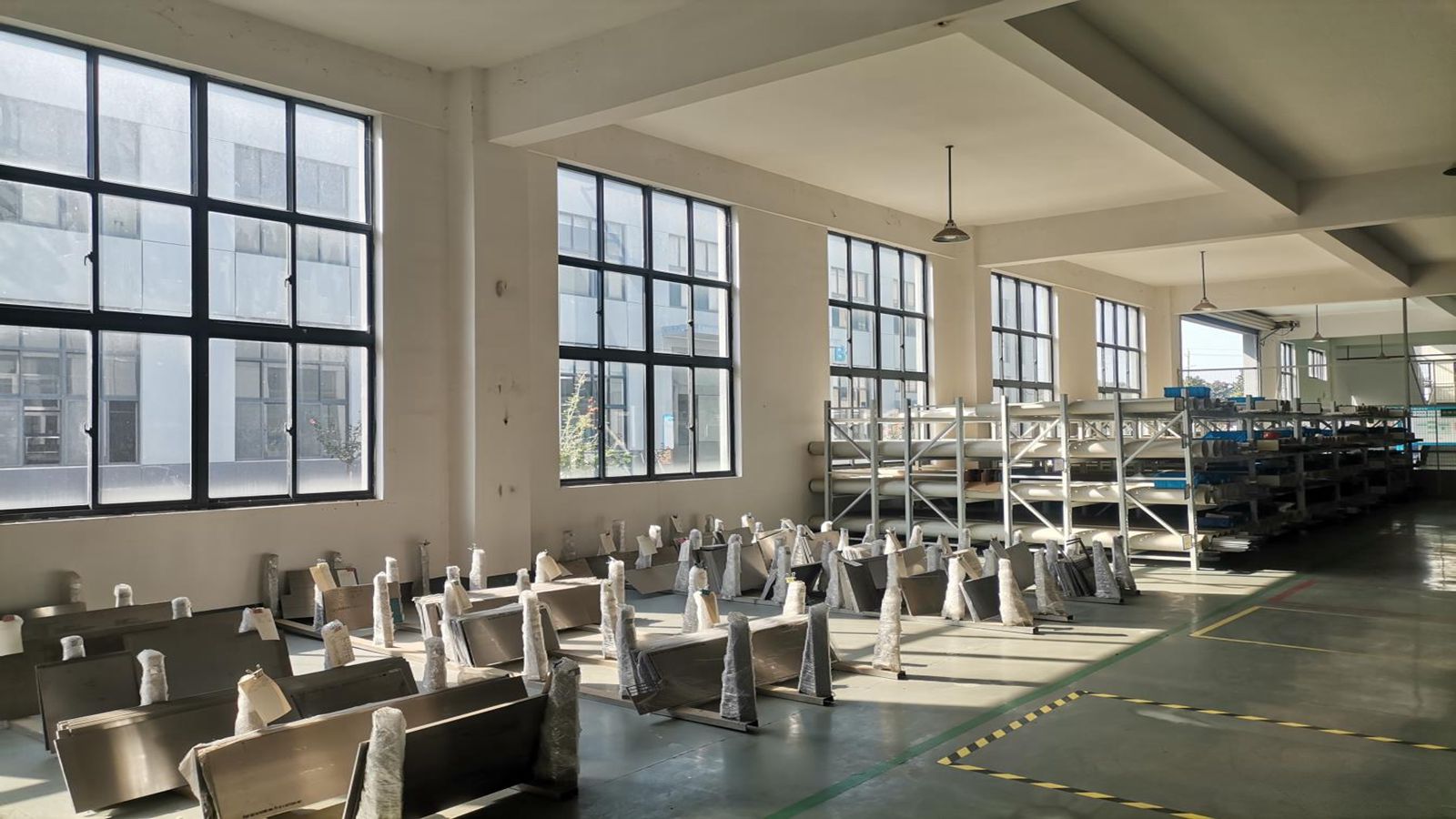
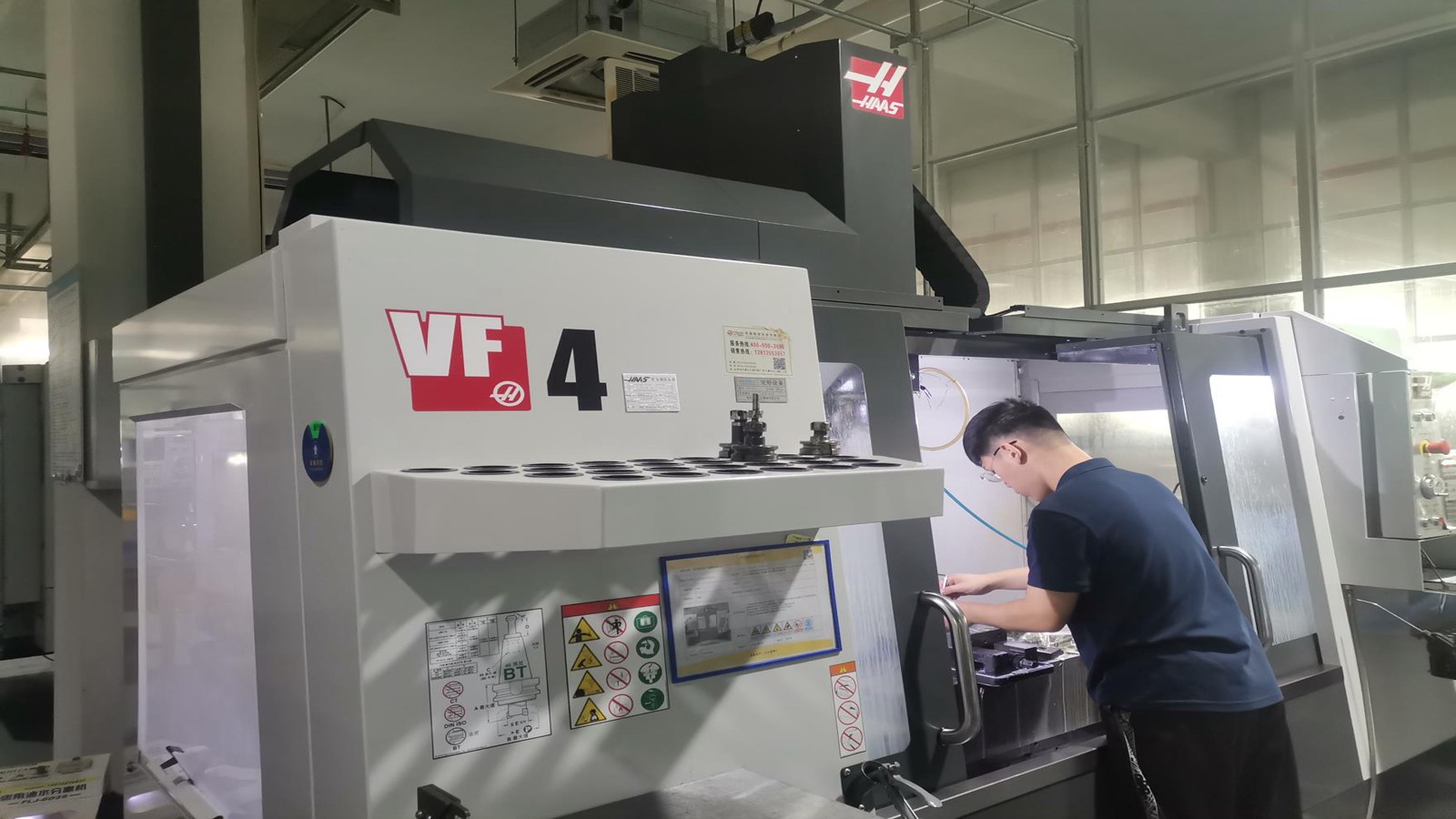
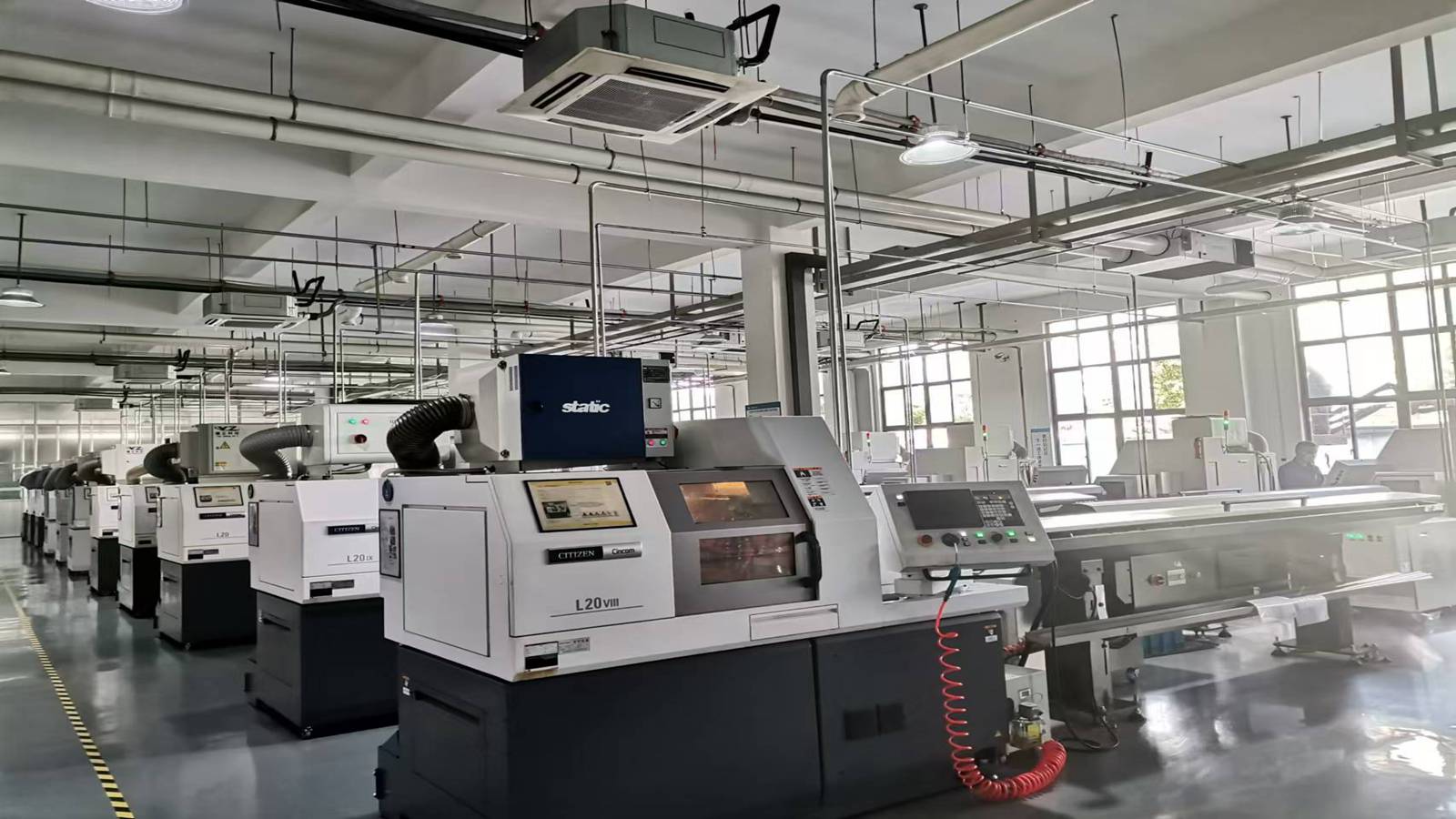
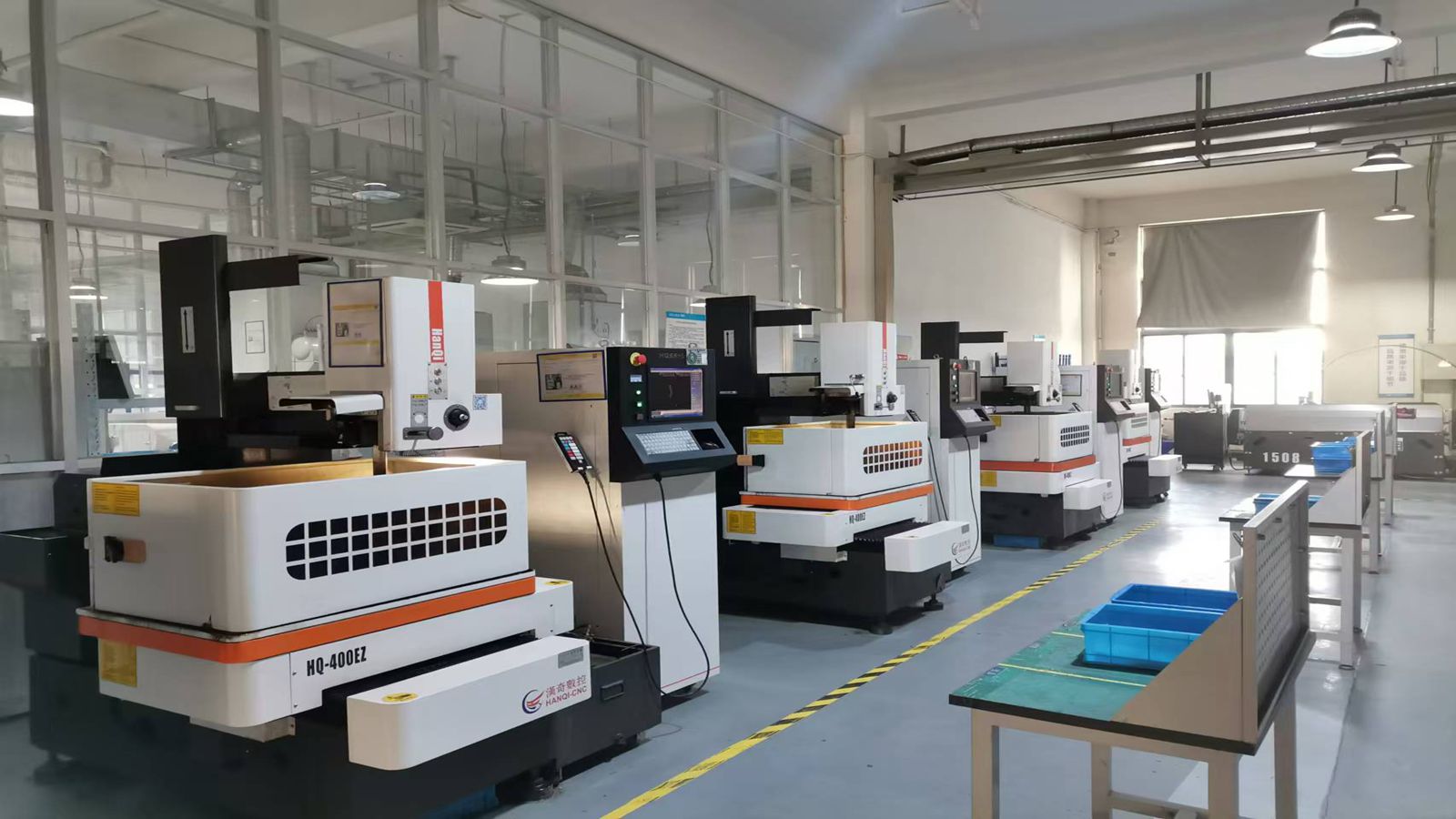
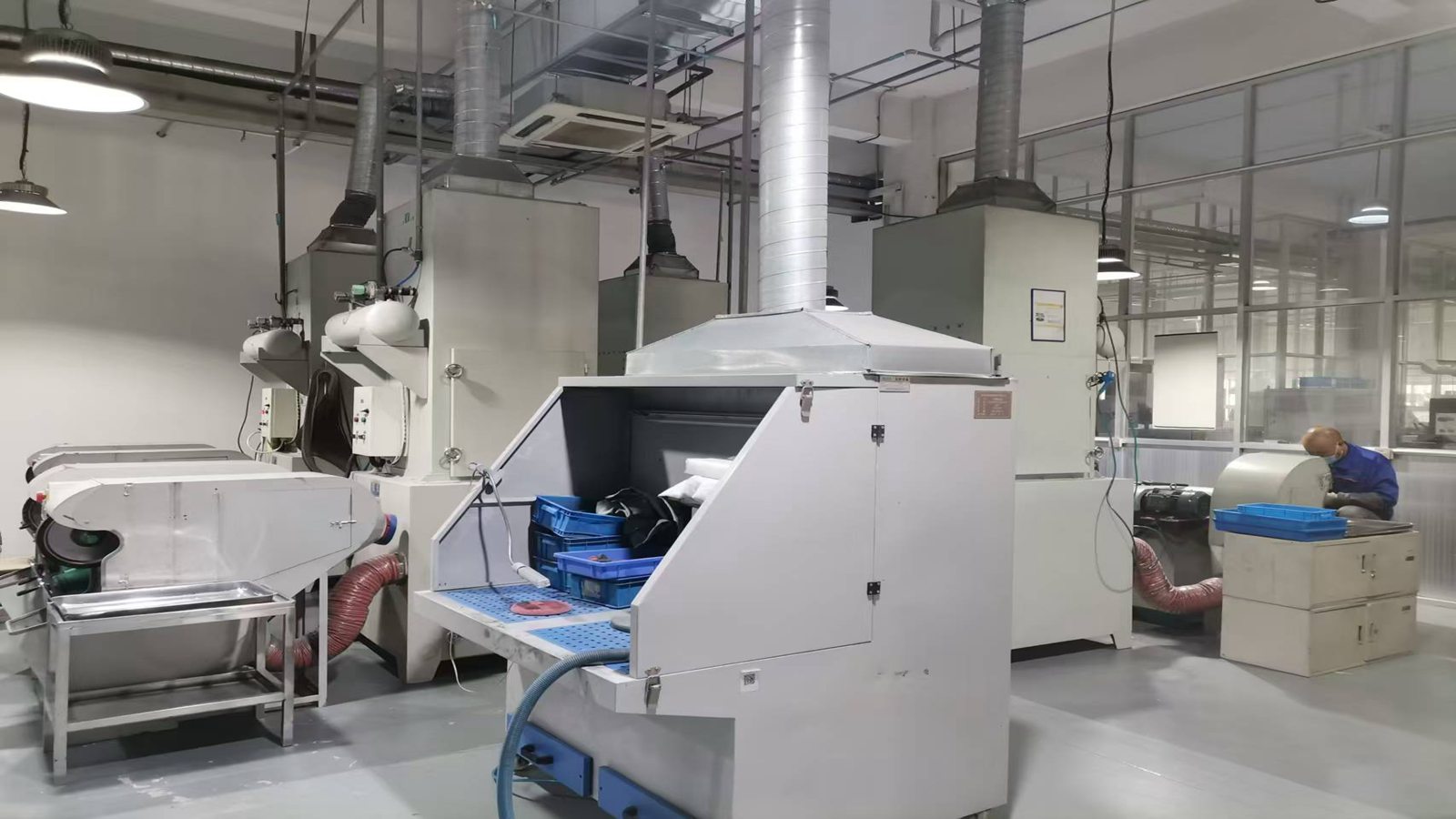
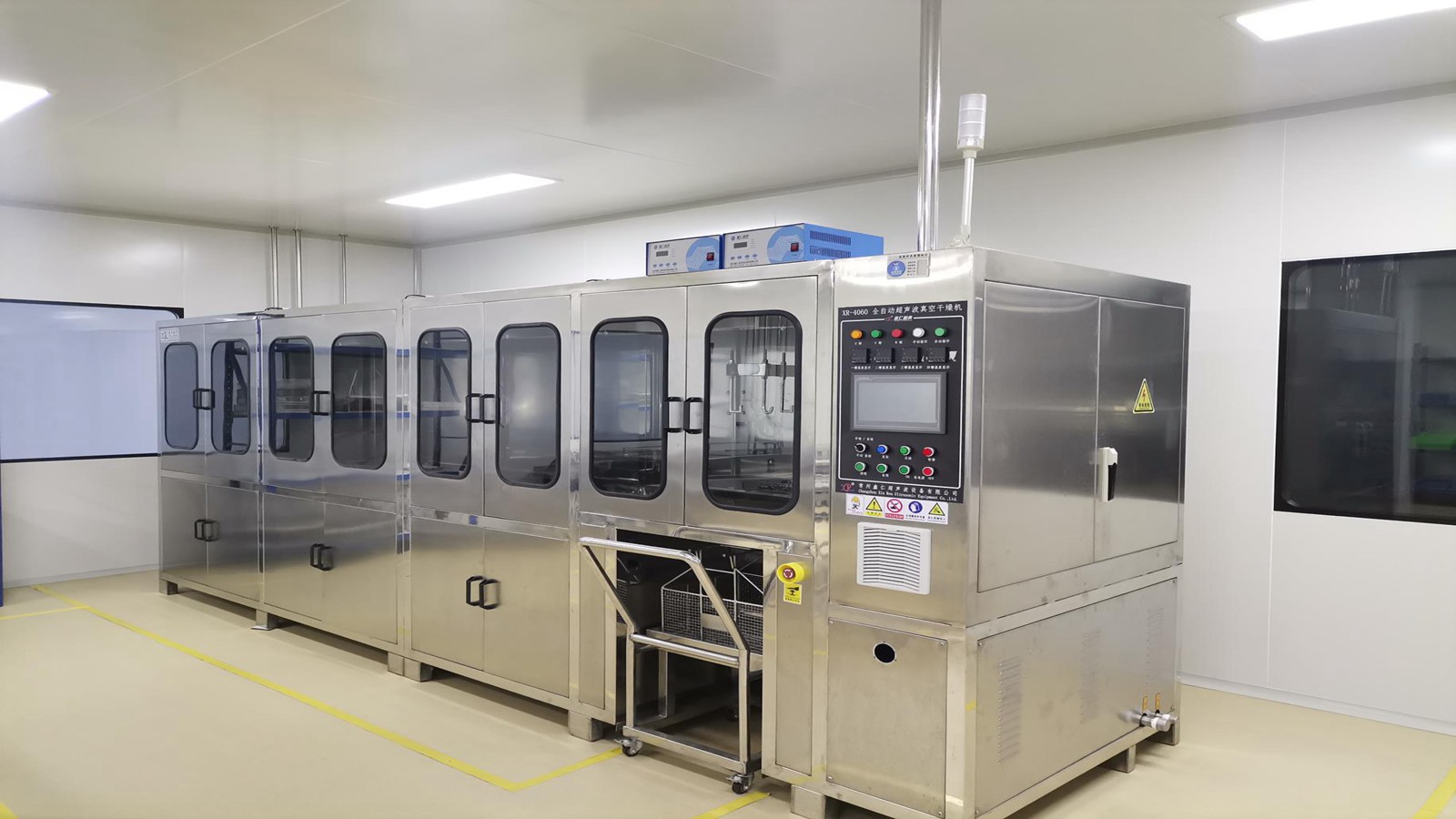
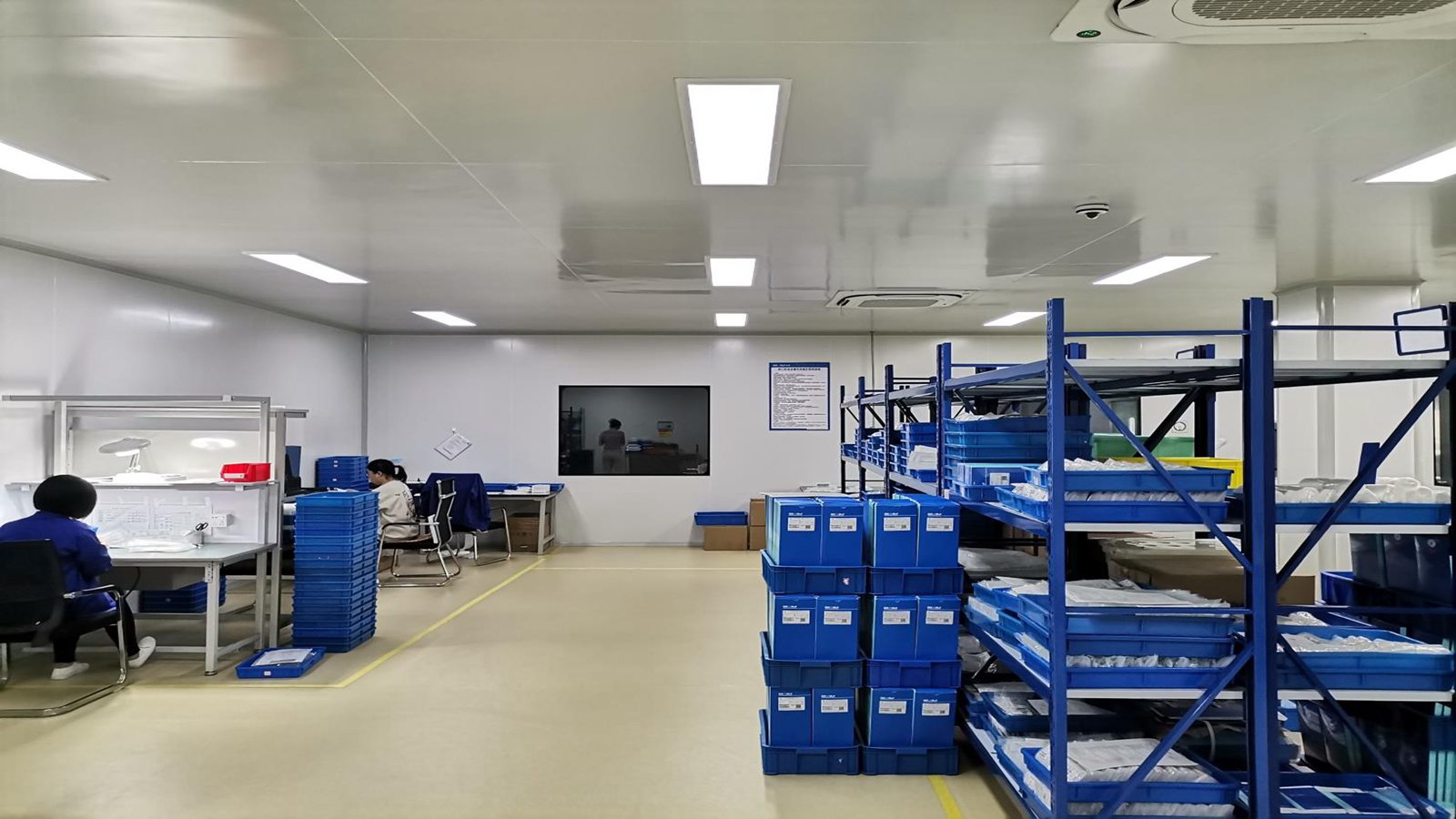
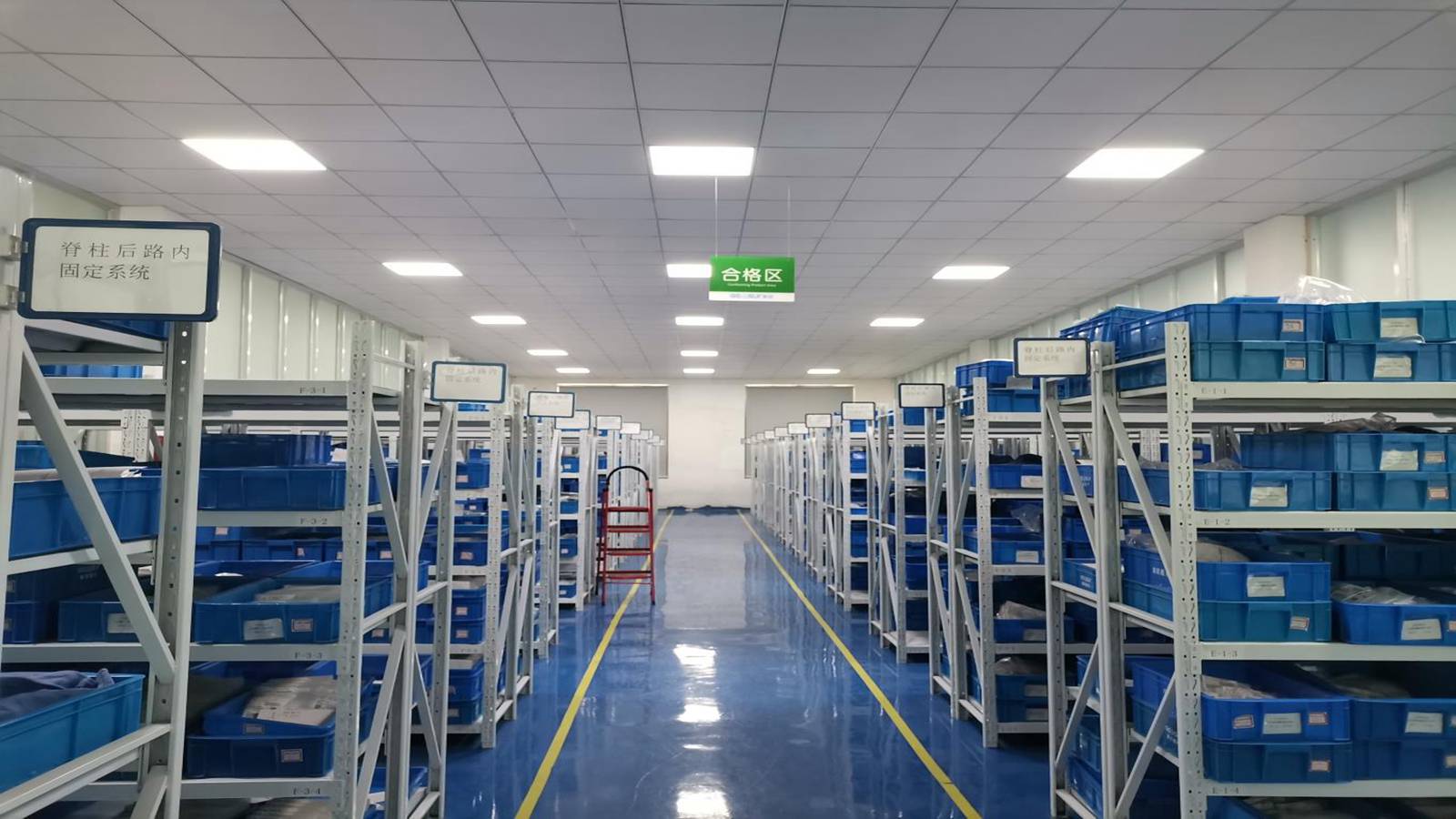
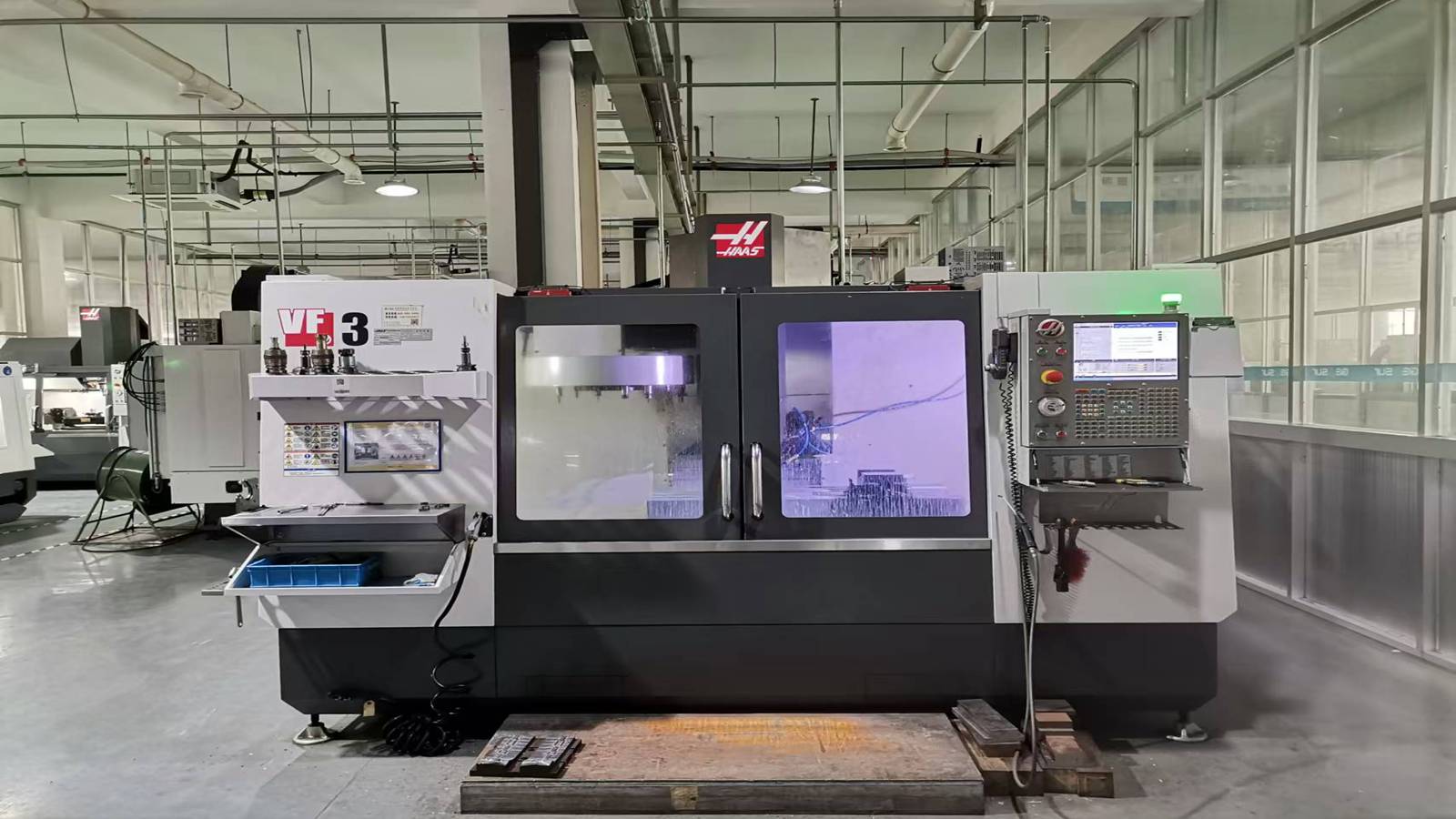
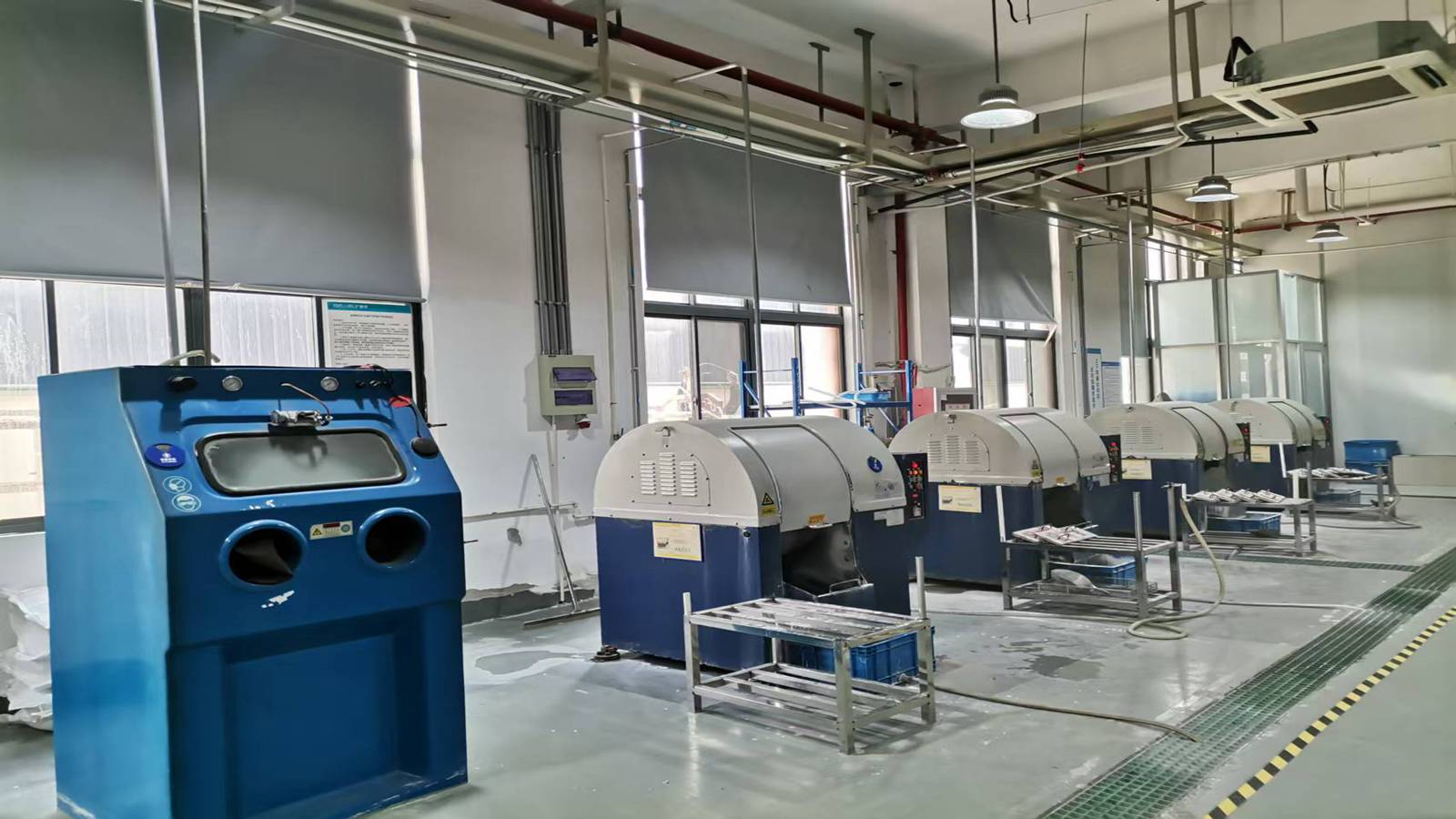
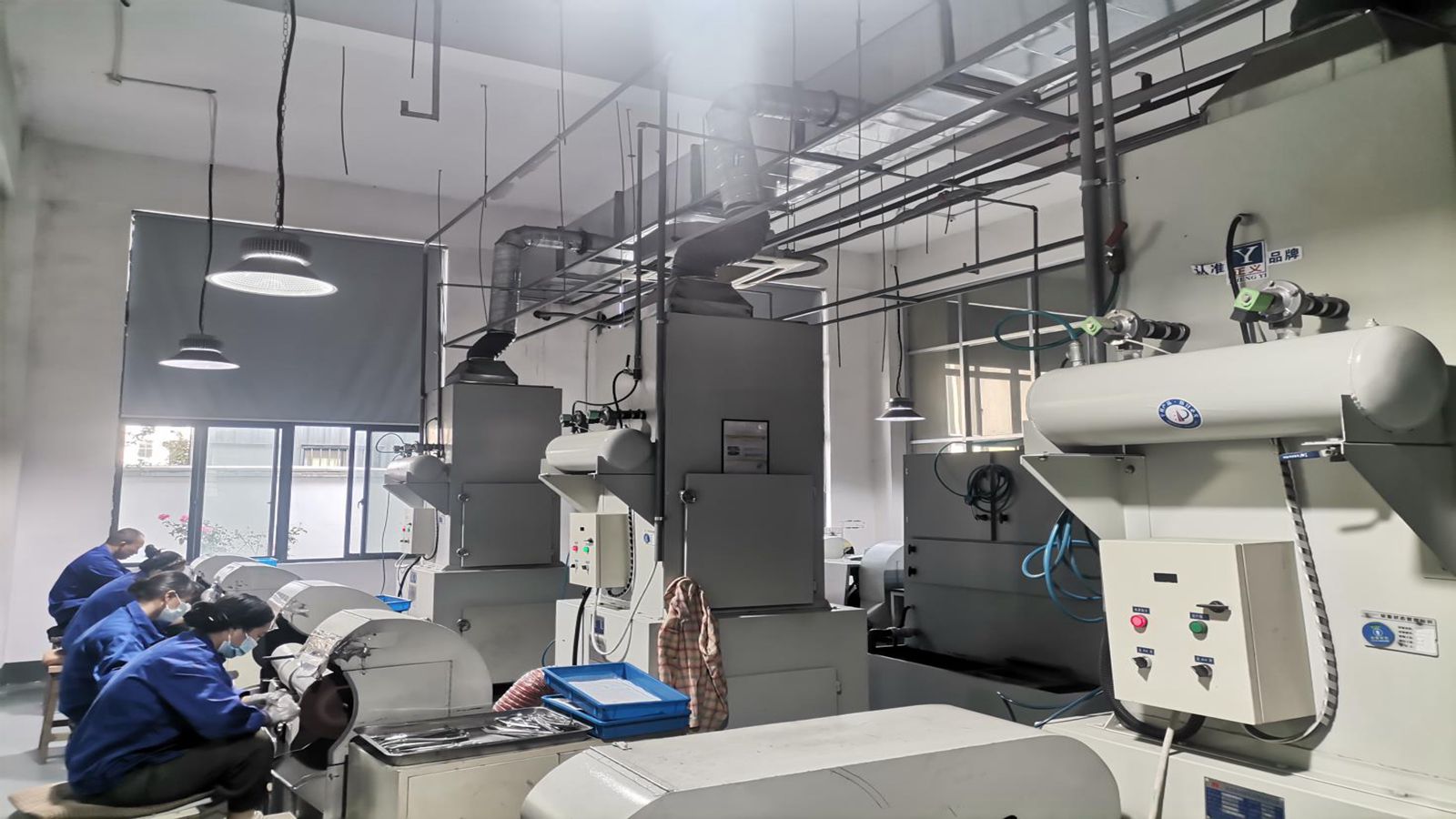
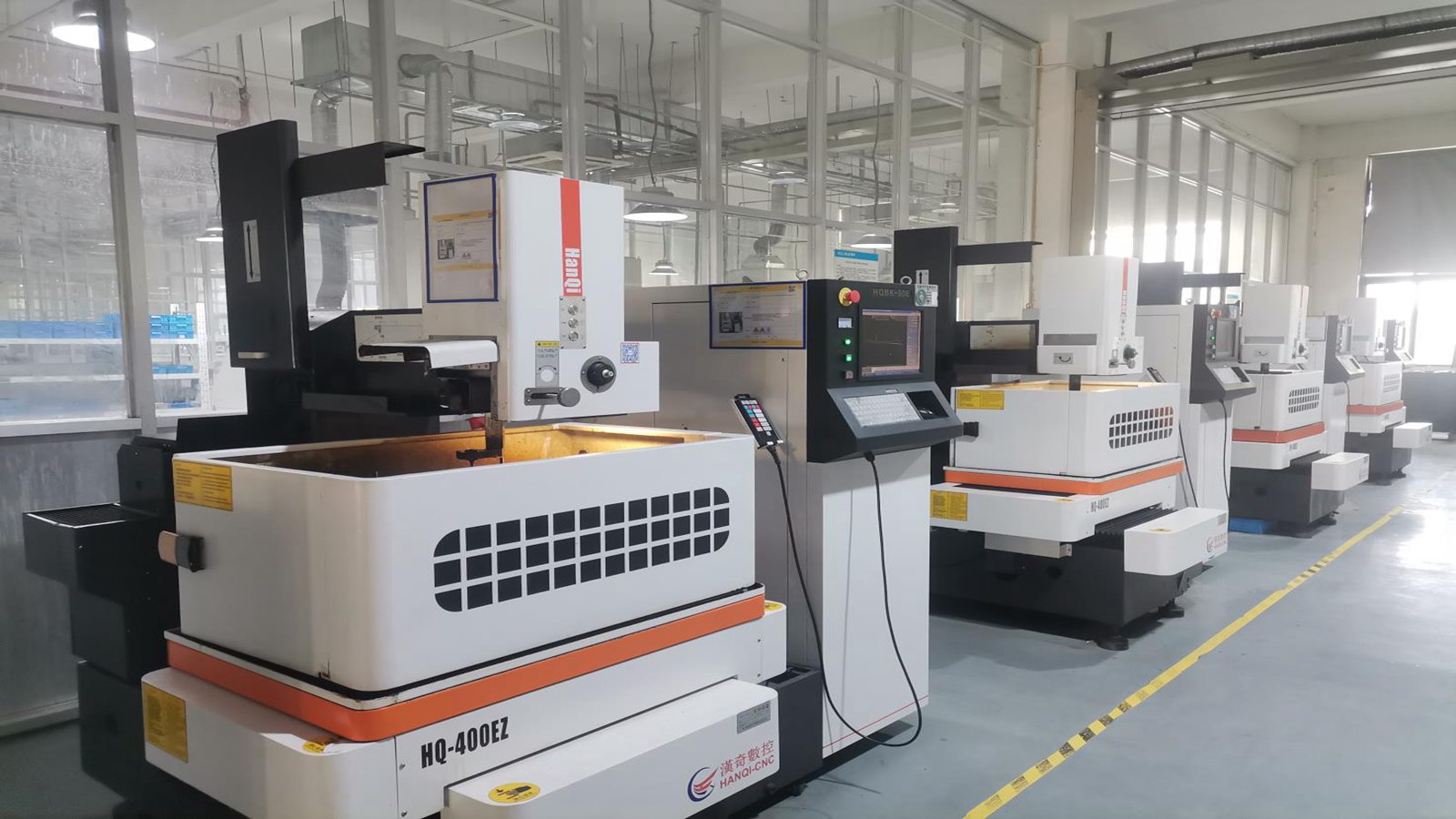
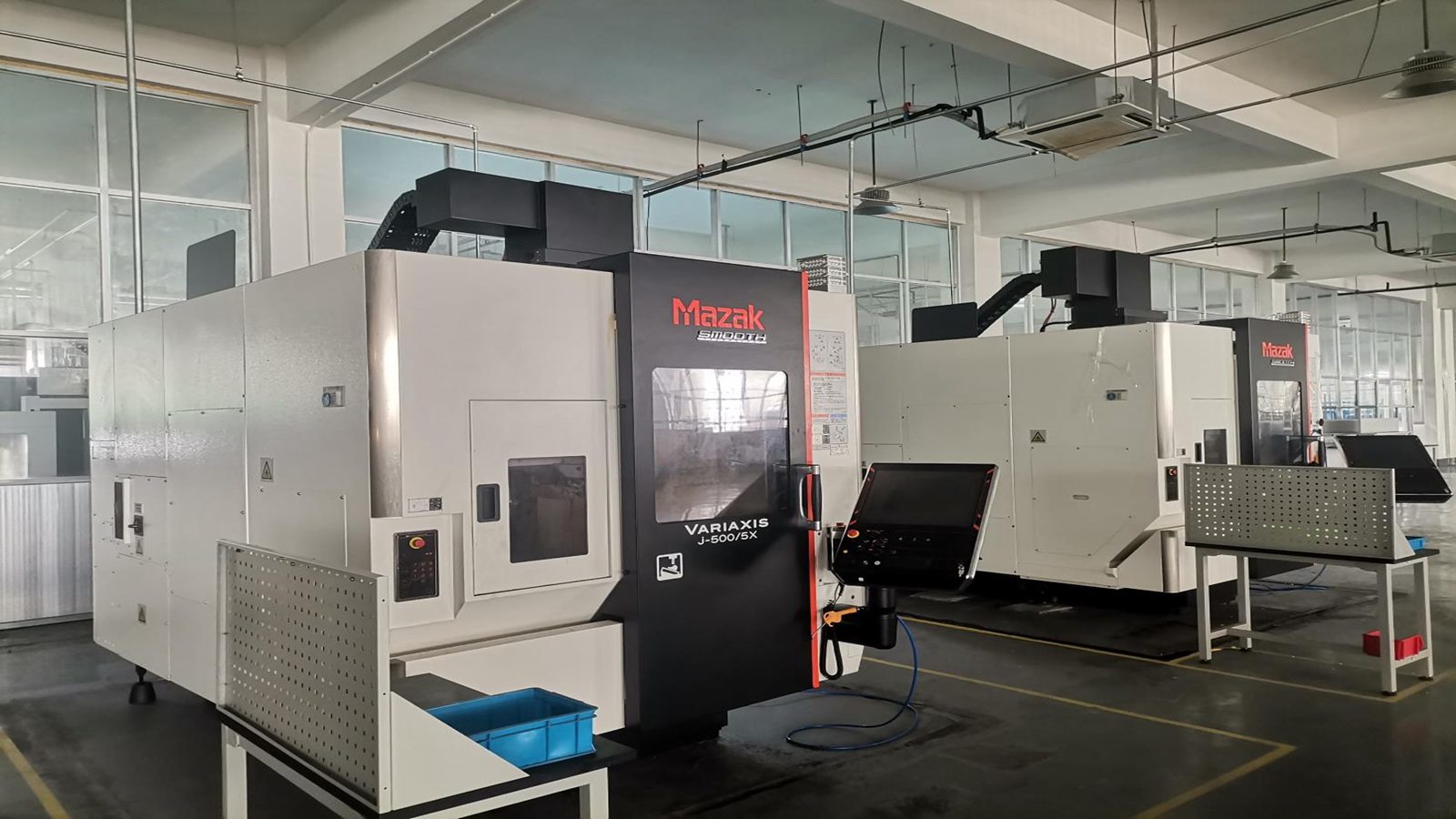
HBM Medical stands at the forefront of this industrial evolution. With a dedicated 30,343 square meter facility and 12 advanced production lines, we supply global brands, distributors, and healthcare networks. Our export footprint spans across Eastern Europe, Southeast Asia, and beyond, proving that Chinese manufacturing can deliver world-class clinical safety and performance.
Leading Orthopedic Medical Equipment R&D, Manufacturing and Operation Enterprise in China
Established on October 15, 2015, HBM Medical has rapidly ascended to become a premier force in the global orthopedic device sector. With a robust sales network covering the entire domestic market and expanding rapidly across international borders, HBM has earned the trust of clinical professionals and commercial partners alike. Our commitment is anchored in the development of high-quality orthopedic implants and surgical instruments that meet the most stringent global standards.
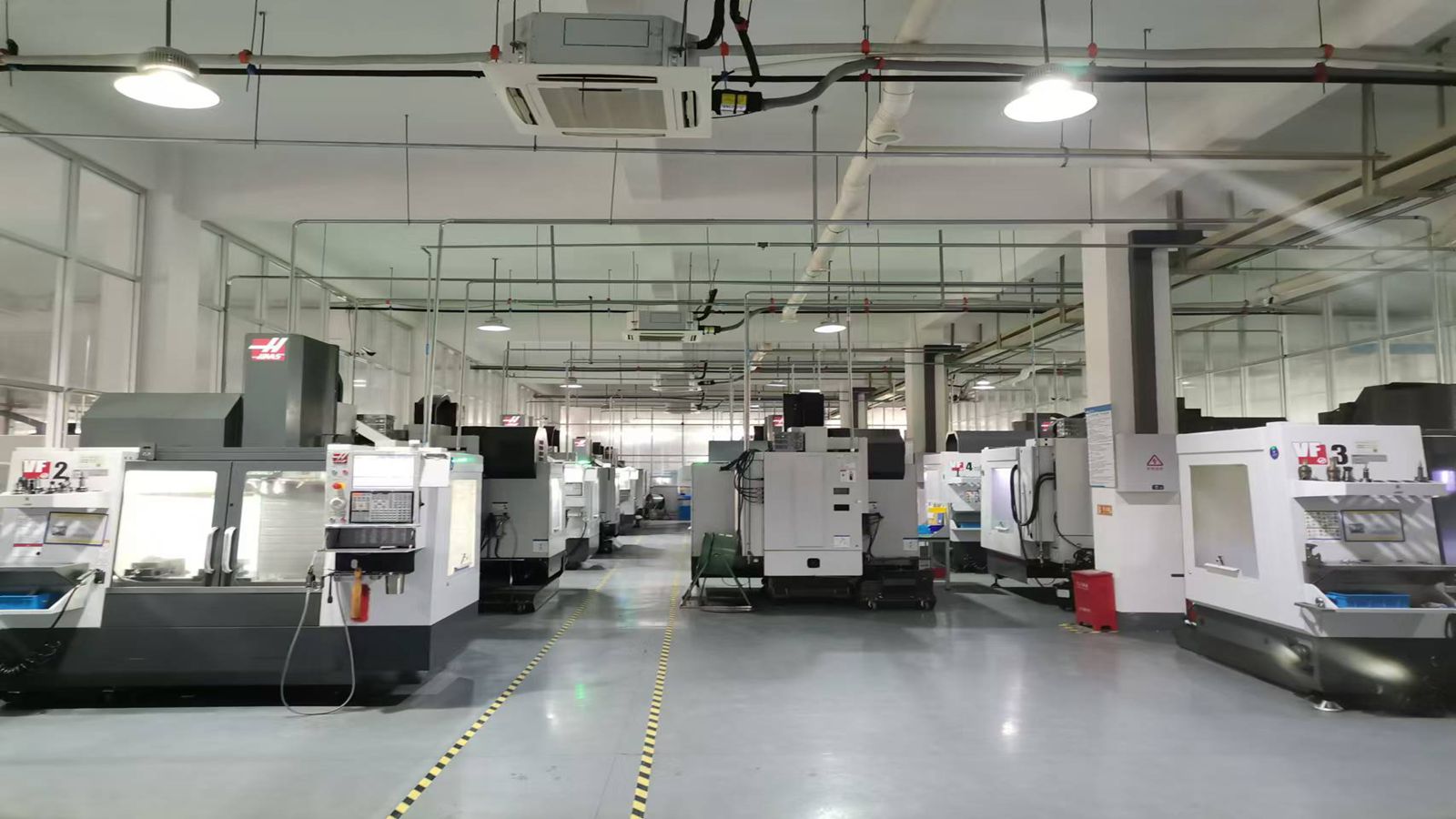
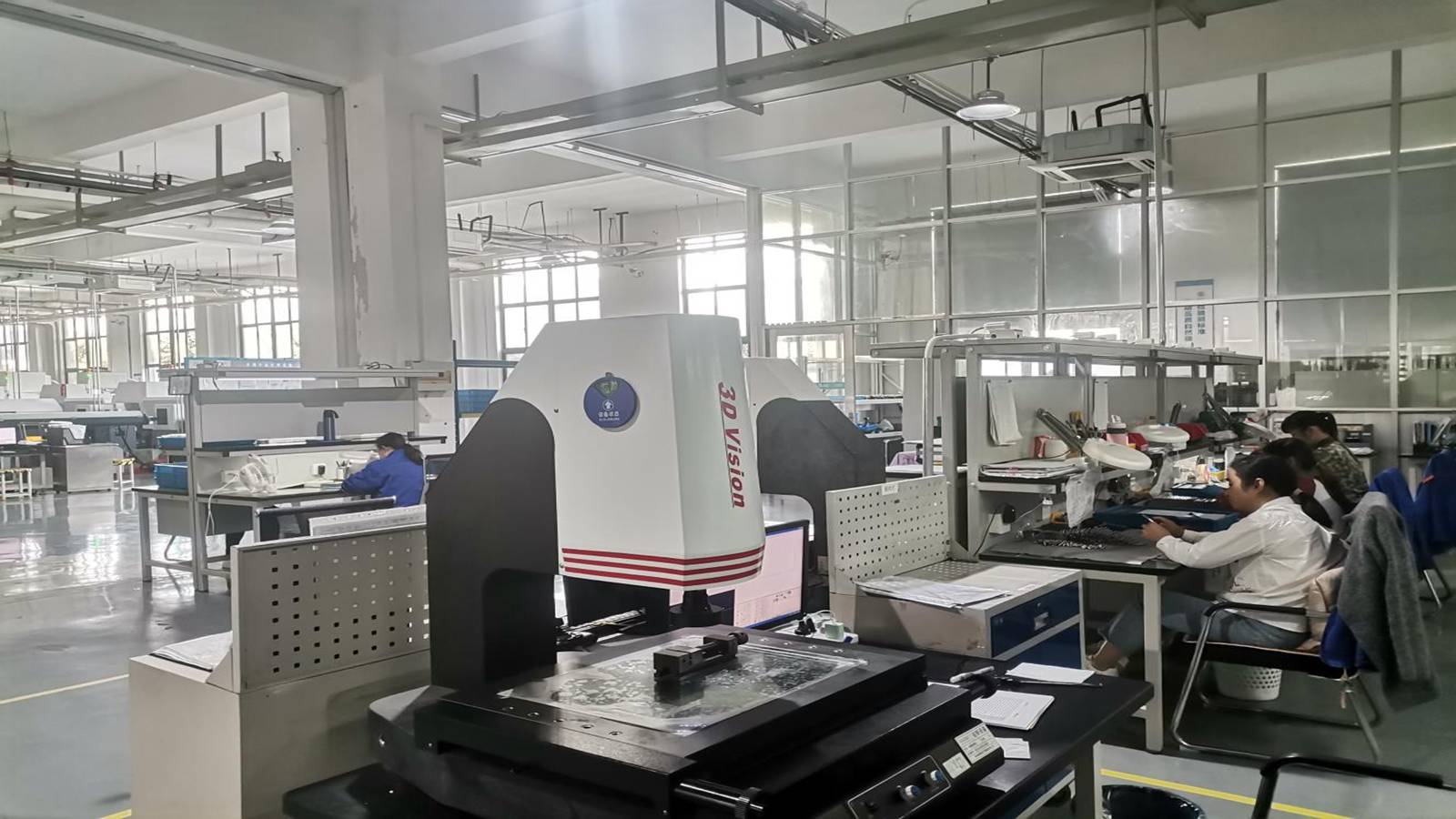
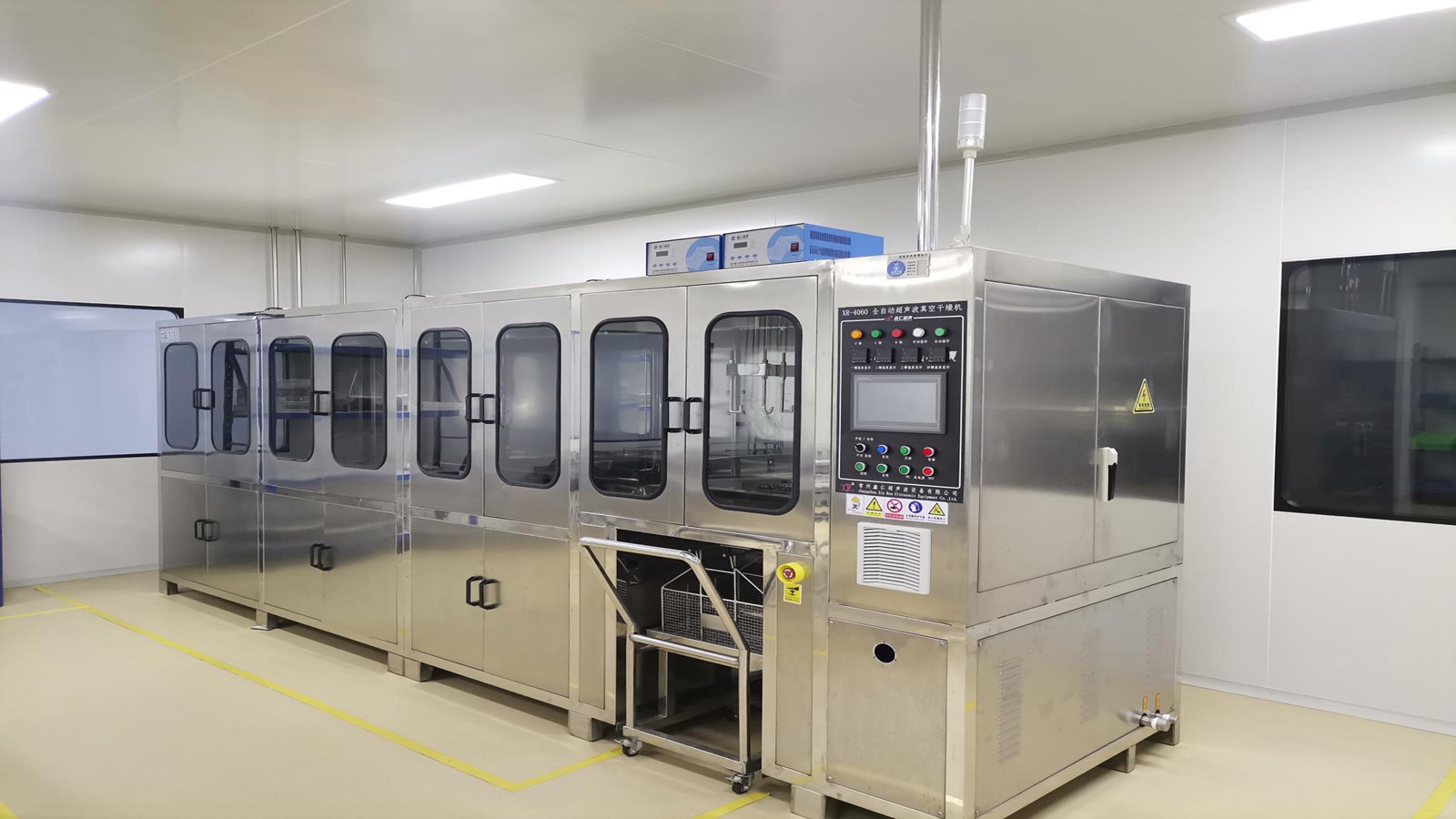
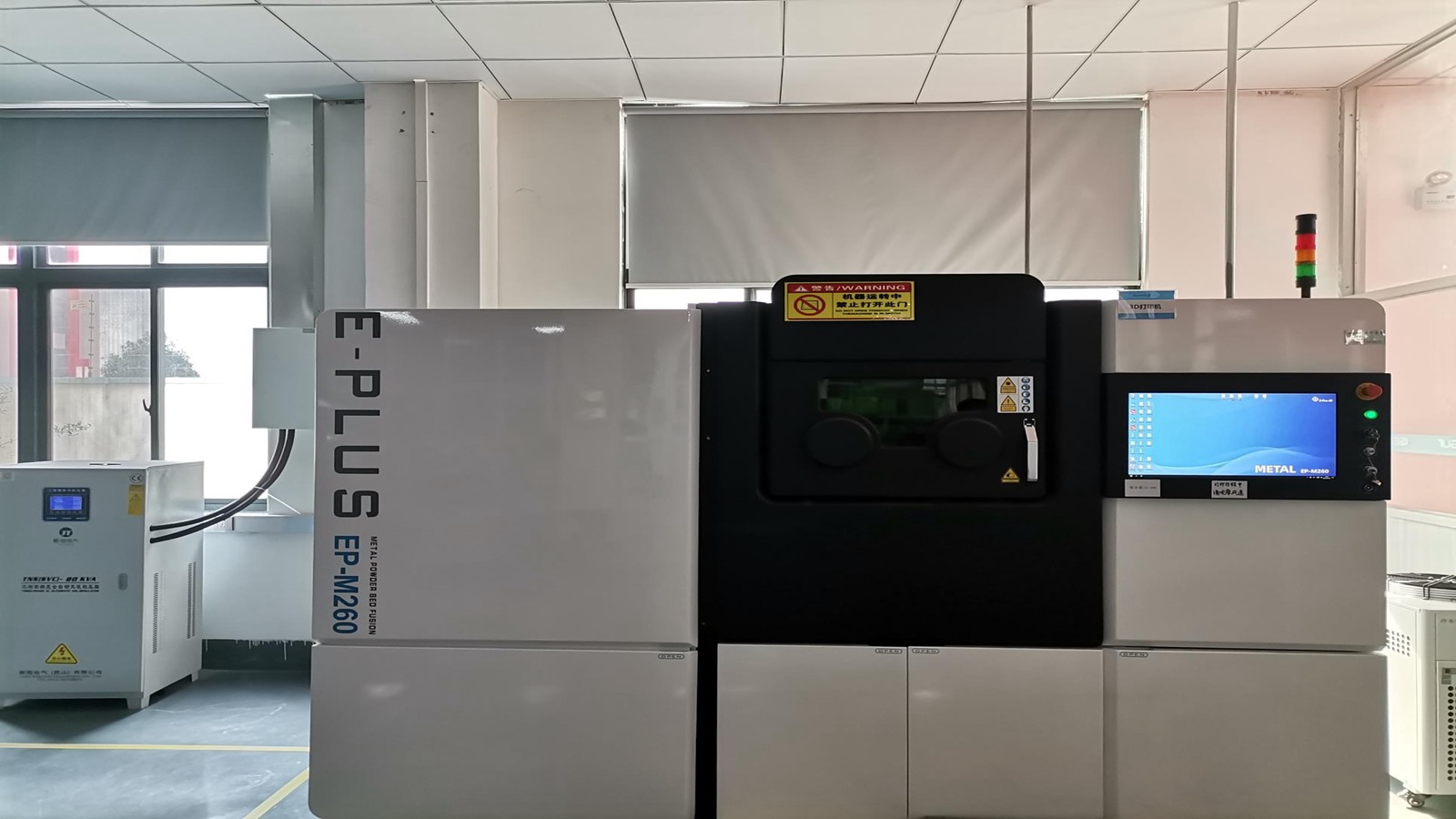
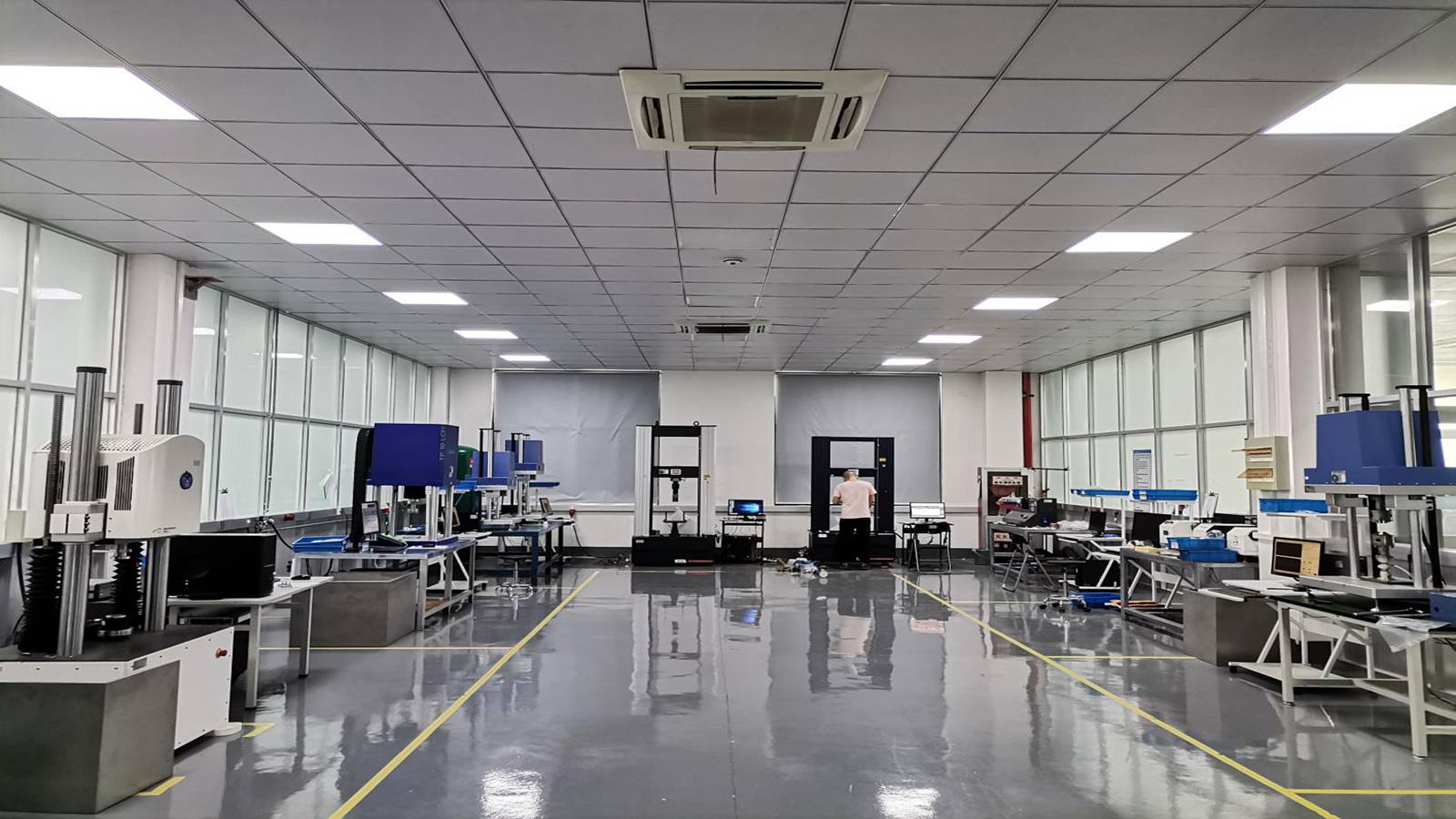
Our state-of-the-art manufacturing facility spans over 30,343 square meters, housing more than 120 advanced processing and testing machines. With 12 dedicated production lines, we maintain the agility to provide customized OEM/ODM services while ensuring high-volume, consistent output. Our professional R&D team, consisting of 31 highly educated engineers (including 1 Doctorate, 11 Postgraduates, and 17 Graduates), continuously drives technological breakthroughs, launching over 25 innovative products annually.
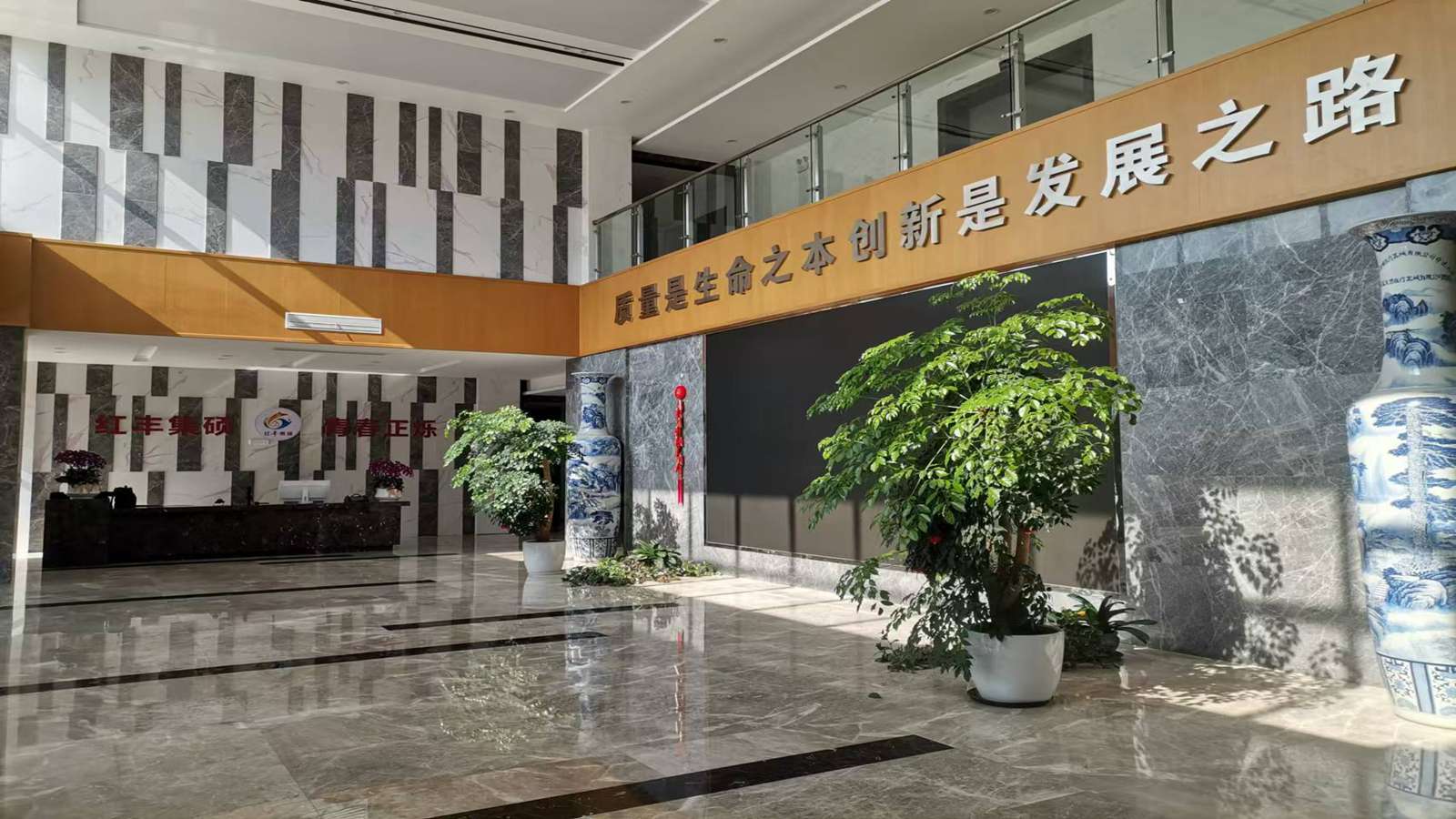
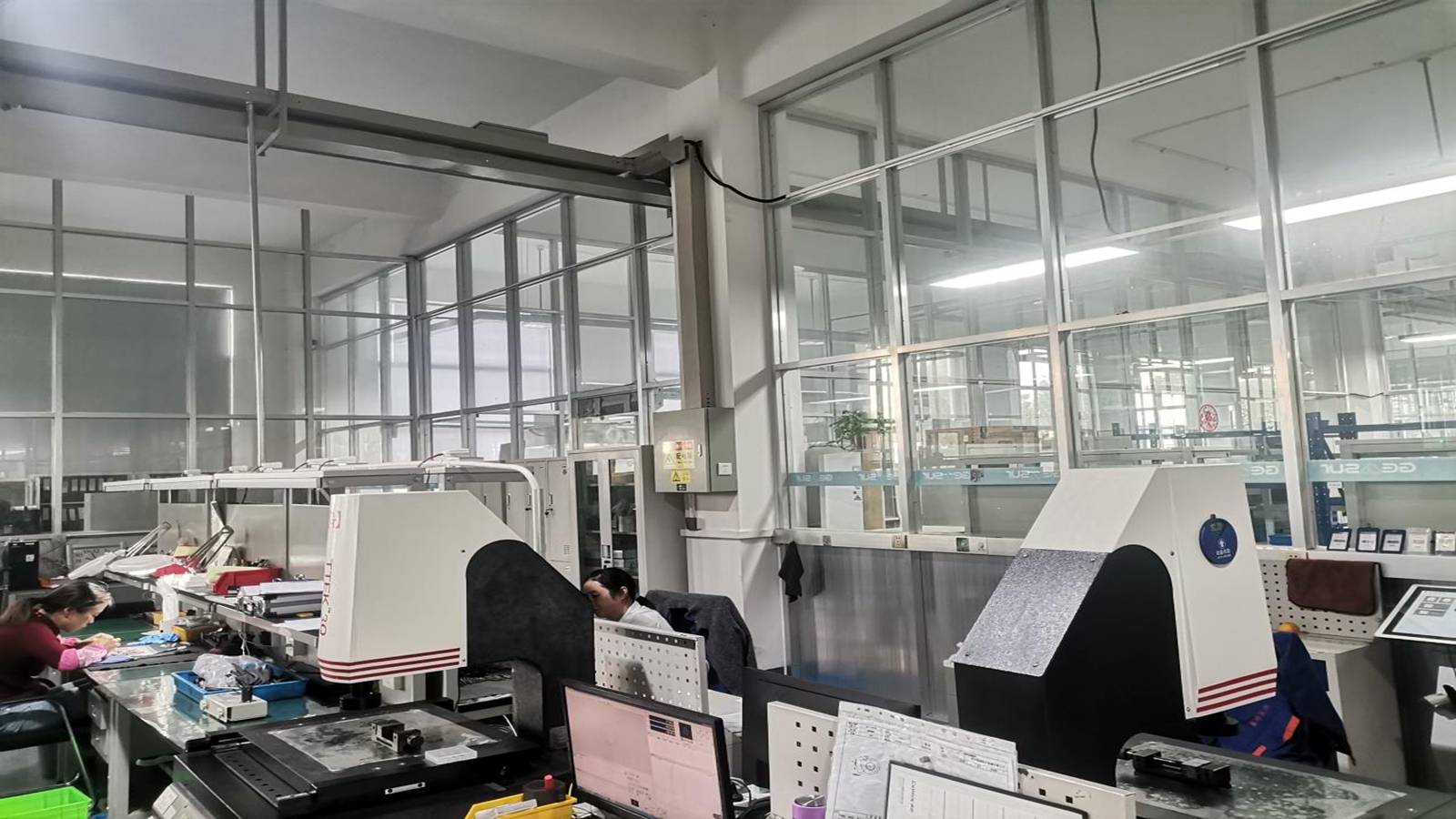
At HBM, quality is not just a department; it is our culture. Our quality management system is fully integrated and certified under ISO 13485, MDSAP, and CE MDR (Certificates: EPT 0477.MDR.25/5905 & EPT 0477.MDR.25/5973). Supported by 36 dedicated QA/QC inspectors, we enforce 100% traceability of raw materials and comprehensive multi-stage product inspections, ensuring that every implant leaving our facility guarantees patient safety and surgical success.
Pioneering the next generation of cortical fixation and orthopedic implant technologies.
Implementing advanced plasma-spraying and acid-etching techniques to create micro- and nano-textured surfaces on titanium buttons, significantly accelerating bone-to-implant contact (BIC).
R&D focus on magnesium alloys and carbon-fiber-reinforced PEEK (CFR-PEEK) to develop implants that match the modulus of elasticity of human bone, reducing stress shielding.
Integrating micro-sensors within cortical buttons to monitor real-time post-operative tension and graft healing, transmitting data wirelessly to clinicians.
Navigating the regulatory landscape is one of the most significant challenges for medical device distributors globally. HBM Medical provides comprehensive localization and regulatory support to ensure seamless market entry and compliance with local health authorities.
Our products are backed by a robust technical documentation package, including biocompatibility reports, mechanical test data, and clinical evaluation reports (CER). Whether you are registering products in Europe, Southeast Asia, or Latin America, our dedicated regulatory affairs team works hand-in-hand with your local partners to expedite approvals.
Furthermore, our adherence to the Medical Device Single Audit Program (MDSAP) demonstrates our commitment to the highest global quality standards, satisfying the regulatory requirements of multiple jurisdictions with a single, comprehensive audit.
Expert answers to technical, clinical, and commercial inquiries regarding our cortical fixation systems.
Explore our comprehensive range of high-performance surgical solutions
 HBM Medical