Premium titanium fixation solutions optimized for the demanding clinical standards of Poland's healthcare sector.
In Poland, the landscape of cardiothoracic surgery has undergone a significant paradigm shift over the last decade. Major medical hubs in cities like Warsaw, Kraków, Zabrze, and Gdańsk are increasingly transitioning from traditional stainless steel wire cerclage to advanced, rigid Sternal Fixation Systems. This transition is driven by a clinical imperative to reduce the incidence of Deep Sternal Wound Infections (DSWI) and sternal dehiscence, which pose severe risks to patients undergoing median sternotomy for coronary artery bypass grafting (CABG) or valve replacements.
The Polish National Health Fund (NFZ - Narodowy Fundusz Zdrowia) has placed a heightened focus on post-operative outcomes and cost-efficiency. While traditional wire closure remains a common practice due to its low initial material cost, the total cost of care associated with sternal complications—including prolonged ICU stays, secondary reconstructive surgeries, and extended antibiotic regimens—has led Polish clinical leaders to advocate for rigid plate fixation. Rigid fixation provides superior biomechanical stability, ensuring primary bone union and significantly reducing pain, allowing patients to mobilize much faster post-surgery.
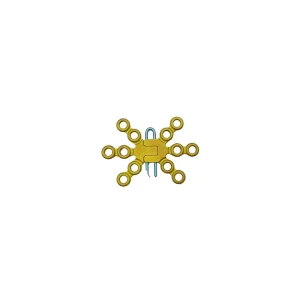
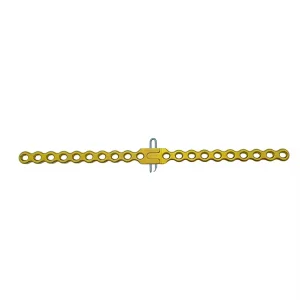
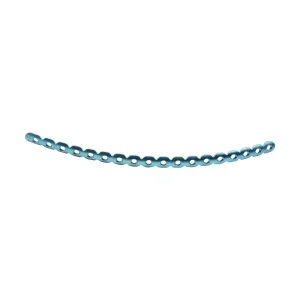
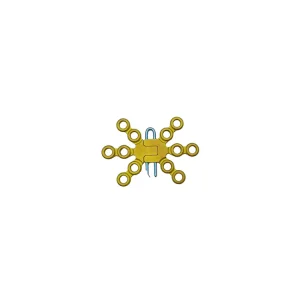
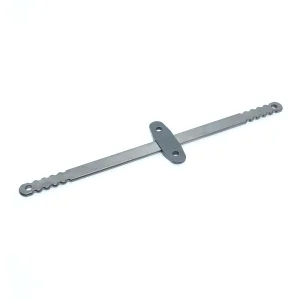
As a leading global exporter, HBM Medical provides state-of-the-art titanium sternal locking plate systems that align perfectly with the stringent clinical protocols of Polish hospitals. Our systems are engineered to offer optimal load-sharing, preventing the "cheese-cutter" effect often seen with wires in osteoporotic or elderly patients, which represents a growing demographic in Poland's aging population.
"The adoption of rigid sternal fixation in Polish clinical practice represents a major milestone in patient safety. By eliminating micro-motion at the sternotomy site, we drastically reduce the risk of mediastinitis and improve the overall quality of life for patients during their critical recovery phase."
| Clinical Indicator | Traditional Wire Cerclage | Rigid Sternal Plate Fixation |
|---|---|---|
| Sternal Stability | Moderate (Prone to micro-motion) | Superior (Rigid immobilization) |
| Dehiscence Risk | Higher (Especially in high-risk patients) | Extremely Low |
| Patient Post-Op Pain | Higher (Due to bone movement) | Significantly Reduced |
| Time to Mobilization | 4 - 6 Weeks | Immediate / Early Mobilization |
HBM Medical’s Sternal Fixation System is designed with the highest level of engineering precision to meet the demanding mechanical requirements of the human thorax. The chest wall is in constant motion due to respiration, meaning any implant must withstand cyclic loading without fatigue failure. Our plates are manufactured from premium Grade 5 Titanium Alloy (Ti-6Al-4V ELI), conforming to ASTM F136 standards. This material offers the perfect balance of high tensile strength, fatigue resistance, and excellent biocompatibility, while being fully compatible with modern MRI and CT imaging protocols utilized across Poland's diagnostic networks.
With a plate thickness of just 1.5mm to 1.8mm, our low-profile design minimizes post-operative palpable hardware irritation, a common complaint among patients with thin subcutaneous tissue. This ensures long-term comfort and eliminates the need for secondary hardware removal surgeries.
Our system utilizes advanced locking screw mechanics. The screw head threads directly into the plate, creating a fixed-angle construct. This mechanical configuration prevents screw back-out and ensures that the load is distributed across the plate rather than the bone-screw interface, crucial for osteoporotic bone.
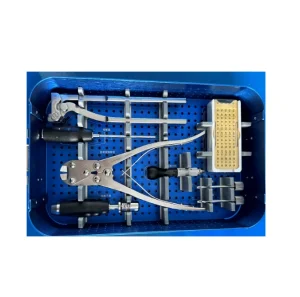
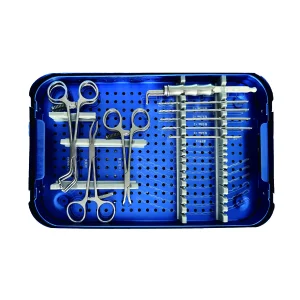
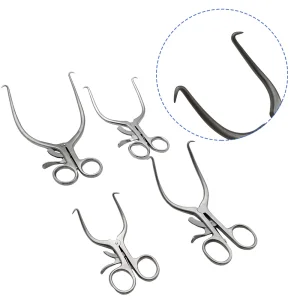
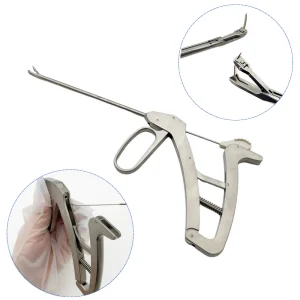
The plates are anatomically pre-contoured to fit the typical curvature of the human sternum. However, they retain sufficient ductility to allow for intraoperative customization using our specialized bending instruments, ensuring a perfect fit for every patient anatomy.
Furthermore, our system features a rapid-release mechanism in the event of an emergency re-entry (e.g., cardiac arrest requiring emergency resternotomy). The plates can be cut quickly along the midline using standard surgical wire cutters, allowing access to the mediastinum in under 60 seconds, ensuring patient safety is never compromised.
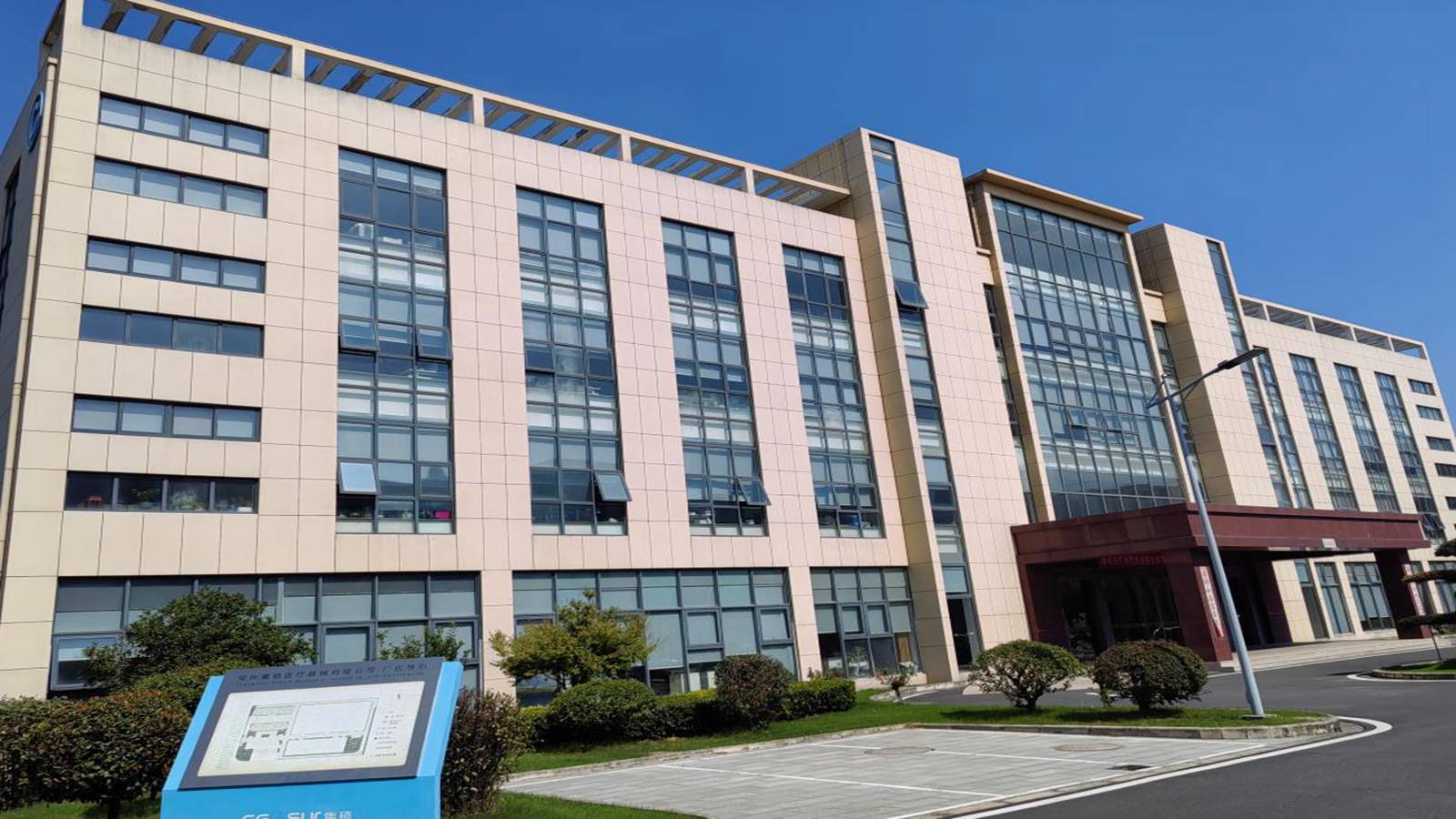
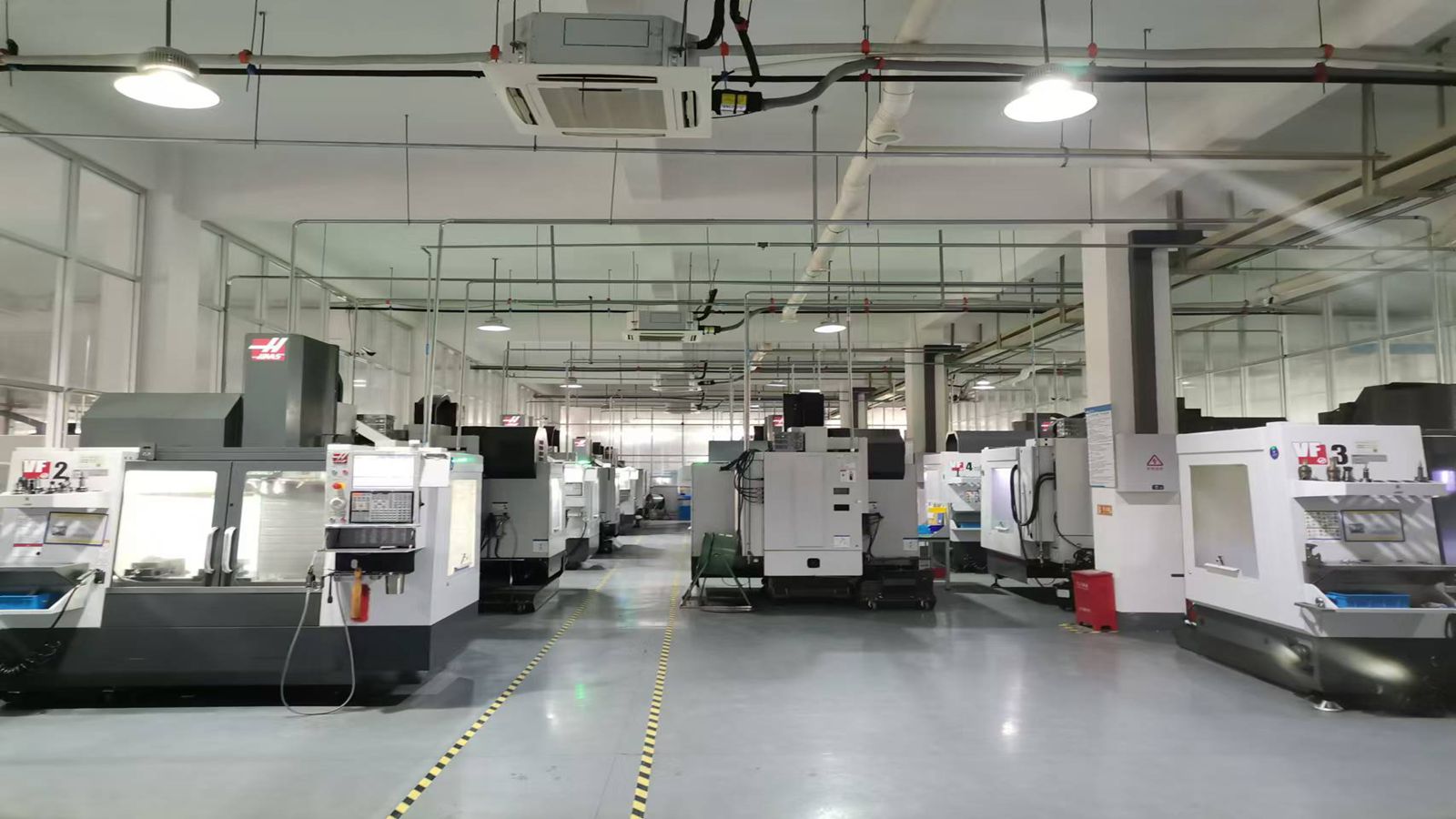
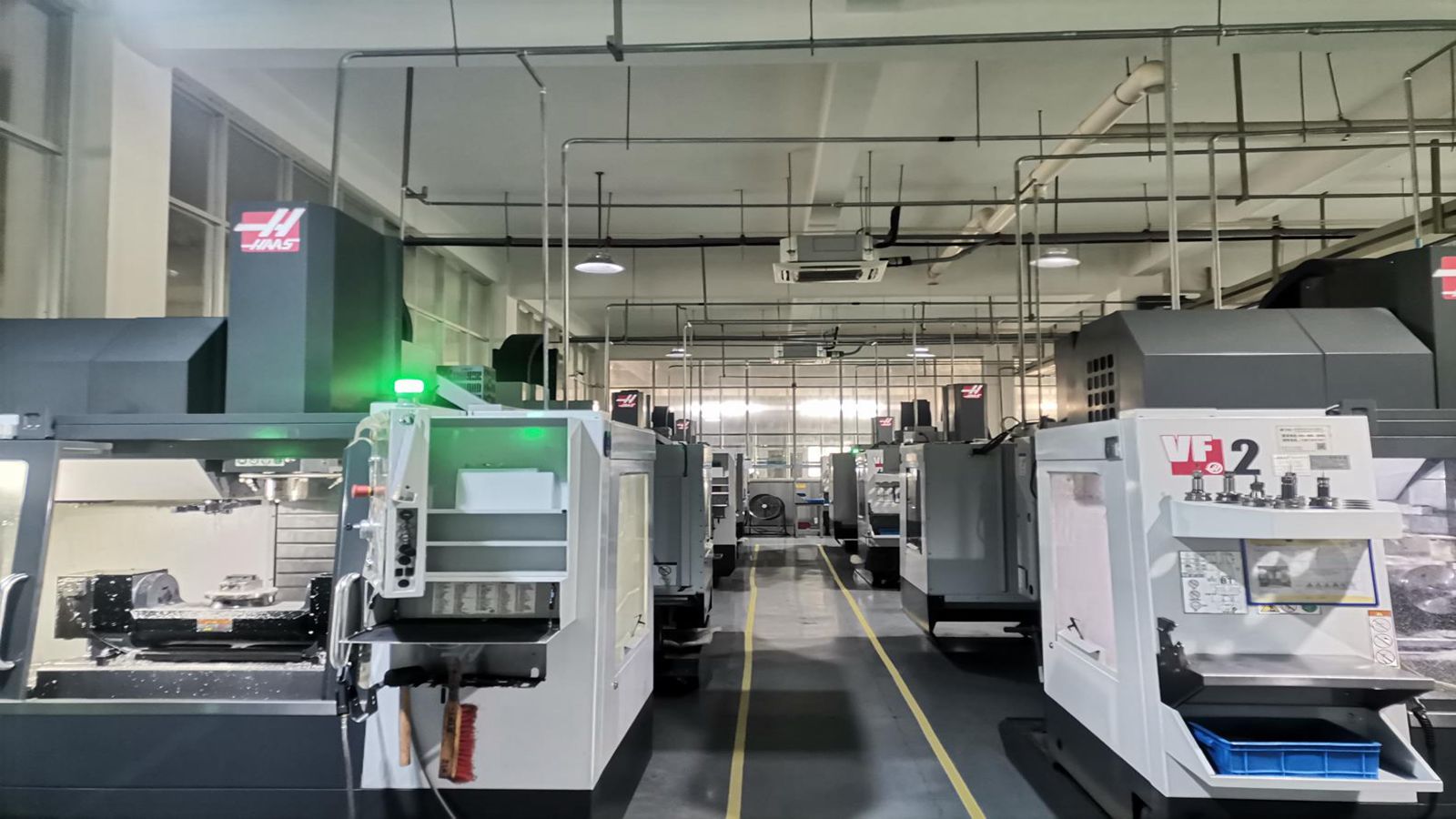
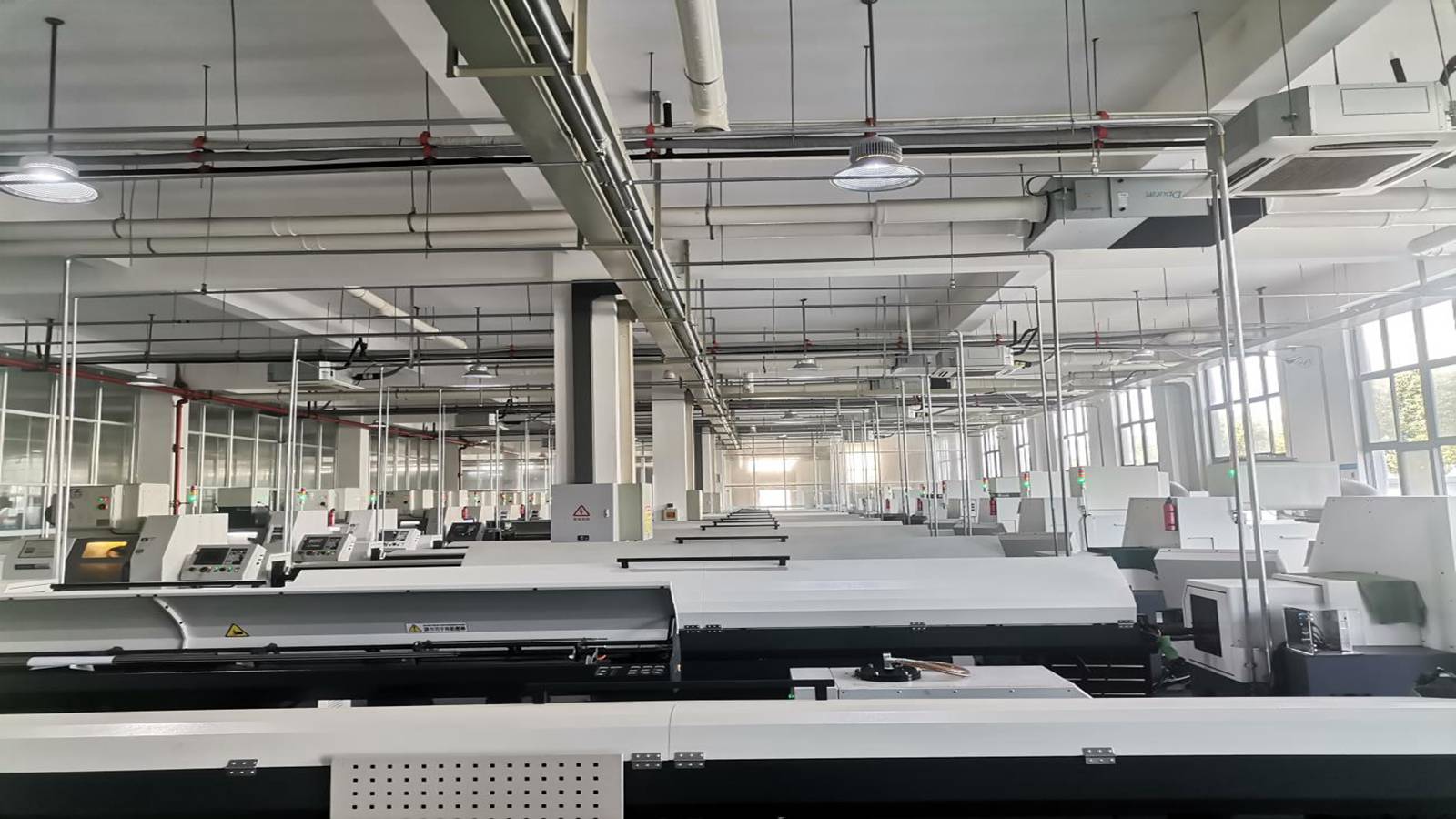
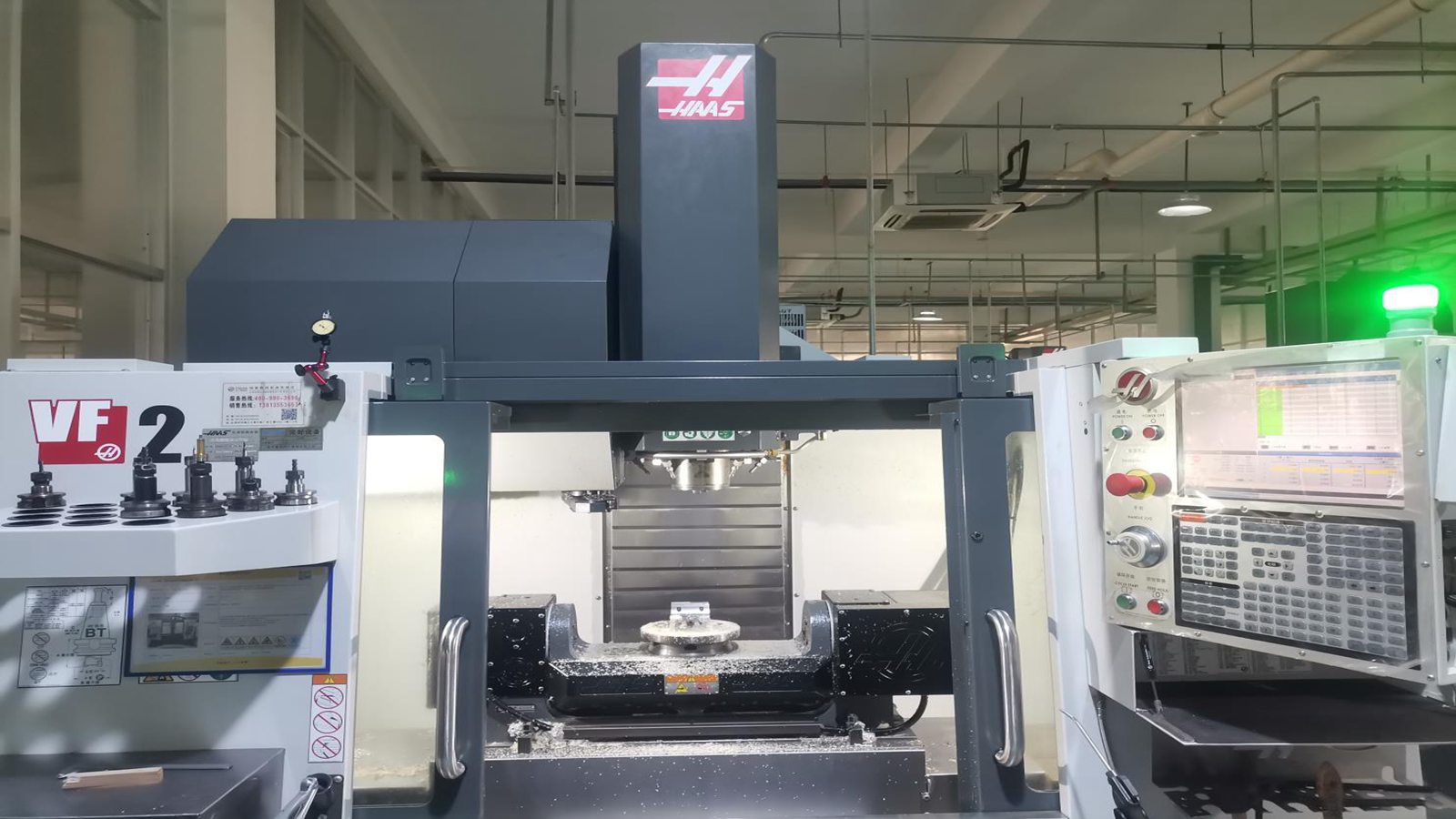
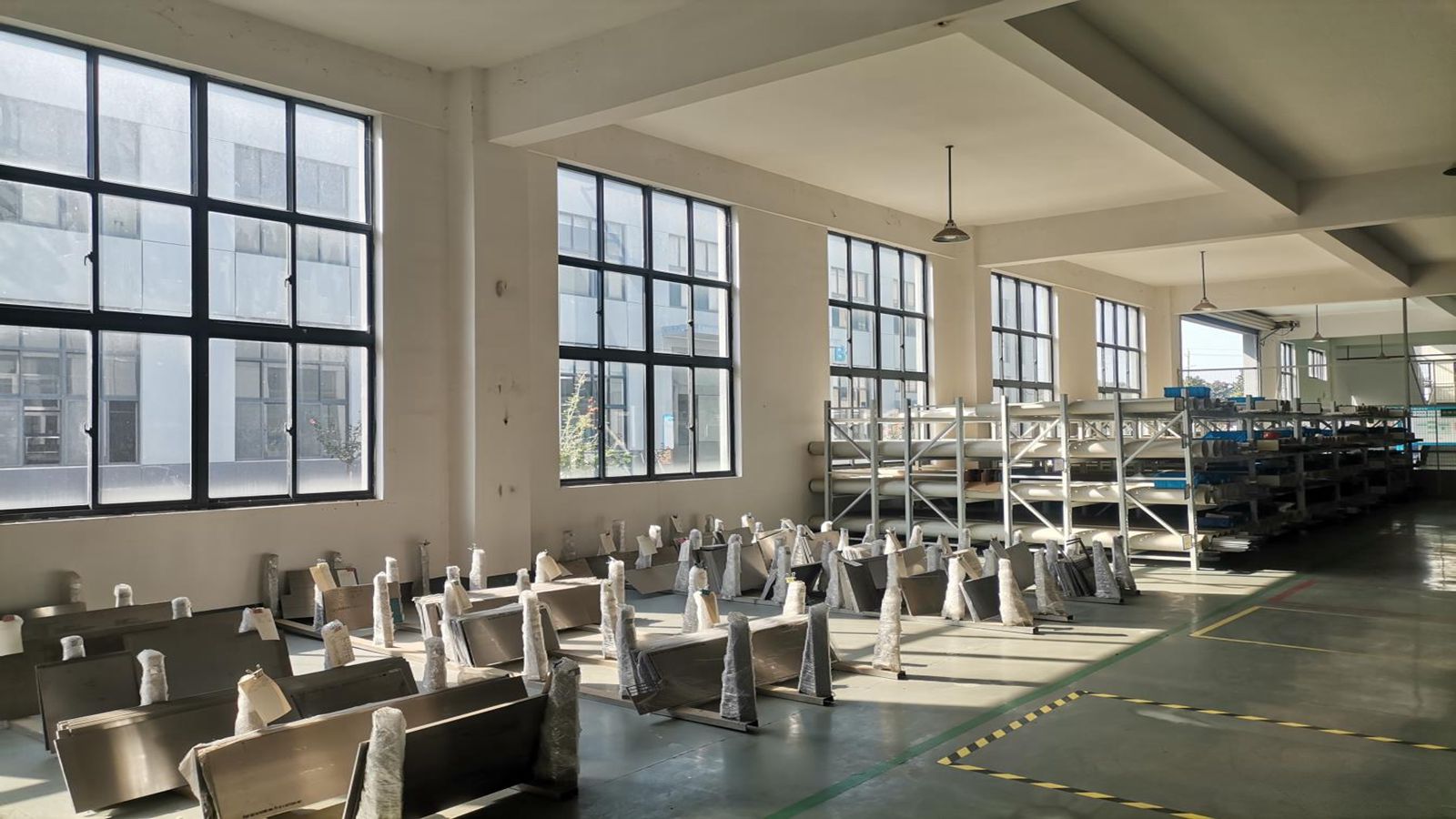
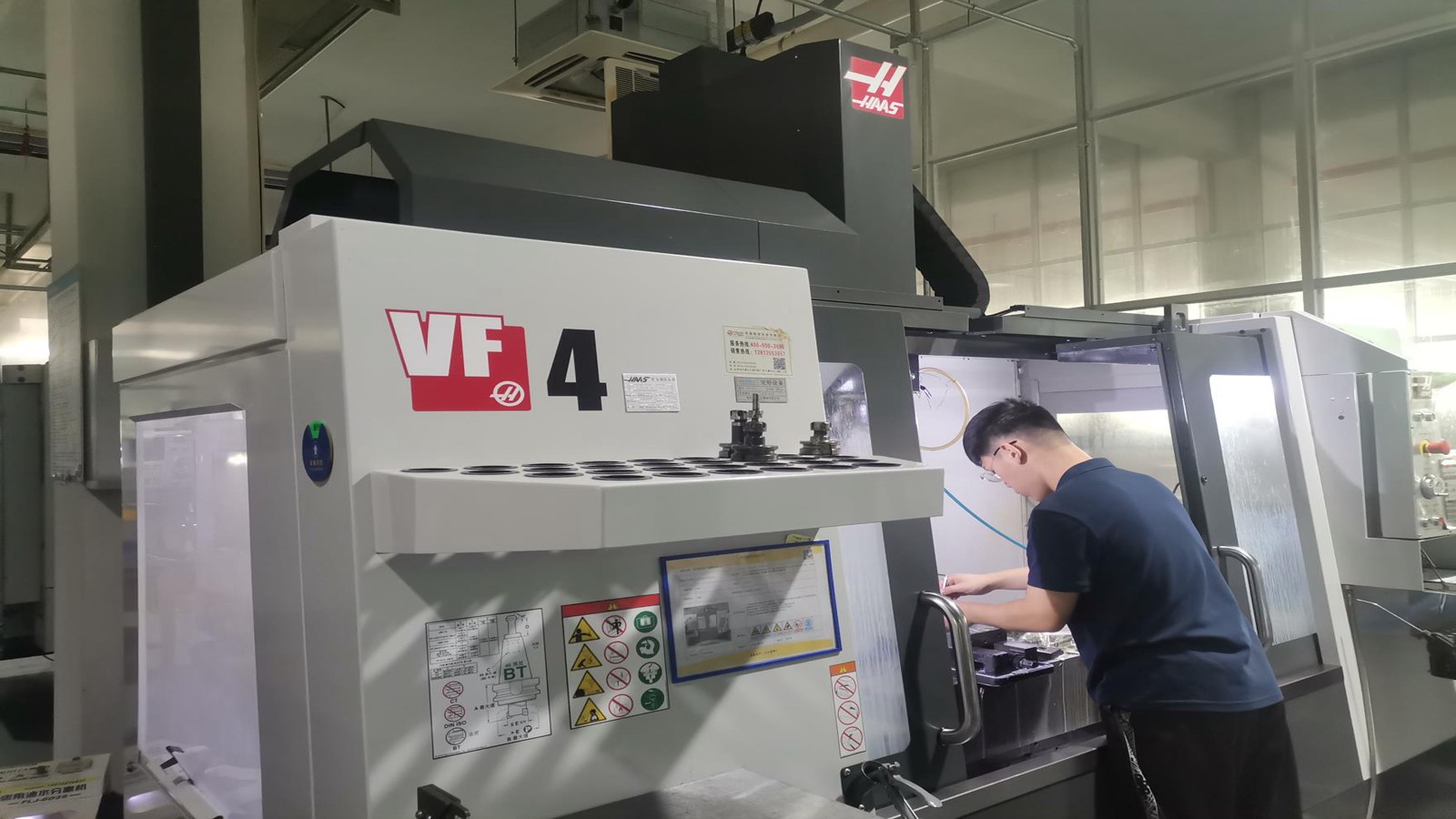
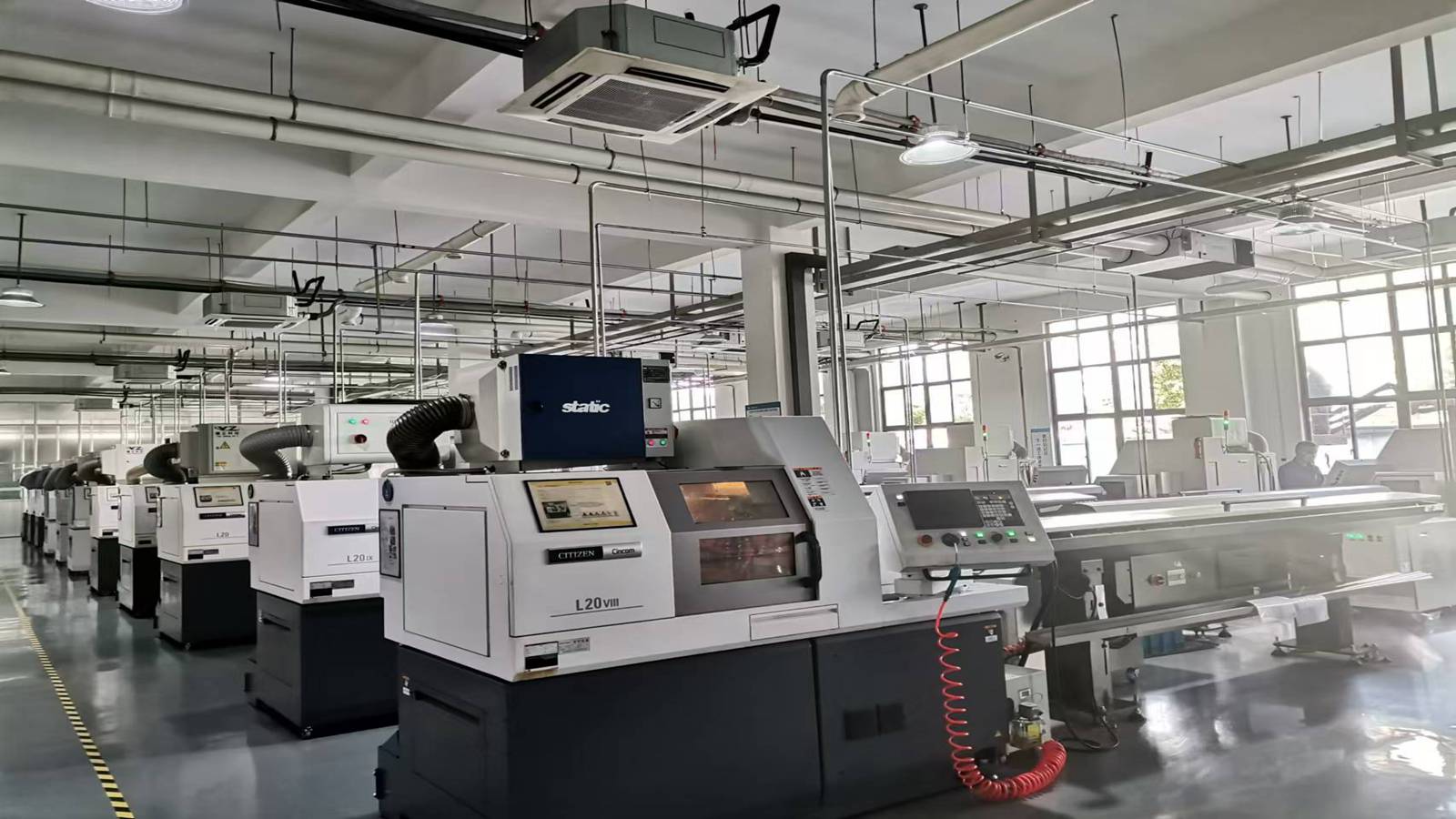
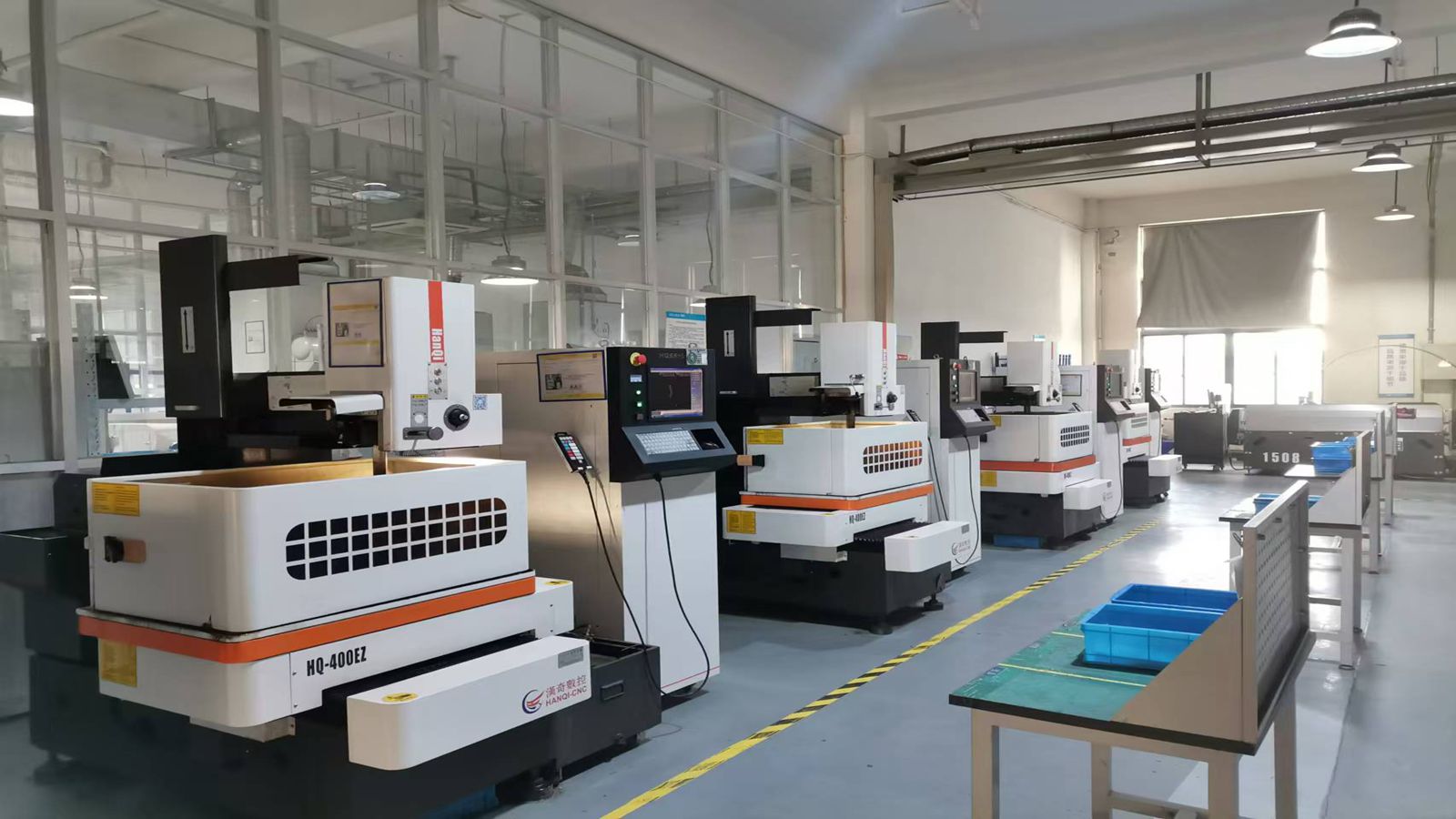
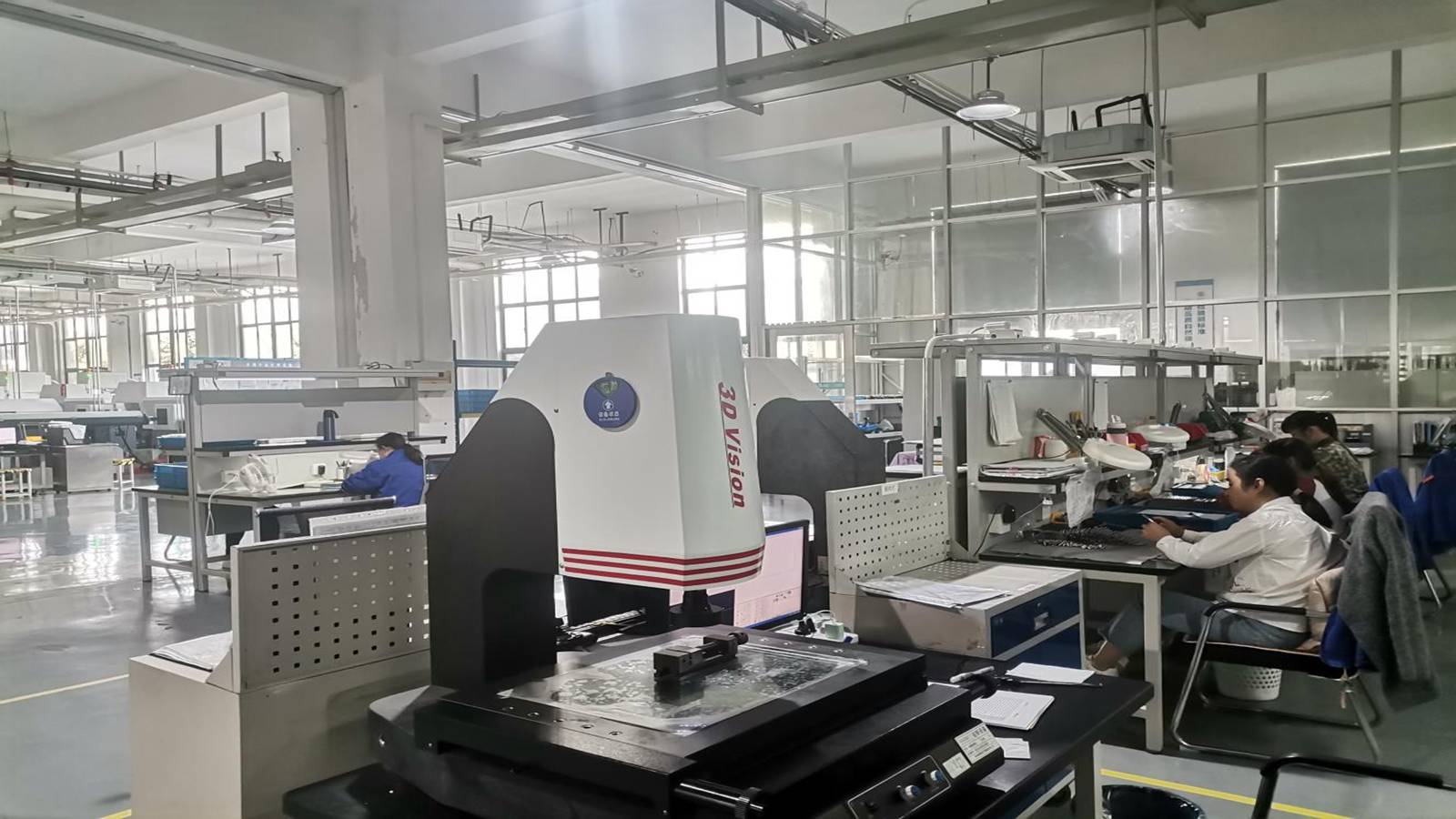
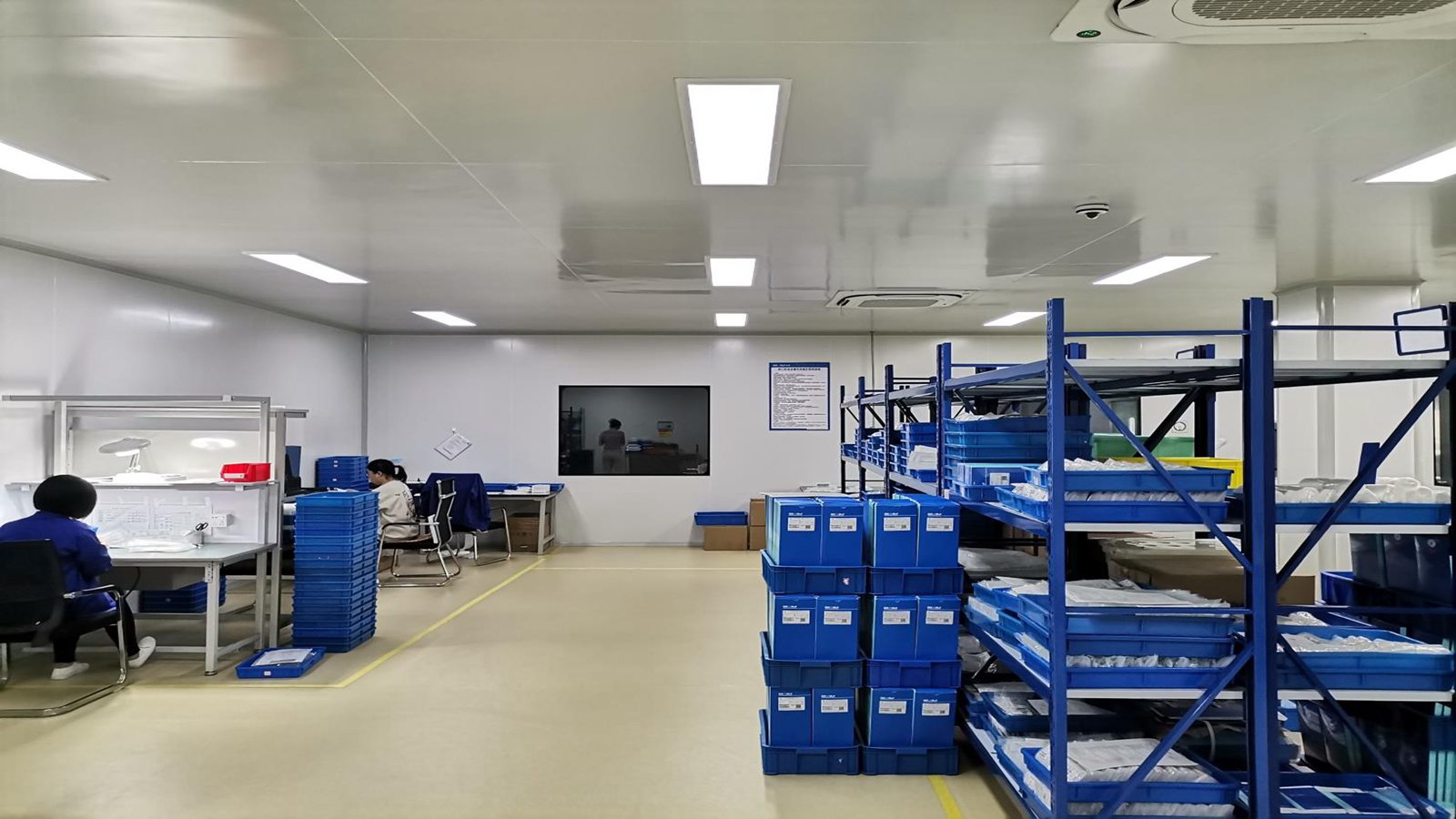
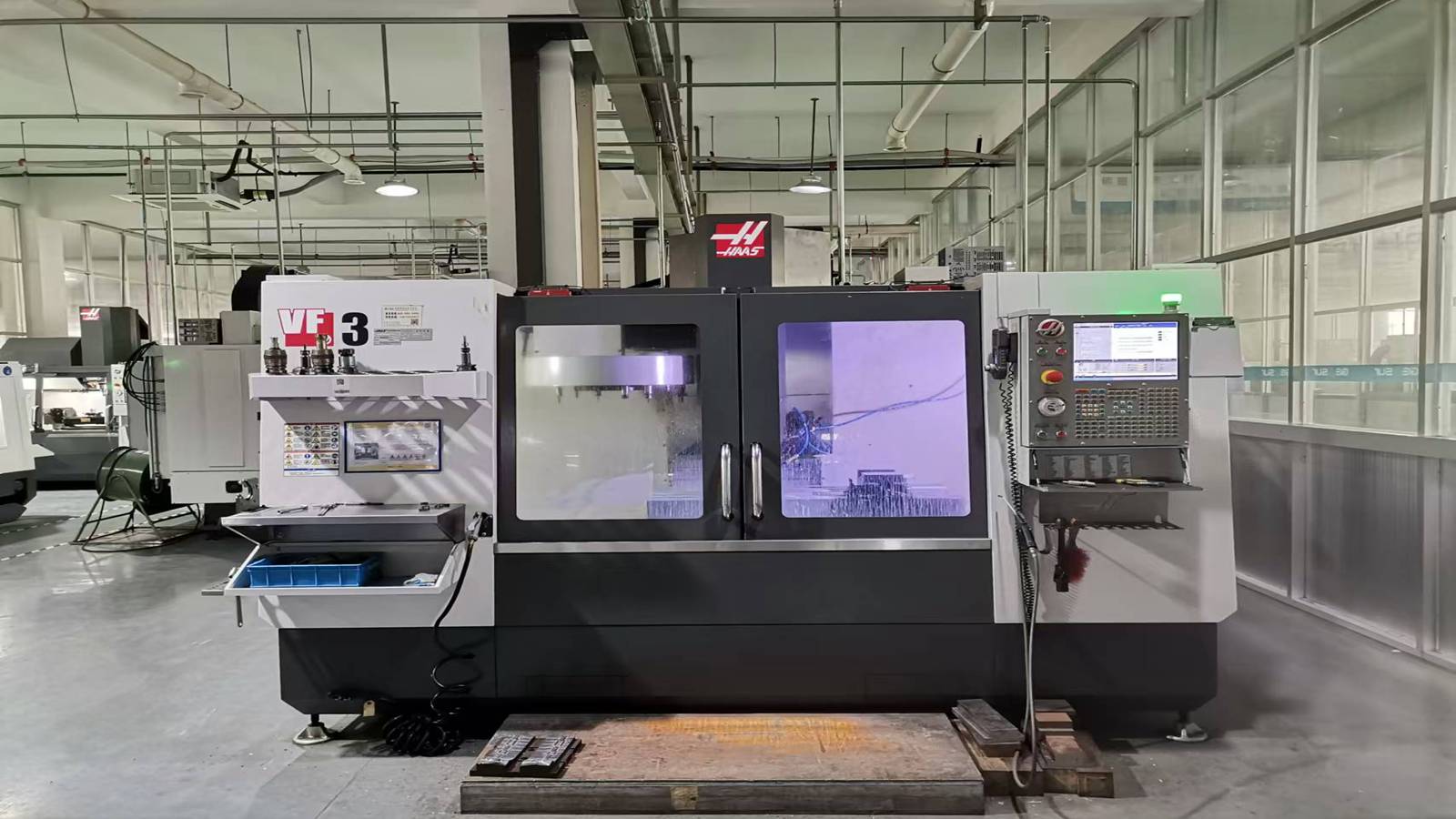
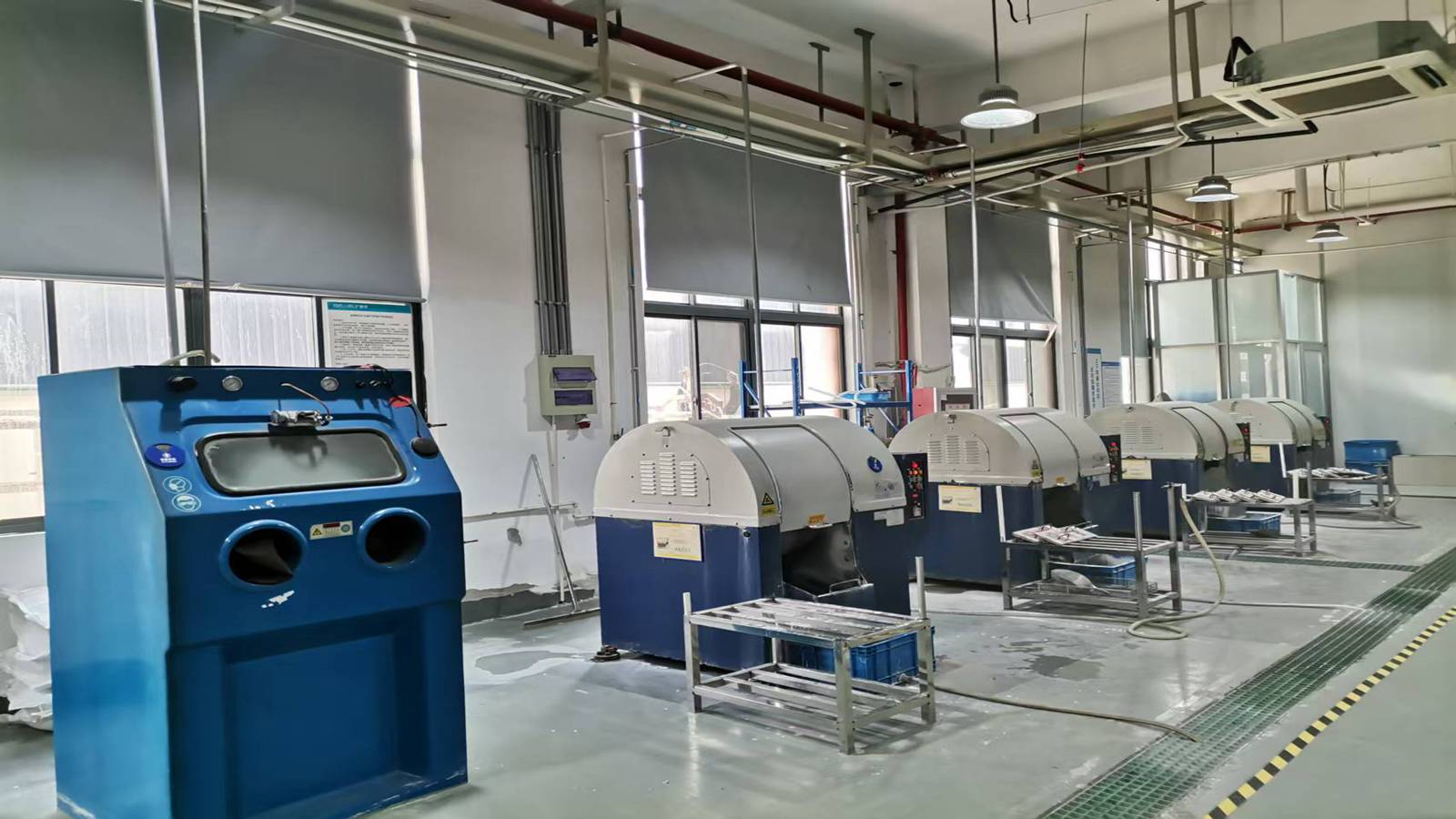
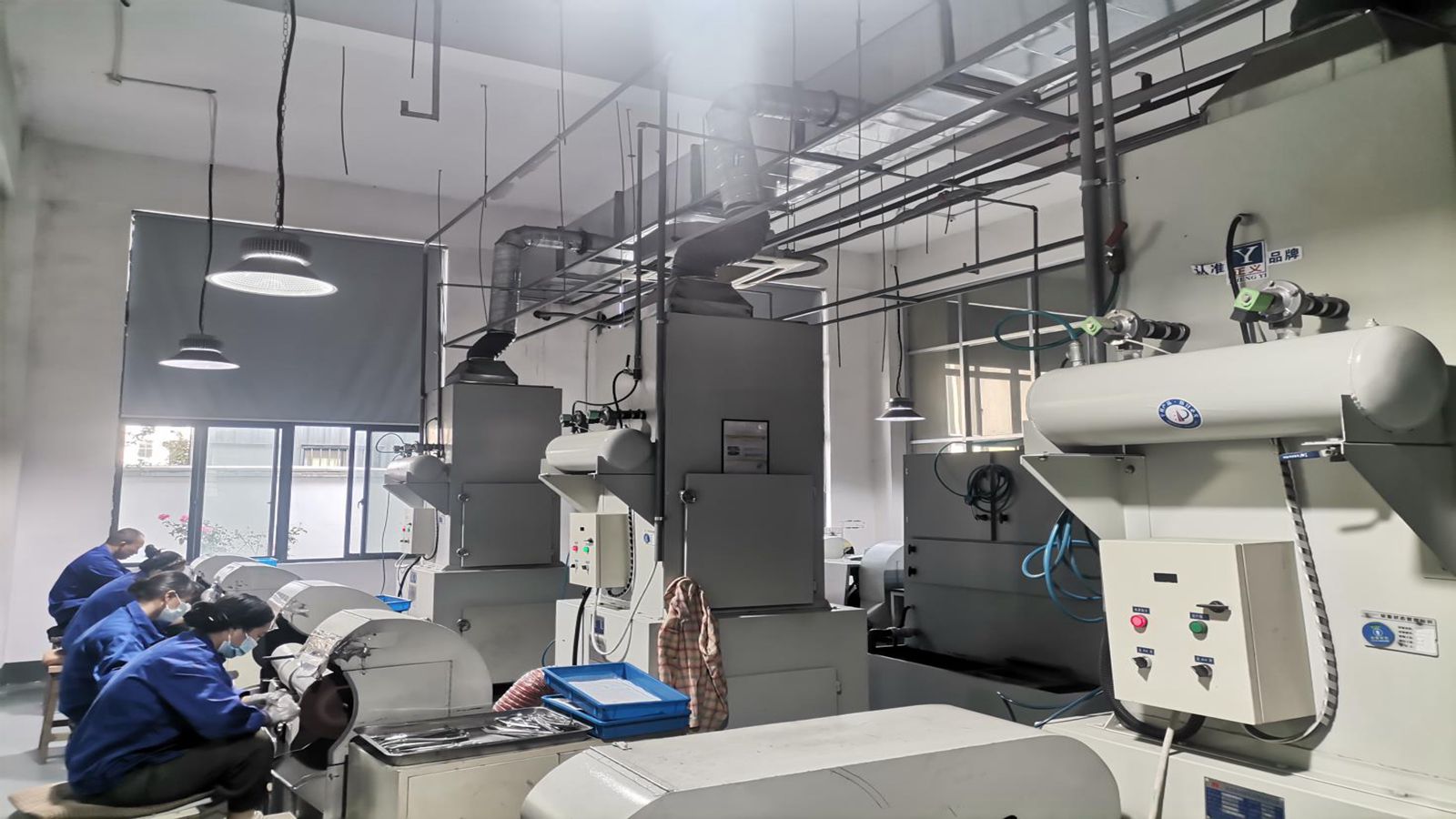
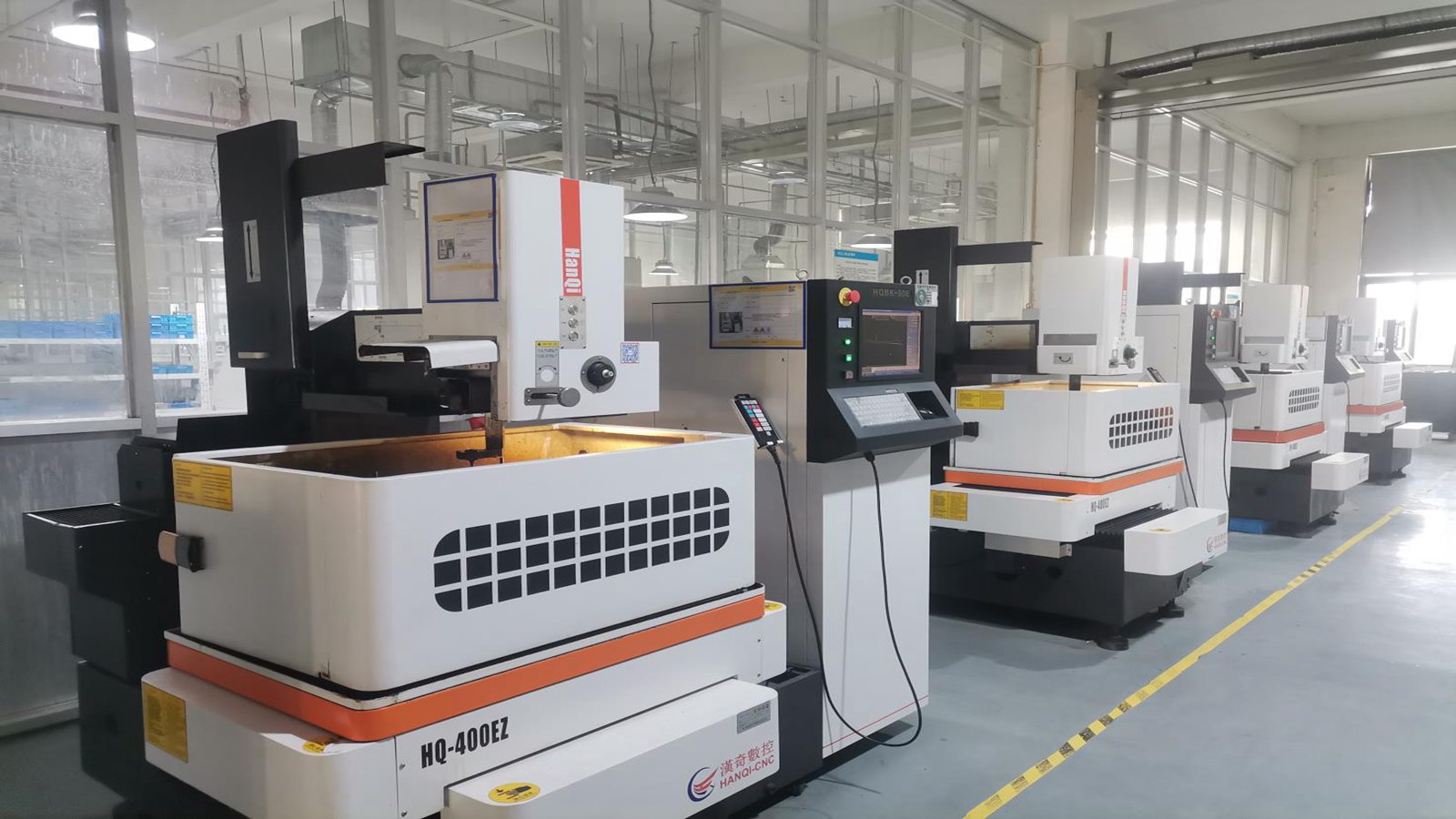
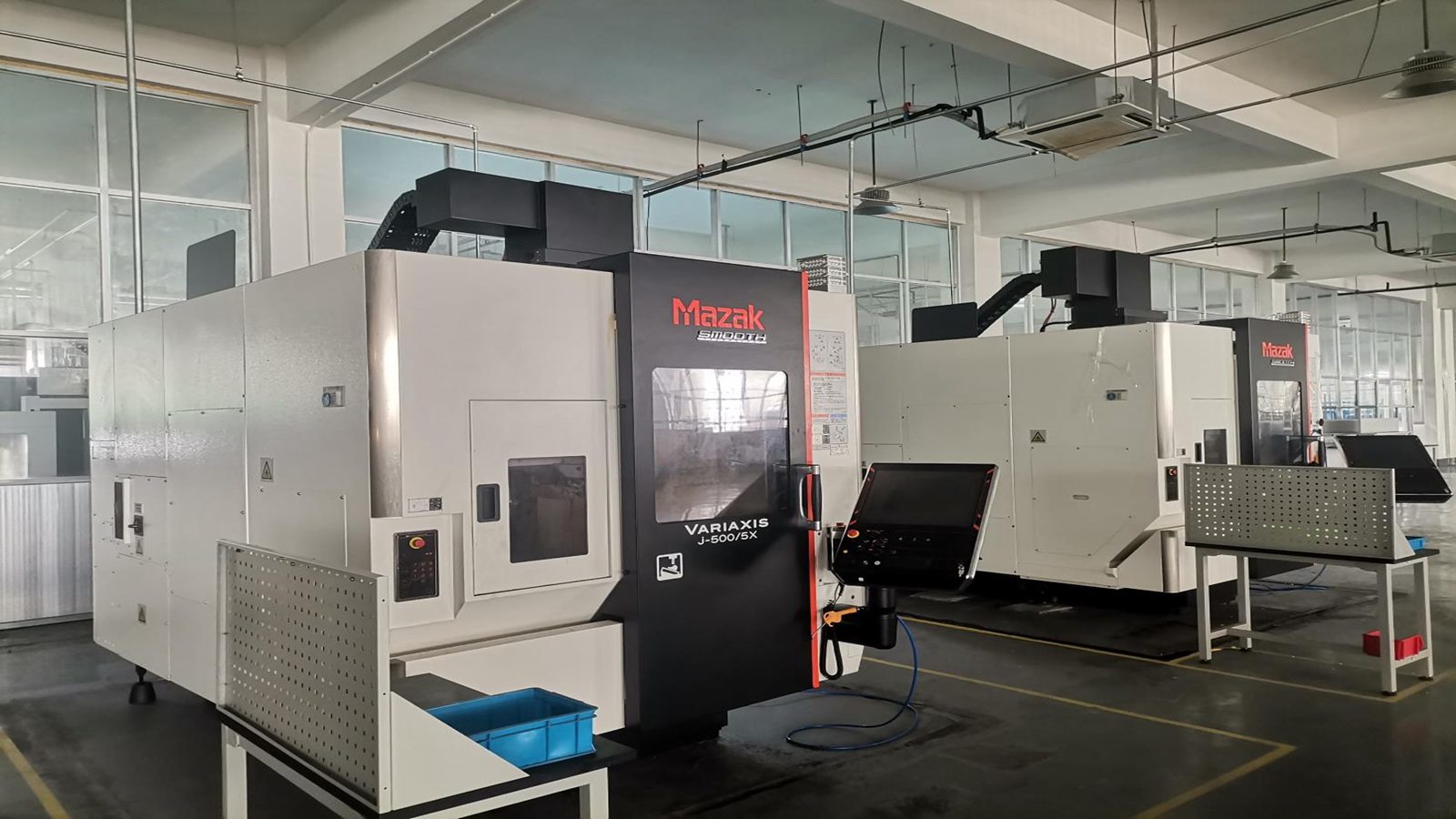
Established in 2015, HBM Medical Apparatus And Instruments Co., Ltd. has grown into a leading force in the orthopedic medical device industry. Operating from a state-of-the-art production site spanning over 30,343 square meters, we house more than 350 advanced processing and testing equipment, including high-precision German and Japanese CNC machining centers. Our facility features 12 dedicated production lines capable of scaling up to meet the largest volume demands of European public healthcare tenders.
Our strength lies in our people and our commitment to scientific innovation. HBM Medical boasts a robust R&D team consisting of 31 highly qualified engineers, including 1 Doctorate, 11 Postgraduates, and 17 Graduates. This team continuously collaborates with leading clinical experts worldwide to refine our implant designs, launching over 25 new products annually. With 36 dedicated QA/QC inspectors, we enforce a zero-defect policy, ensuring 100% raw material traceability and comprehensive testing at every stage of production.
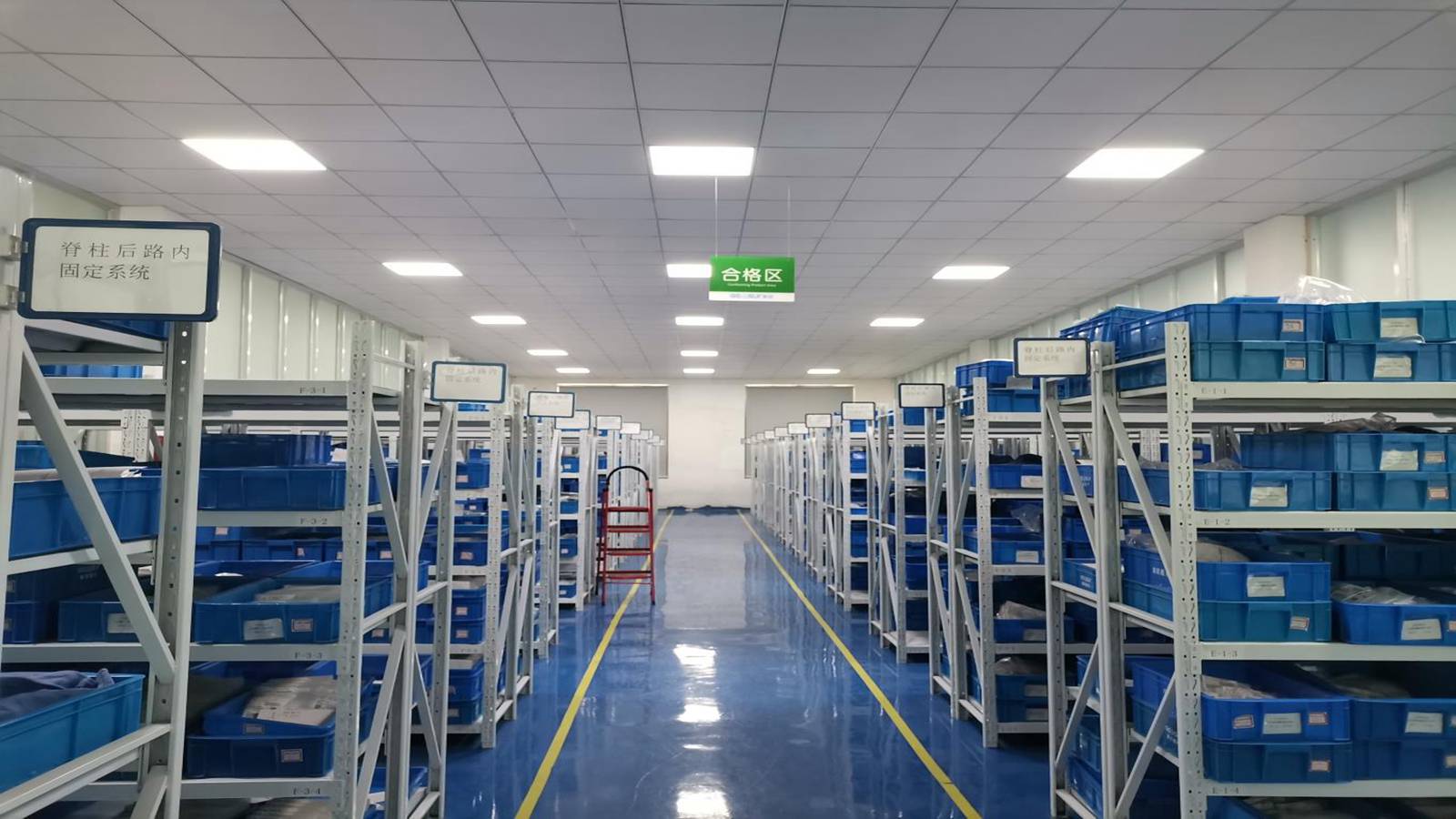
For Polish medical distributors and hospital procurement officers, partnering with HBM Medical means gaining access to a highly resilient, cost-effective, and reliable supply chain. We understand the complexities of international logistics and the critical nature of medical device availability. We maintain a strategic inventory of our core Sternal Fixation Systems, ensuring rapid dispatch and delivery times to Poland.
Meeting the highest regulatory standards to ensure seamless integration into the Polish healthcare system.
Navigating the transition from the Medical Device Directive (MDD) to the new European Medical Device Regulation (MDR 2017/745) is one of the biggest challenges facing medical distributors in Poland today. HBM Medical has proactively invested in regulatory compliance, securing prestigious certifications that guarantee our products meet the most stringent safety and performance requirements of the European Union.
Our Quality Management System is certified under ISO 13485:2016 and the Medical Device Single Audit Program (MDSAP) (Certificate C730178). More importantly, our orthopedic implants hold valid CE Certifications under the EU MDR (Certificates EPT 0477.MDR.25/5905 and EPT 0477.MDR.25/5973 issued by Eurofins Product Testing Italy, Notified Body 0477). This ensures that Polish hospitals and distributors can import, distribute, and utilize our products with absolute legal and clinical confidence, completely free from regulatory bottlenecks.
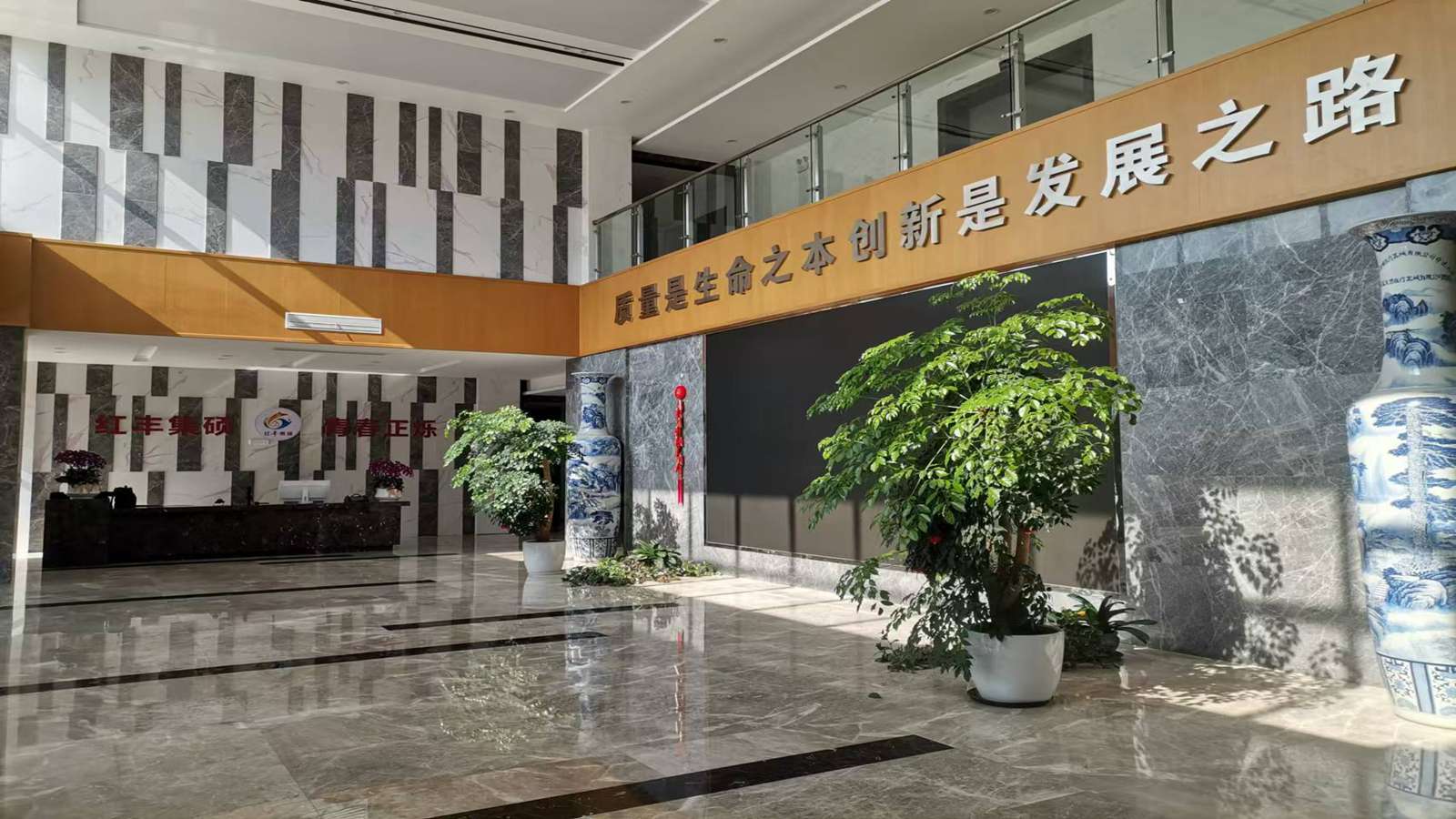
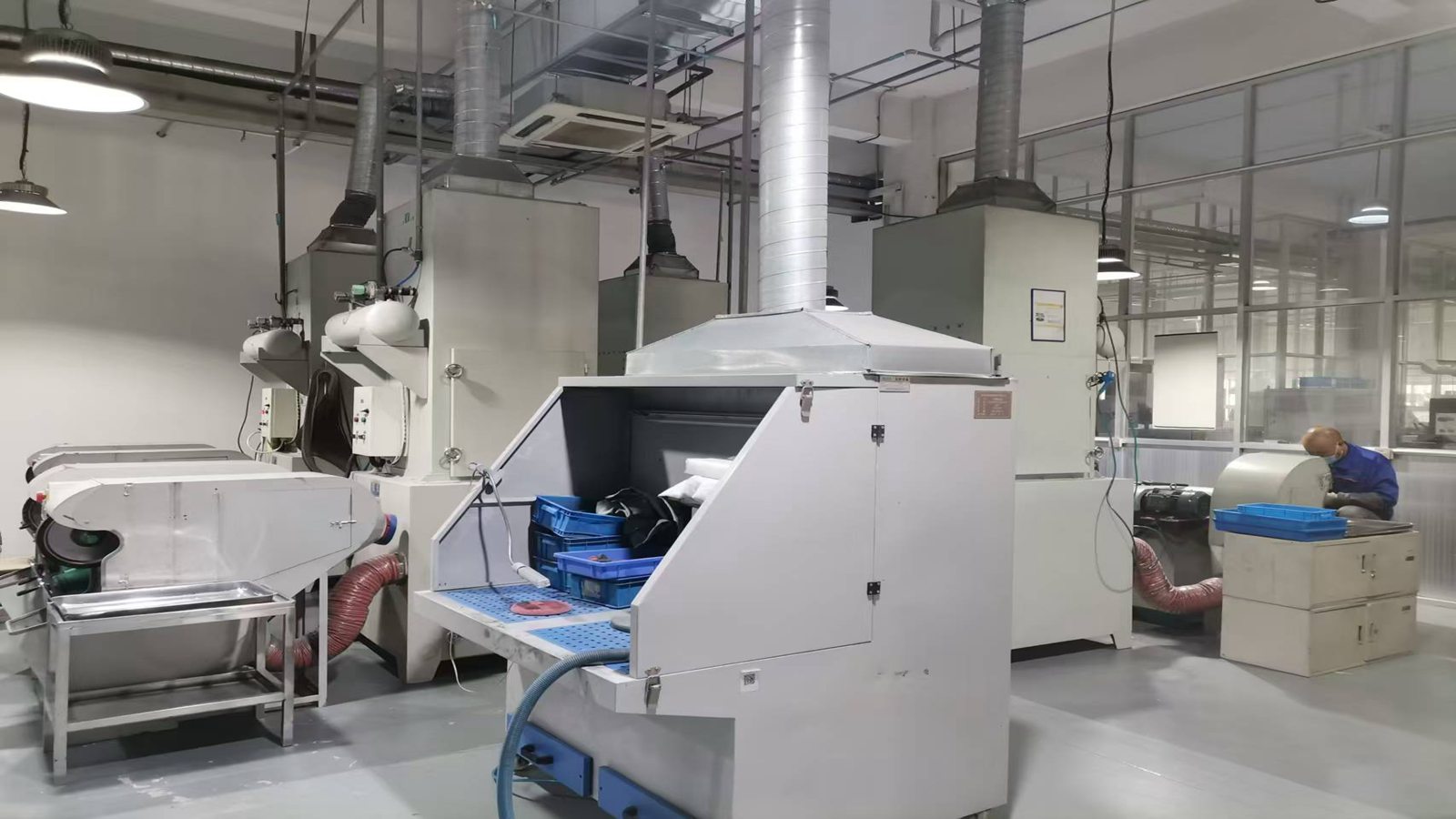
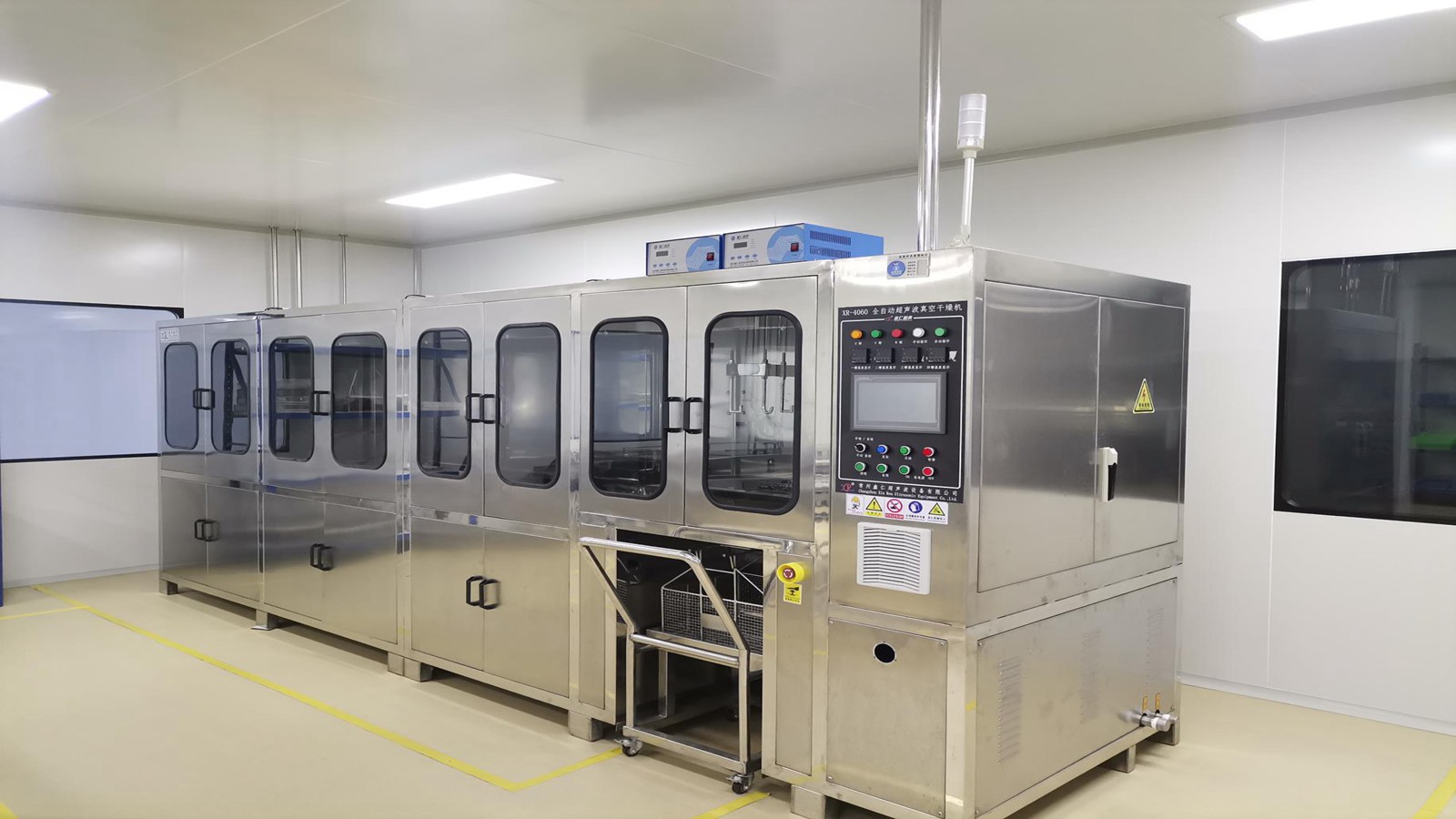
Take a virtual tour of our 30,343㎡ state-of-the-art production plant, equipped with over 120 high-precision CNC machines and testing instruments.

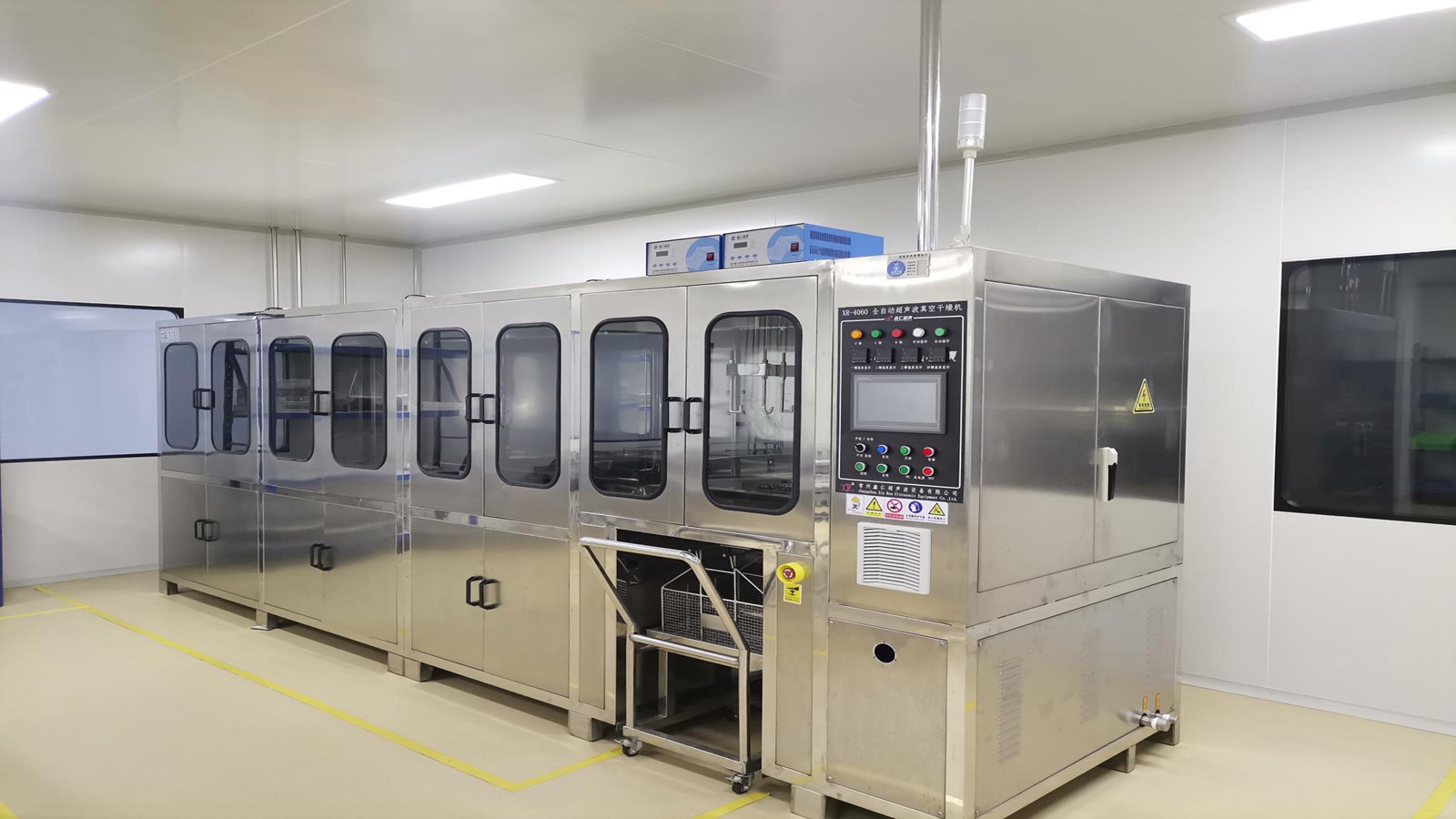
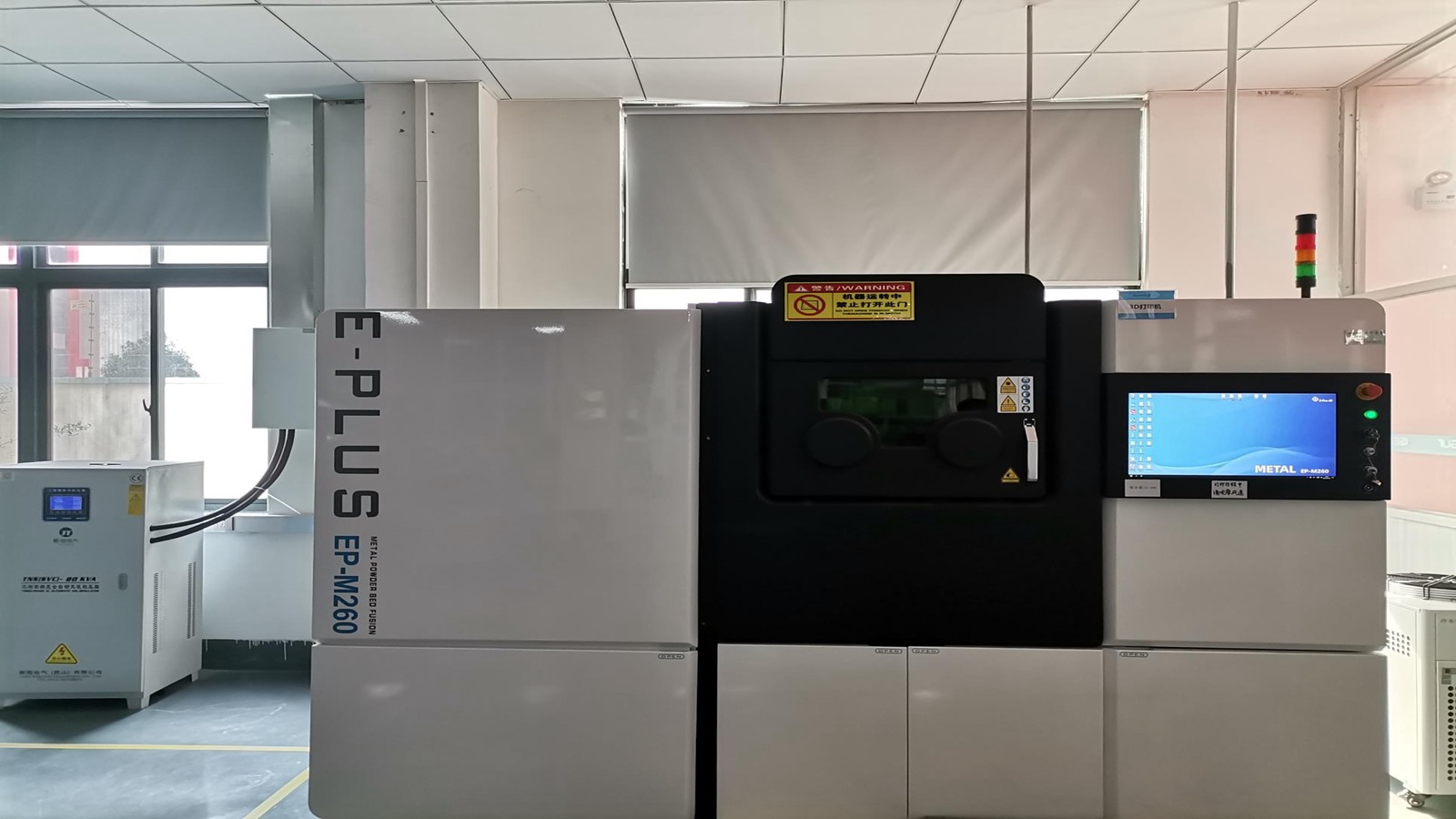
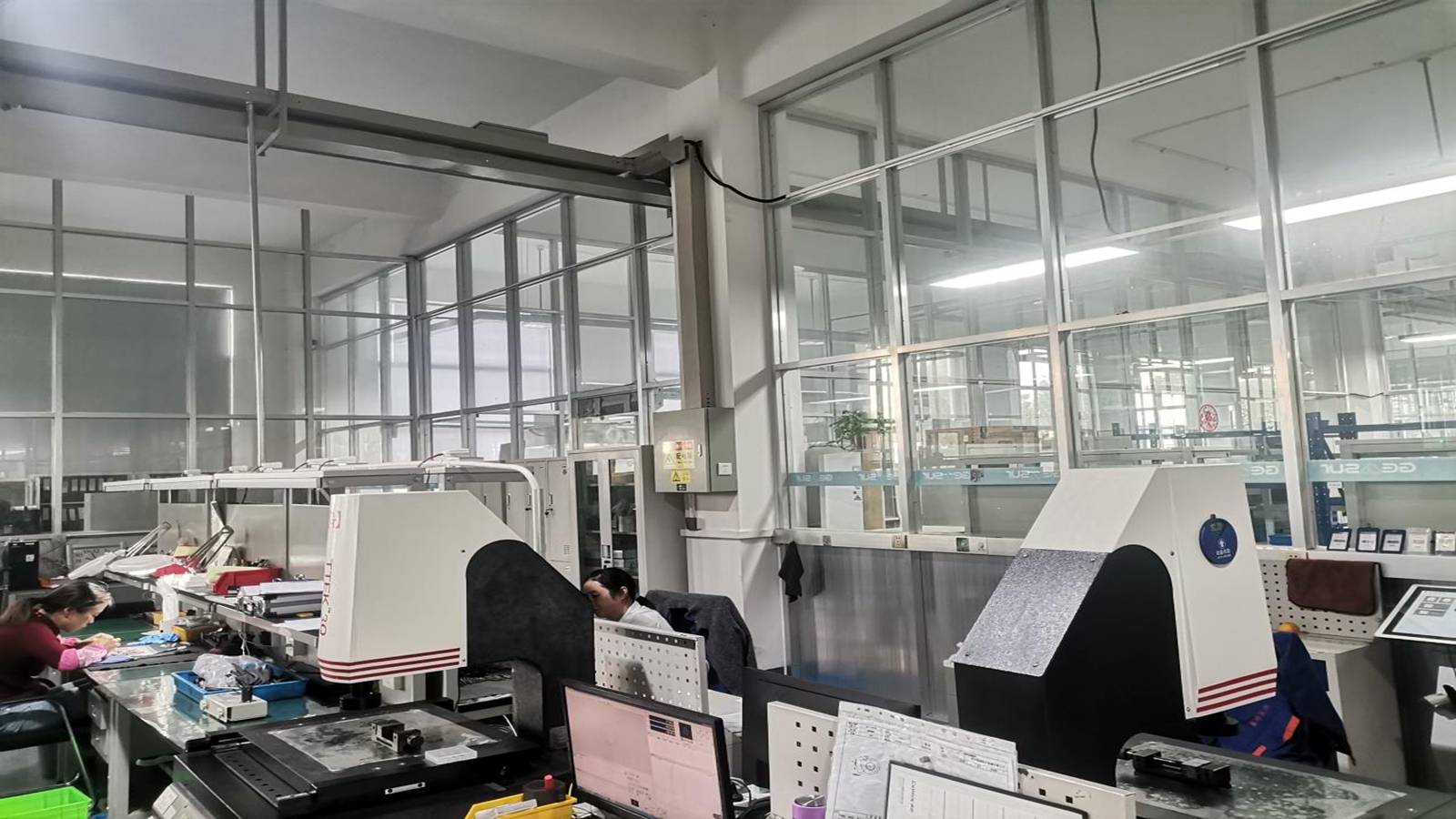
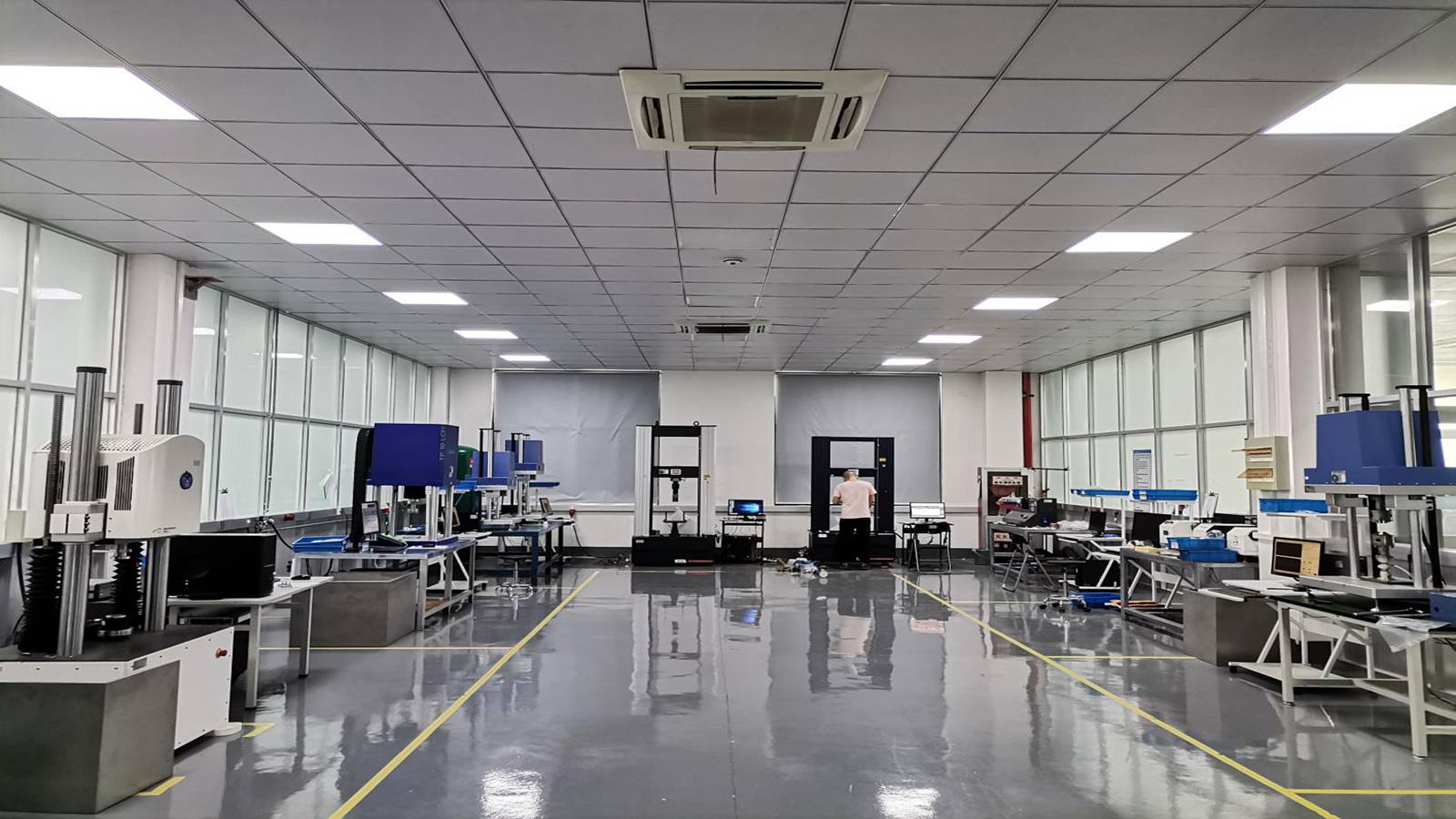
Explore our comprehensive portfolio of CE-certified implants and specialized surgical instrumentation, trusted by clinical professionals worldwide.
Addressing the key technical, regulatory, and commercial queries of Polish orthopedic distributors and clinical procurement teams.
Equip your clinical teams in Poland with the highest standard of rigid sternal fixation systems. Contact our international business development team today to request a product catalog, clinical data, or a customized quotation for hospital tenders.
Send Inquiry Now HBM Medical