Pioneering Biomechanical Excellence, Global Regulatory Compliance, and Advanced Trauma Solutions for Modern Orthopedic Surgery.
Engineered to meet the highest clinical standards of Sydney's leading trauma centers and global healthcare networks.
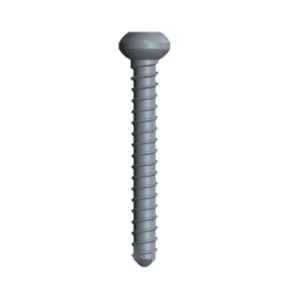
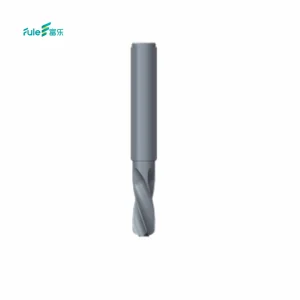
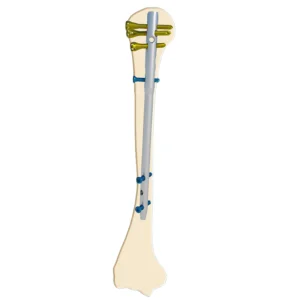
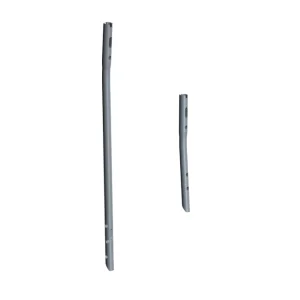
Sydney stands as a premier hub for medical innovation and healthcare delivery in the Southern Hemisphere. With world-class research institutions, major trauma centers such as the Royal Prince Alfred Hospital, Westmead Hospital, and St George Hospital, the demand for high-performance orthopedic implants is exceptionally rigorous. In this dynamic environment, intramedullary (IM) nailing has solidified its position as the gold standard for the fixation of long bone fractures, particularly in the femur, tibia, and humerus.
As global supply chains face unprecedented challenges, Sydney-based medical distributors, private hospital groups, and procurement agencies are increasingly seeking direct partnerships with certified manufacturers who can deliver high-quality, regulatory-compliant implants without the prohibitive markups of traditional multinational conglomerates. HBM Medical Apparatus And Instruments Co., Ltd. bridges this gap by offering state-of-the-art manufacturing capabilities, rigorous quality control, and direct export channels to Australia and Oceania.
Optimized load-sharing designs that promote secondary bone healing through controlled micromotion at the fracture site.
Utilizing medical-grade Titanium Alloy (Ti-6Al-4V ELI) to ensure superior biocompatibility, high fatigue strength, and reduced stress shielding.
Fully compliant with the Medical Device Single Audit Program and CE MDR, facilitating seamless regulatory clearance in Australia.
The clinical success of intramedullary nailing relies heavily on the mechanical interaction between the implant and the host bone. Unlike bone plates, which act as eccentric load-bearing devices, intramedullary nails are positioned along the anatomical axis of the bone, functioning as load-sharing devices. This axial alignment reduces the bending moment on the implant and allows for early post-operative weight-bearing, which is critical for preventing muscle atrophy and joint stiffness in trauma patients.
For proximal femoral fractures—particularly intertrochanteric and subtrochanteric fractures—the PFNA system has revolutionized clinical outcomes. Traditional lag screws are prone to "cut-out" in osteoporotic bone. The PFNA system addresses this by utilizing a helical blade instead of a standard screw. The insertion of the helical blade compacts the surrounding cancellous bone rather than removing it, significantly increasing the implant's resistance to rotation and varus collapse. This is highly relevant to Sydney's aging demographic, where osteoporotic hip fractures represent a major public health challenge.
| Feature / Parameter | Titanium Alloy (Ti-6Al-4V ELI) | Stainless Steel (316LVM) | Clinical Advantage |
|---|---|---|---|
| Modulus of Elasticity | ~110 GPa | ~200 GPa | Titanium is closer to cortical bone (~18 GPa), reducing stress shielding. |
| Biocompatibility | Excellent (Bio-inert, osseointegrative) | Good (Risk of nickel sensitivity) | Minimizes adverse tissue reactions and long-term implant rejection. |
| Fatigue Strength | High (Excellent resistance to cyclic loading) | Moderate to High | Prevents premature implant failure during the non-union phase. |
| MRI Compatibility | Non-magnetic (Minimal artifacting) | Ferromagnetic (Significant artifacting) | Allows safer and clearer post-operative MRI diagnostics. |
For hospital procurement managers, orthopedic distributors, and OEM brands in Sydney and globally, sourcing medical devices is a complex balance of cost, quality, and regulatory compliance. The medical device industry is shifting away from high-cost monopolistic suppliers toward agile, high-capacity manufacturers who can offer customized solutions. HBM Medical provides a comprehensive macro solution that addresses these pain points directly.
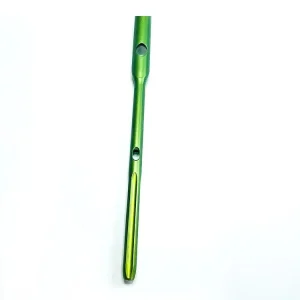
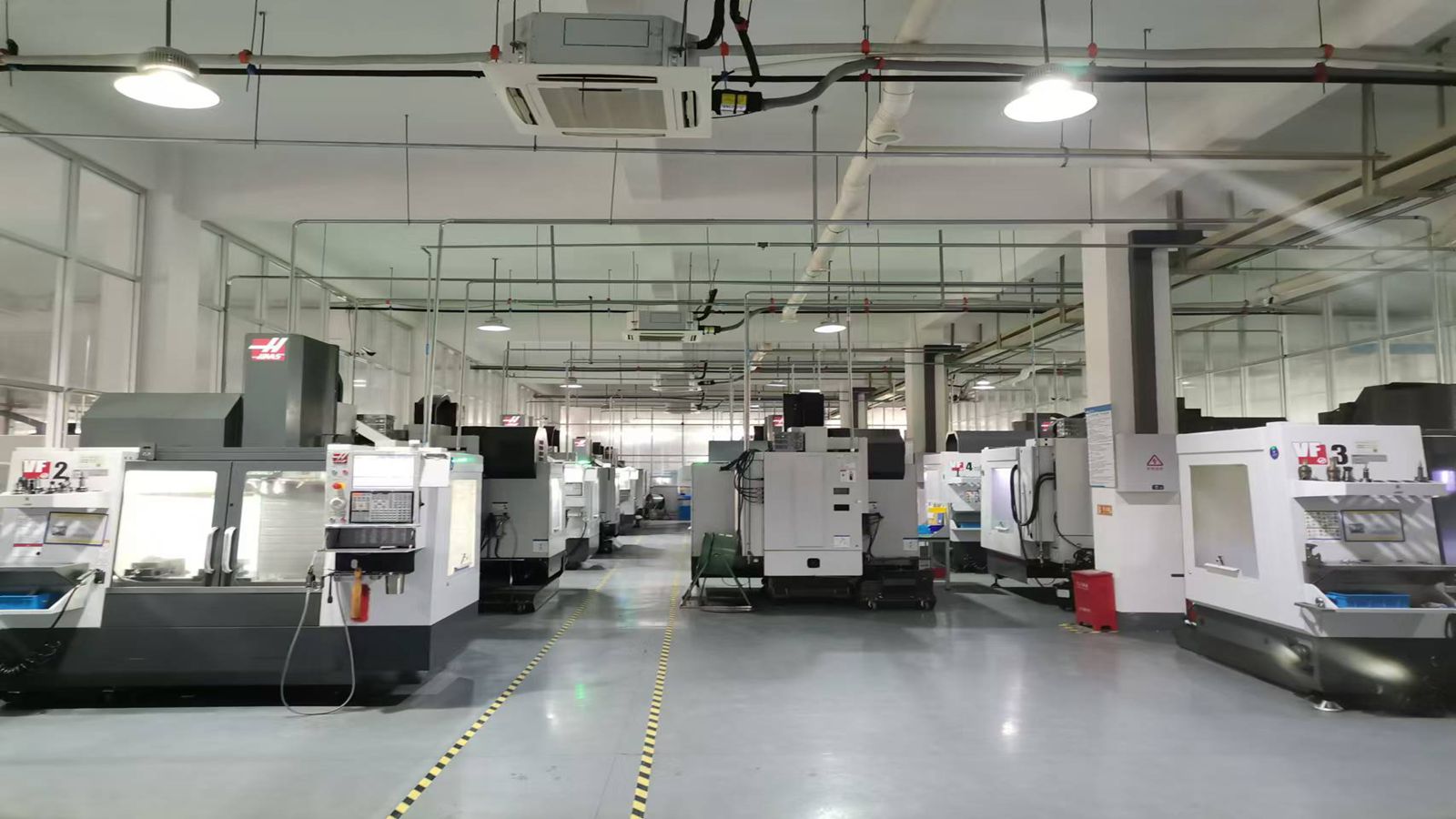
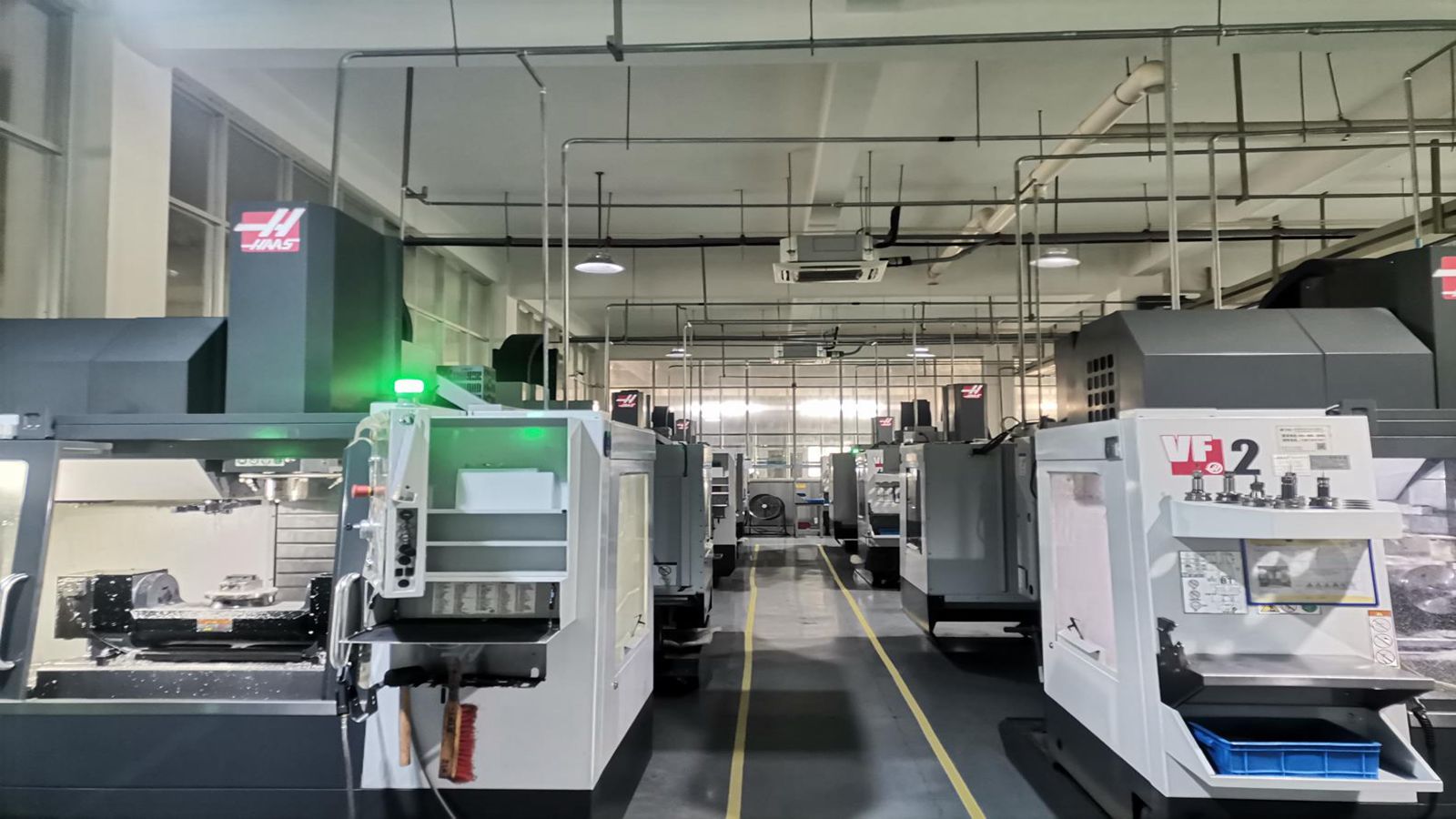
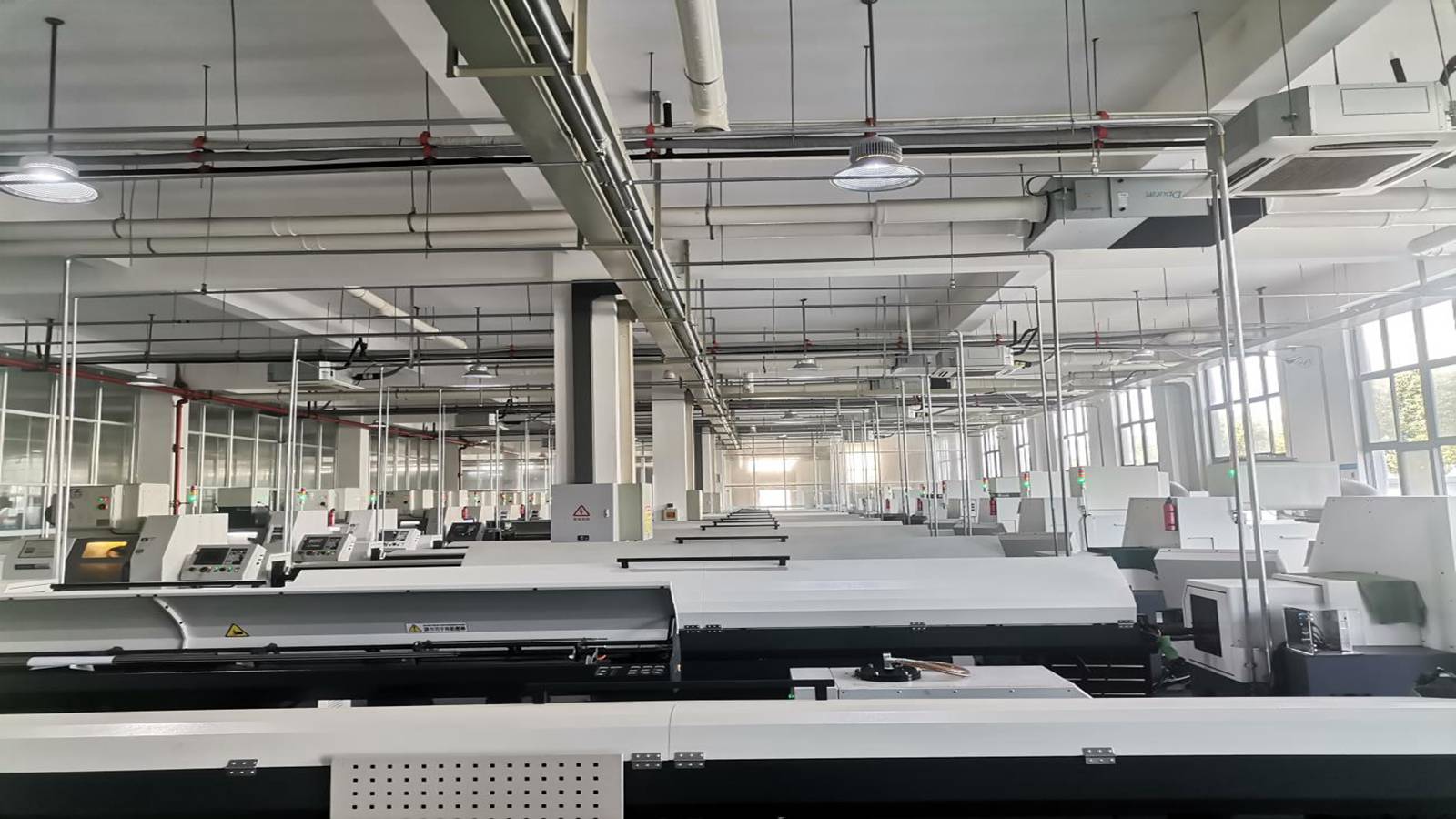
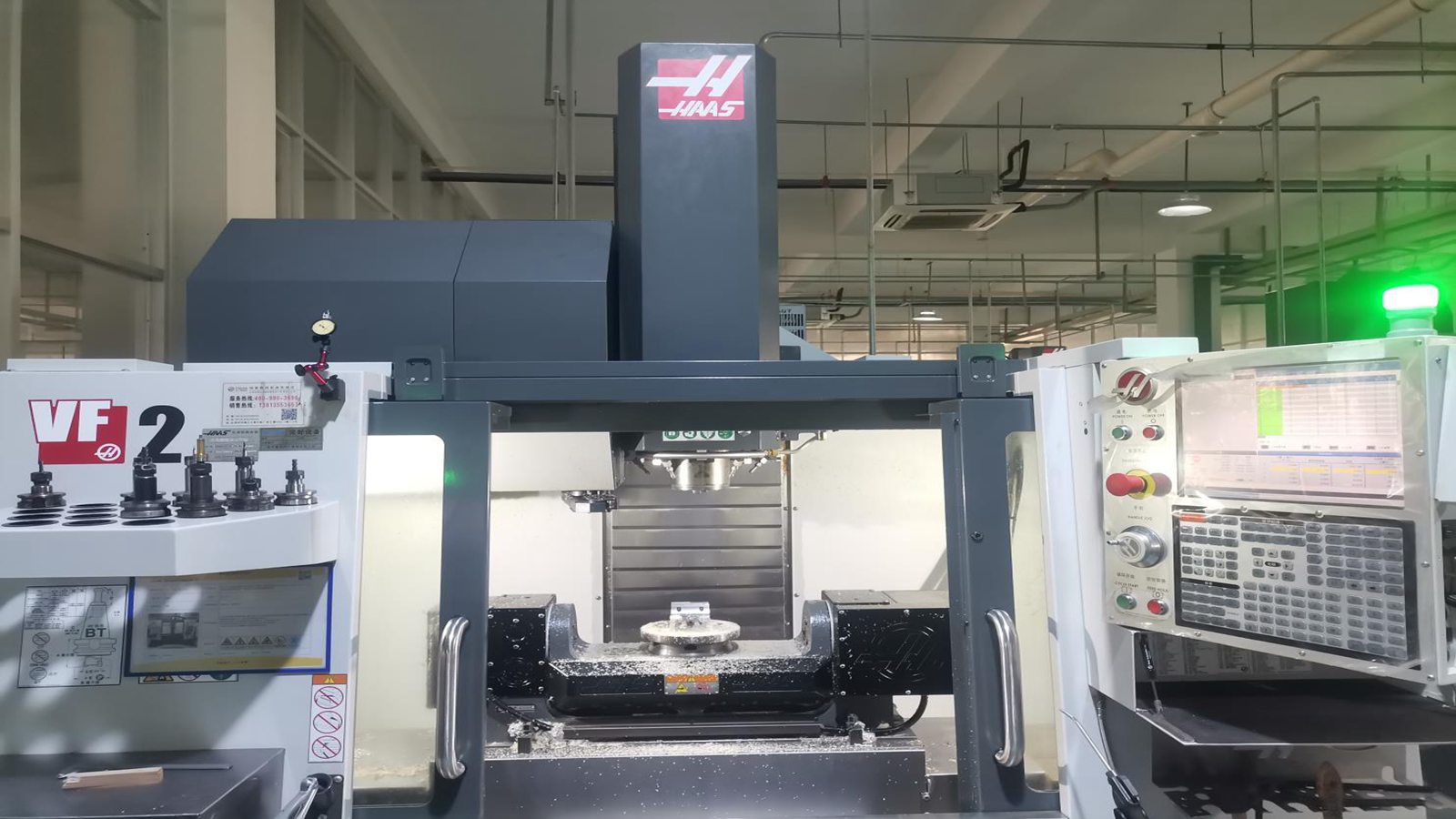
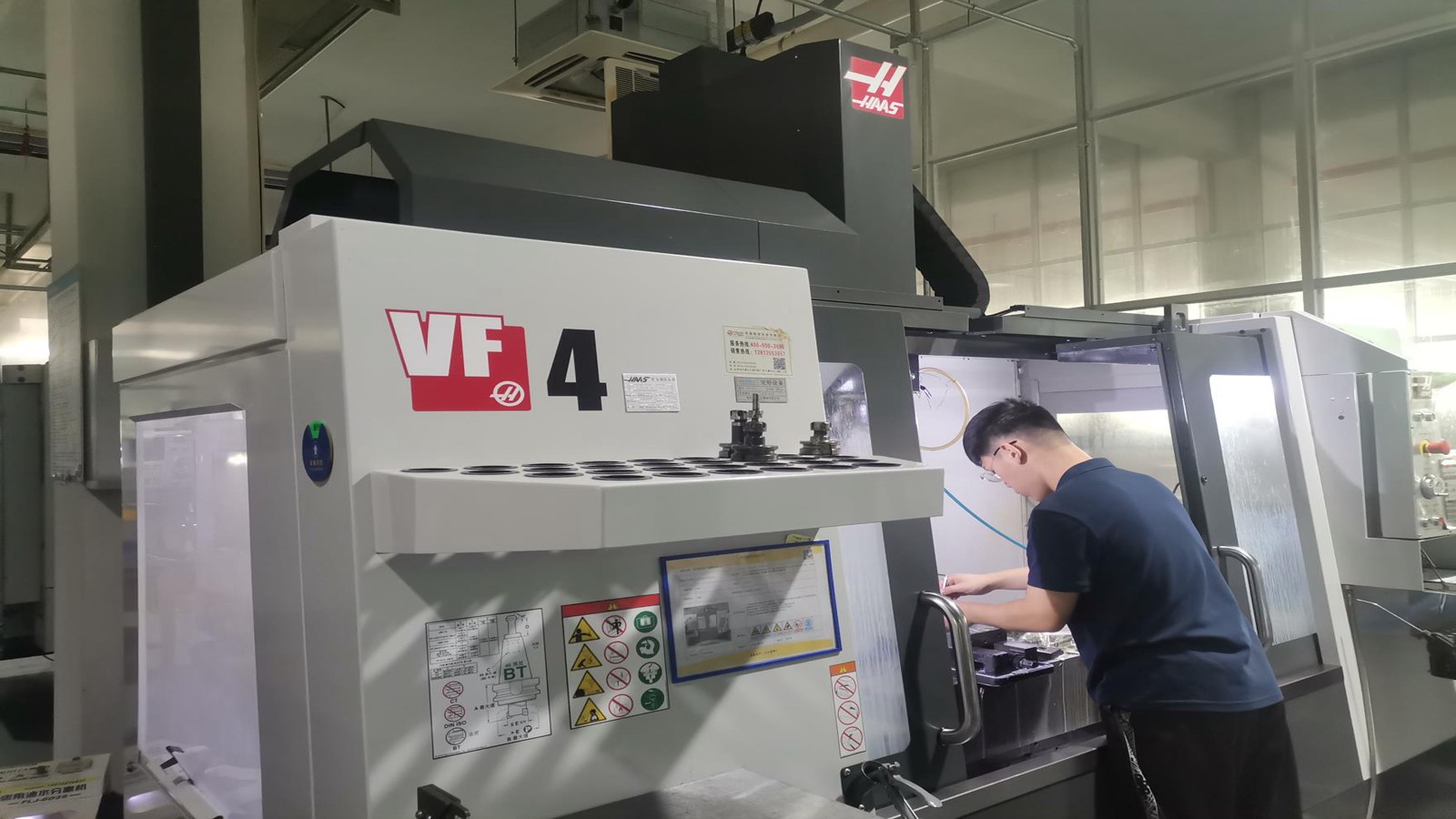
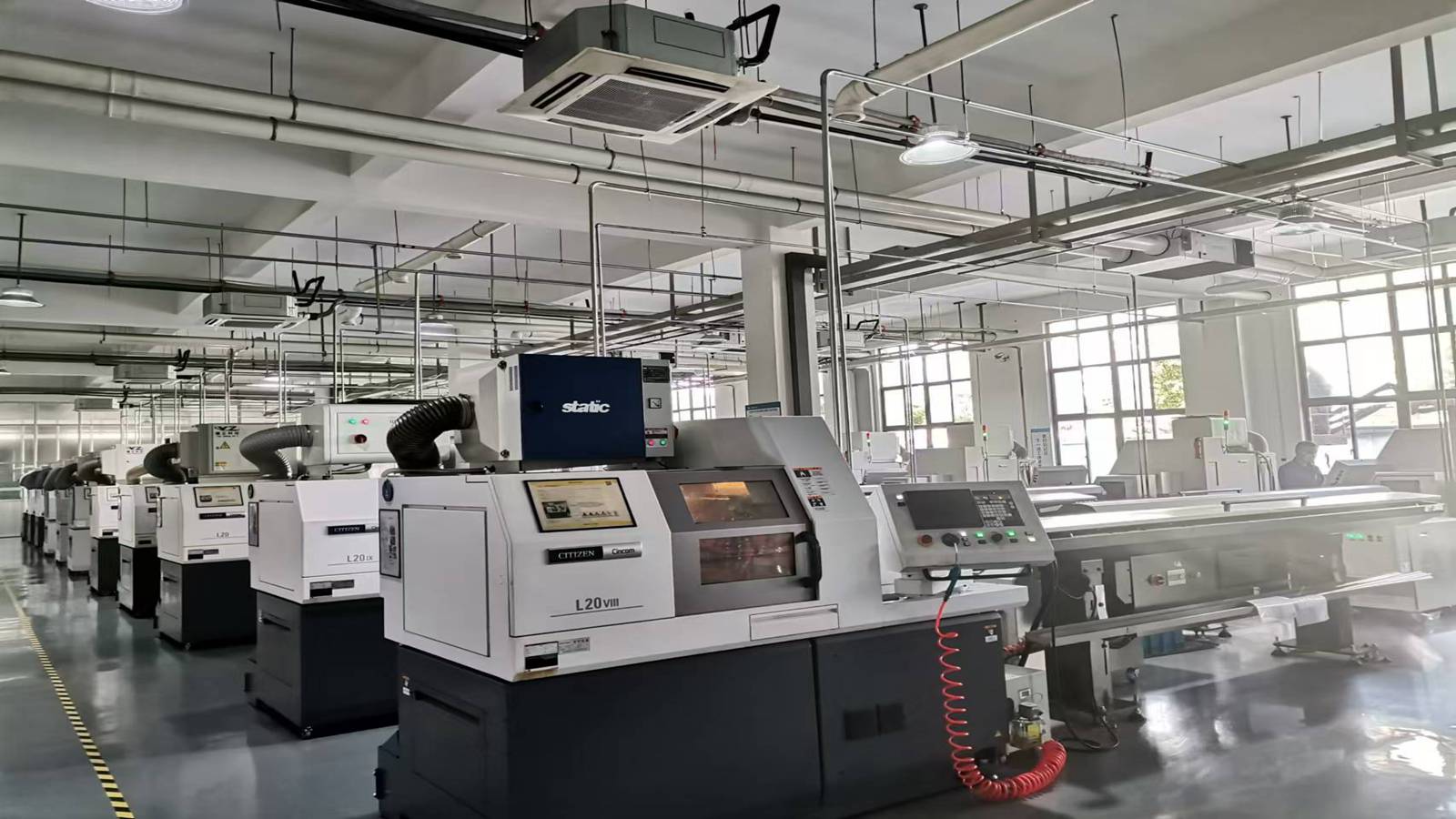
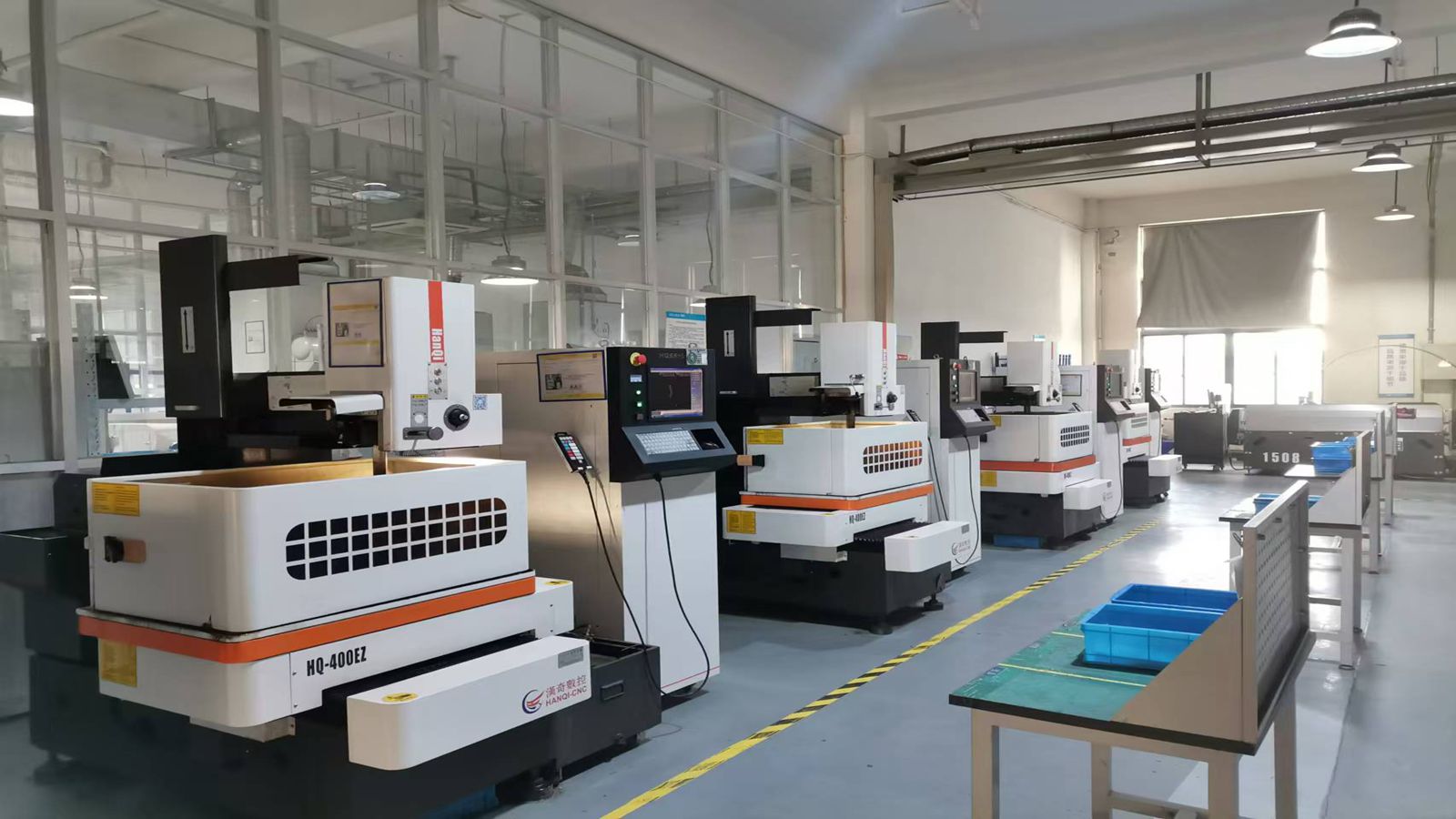
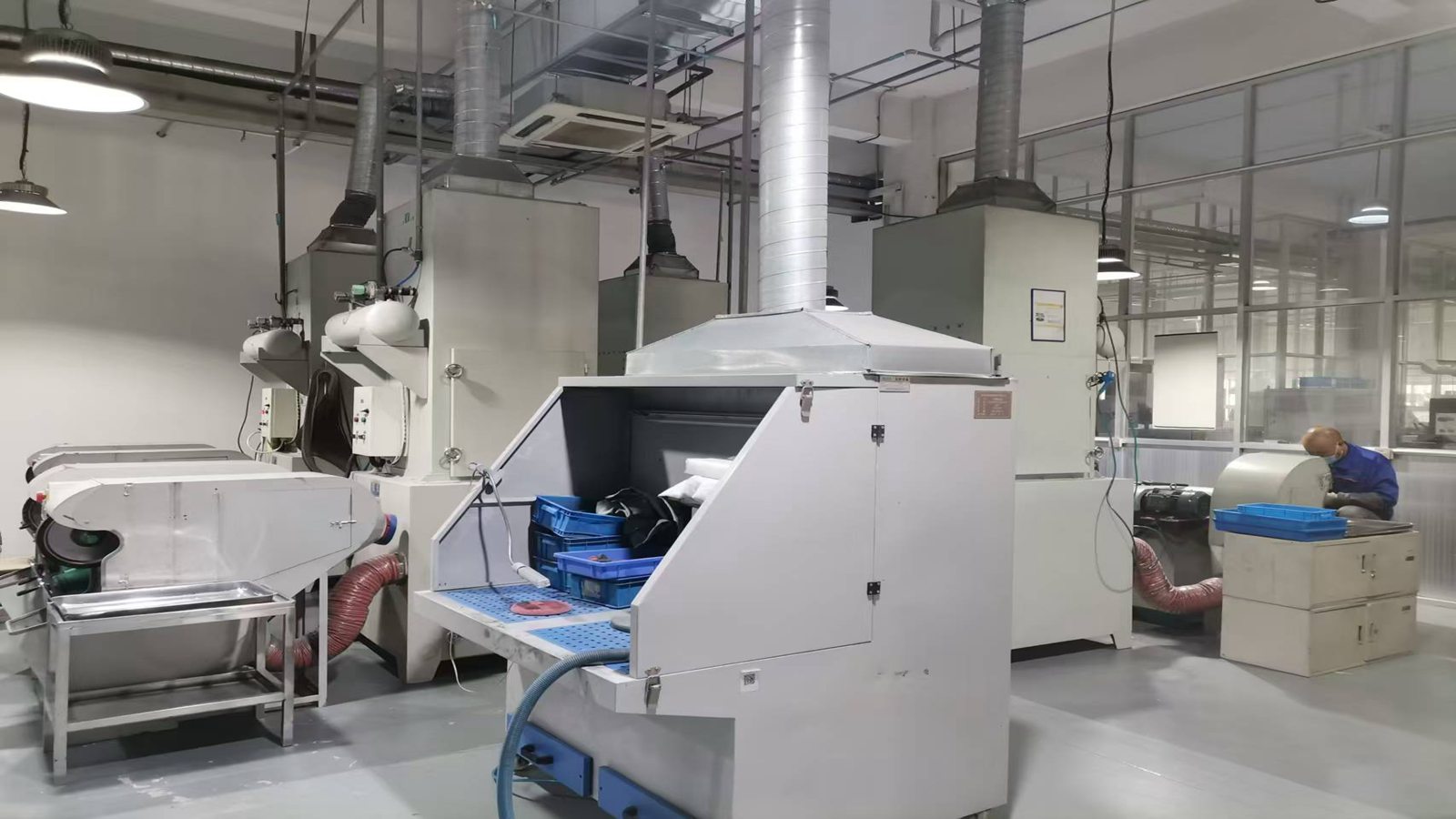
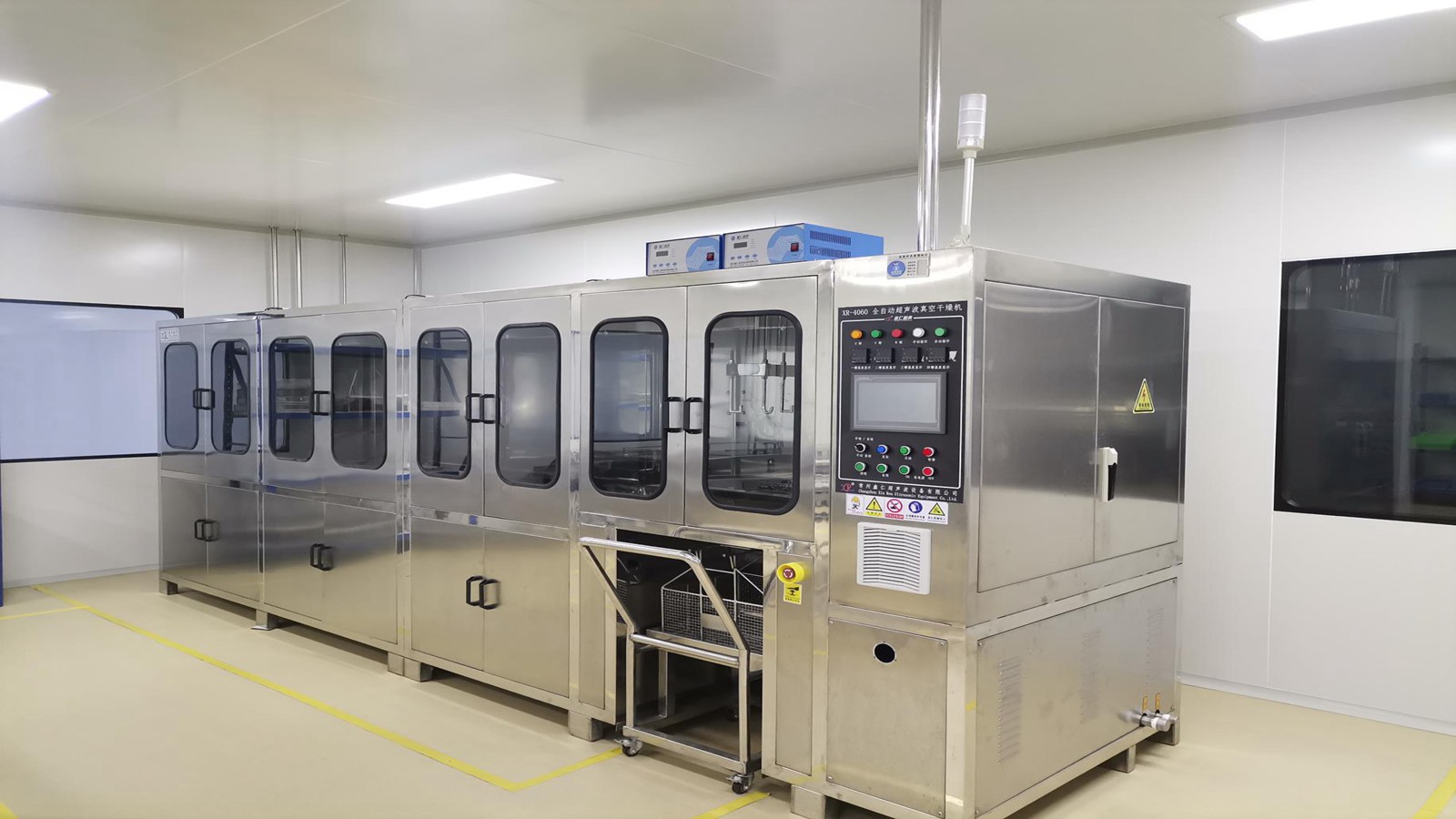
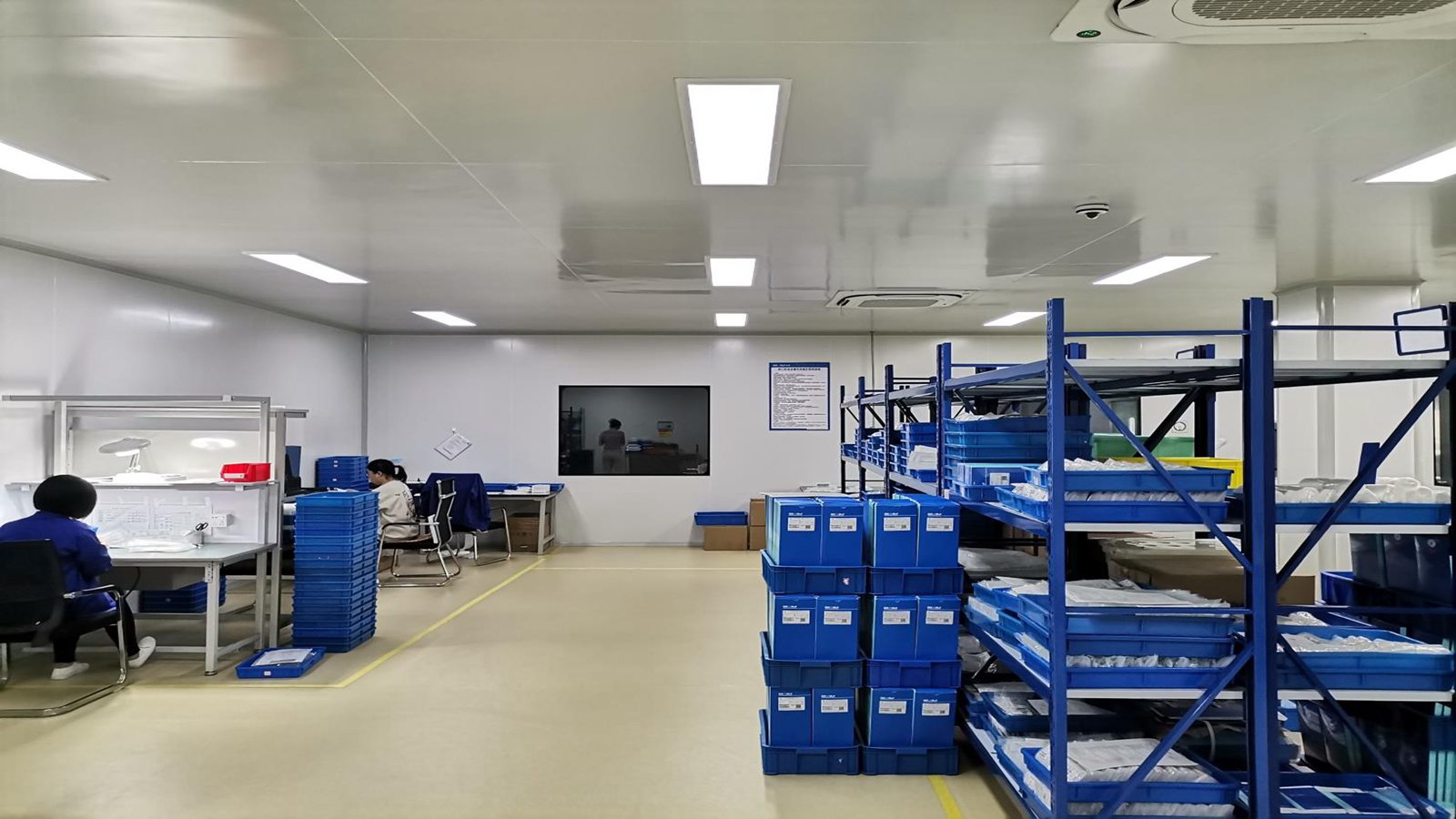
Our manufacturing facility is equipped with state-of-the-art Swiss-type CNC lathes, 5-axis machining centers, and automated anodizing lines. This extensive infrastructure allows us to maintain a high production capacity while guaranteeing the precision of complex geometries, such as the multi-dimensional locking holes in our humeral and tibial nails. By controlling the entire manufacturing process in-house—from raw material sourcing to final sterile packaging—we mitigate supply chain risks and offer highly competitive pricing structures.
The field of orthopedic traumatology is on the cusp of significant technological breakthroughs. As a forward-thinking manufacturer, HBM Medical's R&D division (comprising 31 dedicated engineers, including postgraduate and doctoral researchers) is actively developing the next generation of intramedullary fixation systems.
We are exploring the integration of micro-strain gauges and passive RFID sensors within the hollow core of intramedullary nails. These sensors can transmit real-time data regarding the mechanical load experienced by the nail and the progression of bone healing. This technology will allow Sydney clinicians to monitor fracture consolidation remotely, customize rehabilitation protocols, and detect non-union early.
To enhance osseointegration and reduce the risk of implant-associated infections (a critical concern in open fractures), our research focuses on advanced surface treatments. This includes electrochemical anodization to create highly ordered titanium dioxide (TiO2) nanotubes, which can be loaded with osteoinductive agents (such as BMP-2) or antimicrobial silver nanoparticles. This ensures rapid biological fixation and minimizes the need for secondary revision surgeries.
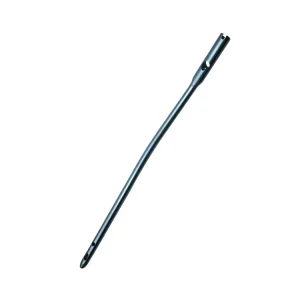
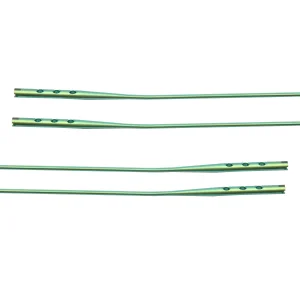
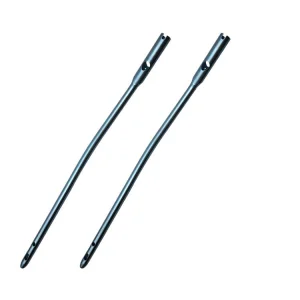
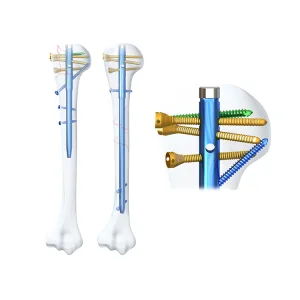
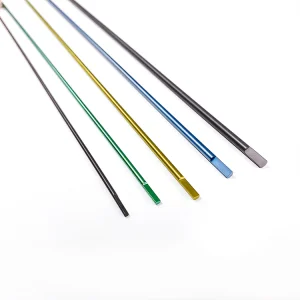
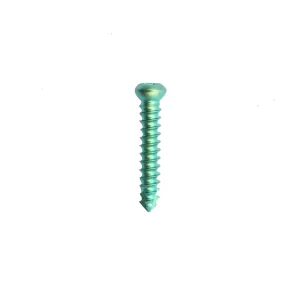
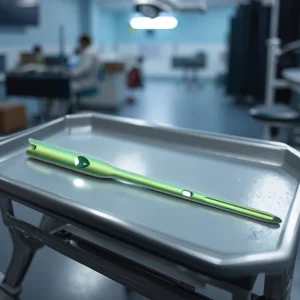
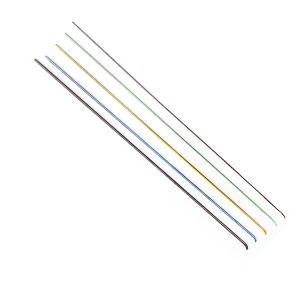
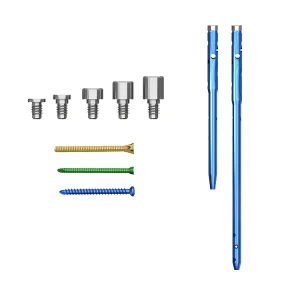
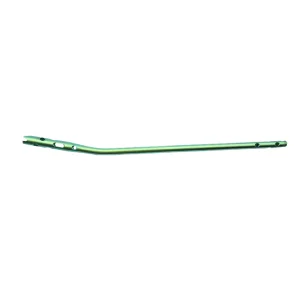
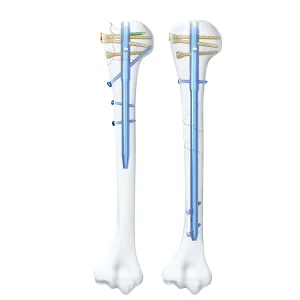
Explore our extensive range of interlocking nails, elastic stable intramedullary nails (ESIN), and specialized trauma implants.
Entering the Australian healthcare market requires strict adherence to the regulations set forth by the Therapeutic Goods Administration (TGA). As an exporter with a decade of international experience, HBM Medical ensures that all products exported to Sydney and the wider Australian market meet or exceed the essential principles of safety and performance.
Our quality management system is audited under the Medical Device Single Audit Program, satisfying the regulatory requirements of TGA (Australia), FDA (USA), and Health Canada simultaneously.
All implants hold valid CE certificates under the European Medical Device Regulation (MDR 2017/745), ensuring the highest level of clinical evaluation and post-market surveillance.
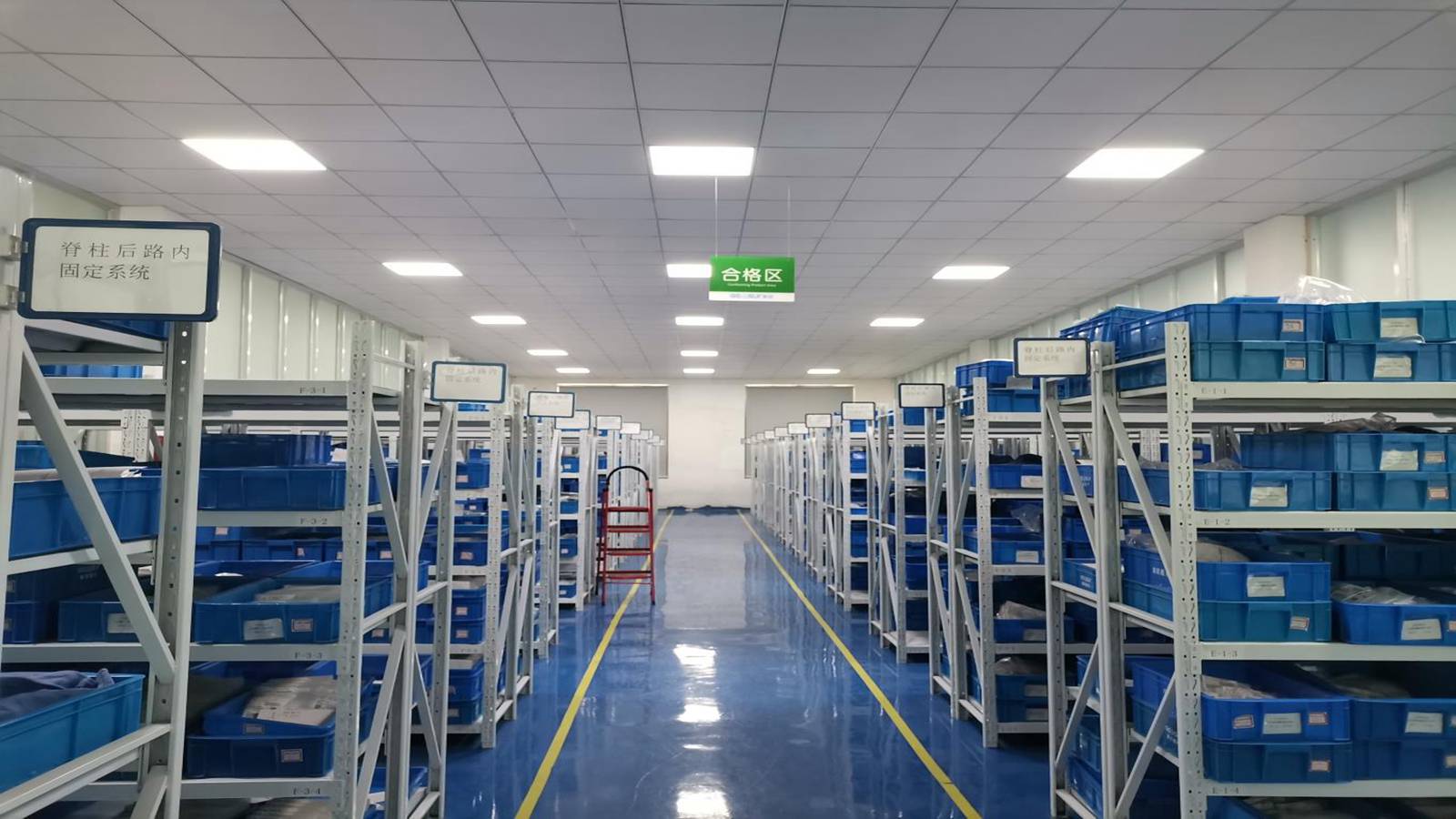
From raw titanium ingots to the final sterile package, every single component is fully traceable, backed by material test reports and comprehensive QA documentation.
We provide comprehensive technical dossiers to assist our Sydney partners with TGA inclusion processes. Furthermore, our dedicated international logistics team guarantees reliable cold-chain and standard shipping options, ensuring that sterile implants arrive at your distribution centers in pristine condition, ready for clinical deployment.
HBM Medical Apparatus And Instruments Co., Ltd. is a leading orthopedic medical equipment R&D, manufacturing and operation enterprise in China, with sales network covering the whole country and sales offices in many regions in China. With first-class production equipment, professional R&D, technology and manufacturing teams, quality management system in line with international standards, and efficient marketing service strategy, HBM has won the recognition of many partners.
The company has a number of senior R&D technical teams with years of orthopedic medical device industry, and has made unique achievements in the field of orthopedic medical devices. HBM medical has always put the talent development strategy in the first place, and constantly improved and built a professional innovation team with high quality and strong R&D ability. Adhere to the development concept of technological innovation, product innovation and service innovation. Gather and integrate superior resources, serve the great cause of human health, work hard and forge ahead bravely—"Integrate the Master, Health being achieved".
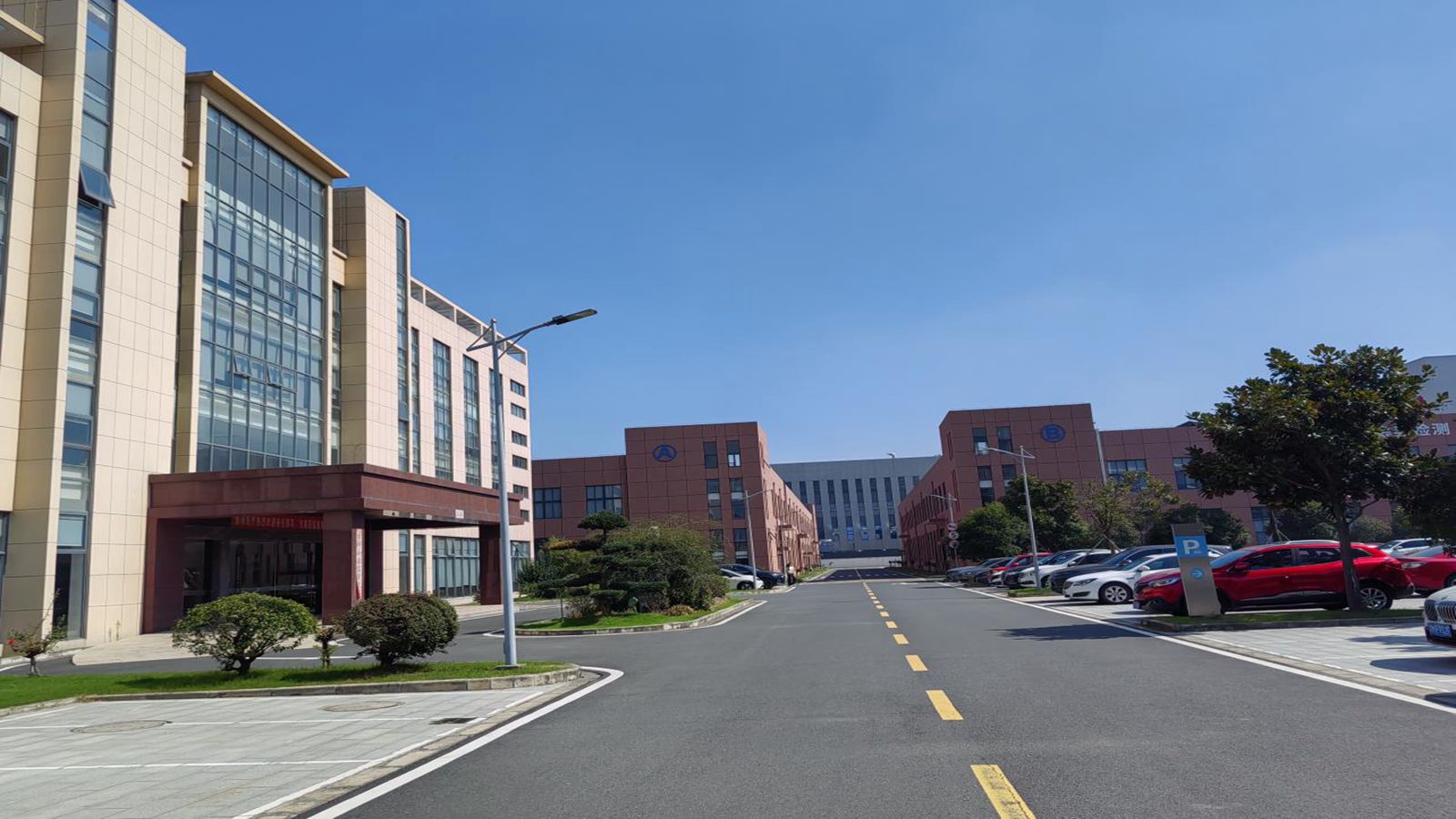
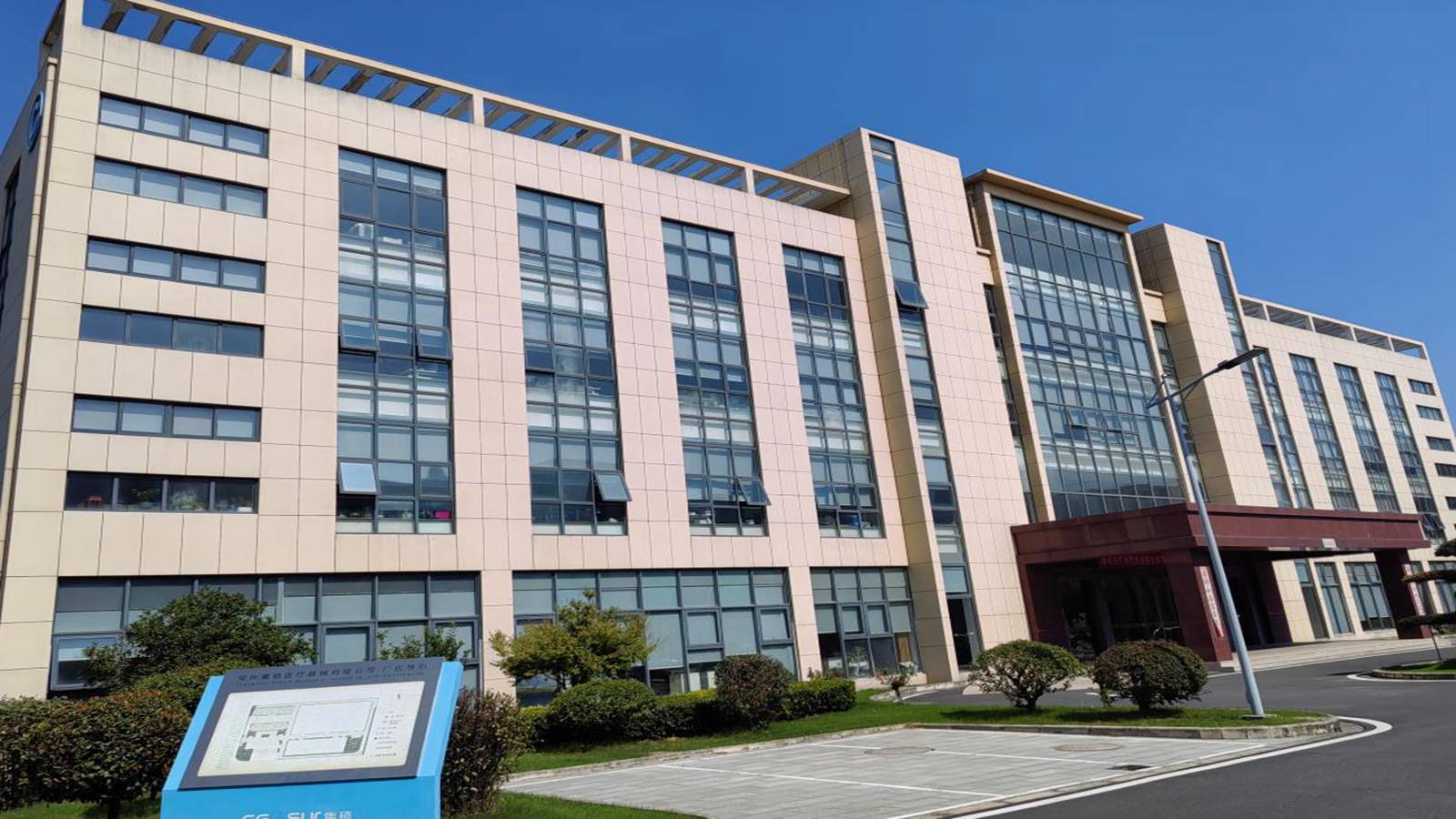
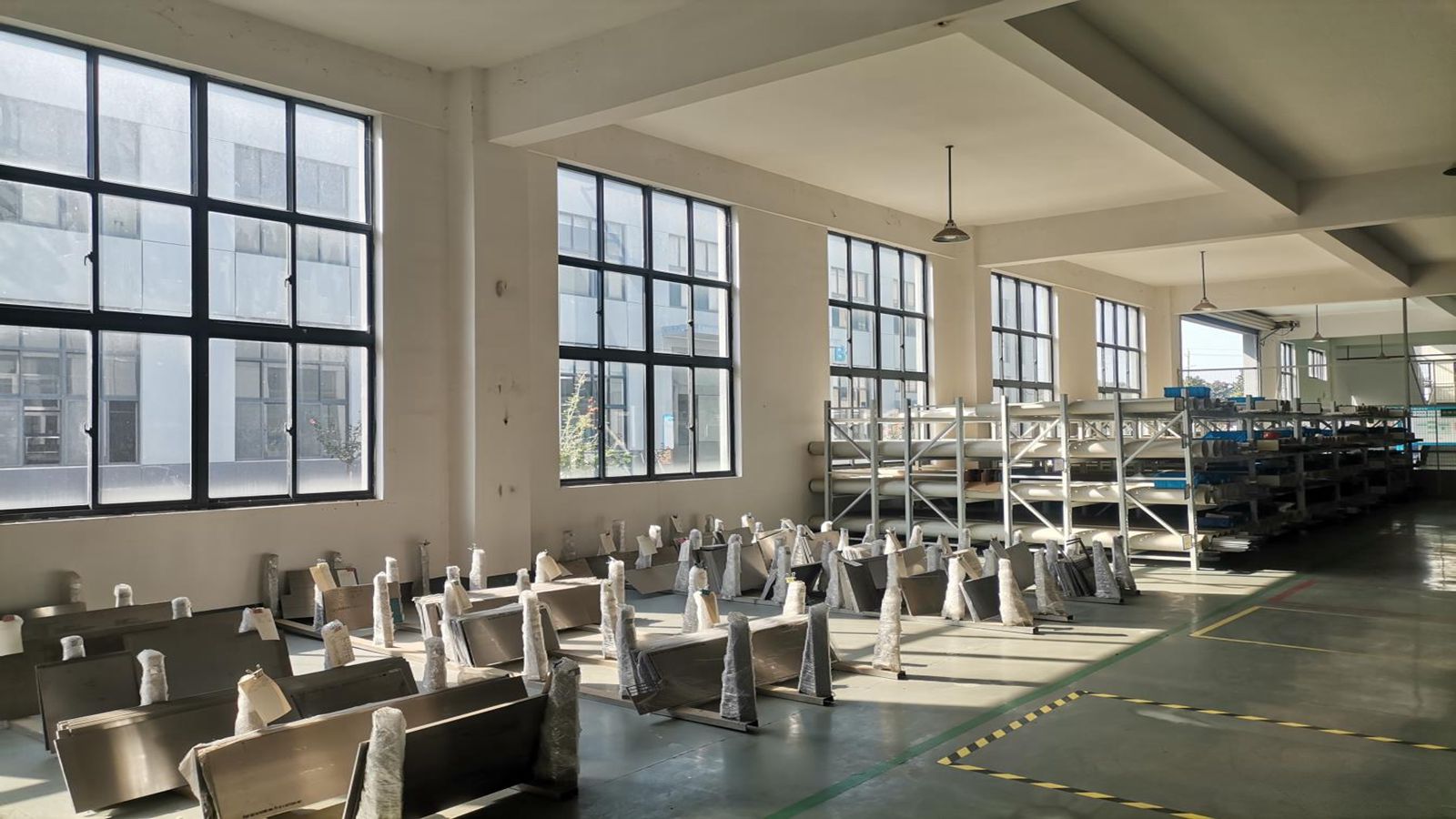
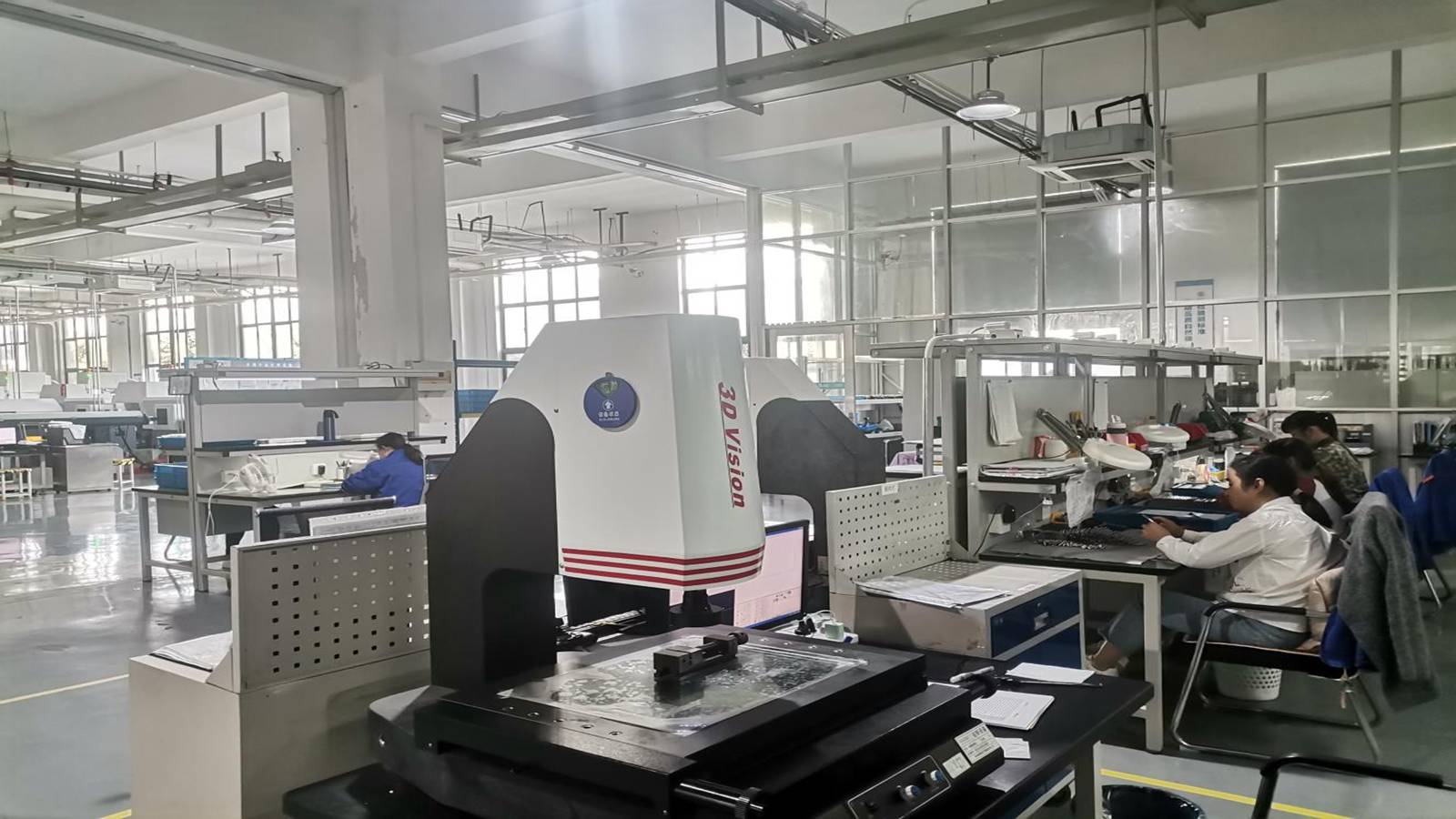
HBM Medical Apparatus And Instruments Co., Ltd. can provide professional integrated solutions for the R&D, production and sales of orthopedic implants and surgical instruments. The company has a production site of over 30,000 square meters, more than 350 processing and testing equipment, and strong production capacity. The products have obtained certifications such as CE and FDA, which meet international standards and ensure quality. The company has passed systems such as ISO 13485, ISO 14001, etc., and has sufficient sustainable development capabilities to provide customized services for customers.
Get detailed answers to technical, regulatory, and commercial inquiries regarding our intramedullary nails.
Our intramedullary nails are primarily manufactured from medical-grade Titanium Alloy (Ti-6Al-4V ELI) conforming to ASTM F136 standards. This material offers superior biocompatibility, excellent fatigue strength, and a lower modulus of elasticity compared to stainless steel, which significantly reduces the risk of stress shielding and promotes faster bone healing.
Yes, HBM Medical is fully MDSAP (Medical Device Single Audit Program) certified, which includes regulatory audits recognized by the Australian Therapeutic Goods Administration (TGA). We provide complete technical documentation, clinical evaluation reports, and manufacturing data to support our Sydney distributors with TGA inclusion and ARTG registration processes.
The PFNA (Proximal Femoral Nail Antirotation) helical blade is designed to compact the cancellous bone during insertion rather than removing it. This compaction provides significantly higher resistance to rotation and varus collapse, which is particularly beneficial in osteoporotic patients where traditional lag screws are highly susceptible to "cut-out" failures.
Absolutely. With over 30,000 square meters of manufacturing space, 12 dedicated production lines, and a team of 31 R&D engineers, we offer extensive OEM/ODM capabilities. We can customize implant dimensions, locking configurations, surface treatments, and packaging according to your specific clinical and commercial requirements.
We employ 36 dedicated QA/QC inspectors who oversee every stage of production. Our protocols include 100% raw material verification with chemical and mechanical testing, in-process dimensional inspections using high-precision optical comparators, and final post-sterilization audits. We guarantee 100% traceability for all exported implants.
Whether you are a medical distributor in Sydney, a private hospital procurement officer, or an orthopedic brand seeking high-capacity OEM solutions, HBM Medical is your strategic partner for premium intramedullary nails.
 HBM Medical