In the rapidly evolving landscape of sports medicine and reconstructive surgery, the selection of implantable materials directly dictates clinical outcomes. Historically, metallic implants (primarily titanium and stainless steel) served as the industry standard for soft-tissue-to-bone fixation. However, the intrinsic limitations of metal—including stress shielding due to high elastic modulus mismatch, artifact interference during post-operative MRI/CT imaging, and the potential necessity of secondary removal surgeries—prompted the medical device industry to seek advanced polymeric alternatives.
Enter Polyetheretherketone (PEEK). As a high-performance semi-crystalline thermoplastic, PEEK exhibits an exceptional combination of mechanical strength, chemical resistance, and biocompatibility. Most notably, the elastic modulus of PEEK (typically 3.6 to 4.0 GPa) closely matches that of human cortical bone (approximately 18 GPa compared to titanium's 110 GPa). This mechanical synergy minimizes stress shielding, promotes physiological load transfer, and accelerates natural bone remodeling at the repair site.
"The transition from metallic and bioabsorbable polymers to PEEK suture anchors represents a milestone in sports medicine. PEEK offers the structural integrity of metal without the imaging artifacts, alongside the biostability that bioabsorbable polymers lack, preventing premature degradation and subsequent joint inflammation."
Today, PEEK suture anchors are the gold standard for rotator cuff repairs, labral reconstructions (shoulder and hip), and ligament augmentations. Their radiolucency allows surgeons to monitor bone healing and anchor positioning with absolute clarity post-operatively. Furthermore, the non-absorbable nature of PEEK ensures long-term mechanical stability, eliminating the risk of late-stage osteolysis or sterile inflammatory reactions often associated with first- and second-generation bioabsorbable polymers (such as PLA and PLGA).
For B2B procurement directors, hospital purchasing groups, and OEM brand managers, sourcing PEEK suture anchors involves navigating a complex matrix of technical specifications, regulatory compliance, and supply chain reliability. Suture anchors are classified as Class III (or Class IIb depending on jurisdiction) medical devices, meaning the margin for error is zero.
When evaluating a PEEK suture anchor factory, global buyers must prioritize several critical technical and operational parameters:
The anchor's thread design must maximize purchase in both cancellous and cortical bone. Procurement teams require comprehensive pull-out testing data (conforming to ASTM F543 standards) demonstrating high failure loads under cyclic testing.
Modern sports medicine demands high-strength UHMWPE (Ultra-High-Molecular-Weight Polyethylene) sutures or flat suture tapes. The anchor eyelet must be perfectly deburred and polished to prevent suture abrasion and premature breakage during knot-tying.
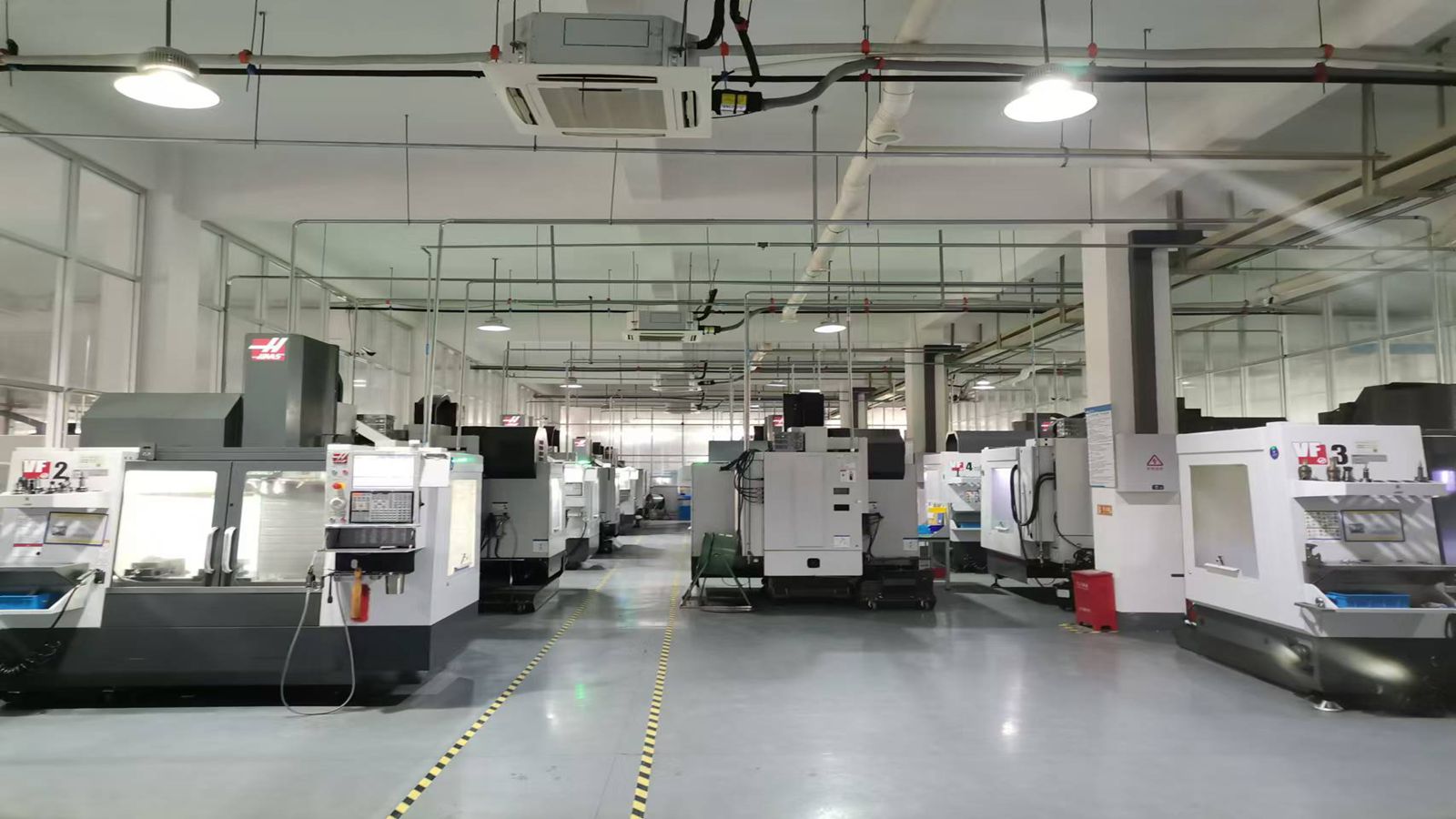
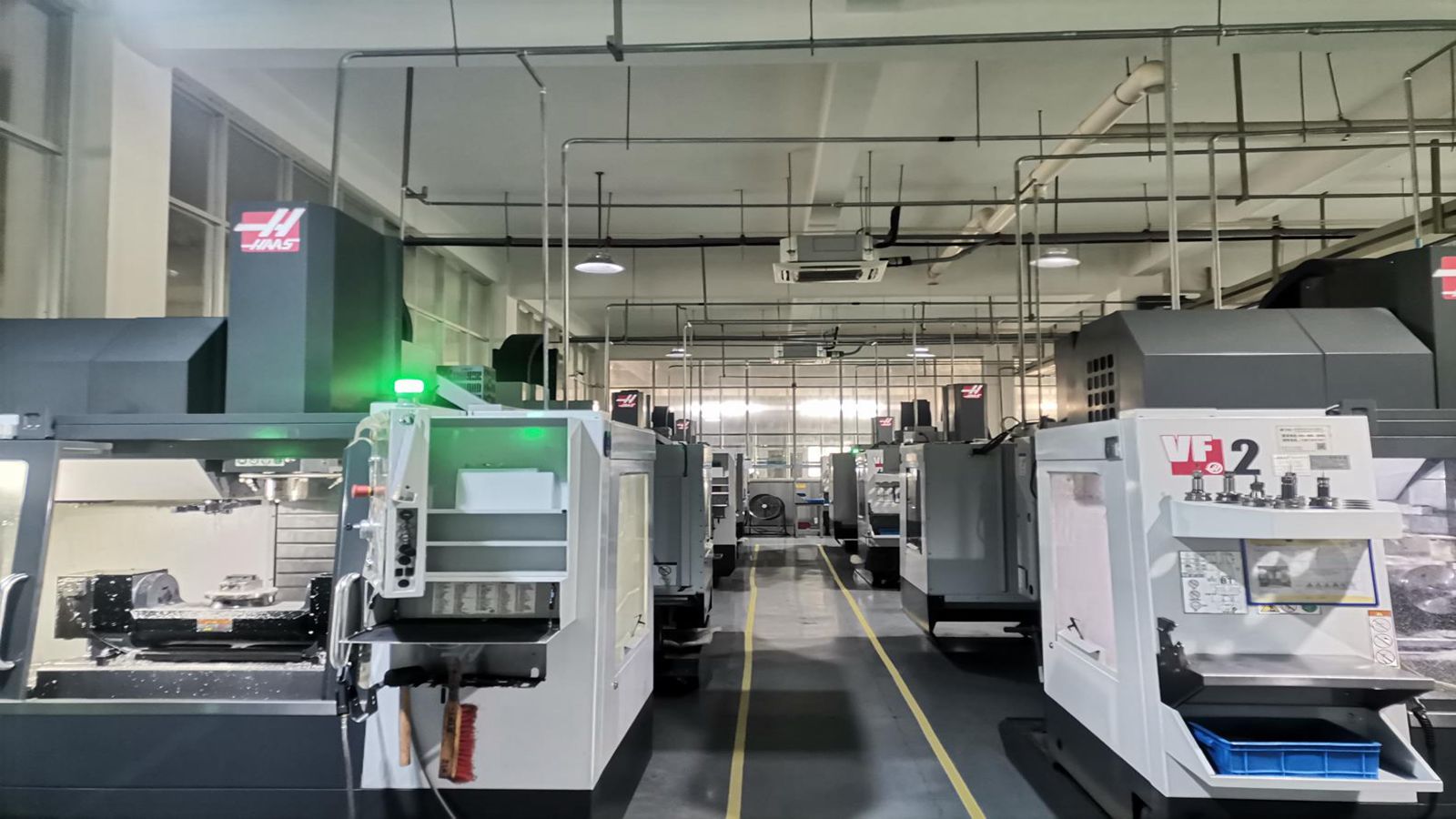
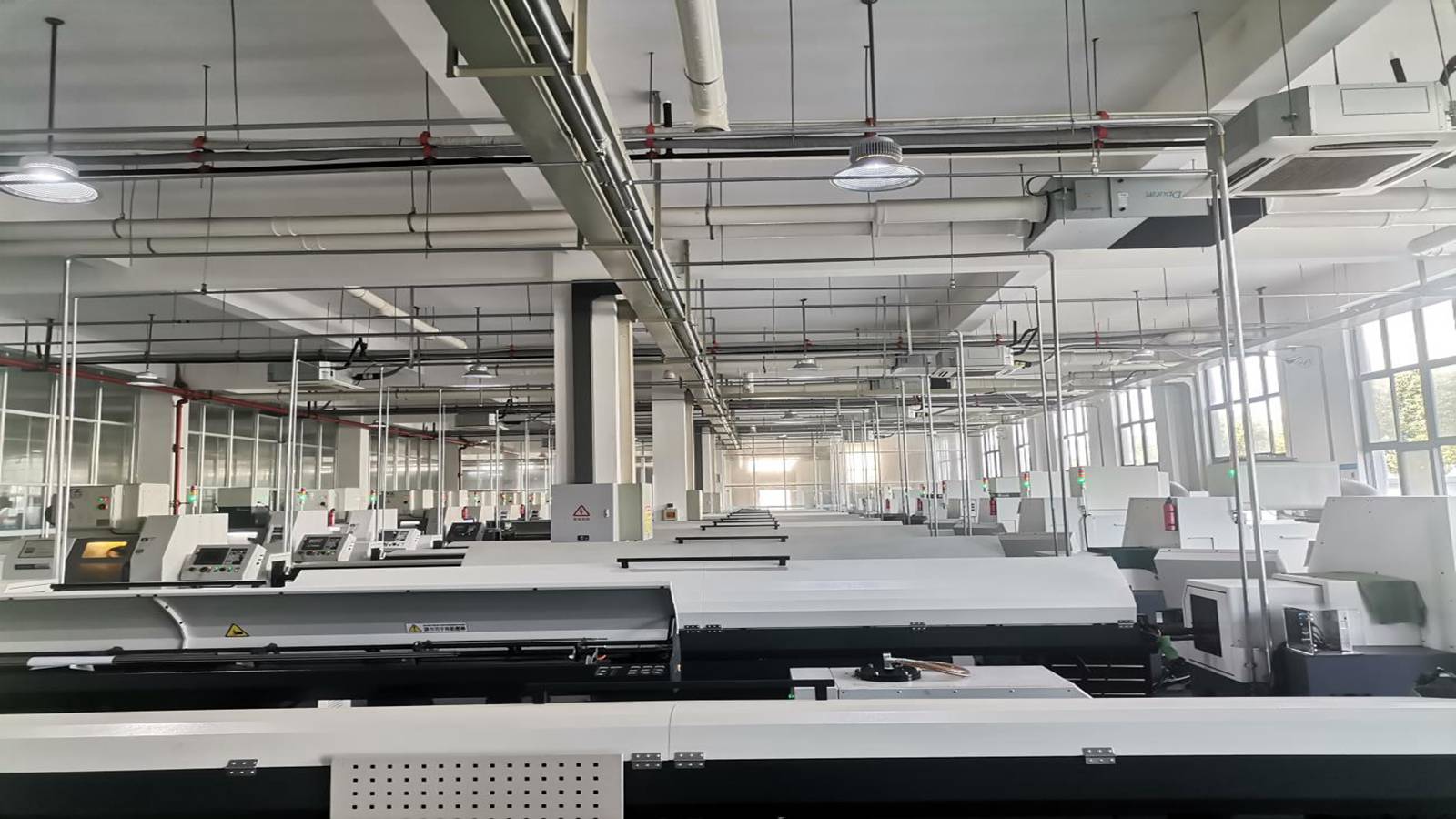
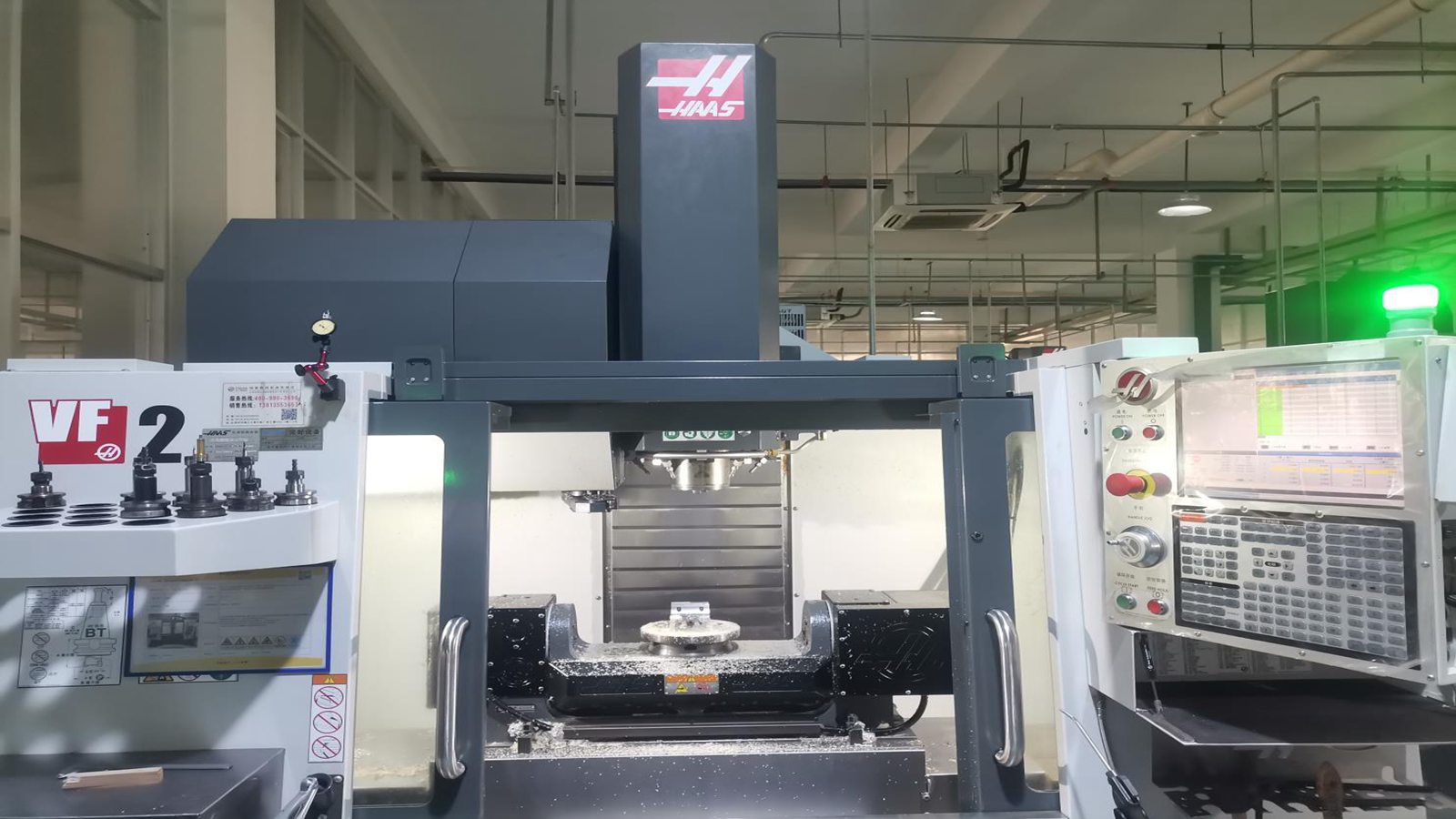
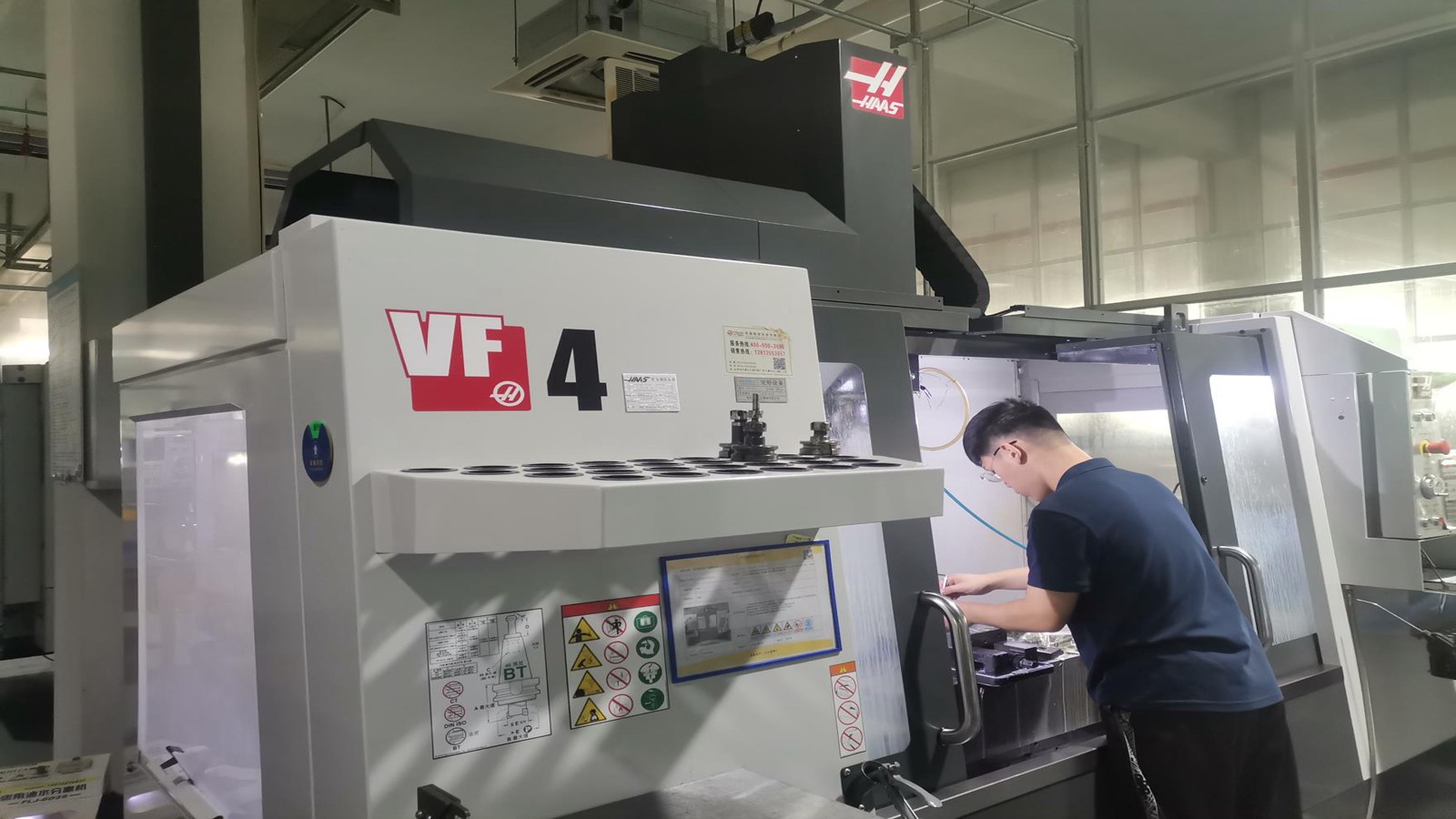
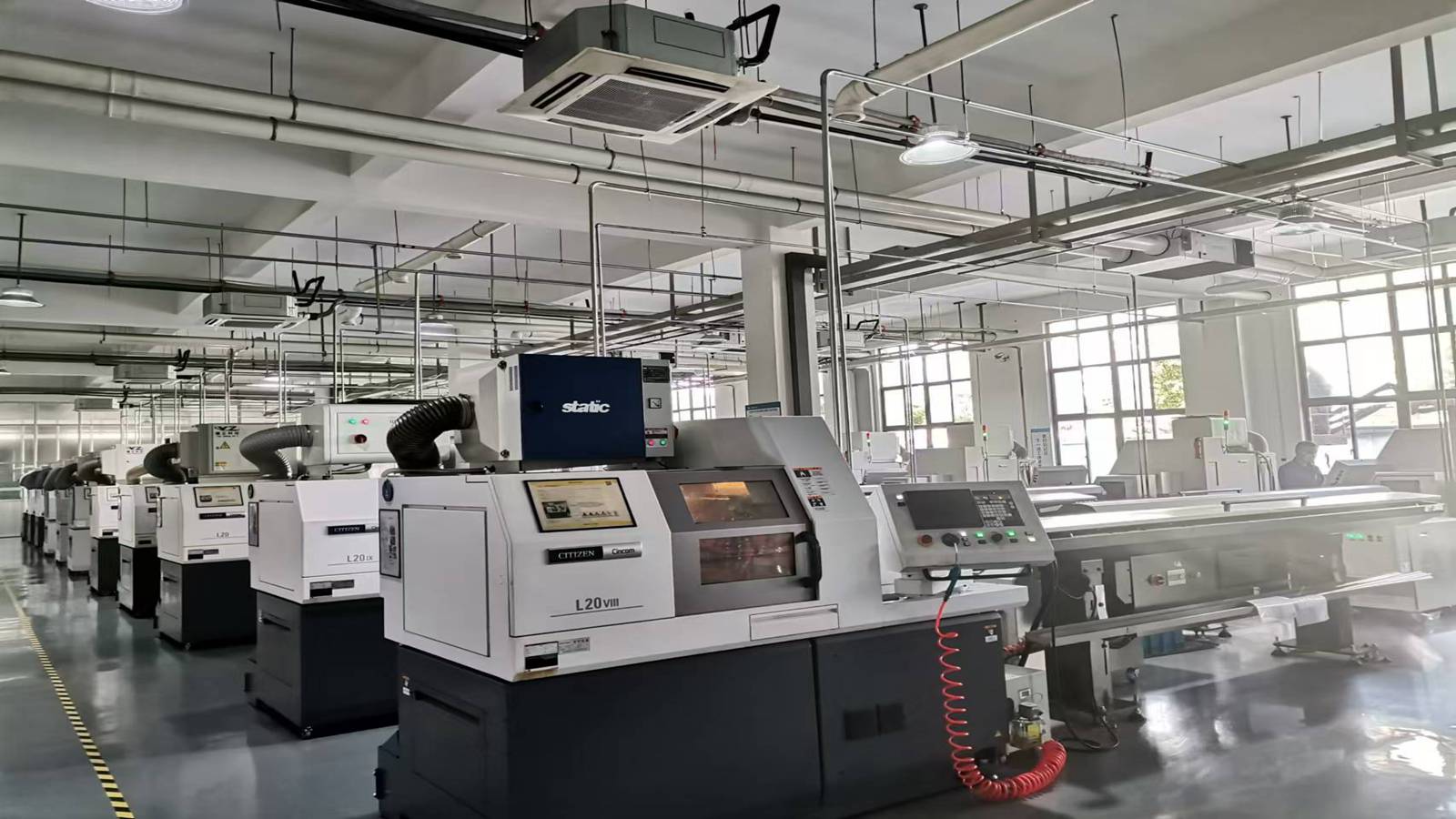
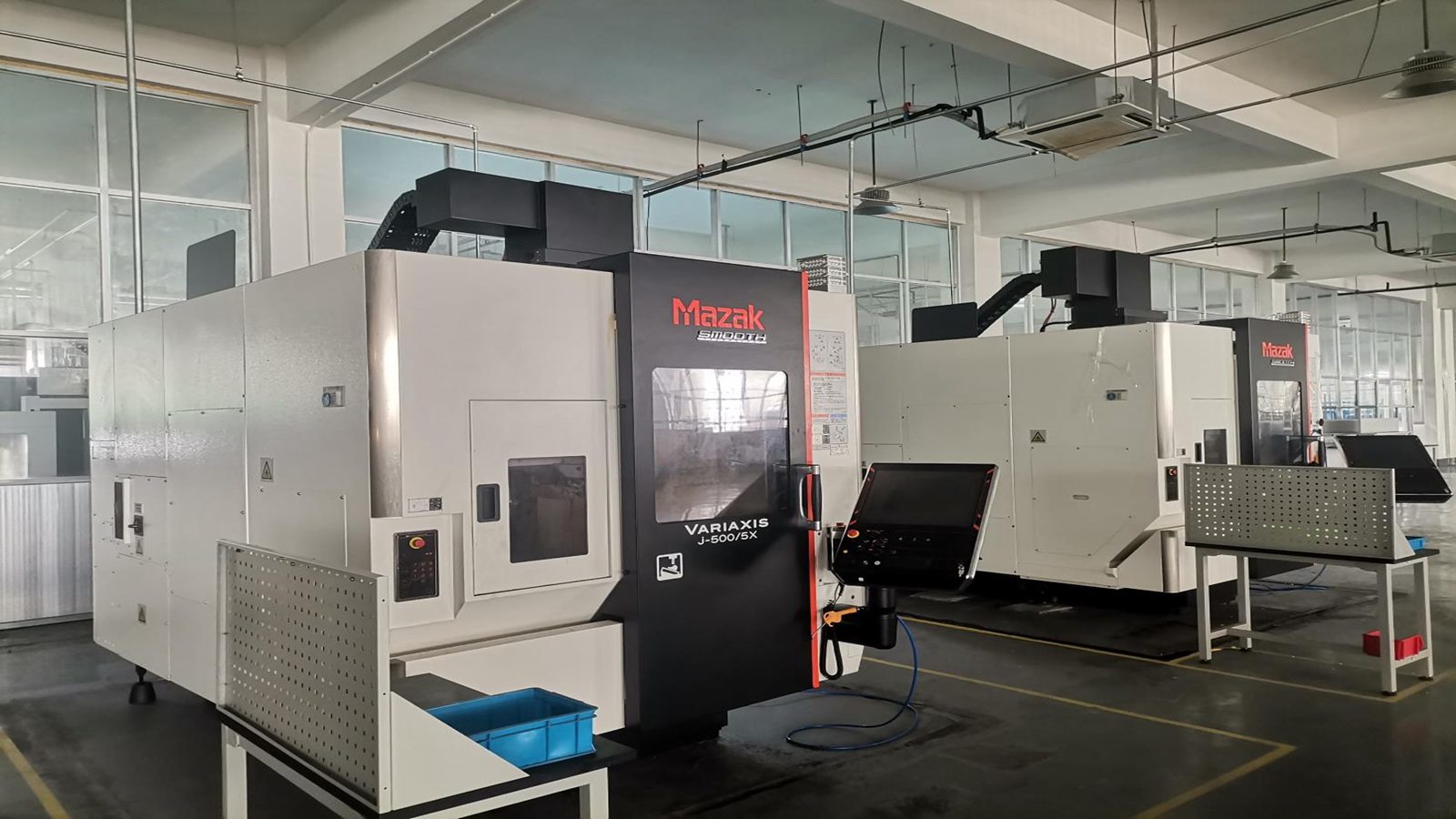
PEEK is notoriously difficult to machine due to its thermal properties. Top-tier factories utilize high-precision Swiss-type CNC machining centers or advanced cleanroom injection molding to maintain tolerances within ±0.01mm, ensuring seamless driver engagement.
The global medical device market is currently undergoing a period of intense regulatory tightening. The transition from the Medical Device Directive (MDD) to the stringent Medical Device Regulation (MDR 2017/745) in Europe, combined with the FDA's enhanced focus on human factors engineering and biocompatibility (ISO 10993), has created significant bottlenecks for orthopedic brands. Many smaller manufacturing facilities are unable to bear the financial and administrative burden of maintaining these certifications.
To mitigate these macro-level risks, leading orthopedic brands are consolidating their supply chains, shifting production to highly capitalized, vertically integrated factories. A qualified partner must not only possess state-of-the-art machinery but also provide a comprehensive "regulatory dossier" containing:
By partnering with an established manufacturer like HBM Medical, global brands can leverage pre-existing CE and MDSAP certifications to drastically reduce their time-to-market, bypassing years of regulatory delays and high testing costs.
While standard PEEK is highly biocompatible and mechanically stable, it is inherently hydrophobic and biologically inert. This means that standard PEEK implants do not actively bond with surrounding bone tissue; instead, they are typically encapsulated by a thin fibrous tissue layer. The cutting-edge of orthopedic R&D is focused on overcoming this limitation through advanced surface modifications and composite materials.
The technical roadmap for the next generation of PEEK suture anchors is defined by three major technological pillars:
Integrating osteoconductive materials, such as Hydroxyapatite (HA) or Beta-Tricalcium Phosphate (β-TCP), directly into the PEEK polymer matrix. This encourages direct bone-to-implant contact (osseointegration) without compromising the mechanical strength of the anchor.
Utilizing advanced laser texturing, plasma etching, or chemical vapor deposition (CVD) to create micro- and nano-structured surfaces on the PEEK anchor. These micro-grooves act as scaffolds, promoting osteoblast adhesion, proliferation, and accelerated bone ingrowth.
Streamlining arthroscopic procedures through advanced mechanical designs. Knotless PEEK anchors allow surgeons to adjust suture tension precisely before locking, reducing operating room (OR) time and eliminating the risk of knot slippage.
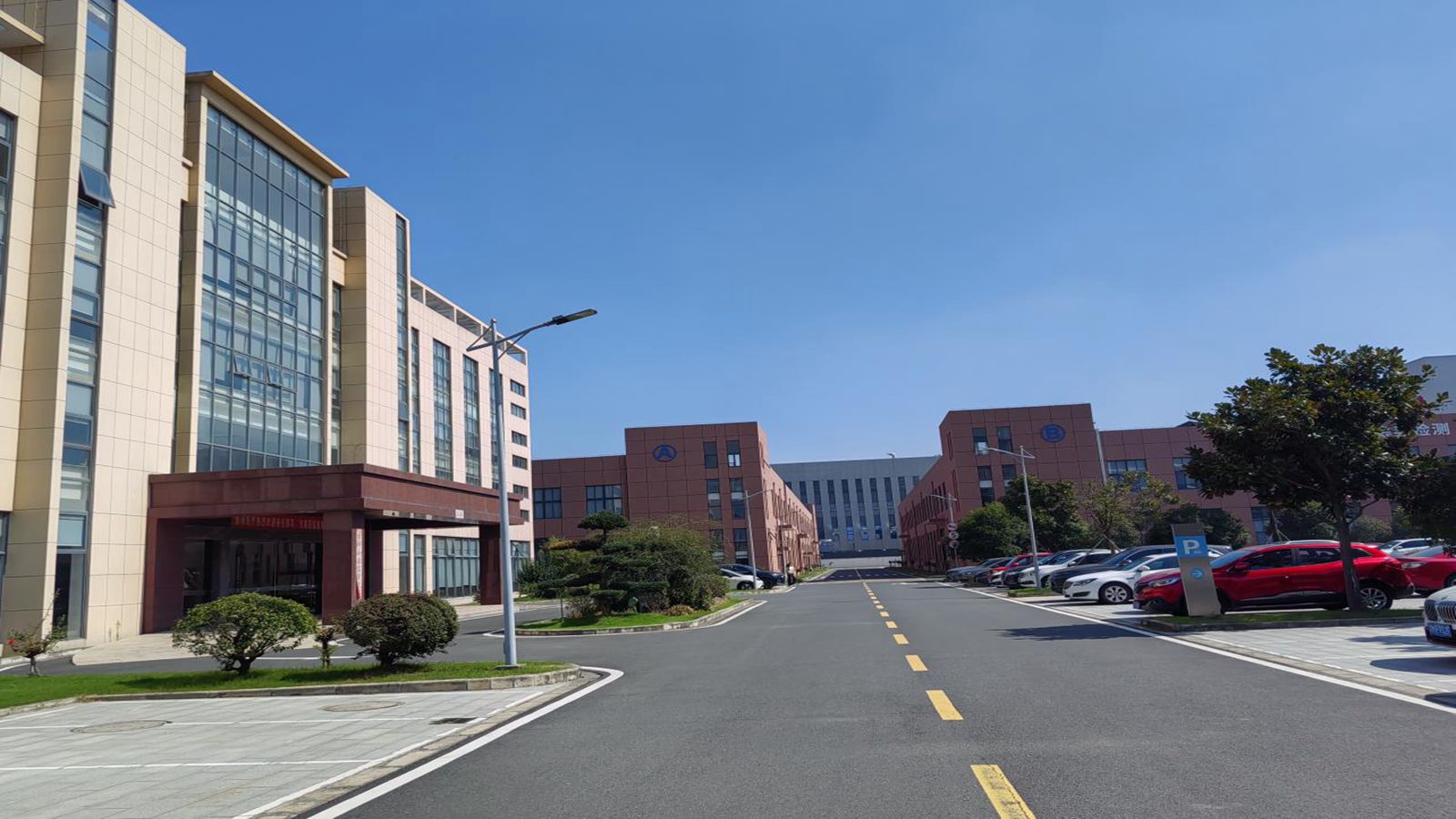
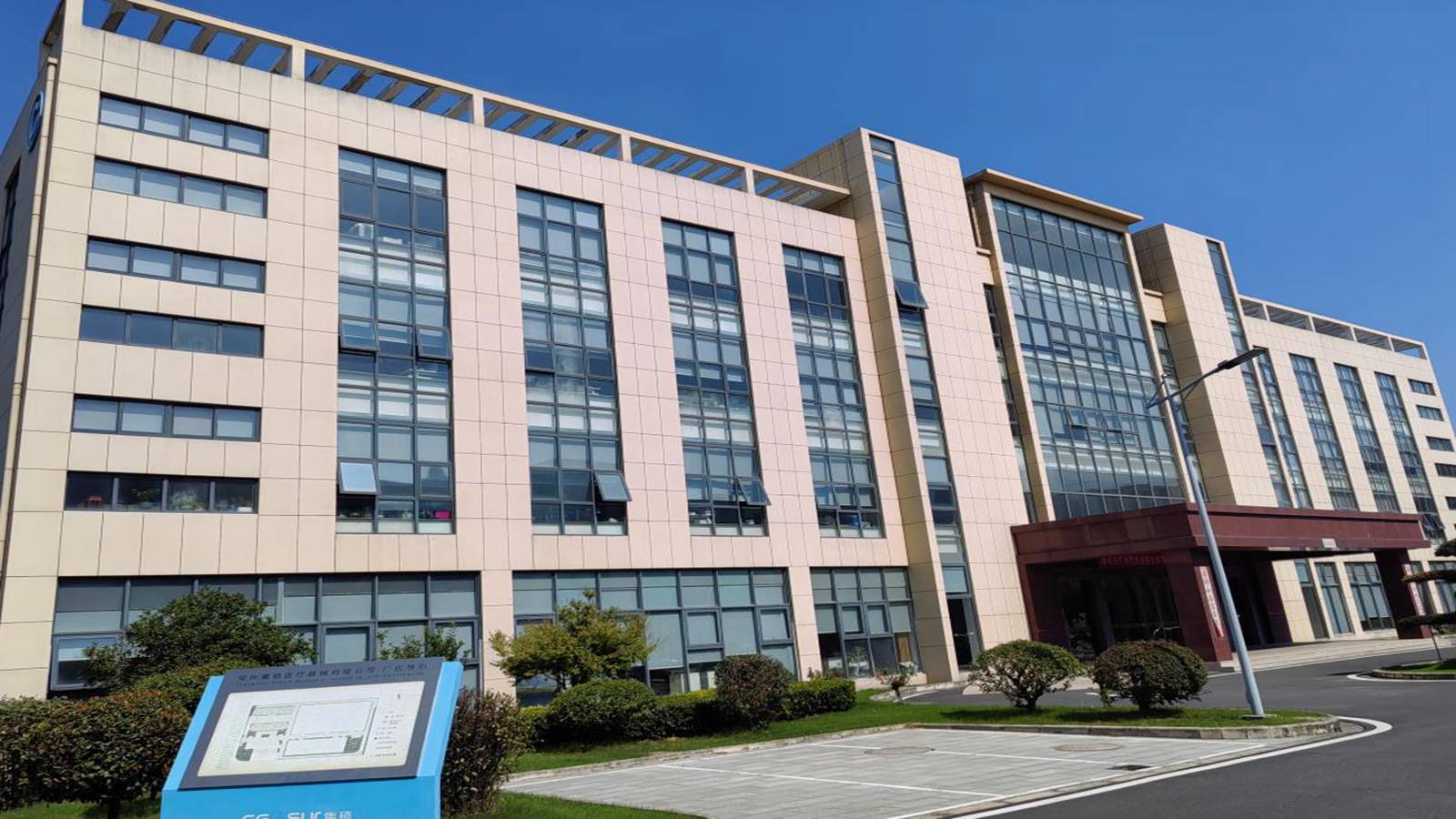
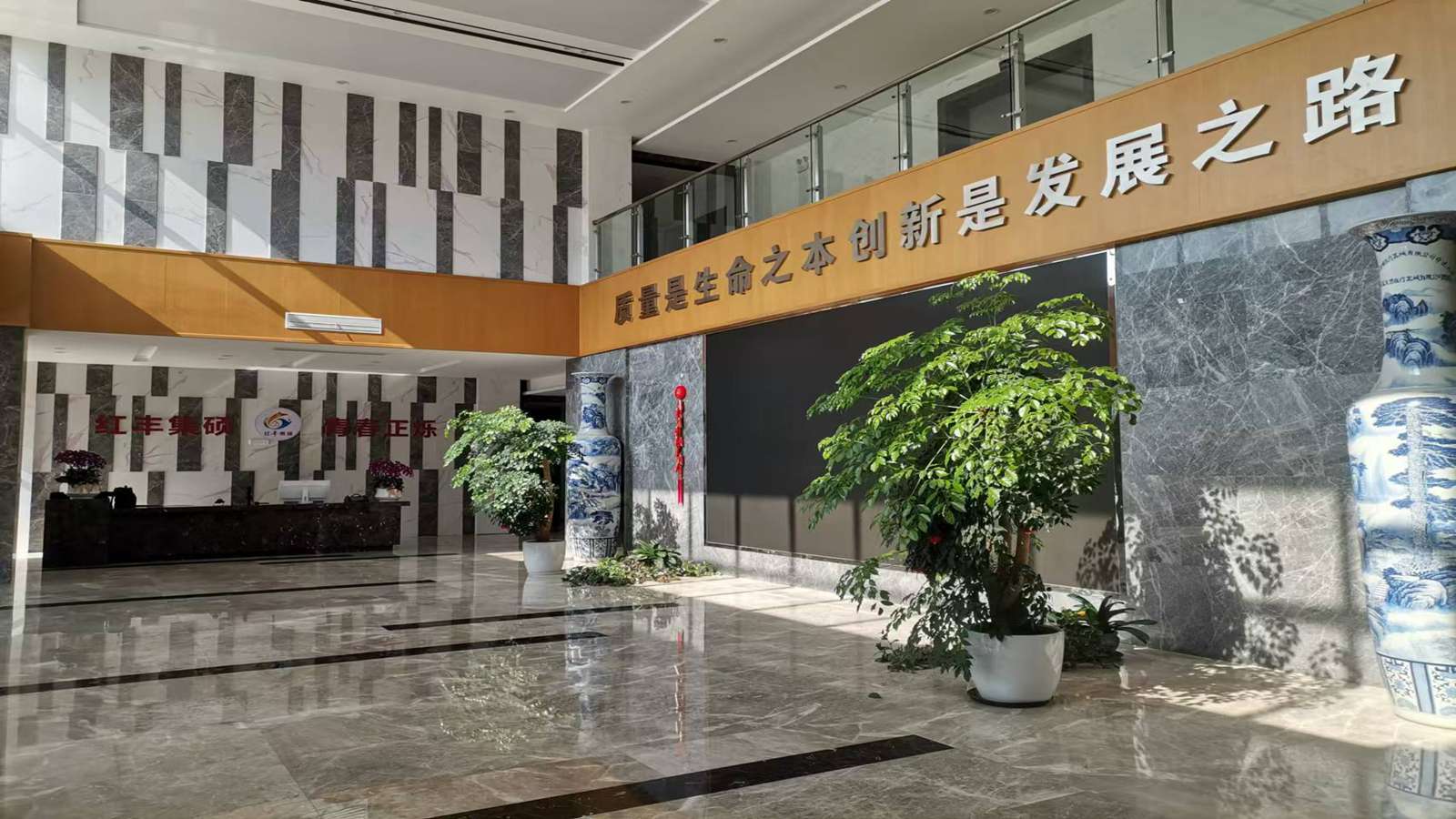
HBM Medical Apparatus And Instruments Co., Ltd. is a leading orthopedic medical equipment R&D, manufacturing, and operation enterprise in China. With a sales network covering the entire country and dedicated sales offices in multiple regions, HBM has established itself as an industry titan. By combining first-class production equipment, a highly professional R&D team, and a quality management system aligned with the most stringent international standards, HBM has earned the trust and recognition of premier global medical brands.
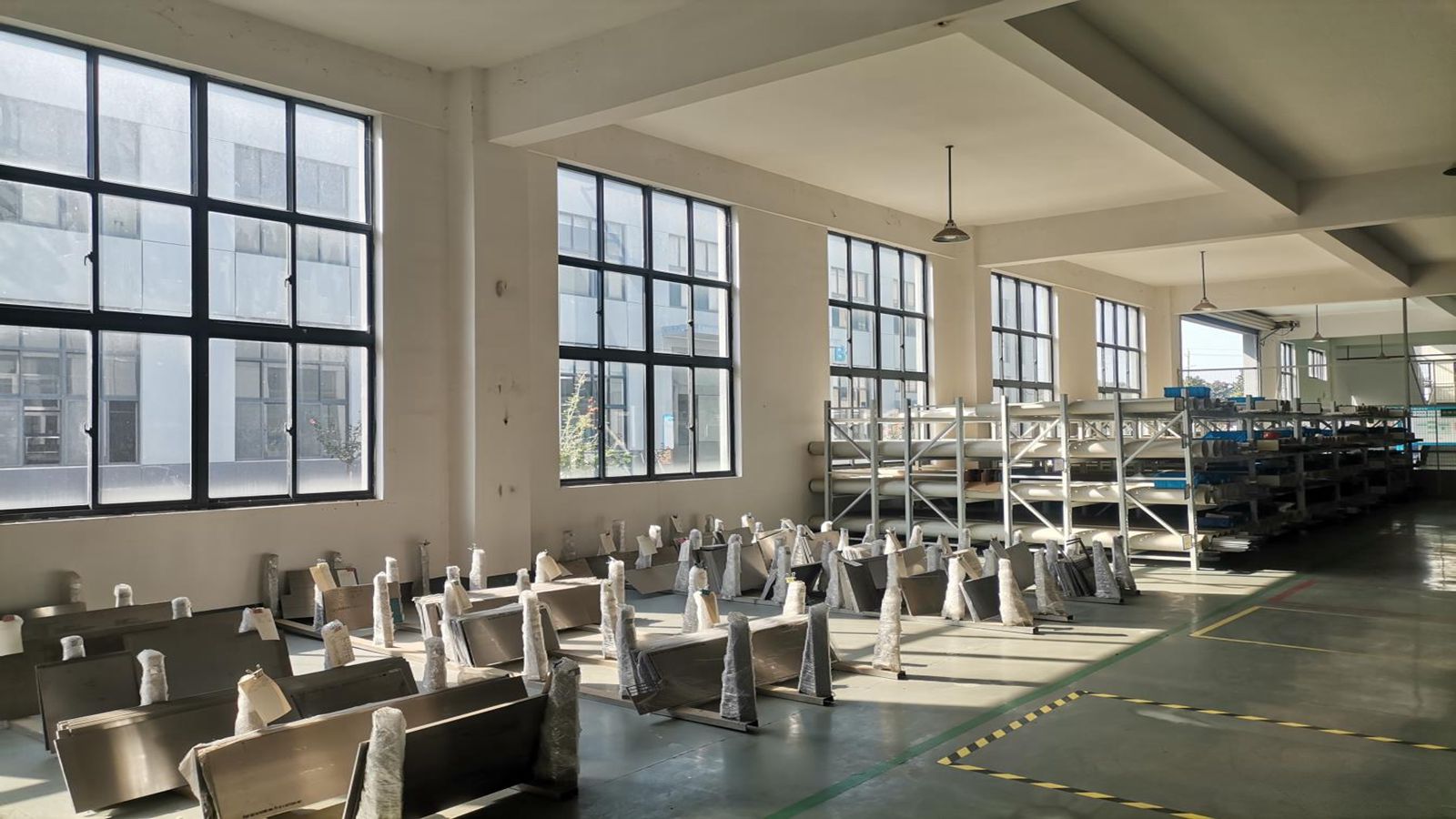
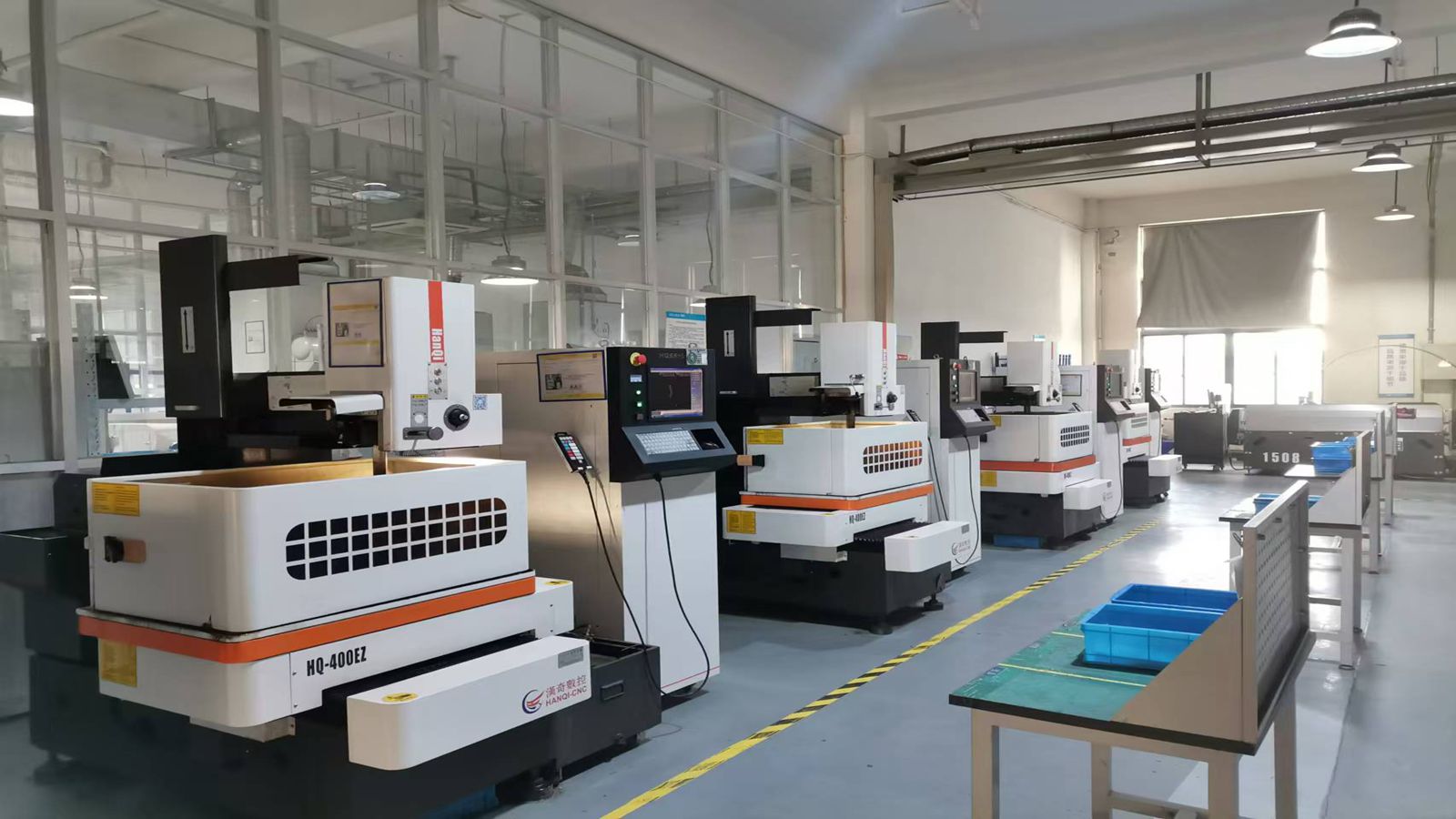
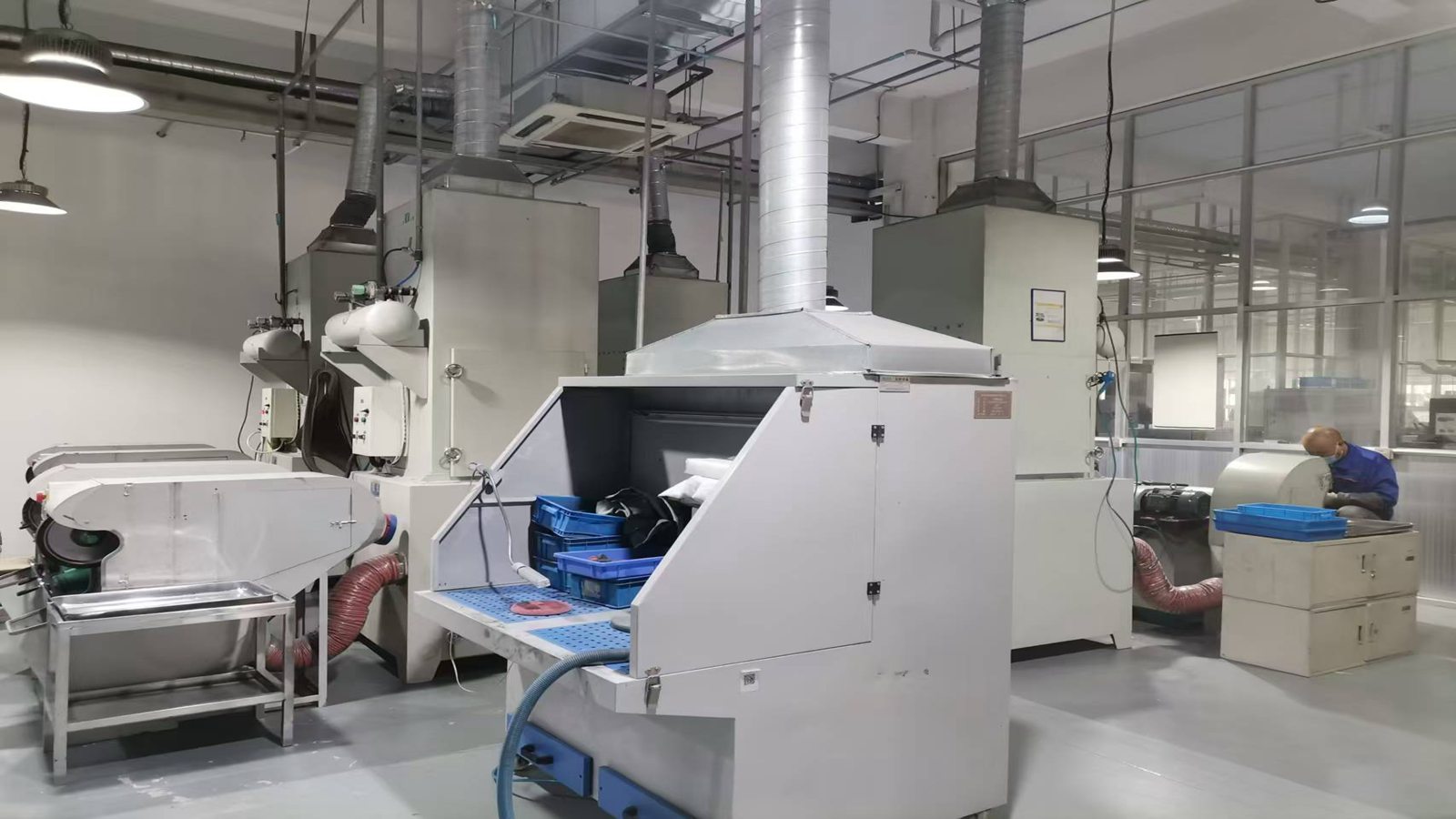
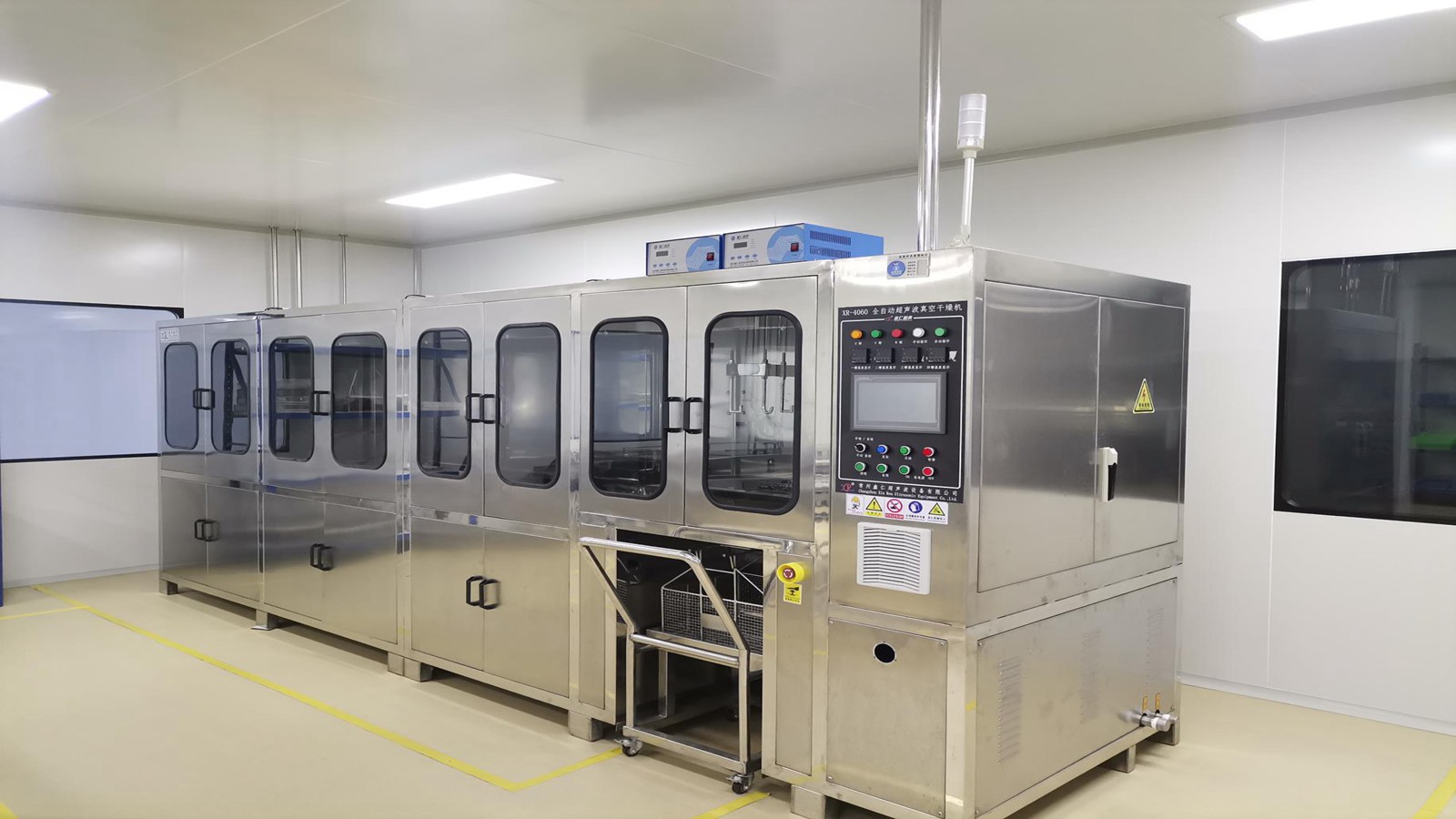
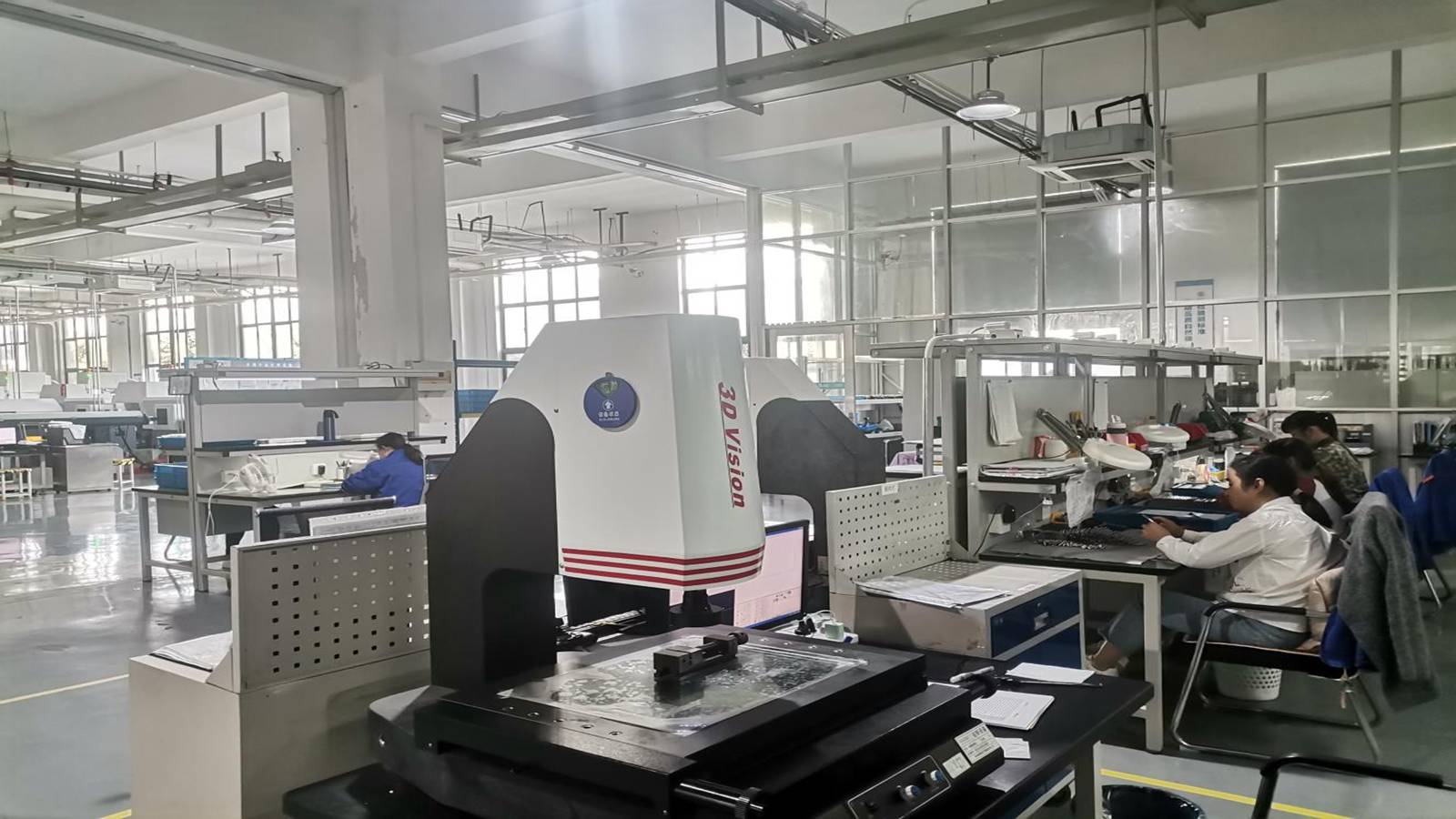
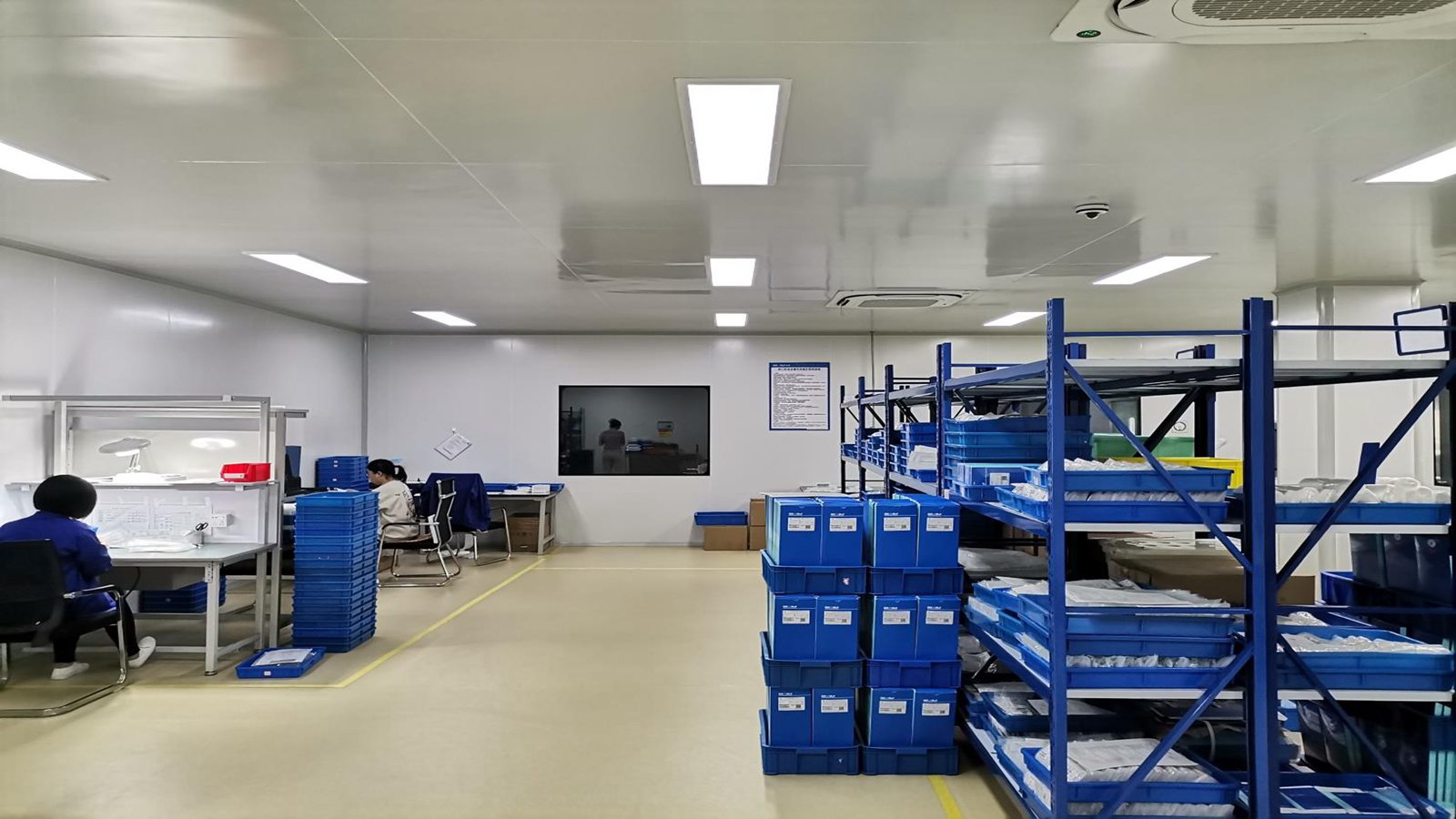
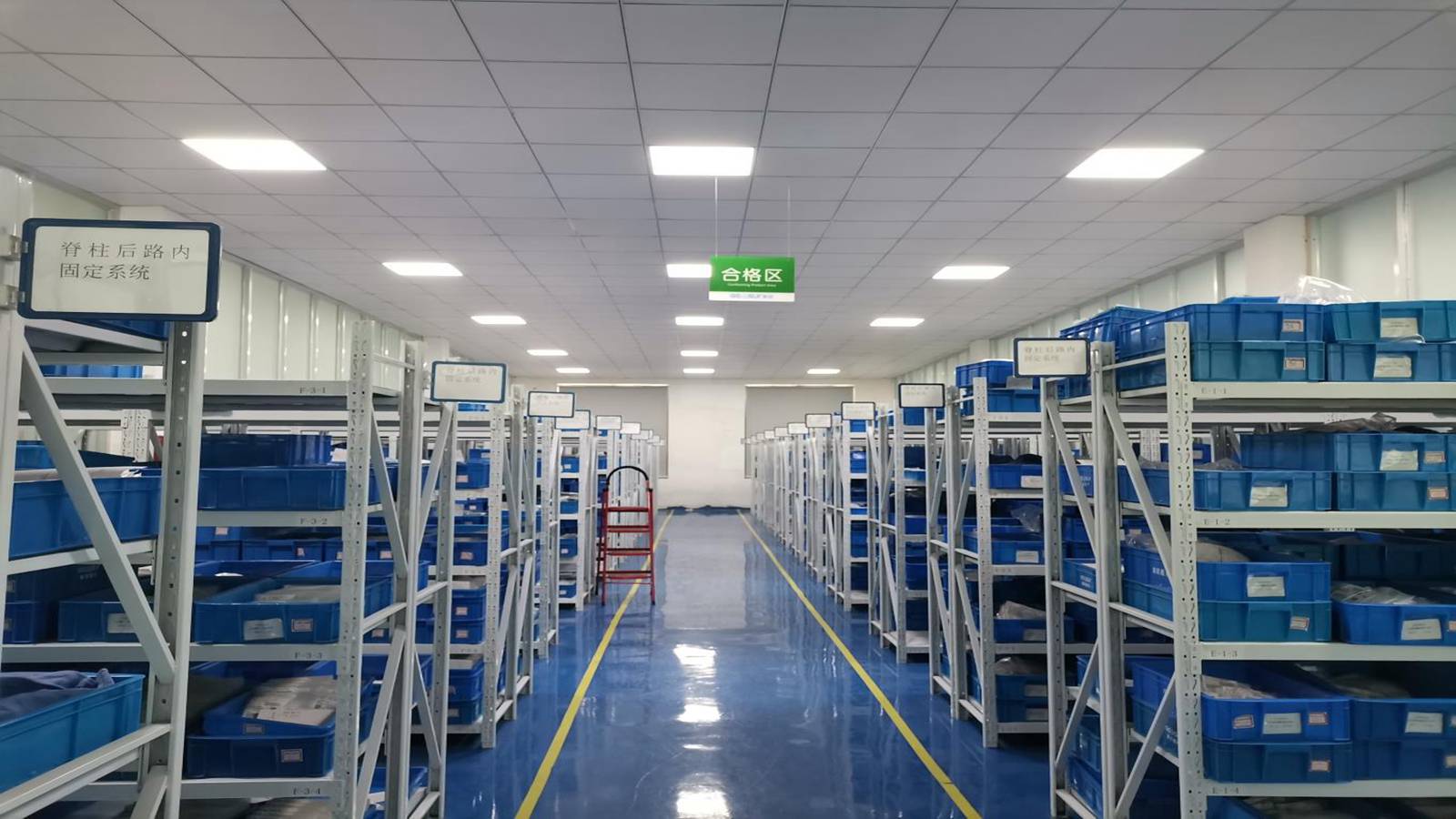
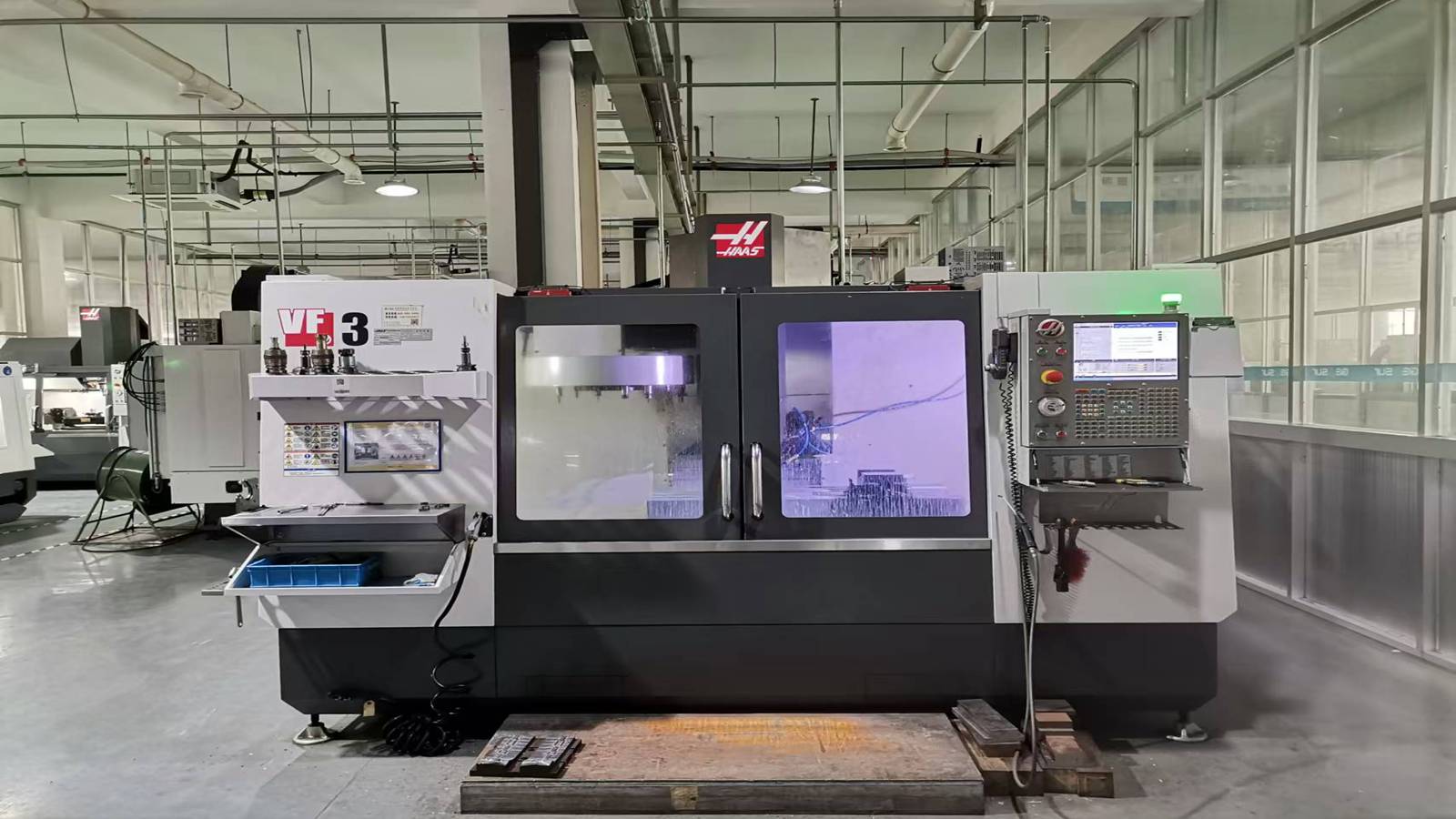
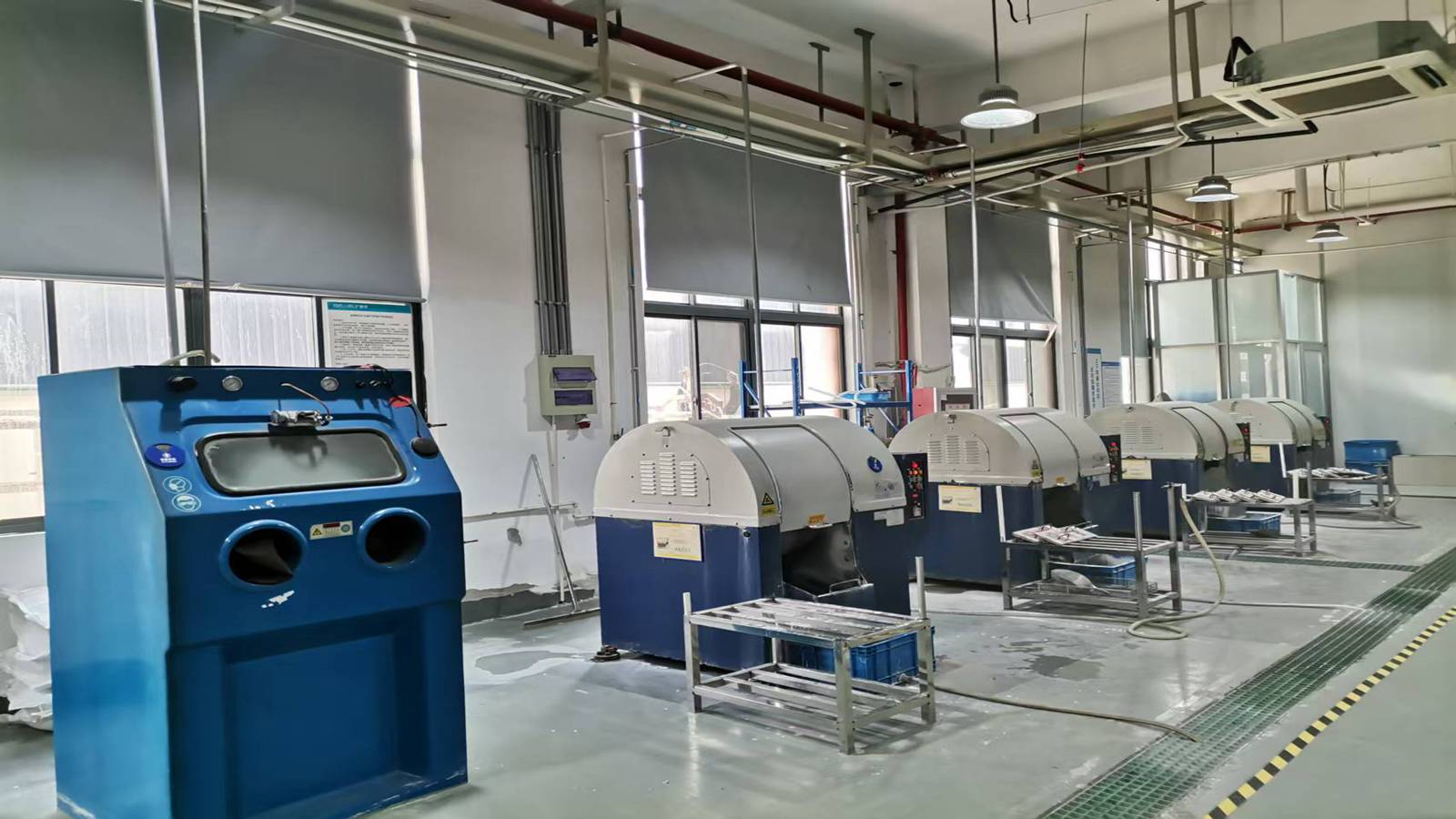
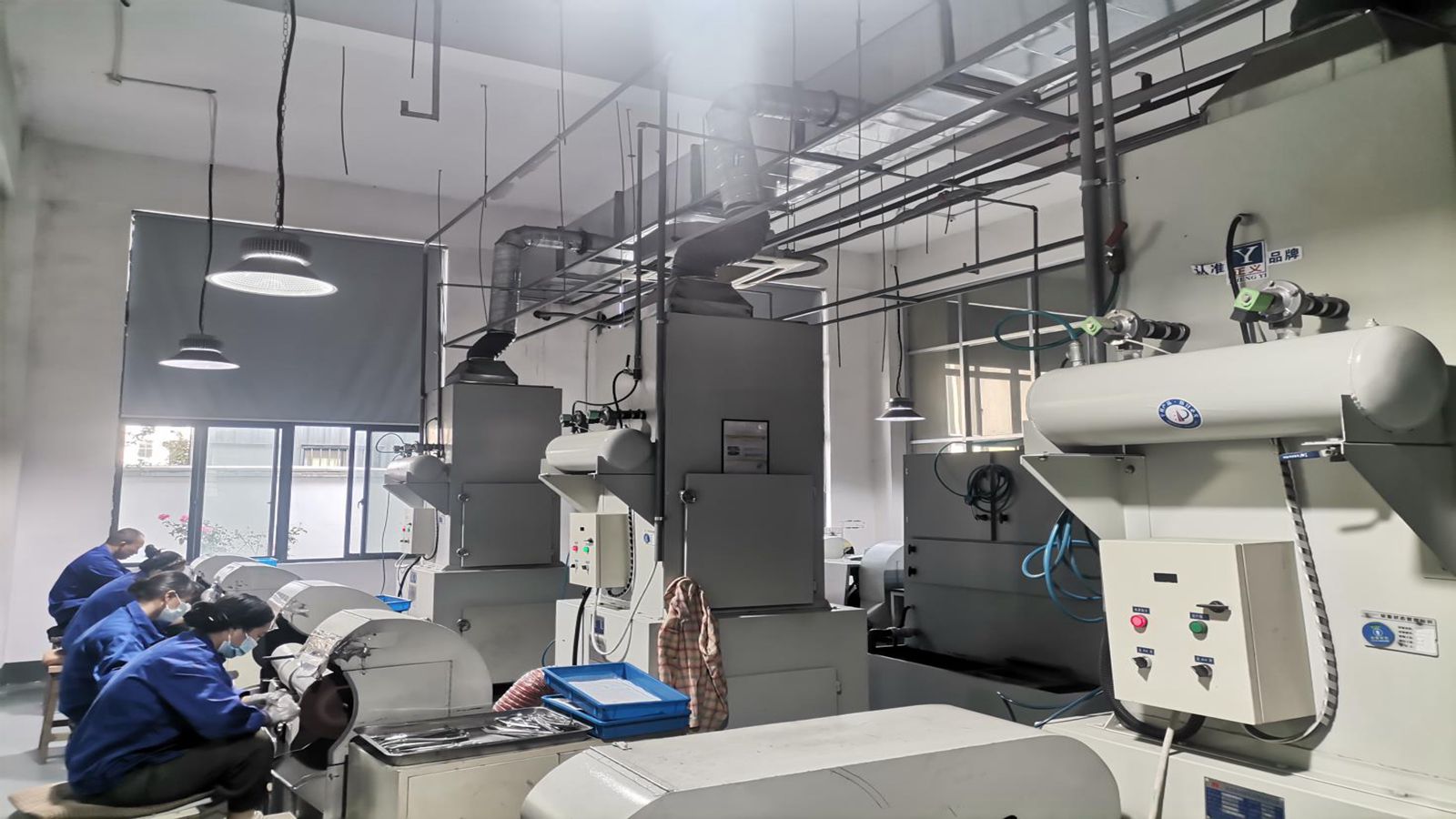
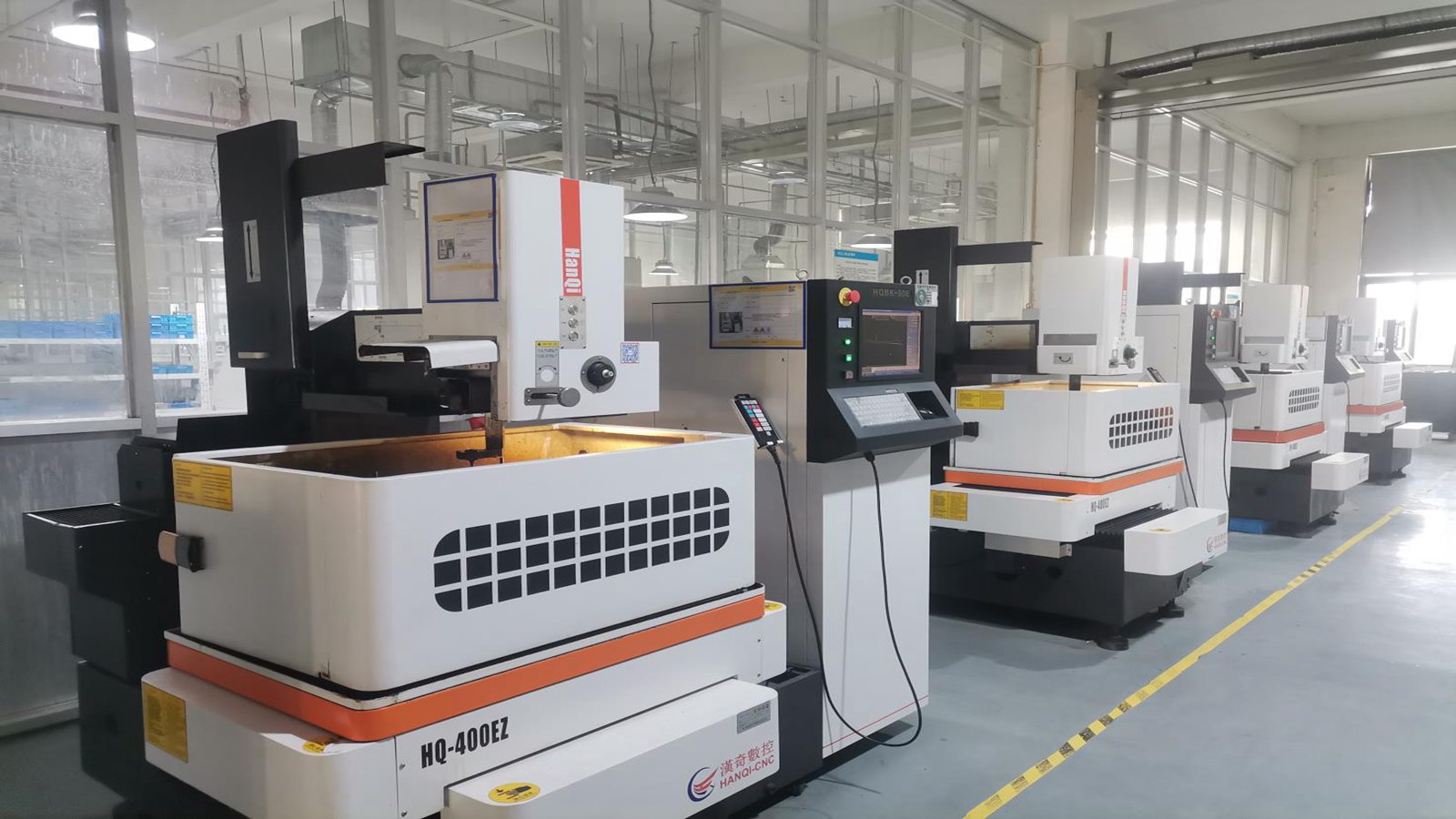
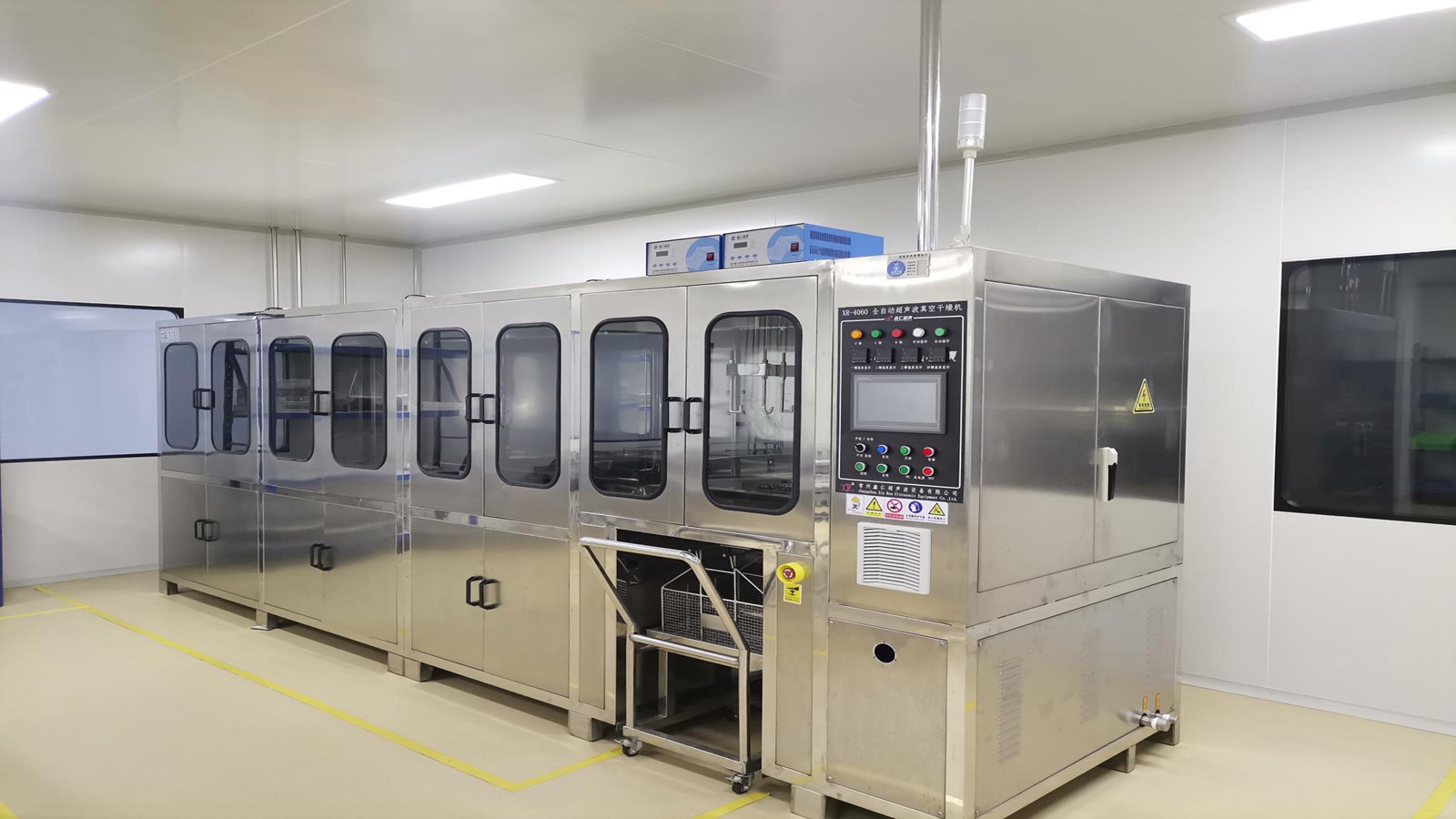
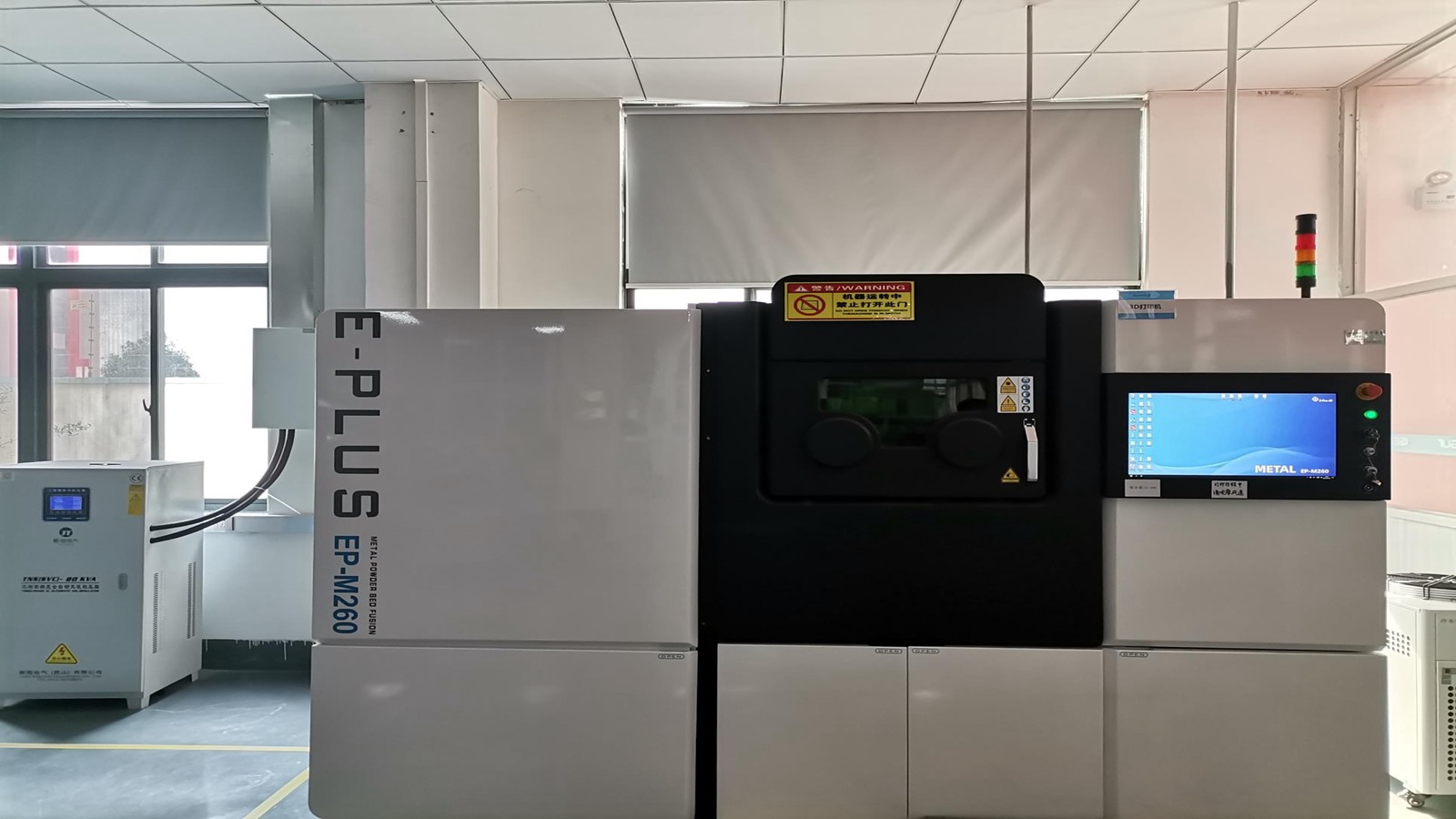
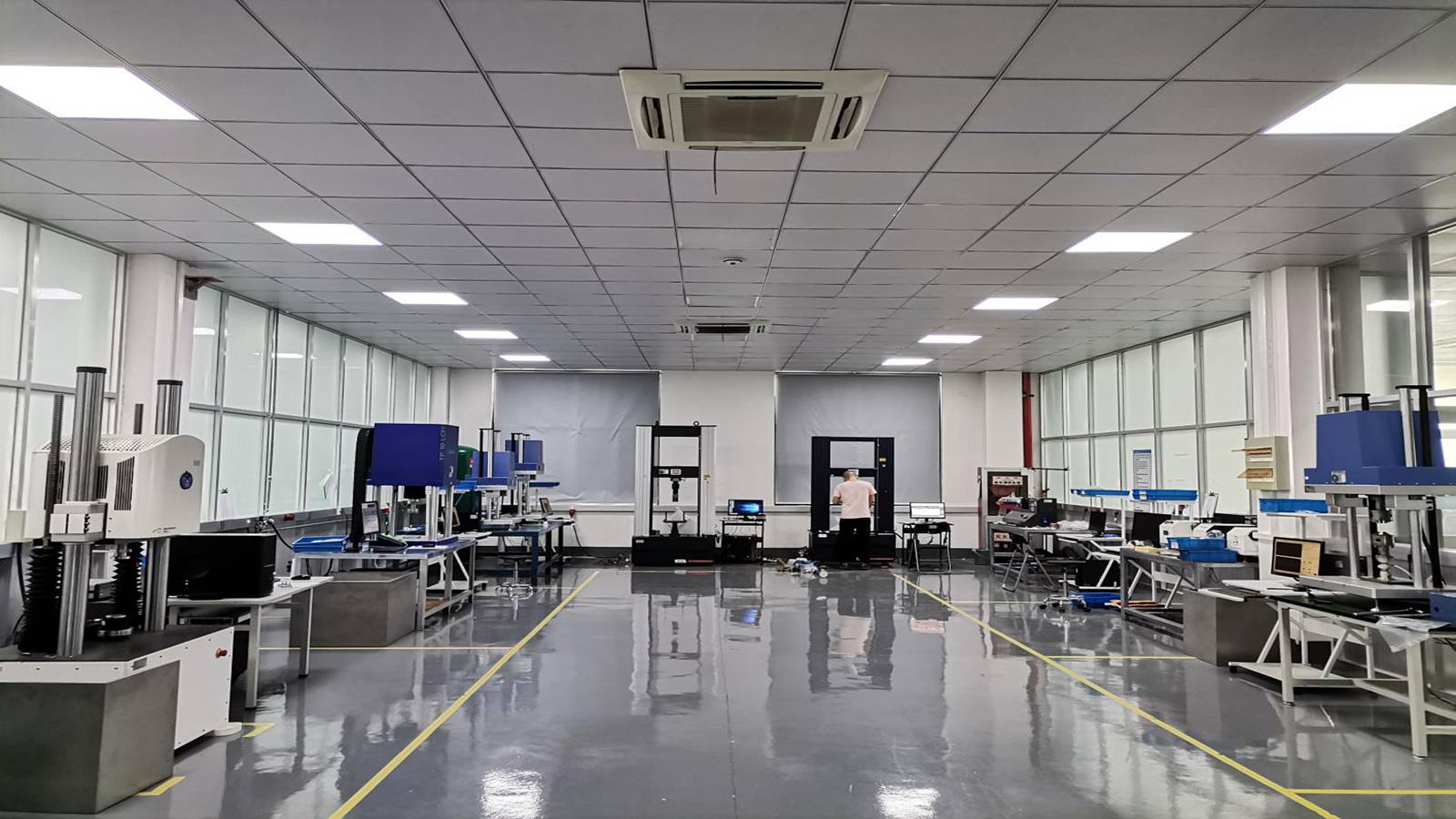
The company operates a state-of-the-art production site spanning over 30,000 square meters, equipped with more than 350 advanced processing and testing machines. This massive industrial footprint ensures an uninterrupted, highly scalable supply chain capable of meeting large-scale global demands. HBM's commitment to technological innovation, product excellence, and customer-centric service is encapsulated in their corporate philosophy: "Integrate the Master, Health being achieved."
HBM Medical's competitive advantage lies in its intellectual capital and rigorous quality assurance protocols. The company's R&D division is staffed by 31 elite engineers, boasting advanced academic backgrounds: 1 Doctorate, 11 Postgraduates, 17 Graduates, and 2 Junior College specialists. This team successfully launched 25 new products in the last year alone, driving the technological frontier of orthopedic implants.
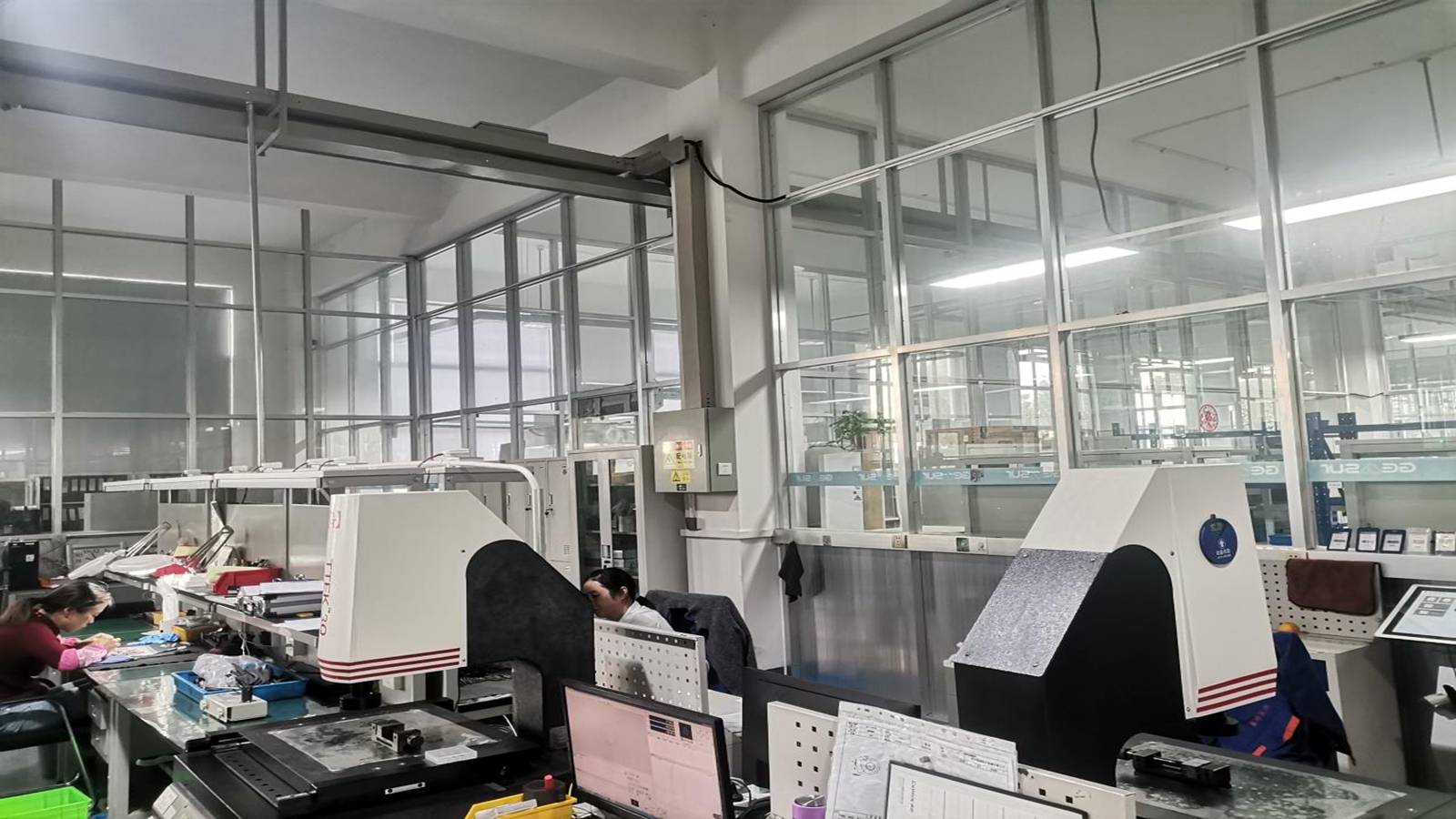
Quality control is executed with absolute precision across all 12 production lines. Supported by 36 dedicated QA/QC inspectors, HBM enforces 100% raw material traceability and offers flexible, highly rigorous product inspection methods (including 100% full product inspection, random sampling, and customized client-specific testing protocols). This uncompromising approach ensures that every implant leaving the facility meets the highest standards of safety and efficacy.
Operating in the global B2B orthopedic space requires deep expertise in localized regulatory frameworks and international logistics. HBM Medical has spent a decade perfecting its export infrastructure, ensuring seamless delivery and compliance in diverse global markets.
HBM's comprehensive localization and compliance framework includes:
 HBM Medical