Explore our leading range of precision-engineered orthopedic implants and surgical instruments designed for global clinical success.
Understanding the clinical shifts, biomechanical innovations, and market demands driving shoulder reconstruction today.
Modern RSA designs focus on medializing the center of rotation and lateralizing the humeral component to optimize deltoid tension, reducing the risk of scapular notching and improving rotational range of motion.
Transitioning from traditional materials to highly cross-linked polyethylene (HXLPE) and porous titanium coatings. These materials enhance osseointegration and drastically reduce wear rates in younger, more active patients.
The integration of Patient-Specific Instrumentation (PSI) and preoperative 3D planning software allows surgeons to execute precise implant placement, addressing complex glenoid bone loss with high predictability.
Over the past decade, Reverse Shoulder Arthroplasty (RSA) has evolved from a niche salvage procedure for rotator cuff tear arthropathy into one of the most frequently performed shoulder reconstruction surgeries globally. The biomechanical principle of reversing the normal ball-and-socket anatomy—placing the glenosphere on the scapula and the socket on the humerus—allows the deltoid muscle to compensate for a deficient rotator cuff. This clinical breakthrough has expanded the indications for RSA to include acute proximal humeral fractures, severe glenohumeral arthritis with bone loss, and failed primary shoulder arthroplasties.
As global life expectancy increases and patients demand a higher quality of life in their senior years, the demand for reliable, high-performing RSA implants has surged. For medical distributors, hospital procurement networks, and orthopedic brands, partner selection is no longer just about price. It is about clinical efficacy, regulatory compliance, and supply chain security. This is where top-tier exporters with robust manufacturing capabilities and strict quality control systems become invaluable strategic partners.
Addressing the critical pain points of international medical device sourcing and regulatory compliance.
Procuring orthopedic implants on an international scale involves navigating a dense web of regulatory, technical, and logistical challenges. Hospital groups and distributors require partners who can guarantee absolute compliance with local health authorities while maintaining a steady, uninterrupted supply of implants and surgical instruments. Key procurement challenges include:
Leveraging advanced automation, rigorous quality control, and world-class R&D to deliver premium orthopedic solutions.
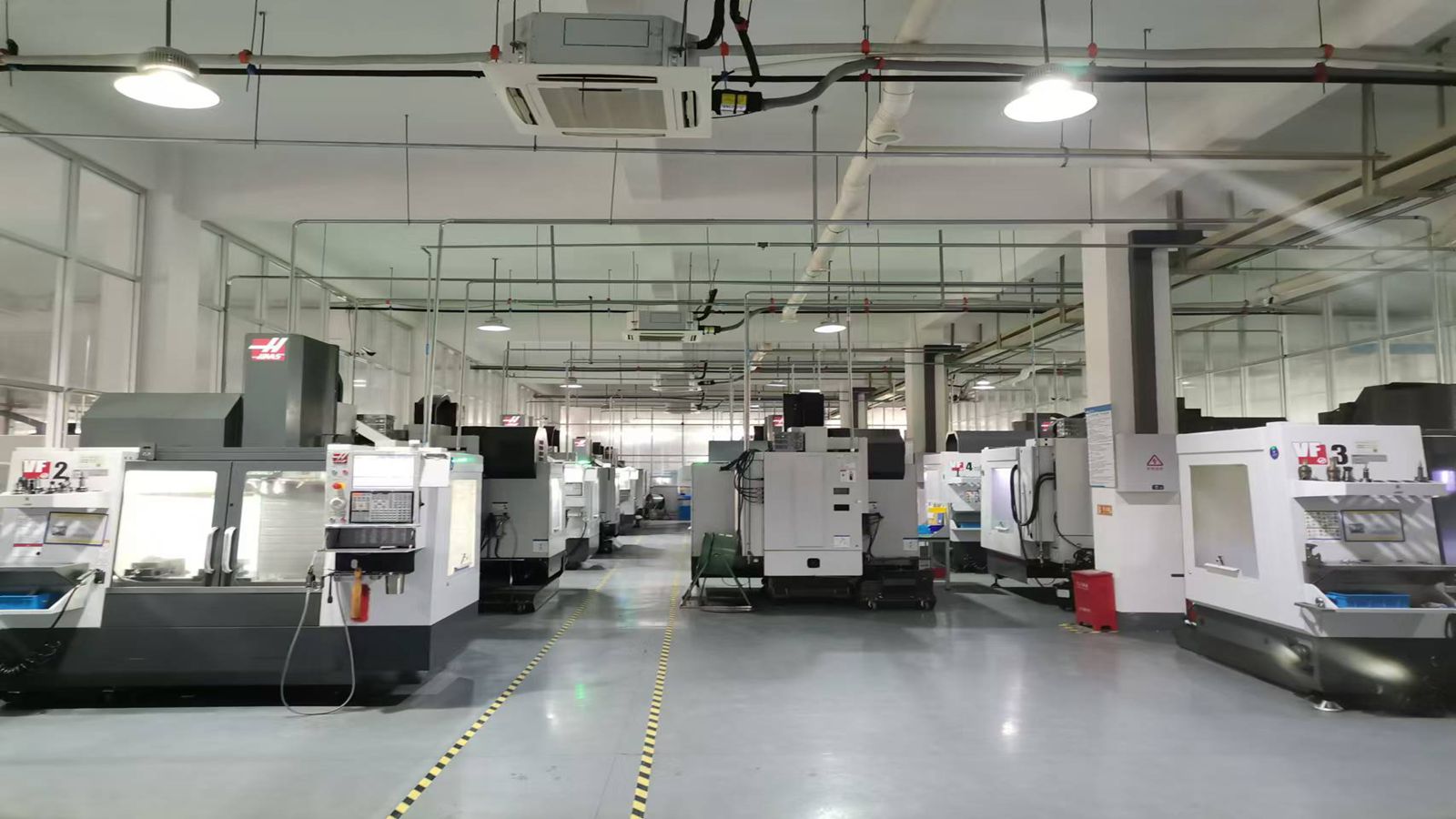
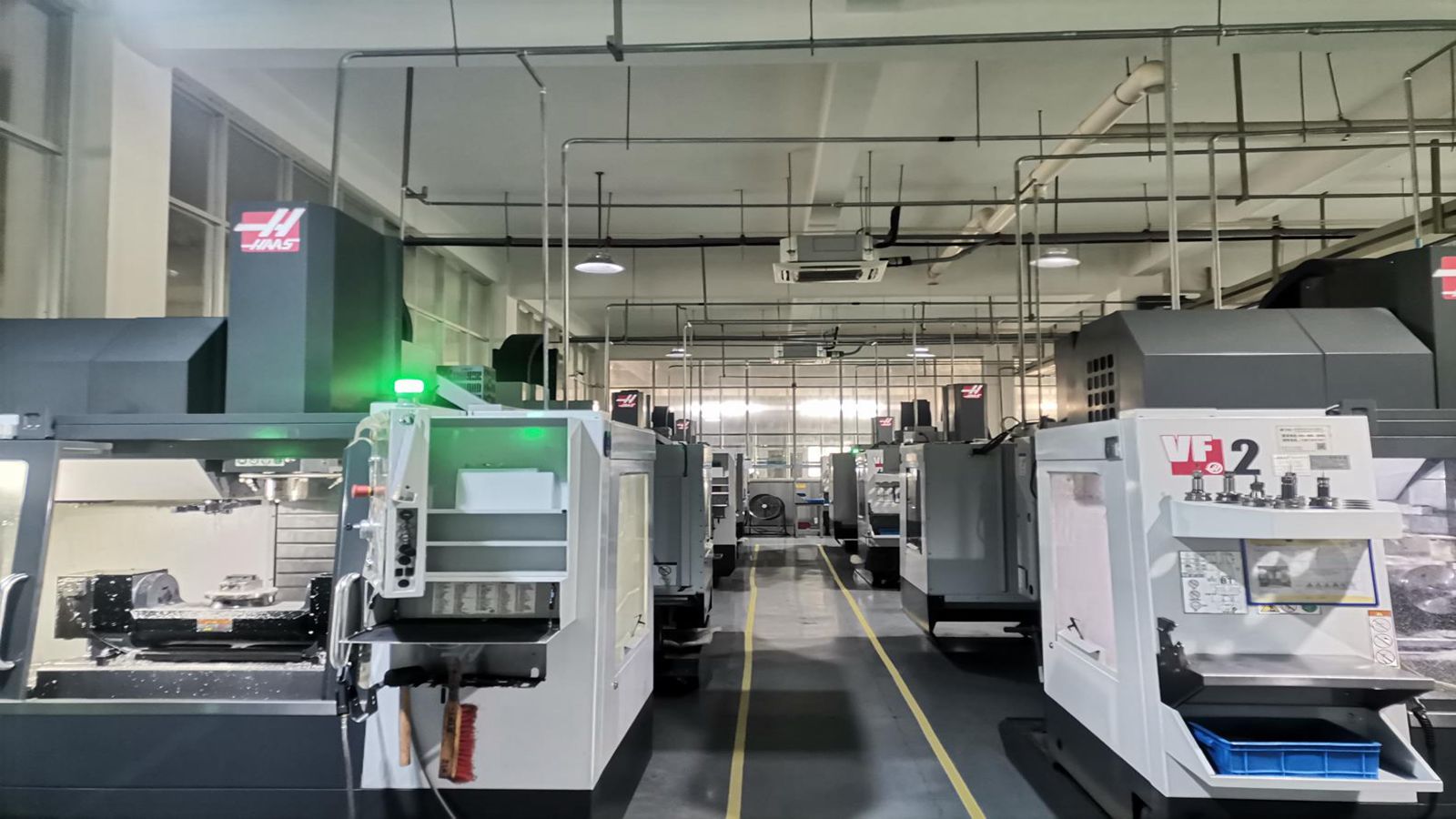
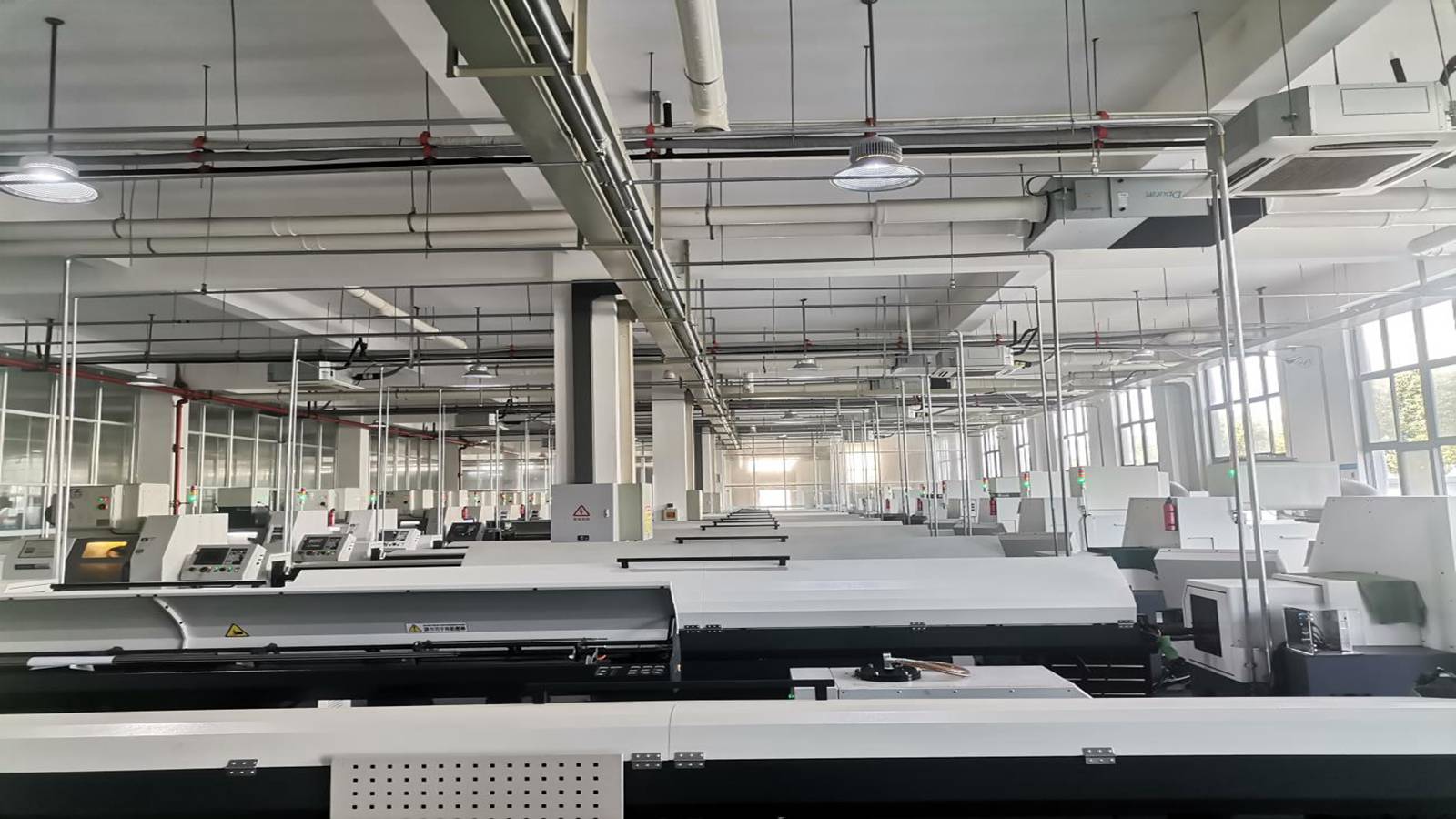
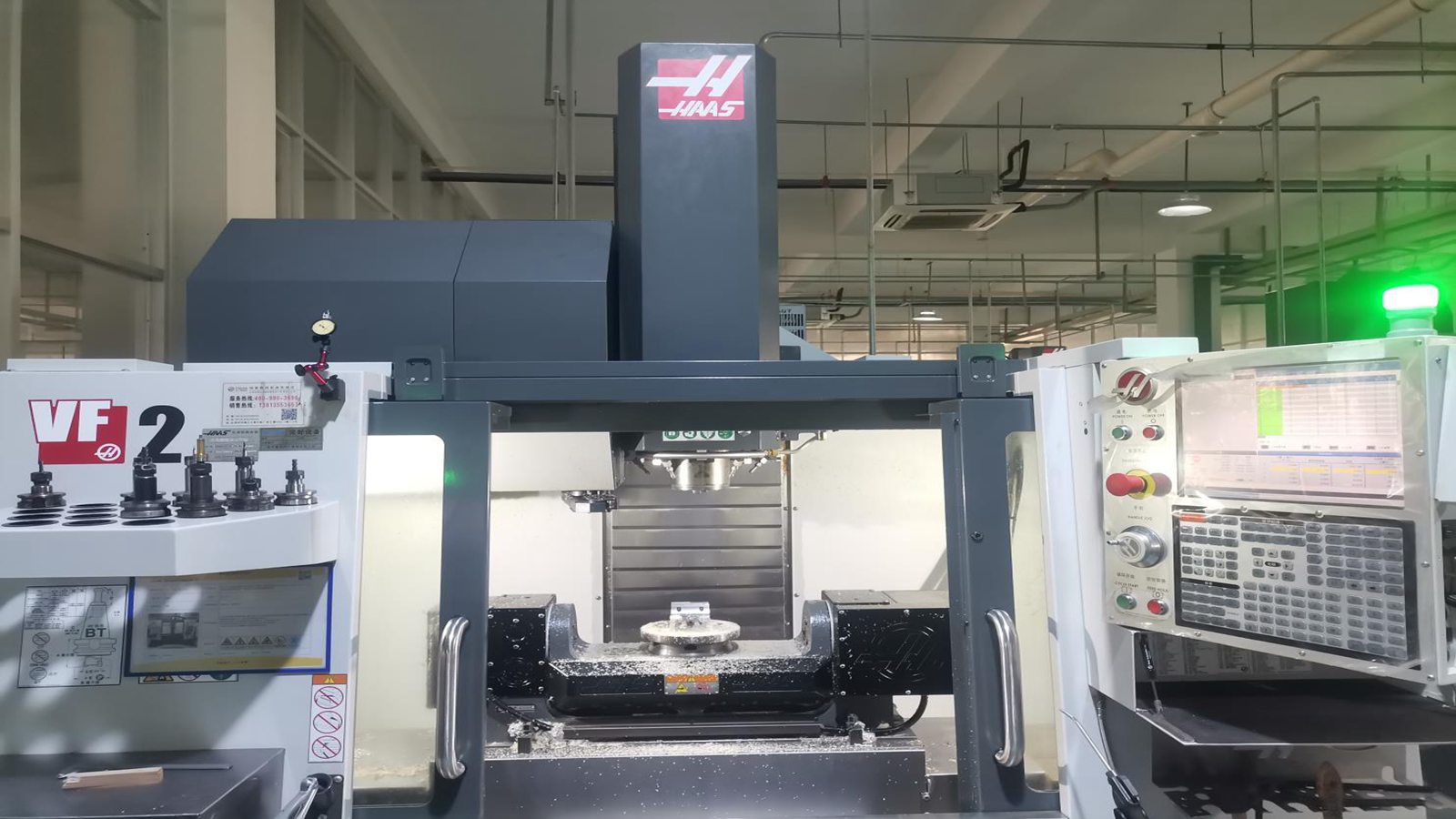
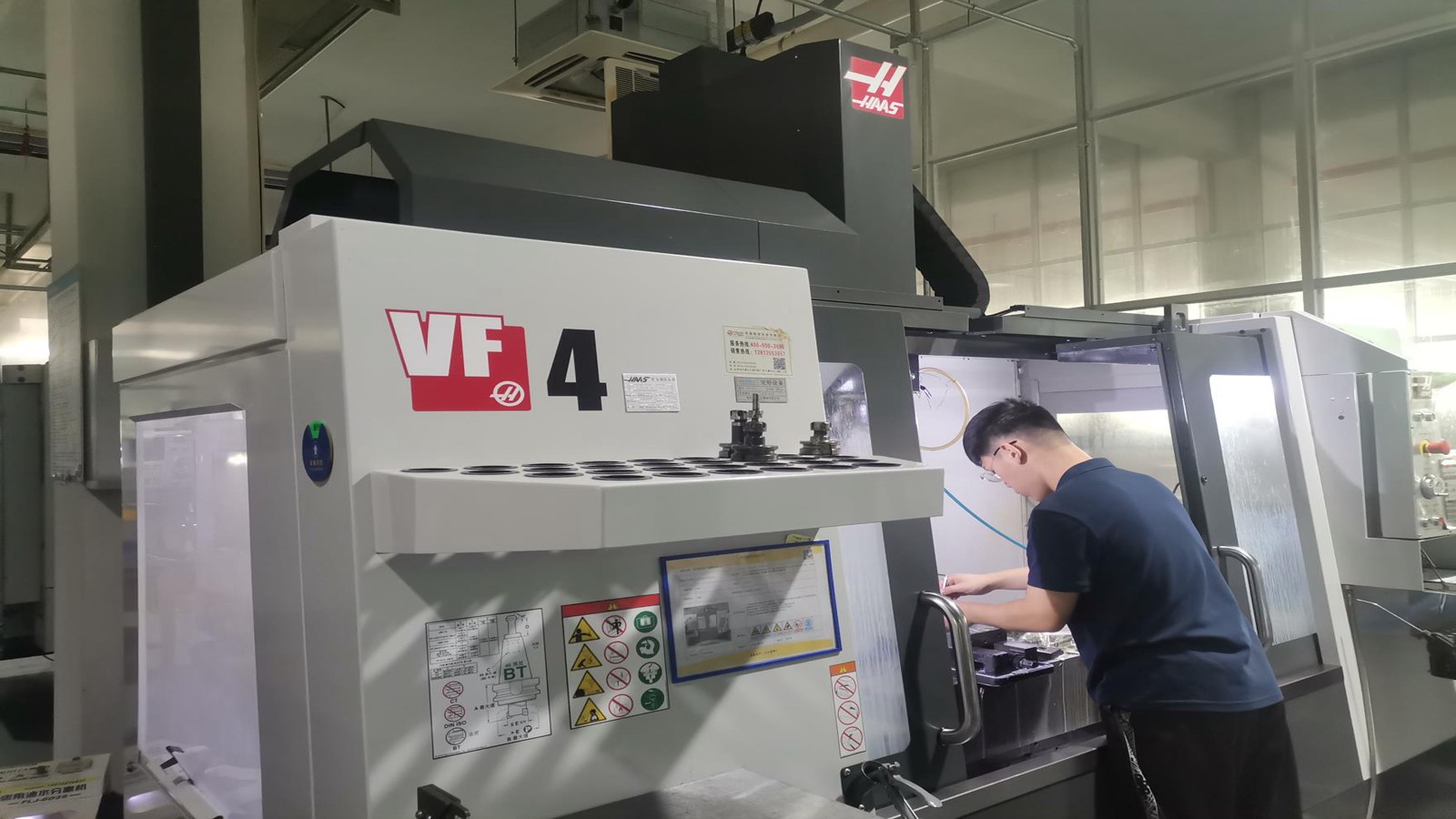
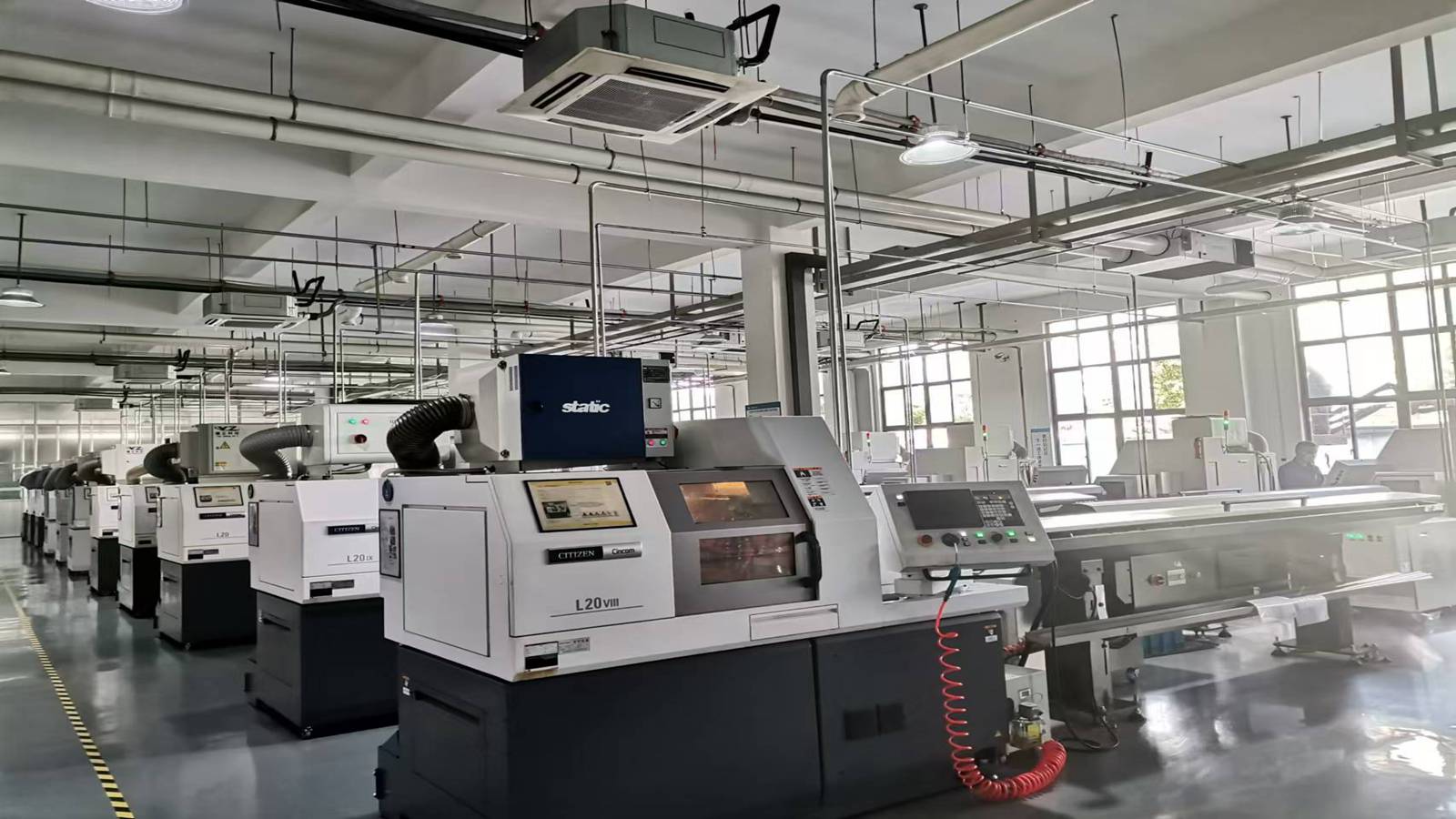
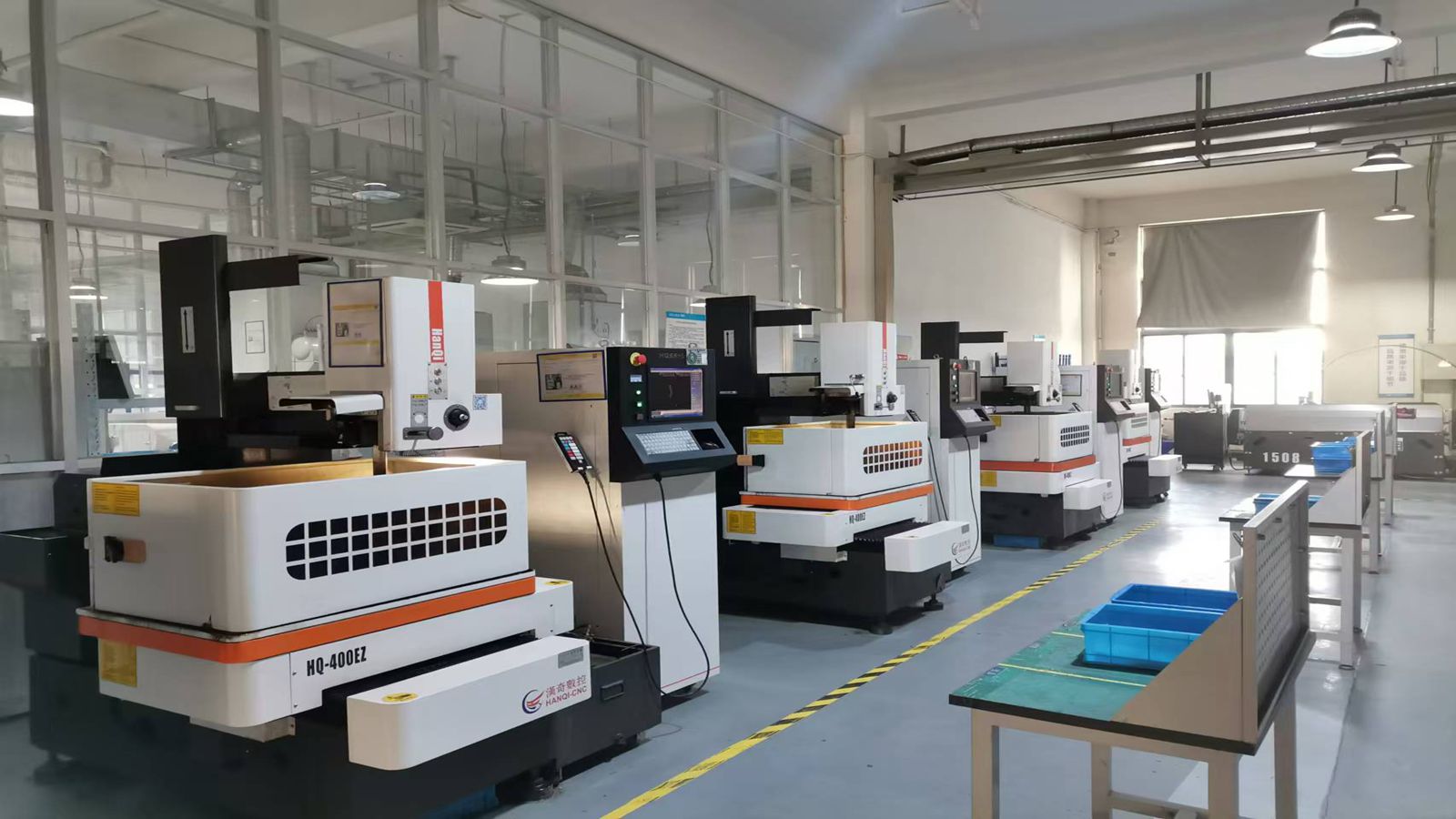
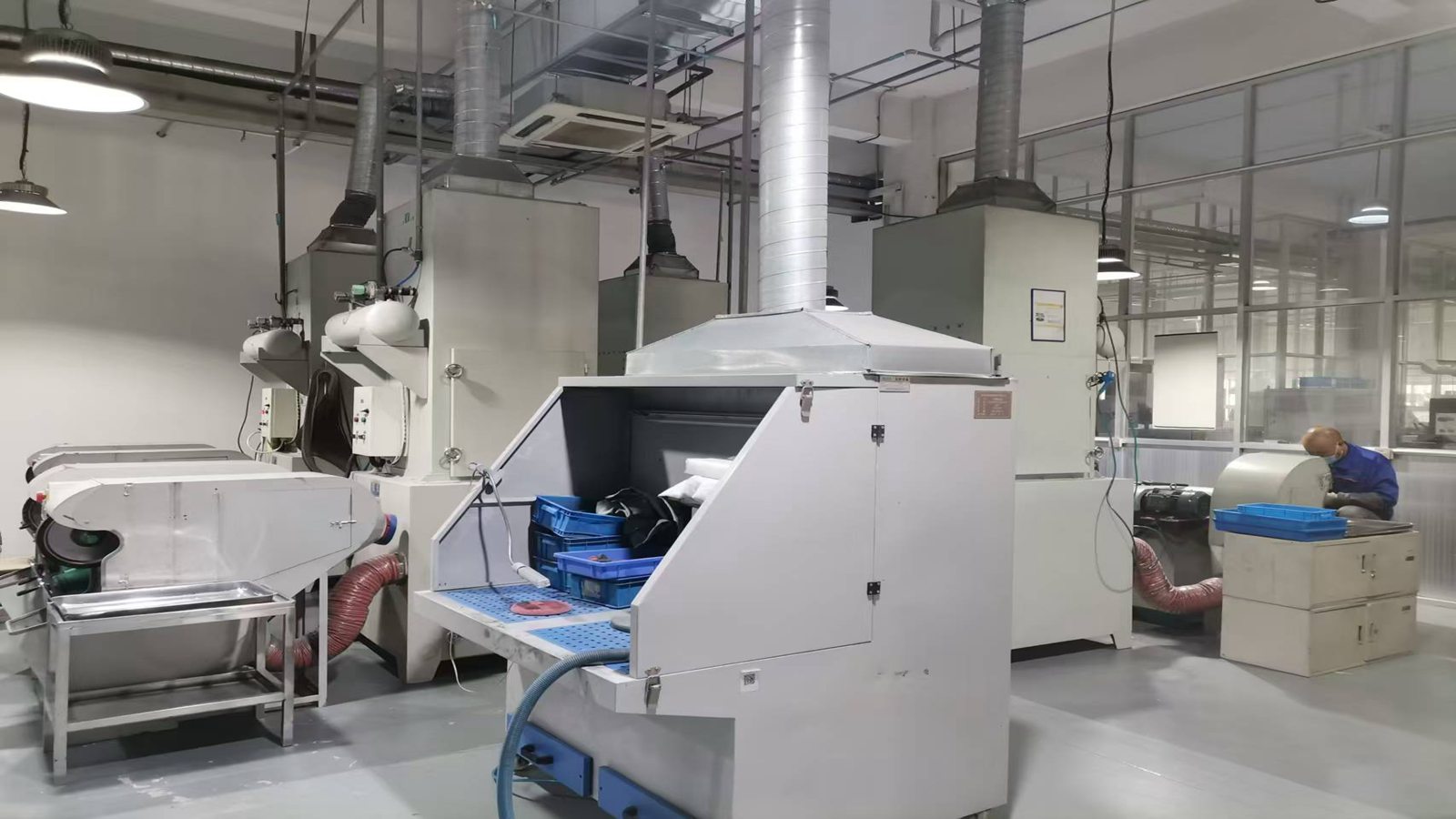
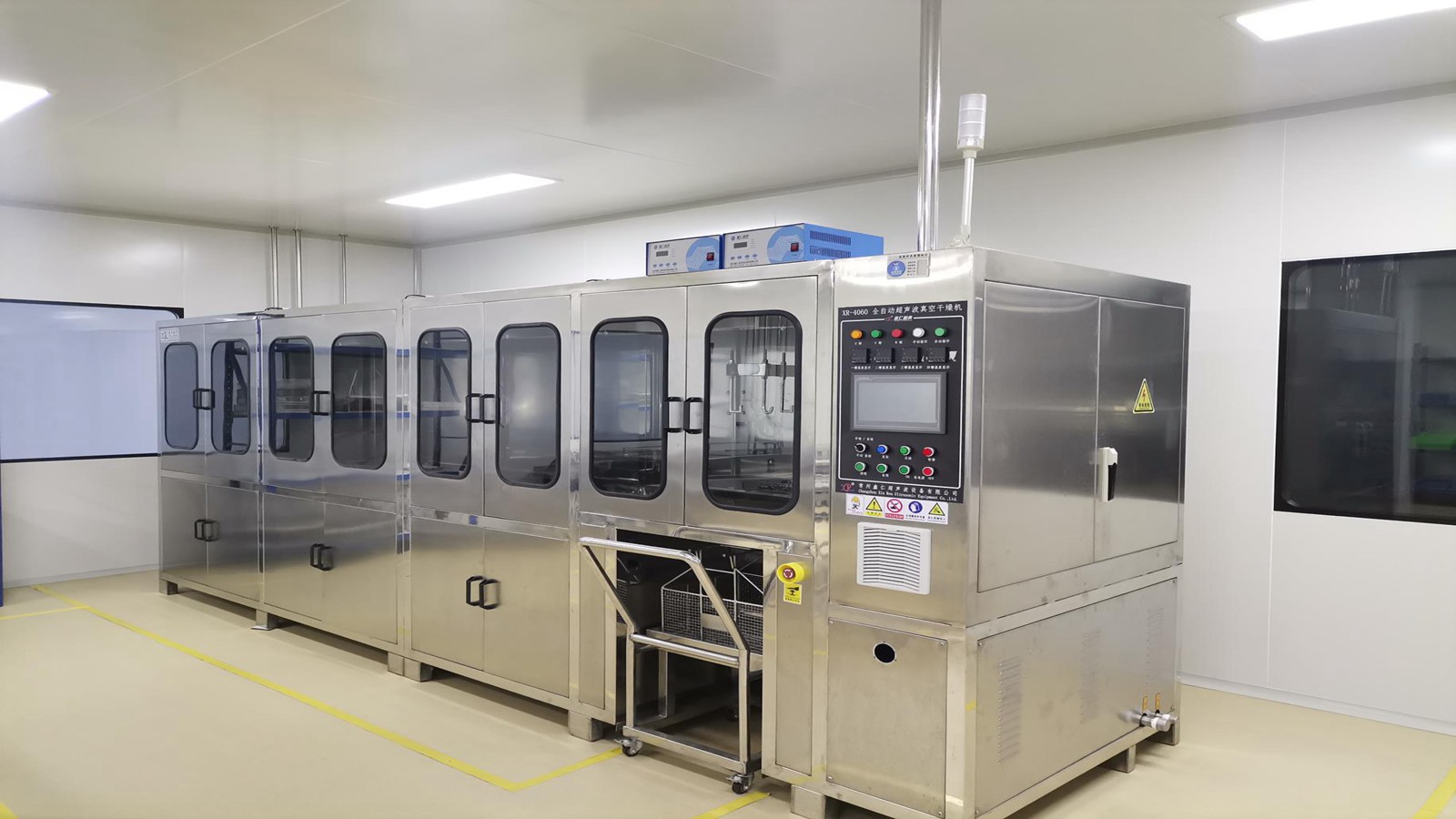
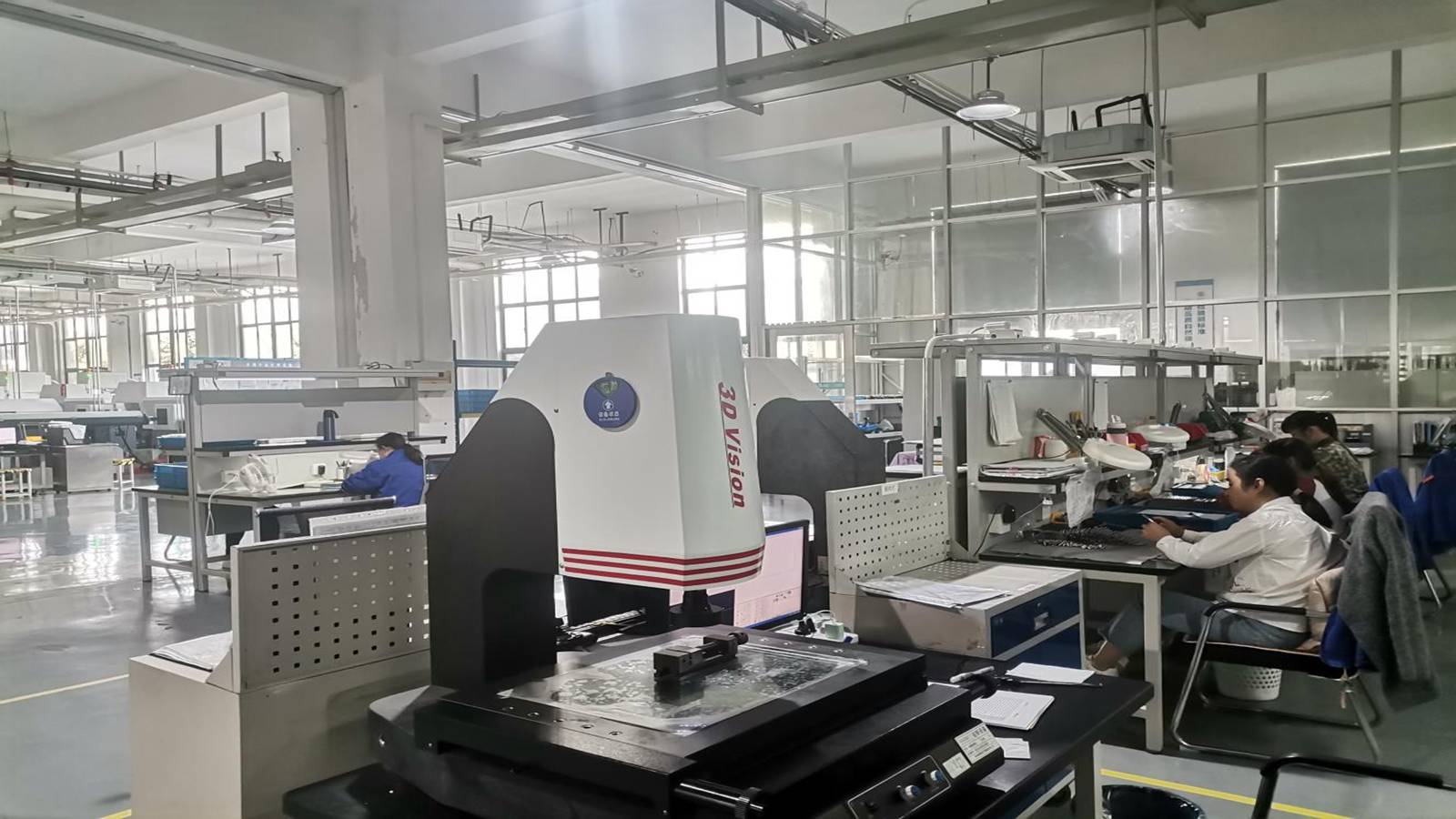
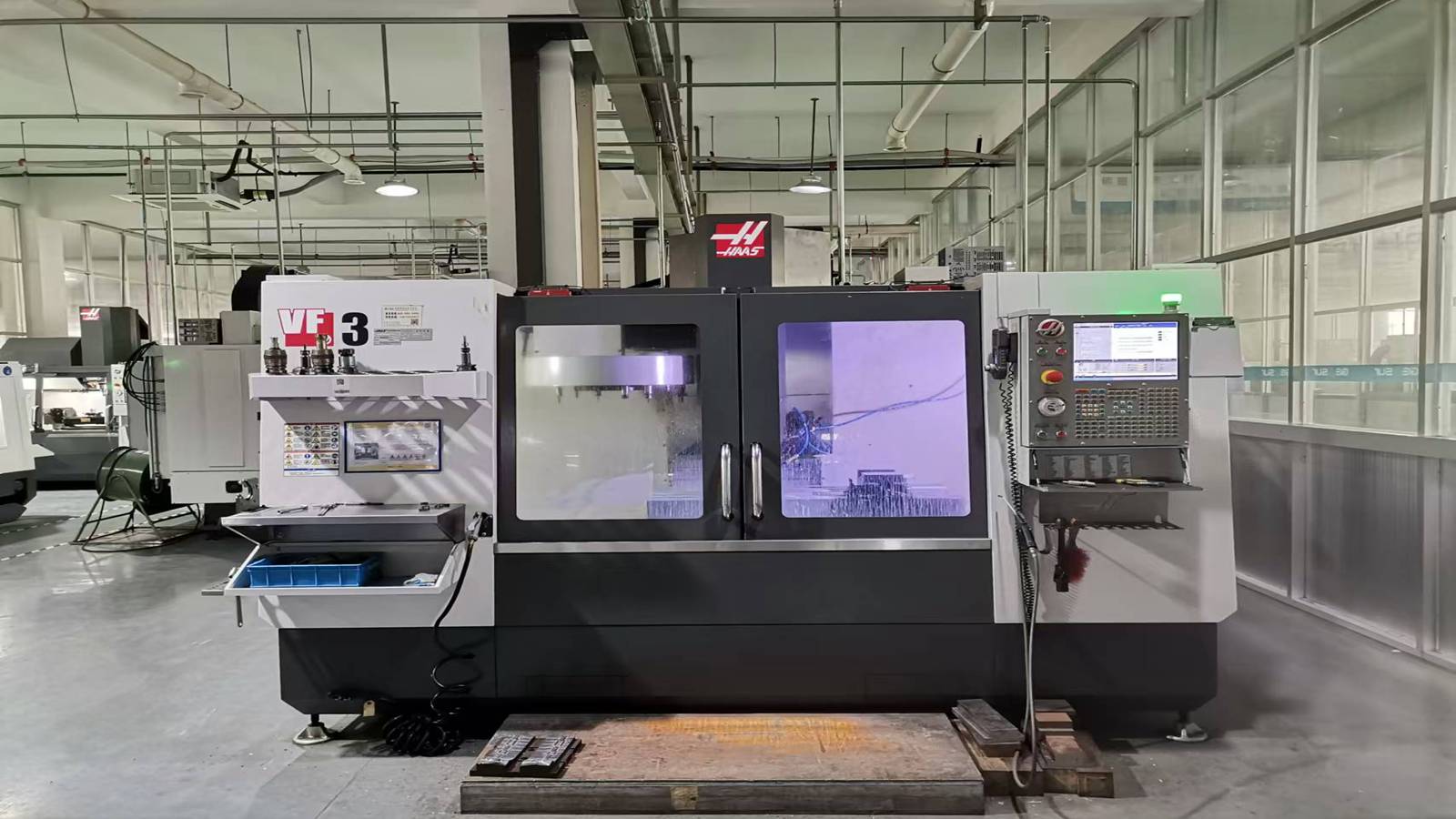
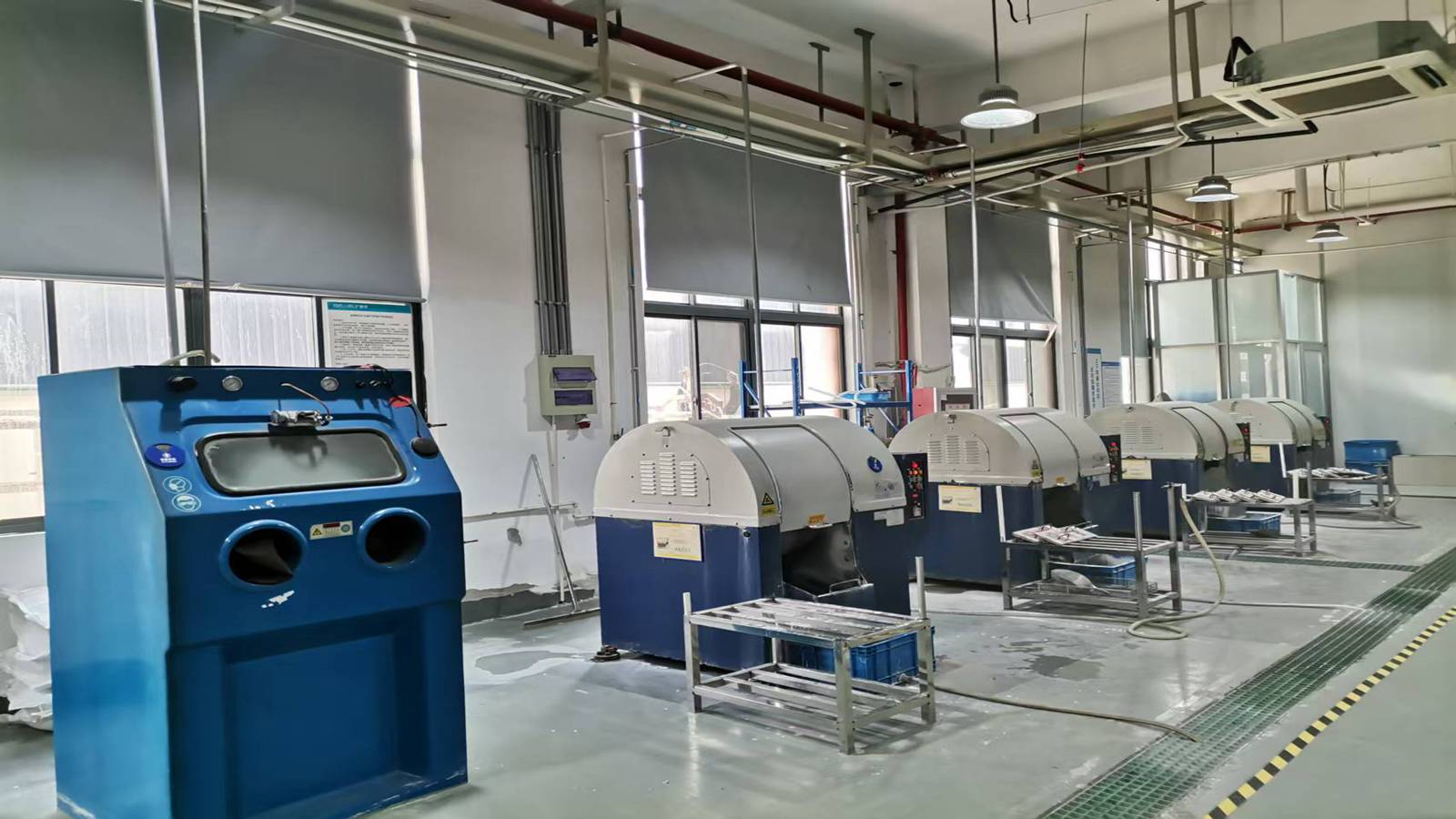
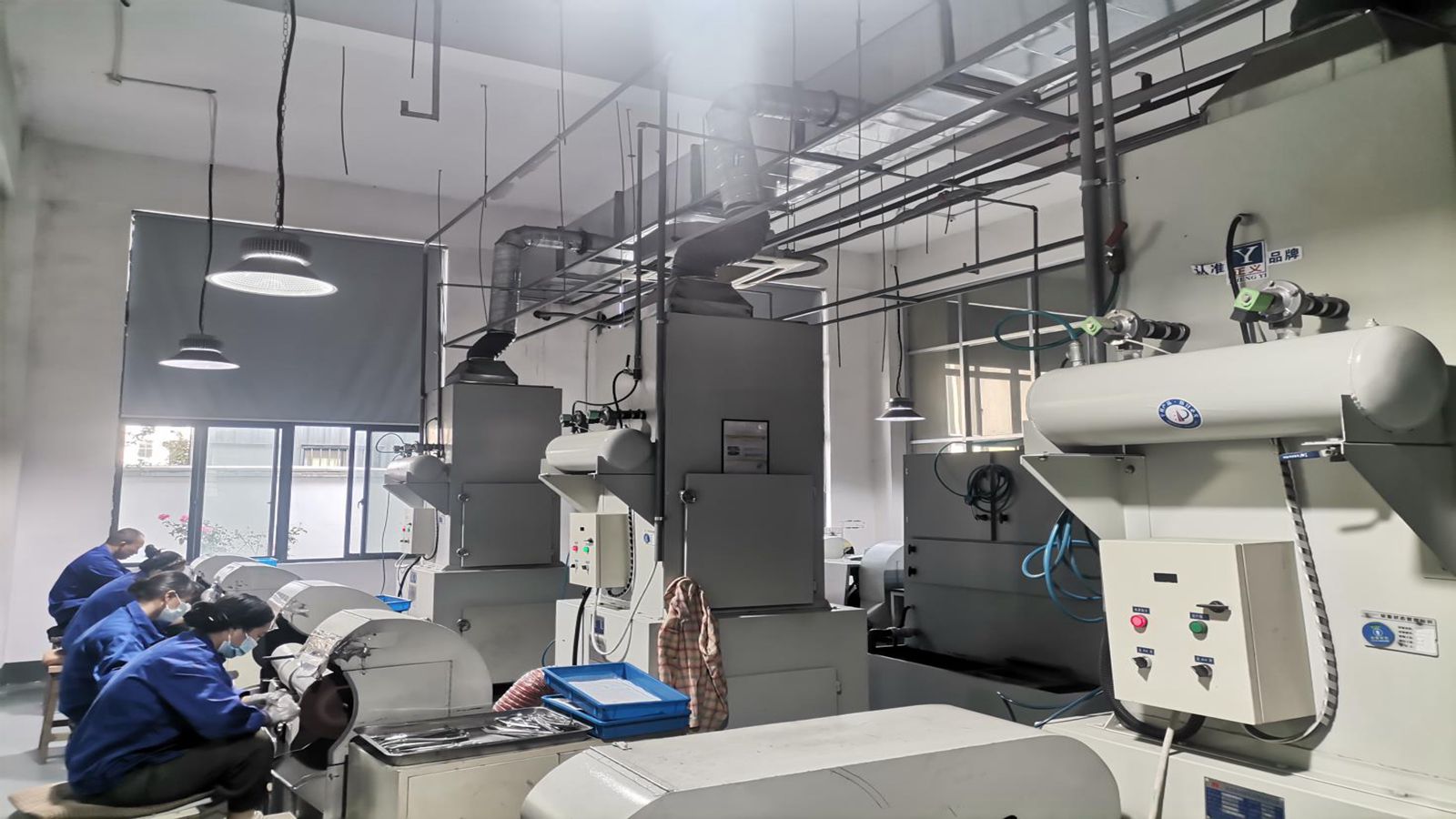
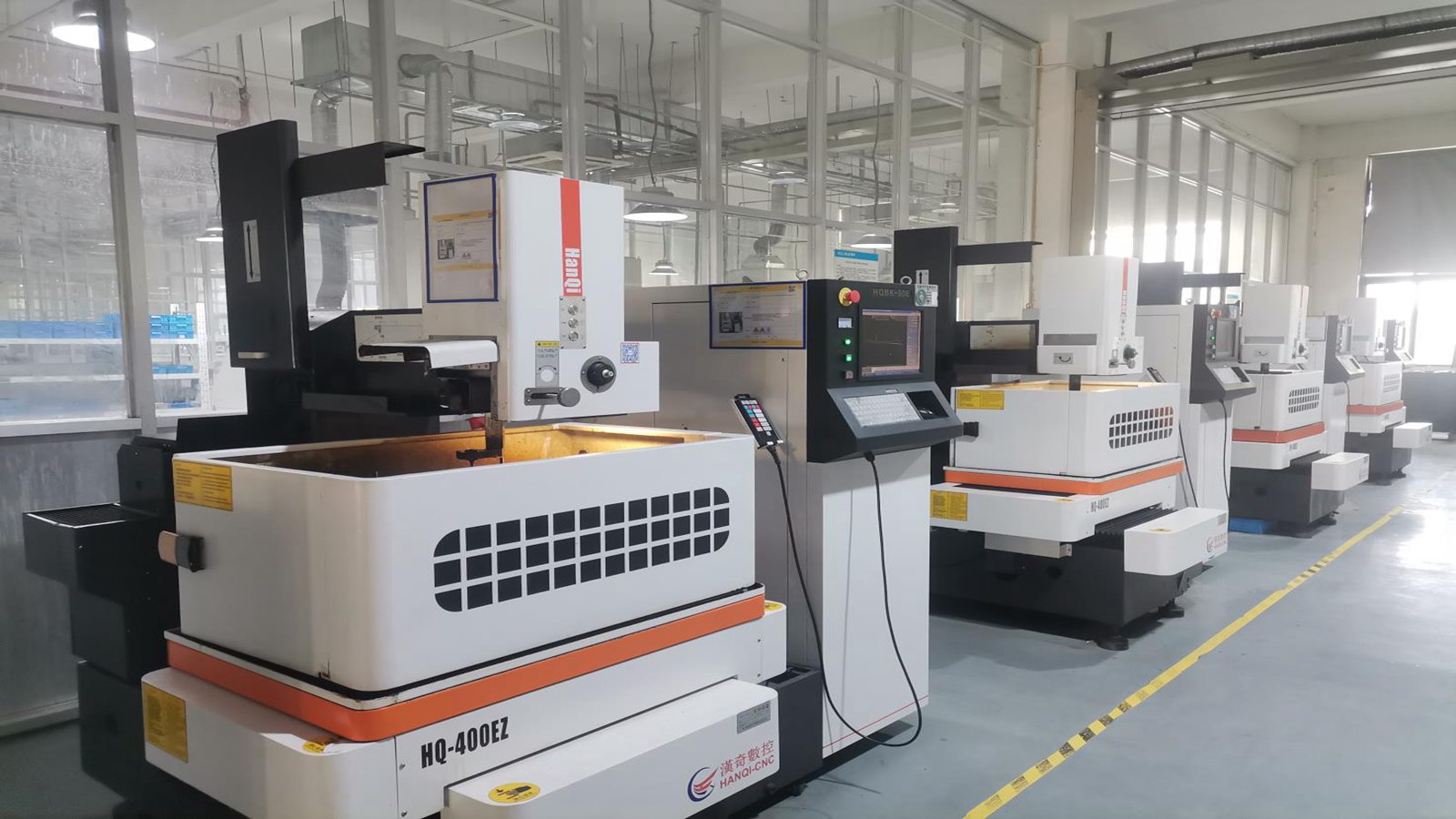
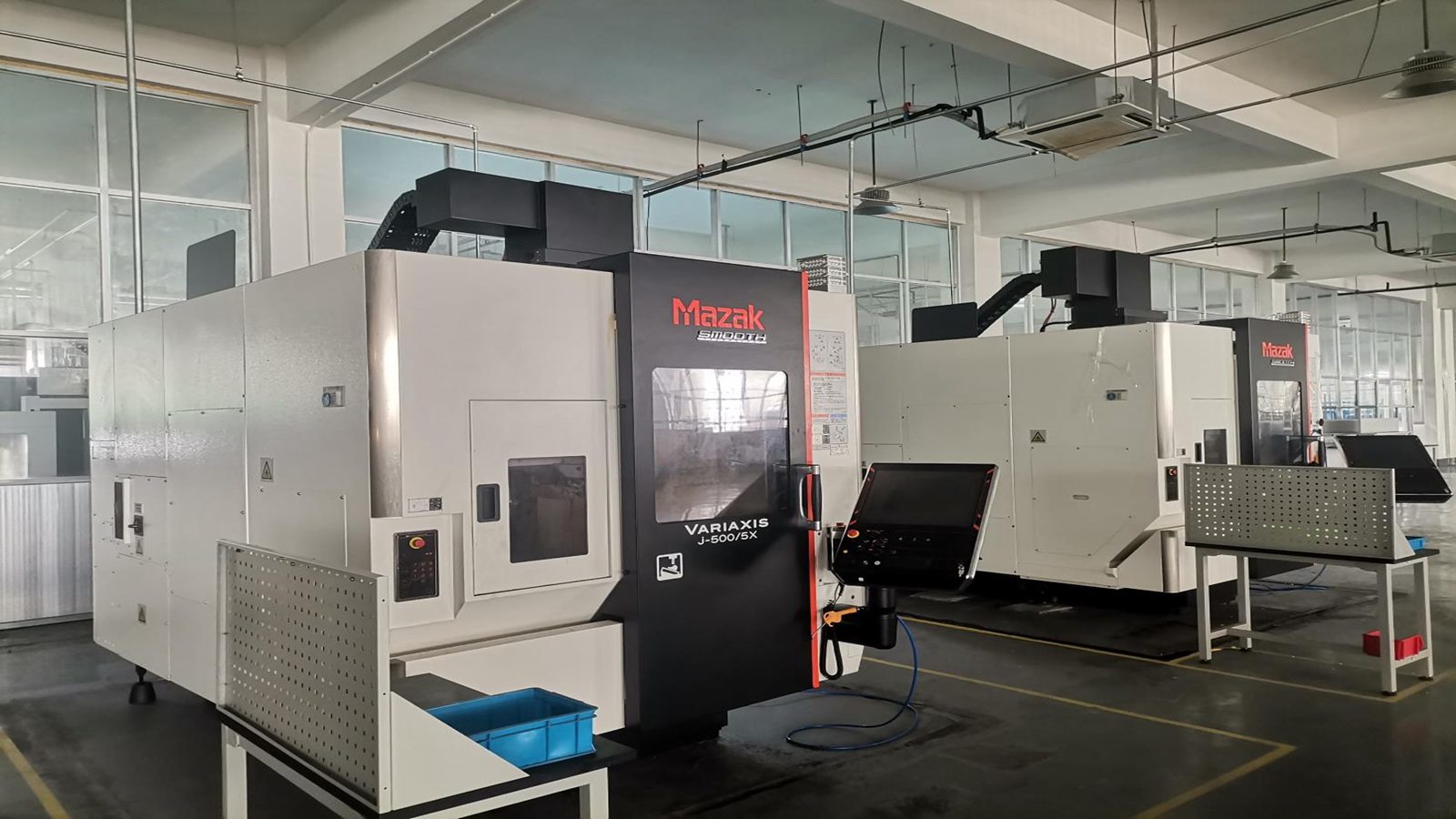
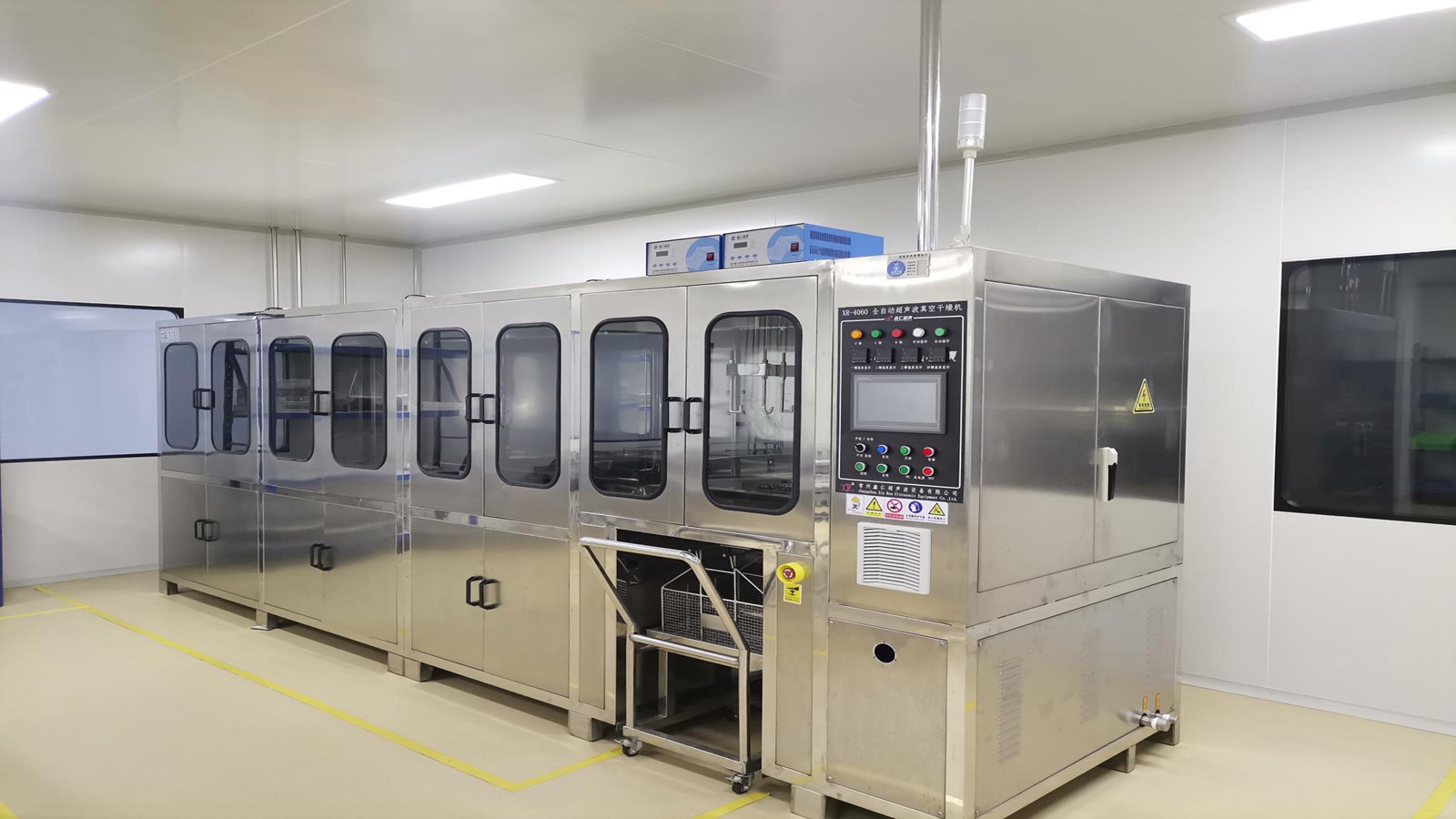
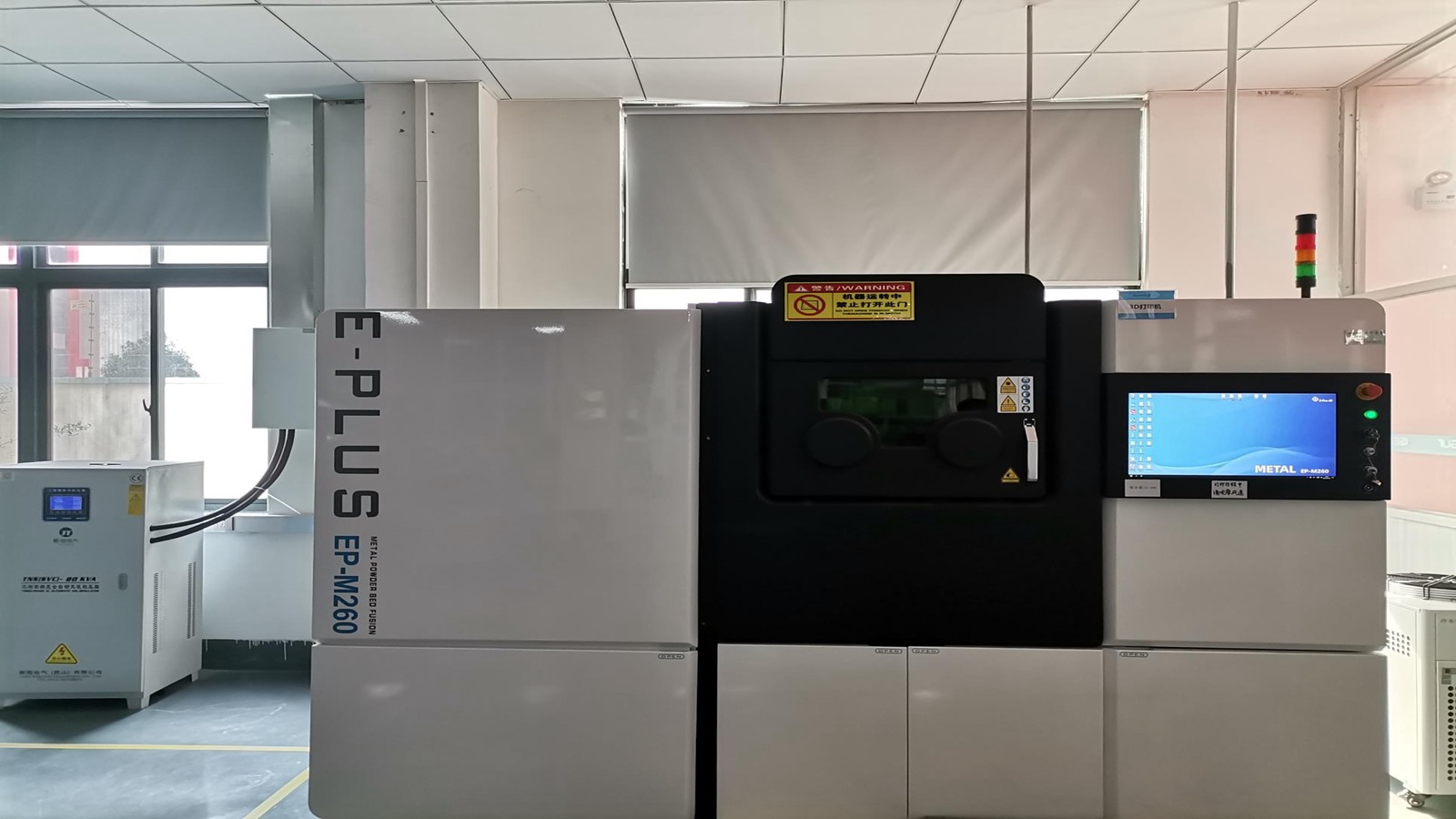
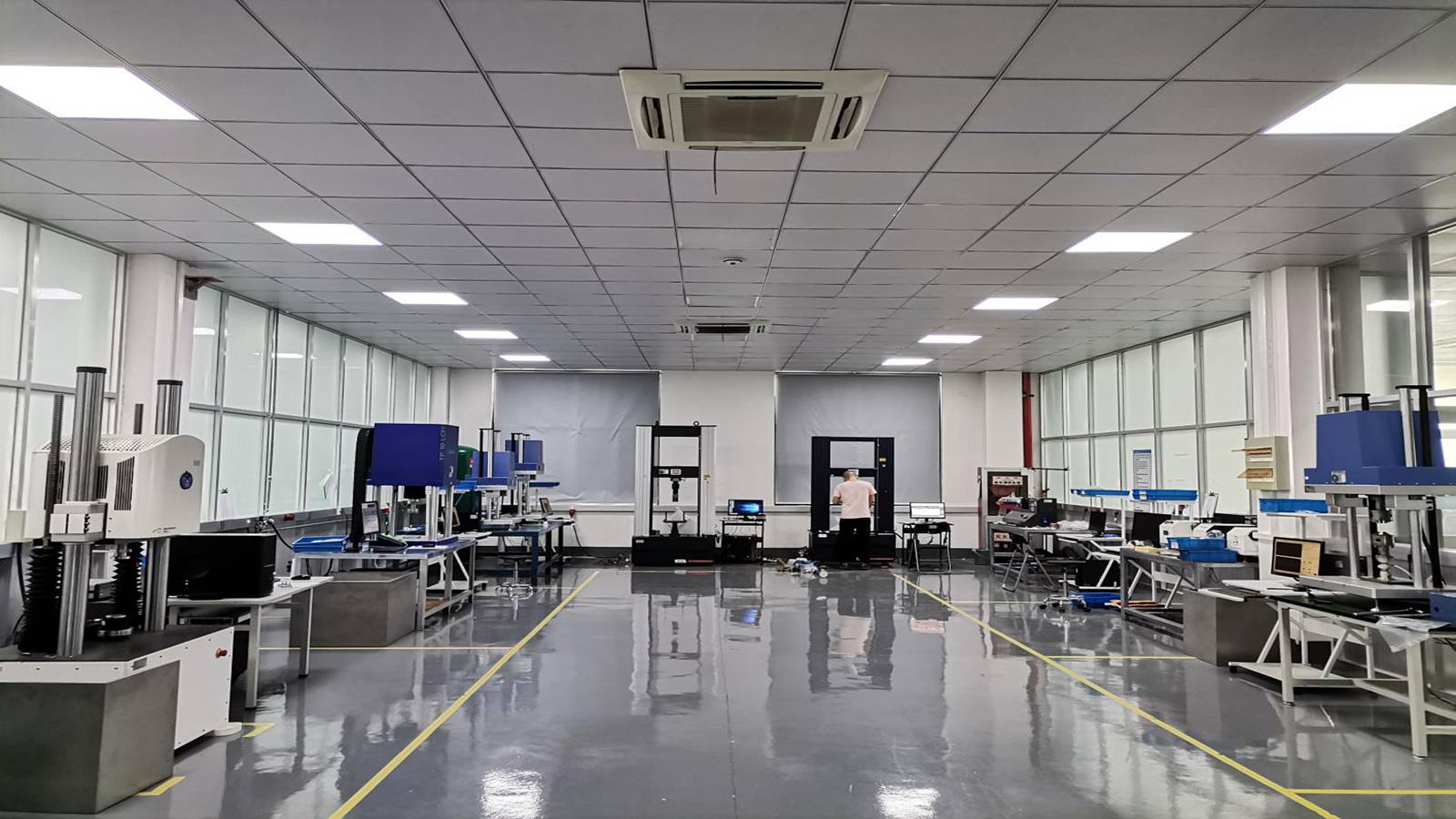
Established on October 15, 2015, HBM Medical has rapidly emerged as a leading force in the research, development, manufacturing, and operation of orthopedic medical equipment in China. With a state-of-the-art production facility spanning over 30,343 square meters, HBM operates 12 highly automated production lines equipped with over 120 advanced machining and testing devices. Our robust manufacturing infrastructure ensures an uninterrupted supply of high-precision implants and instruments to our global partners.
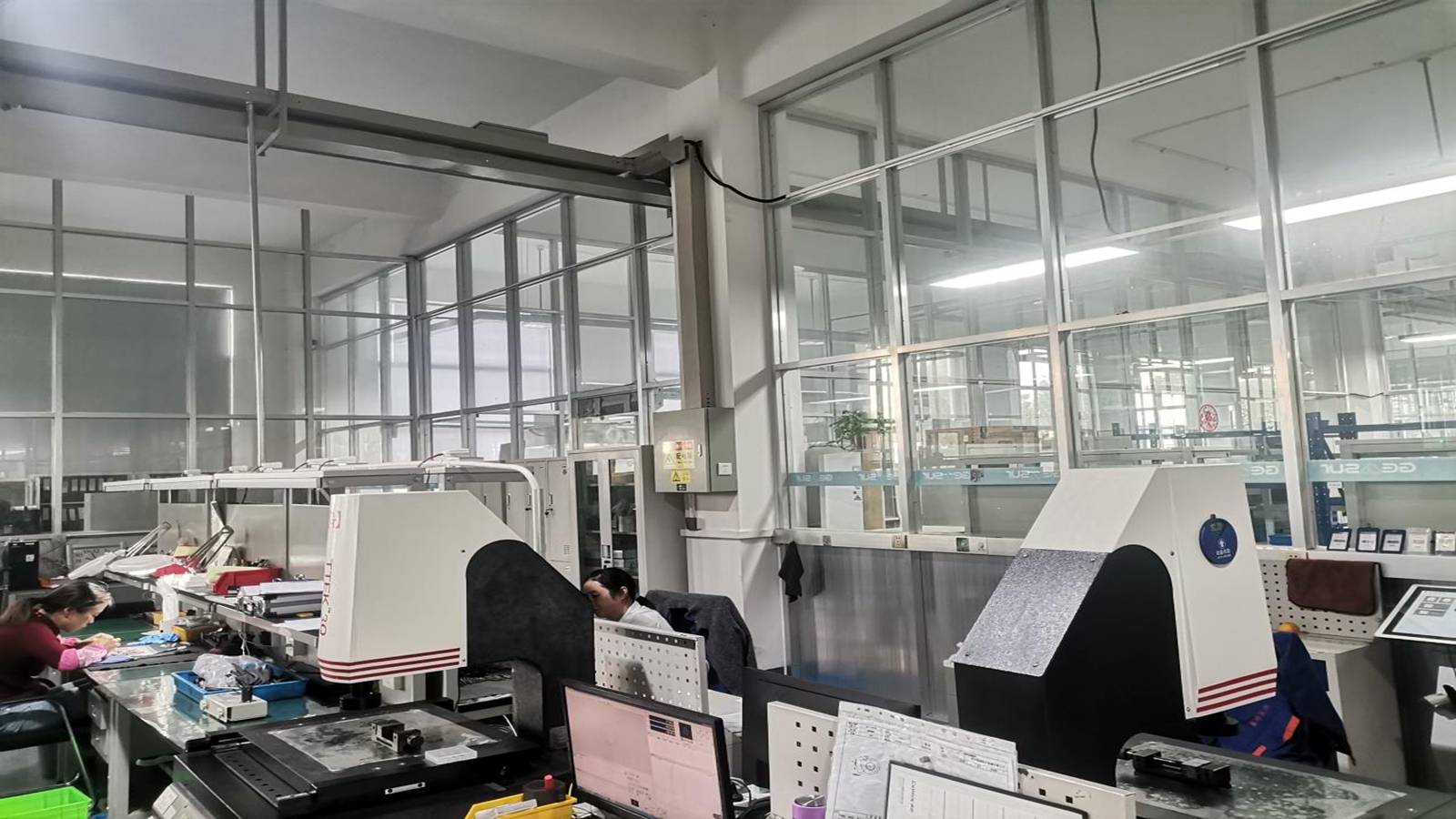
At HBM Medical, quality is not just a department—it is our core philosophy. We employ 36 dedicated QA/QC inspectors who oversee every stage of production, from raw material procurement to final packaging. We guarantee 100% raw material traceability and offer flexible product inspection methods, including 100% inspection, random testing, and customized protocols tailored to client requirements. Our quality management systems are fully aligned with international standards, holding prestigious certifications including:
Innovation is driven by our exceptional R&D team, consisting of 31 highly qualified engineers (including 1 Doctorate, 11 Postgraduates, and 17 Graduates). In the past year alone, HBM successfully launched 25 new products, demonstrating our agile development capabilities. We offer comprehensive OEM/ODM customization options, including sample processing, graphic processing, and customized design-on-demand services to meet the specific anatomical and clinical needs of different global regions.
How our advanced orthopedic systems translate into successful patient outcomes across diverse clinical settings.
In patients presenting with severe glenohumeral arthritis coupled with massive, irreparable rotator cuff tears, our implants provide immediate stability and pain relief by utilizing the deltoid muscle as the primary driver for shoulder elevation.
For elderly patients with comminuted 3-part or 4-part proximal humeral fractures, primary RSA using our dedicated fracture stems offers superior functional outcomes and significantly lower revision rates compared to traditional open reduction and internal fixation (ORIF).
Failed total shoulder arthroplasties (TSA) or hemiarthroplasties present severe bone loss and soft tissue deficiencies. Our modular glenoid and humeral components allow surgeons to customize the implant construct intraoperatively to achieve secure fixation.
Expert answers to the most common inquiries regarding orthopedic implant procurement, manufacturing, and regulatory compliance.
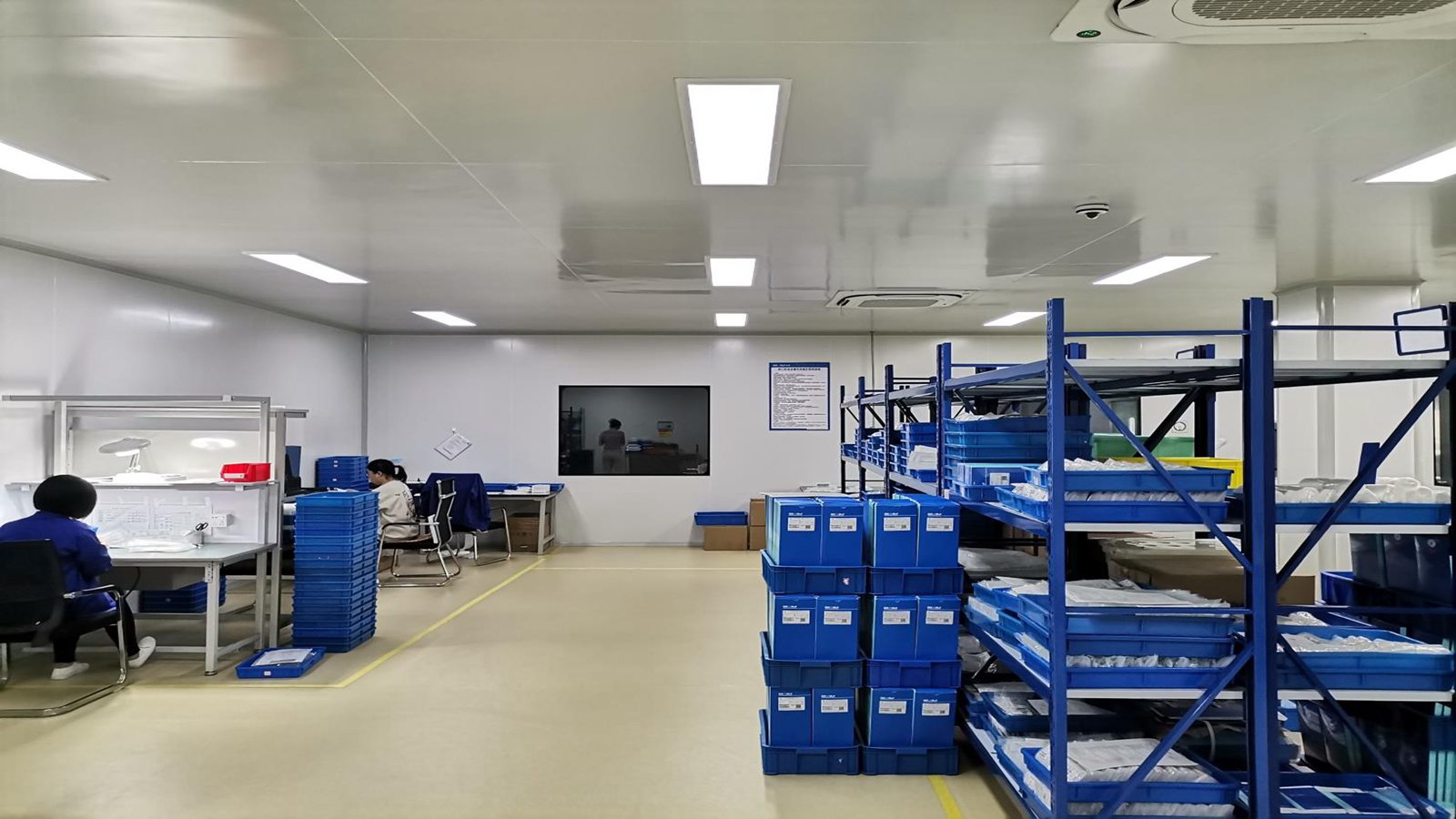
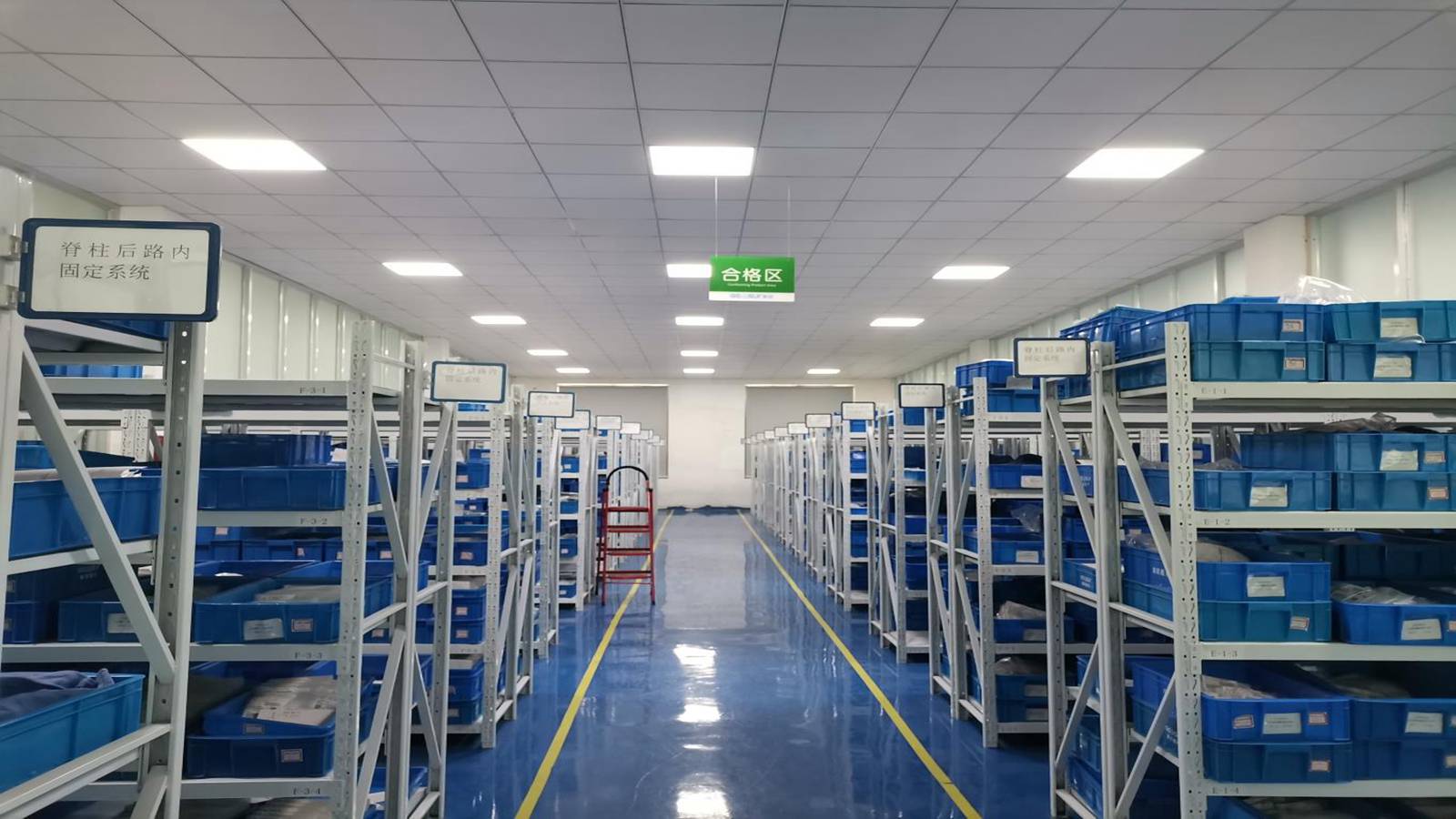
A visual tour of our 30,343 sqm production base, advanced CNC machining centers, and cleanroom environments.




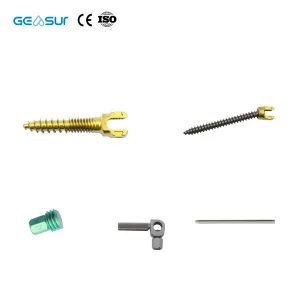
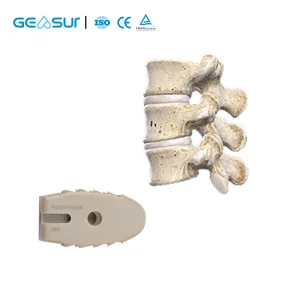
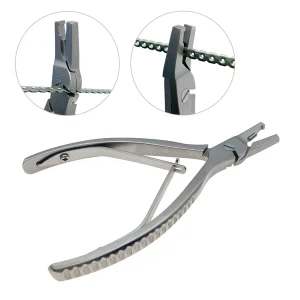
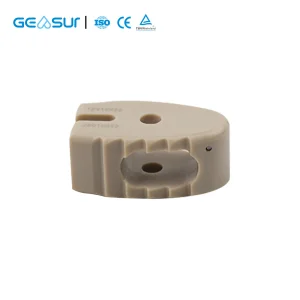
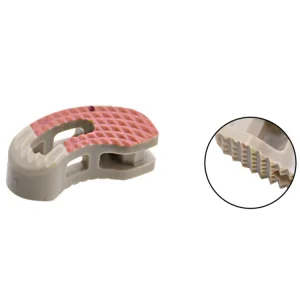
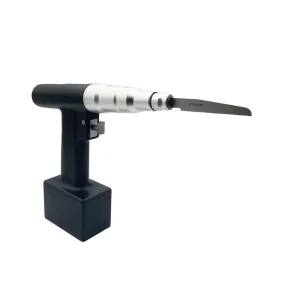
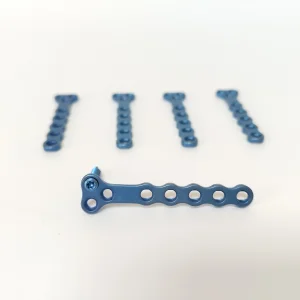
Discover our specialized spinal cages, fixation rods, and trauma instruments engineered for maximum clinical stability.
 HBM Medical