Explore our internationally certified medical devices, engineered for maximum biocompatibility, structural integrity, and clinical efficacy.
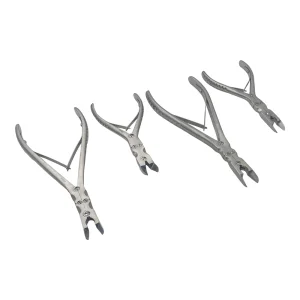
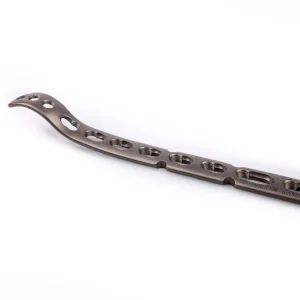
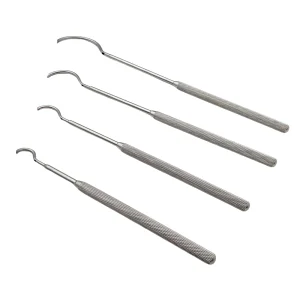
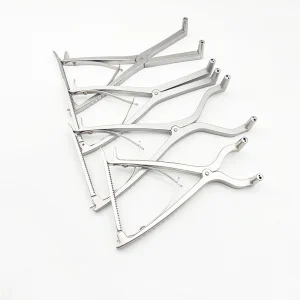
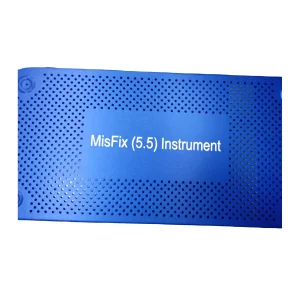
Mandibular reconstruction represents one of the most challenging frontiers in oral and maxillofacial surgery. The human mandible is not merely a structural bone; it is a dynamic biomechanical entity critical for mastication, deglutition, speech, and facial aesthetics. Defects arising from oncological resections, high-energy trauma, osteoradionecrosis, or congenital deformities require highly specialized stabilization systems that can withstand cyclic loading while promoting osteointegration.
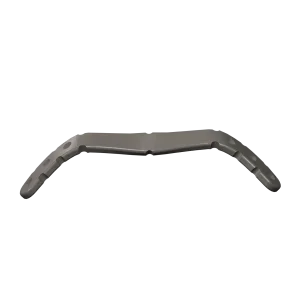
As a premier global developer and manufacturer, HBM Medical Apparatus And Instruments Co., Ltd. provides custom OEM/ODM mandibular reconstruction plates engineered to meet these rigorous clinical demands. By bridging advanced biomechanical engineering with state-of-the-art manufacturing, we support reconstructive surgeons worldwide in restoring patient function and quality of life.
Loss of mandibular continuity leads to deviation of the remaining segments, malocclusion, and severe functional deficits. Modern reconstructive protocols rely heavily on rigid internal fixation using titanium reconstruction plates, often combined with vascularized free fibula, iliac crest, or scapula flaps. Our plates are designed to act as the load-bearing scaffold during the critical healing and fusion phases.
The success of a mandibular reconstruction plate hinges on its material composition and structural design. HBM Medical utilizes medical-grade titanium alloys (typically Ti-6Al-4V ELI, conforming to ASTM F136) and commercially pure titanium (CP Ti, Grade 2/4). These materials are selected for their exceptional biocompatibility, high strength-to-weight ratio, and excellent corrosion resistance.
Our engineering team focuses on mitigating the effects of stress shielding—a phenomenon where the stiffness of the metal plate prevents the underlying bone from experiencing the physiological mechanical stresses necessary for remodeling. Through finite element analysis (FEA) and optimized plate geometry, we design profiles that balance rigidity with elasticity.
HBM Medical operates a highly integrated, digitalized workflow for custom mandibular reconstruction systems. By leveraging advanced CAD/CAM software and high-precision manufacturing, we transform clinical imaging data into patient-specific implants (PSI) with micron-level accuracy.
High-resolution CT scan data (DICOM format) is imported into specialized surgical planning software to segment the mandible and isolate pathological zones.
Surgeons work alongside our biomedical engineers to simulate osteotomies, plan fibular osteotomies, and design custom cutting guides.
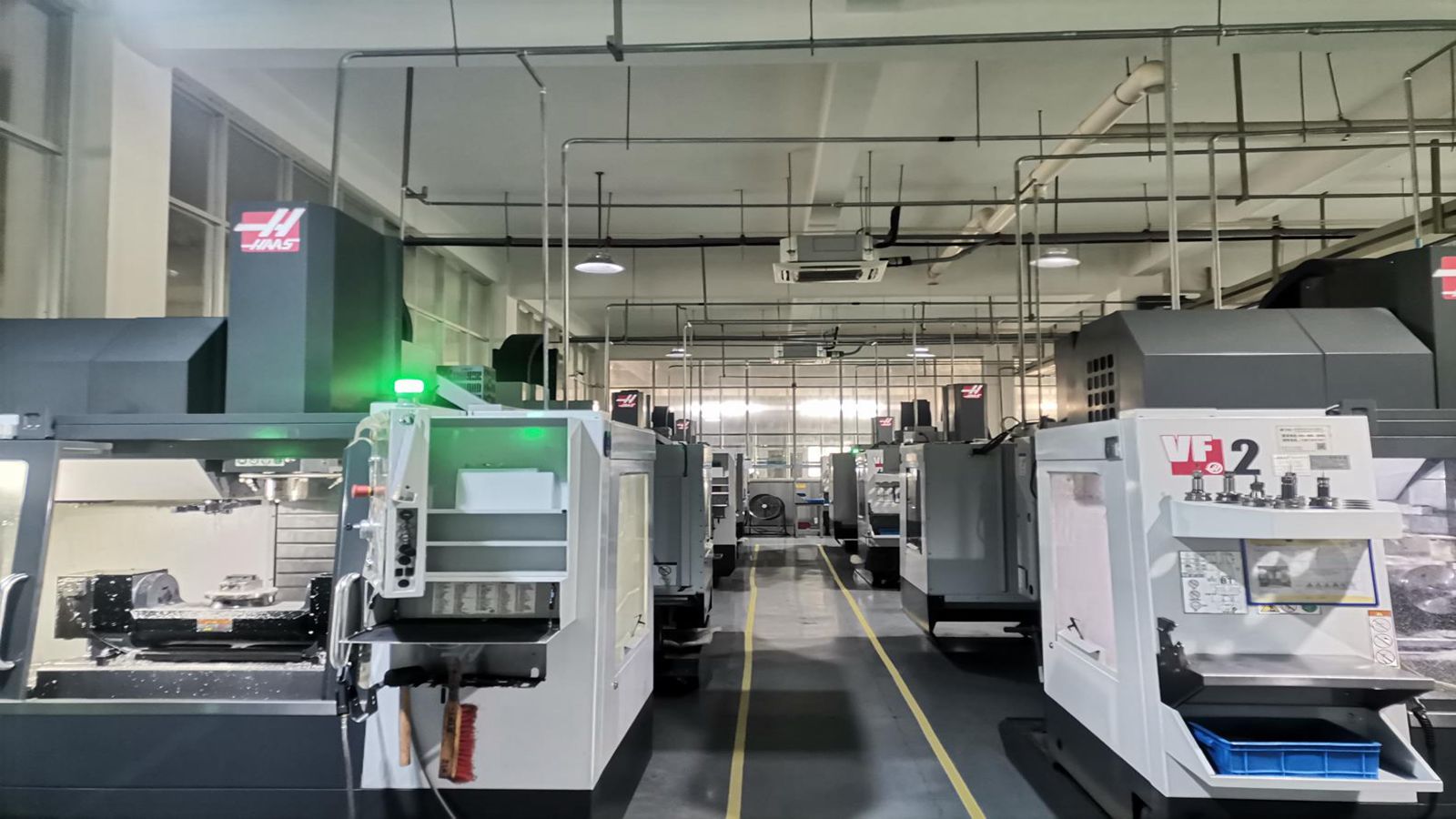
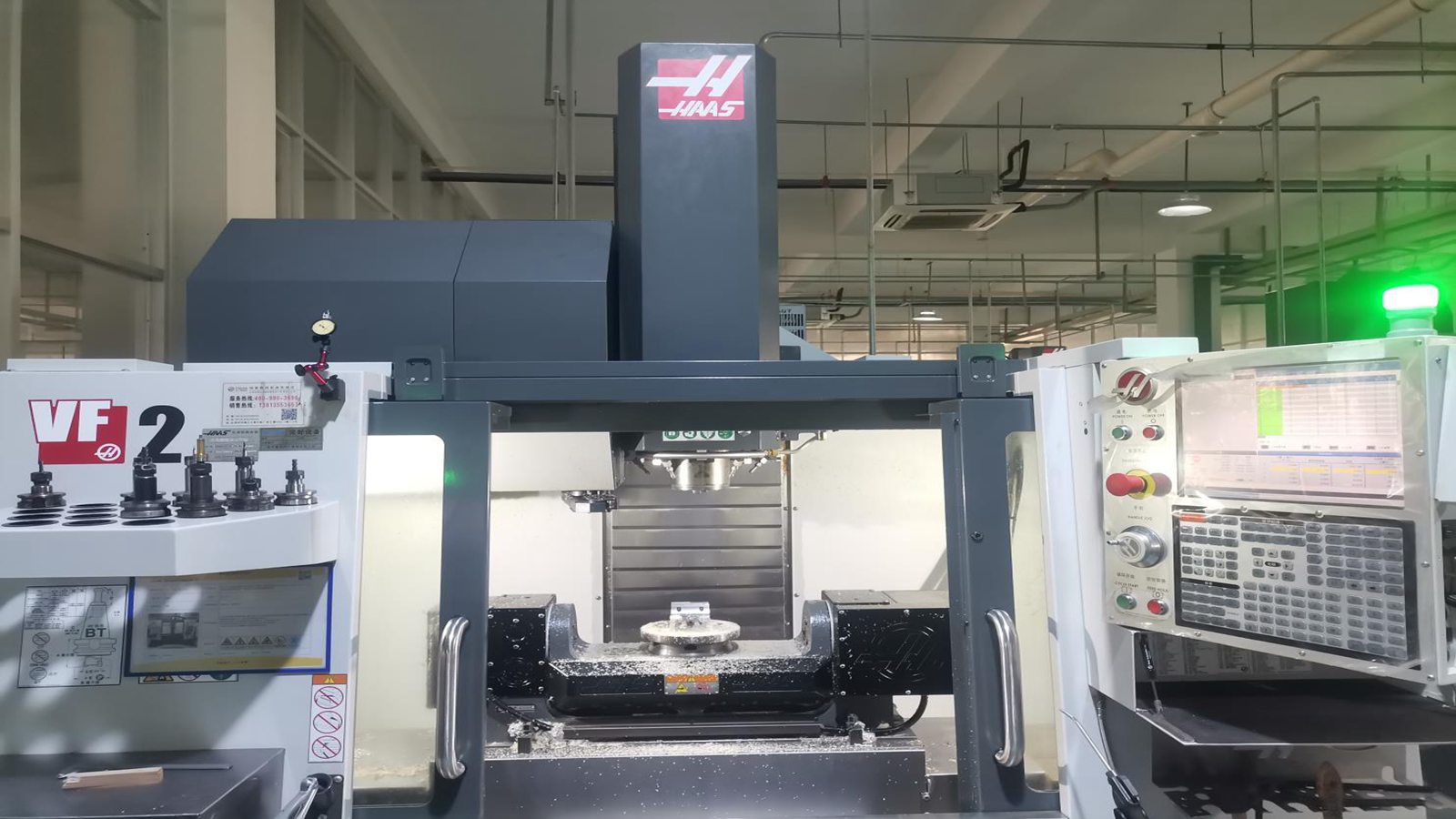
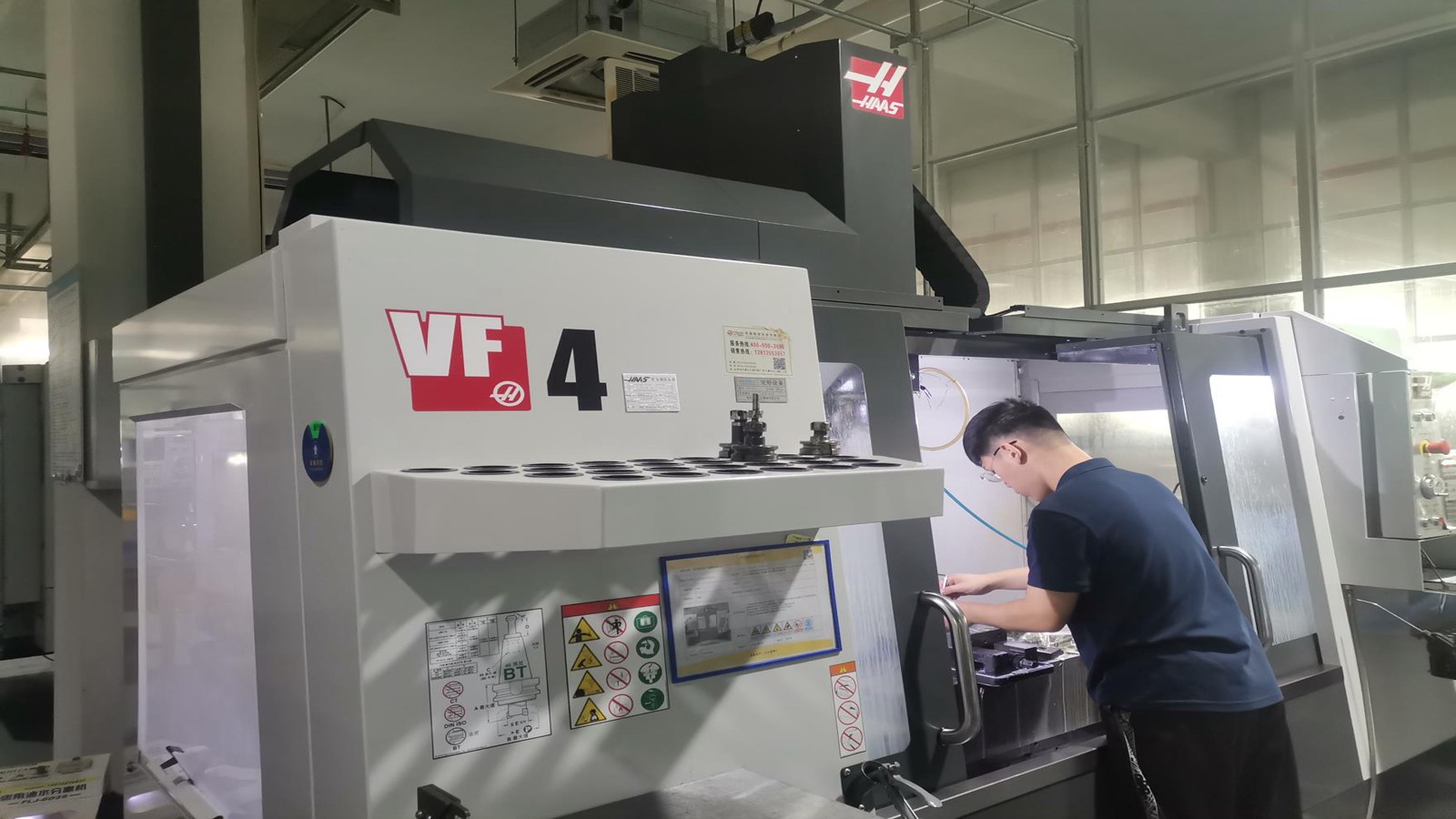
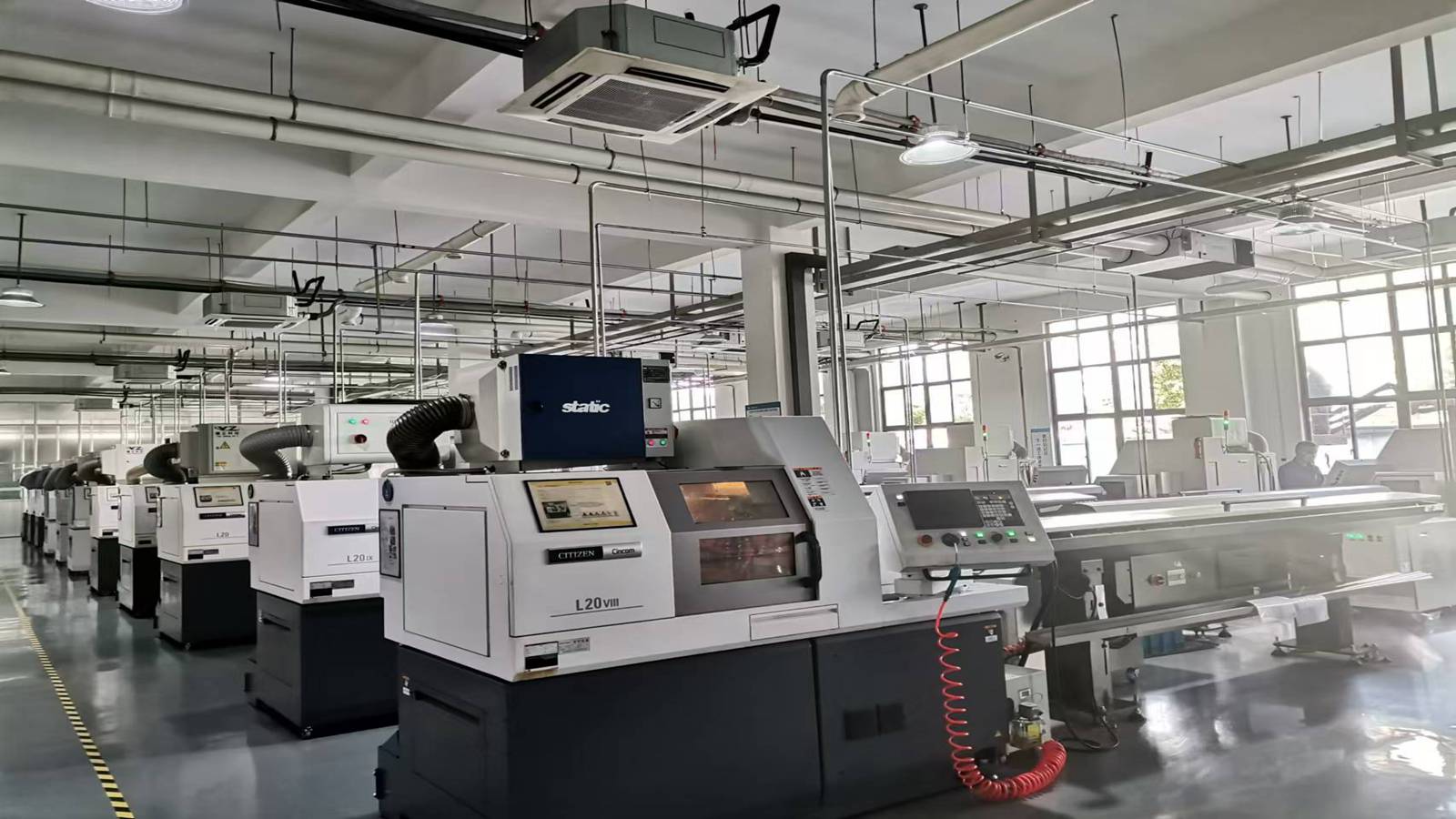
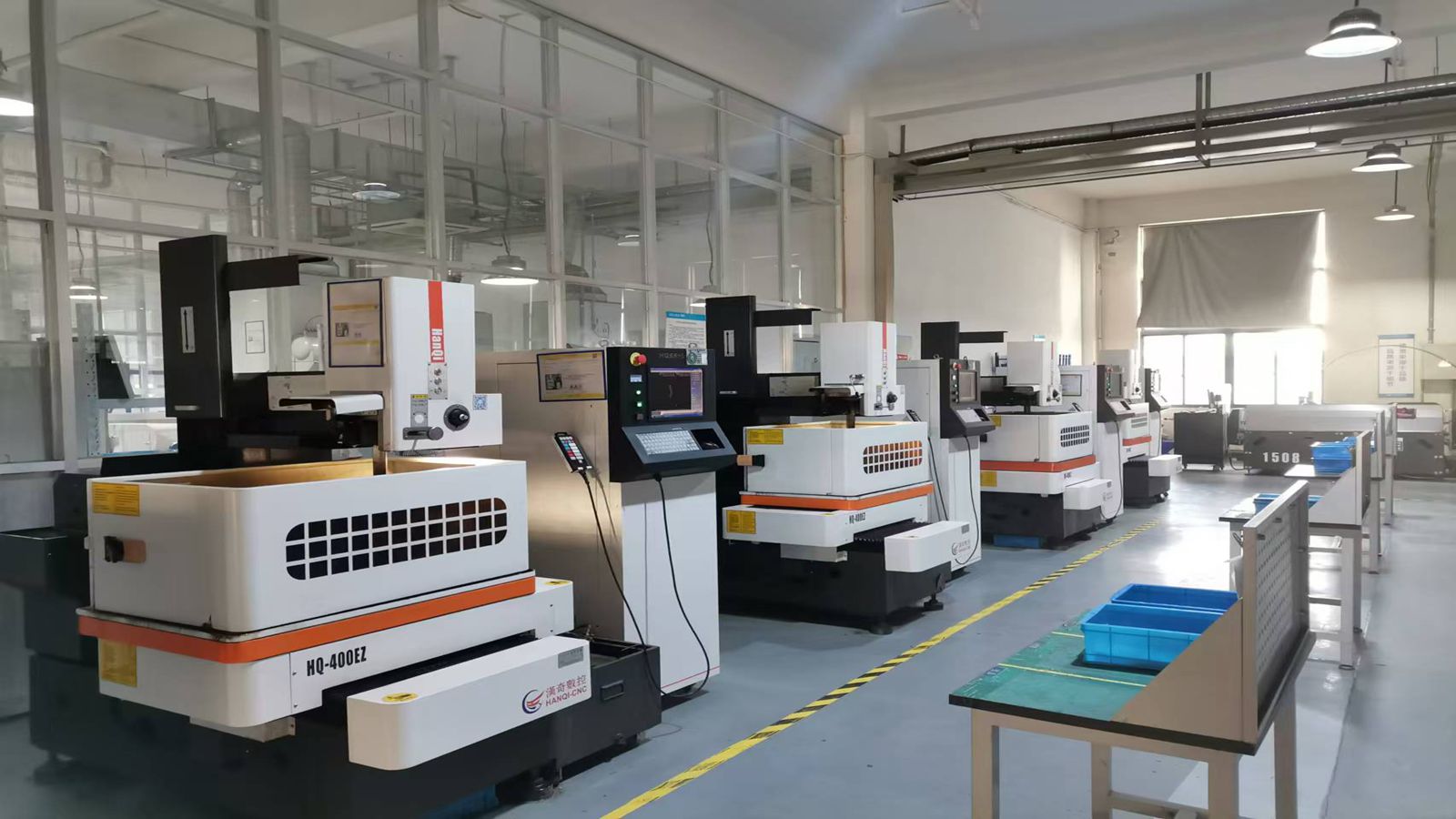
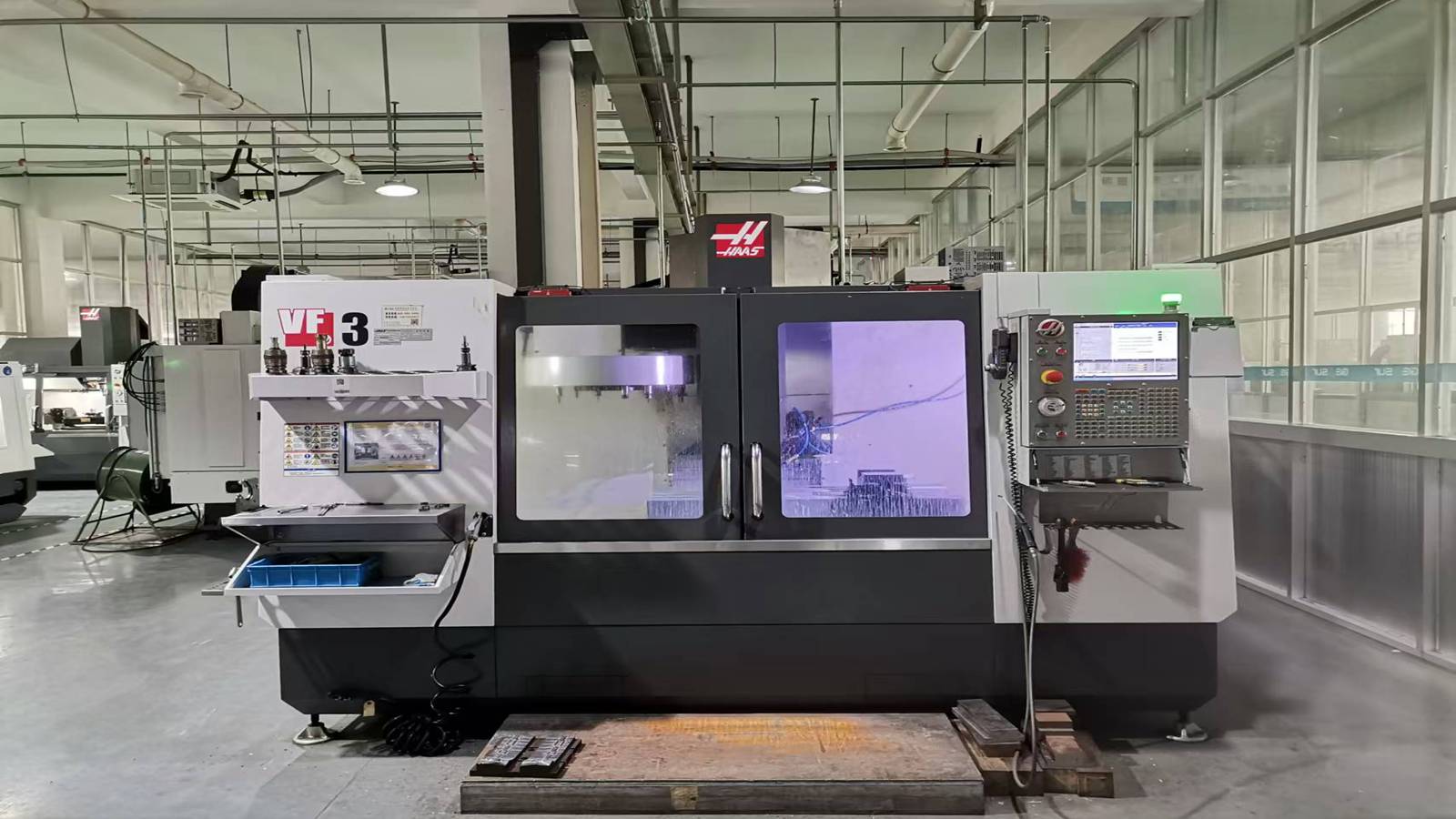
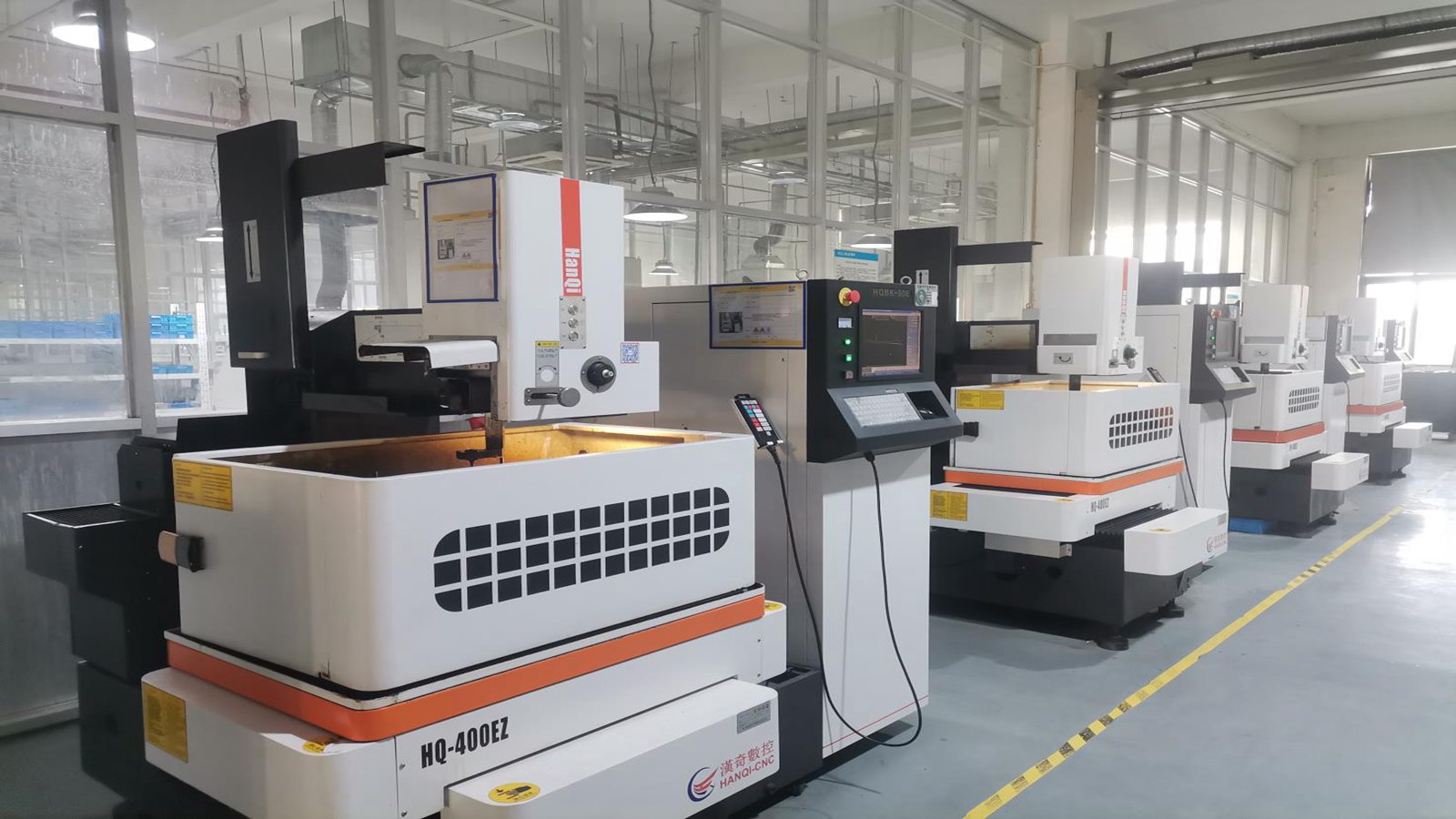
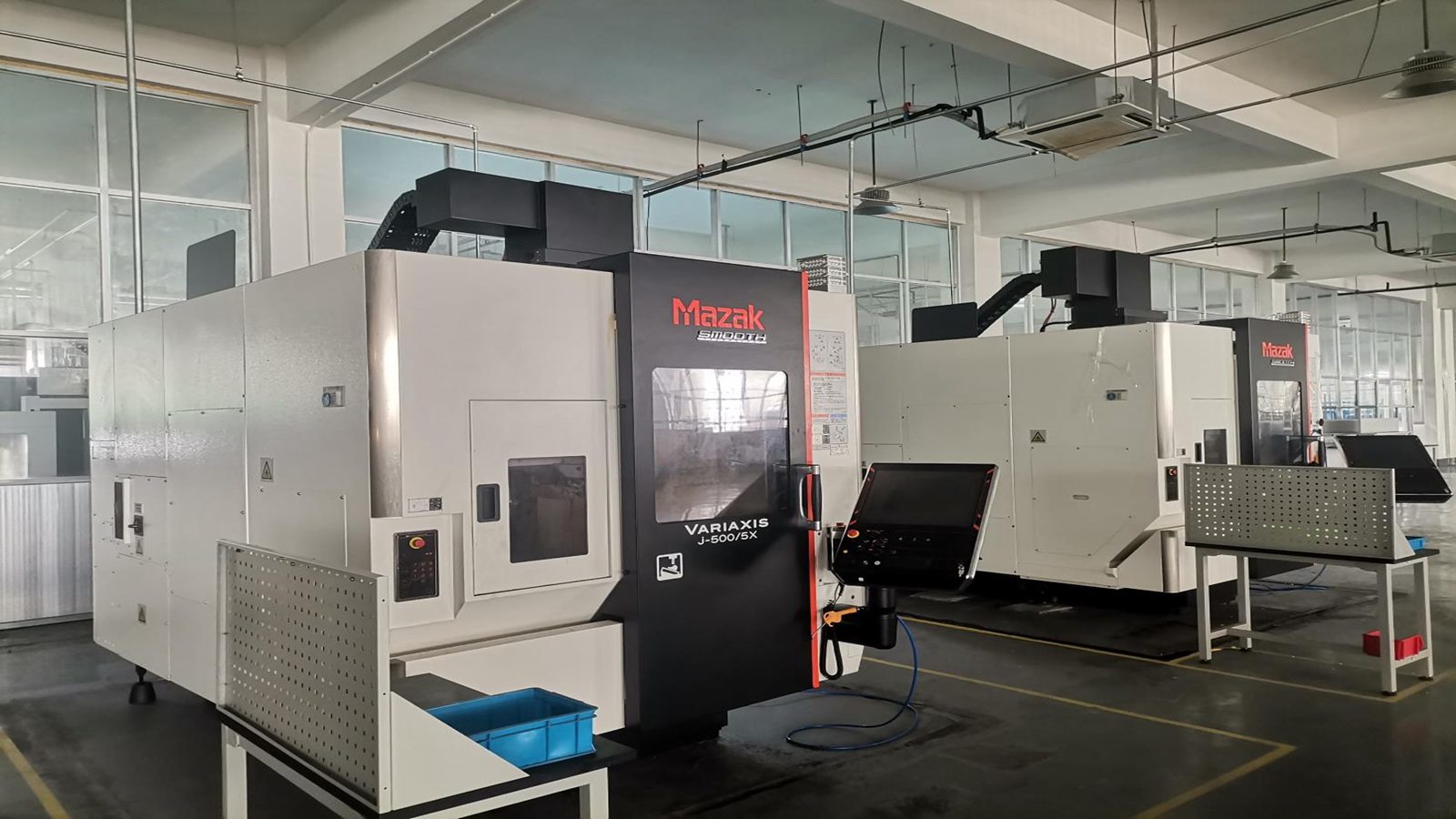
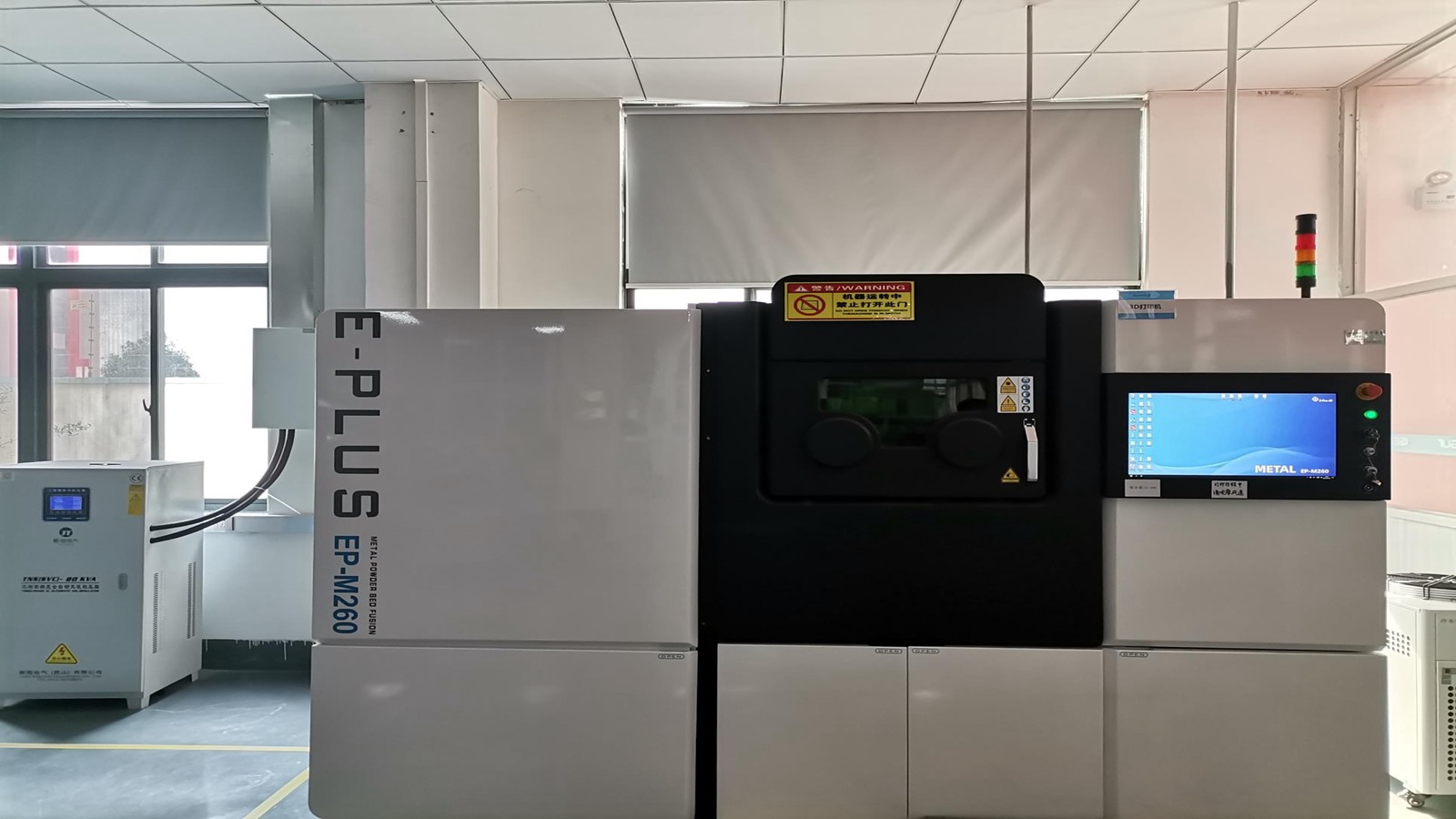
Utilizing 5-axis CNC milling and advanced electron beam melting (EBM) or selective laser melting (SLM) 3D printing technologies to fabricate the titanium plates.
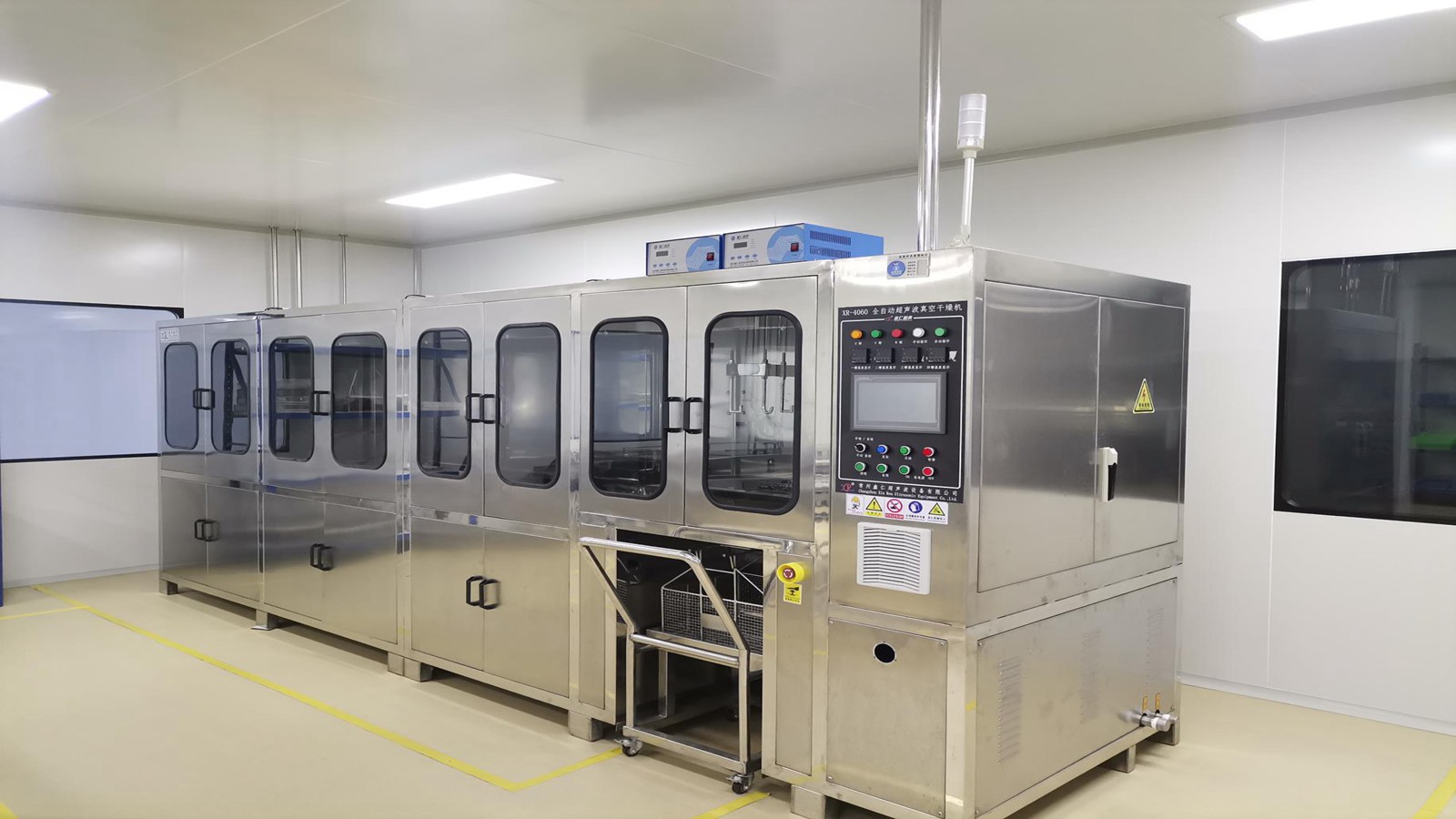
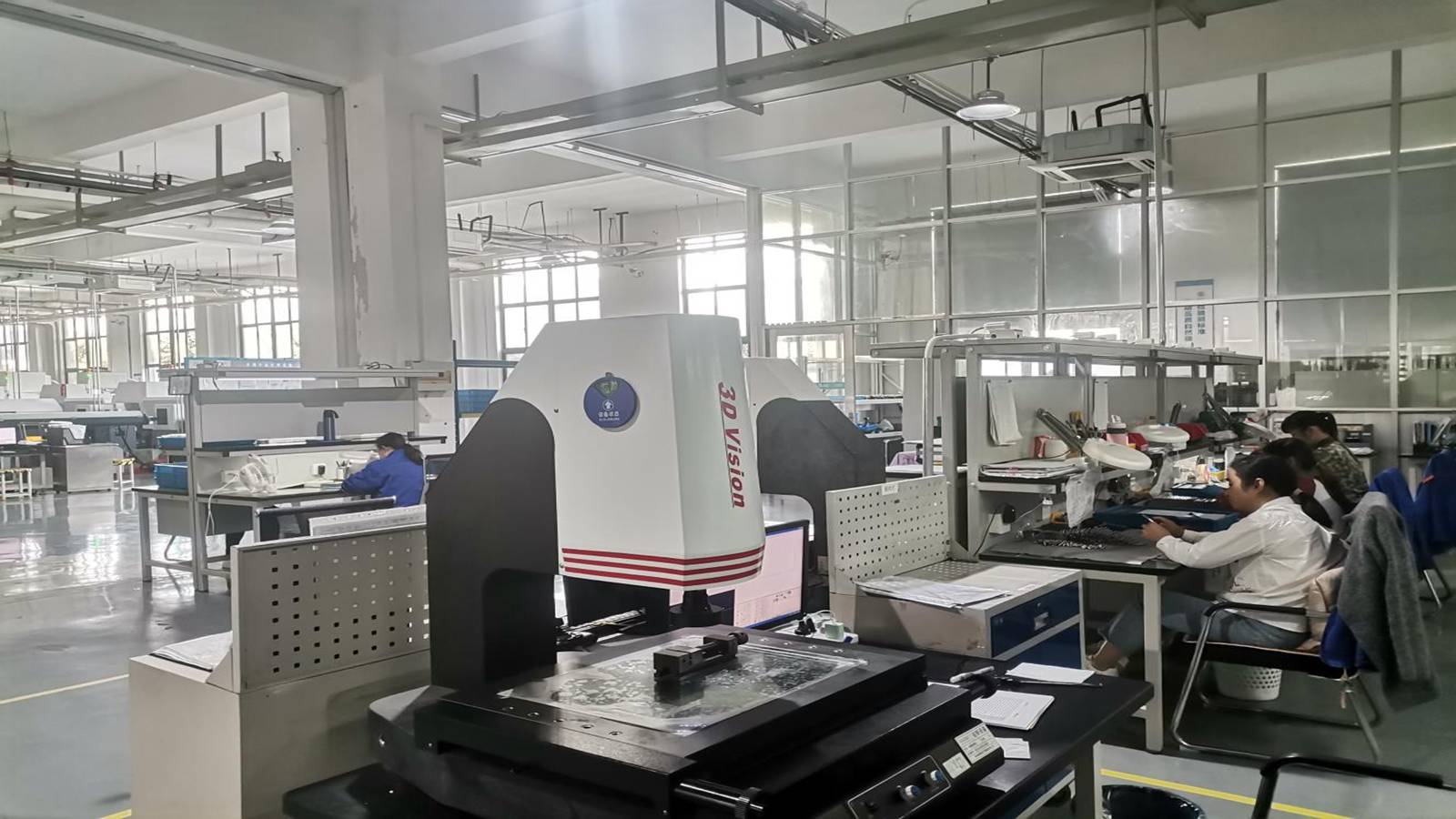
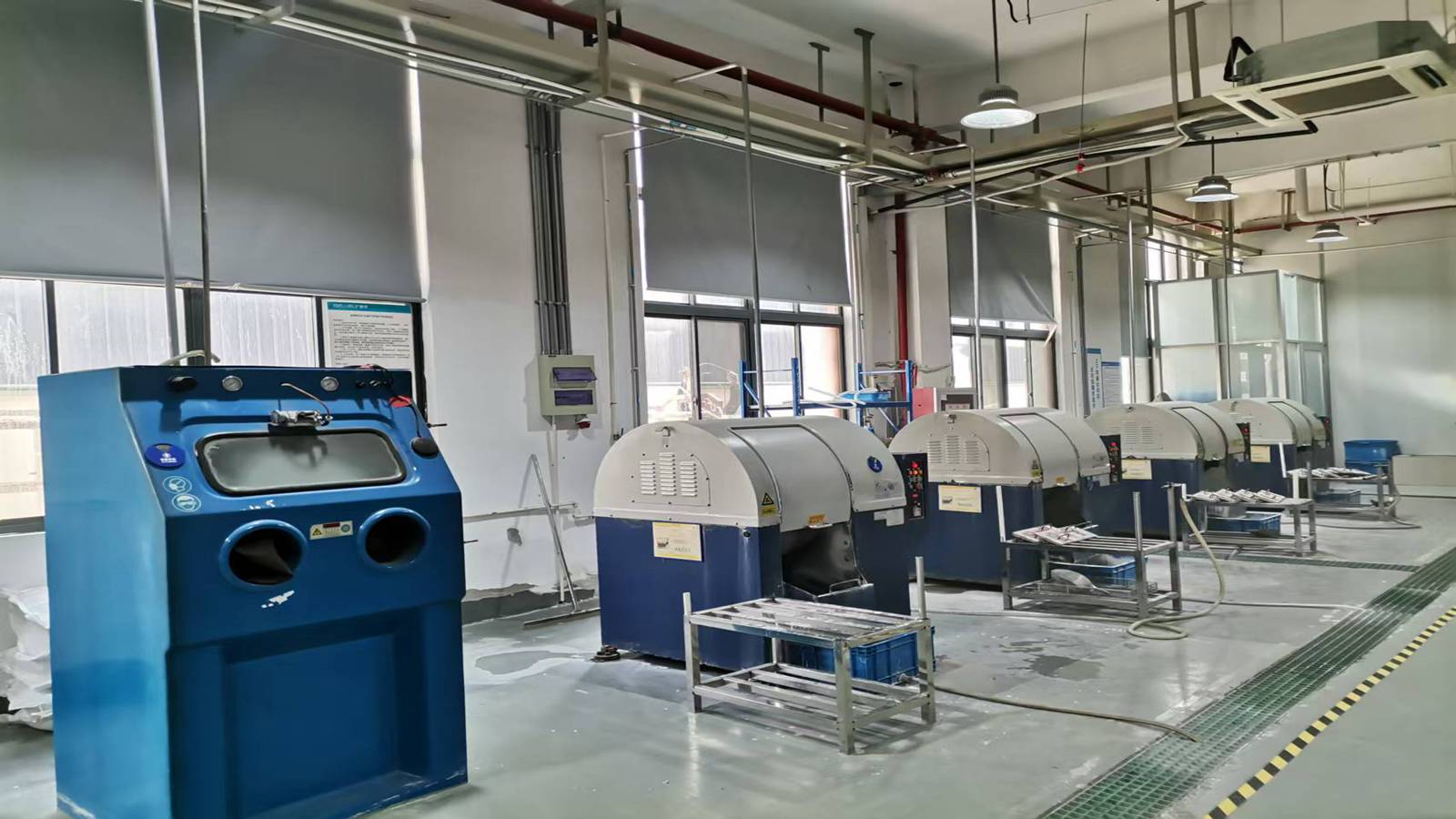
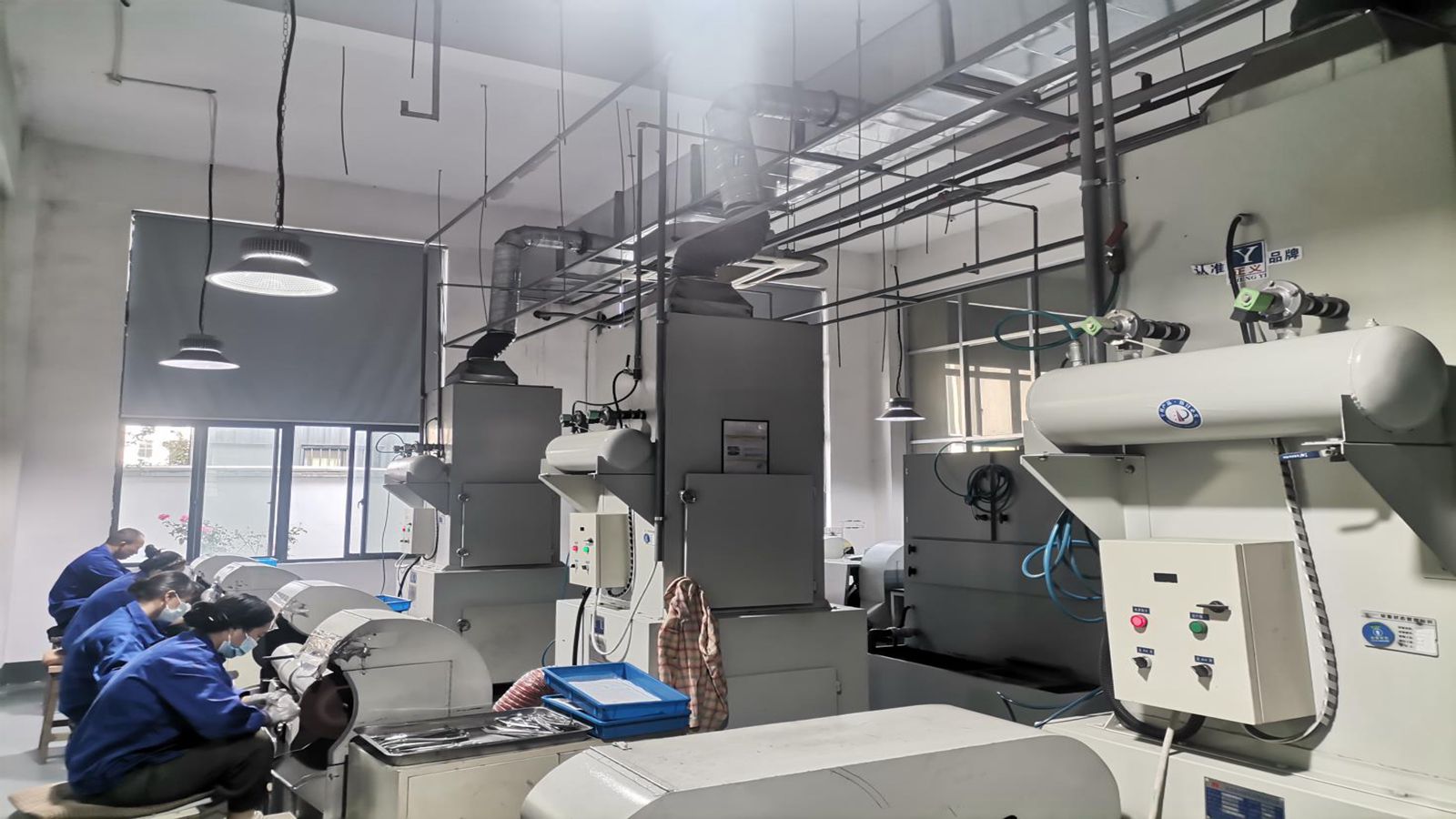
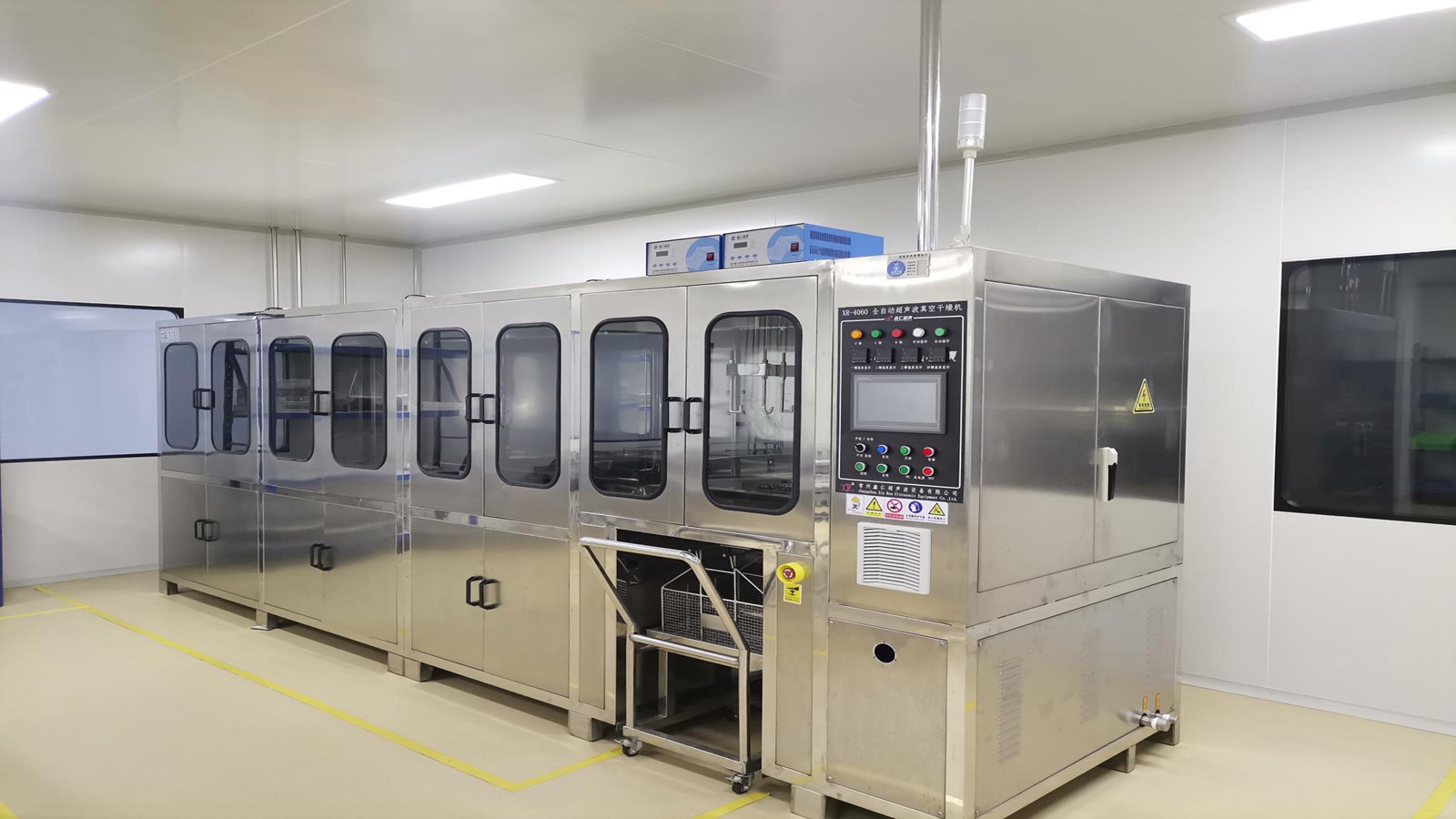
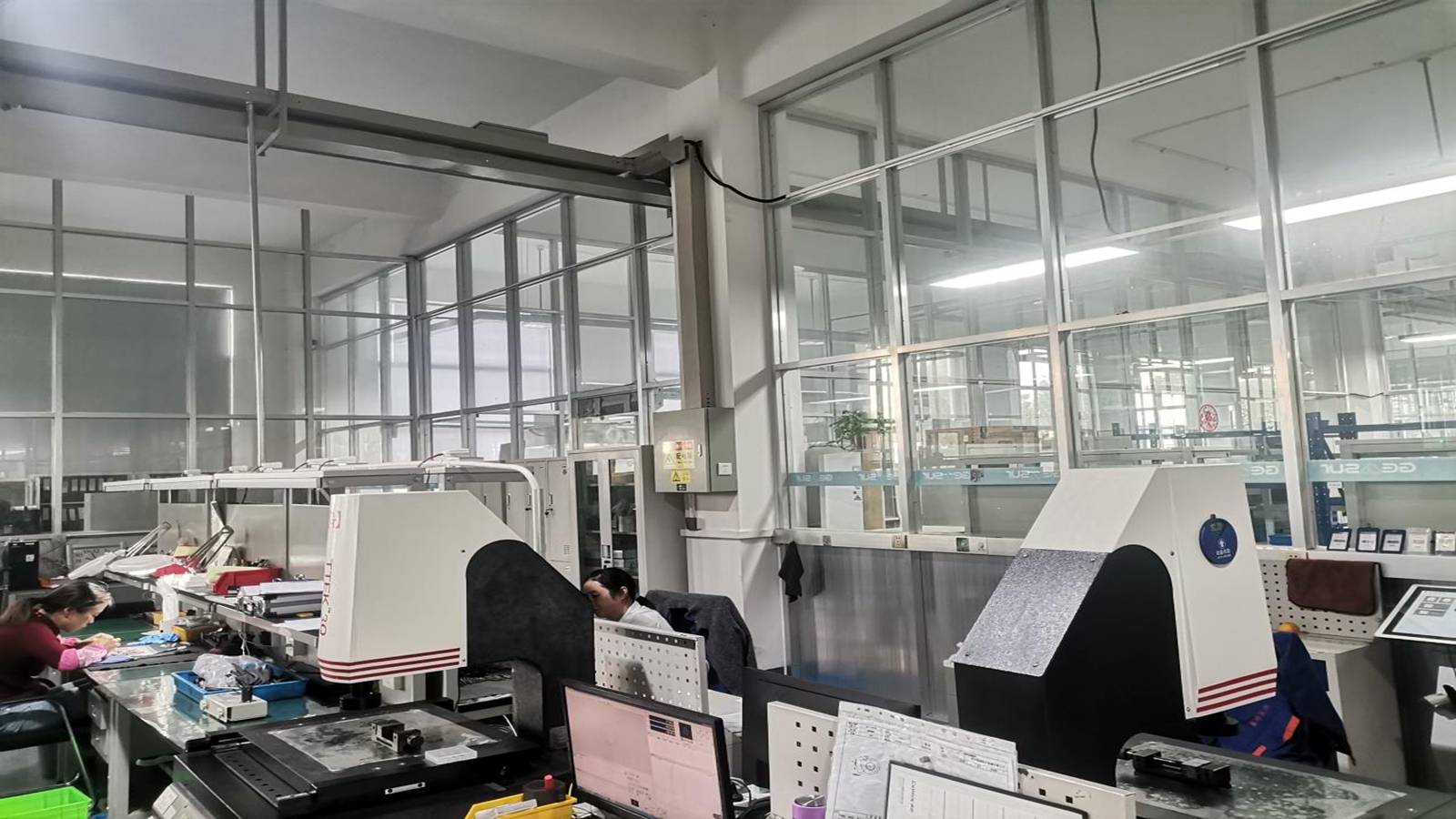
Anodization, acid etching, and bead blasting are applied to optimize biocompatibility. Every batch undergoes rigorous optical and coordinate measuring machine (CMM) inspections.
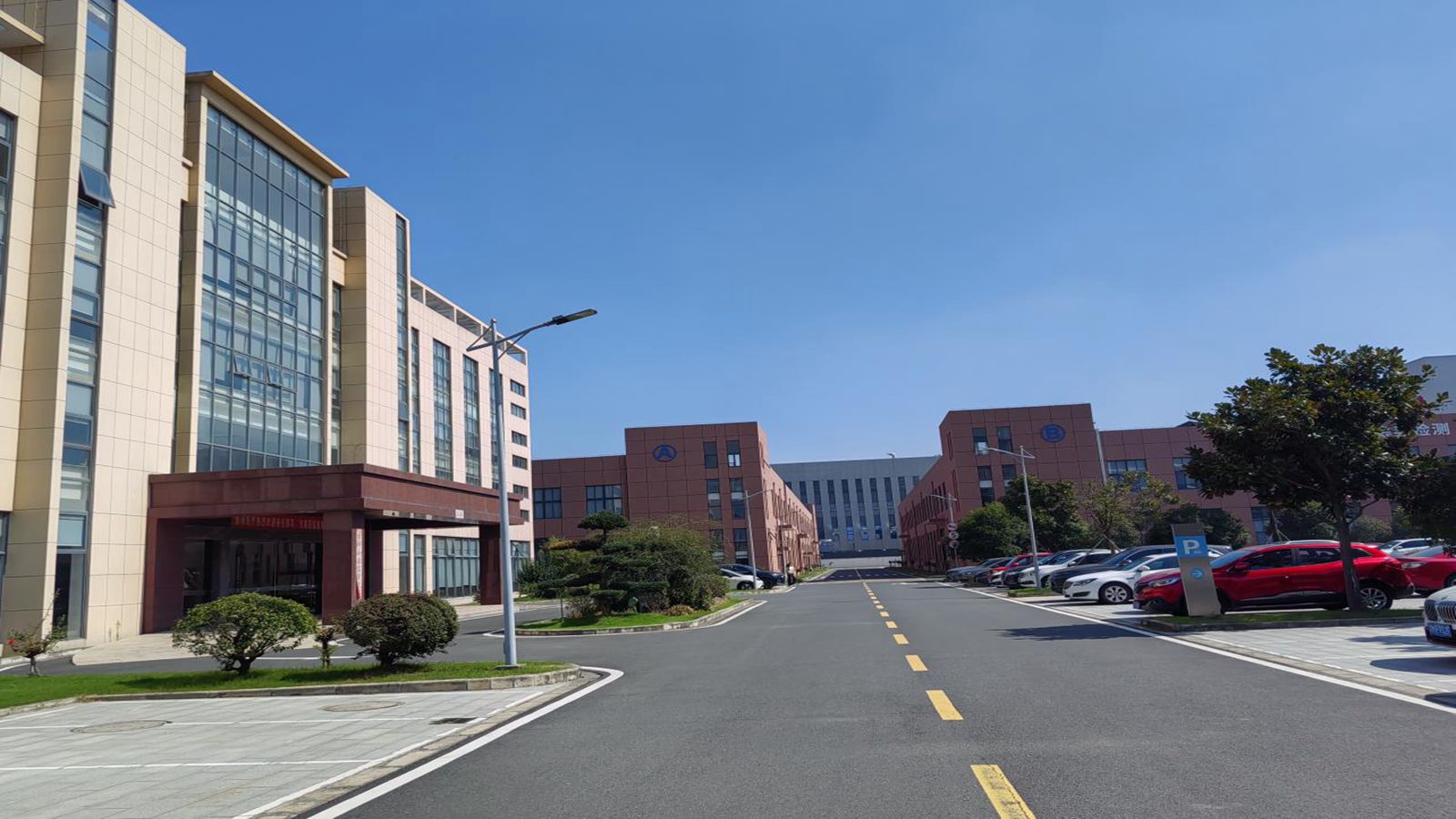
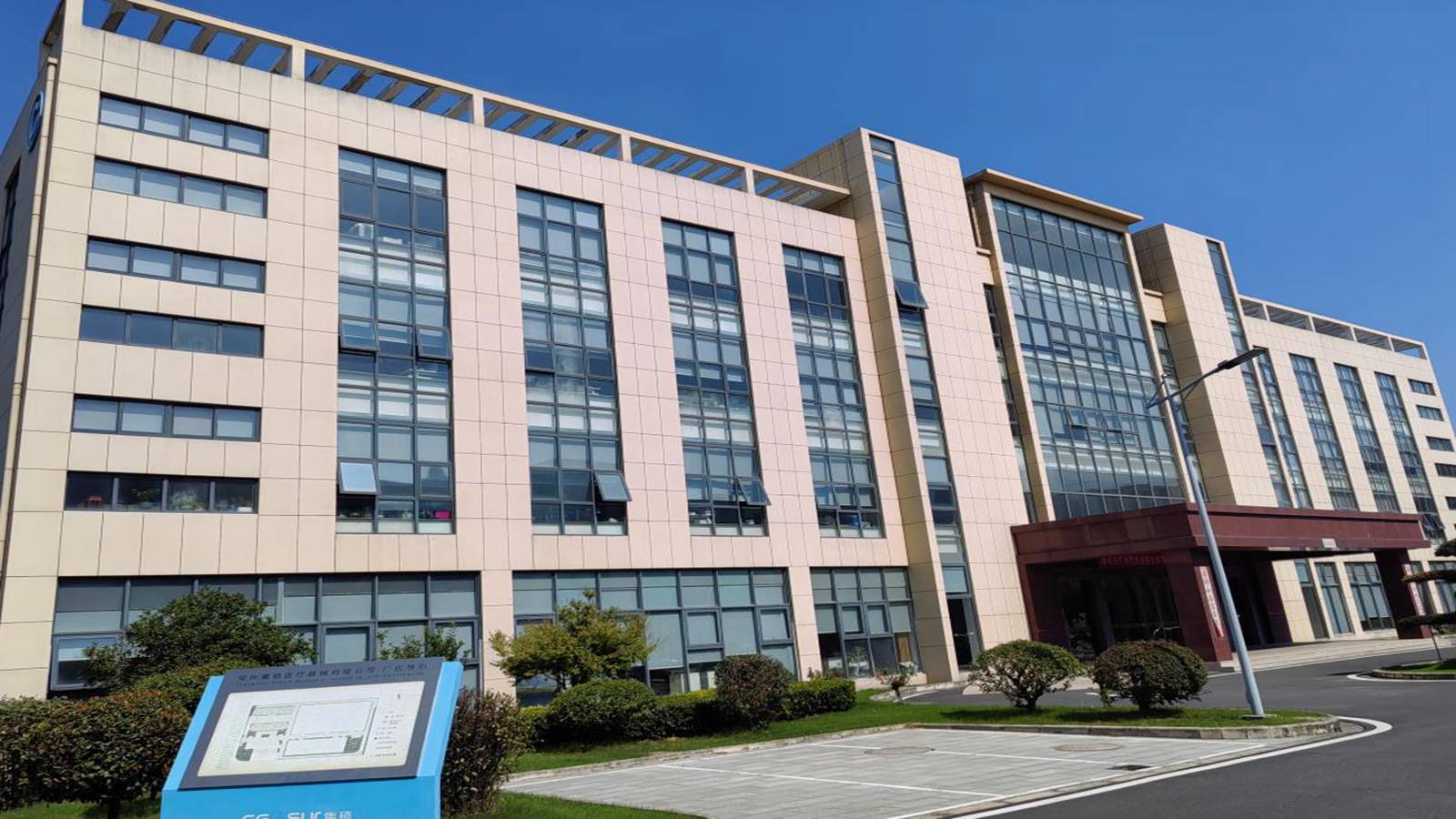
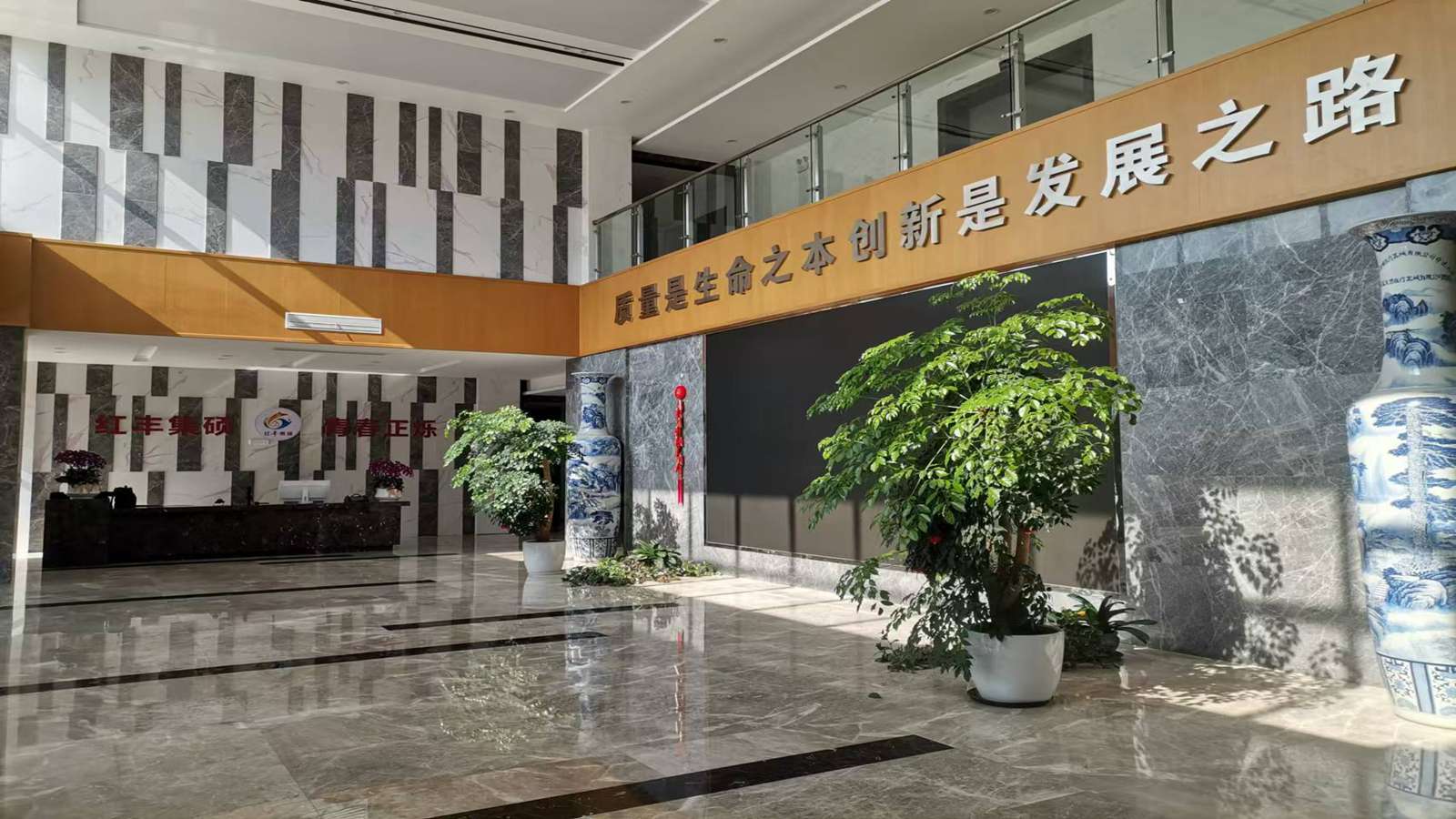
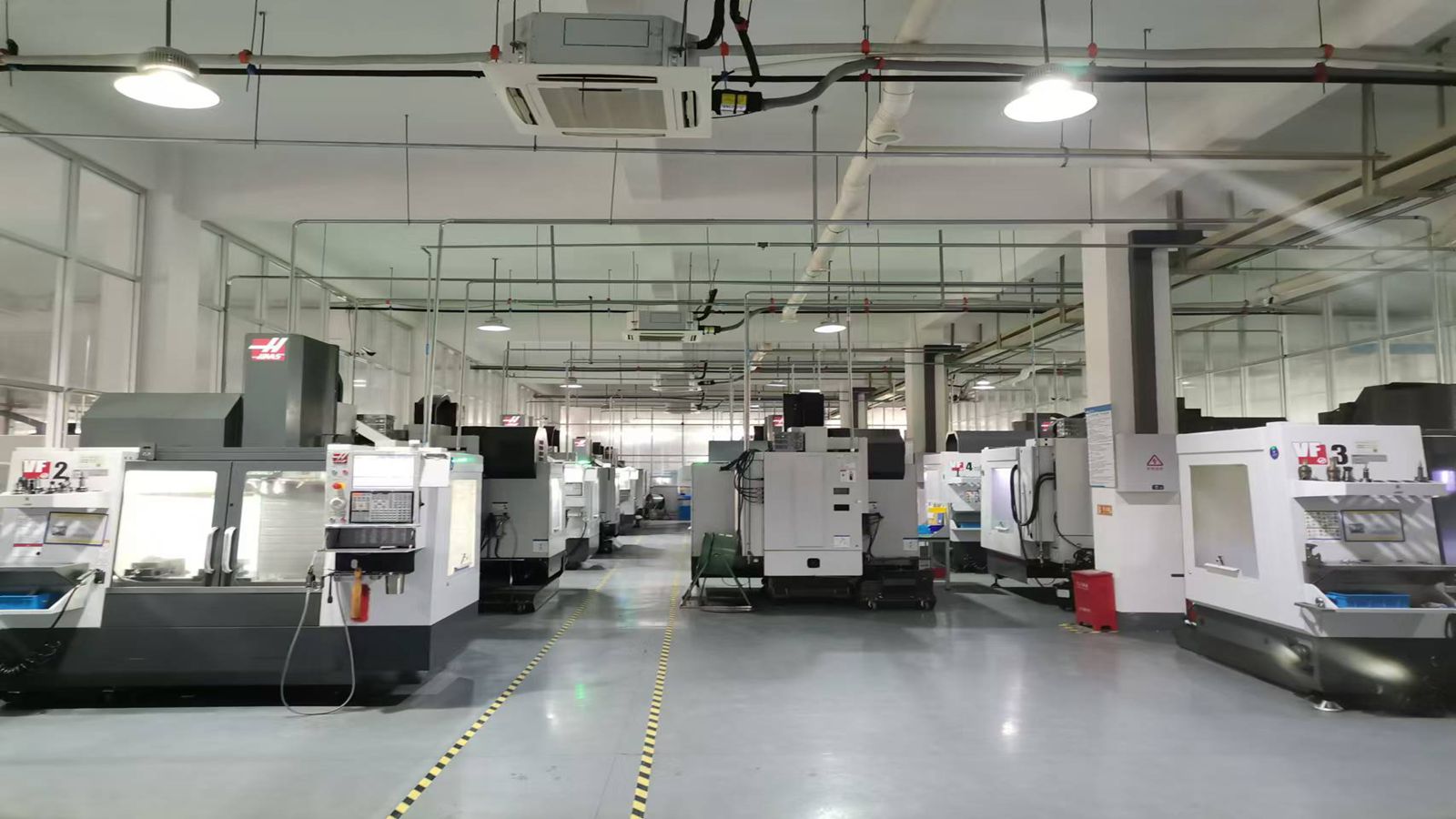
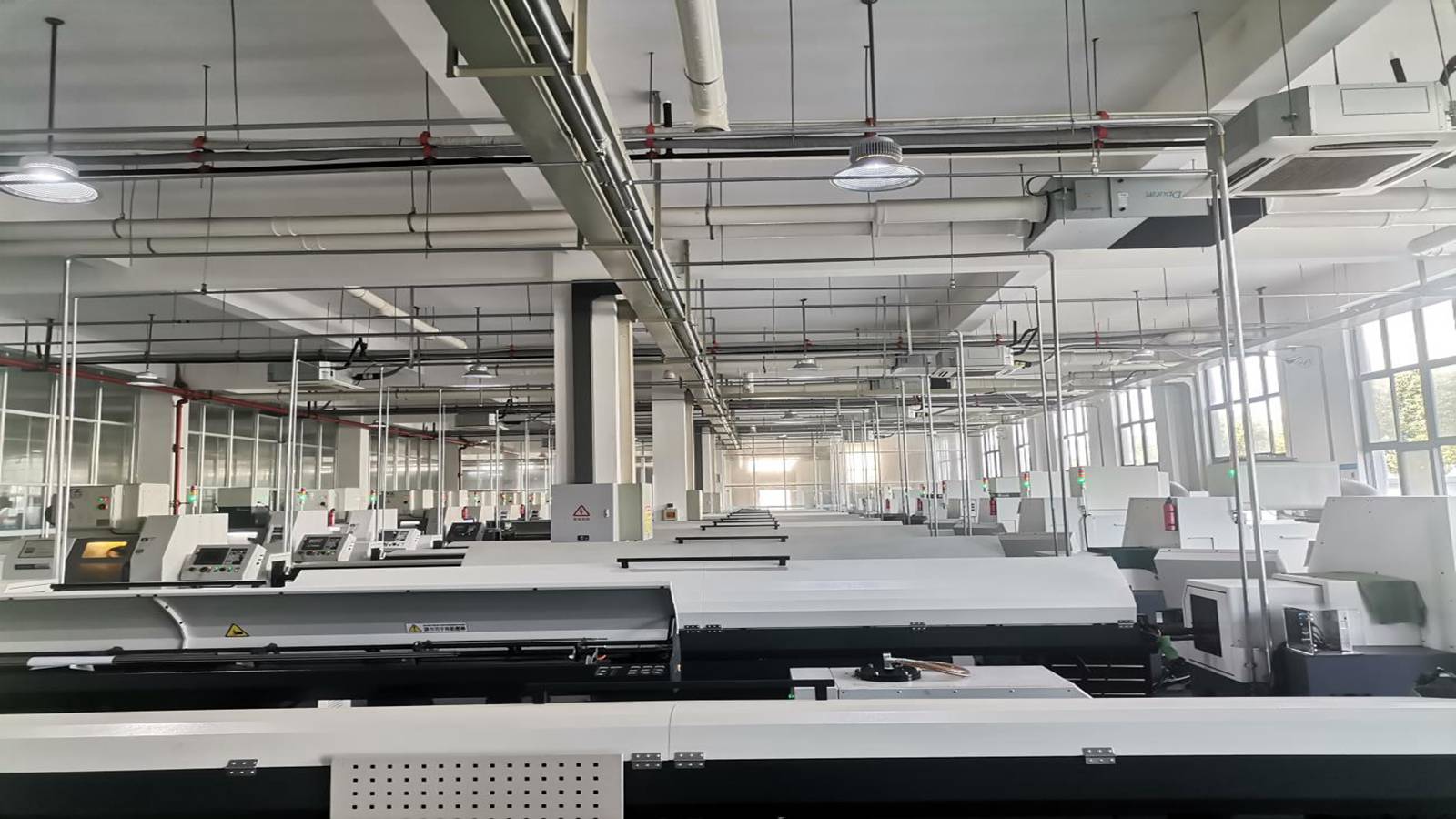
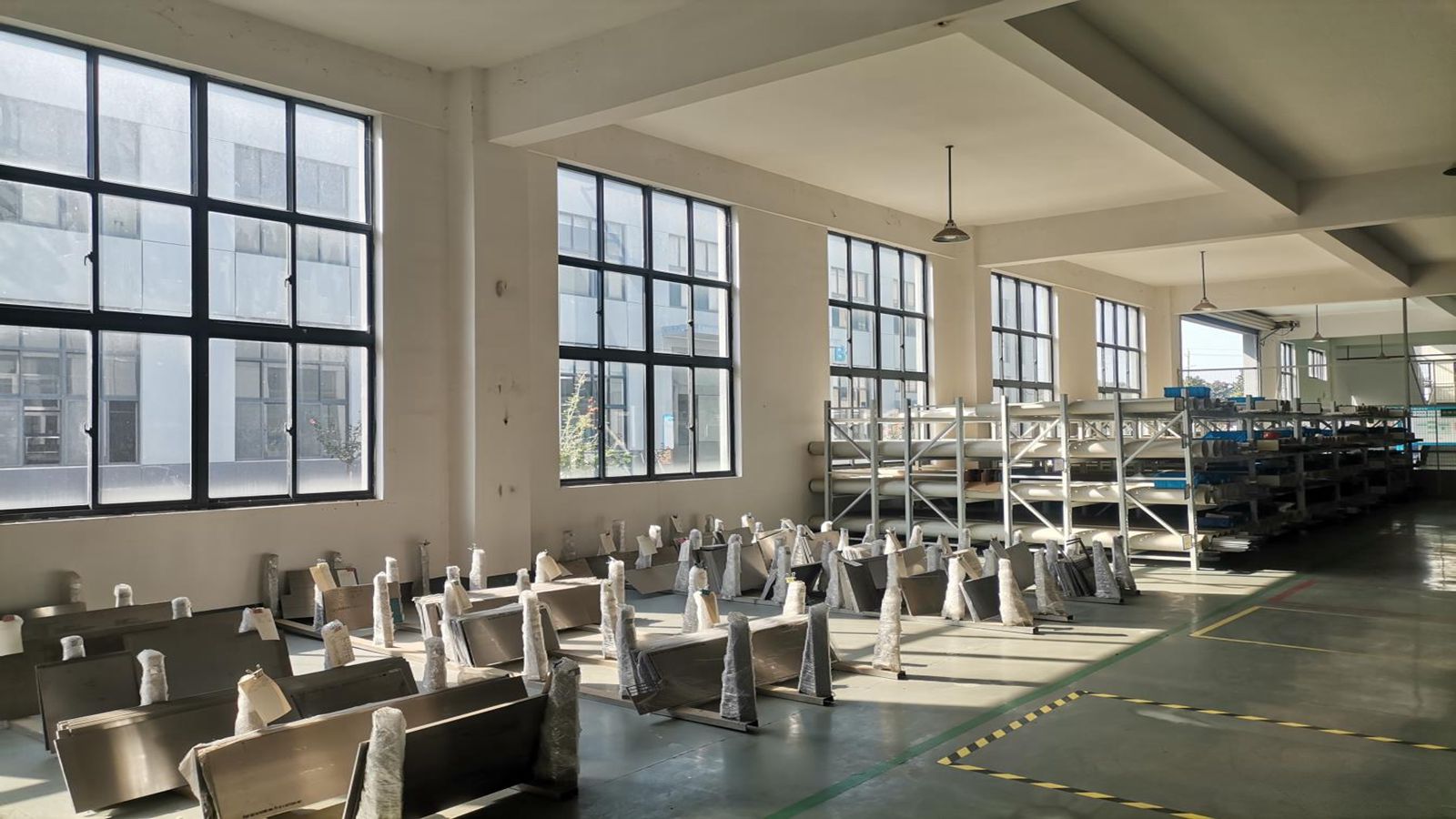
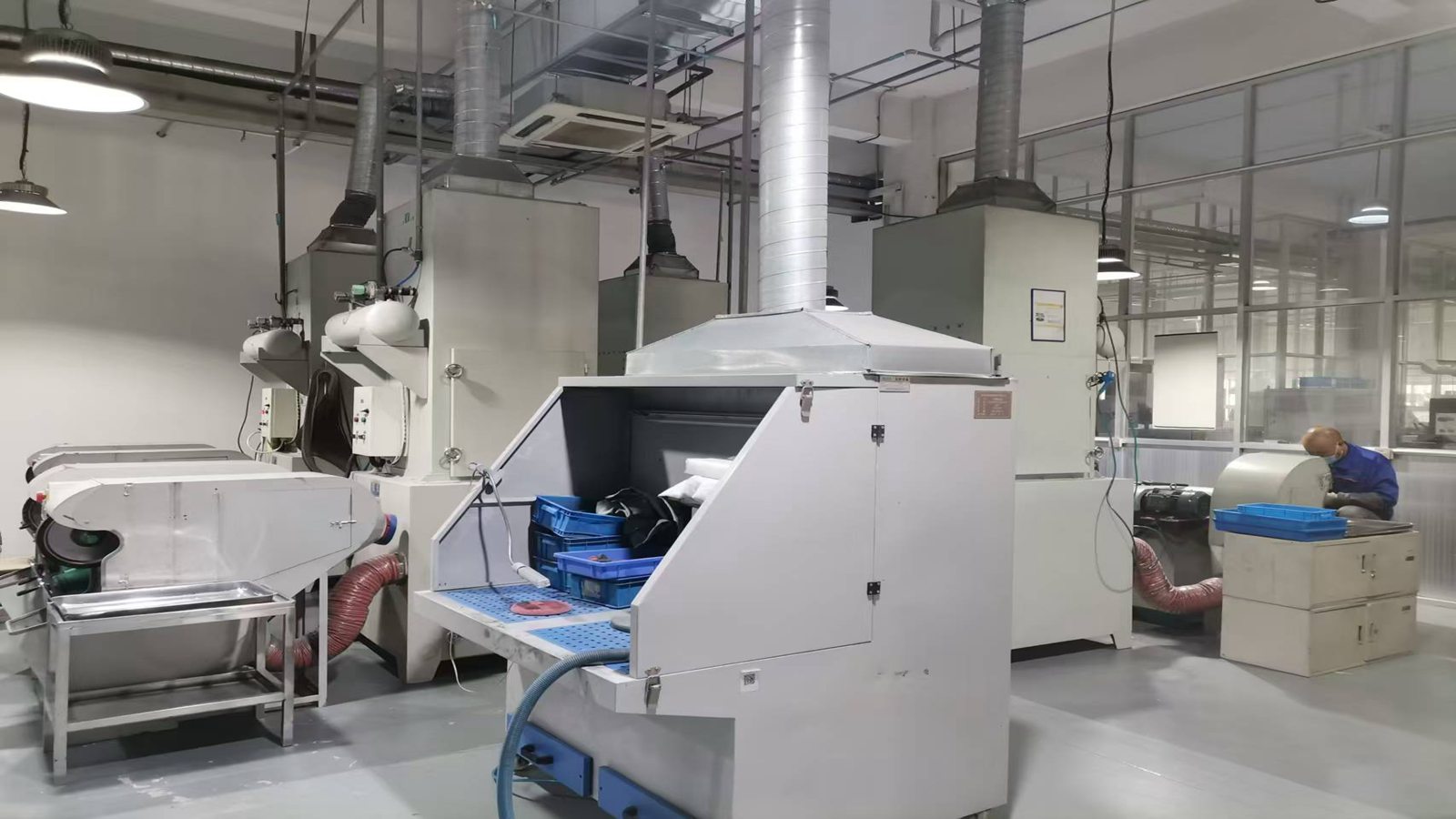
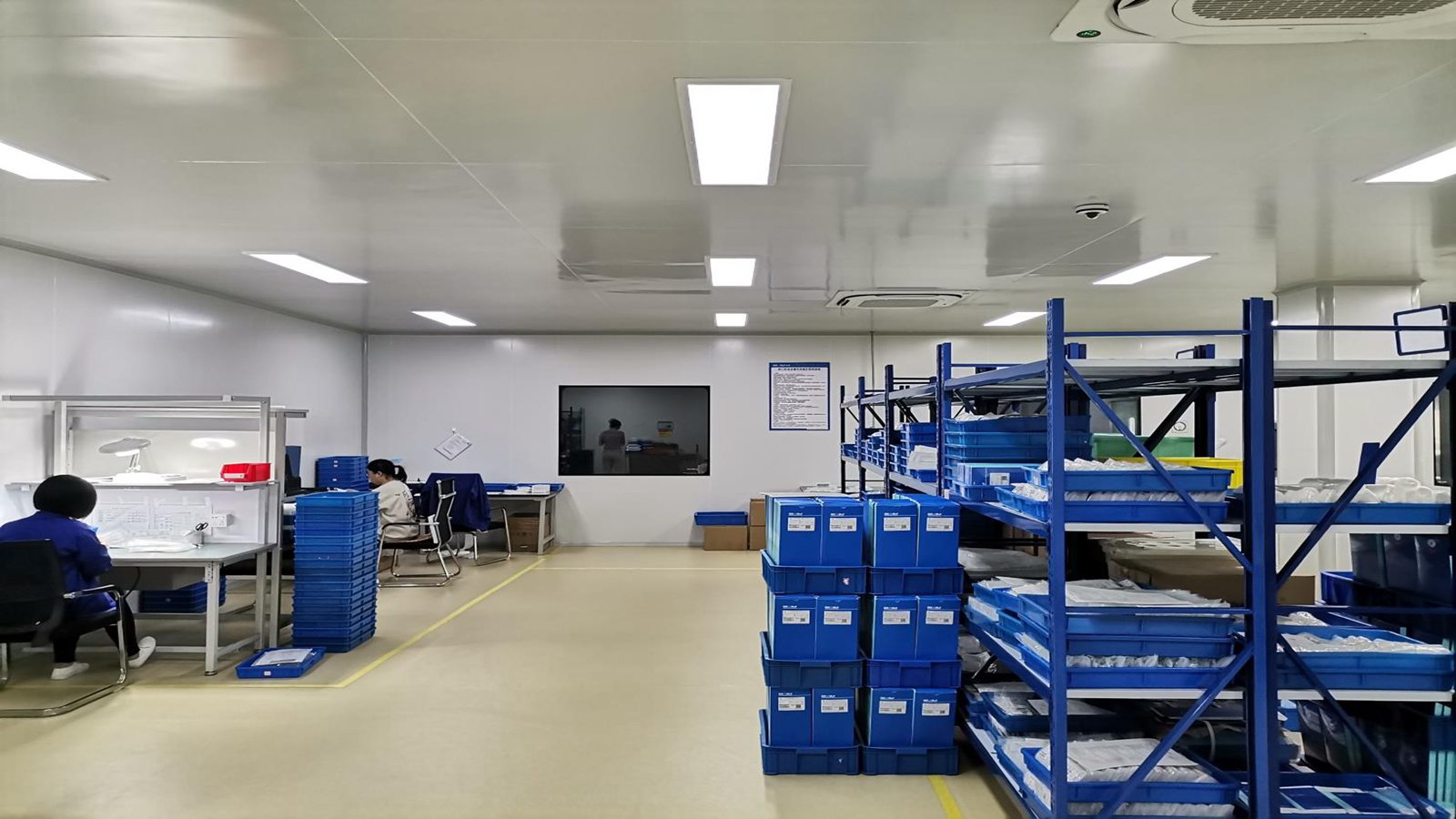
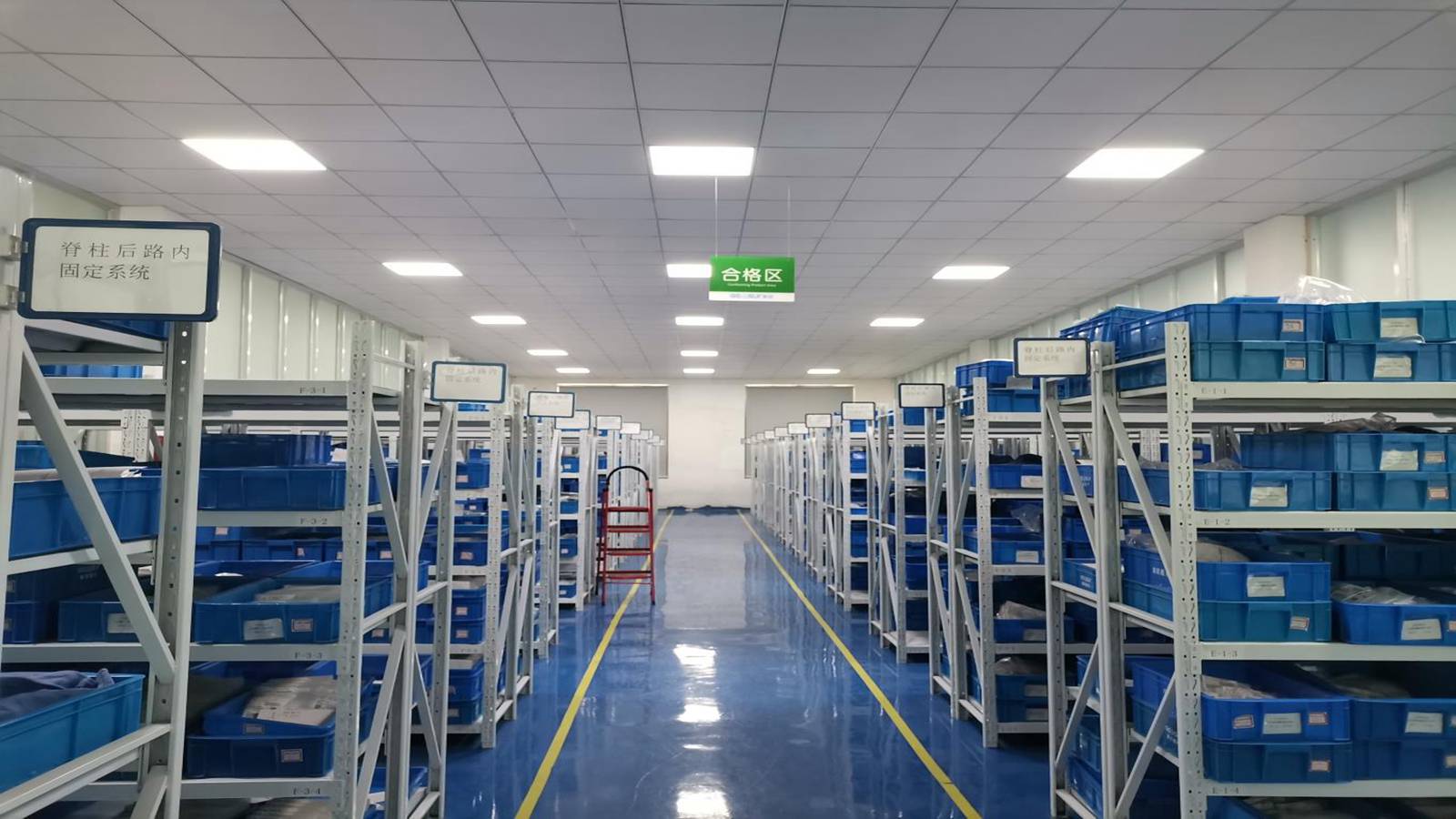
Founded in 2015, HBM Medical Apparatus And Instruments Co., Ltd. has established itself as a leading force in the Chinese orthopedic medical device sector. Our facility spans over 30,343 square meters, housing a comprehensive production ecosystem designed to support high-volume OEM/ODM demands as well as highly customized, low-volume patient-specific runs.
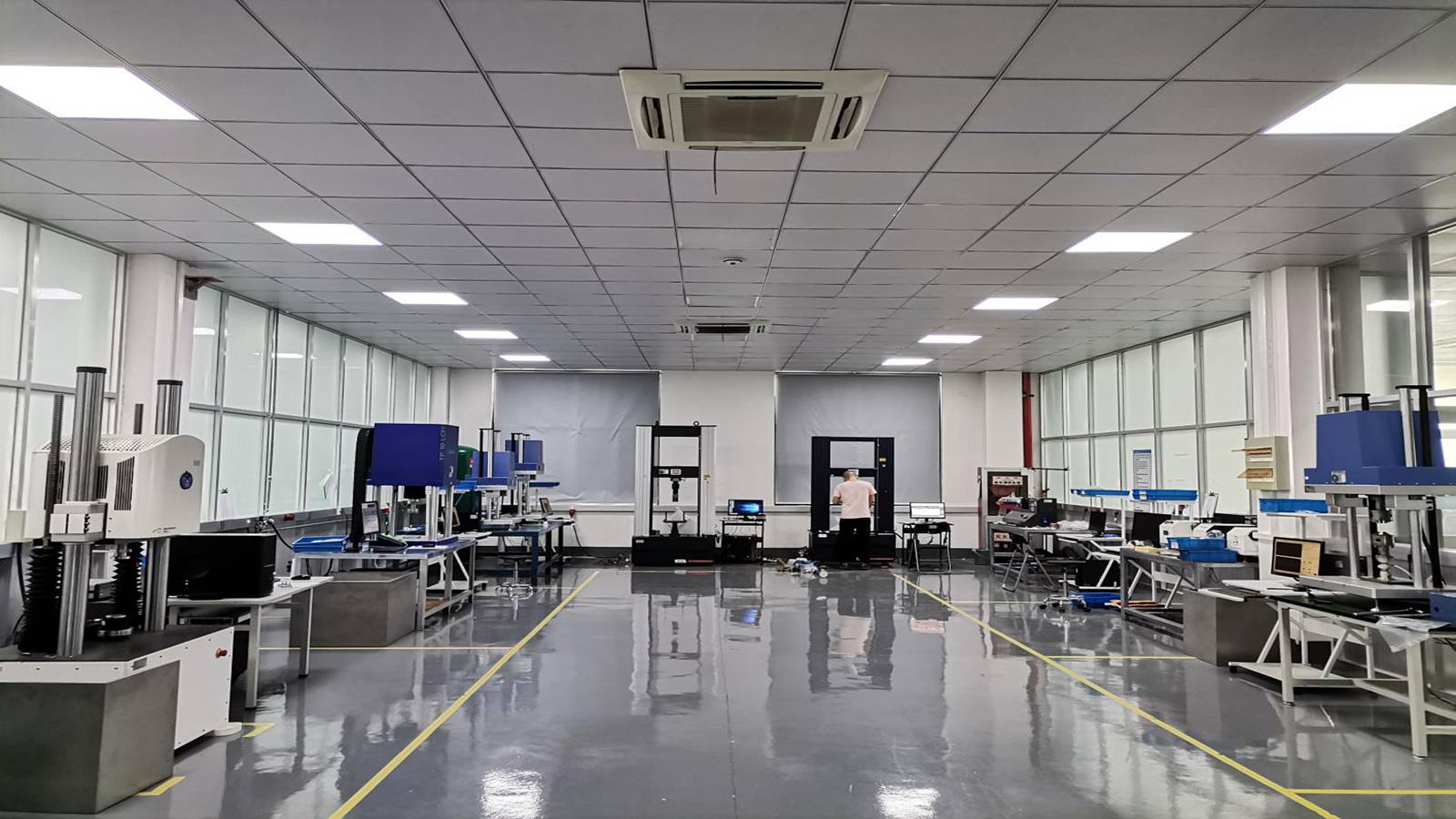
Our manufacturing floor is equipped with over 350 processing and testing instruments, ensuring that every orthopedic implant and surgical instrument meets the highest international standards. With 12 dedicated production lines, we guarantee supply chain resilience, rapid lead times, and consistent quality output for our global partners.
Our R&D department is staffed by 31 highly qualified engineers, including 1 Doctorate, 11 Postgraduates, and 17 Graduates. This formidable academic and practical expertise allows us to launch over 25 new products annually, keeping our clients at the cutting edge of orthopedic technology.
In the medical device industry, regulatory compliance is the ultimate measure of reliability. HBM Medical operates under a strict quality management system certified to international standards. We ensure complete traceability of raw materials from melt source to finished sterile package.
Mandibular reconstruction requirements vary significantly across different clinical environments and geographic regions. HBM Medical's custom OEM plates are designed to adapt to these diverse localized scenarios:
The future of mandibular reconstruction lies in the convergence of biology and digital manufacturing. HBM Medical is actively researching and developing next-generation implant technologies to further improve patient outcomes:
Get detailed answers regarding our OEM/ODM capabilities, materials, regulatory compliance, and ordering processes.
Explore our specialized surgical instrument sets and implants designed for veterinary, trauma, and spine surgeries.
 HBM Medical