China Best Femoral Locking Plates Factories & Exporter

Empowering Global Orthopedic Surgery with High-Precision Titanium Implants, Industry 4.0 Supply Chain Resilience, and Certified E-E-A-T Quality Standards.

The Biomechanical Evolution of Femoral Locking Plates

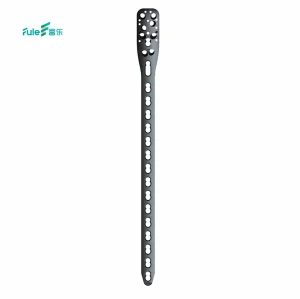
In modern orthopedic trauma surgery, the management of complex femoral fractures—particularly distal, proximal, and diaphyseal fractures—has undergone a paradigm shift. Traditional compression plating methods, which relied heavily on friction between the plate and bone, often compromised periosteal blood supply, leading to high rates of non-union and implant failure. The introduction of Femoral Locking Compression Plates (LCP) has revolutionized osteosynthesis by functioning as internal fixators.

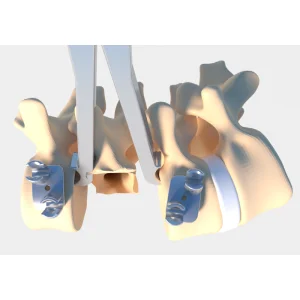
By locking the screw head into the plate, the system creates a fixed-angle construct. This mechanical configuration provides superior angular stability, particularly in osteoporotic bone or highly comminuted fractures where traditional screws are prone to stripping. The biological advantage is profound: because the plate does not need to be compressed tightly against the bone surface, the periosteal perfusion is preserved, significantly accelerating the natural bone healing cascade.

Key Technological Advancements in Modern Femoral Plating:

  • Anatomical Pre-contouring: Modern plates are meticulously designed using 3D bone mapping technologies to fit the specific anatomical contours of the lateral distal femur, proximal femur, and shaft, reducing the need for intraoperative bending.
  • Polyaxial Locking Systems: Allowing surgeons to angle locking screws up to 15 degrees from the nominal axis, enabling precise targeting of specific bone fragments and avoidance of joint prostheses.
  • Advanced Surface Modifications: Type II anodization of titanium implants creates a dense oxide layer that minimizes cold welding between screws and plates while enhancing biocompatibility.

Global Procurement Dynamics

Hospital purchasing groups (GPOs) and international medical device distributors are increasingly prioritizing supply chain resilience and regulatory compliance over raw cost. The transition to EU MDR (Medical Device Regulation) and the rigorous requirements of FDA 510(k) clearances have filtered the global manufacturing landscape, positioning certified Chinese factories as primary partners for high-volume contract manufacturing.

Material Excellence

HBM utilizes medical-grade Titanium Alloy (Ti-6Al-4V ELI) conforming to ASTM F136 standards. This ensures an optimal balance of high tensile strength, low modulus of elasticity (closer to human bone), and exceptional fatigue resistance under cyclic physiological loading.

HBM Medical: Manufacturing Powerhouse at a Glance

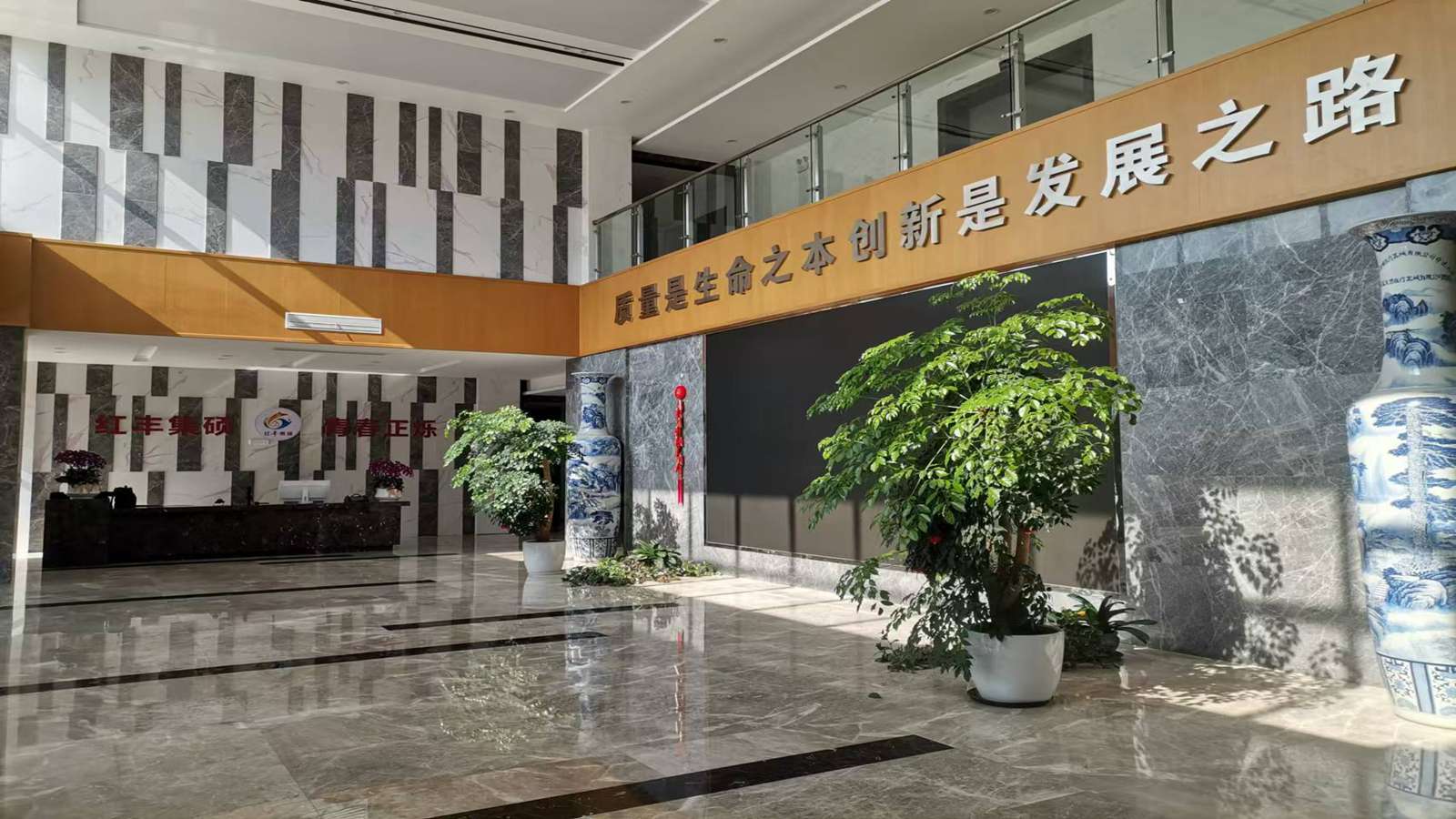
Our state-of-the-art infrastructure in China represents the pinnacle of orthopedic manufacturing, combining scale, precision, and international quality standards.

30,343㎡
Production Space
12
Advanced Production Lines
350+
Processing & Testing Equipment
36
QA/QC Inspectors
31
R&D Engineers
10+ Years
Global Export Experience
CE / MDSAP
International Certifications
25+
New Products Launched Annually

Rigorous Quality Control

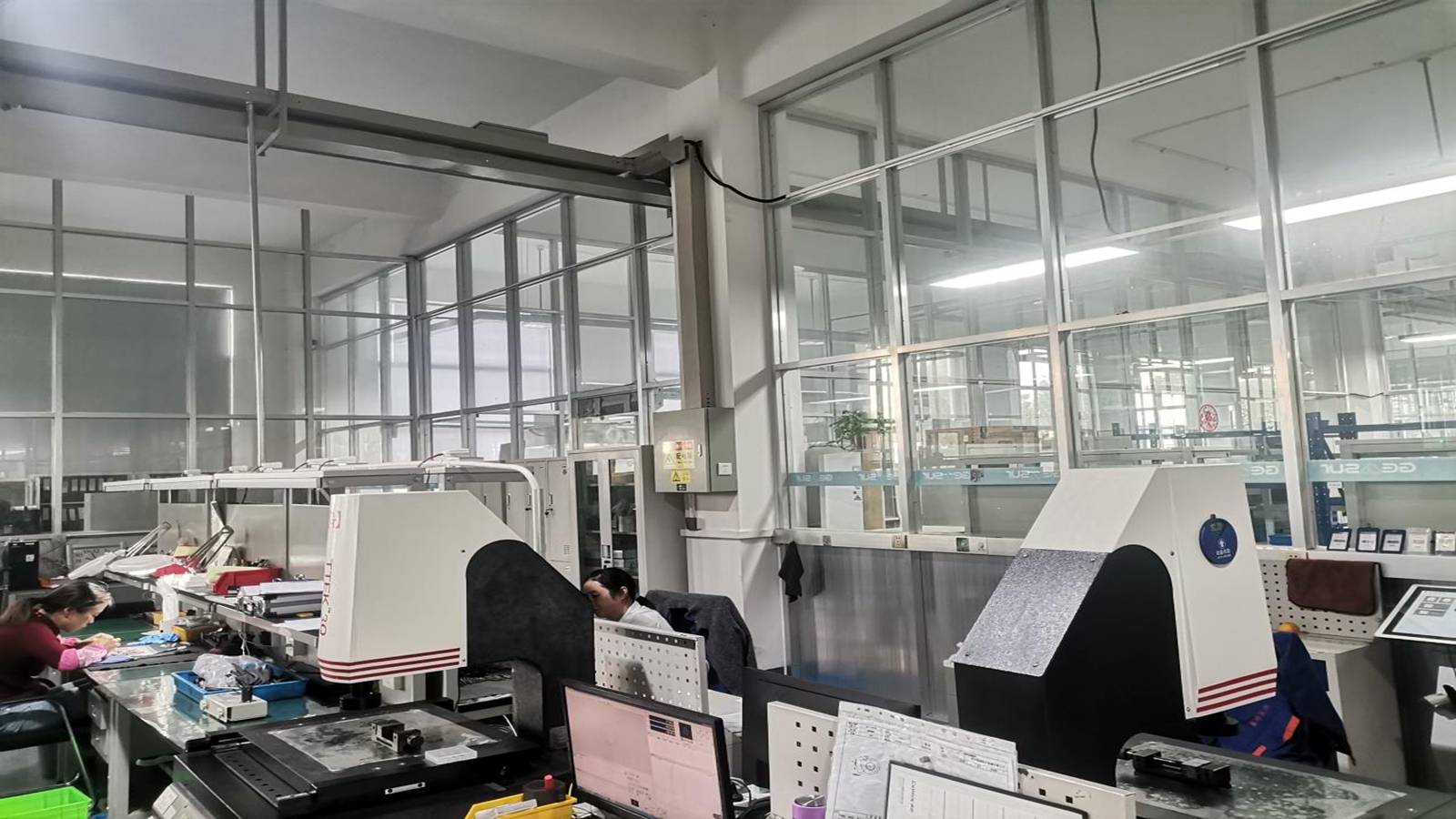
Our quality assurance protocol includes 100% raw material traceability, coordinate measuring machine (CMM) dimensional verification, and dynamic fatigue testing to simulate millions of cycles of physiological gait loading.

R&D Academic Depth

Our R&D team consists of 31 dedicated engineers, including 1 Doctorate, 11 Postgraduates, and 17 Graduates, ensuring that HBM remains at the cutting edge of biomechanical innovation and clinical application design.

China Factory 4.0: Supply Chain Resilience & Efficiency

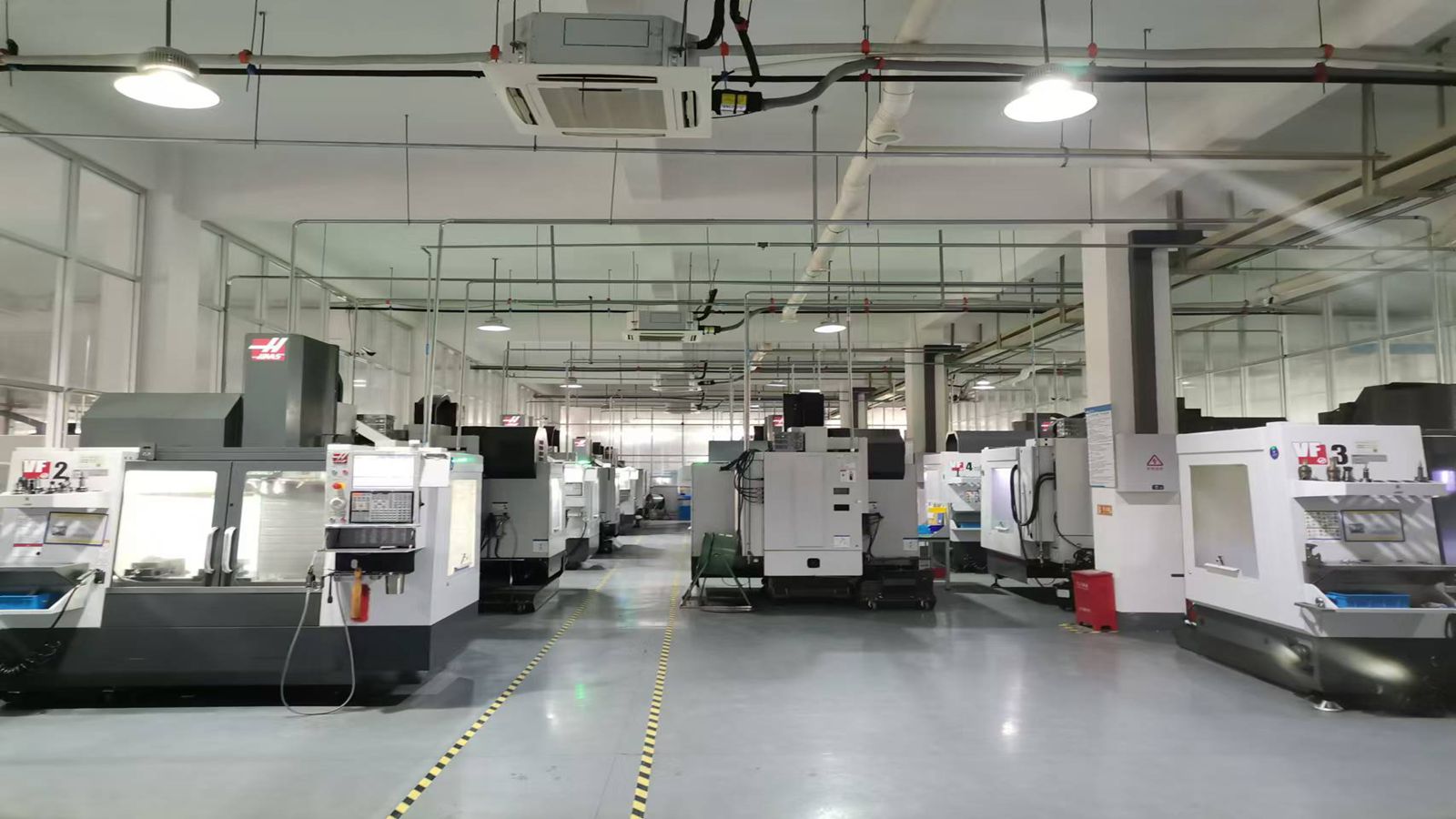
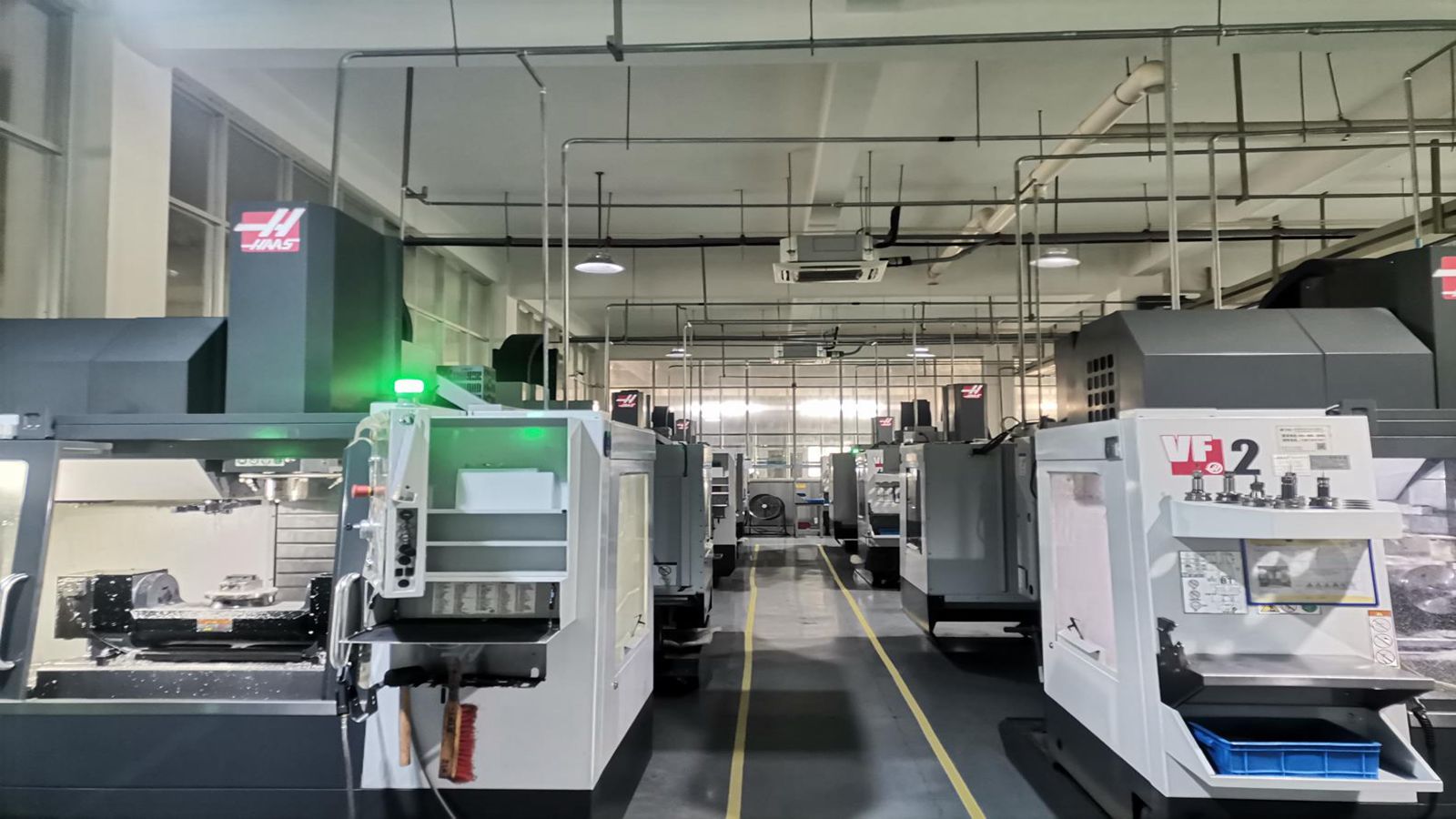
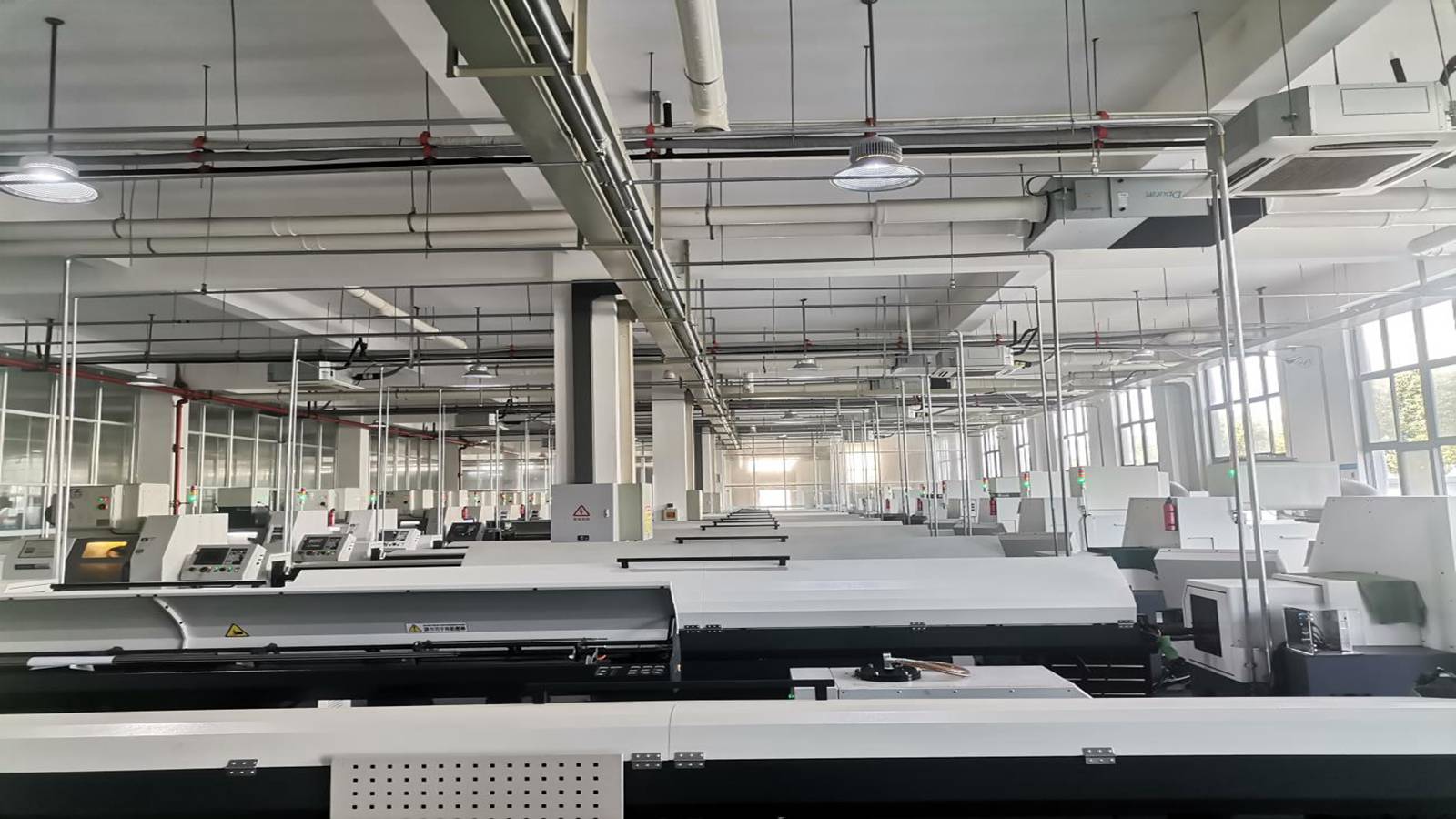
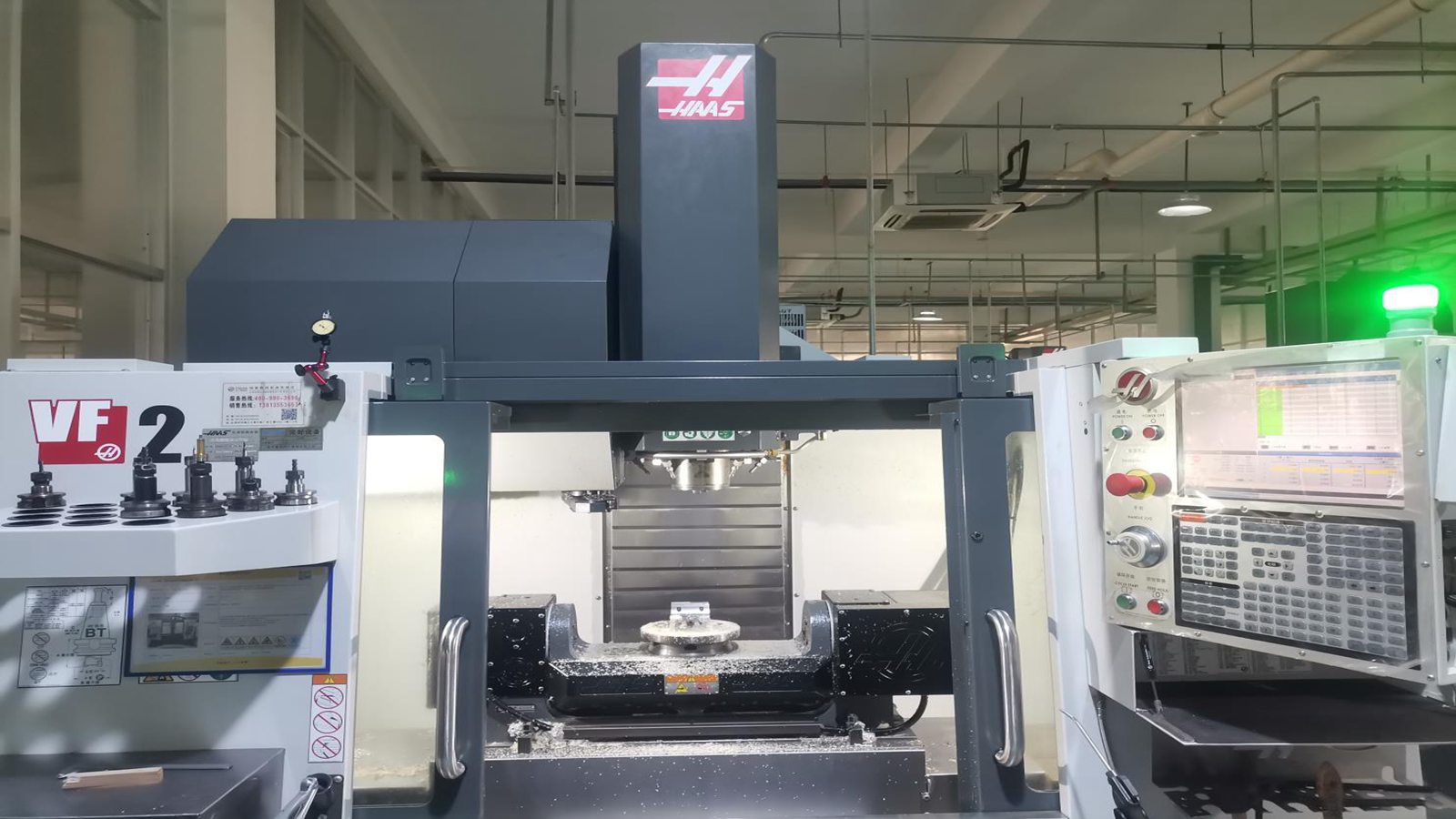
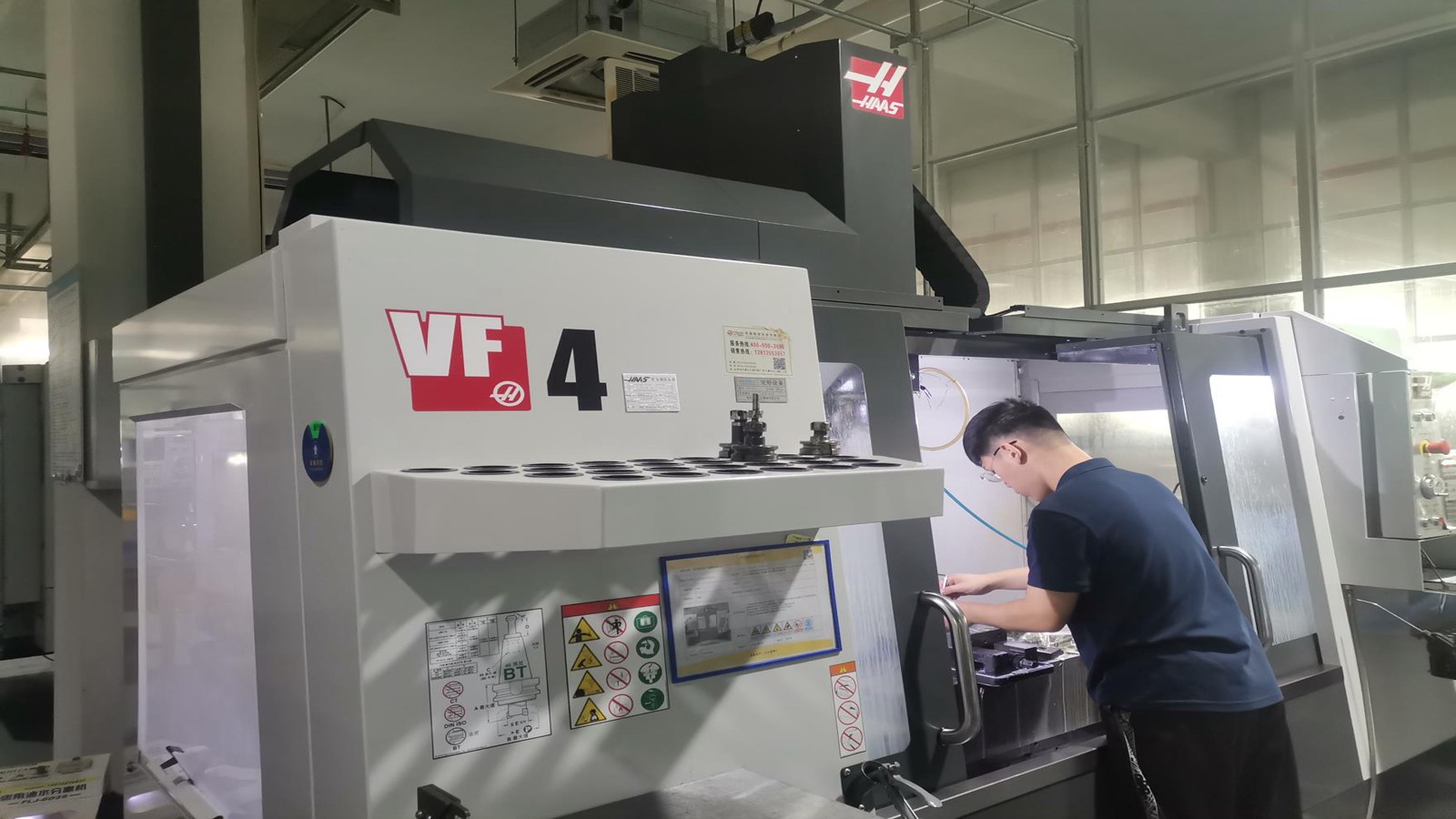
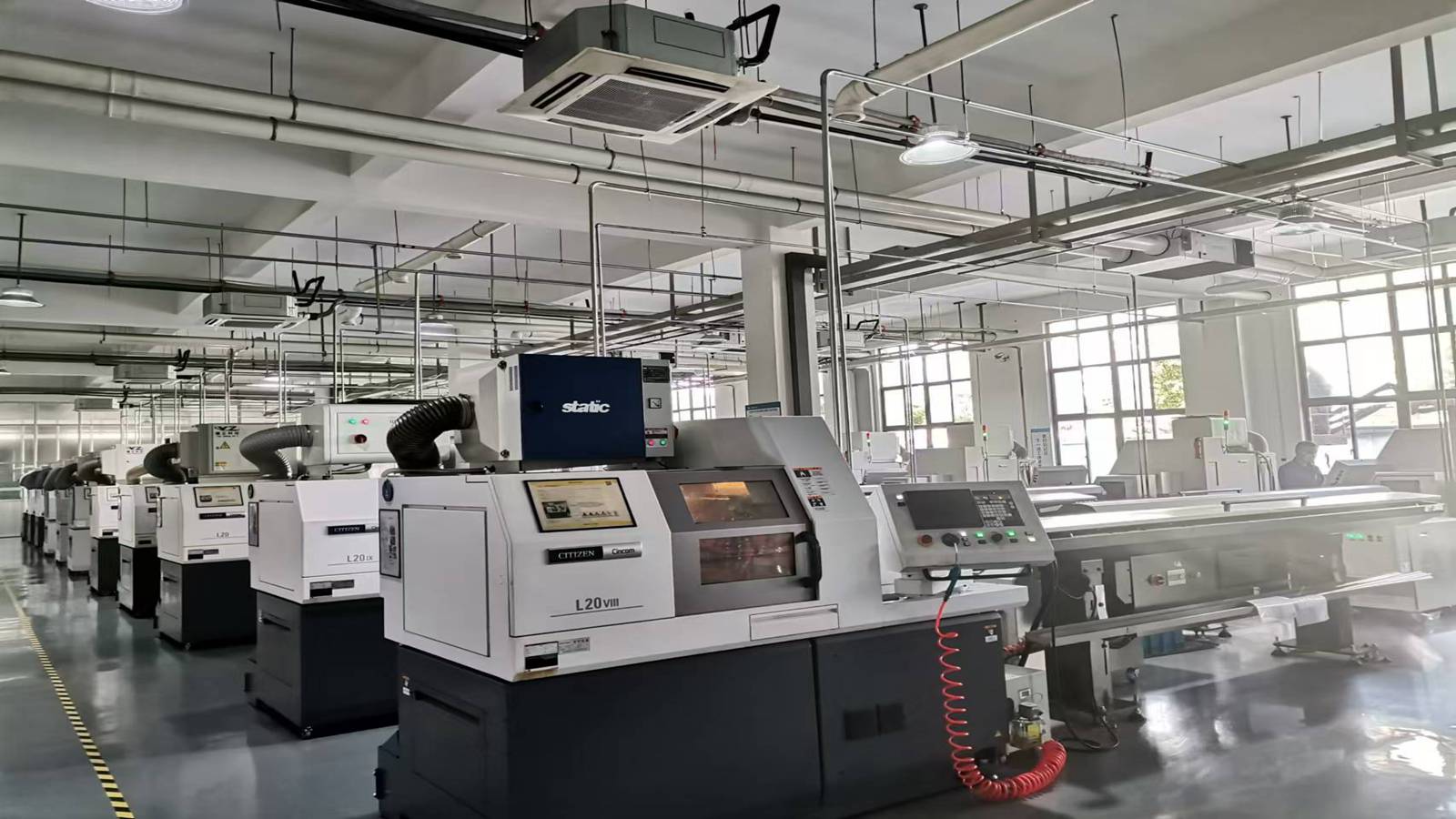
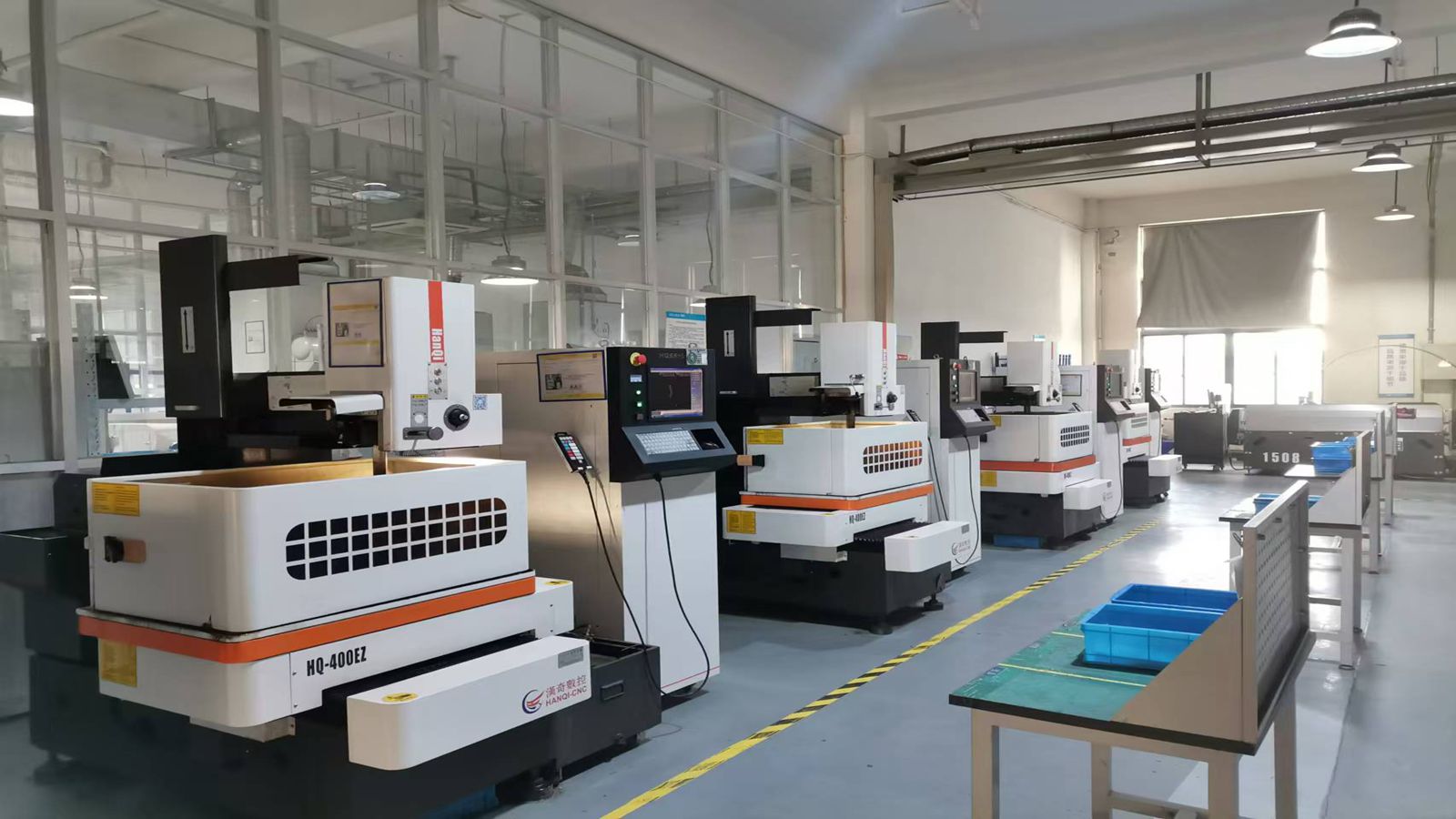
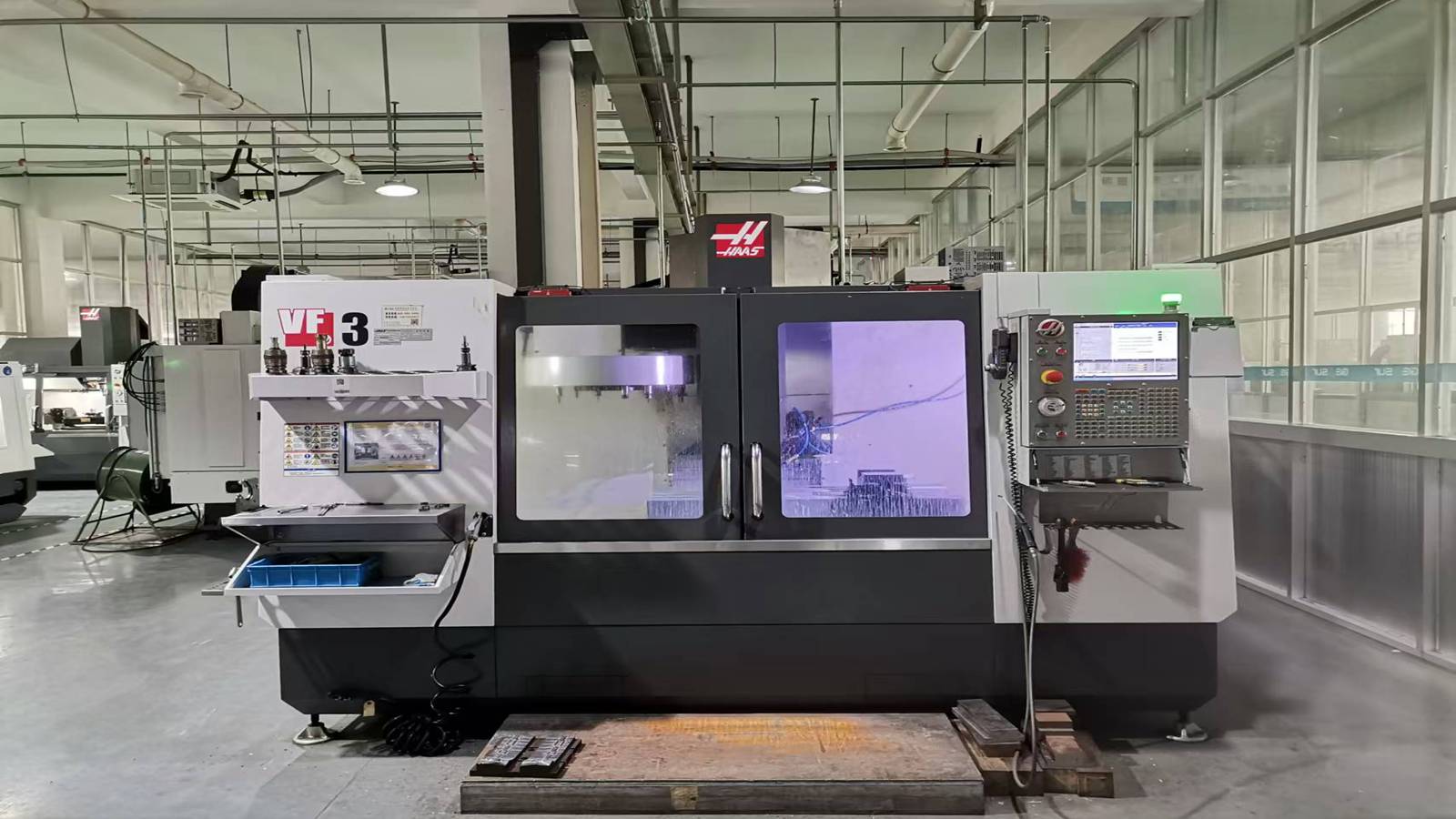
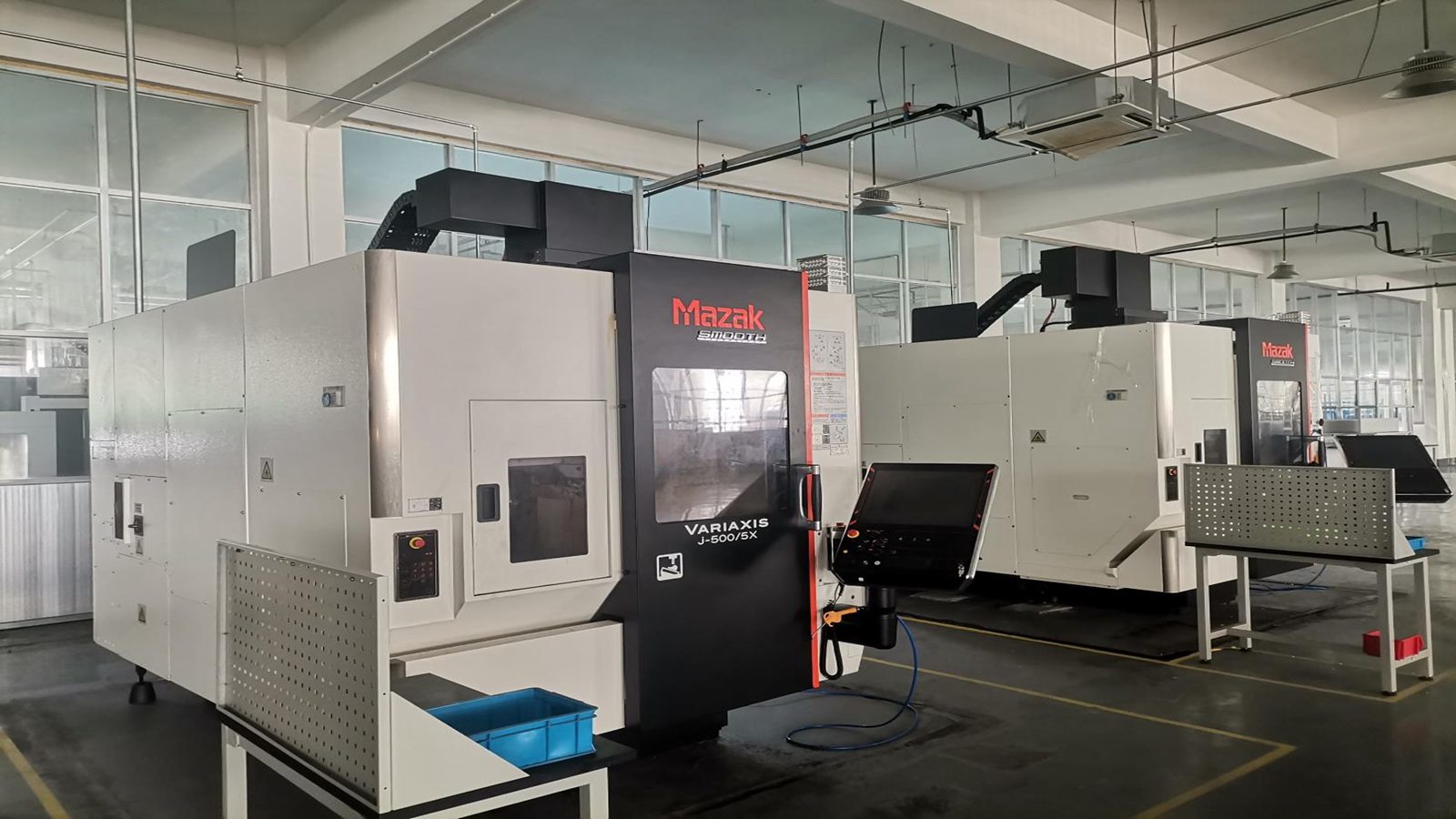
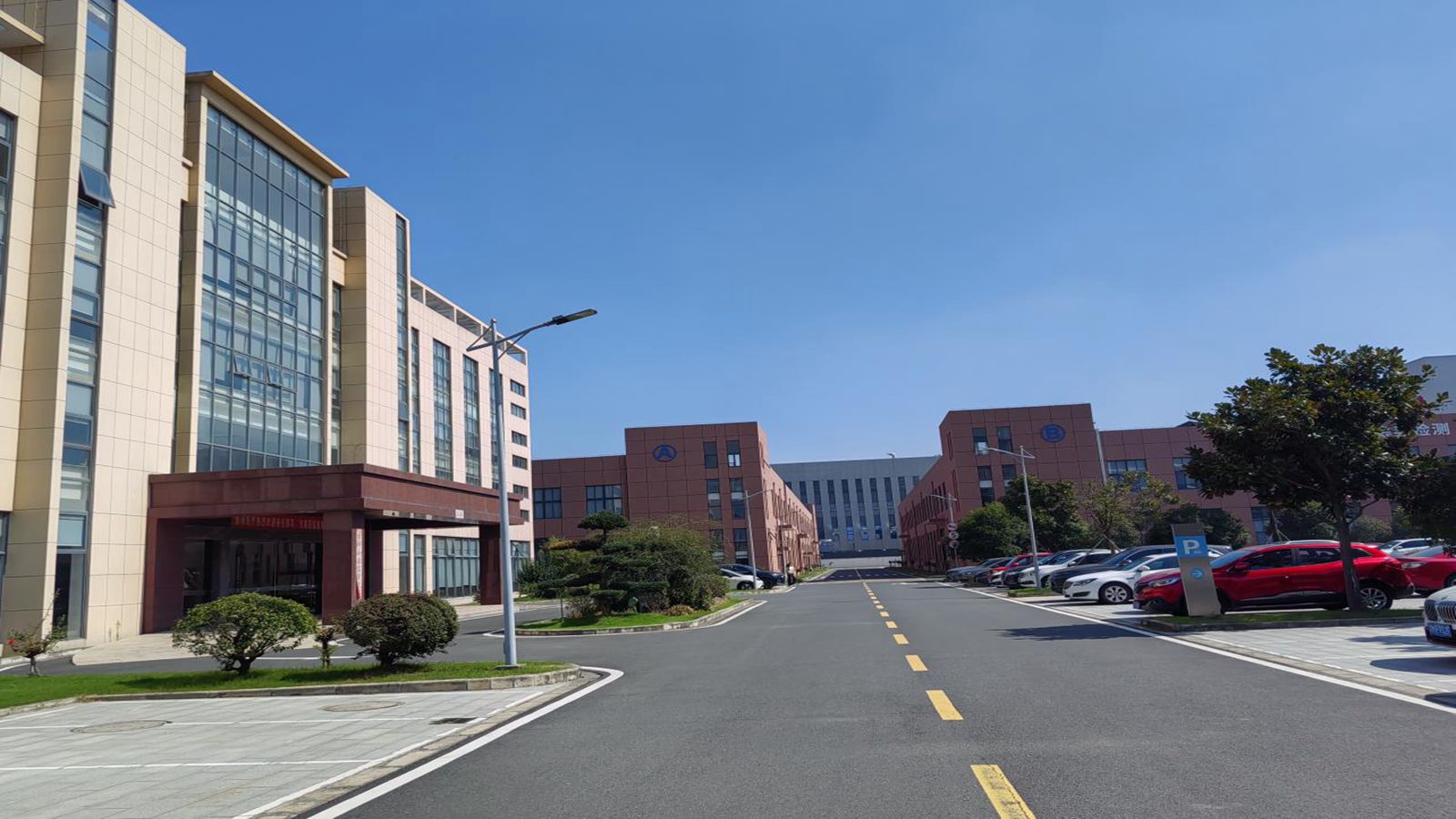
As a premier exporter of orthopedic implants, HBM Medical Apparatus And Instruments Co., Ltd. has integrated Industry 4.0 principles into our manufacturing ecosystem. Operating from a massive 30,343 square meter facility, we utilize multi-axis CNC machining centers (including premium Swiss-type lathes and German milling centers) to achieve sub-micron tolerances required for complex locking screw threads and anatomical plate geometries.

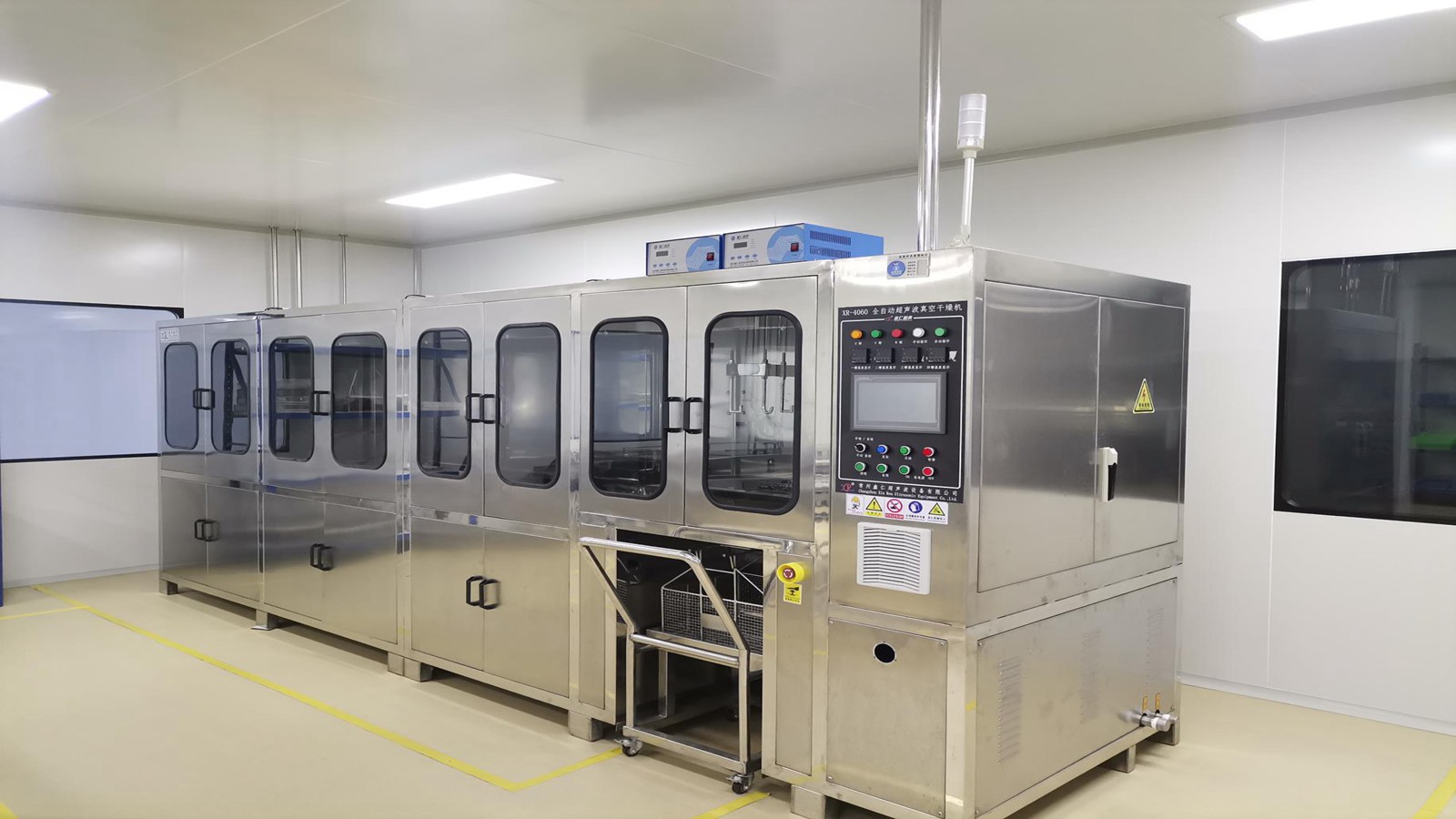
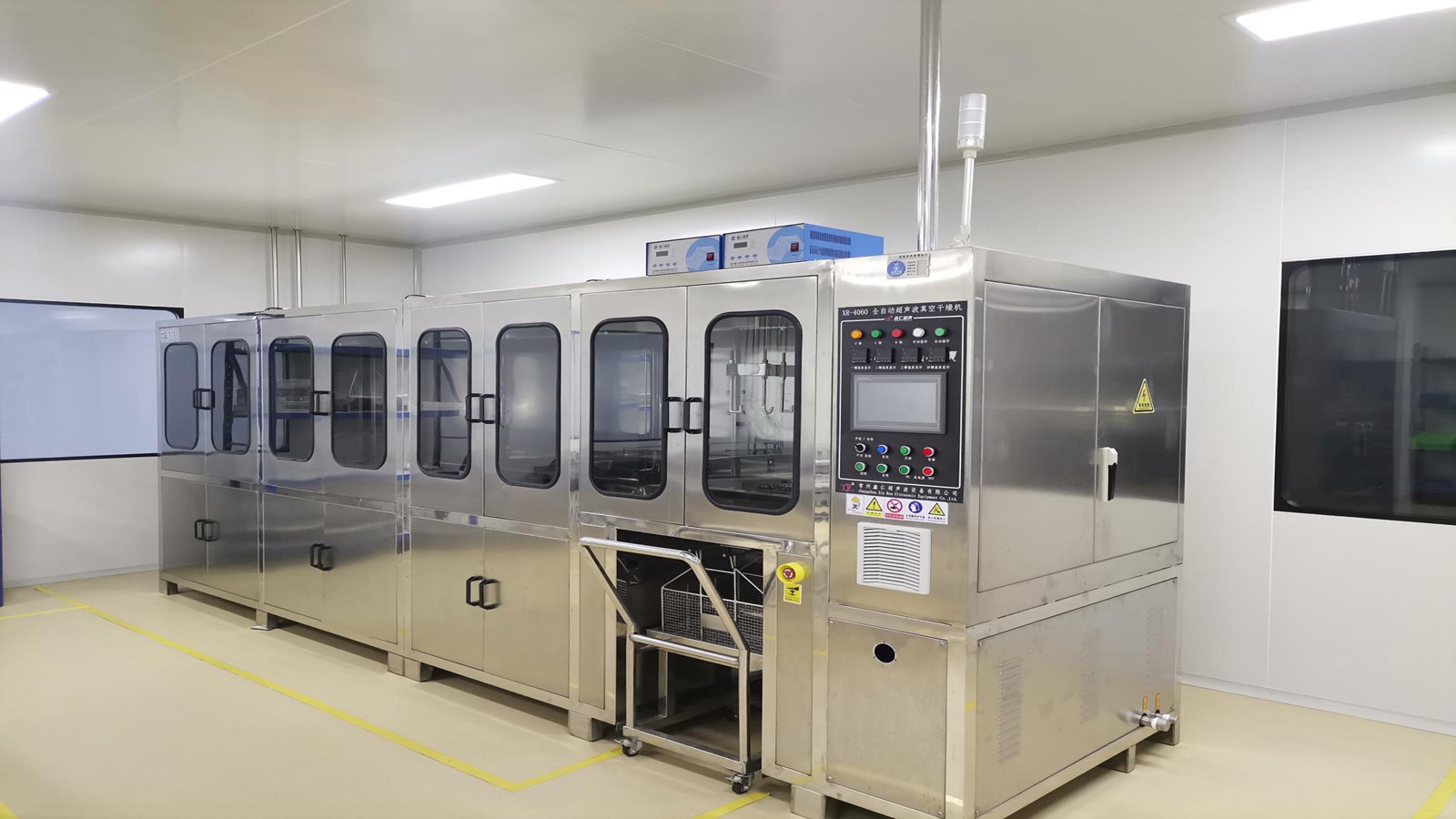
This technological foundation translates directly to supply chain resilience. While global logistics and raw material costs fluctuate, HBM's vertical integration—spanning R&D, raw material sourcing, precision machining, surface treatment, cleanroom packaging, and in-house sterilization validation—insulates our global partners from market volatility. Our 12 dedicated production lines and 120 specialized machines ensure a highly scalable output, accommodating both high-volume OEM/ODM contracts and customized, on-demand clinical requests.

Why Global Distributors Partner with HBM Medical:

  • Uncompromised Regulatory Compliance: Our products are backed by ISO 13485, MDSAP, and CE (MDR) certifications, facilitating seamless market entry across Europe, the Americas, and Asia-Pacific regions.
  • Complete Traceability: Every single femoral locking plate is laser-etched with a unique UDI (Unique Device Identification) code, linking it directly to its raw material mill test certificate and production batch records.
  • Optimized Lead Times: Leveraging advanced ERP systems and automated inventory management, we maintain a robust safety stock of standard implant systems, reducing delivery times by up to 40% compared to Western competitors.

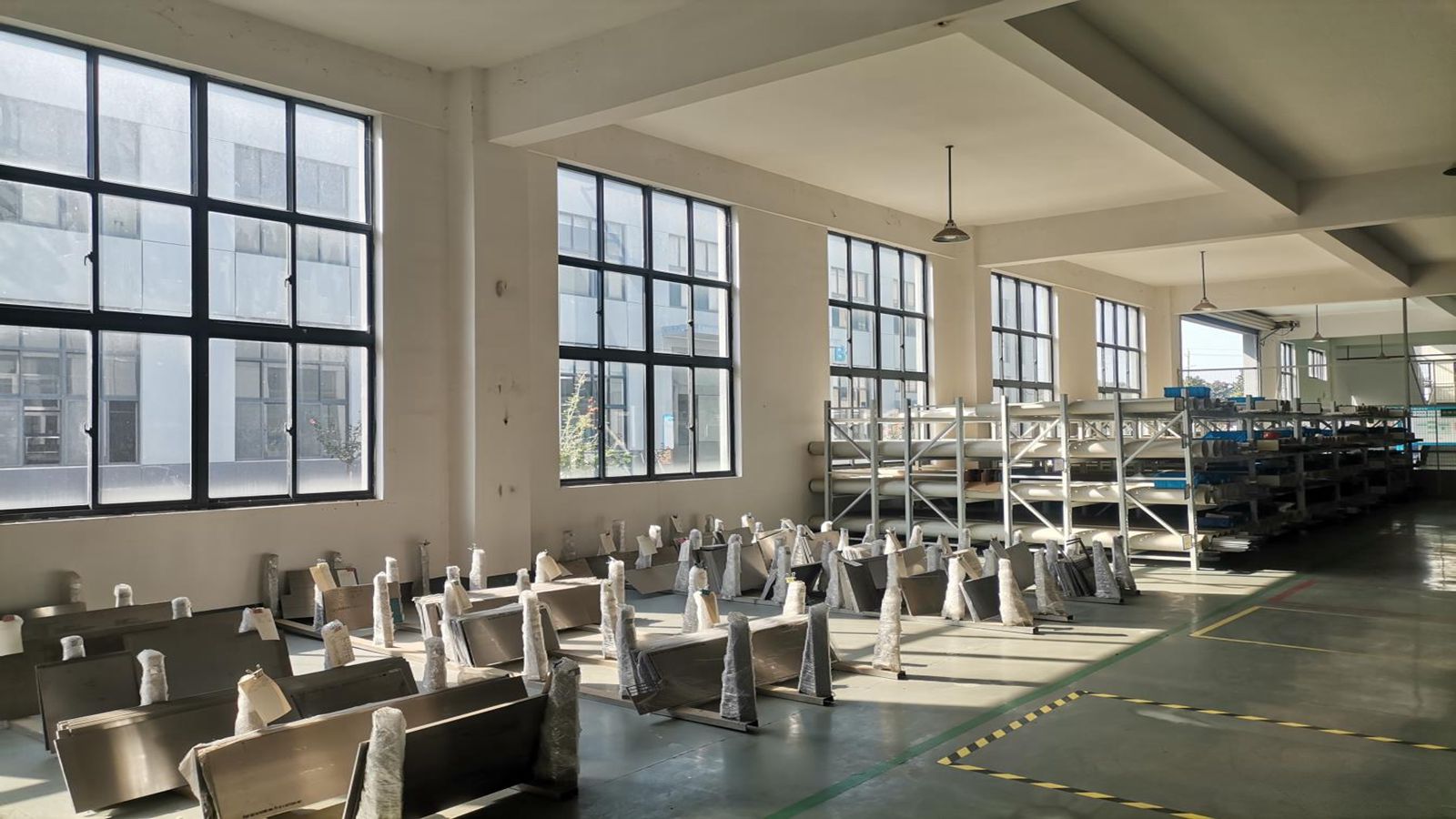
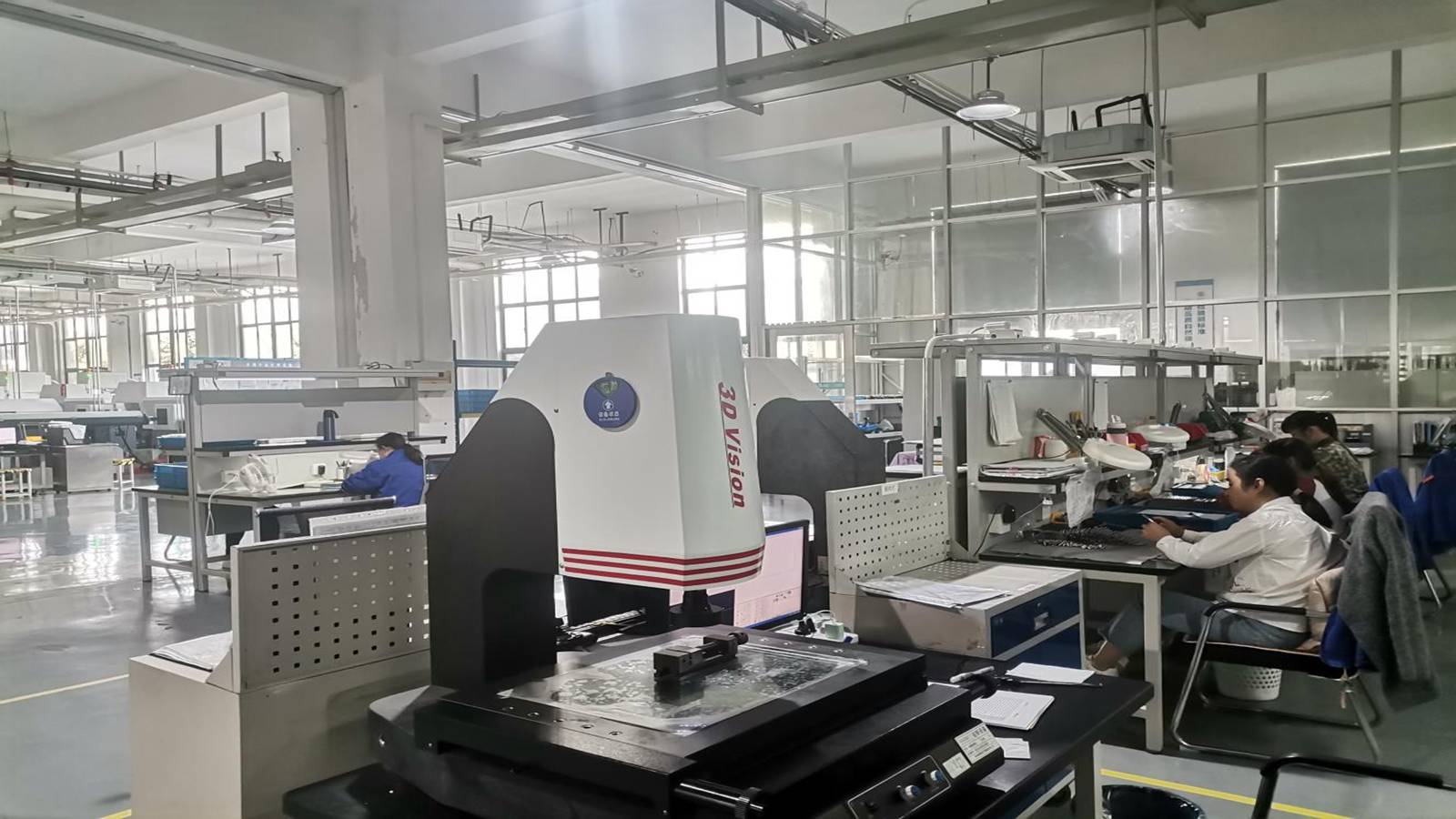
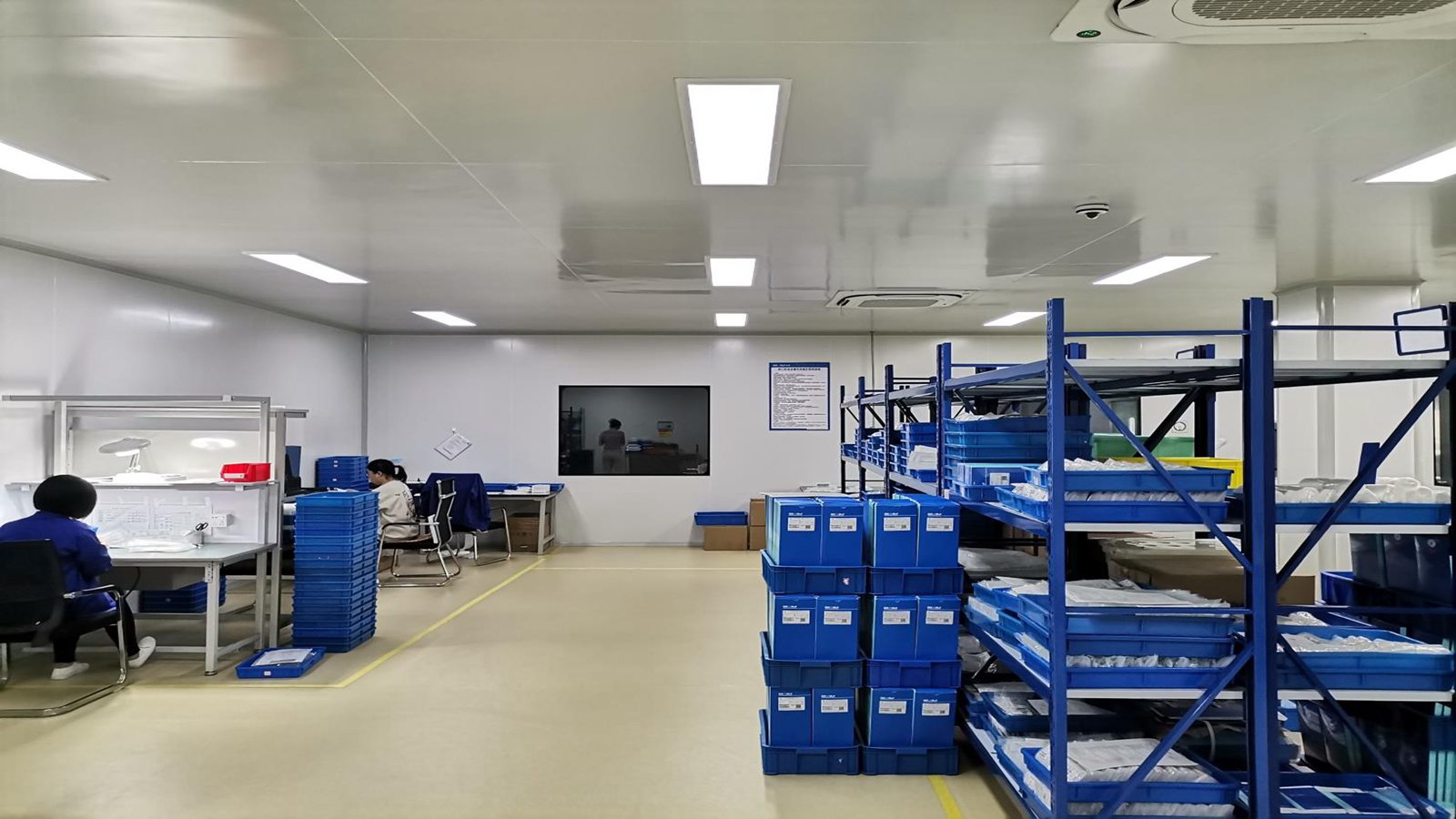
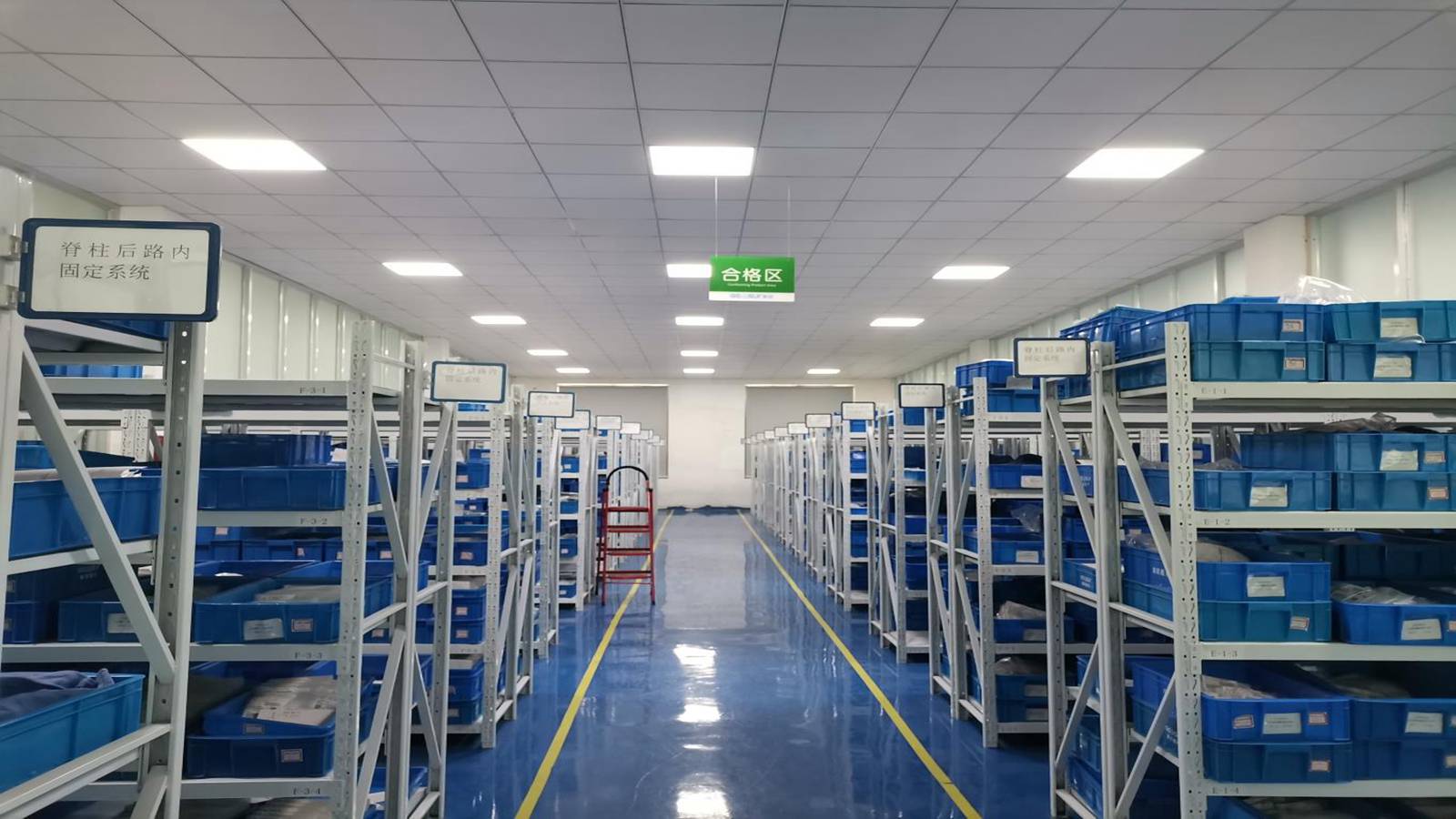
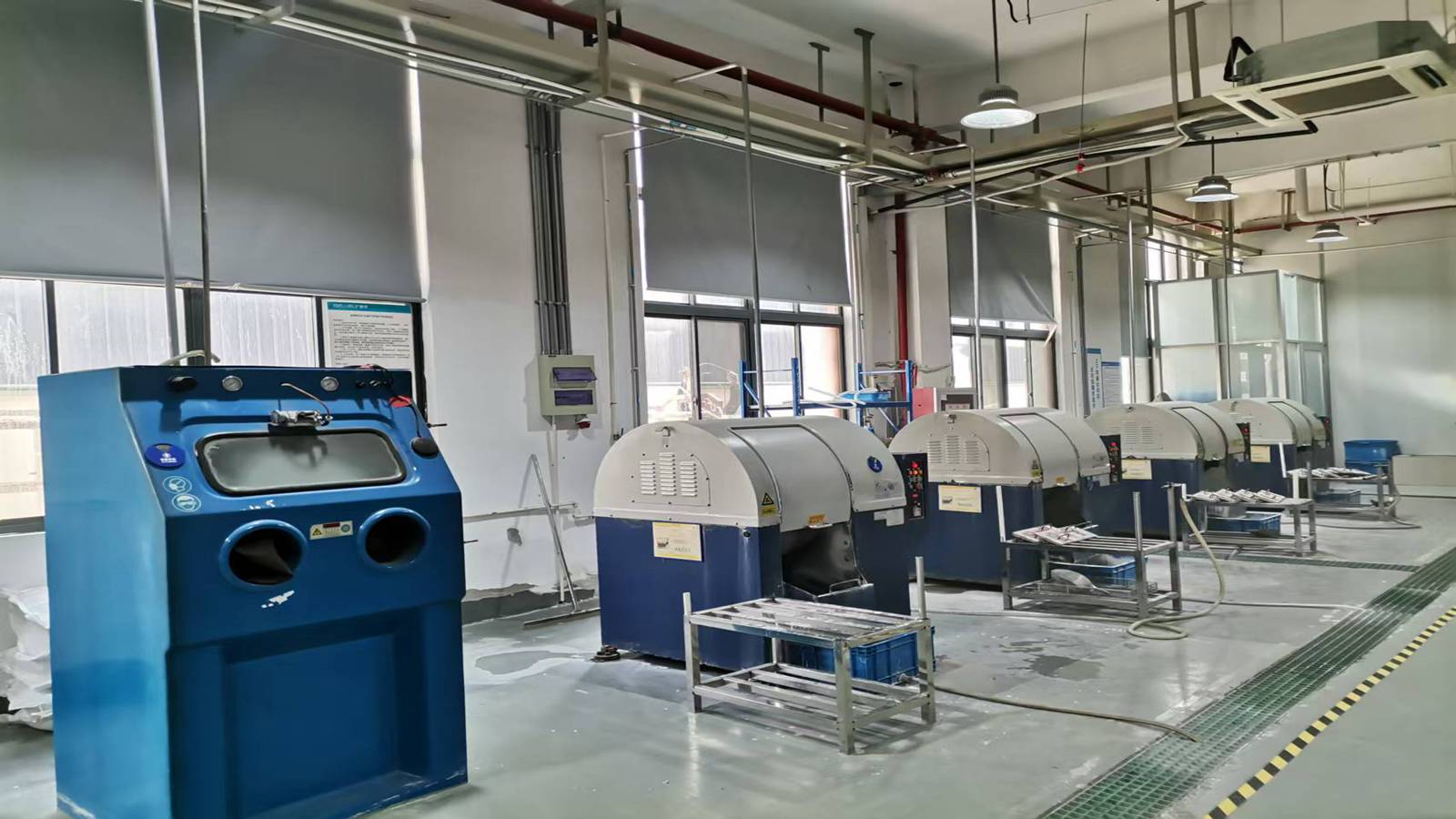
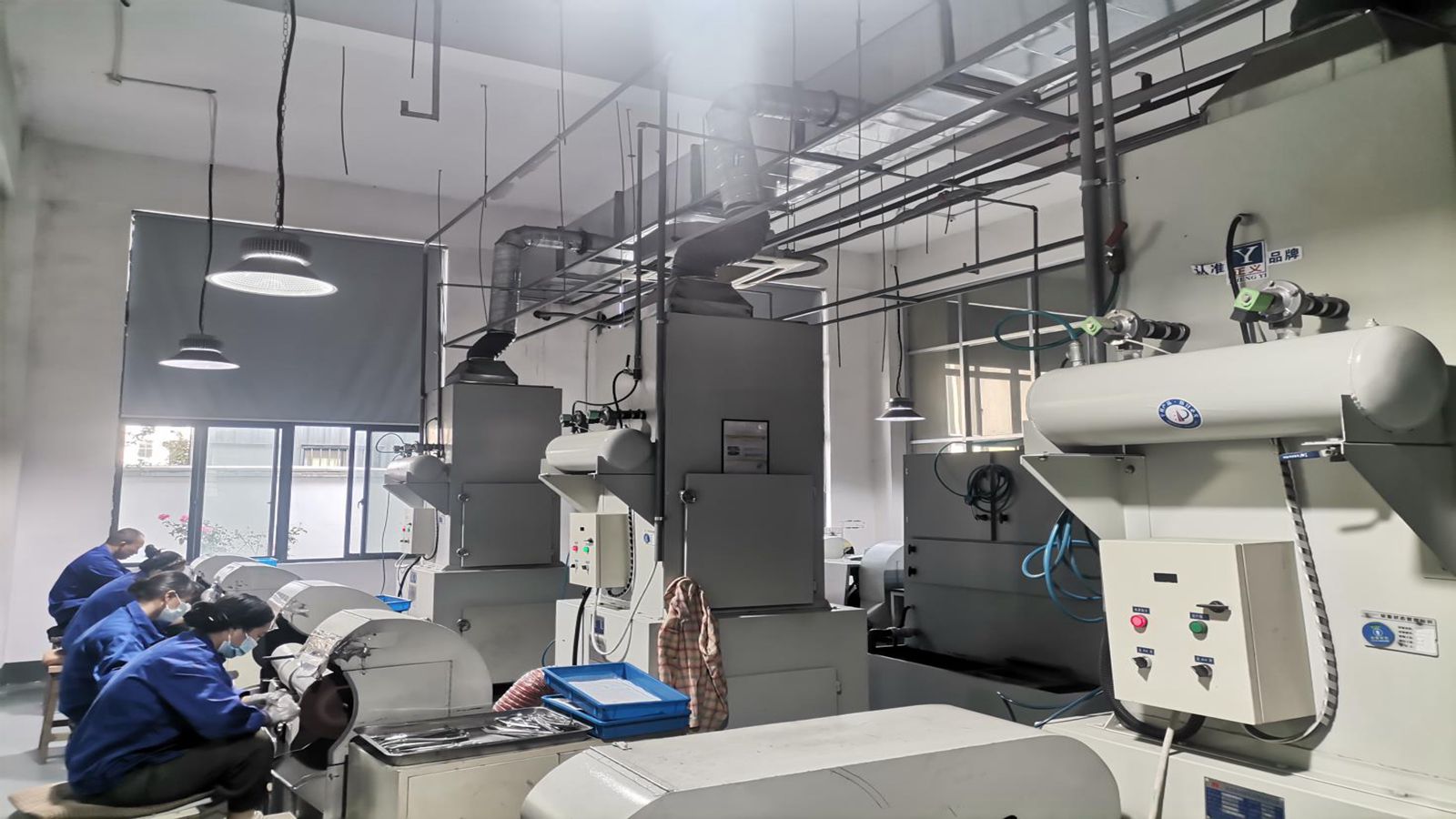
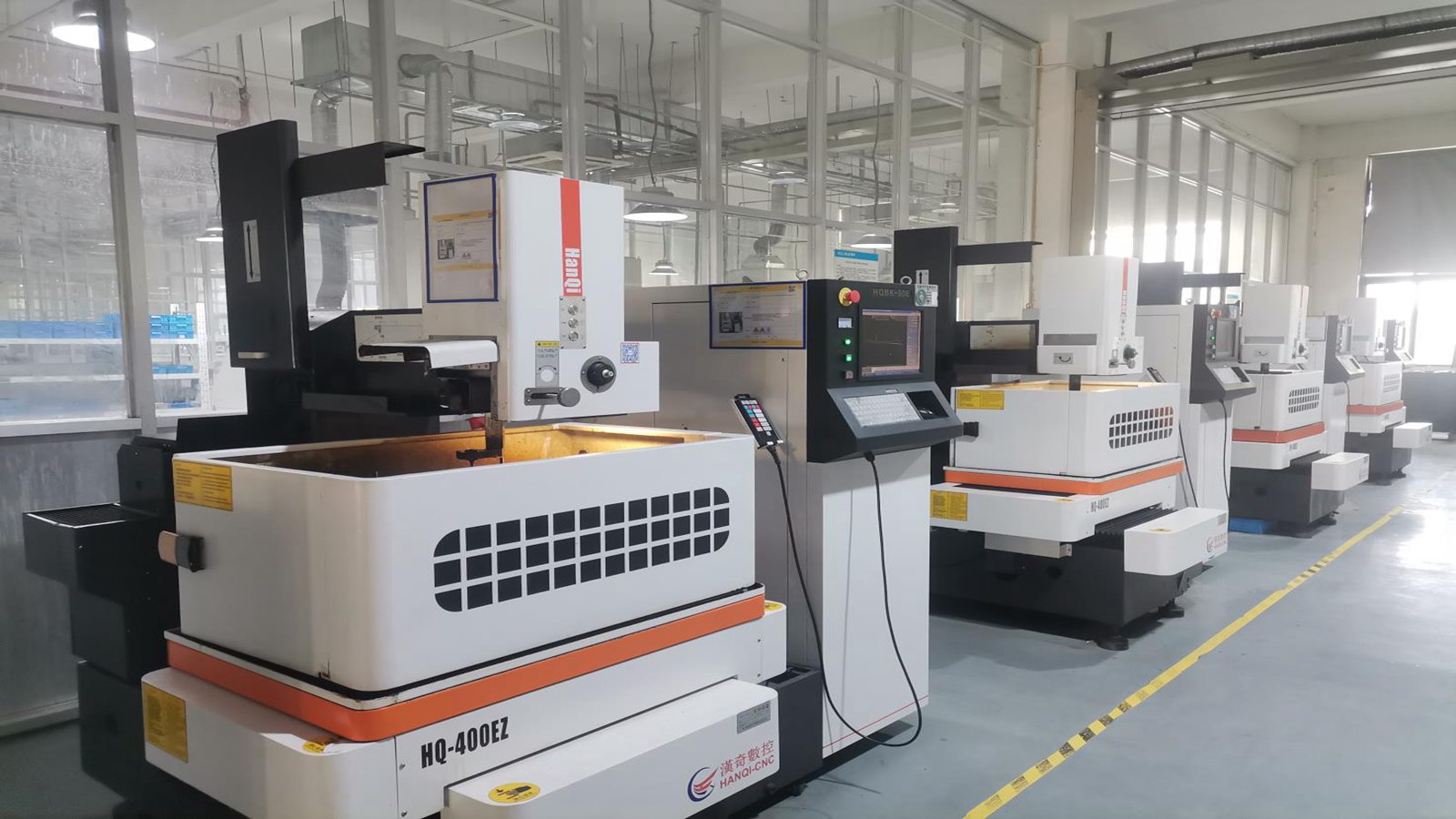
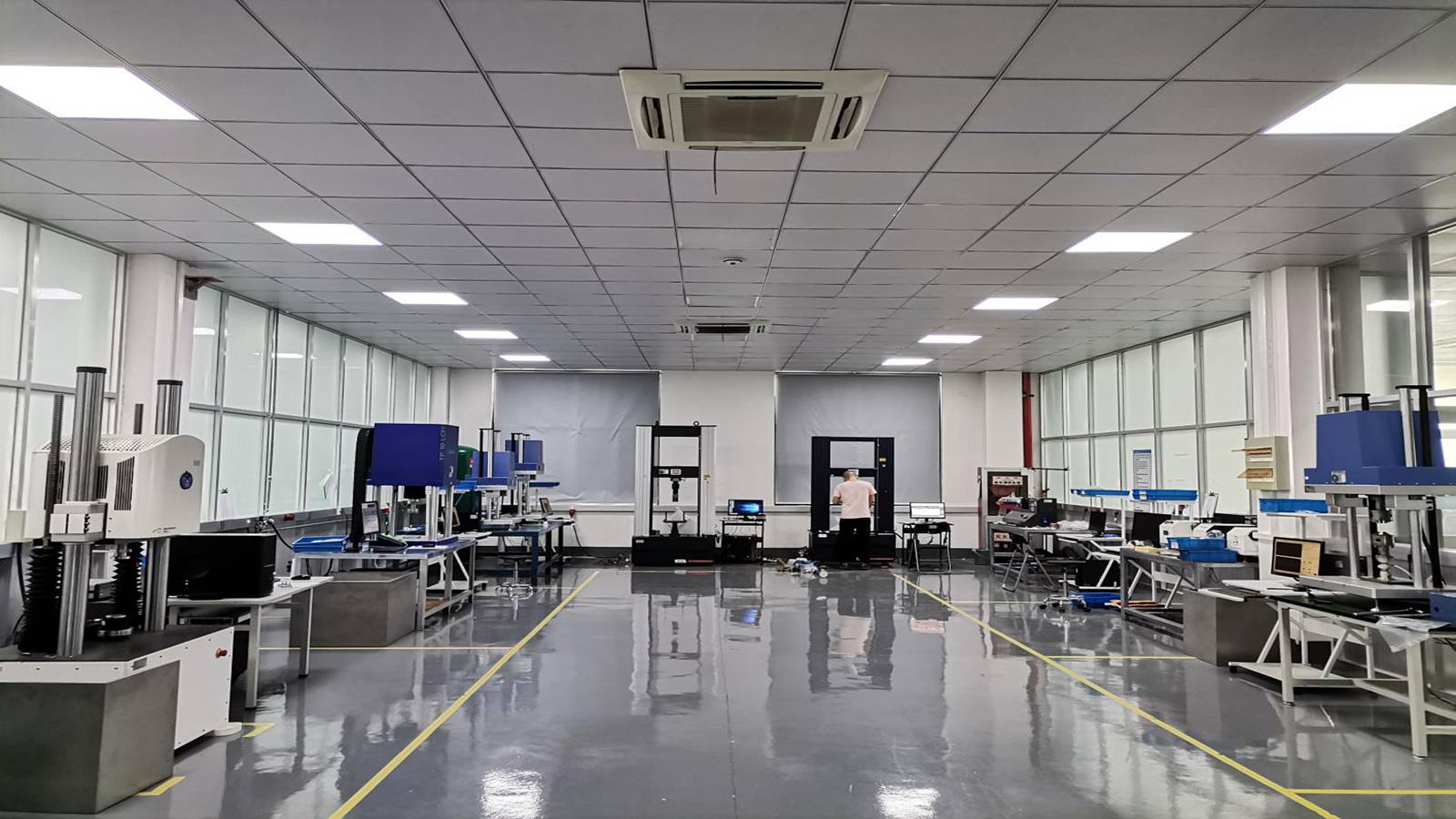
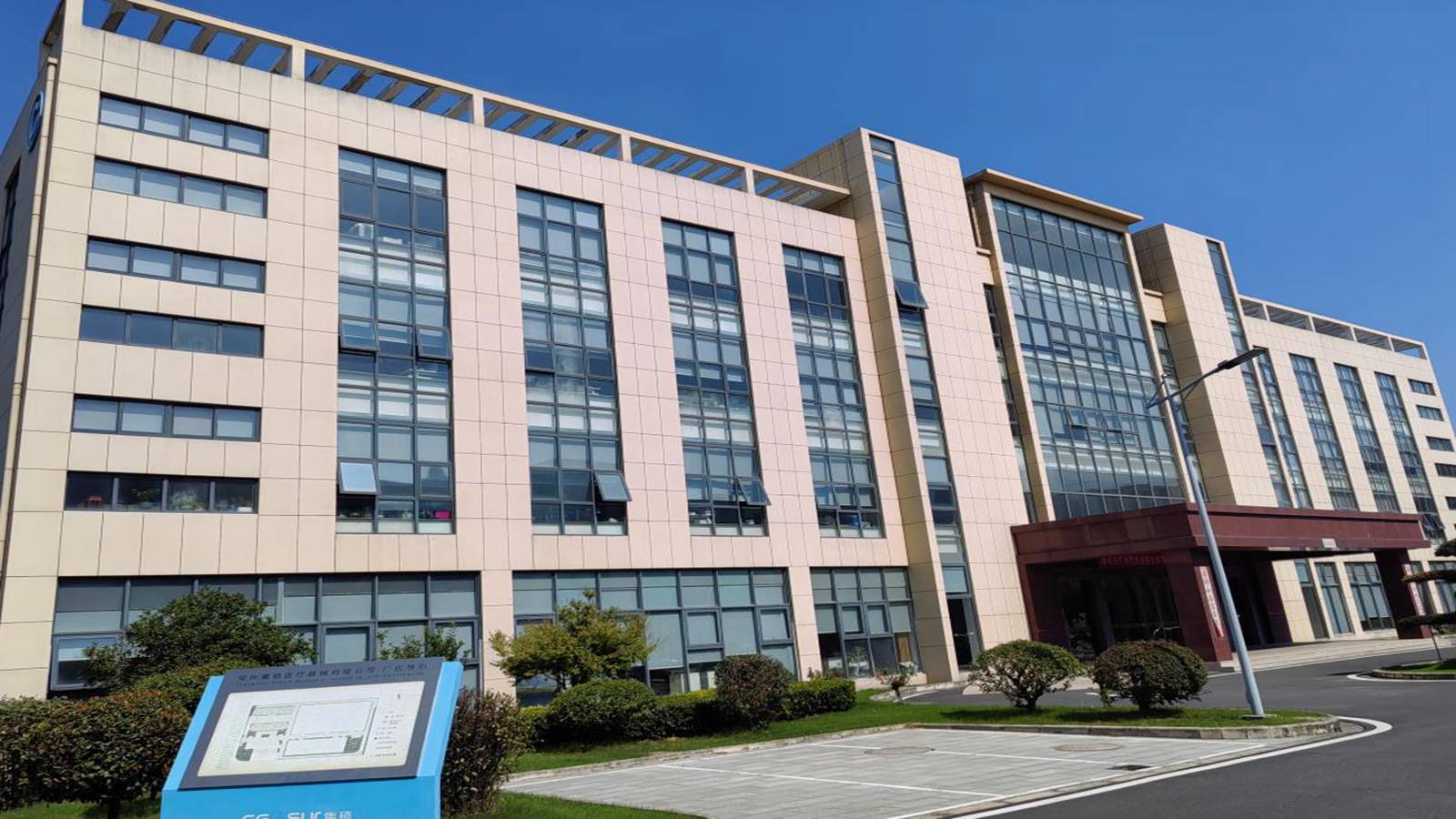
Our World-Class Manufacturing Facility

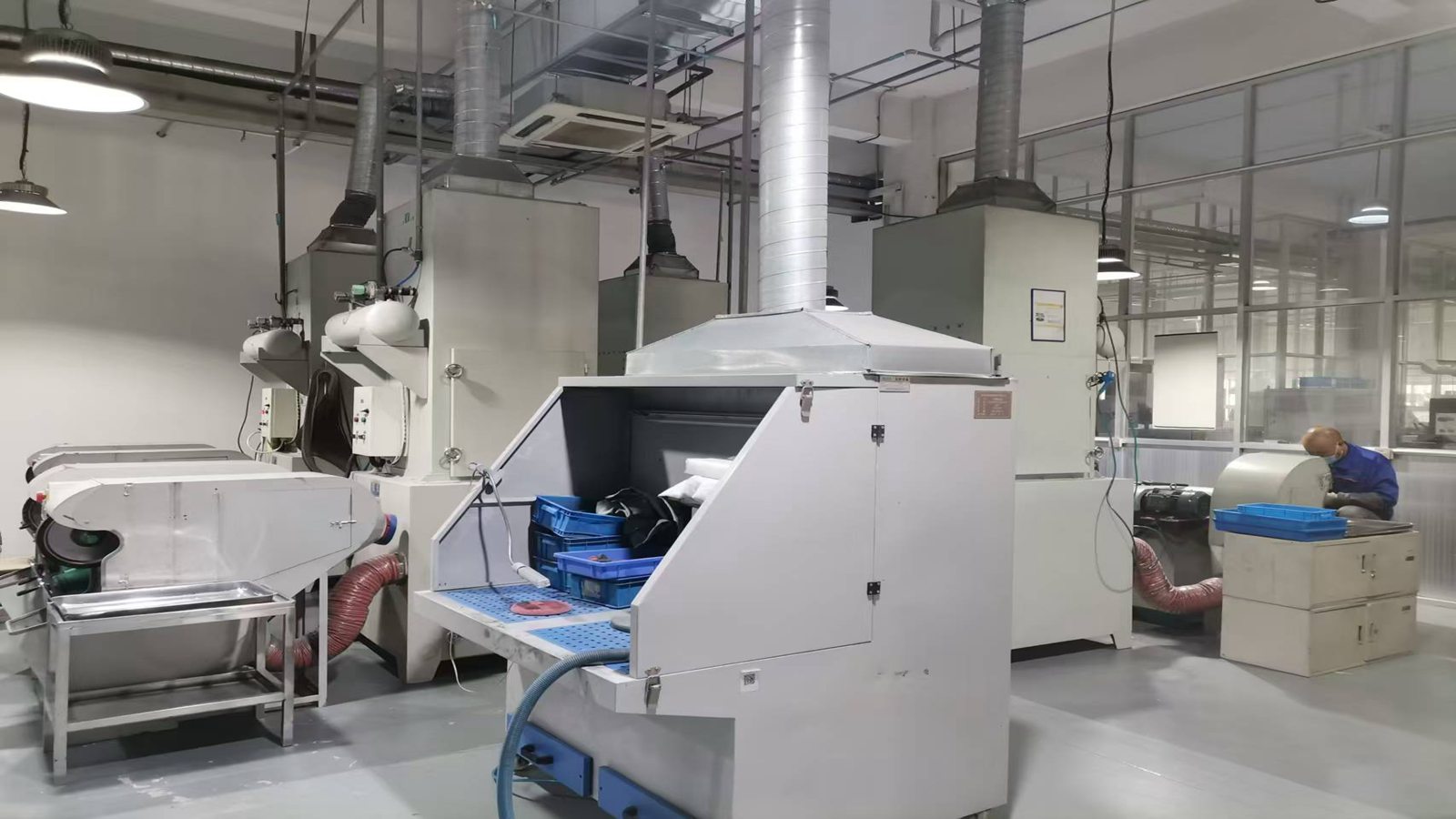
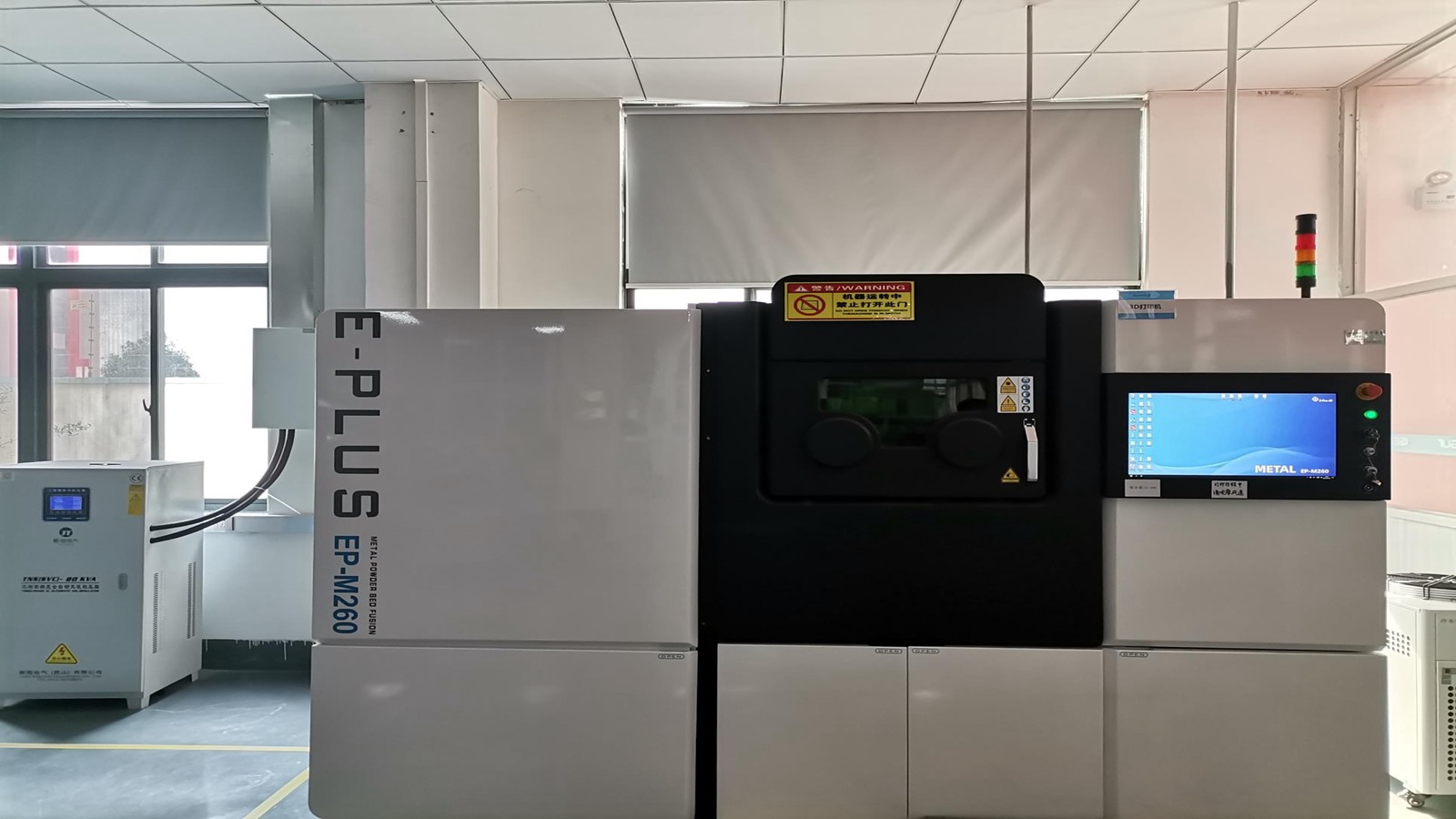
Step inside HBM Medical's advanced production environment, where precision engineering meets strict cleanroom standards to produce life-changing orthopedic implants.
Clinical Application Scenarios & Biomechanical Integrity

Understanding how HBM's femoral locking plates perform under diverse physiological conditions and complex surgical environments.

Distal Femoral Fractures

Distal femoral fractures (AO/OTA Type 33) present significant surgical challenges due to articular involvement and comminution. HBM's Distal Femoral Locking Plates feature a pre-contoured lateral profile that acts as an anatomical template. The combination of locking and dynamic compression screw holes allows for rigid articular reconstruction while maintaining a stable bridge over the metaphyseal comminution zone, facilitating early joint mobilization.

Osteoporotic Bone Fixation

In geriatric patients, poor bone mineral density compromises the pull-out strength of conventional cortical screws. HBM's locking technology creates a single, integrated construct where the screws lock rigidly to the plate. This prevents screw toggle and back-out, distributing physiological loads evenly across the entire plate length and significantly reducing the risk of secondary loss of reduction or varus collapse.

Periprosthetic Fractures

Managing fractures adjacent to a total knee or hip arthroplasty component requires highly specialized implant geometry. The polyaxial locking capabilities of HBM's plate systems allow surgeons to angle screws around the existing femoral stem or knee component, securing stable bone purchase without compromising the stability of the joint prosthesis.

Frequently Asked Questions (FAQ)

Get authoritative answers to technical, regulatory, and procurement questions regarding HBM's Femoral Locking Plates.

What are the primary biomechanical advantages of HBM's Femoral Locking Plates over conventional compression plates?
HBM's Femoral Locking Plates function as internal fixators, meaning they do not rely on plate-to-bone friction for stability. This design preserves the periosteal blood supply, which is critical for bone healing. Additionally, the locked screw-plate interface creates a fixed-angle construct that provides superior stability in osteoporotic bone and comminuted fractures, preventing screw back-out and secondary loss of reduction.
How does HBM ensure raw material integrity and biocompatibility?
We source only medical-grade Titanium Alloy (Ti-6Al-4V ELI) conforming to ASTM F136 and ISO 5832-3 standards. Every batch of raw material undergoes strict chemical composition analysis and mechanical testing, backed by complete mill test certificates. Our advanced Type II anodization surface treatment further enhances biocompatibility, corrosion resistance, and fatigue life.
What international regulatory certifications do HBM products hold?
HBM Medical is fully certified under ISO 13485 and MDSAP (Medical Device Single Audit Program). Our key implant systems and surgical instruments carry CE certificates (under EU MDR 2017/745) and are registered with various national health authorities globally, ensuring smooth customs clearance and regulatory compliance for international distributors.
Can HBM accommodate custom OEM/ODM designs for specialized orthopedic trauma systems?
Yes. Supported by our 31-member R&D team (including postgraduate and doctoral researchers) and a dedicated prototype workshop, we offer comprehensive OEM/ODM services. We can customize plate geometries, screw configurations, and instrumentation sets based on 3D CT scans, clinical feedback, or specific market requirements.
How does HBM manage quality control across its 12 production lines?
Our quality control system is managed by 36 dedicated QA/QC inspectors. We perform 100% dimensional verification using coordinate measuring machines (CMM), optical comparators, and thread-go/no-go gauges. Every production step, from raw material cutting to final sterile packaging, is documented in our ERP system to ensure complete traceability.