Explore our premium selection of CE-certified implants and high-precision surgical instruments trusted by healthcare providers worldwide.
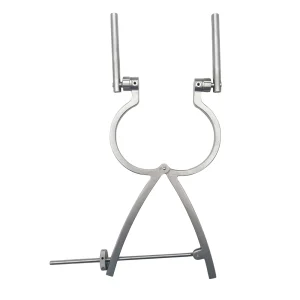
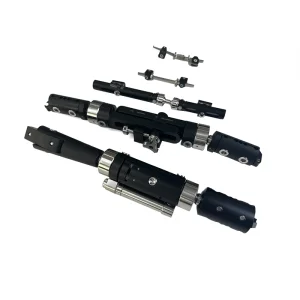
Distal radius fractures represent one of the most common skeletal injuries encountered in emergency departments and orthopedic clinics worldwide, accounting for approximately 17% of all fractures treated in clinical settings. While conservative management remains viable for stable, non-displaced fractures, unstable intra-articular or extra-articular distal radius fractures present complex biomechanical challenges. In these scenarios, maintaining anatomical alignment, restoring articular congruity, and preserving soft tissue integrity are paramount to preventing long-term complications such as post-traumatic arthritis, malunion, and chronic wrist instability.
Wrist External Fixators have emerged as a cornerstone of modern orthopedic trauma care. By utilizing the principles of ligamentotaxis, these devices apply sustained longitudinal traction across the radiocarpal joint, using the surrounding intact soft-tissue envelope and ligaments to reduce and stabilize bone fragments. This minimally invasive approach minimizes disruption to the local blood supply, reduces the risk of surgical site infections compared to open reduction and internal fixation (ORIF), and provides a highly adjustable framework that can be tailored to the patient's unique anatomy.
External fixation acts as an excellent temporary or definitive stabilization method, particularly in high-energy trauma cases, open fractures with severe soft-tissue compromise, and polytrauma patients where rapid stabilization is critical under "damage control orthopedics" protocols.
The orthopedic implant sector is undergoing rapid technological evolution, driven by material science breakthroughs and digital integration.
Traditional stainless steel fixators are increasingly being replaced by medical-grade titanium alloys (Ti-6Al-4V ELI) and carbon fiber composite materials. Carbon fiber offers exceptional radiolucency, allowing surgeons to obtain unobstructed intraoperative and postoperative X-ray and fluoroscopic views of the fracture reduction without interference from the fixator frame.
The industry is transitioning from rigid, static external fixators to dynamic, articulated systems. These modern designs feature adjustable hinges that align precisely with the anatomical axis of the wrist joint. This allows controlled, early mobilization of the wrist while maintaining fracture stability, significantly reducing joint stiffness and accelerating functional recovery.
Patient comfort and compliance are critical factors in successful external fixation therapy. Modern wrist fixators feature ultra-low-profile clamps and lightweight rods that minimize the bulk of the construct. This reduces the risk of accidental bumping, improves patient mobility, and allows easier integration with daily clothing and activities.
For international medical device distributors, hospital procurement managers, and B2B buyers, sourcing orthopedic implants involves navigating a highly regulated landscape. The primary barrier to entry and the ultimate guarantee of patient safety is regulatory compliance. In the European Union and globally, the transition from the Medical Device Directive (MDD) to the stringent Medical Device Regulation (MDR 2017/745) has elevated the requirements for clinical data, traceability, and quality management systems.
A CE-certified wrist external fixator indicates that the manufacturer has undergone rigorous conformity assessments, demonstrating that the device meets all safety, performance, and environmental requirements outlined in European legislation. Furthermore, compliance with ISO 13485 (Medical Devices — Quality Management Systems) and participation in the MDSAP (Medical Device Single Audit Program) are critical indicators of a manufacturer's operational integrity, allowing streamlined market entry across multiple jurisdictions including the USA, Canada, Australia, Japan, and Brazil.
| Certification / Standard | Regulatory Scope | Key Procurement Benefit |
|---|---|---|
| CE (MDR 2017/745) | European Union & Global Markets accepting CE mark | Guarantees strict clinical evaluation, post-market surveillance, and patient safety compliance. |
| ISO 13485:2016 | International Quality Management System for Medical Devices | Ensures consistent design, development, production, and installation quality controls. |
| MDSAP Certified | USA, Canada, Australia, Japan, Brazil | Simplifies regulatory audits and accelerates market entry in major global healthcare economies. |
| Raw Material Traceability | Full Supply Chain Transparency | Ensures medical-grade titanium and stainless steel are sourced with mill test certificates. |
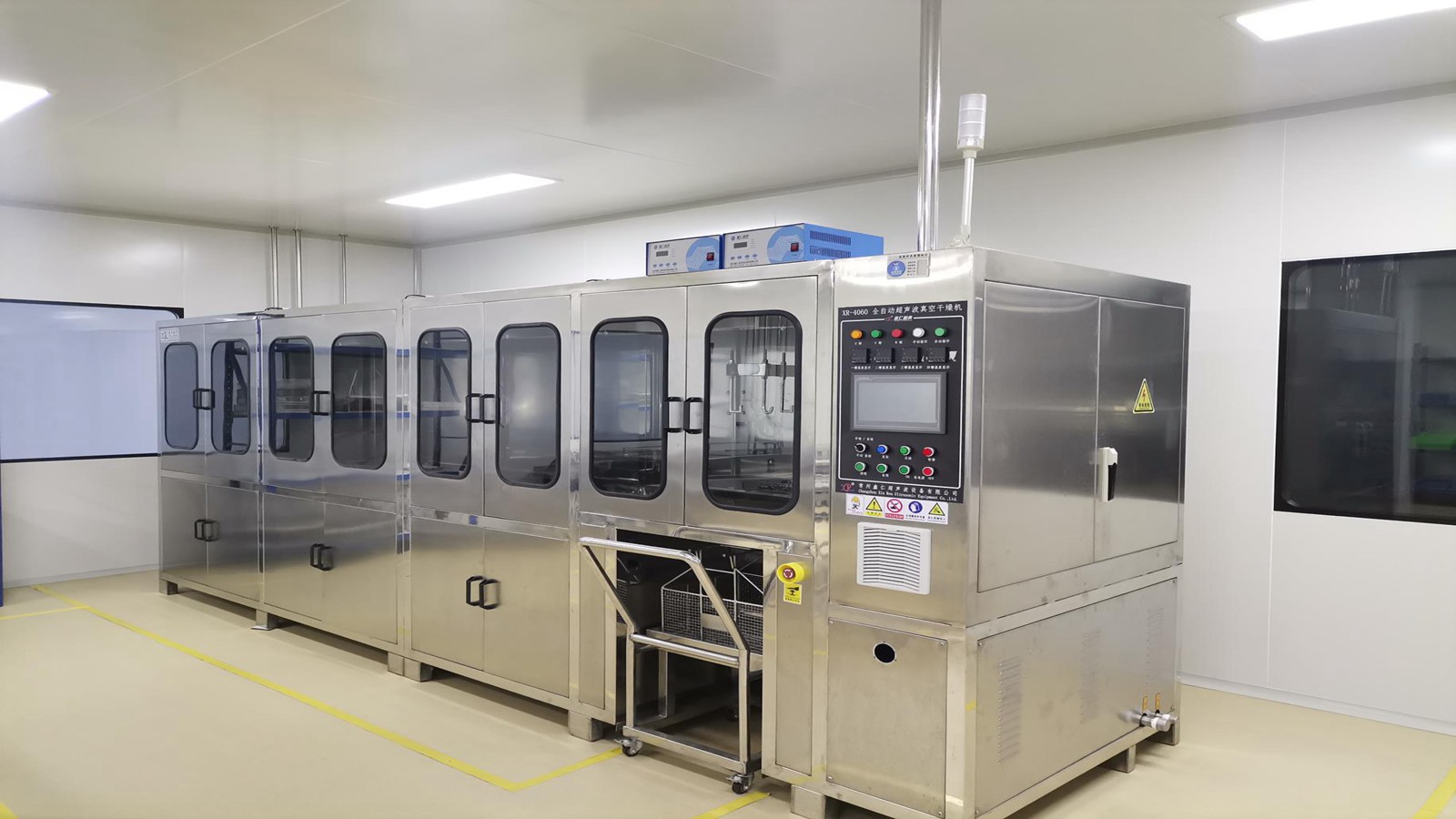
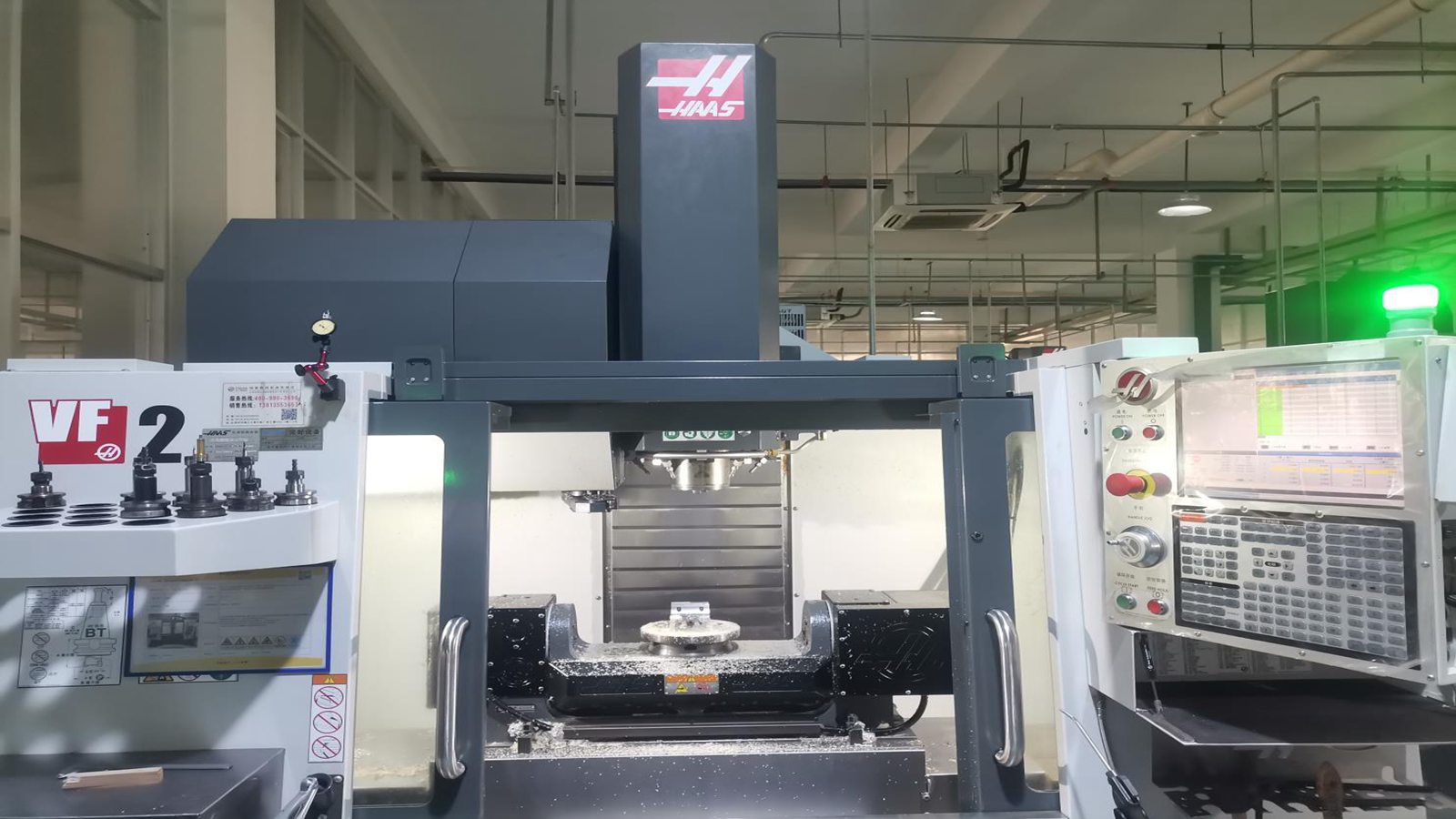
The global medical device supply chain has faced unprecedented disruptions in recent years. In response, leading manufacturers like HBM Medical Apparatus And Instruments Co., Ltd. have embraced the "Factory 4.0" paradigm, integrating advanced automation, digital twin technology, and robust quality control systems to deliver unmatched supply chain resilience and cost efficiency.
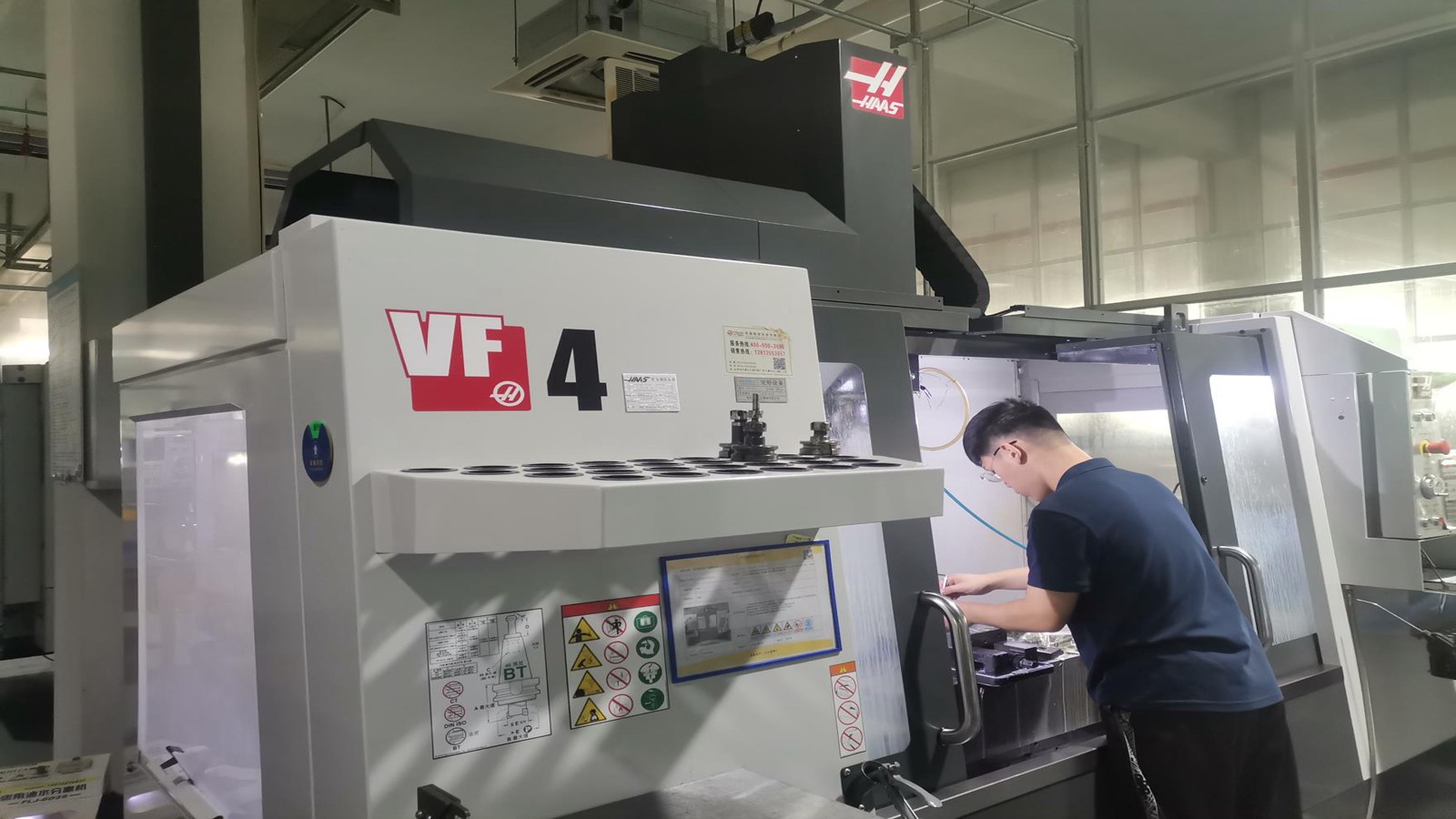
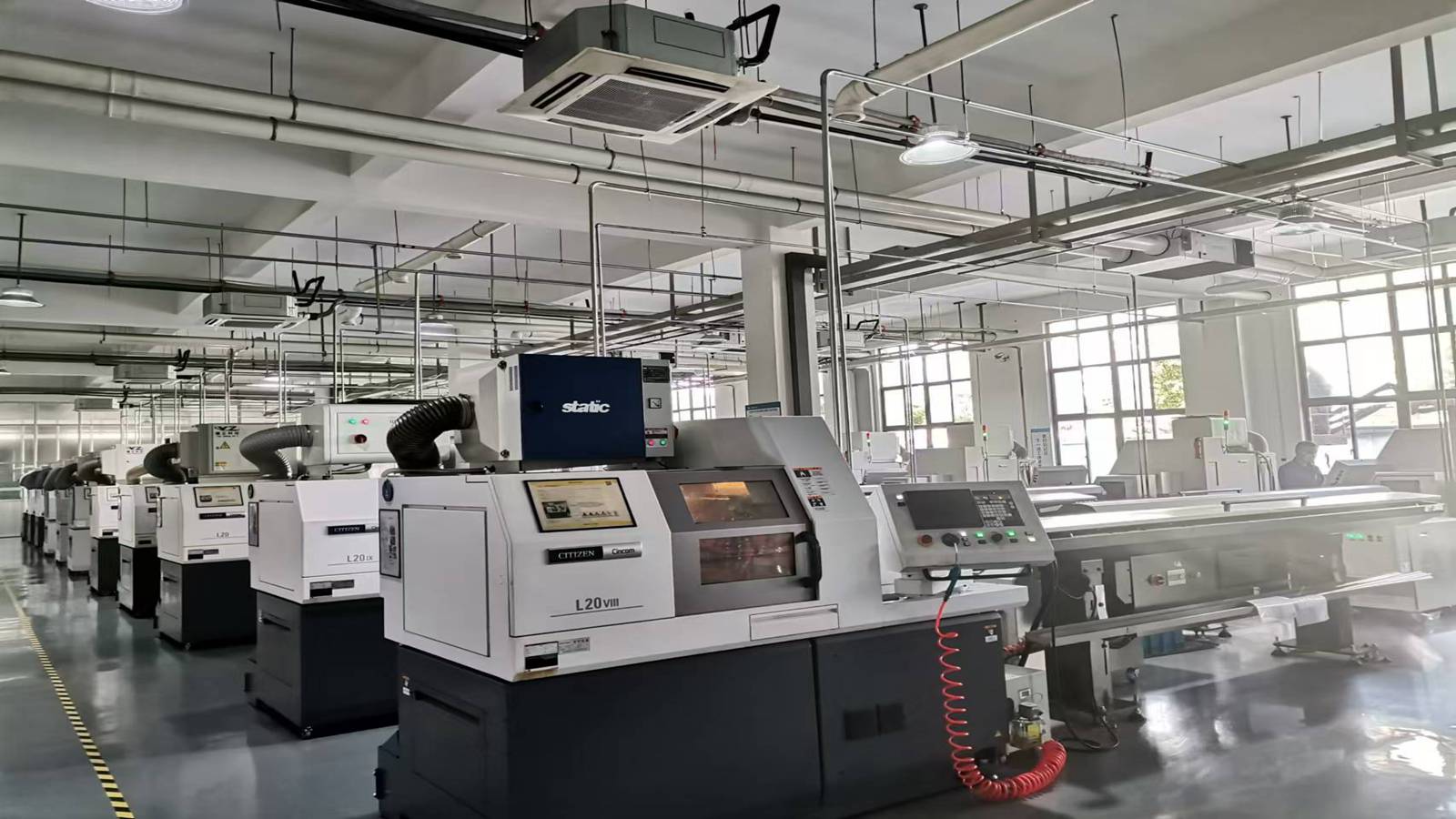
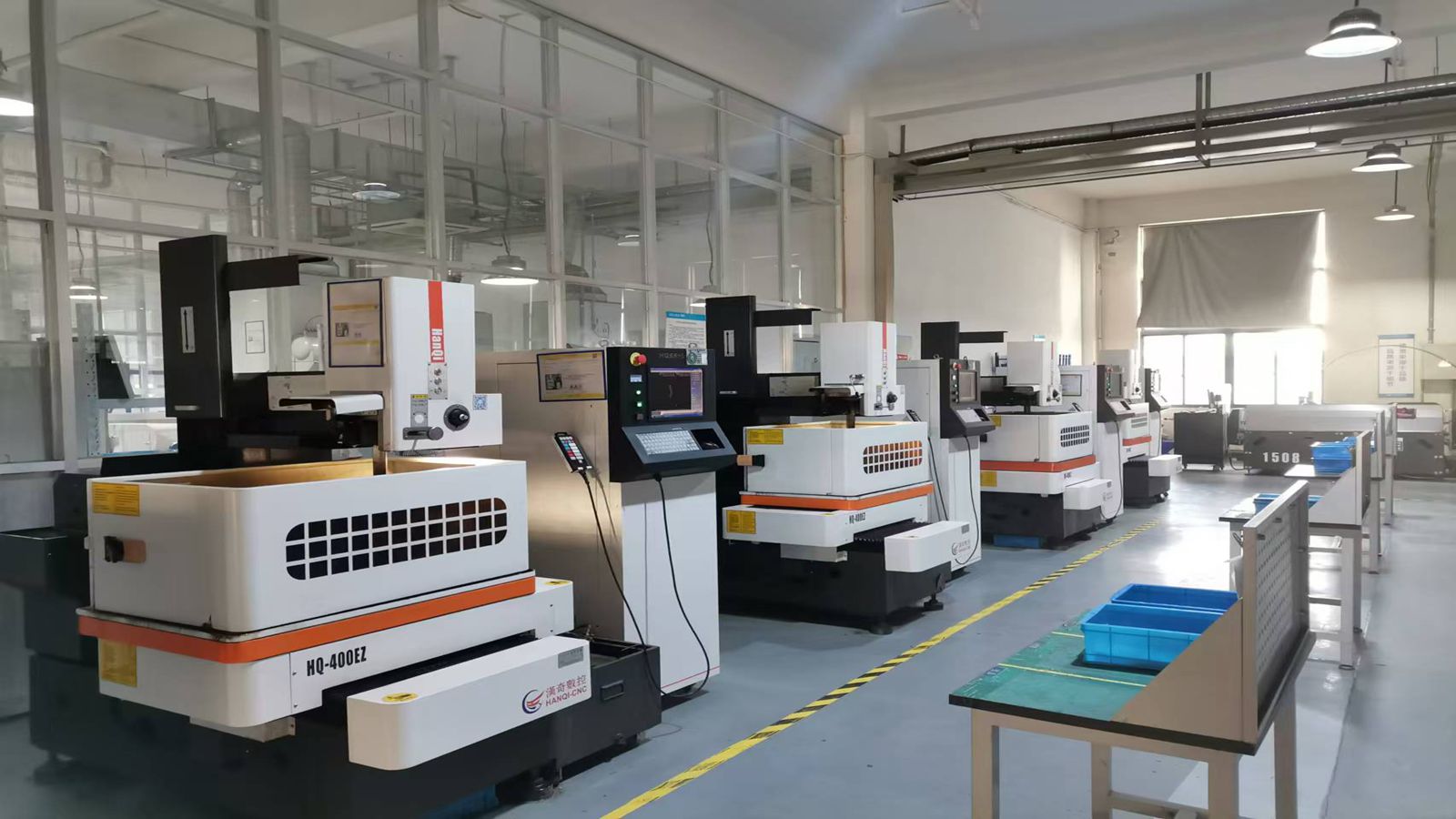
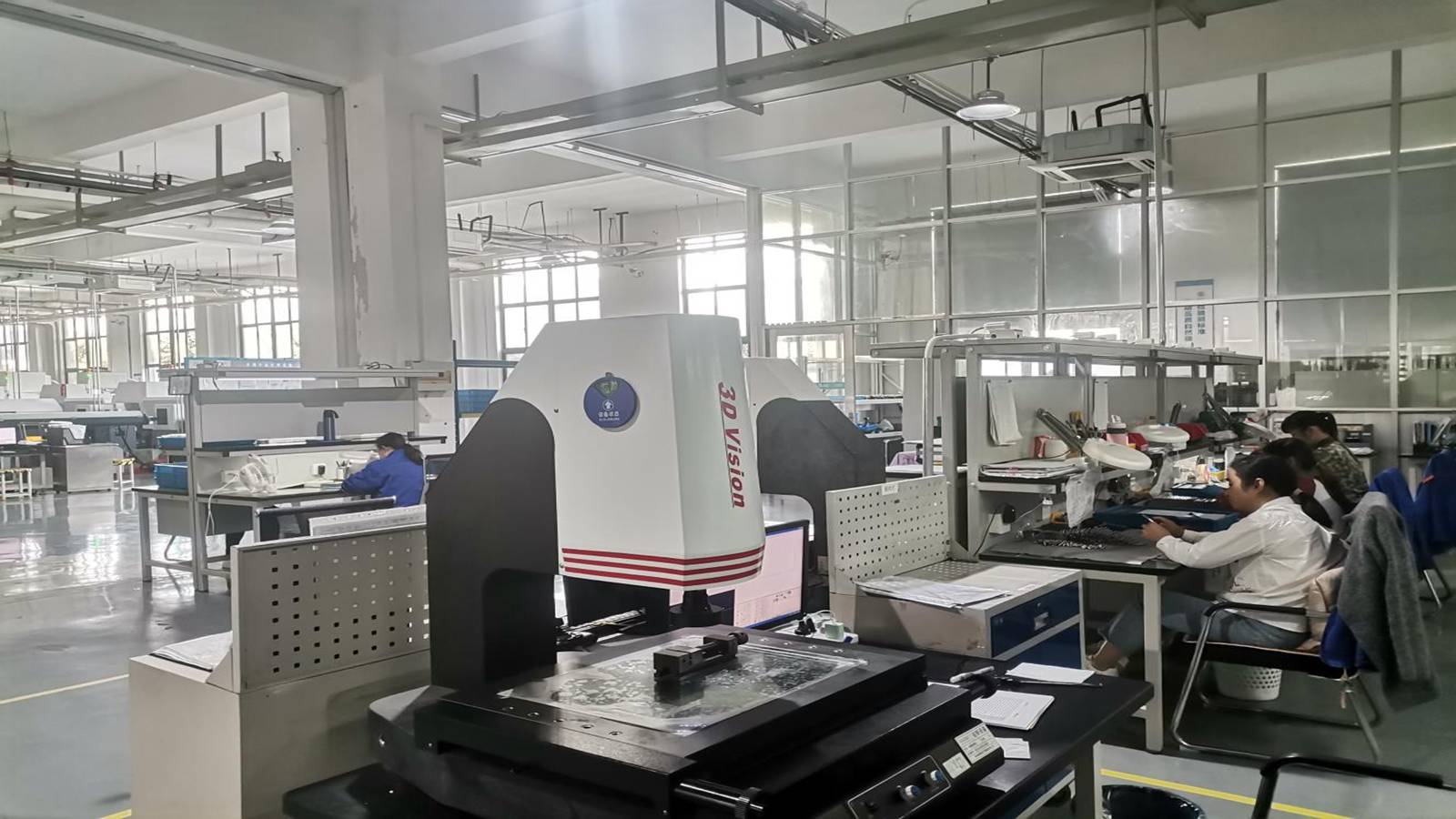
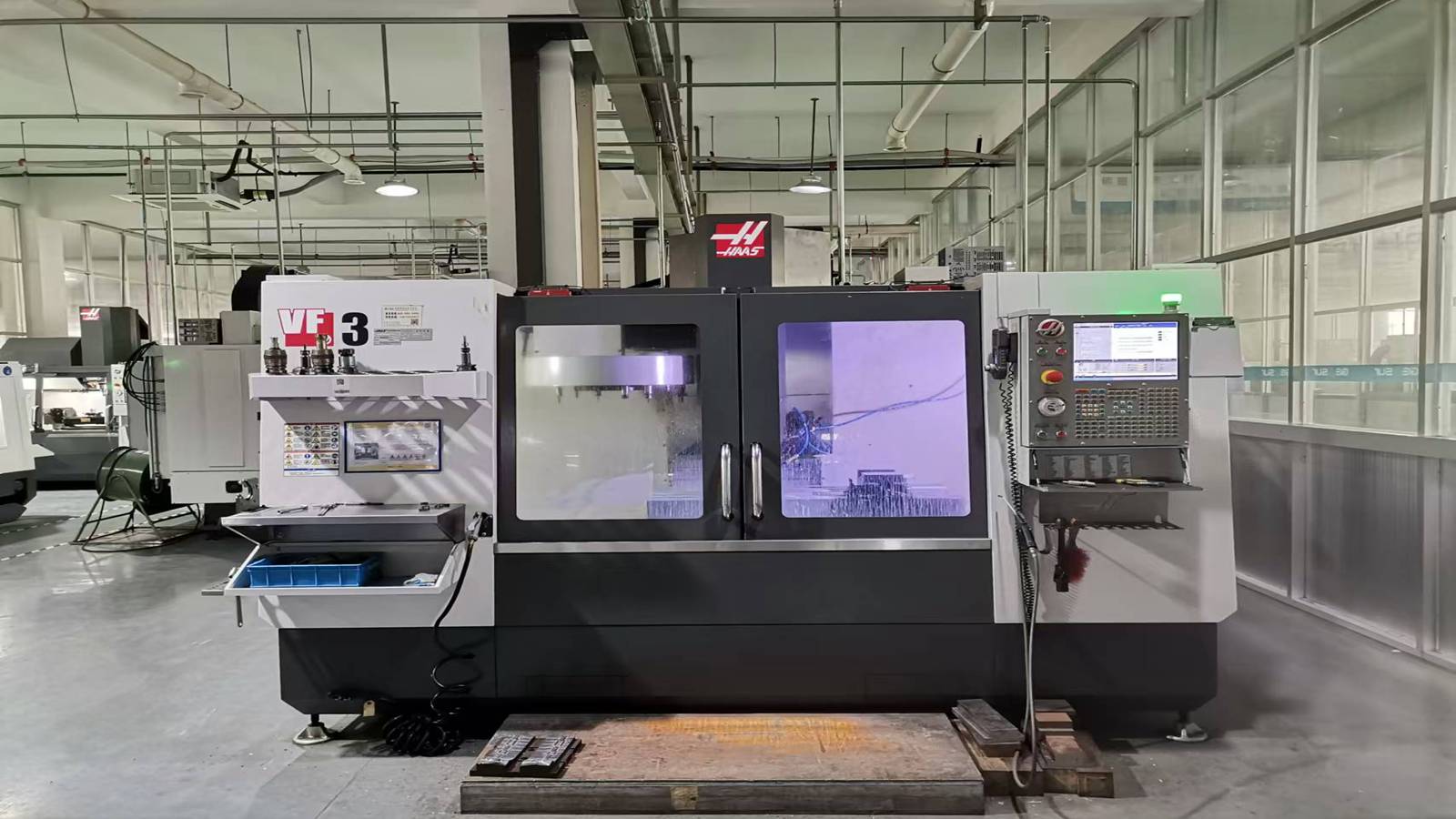
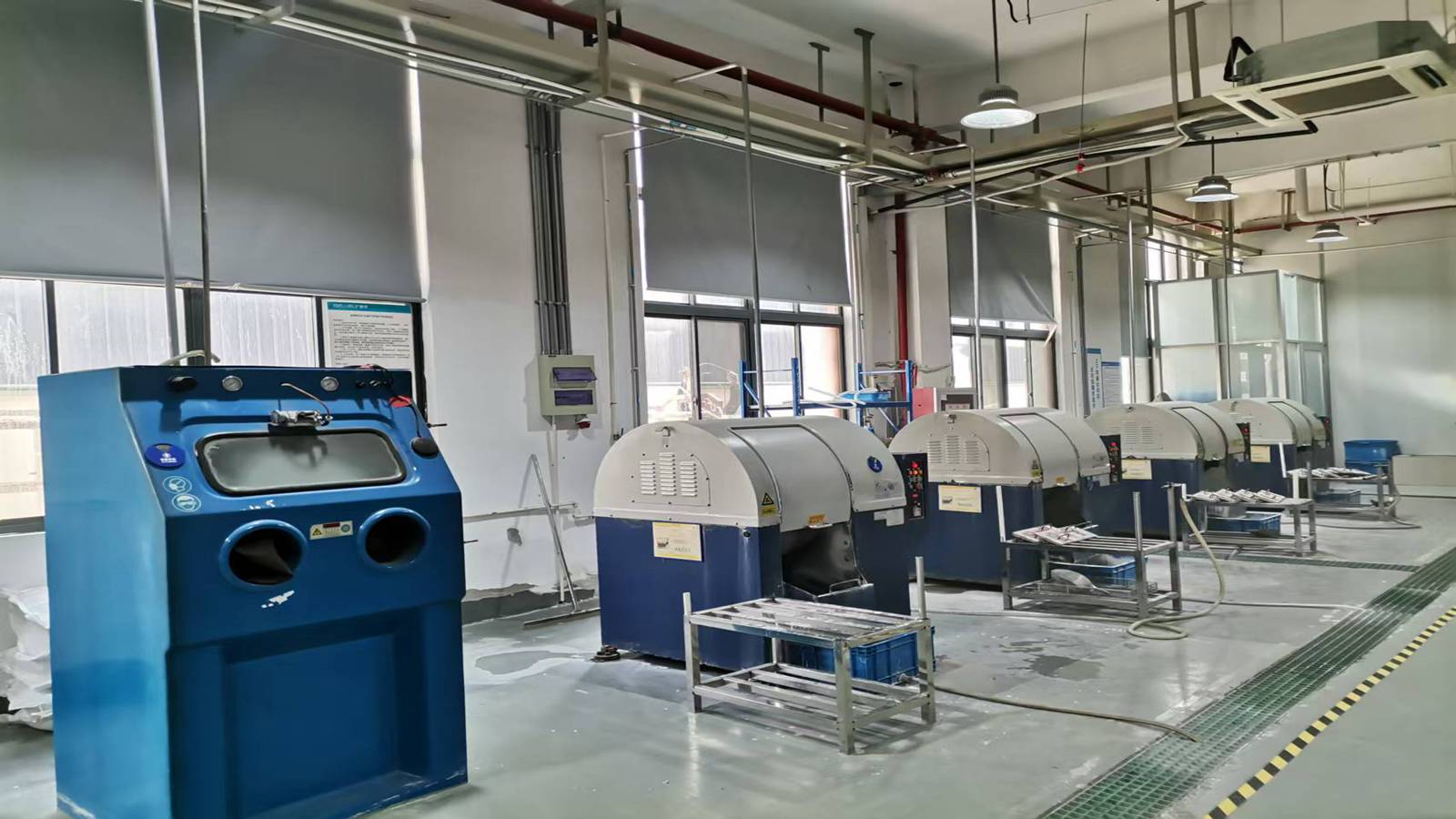
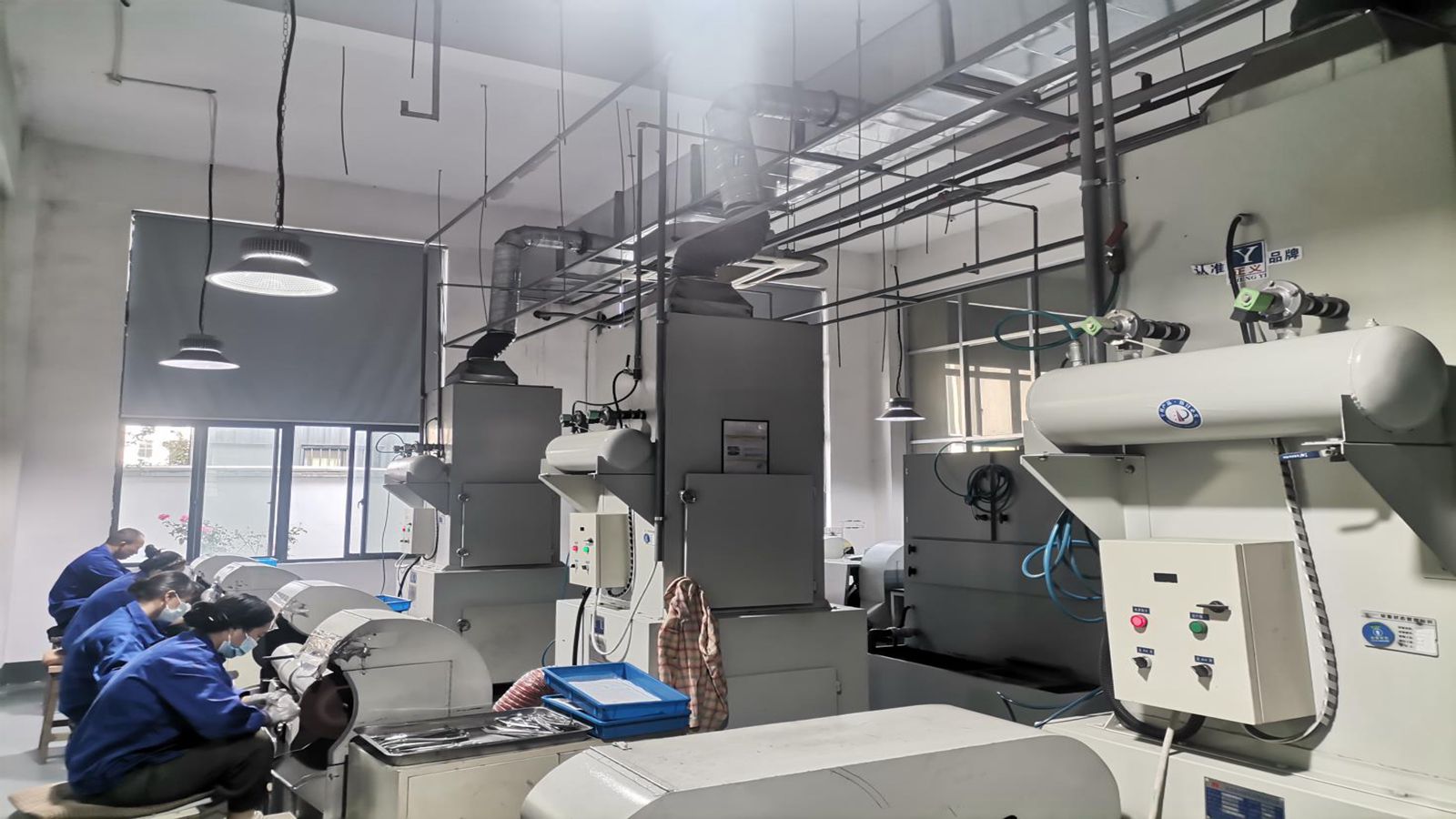
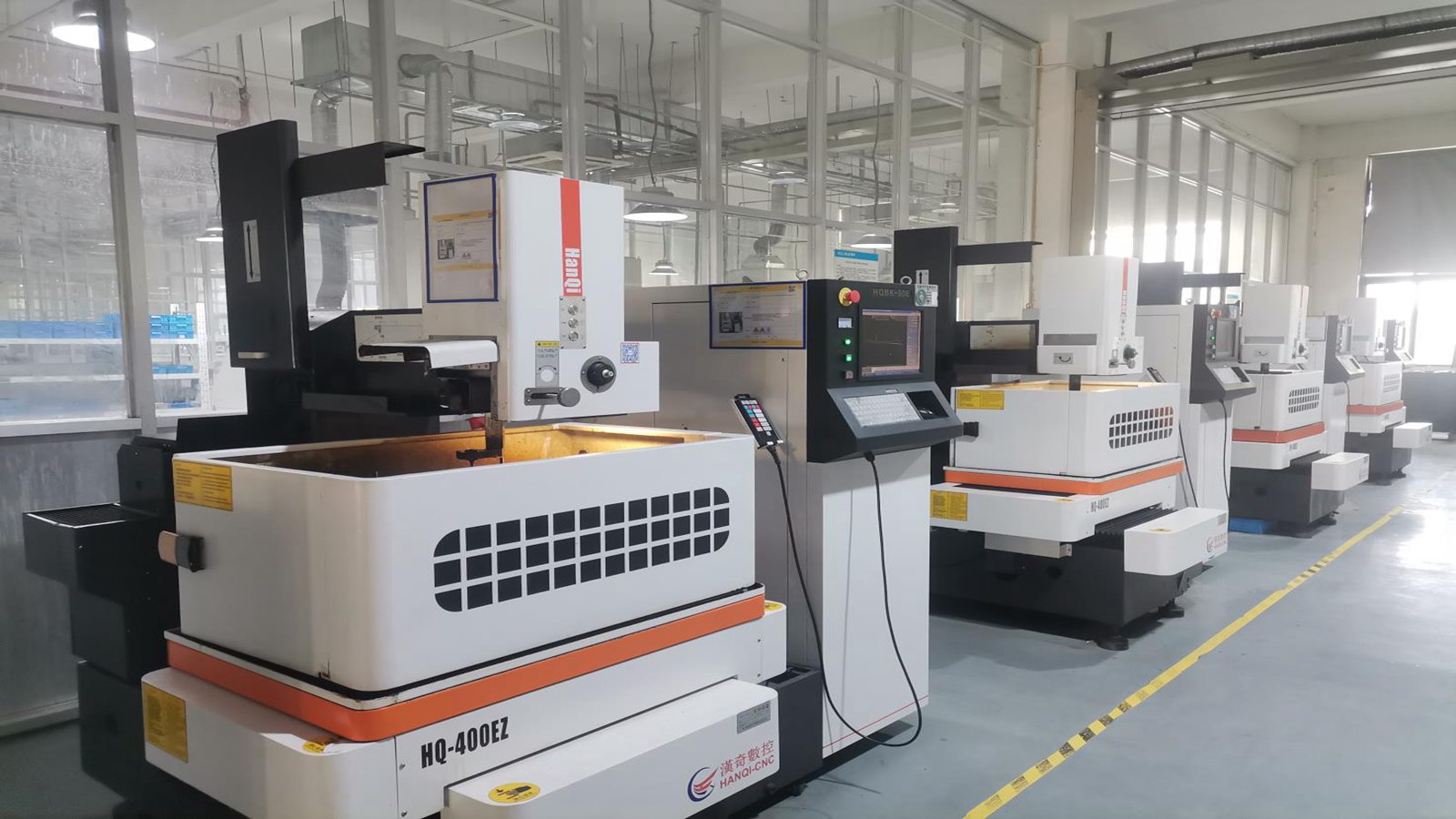
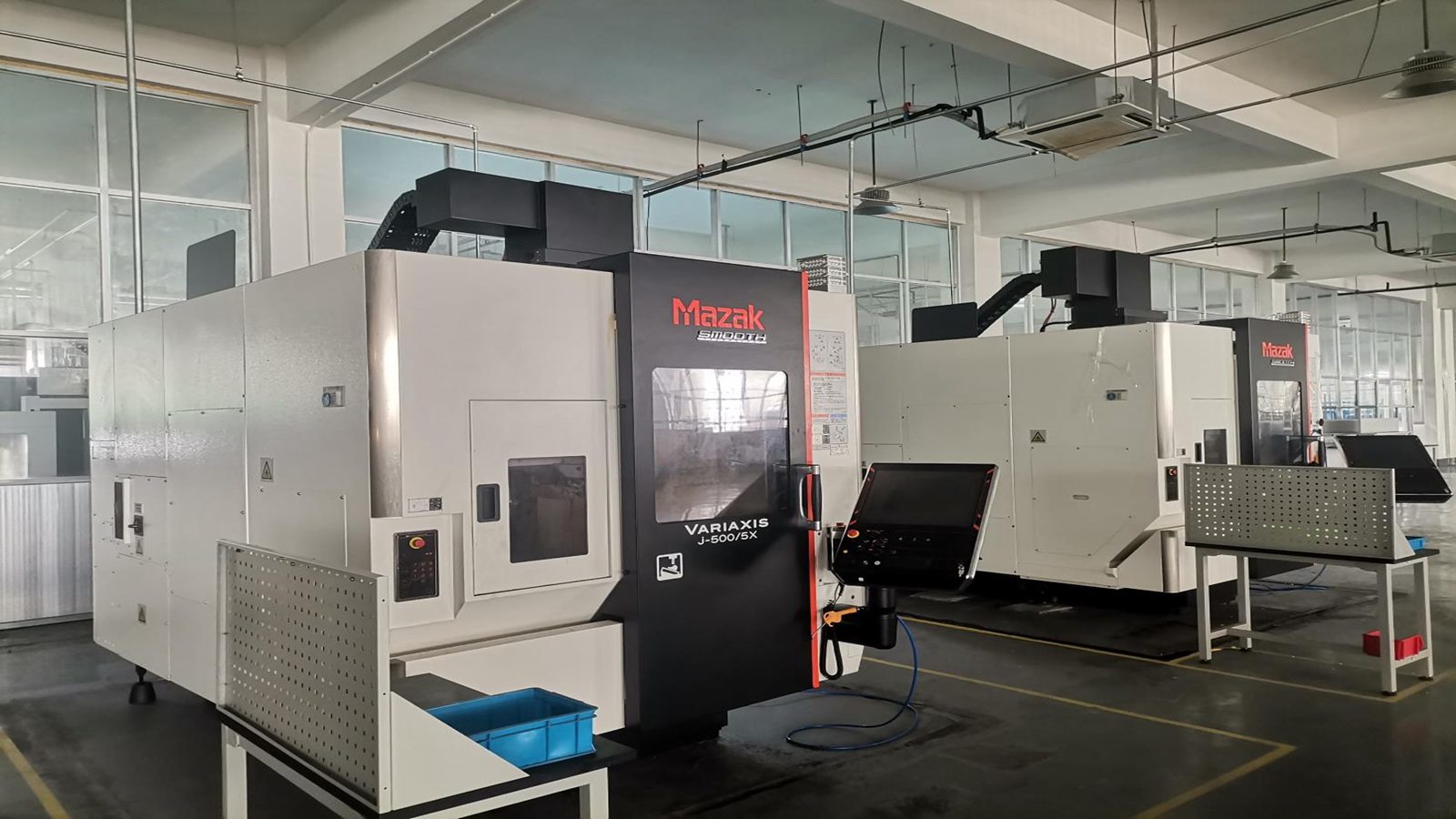
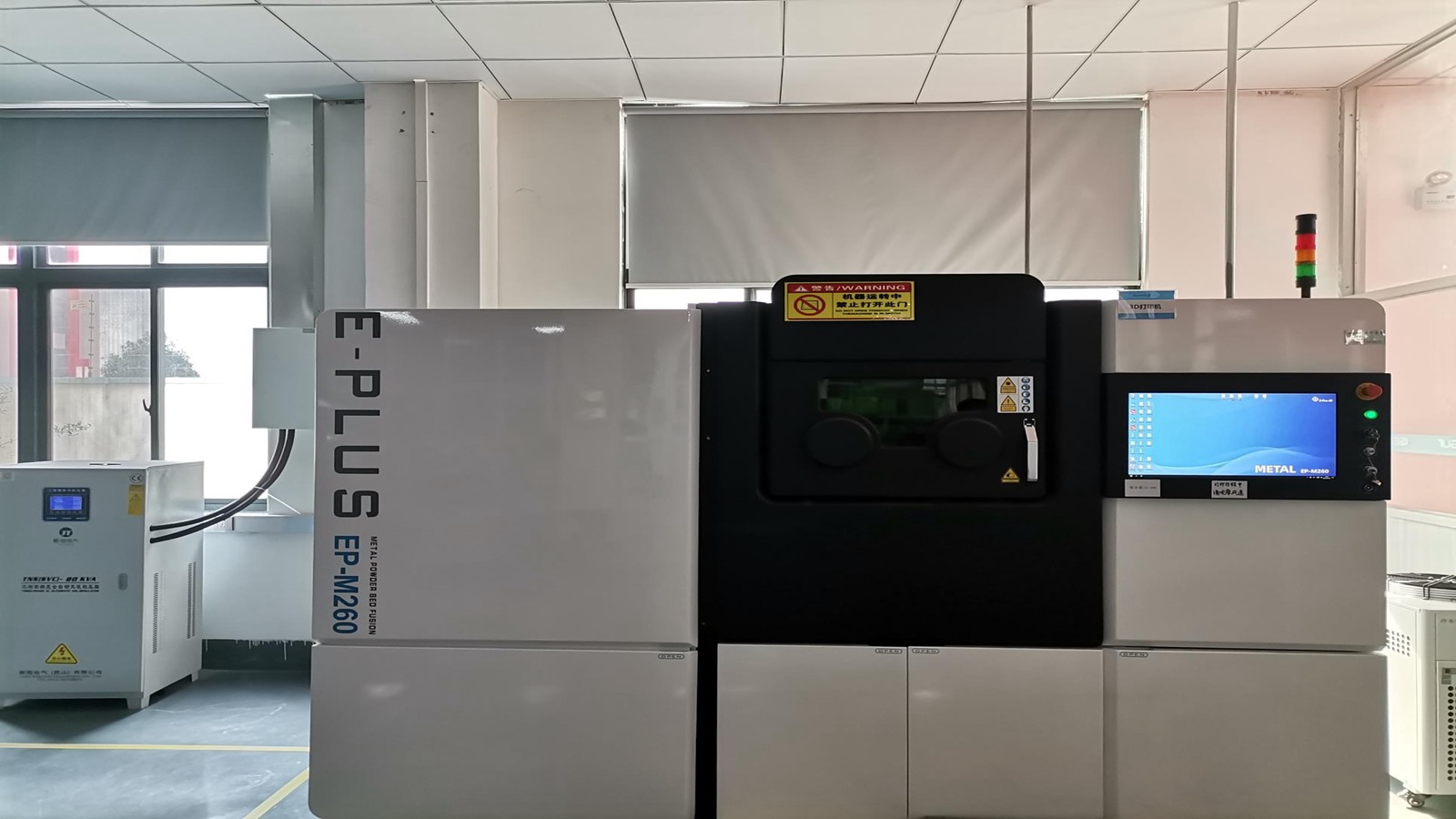
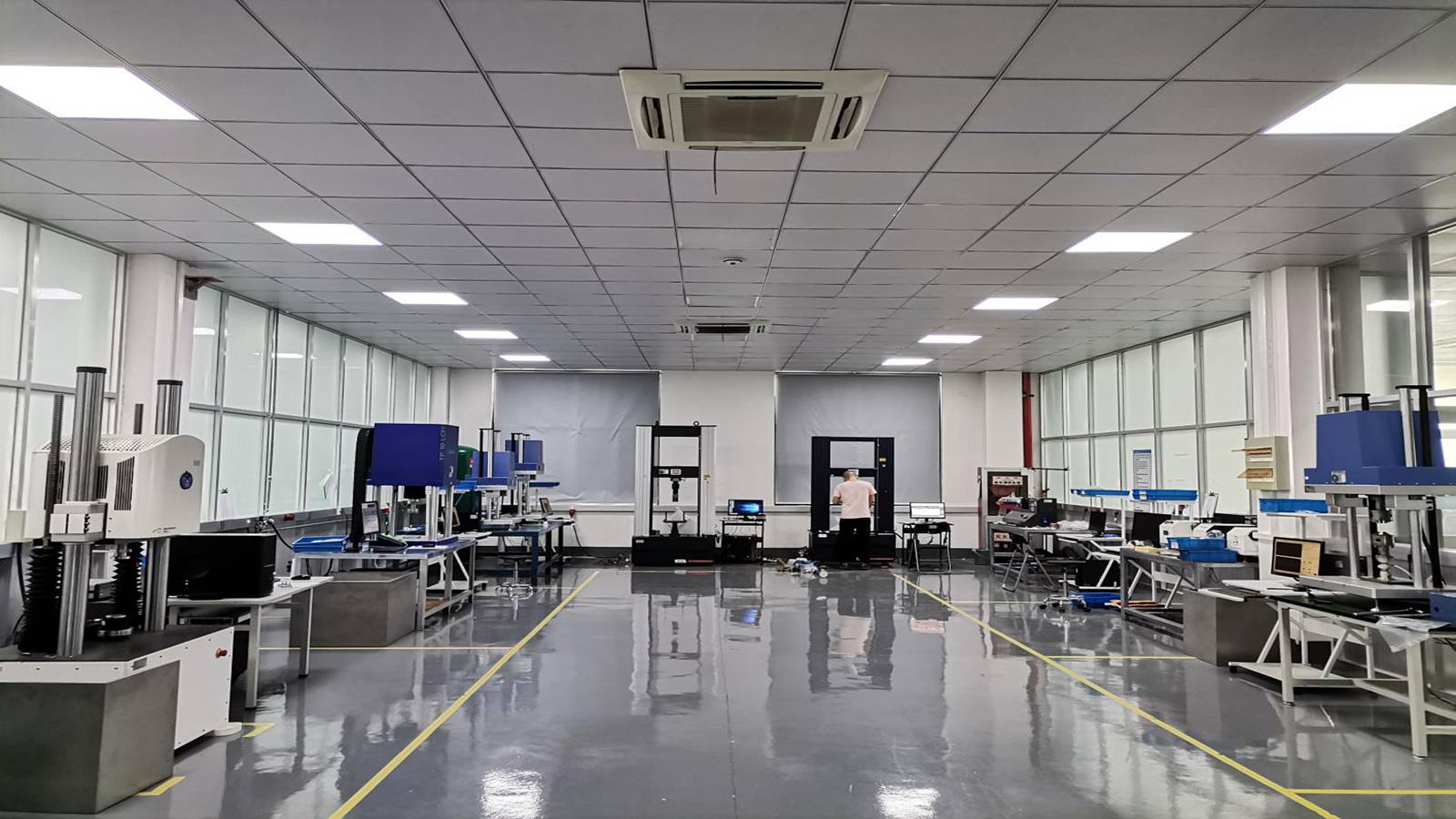
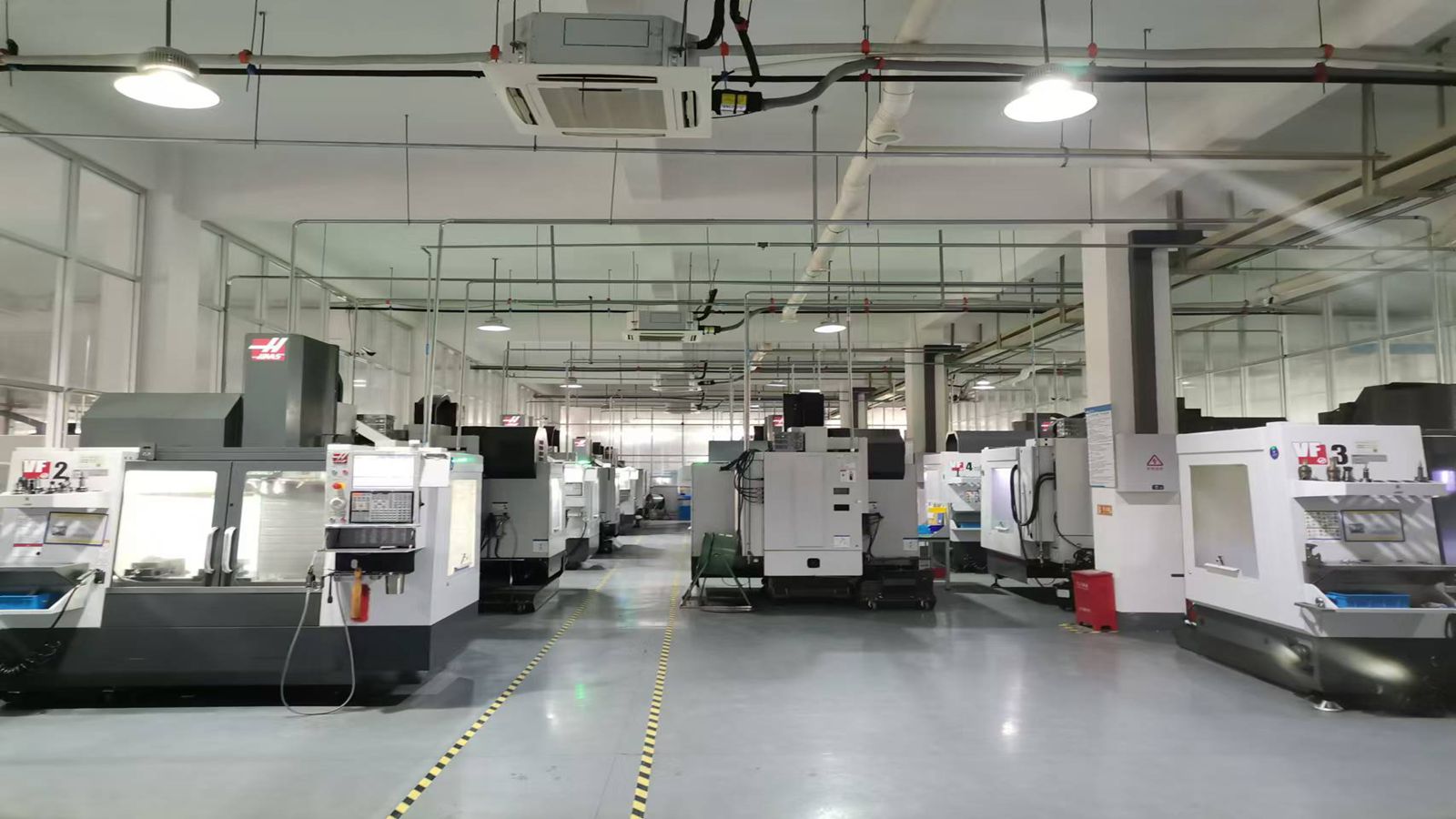
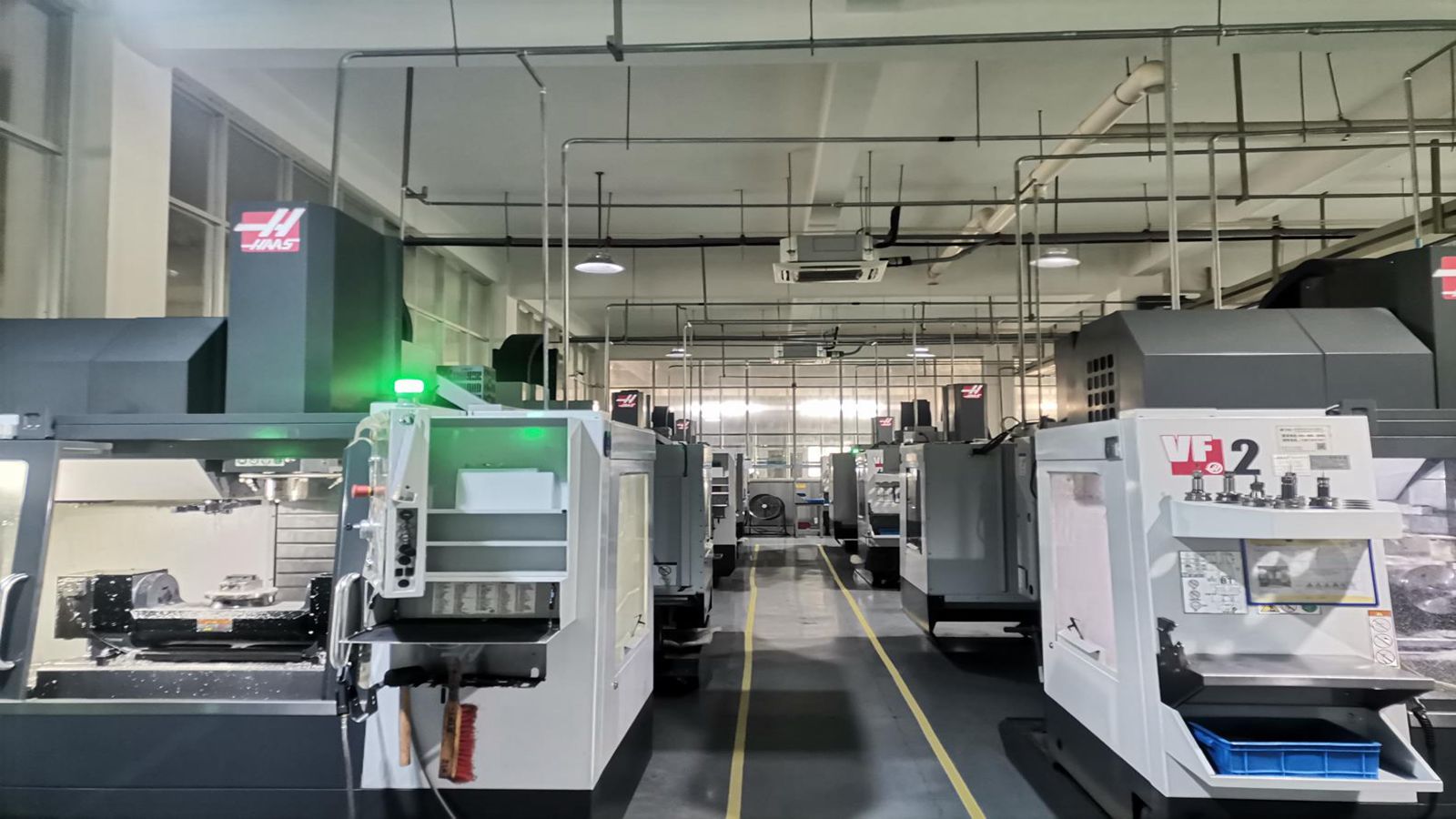
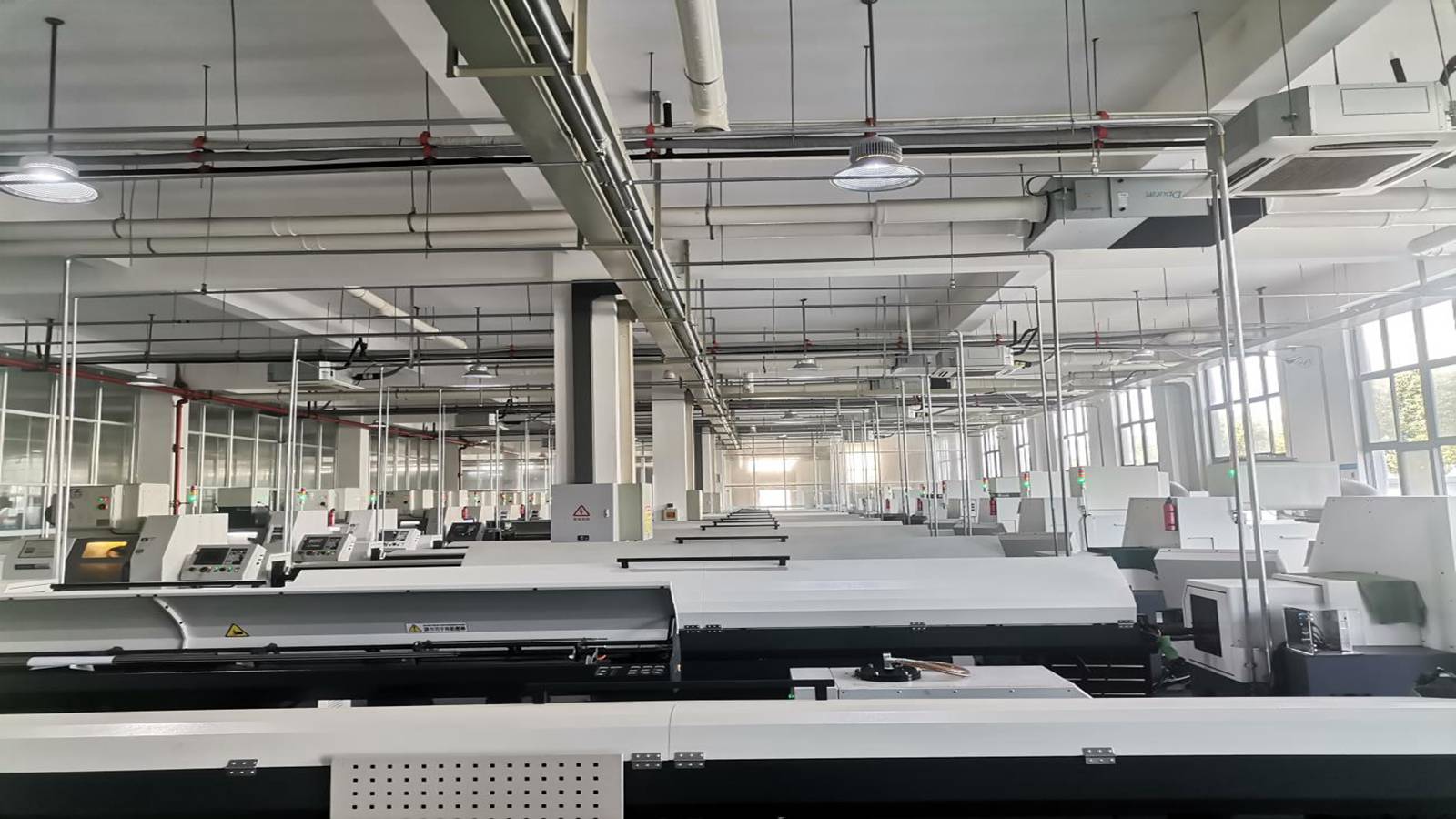
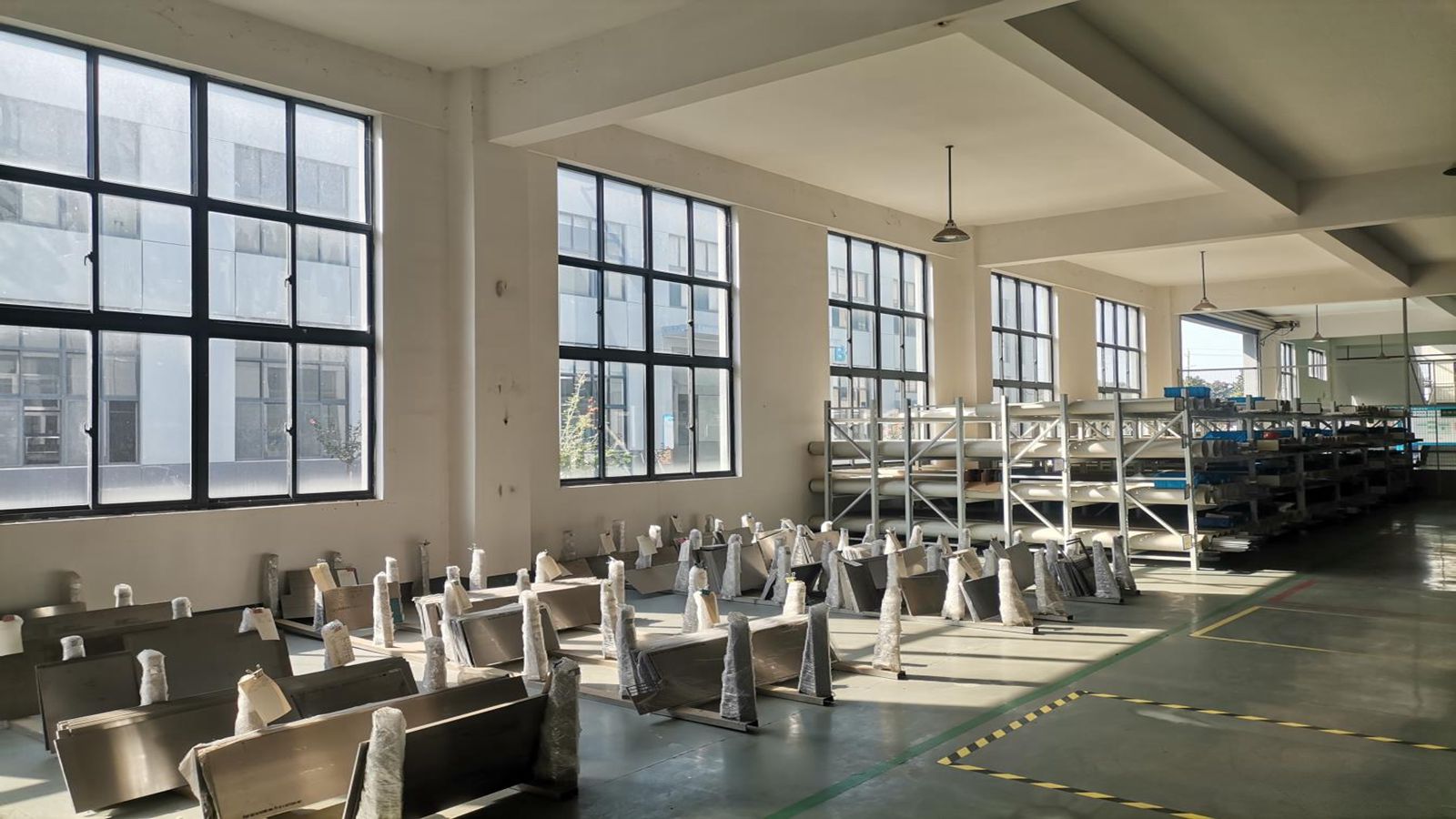
Operating a state-of-the-art facility spanning over 30,343 square meters, HBM Medical has established 12 dedicated production lines equipped with over 120 advanced processing and testing machines. This extensive infrastructure enables high-volume manufacturing capabilities while maintaining the micro-precision tolerances required for orthopedic implants and surgical instrumentation.
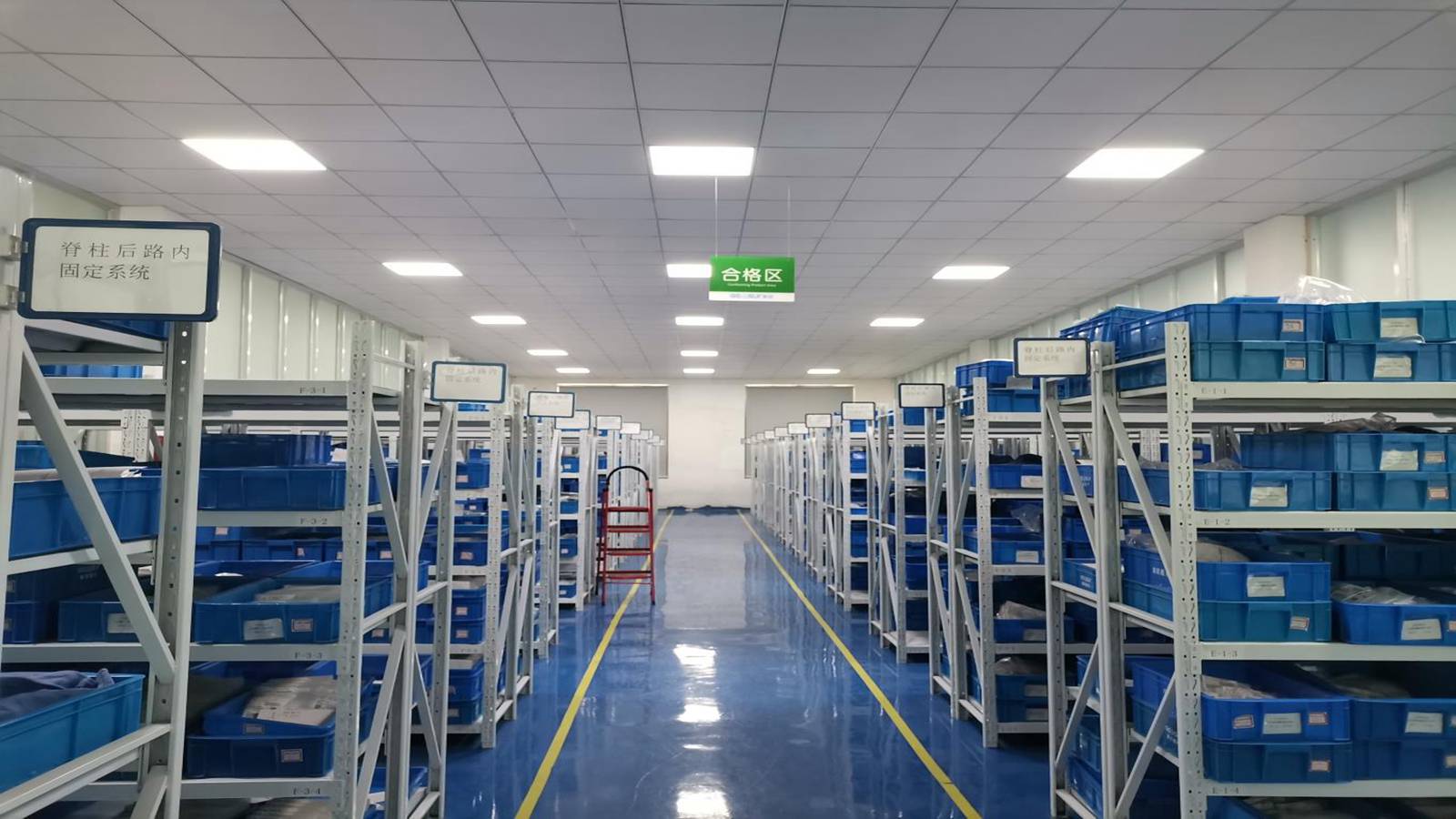
Every single batch of raw materials—whether medical-grade titanium alloy or high-tensile stainless steel—undergoes rigorous spectroscopic analysis and mechanical testing. HBM Medical supports complete traceability of raw materials, ensuring that every implant can be traced back to its original material heat number, providing absolute peace of mind to clinical end-users.
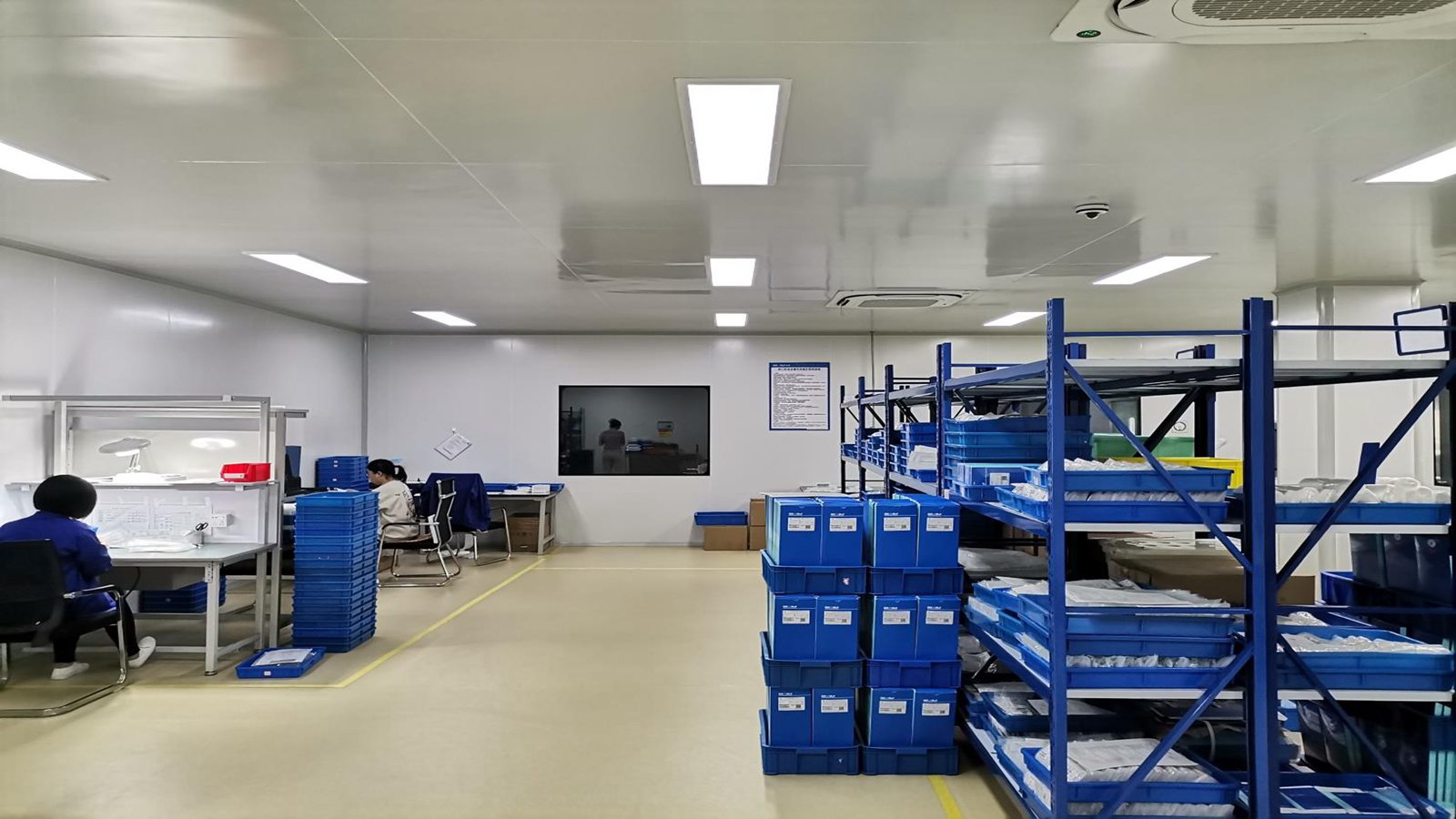
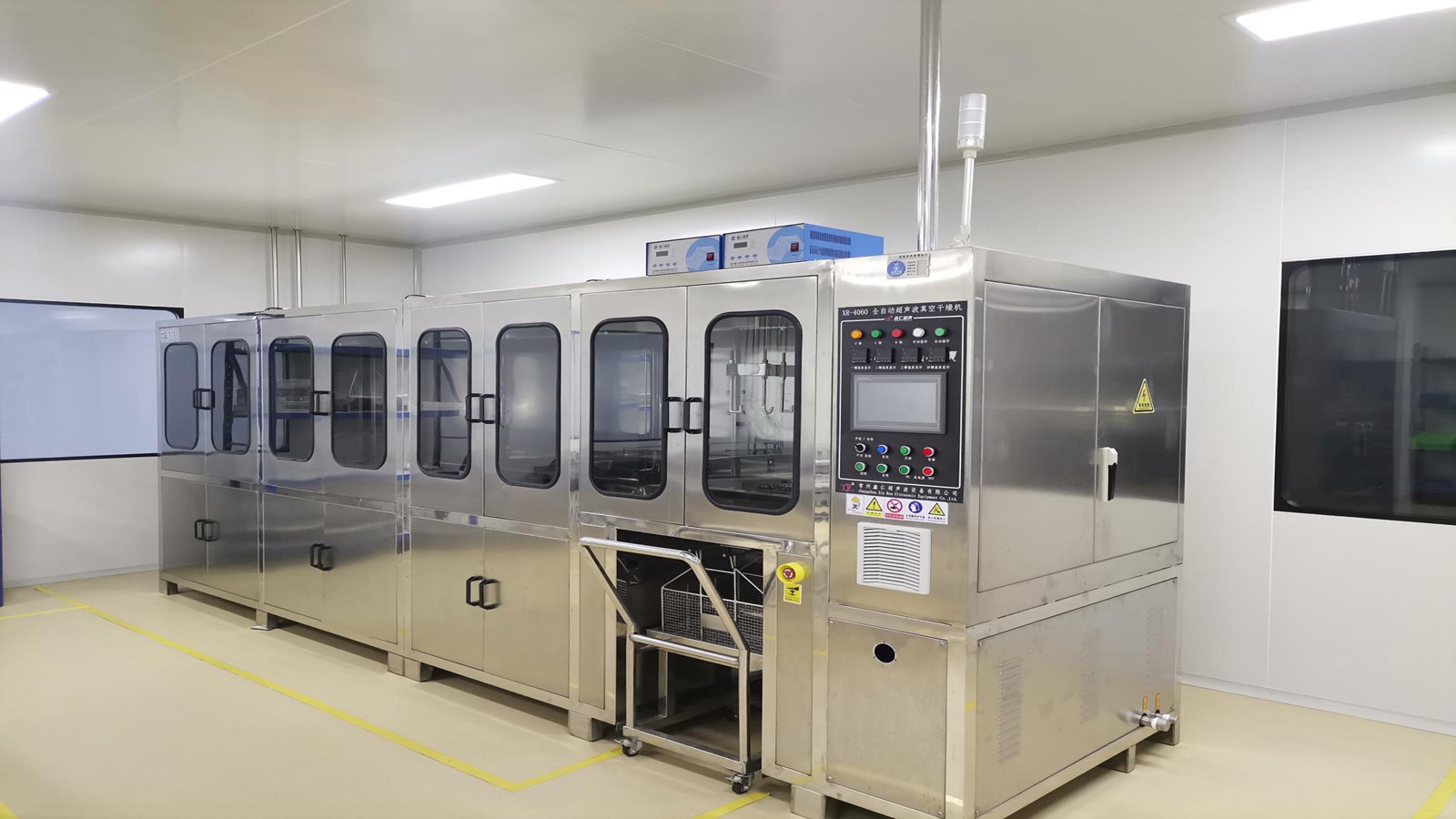
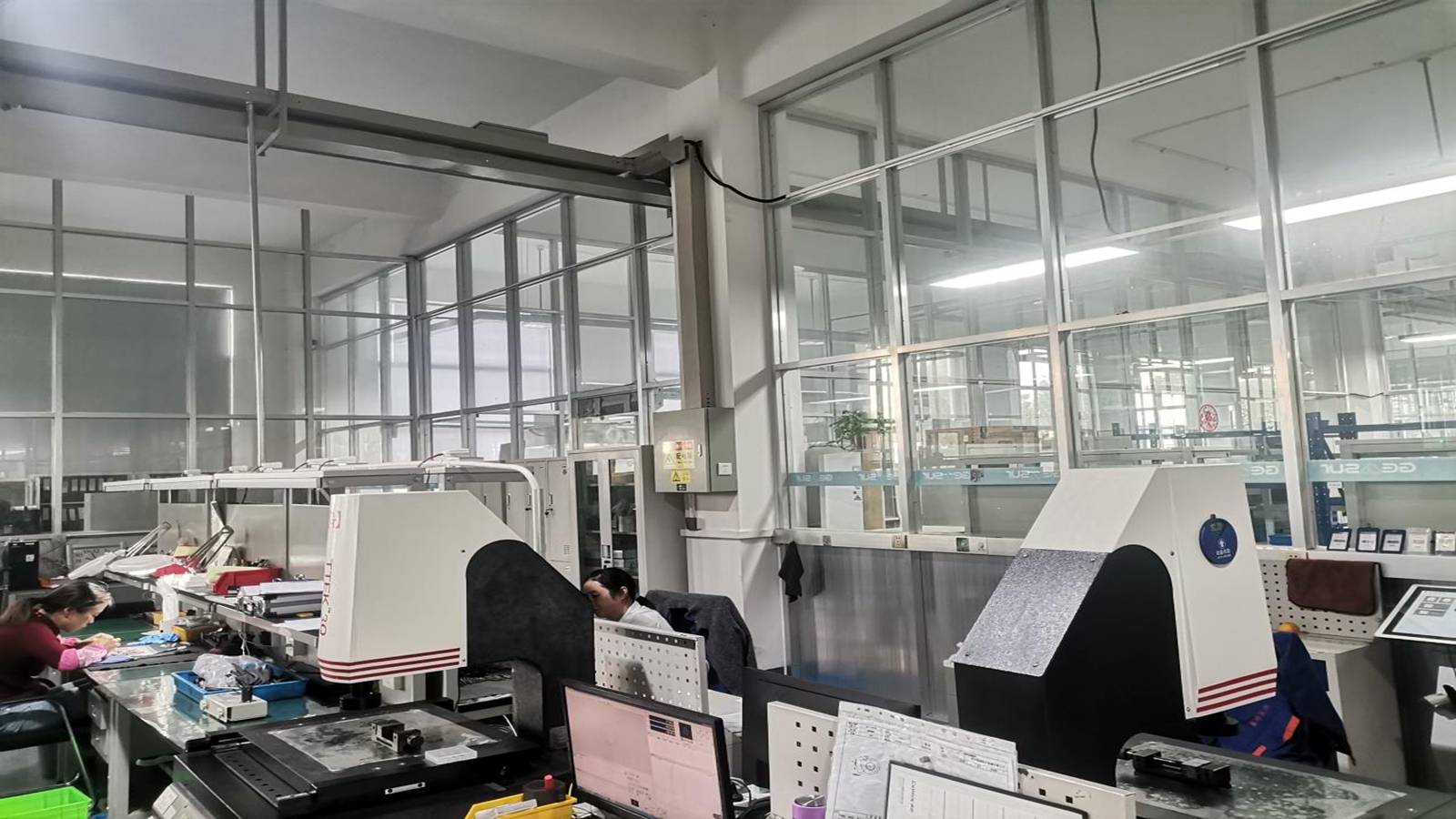
Quality assurance is embedded in every stage of our manufacturing process. With a team of 36 dedicated QA/QC inspectors, HBM Medical conducts 100% inspection on critical dimensions, thread tolerances, and surface finishes. Our cleanrooms meet international standards for medical device packaging, ensuring sterile barrier integrity.
Innovation is driven by our robust R&D department, consisting of 31 highly qualified engineers, including 1 doctorate holder, 11 postgraduates, and 17 graduates. In the last year alone, HBM Medical launched 25 new products, demonstrating our ability to rapidly translate clinical feedback into high-performance orthopedic solutions.
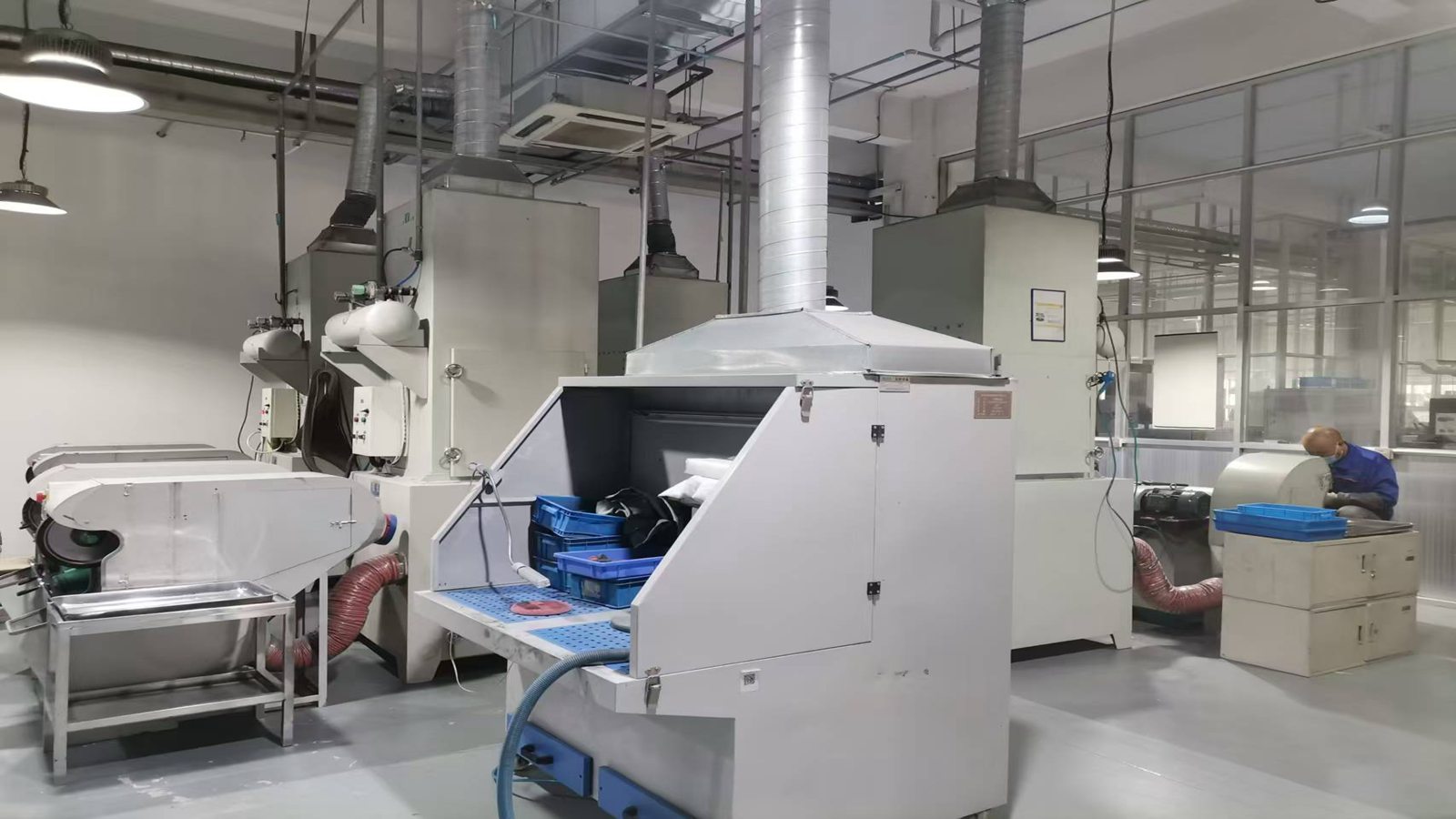
A visual insight into HBM Medical's world-class production environment, cleanrooms, and high-precision testing laboratories.



Wrist external fixators are highly versatile systems utilized across a broad spectrum of clinical and surgical environments. Depending on the patient profile, injury severity, and healthcare infrastructure, these devices are adapted to meet specific localized demands:
In high-energy trauma scenarios (e.g., motor vehicle accidents, falls from heights), patients often present with highly comminuted, open distal radius fractures accompanied by severe soft-tissue swelling or contamination. In these emergency settings, surgeons utilize bridging external fixators for rapid, temporary stabilization. This controls pain, prevents further soft-tissue damage, and allows the inflammatory response to subside before definitive internal fixation is planned.
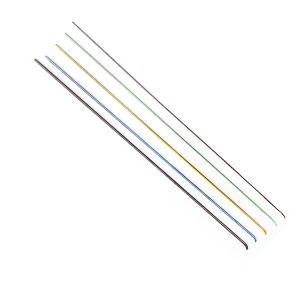
For elderly patients presenting with osteoporotic distal radius fractures, open surgery (ORIF) may pose significant anesthetic or wound-healing risks. A minimally invasive external fixator, combined with percutaneous Kirschner wires (K-wires), provides a highly effective, low-risk alternative. The procedure can be performed rapidly under regional anesthesia, allowing the patient to return home the same day with minimal physiological stress.
Pediatric distal radius fractures involving the growth plate (physeal injuries) require extreme care to prevent premature physeal arrest and subsequent limb length discrepancy. Non-bridging external fixators allow stable fixation without crossing the joint or violating the growth plate, preserving the natural growth potential of the child's radius while ensuring robust anatomical alignment.
The biomechanical principles of external fixation translate seamlessly to veterinary medicine. Small animal surgeons frequently utilize miniature external fixators and K-wire systems to treat complex distal radius and ulna fractures in canine and feline patients. The lightweight, adjustable nature of these constructs is ideal for animals, where postoperative compliance is impossible to enforce.
Expert answers to common technical, regulatory, and commercial inquiries regarding wrist external fixators.
Browse the remainder of our advanced surgical tools, implants, and specialty veterinary instruments designed for precision performance.
 HBM Medical