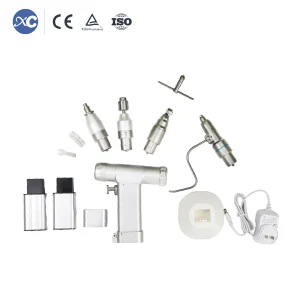
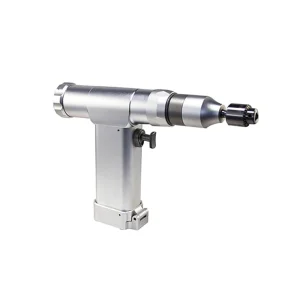
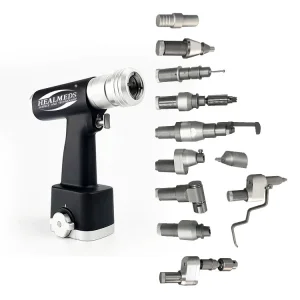
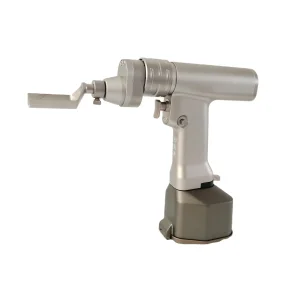
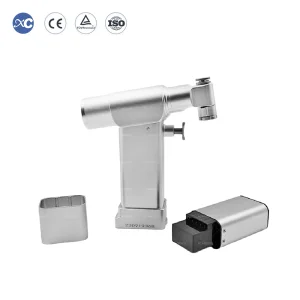
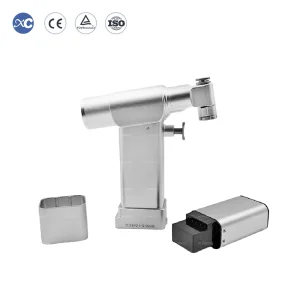
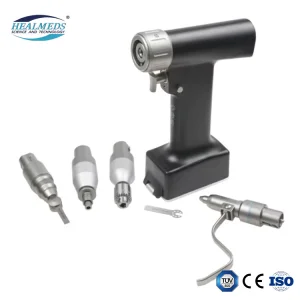
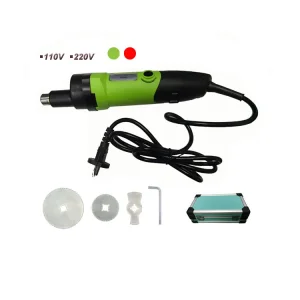
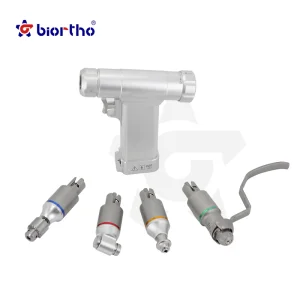
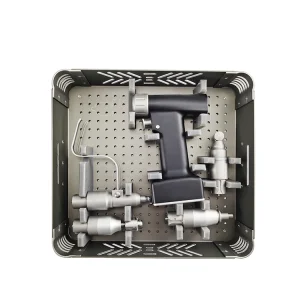
Engineered for high-load trauma surgeries and precise joint reconstruction in Riyadh's leading clinical facilities.
An in-depth analysis of clinical demands, technological shifts, and procurement paradigms in the Kingdom's capital.
The Kingdom of Saudi Arabia, particularly its capital city Riyadh, is undergoing an unprecedented transformation in its healthcare infrastructure. Under the ambitious framework of Saudi Vision 2030 and the National Transformation Program (NTP), the healthcare sector is transitioning toward a highly modernized, efficient, and privatized model. Riyadh has emerged as the central hub for medical excellence in the Middle East, hosting prestigious institutions such as the King Faisal Specialist Hospital & Research Centre, King Fahad Medical City (KFMC), and the sprawling medical complexes of the Ministry of National Guard Health Affairs (MNGHA).
This rapid expansion has triggered a massive surge in the demand for advanced surgical instrumentation. Orthopedic surgeries—ranging from high-velocity trauma reconstructions resulting from motor vehicle accidents to elective joint replacements for an aging demographic—require surgical power tools of unmatched reliability, precision, and safety. As hospitals in Riyadh strive to achieve international accreditation standards (such as JCI and CBAHI), the procurement of orthopedic power tools has shifted from basic cost-centric models to value-based, high-performance acquisitions.
Operating rooms in Riyadh's major trauma centers run continuously. Surgical power tools, including oscillating saws, sternum saws, and cannulated drills, must withstand rigorous sterilization cycles without compromising mechanical integrity. The high ambient temperatures and specific humidity controls in the Gulf region also demand robust battery management systems (BMS) that prevent overheating during prolonged osteotomies and arthroplasties.
Furthermore, the transition toward minimally invasive surgery (MIS) in orthopedics requires micro-power systems that offer high torque at low speeds, ensuring minimal thermal necrosis of the bone tissue. For global manufacturers and suppliers, entering the Riyadh market is no longer just about shipping products; it requires a deep integration with local clinical workflows, strict adherence to the Saudi Food and Drug Authority (SFDA) regulations, and a robust local support network.
For procurement directors, biomedical engineers, and supply chain managers in Riyadh's healthcare networks, evaluating orthopedic power tools requires a comprehensive understanding of the Total Cost of Ownership (TCO). While initial acquisition costs are critical, the long-term value is determined by durability, modularity, battery lifespan, and the cost of replacement attachments.
HBM Medical addresses these procurement pain points by offering medical-grade power tools designed with high-efficiency brushless DC motors. These motors generate significantly less heat, extending the operational life of the handpiece and reducing the risk of intraoperative thermal damage to patient tissue. By utilizing premium-grade stainless steel and advanced anodized aluminum alloys, our systems resist corrosion from saline exposure and harsh enzymatic cleaners used in central sterile services departments (CSSD).
Our direct-to-hospital supply model ensures that distributors and healthcare providers in Riyadh receive competitive pricing, rapid lead times, and direct access to engineering support. This eliminates the multi-tiered markup typical of traditional multinational medical device conglomerates, allowing Riyadh's private and public sectors to optimize their capital expenditure (CAPEX) budgets while maintaining world-class clinical standards.
How advanced engineering meets clinical precision in modern bone surgery.
The evolution of orthopedic power tools is driven by three core engineering pillars: ergonomics, intelligent power management, and modular versatility. As a leading R&D and manufacturing enterprise, HBM Medical is at the forefront of these technological advancements, continuously updating our product lines to meet the demands of complex surgeries.
| Technical Parameter | Standard Industry Specification | HBM Medical Next-Gen Standard | Clinical Benefit in the OR |
|---|---|---|---|
| Motor Technology | Brushed DC Motors | Brushless DC (BLDC) Smart Motor | Zero carbon dust, lower heat, 3x longer lifespan |
| Sterilization Tolerance | 121°C Autoclave (Limited Cycles) | 134°C Autoclave & Plasma Compatible | Rapid turnaround in high-volume CSSD |
| Battery Chemistry | Ni-MH / Standard Li-ion | Autoclavable Li-ion with Smart BMS | Consistent voltage output, no memory effect |
| Noise Level | >75 dB(A) | ≤63 dB(A) | Reduces surgical team fatigue during long cases |
| Coupling System | Proprietary Single-tool | Quick-connect Modular Attachments | Seamless switching between drilling, sawing, reaming |
The primary point of failure for surgical power tools globally is fluid ingress during washing and sterilization. HBM Medical utilizes advanced double-layered silicone sealing rings and hermetically sealed motor housings. This ensures that even after hundreds of autoclave cycles at 134°C and 2.2 bar pressure, the internal electronics and mechanical gears remain completely dry and free from corrosion. This level of engineering reliability is crucial for Riyadh's busy hospitals, where instrument downtime can disrupt critical surgical schedules.
Leveraging state-of-the-art infrastructure to supply the Riyadh health sector with uncompromised quality.
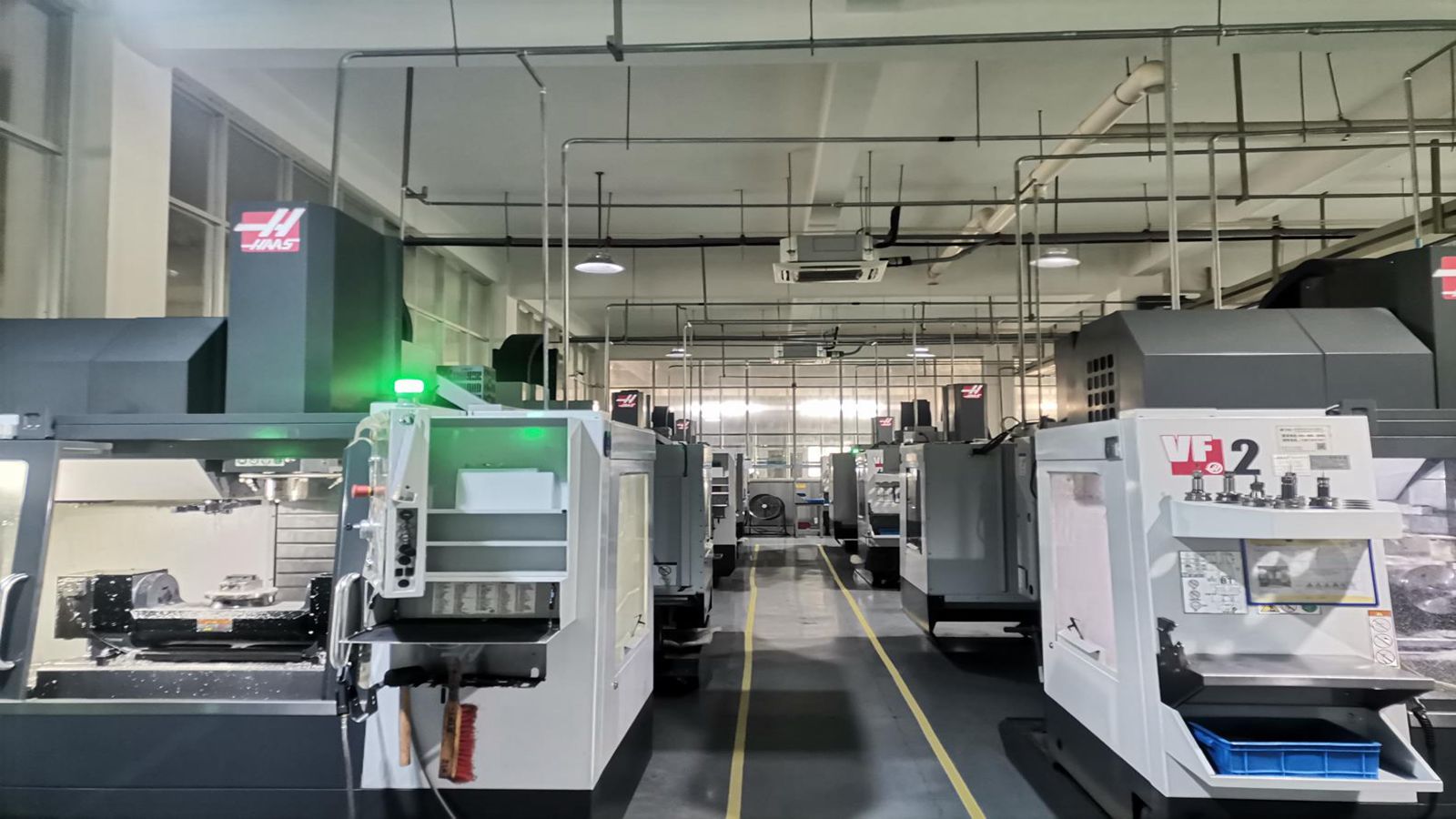
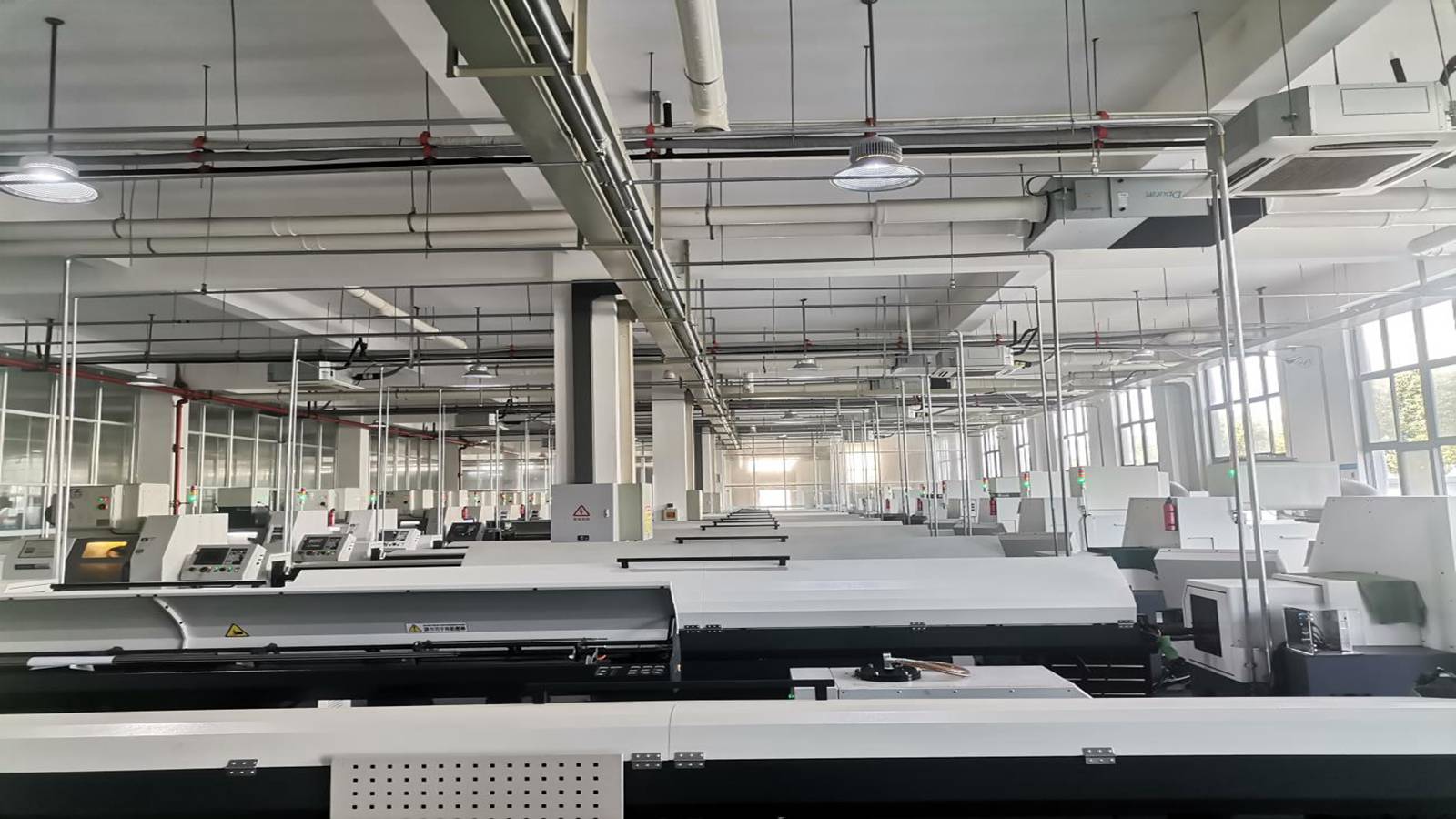
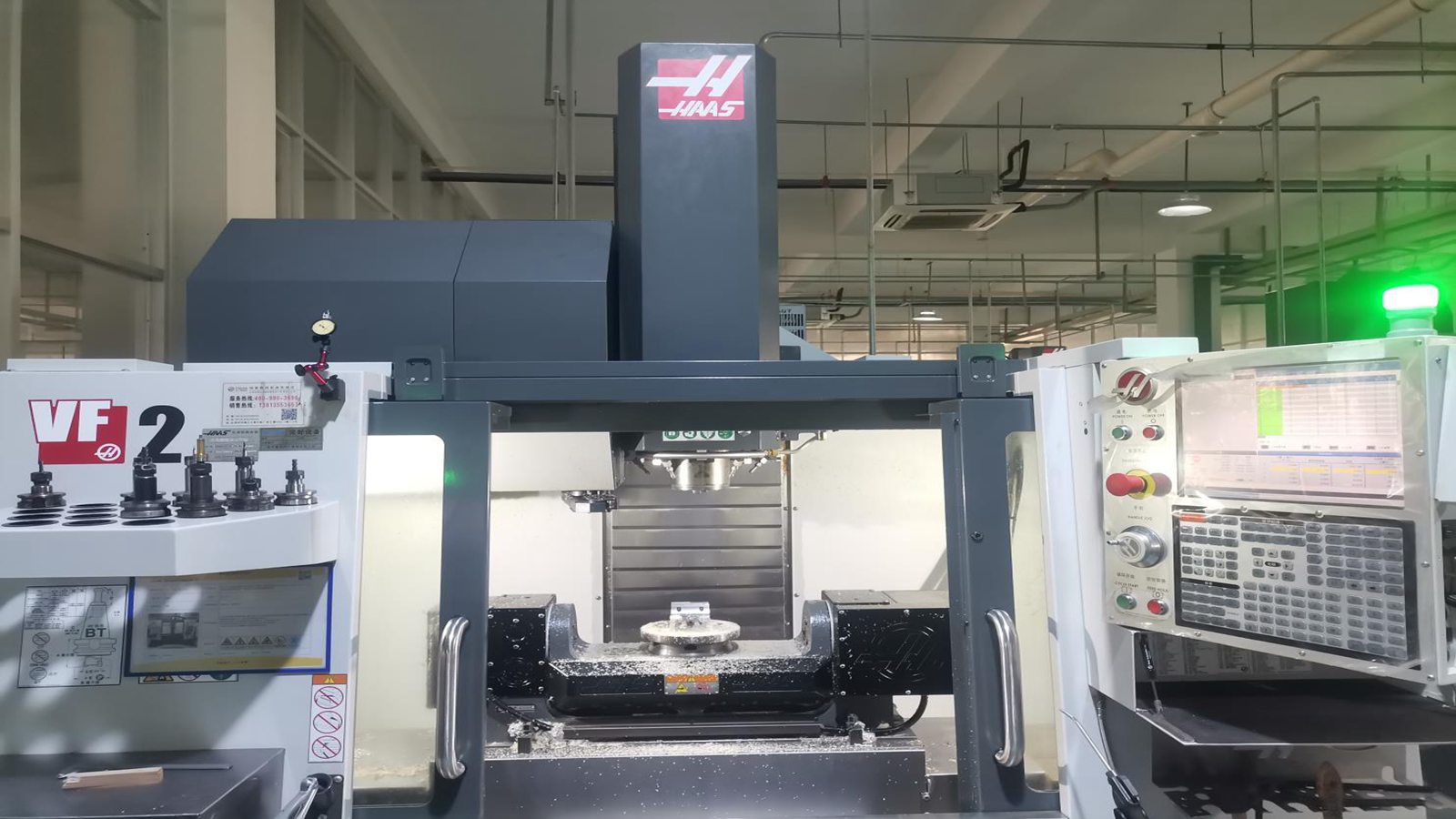
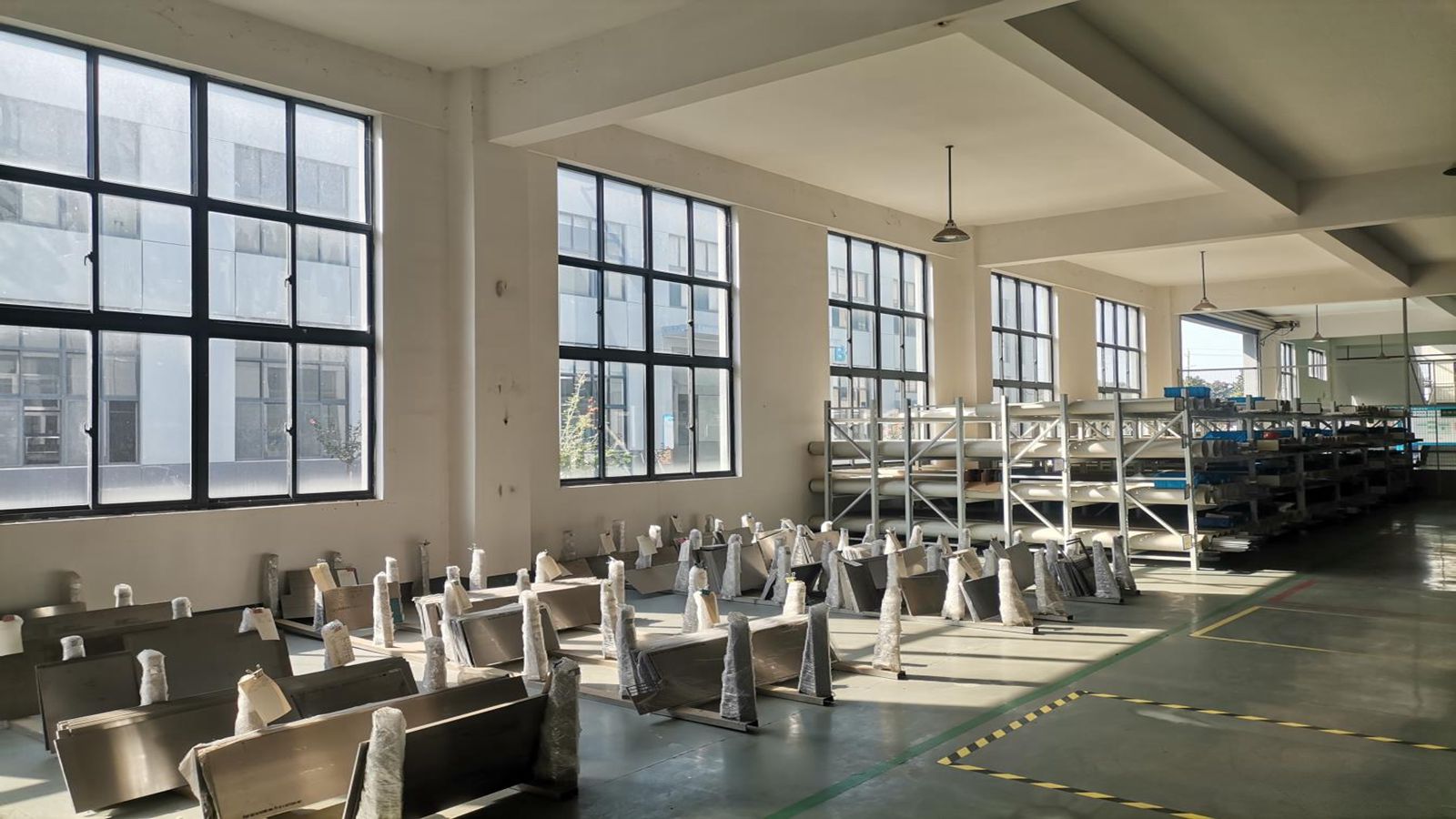
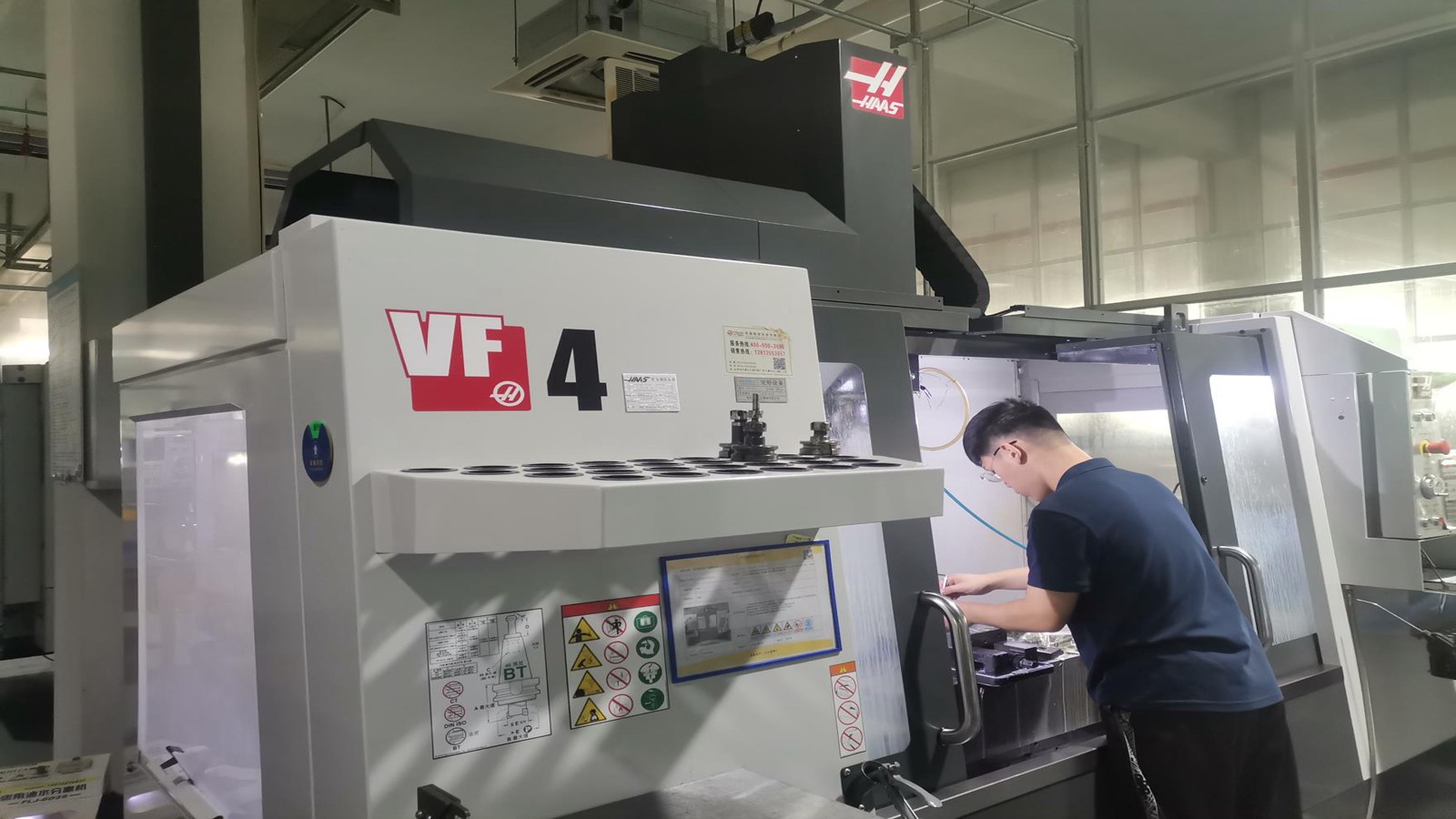
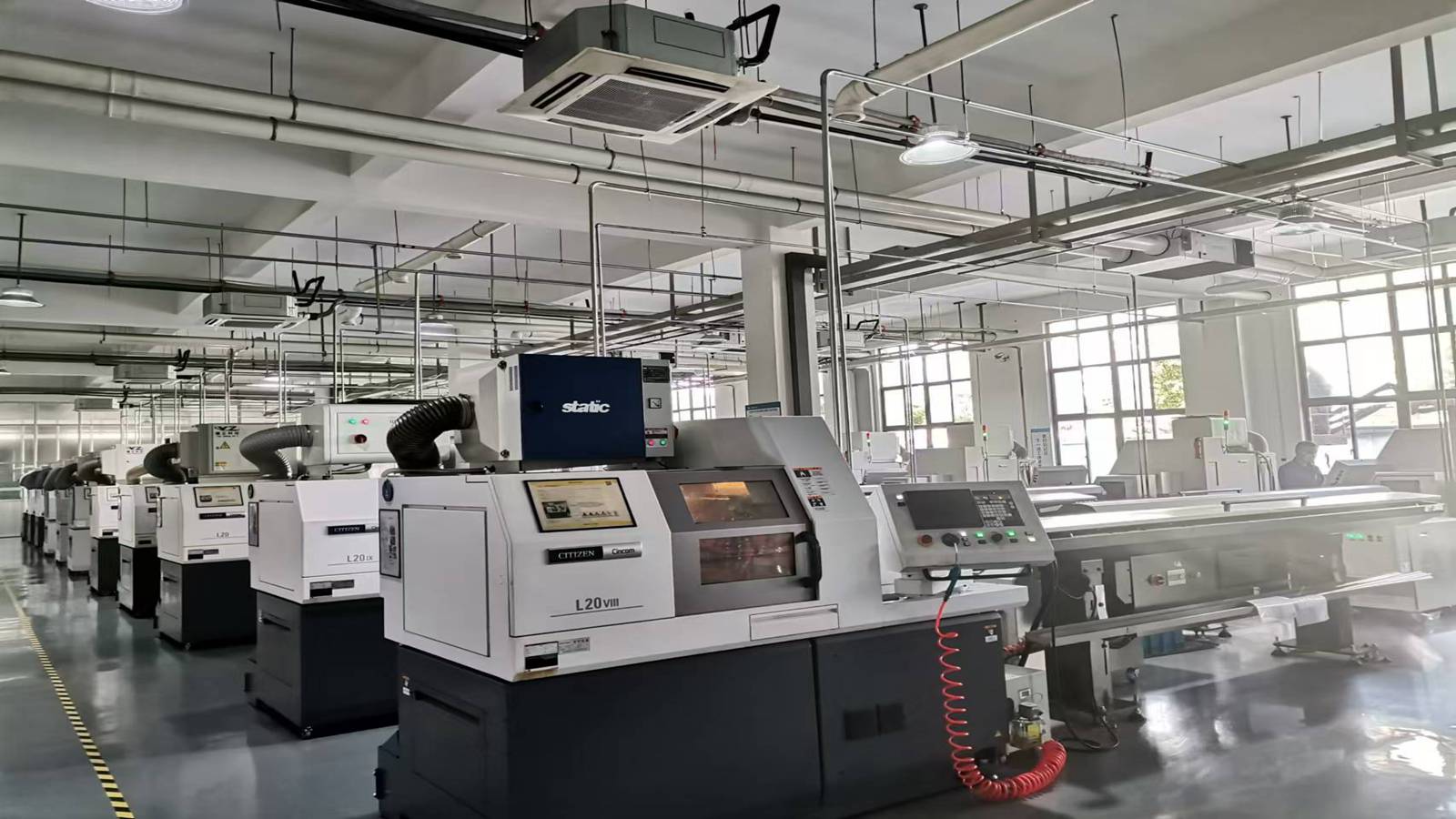
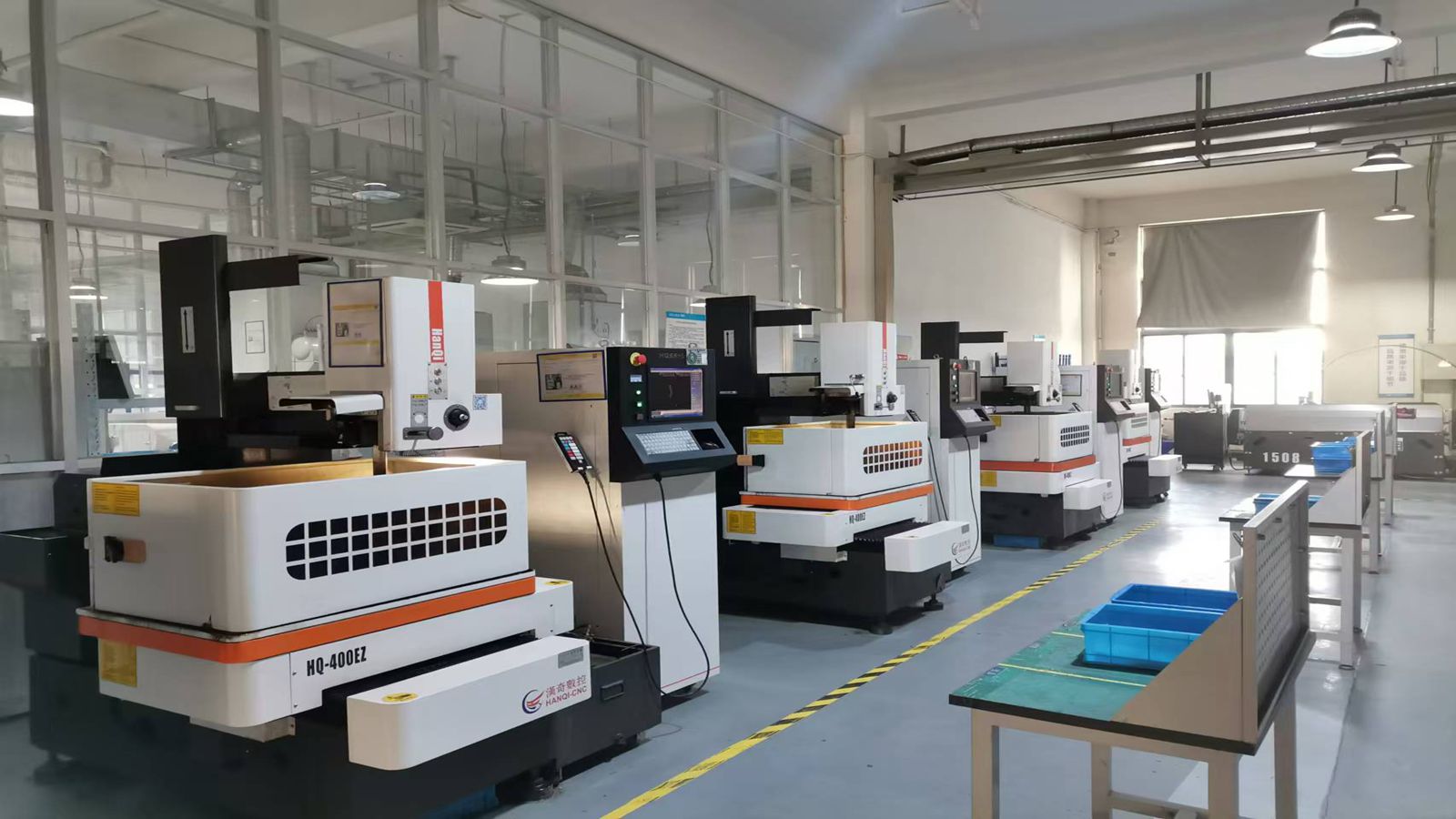
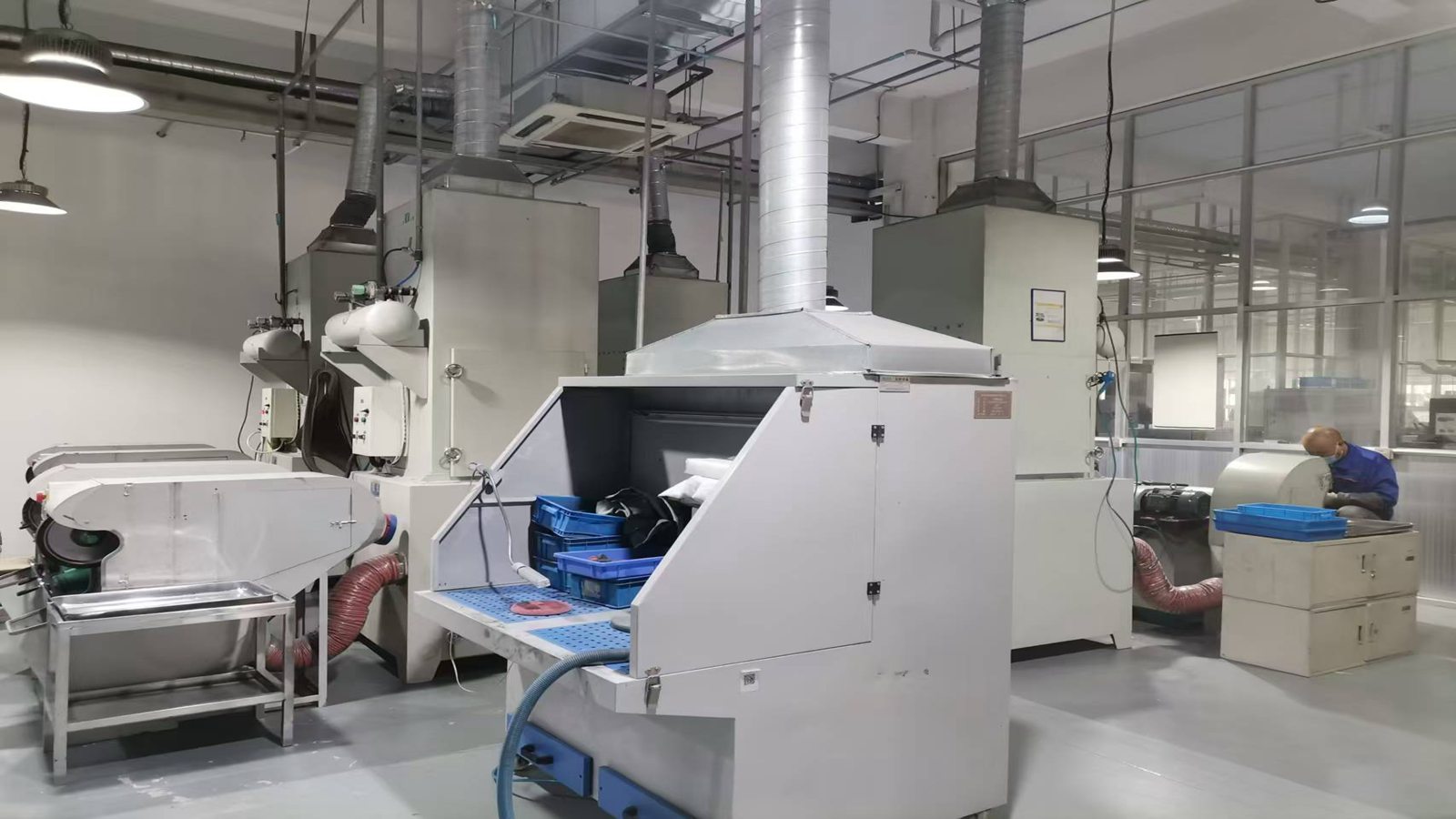
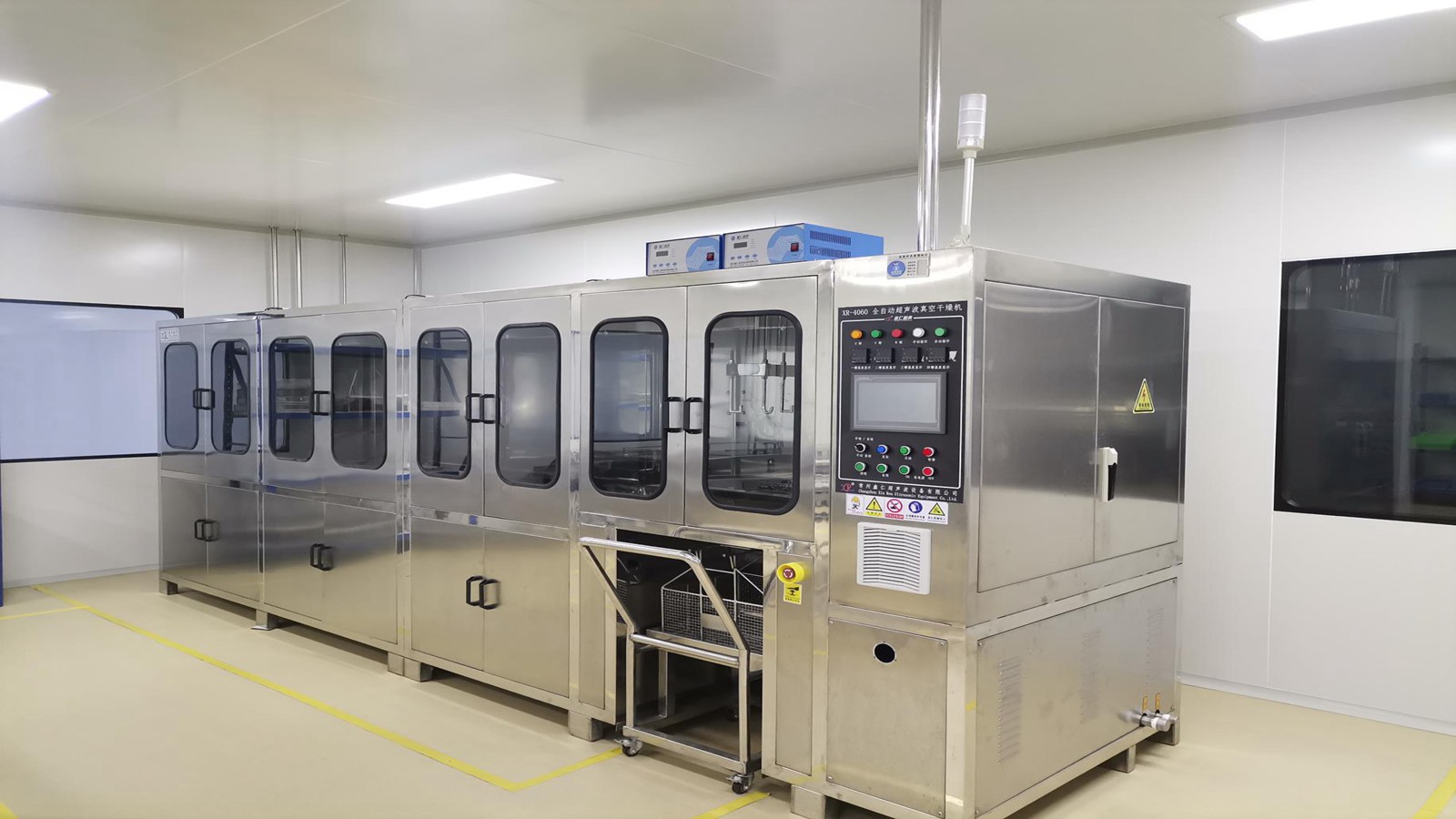
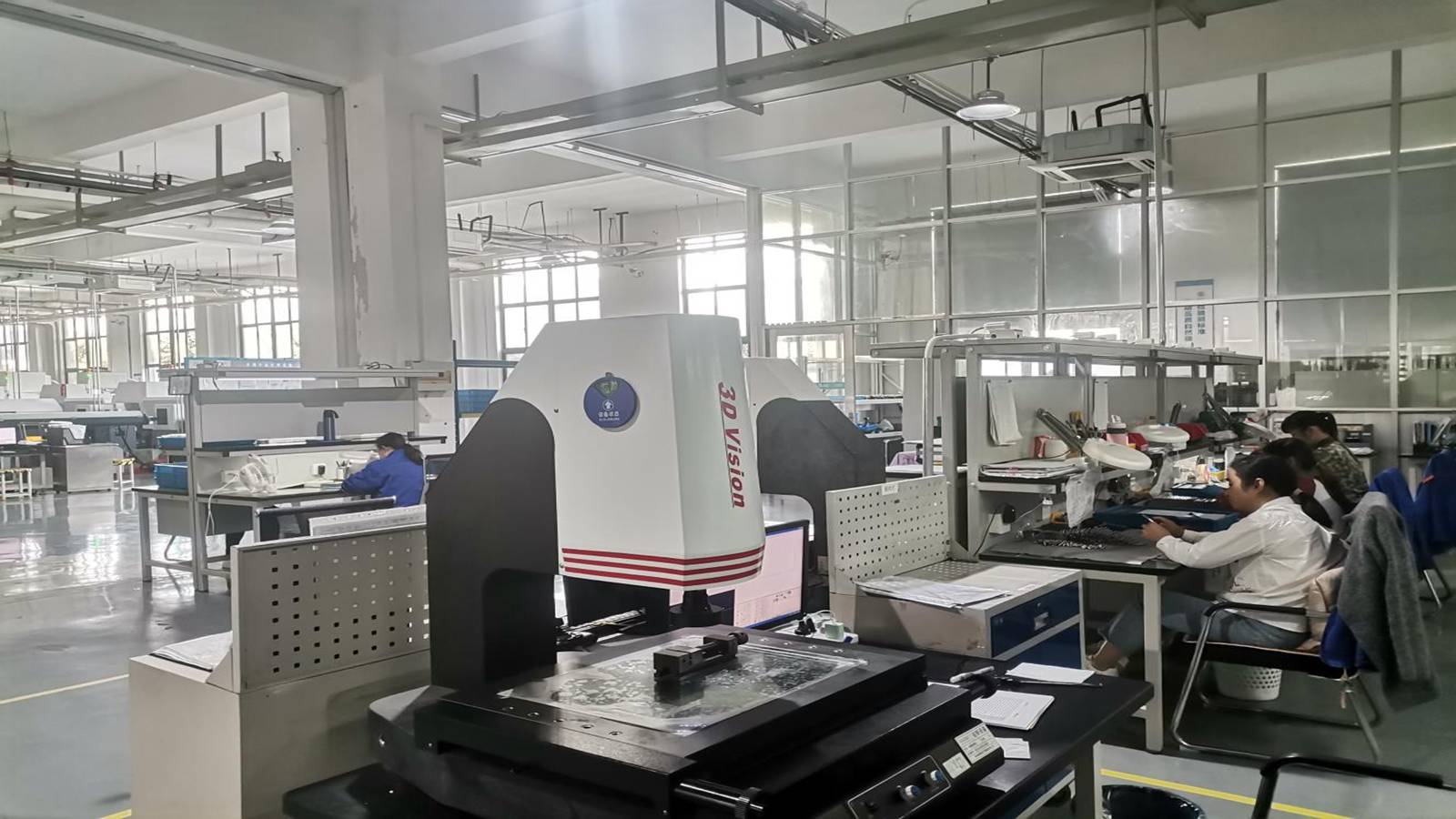
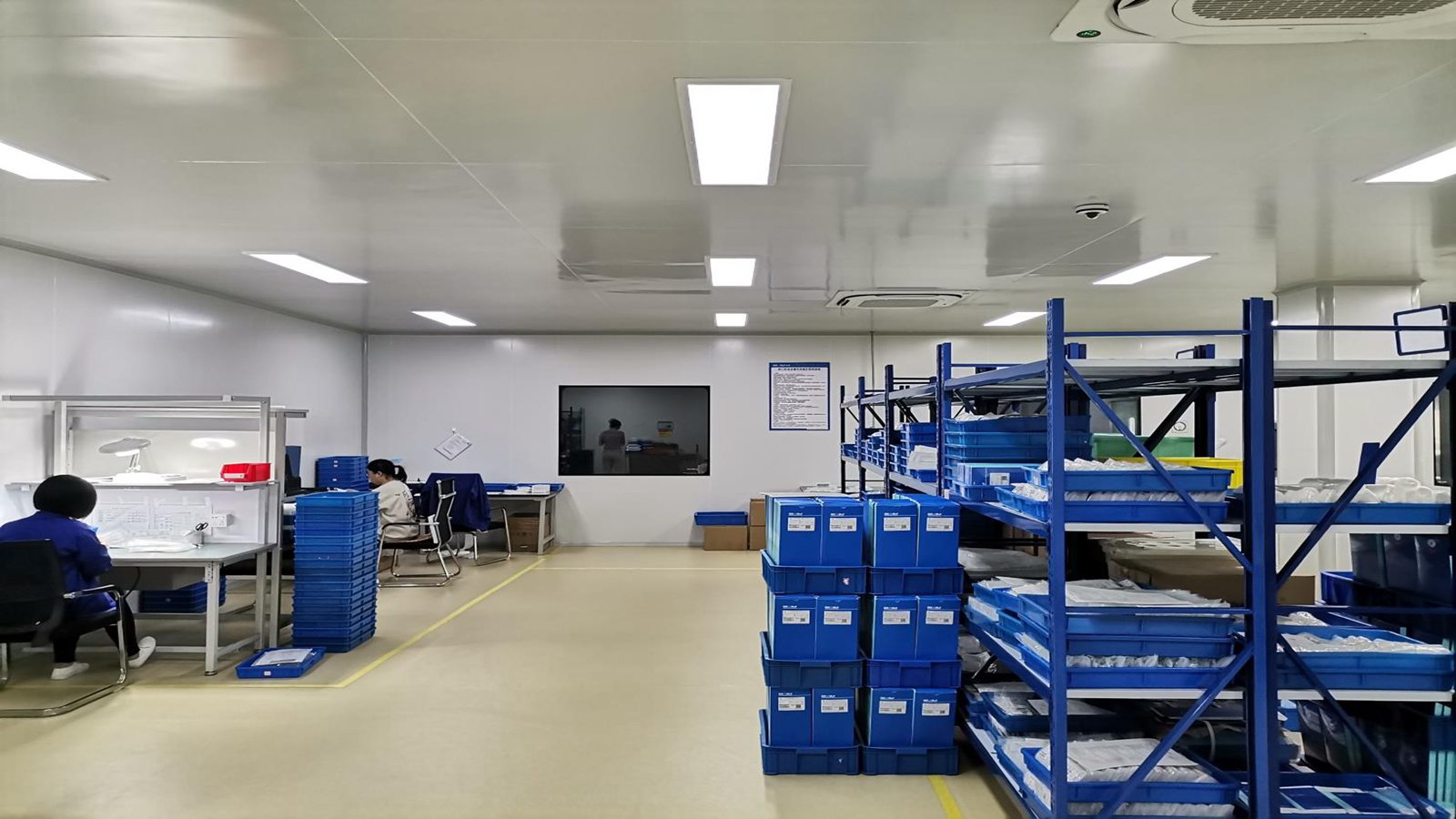
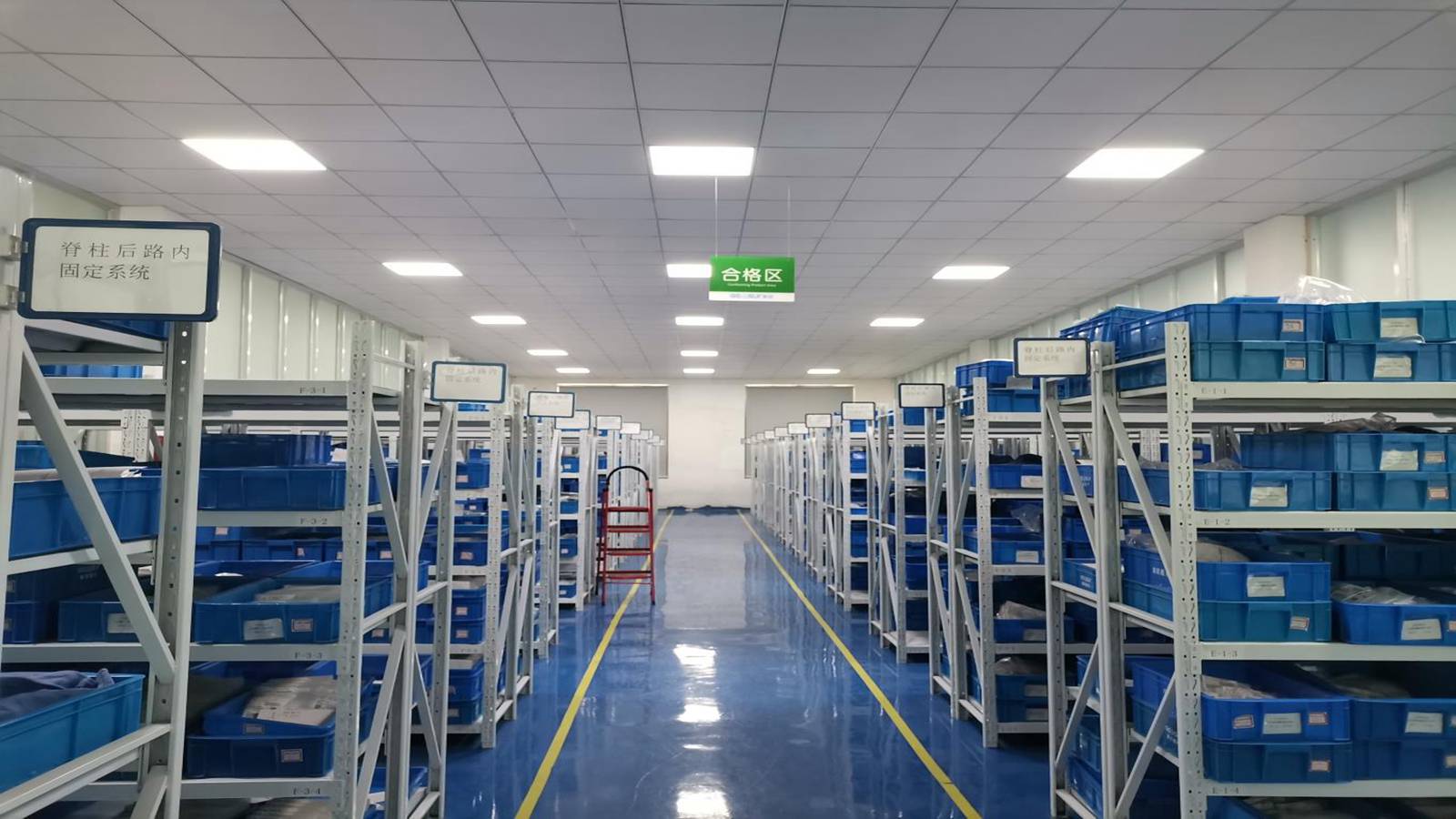
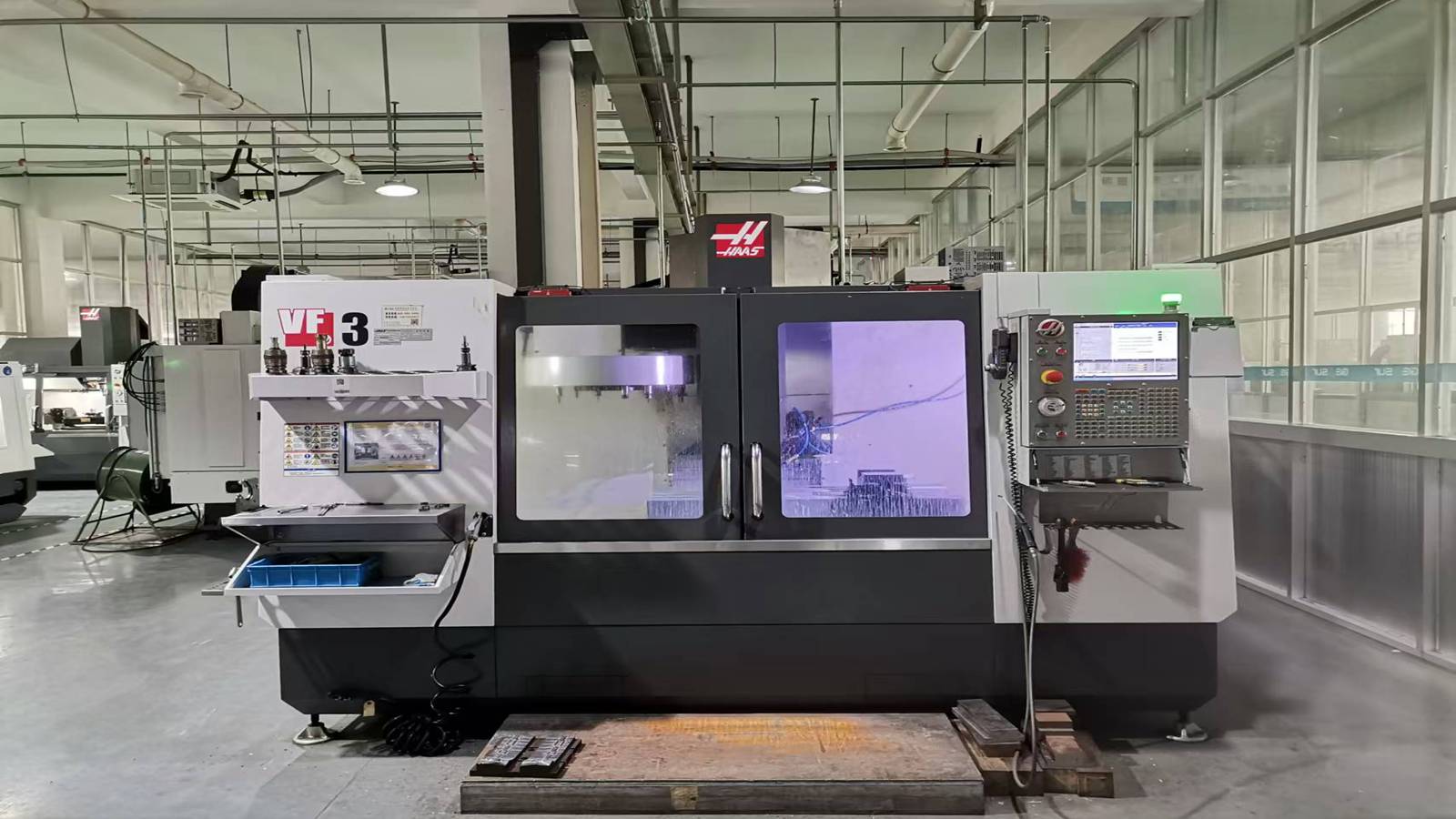
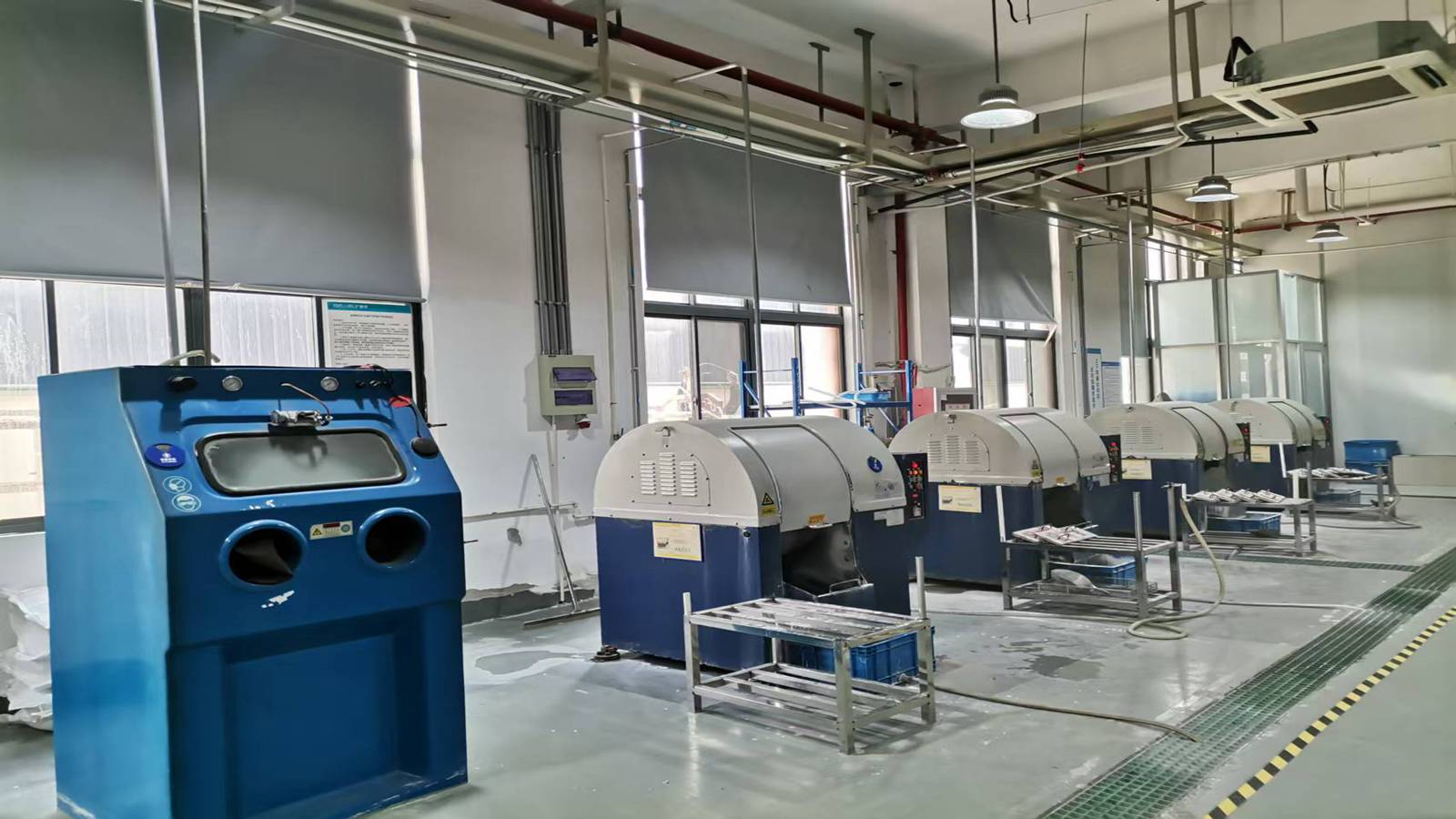
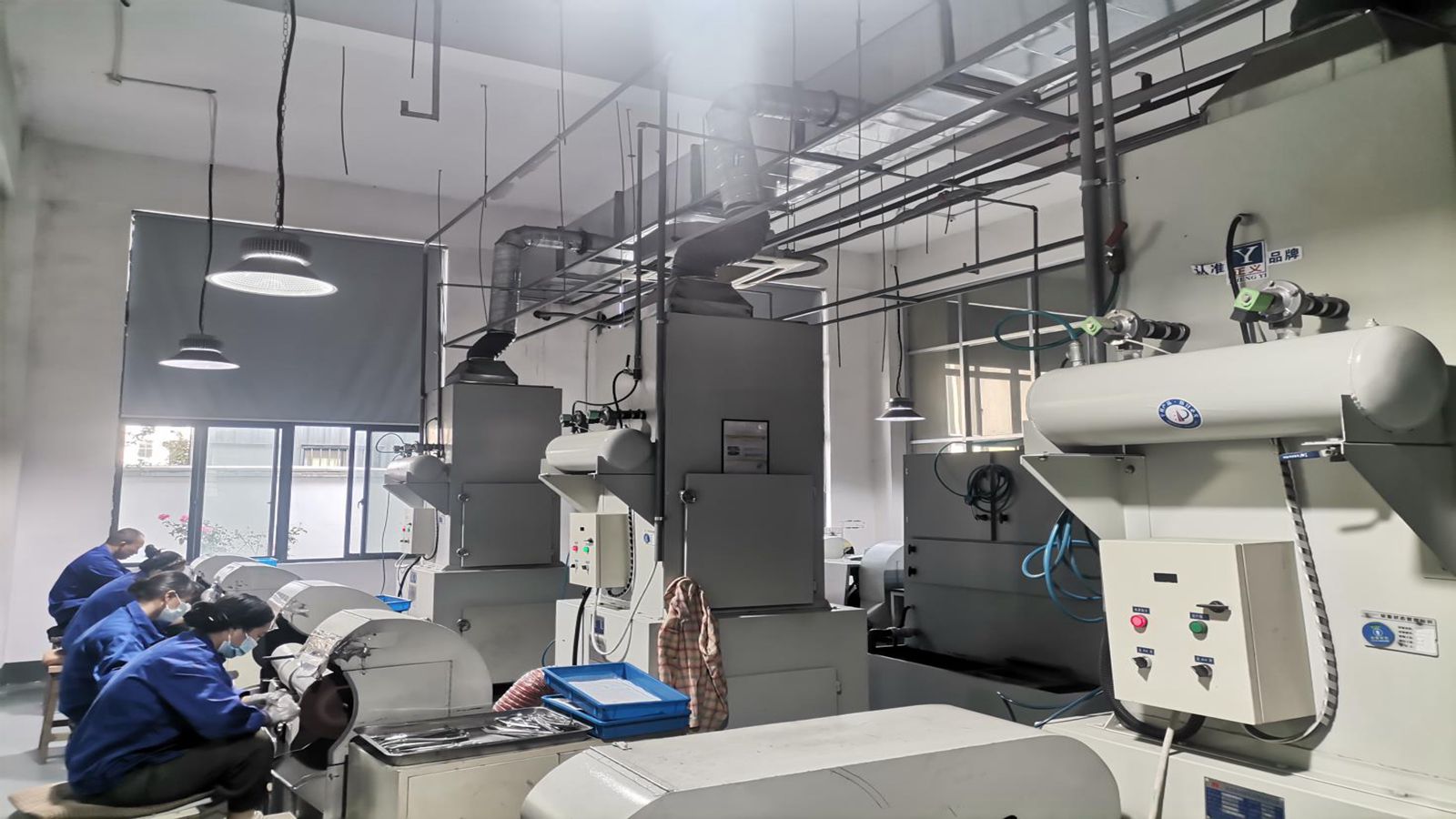
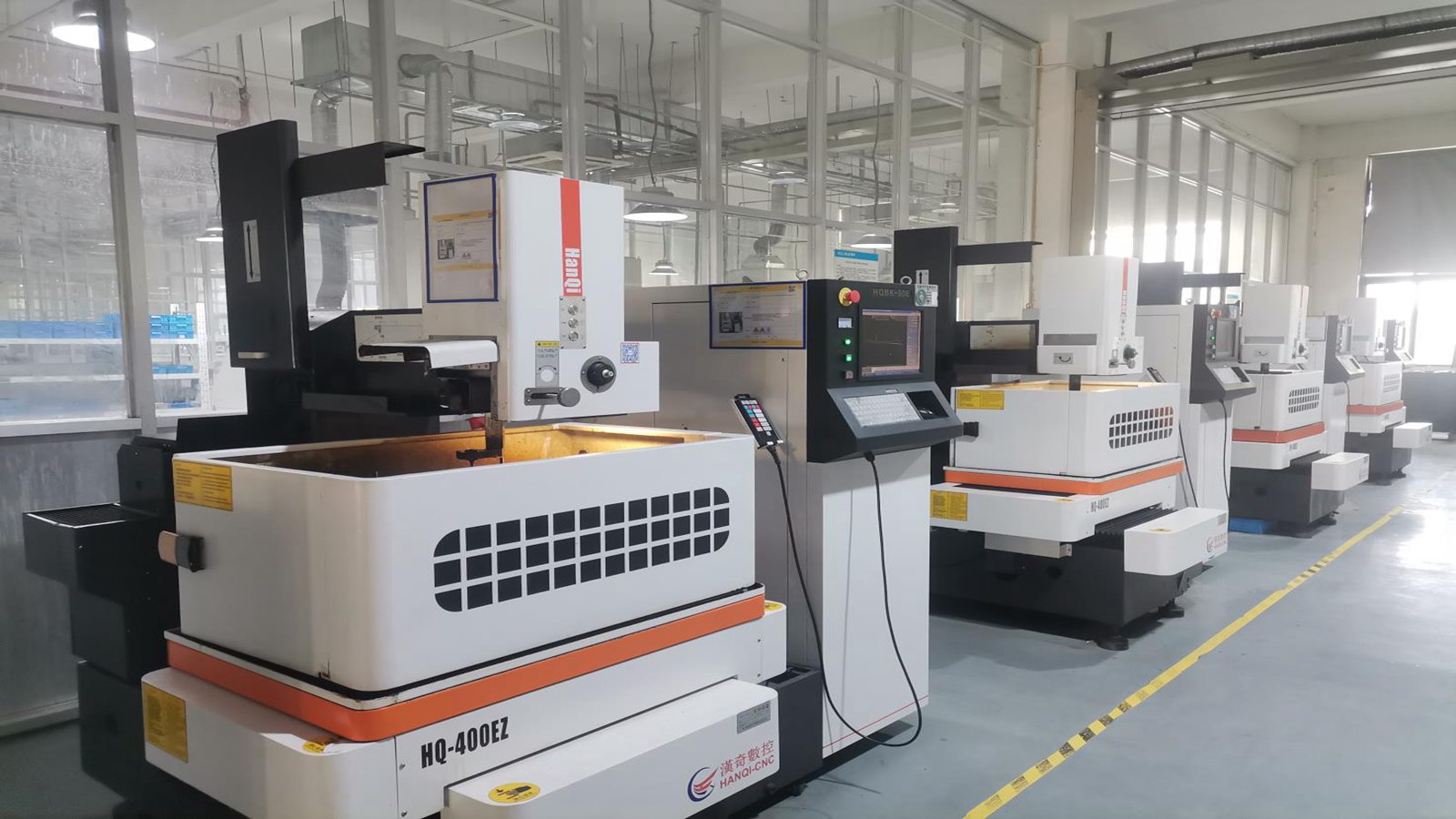
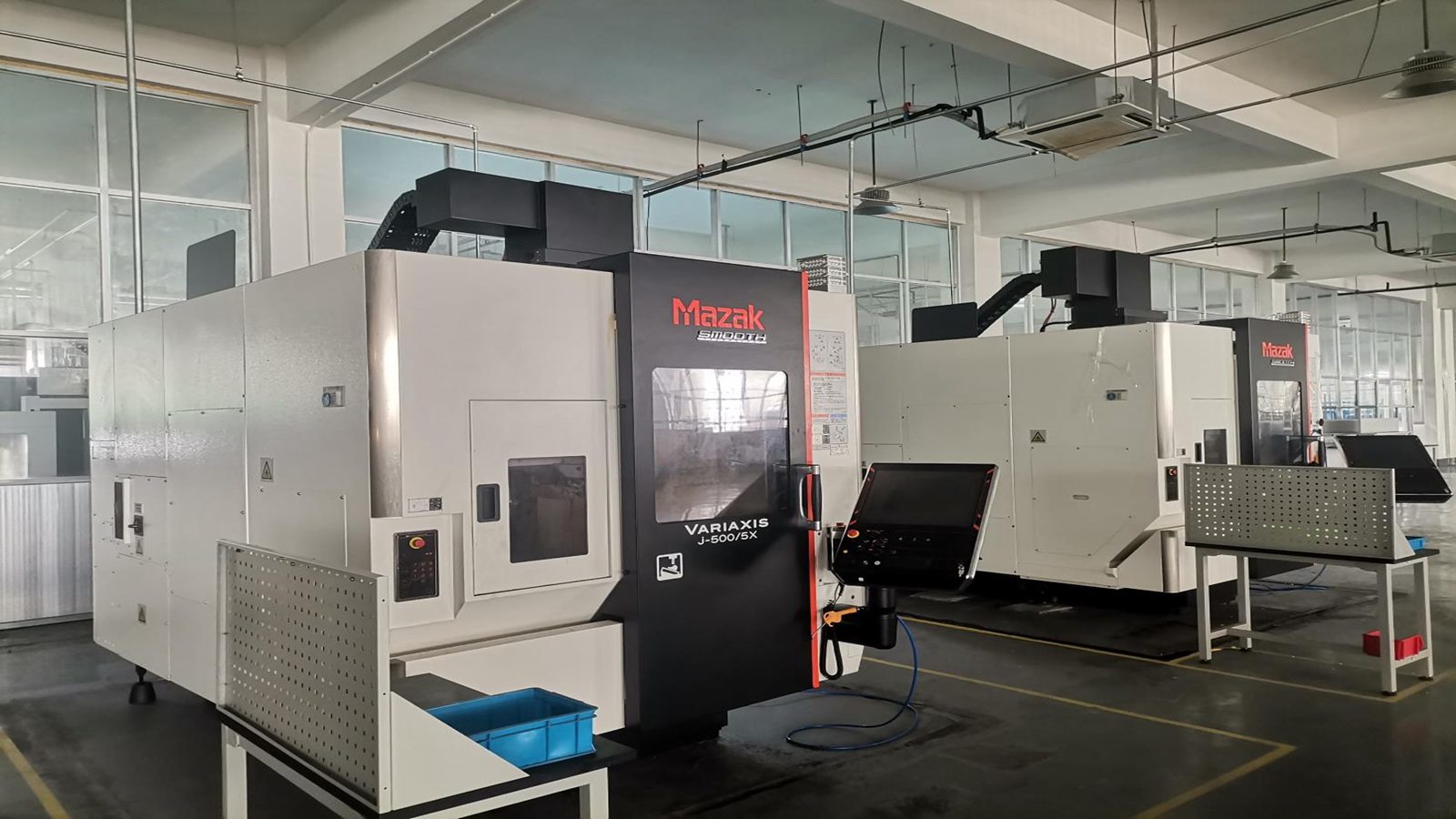
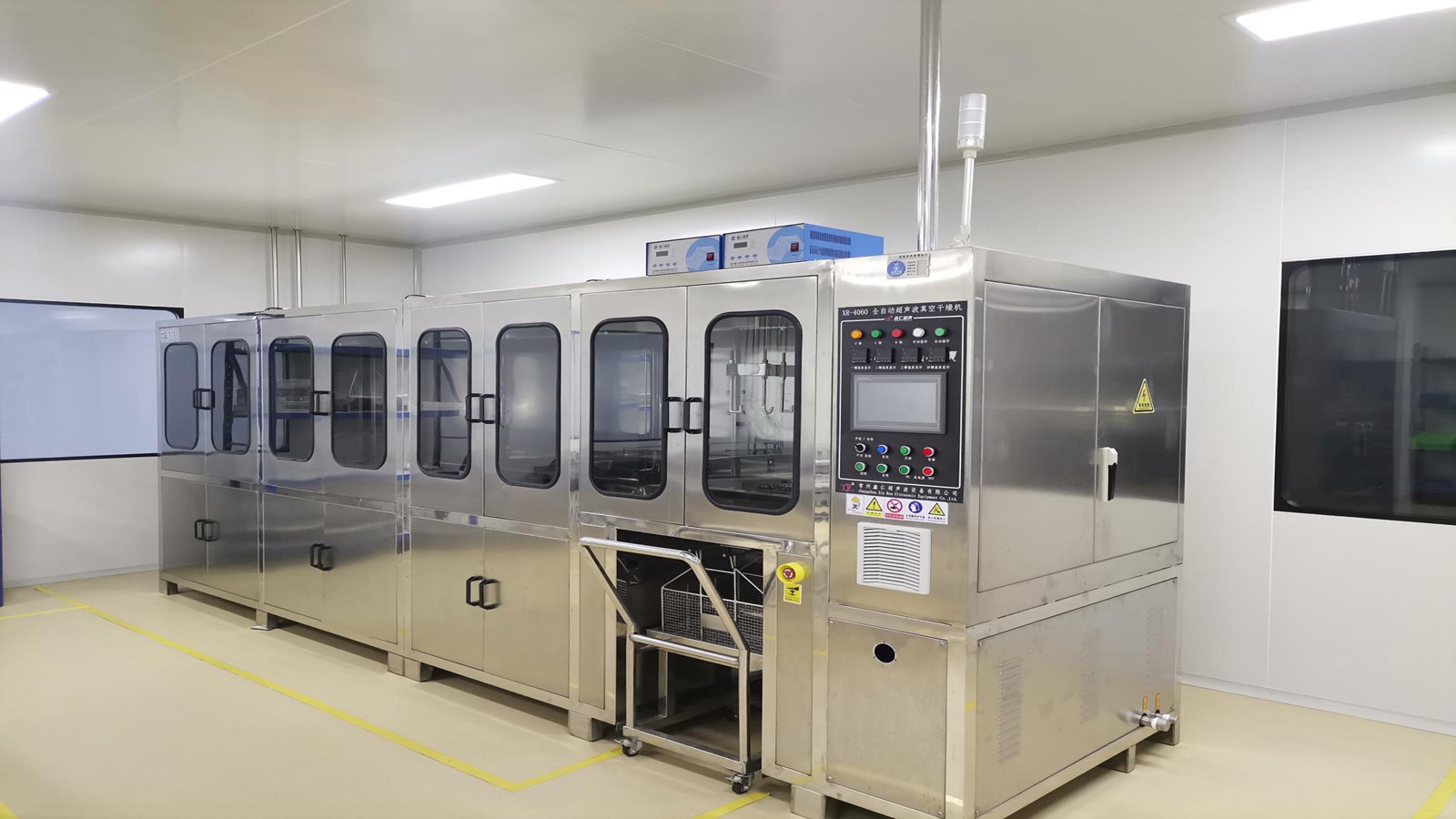
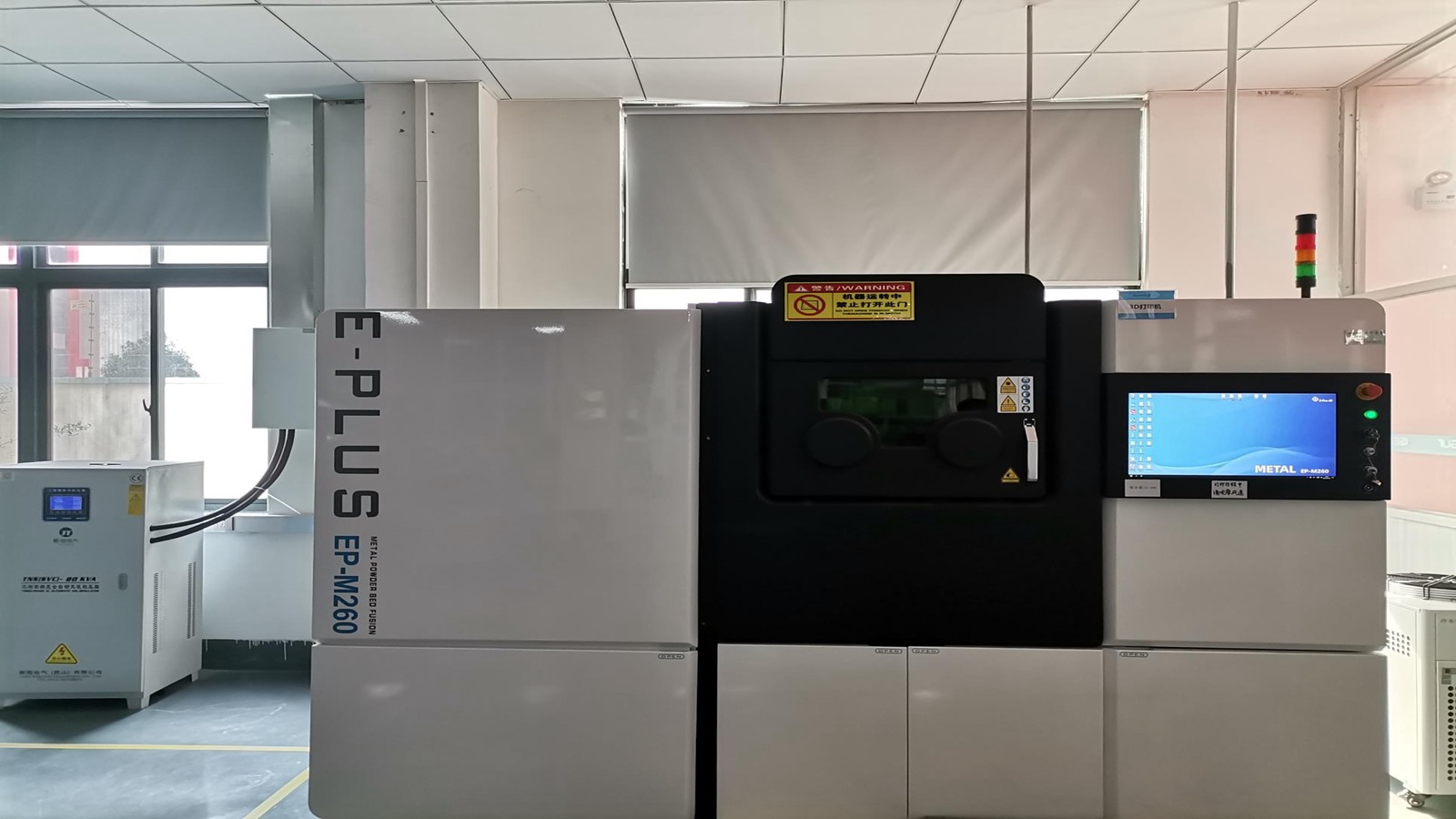
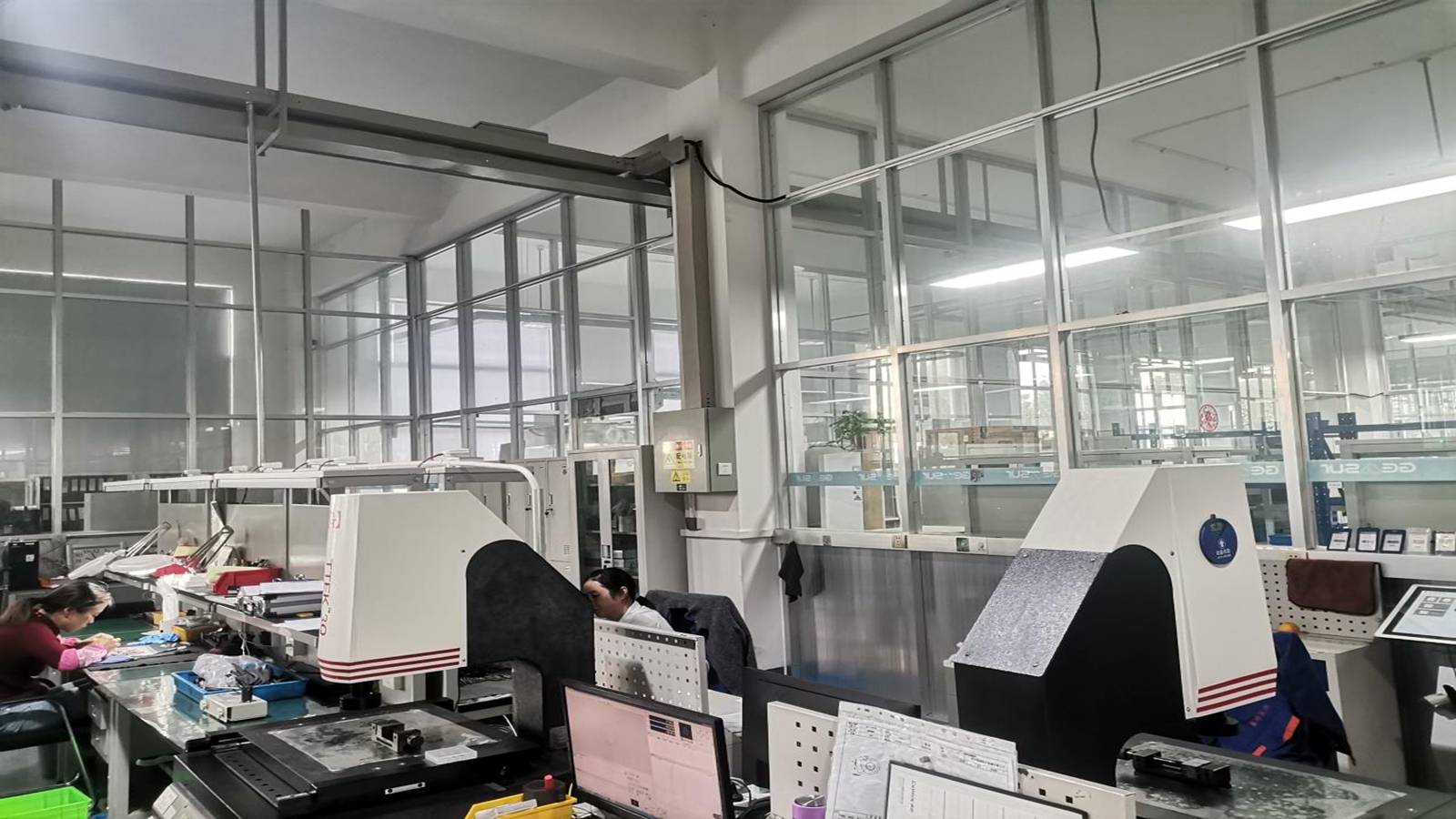
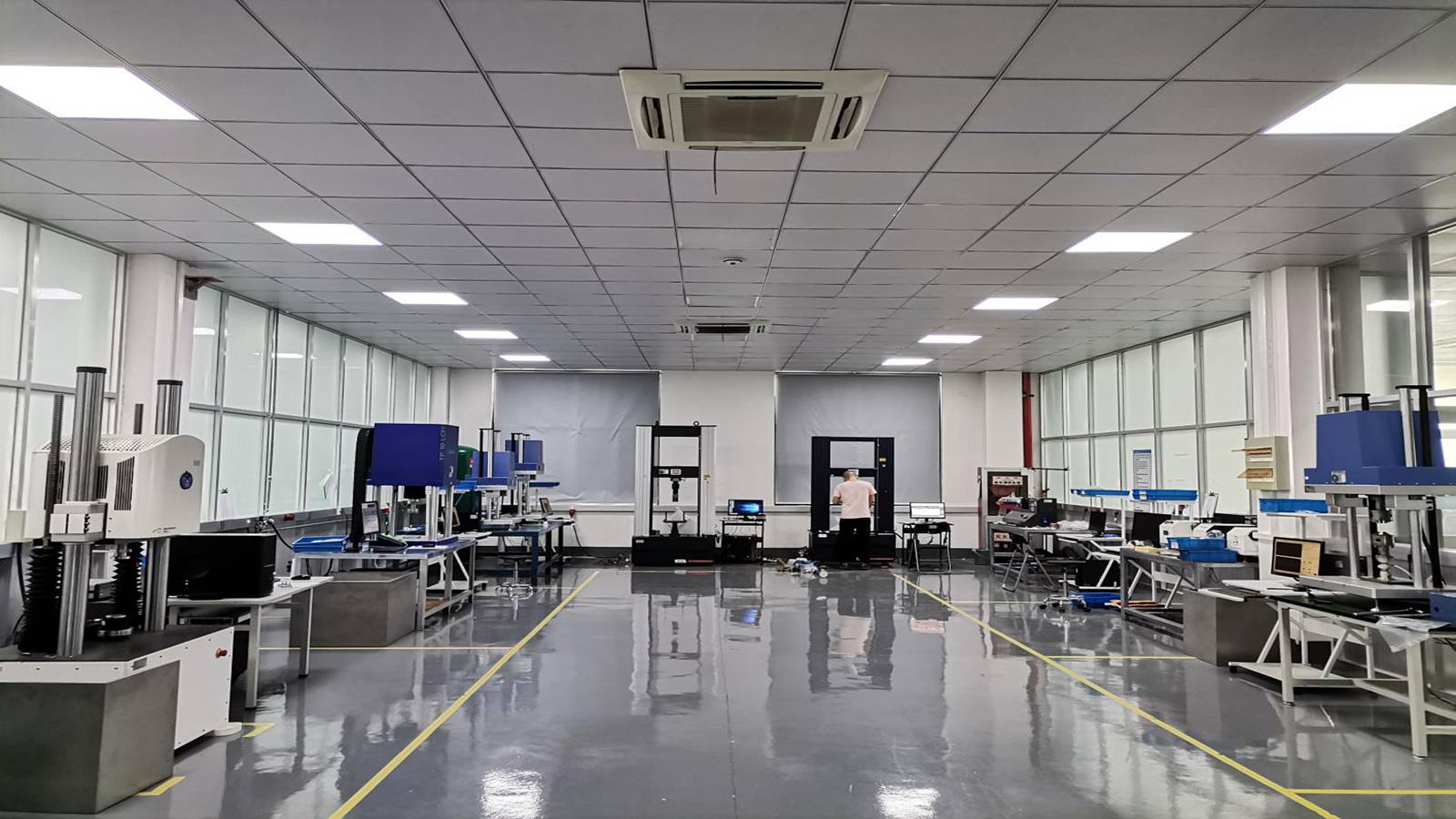
HBM Medical Apparatus And Instruments Co., Ltd. is a premier orthopedic medical equipment R&D, manufacturing, and operation enterprise. With a production site spanning over 30,343 square meters and equipped with more than 350 advanced processing and testing machines, HBM possesses a robust production capacity capable of meeting the large-scale procurement demands of the Saudi Arabian market.
Our facility operates 12 specialized production lines, managed by a highly qualified R&D team consisting of 31 dedicated engineers (including doctorates and postgraduates). To ensure absolute clinical safety, our quality control department features 36 QA/QC inspectors who oversee 100% raw material traceability and conduct rigorous multi-stage inspections on every single handpiece before it leaves our factory.
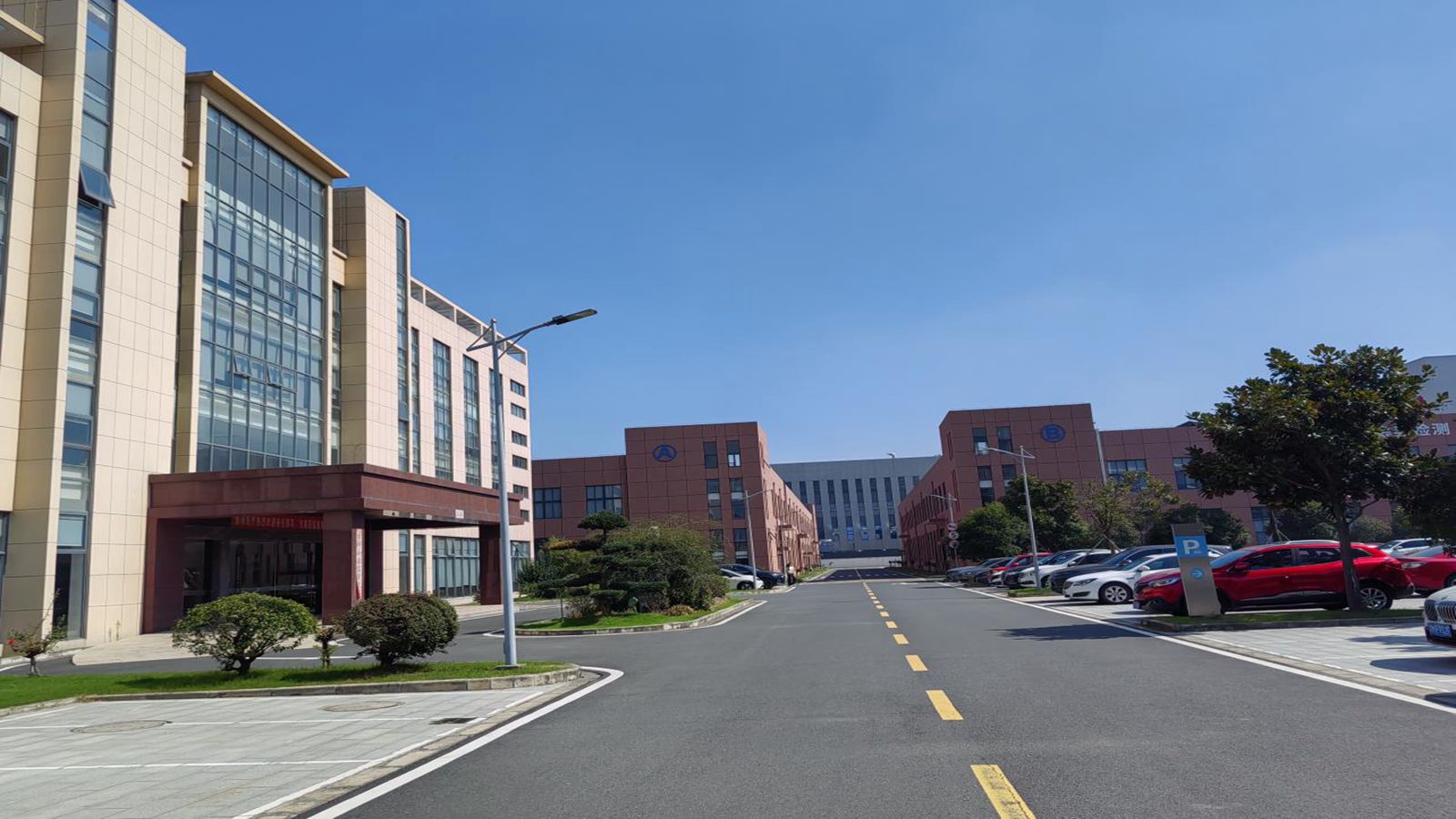
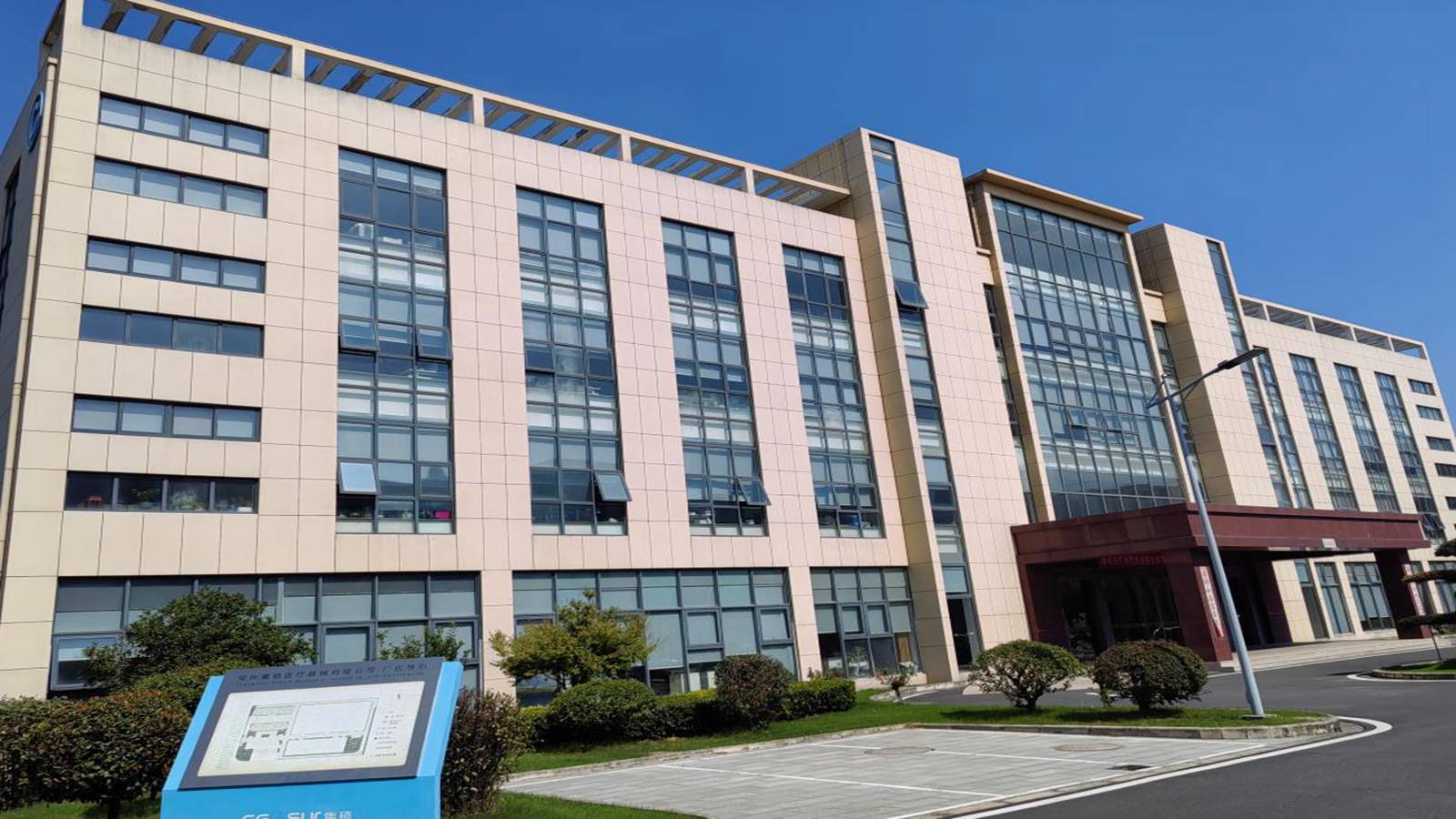
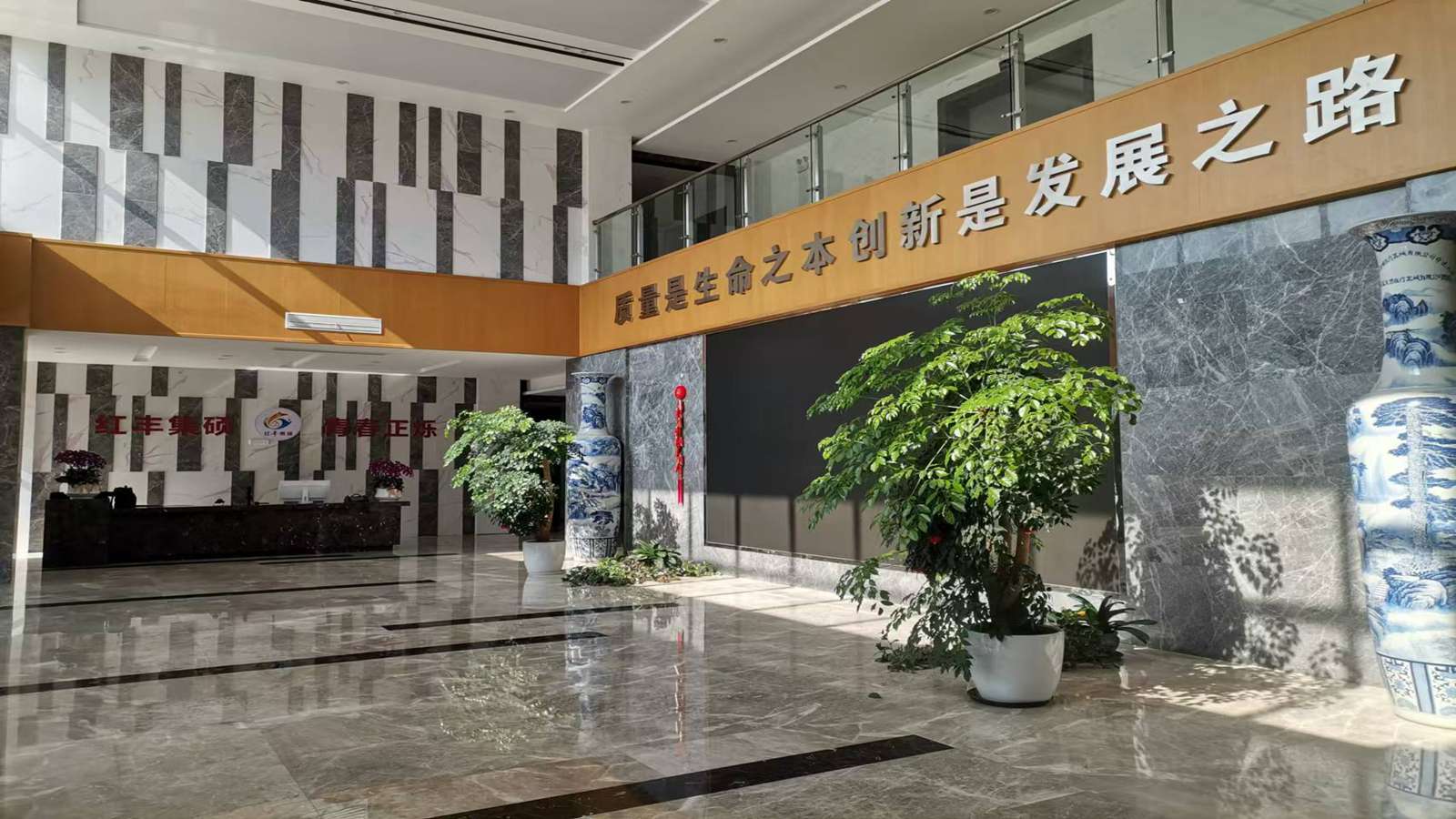
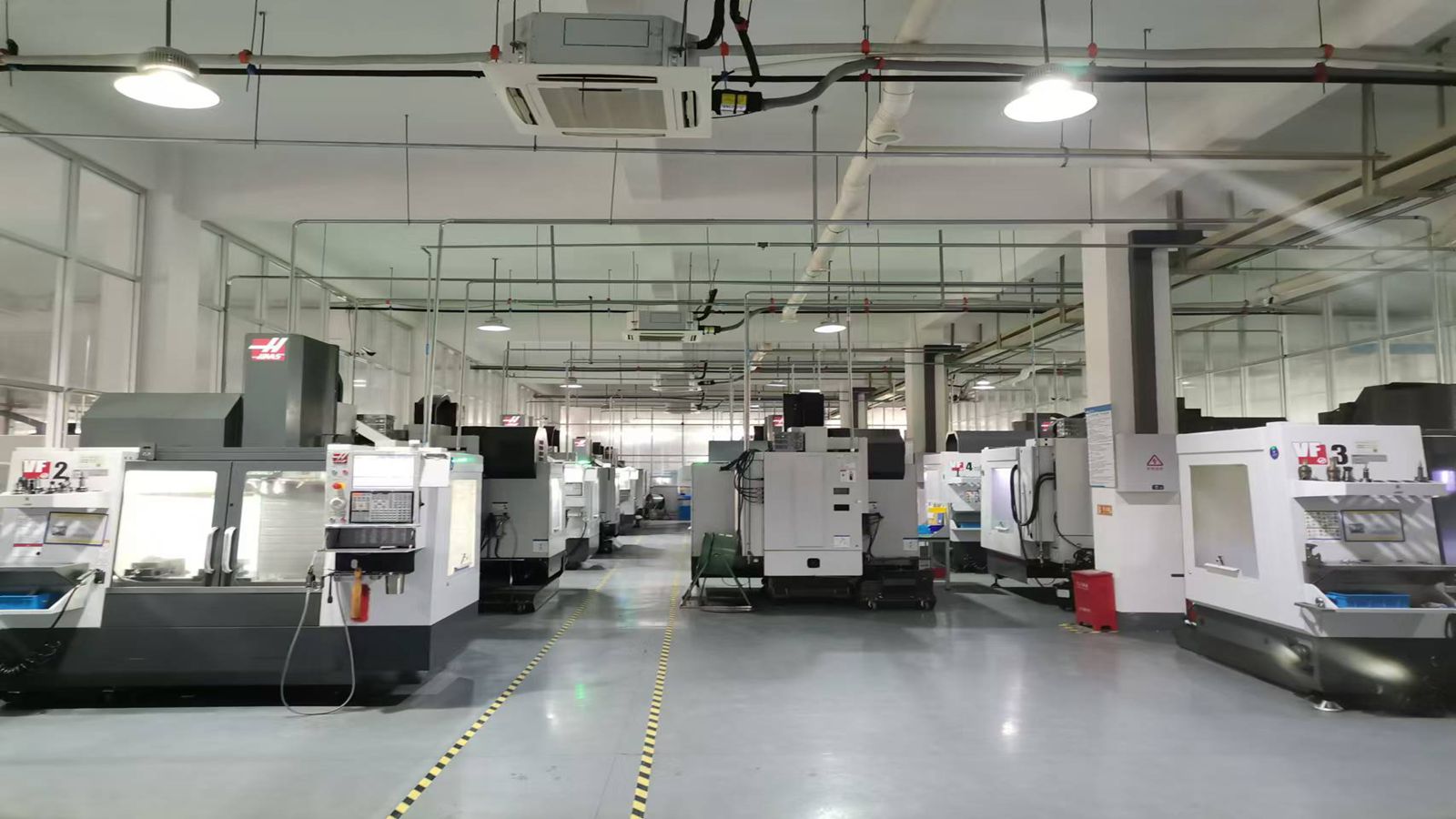
HBM Medical's quality management system is fully certified to international standards, including ISO 13485, MDSAP, and CE (MDR). These certifications guarantee that our manufacturing processes align with the stringent regulatory frameworks enforced by the Saudi Food and Drug Authority (SFDA), facilitating smooth import, registration, and clinical adoption within the Kingdom.
Navigating the regulatory pathway in Saudi Arabia is a critical step for successful clinical implementation. The Saudi Food and Drug Authority (SFDA) maintains rigorous standards for medical devices, classifying orthopedic power tools under strict control classes. HBM Medical works closely with local authorized representatives in Riyadh to ensure all products are fully registered, documented, and compliant with SFDA guidelines.
Beyond regulatory compliance, we understand that after-sales support is paramount for surgical teams. HBM Medical provides comprehensive training programs for Riyadh-based biomedical engineers, ensuring local teams can perform routine maintenance, battery calibration, and basic troubleshooting. We also maintain a rapid-response spare parts inventory to minimize downtime, ensuring that Riyadh's operating theaters are always equipped with fully functional, high-performance power systems.
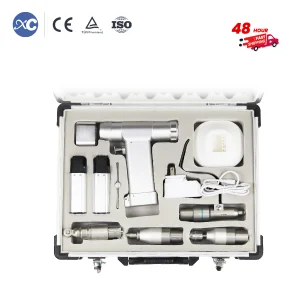
A comprehensive range of high-precision micro-drills, oscillating saws, and specialized instruments for diverse clinical applications.
Visualizing our commitment to precision engineering and zero-defect manufacturing.
Expert answers to common queries regarding procurement, compliance, and technical specifications for the Riyadh market.
 HBM Medical