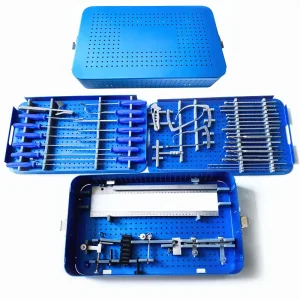
Explore our leading surgical instrument sets and trauma solutions engineered for maximum clinical efficacy and biomechanical stability.
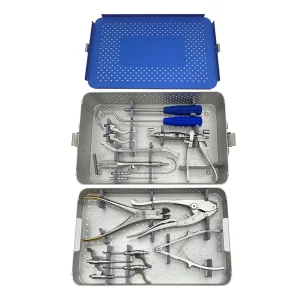
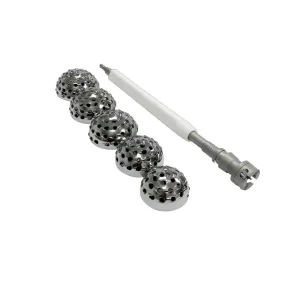
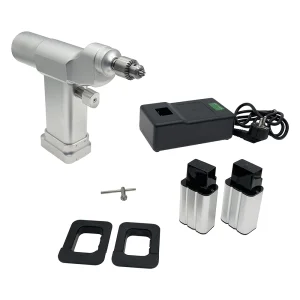
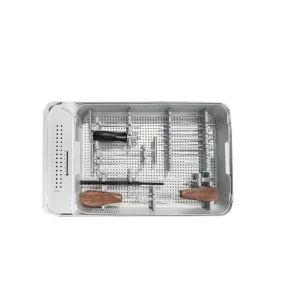
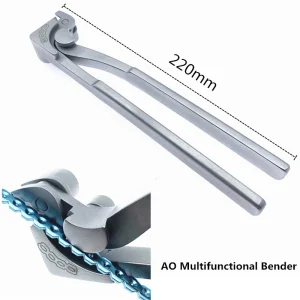
Femoral intramedullary (IM) nailing represents the gold standard for the treatment of femoral shaft fractures, subtrochanteric fractures, and complex ipsilateral femoral neck-shaft fractures. As a load-sharing device, the intramedullary nail is positioned close to the neutral axis of the femur, minimizing the bending moment experienced by the implant and allowing early weight-bearing. This biomechanical advantage is superior to load-bearing plates, which are prone to fatigue failure under repetitive physiological loads.
Historically, the evolution of IM nailing has transitioned from simple, non-locking cloverleaf nails designed by Gerhard Küntscher to highly sophisticated interlocking systems. Modern femoral intramedullary nails feature anatomically pre-curved designs (with an optimized radius of curvature ranging from 1.0 to 1.5 meters) to prevent anterior cortex penetration during insertion. Furthermore, the integration of proximal and distal interlocking options—including static, dynamic, and reconstruction locking modes—allows orthopedic surgeons to address highly unstable, comminuted fractures with absolute rotational and axial stability.
"The clinical success of femoral intramedullary nailing hinges on three critical pillars: anatomical compatibility of the nail geometry, precise locking mechanisms to resist rotational shear forces, and high-fatigue-resistant biomaterials that facilitate secondary bone healing through micromotion."
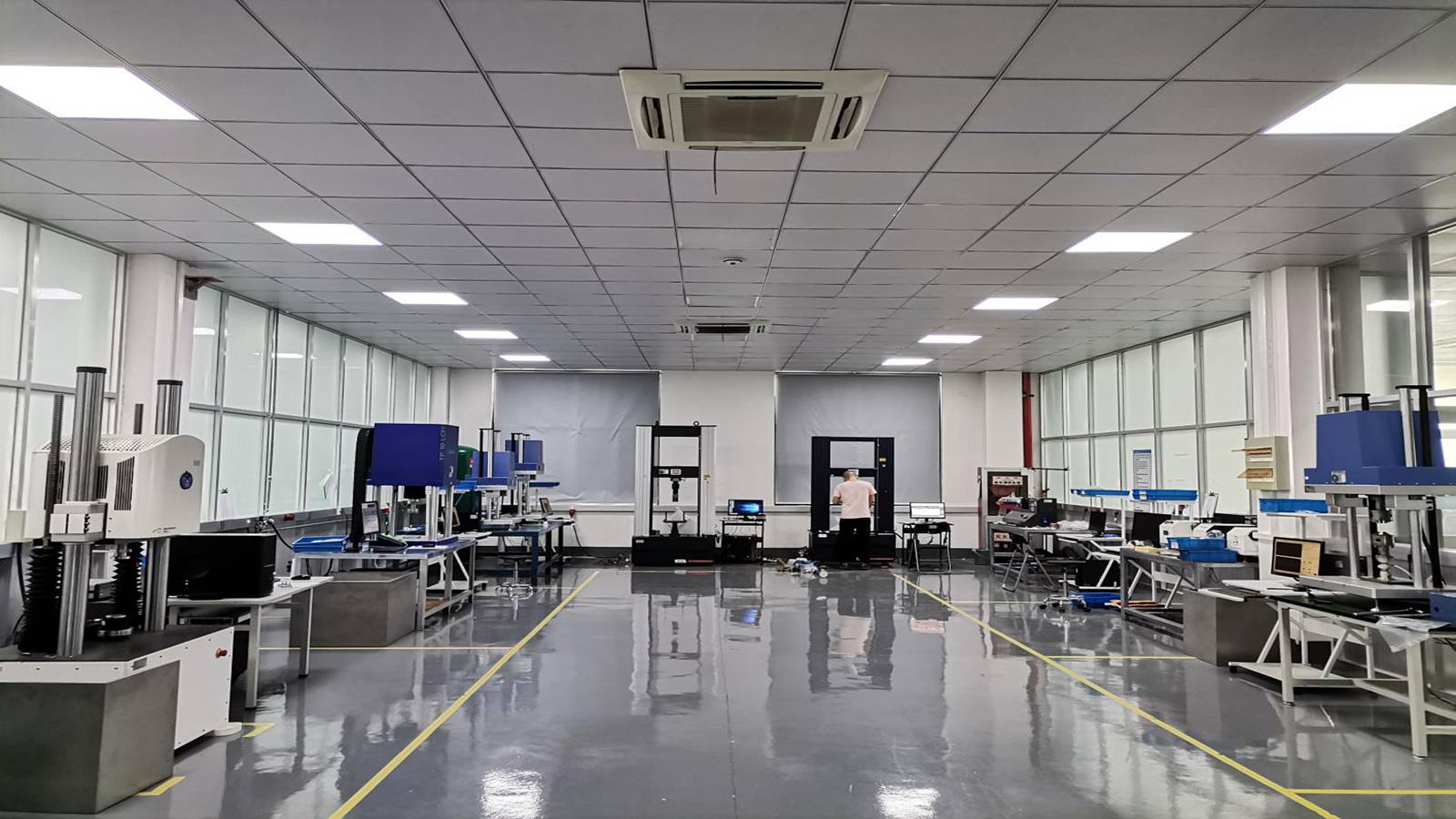
Modern femoral nails are engineered to balance stiffness and flexibility. Excessive rigidity can lead to stress shielding, delaying fracture callus formation and causing localized osteopenia. Conversely, insufficient stability leads to nonunion or implant failure. Through advanced finite element analysis (FEA) and rigorous mechanical testing conforming to ASTM F1264 standards, top-tier Chinese manufacturers like HBM Medical design implants that optimize the load distribution between the bone and the nail, promoting accelerated osteogenesis.
A comprehensive overview of our state-of-the-art production infrastructure, rigorous quality control, and global trade footprint.
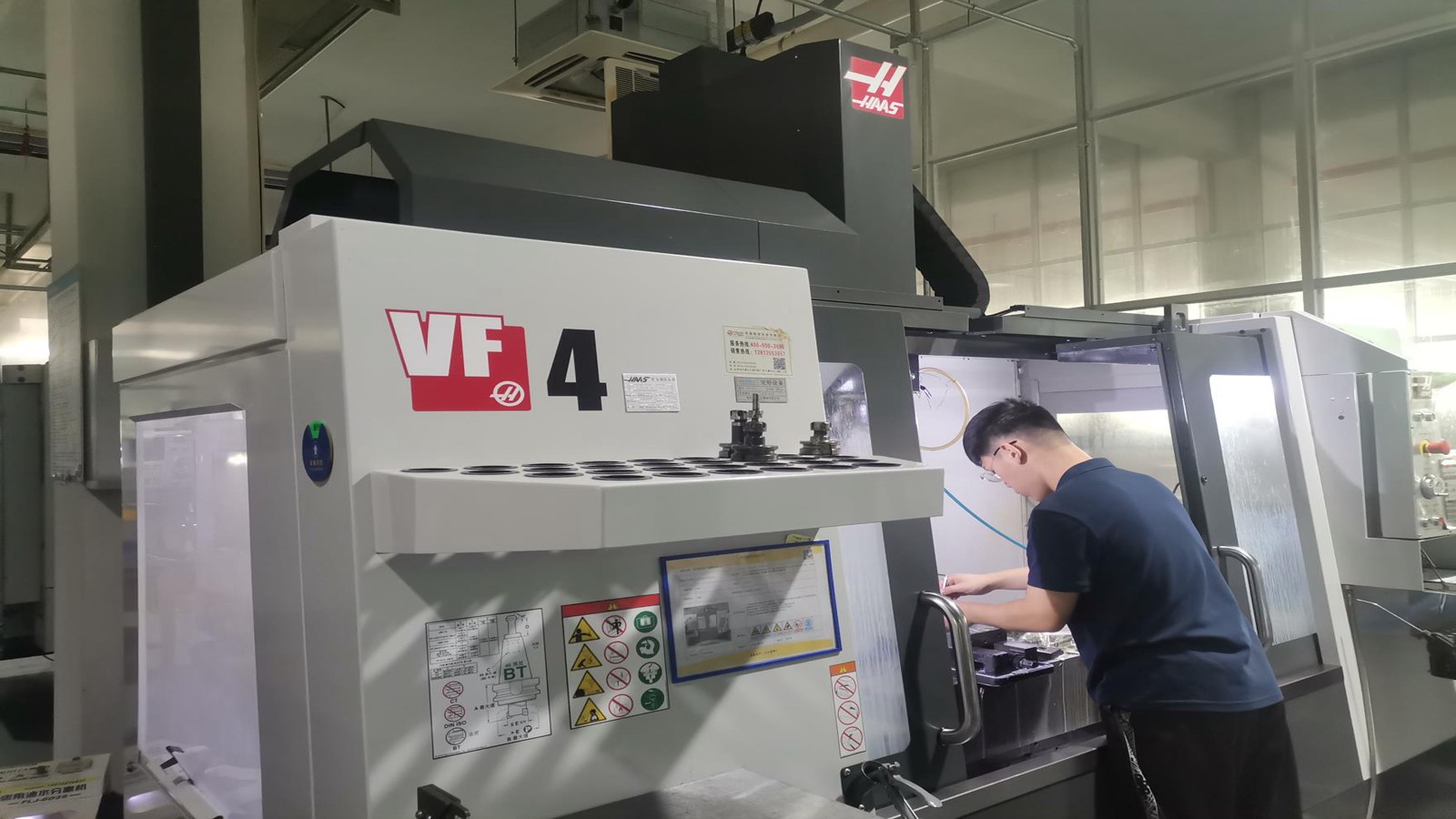
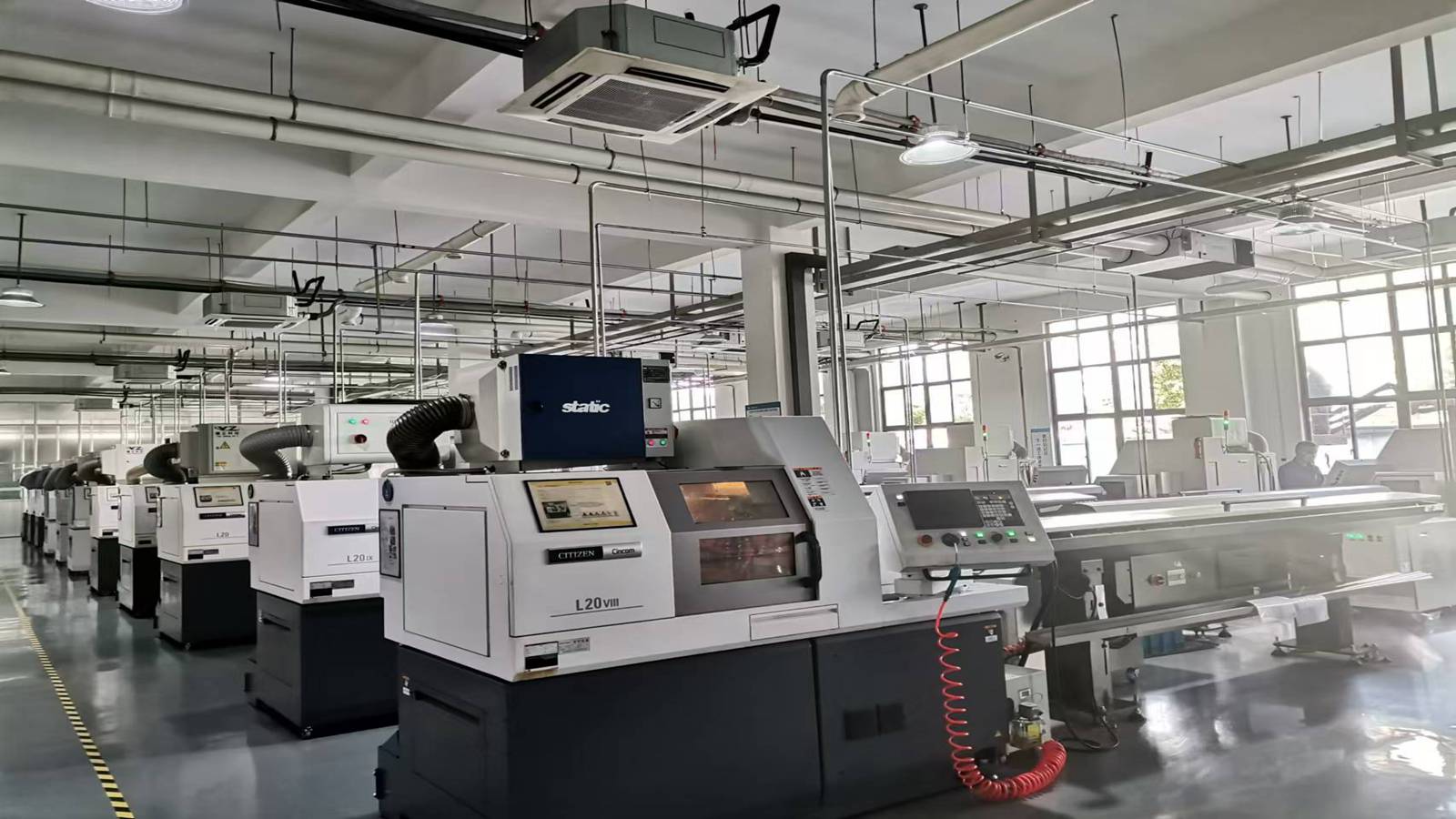
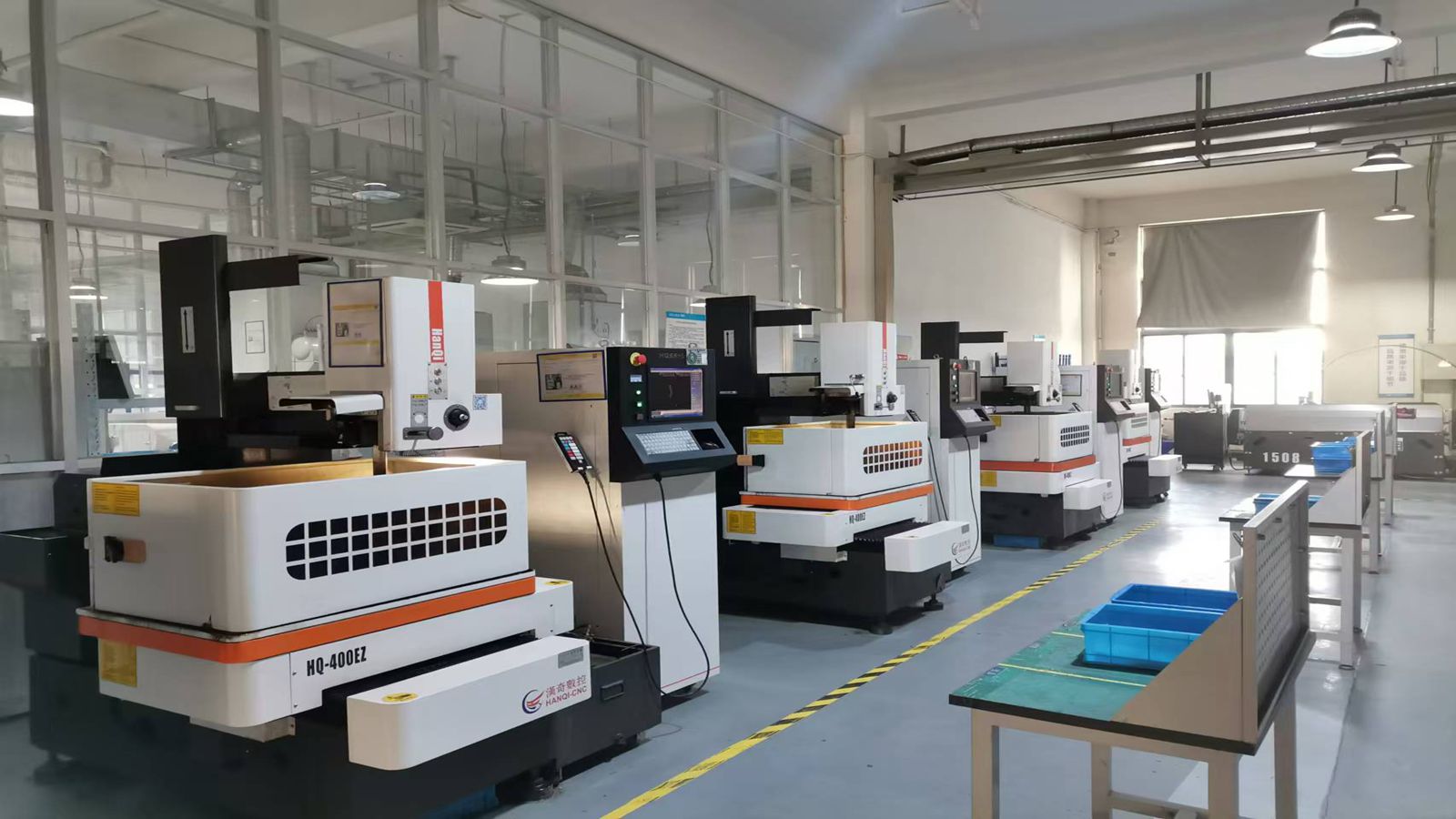
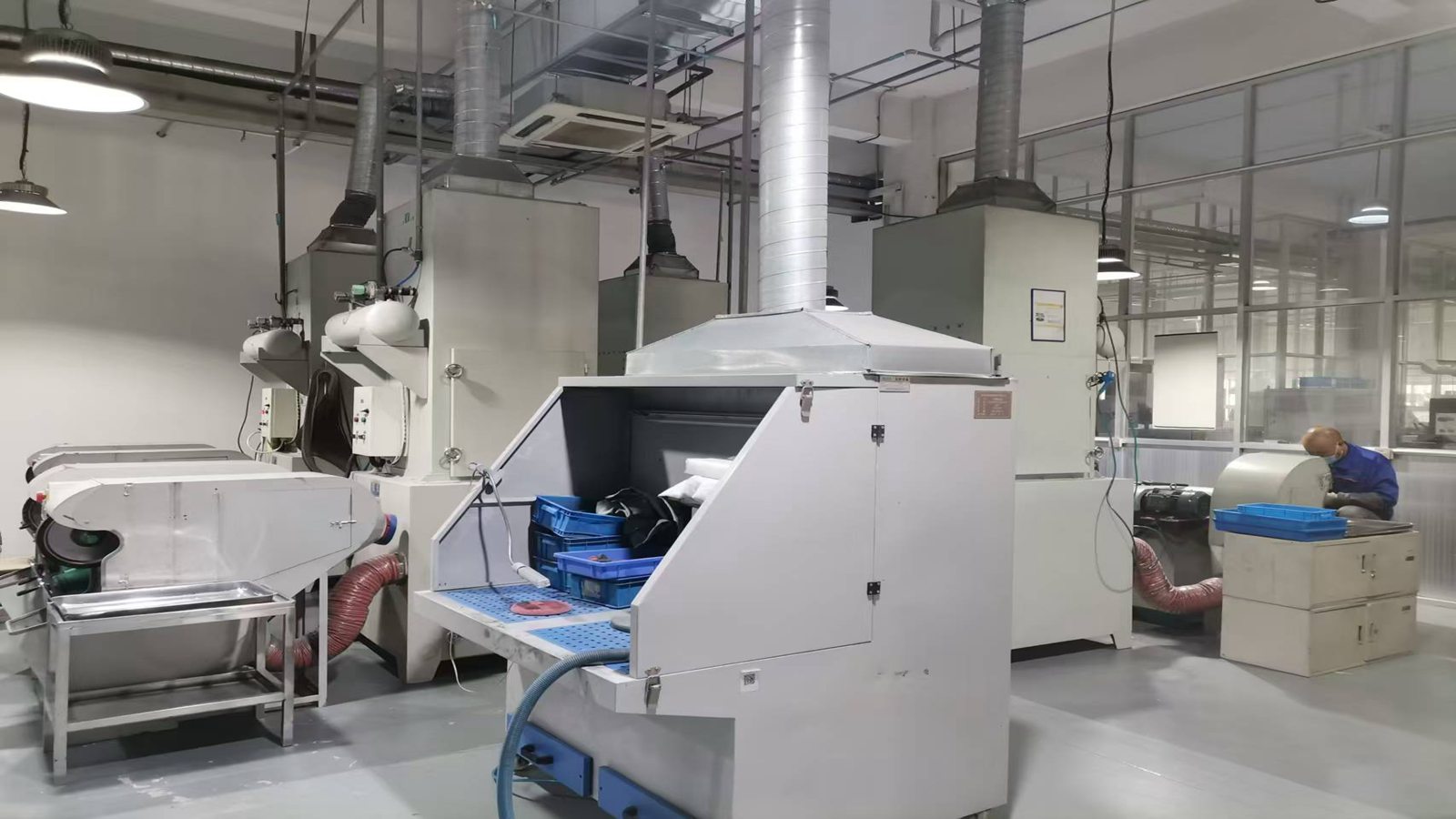
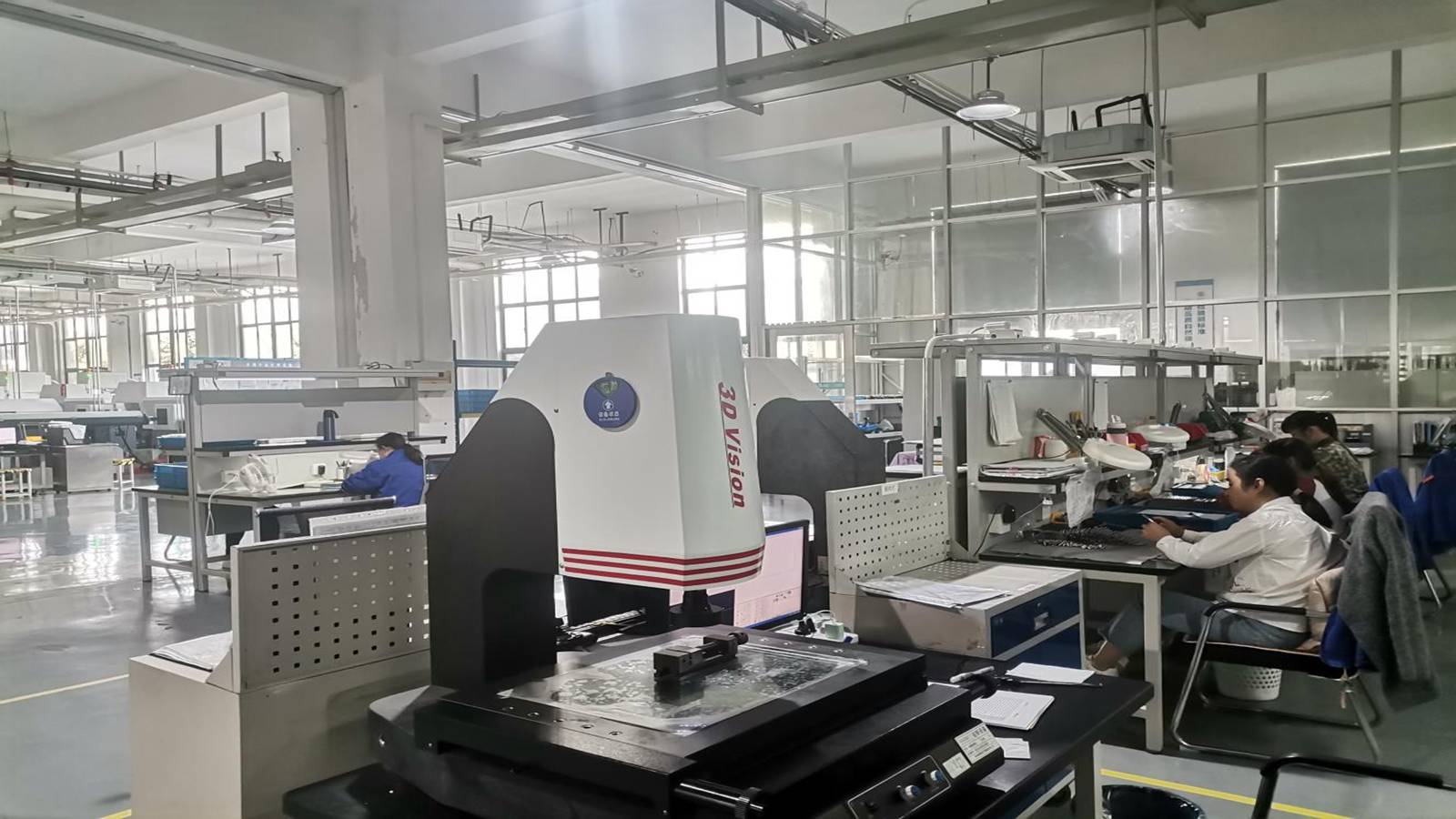
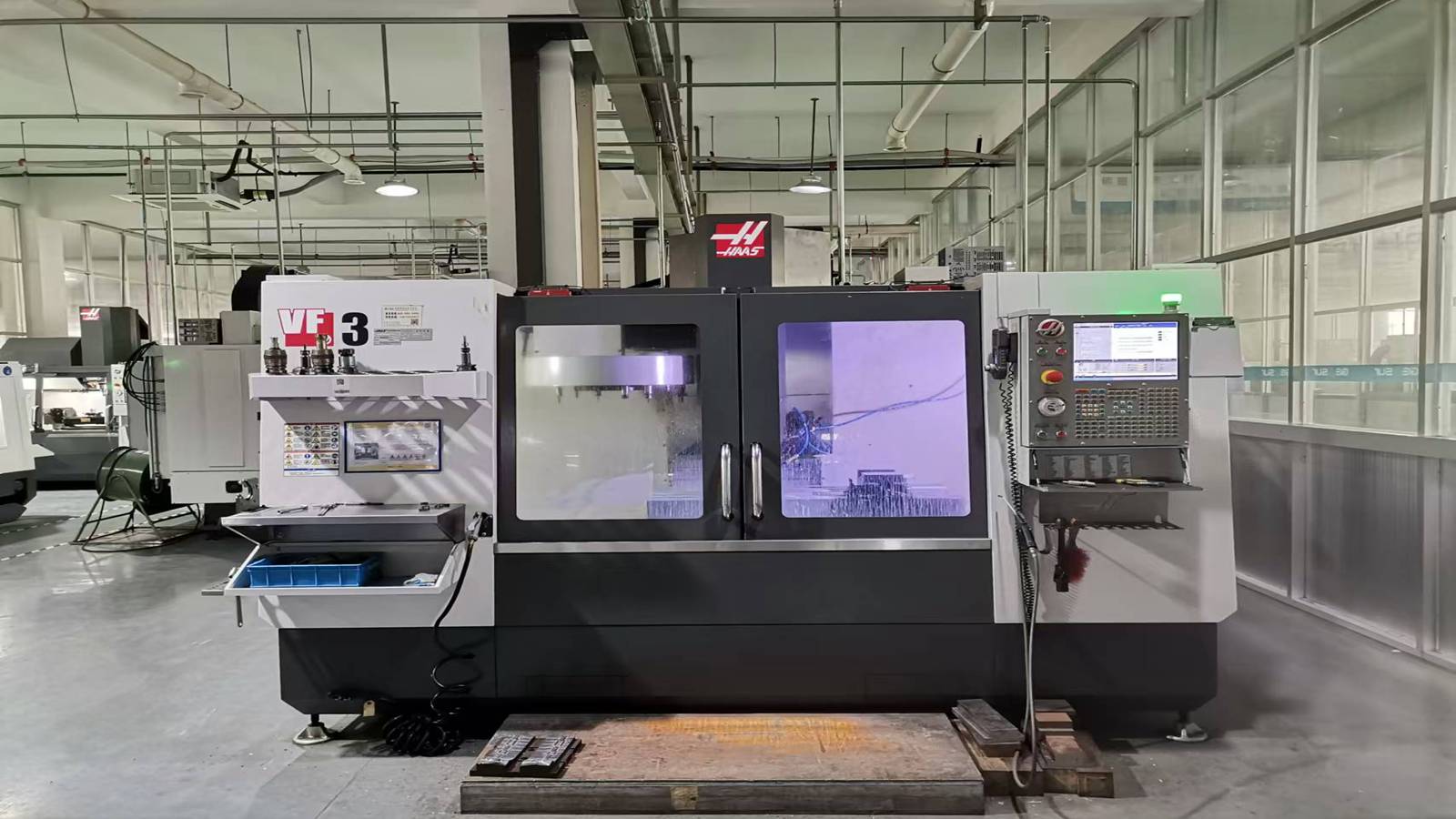
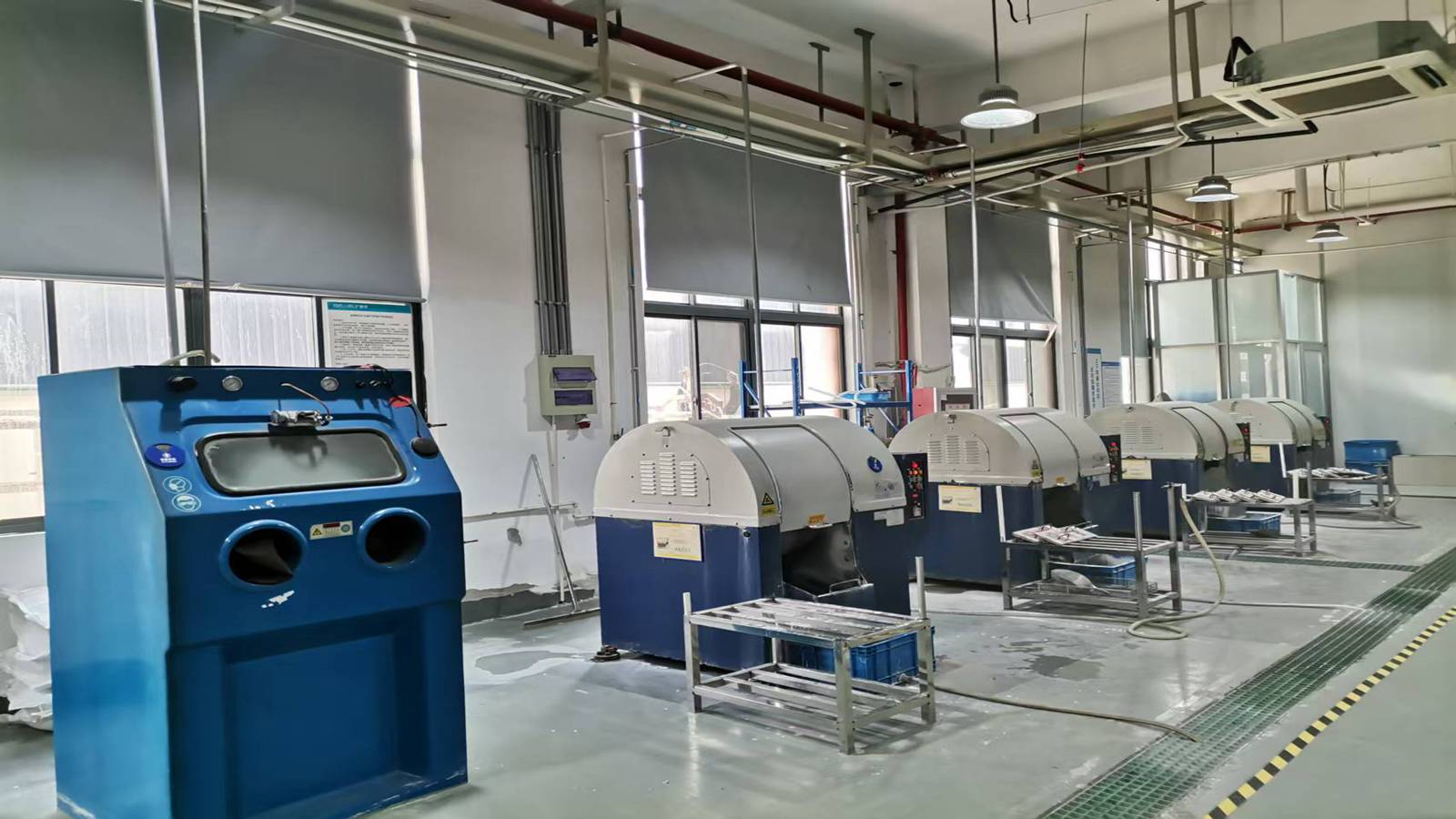
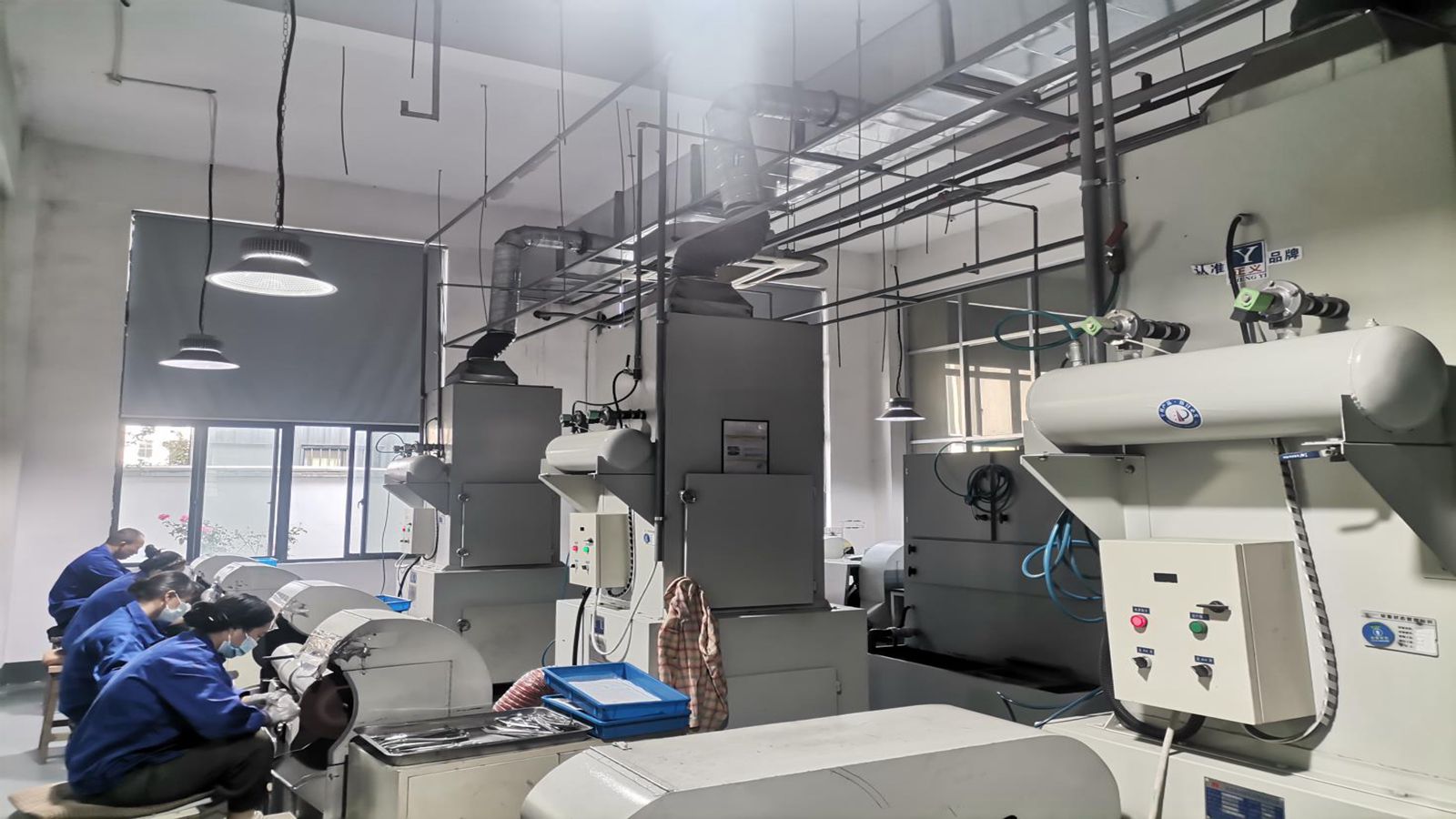
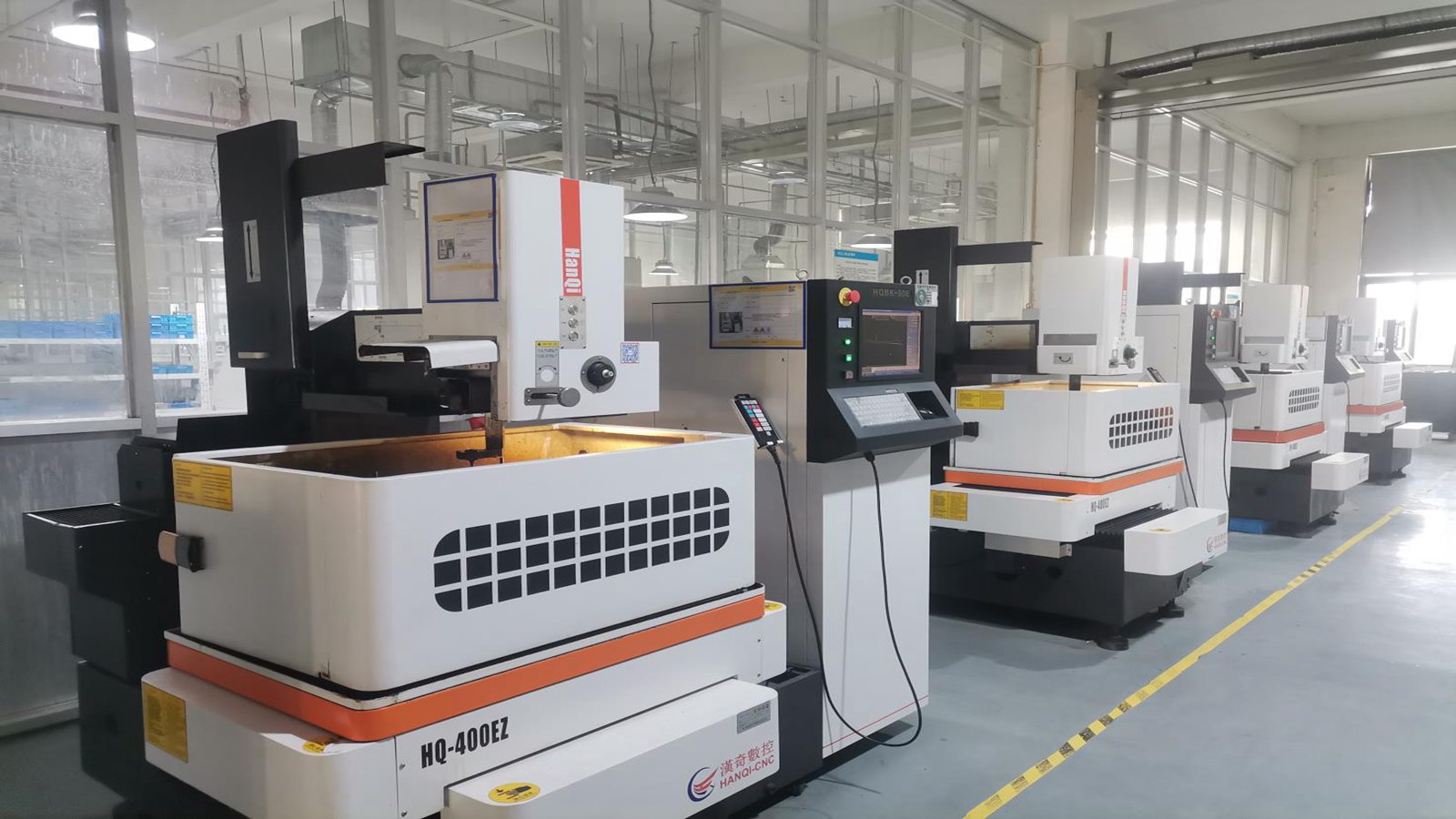
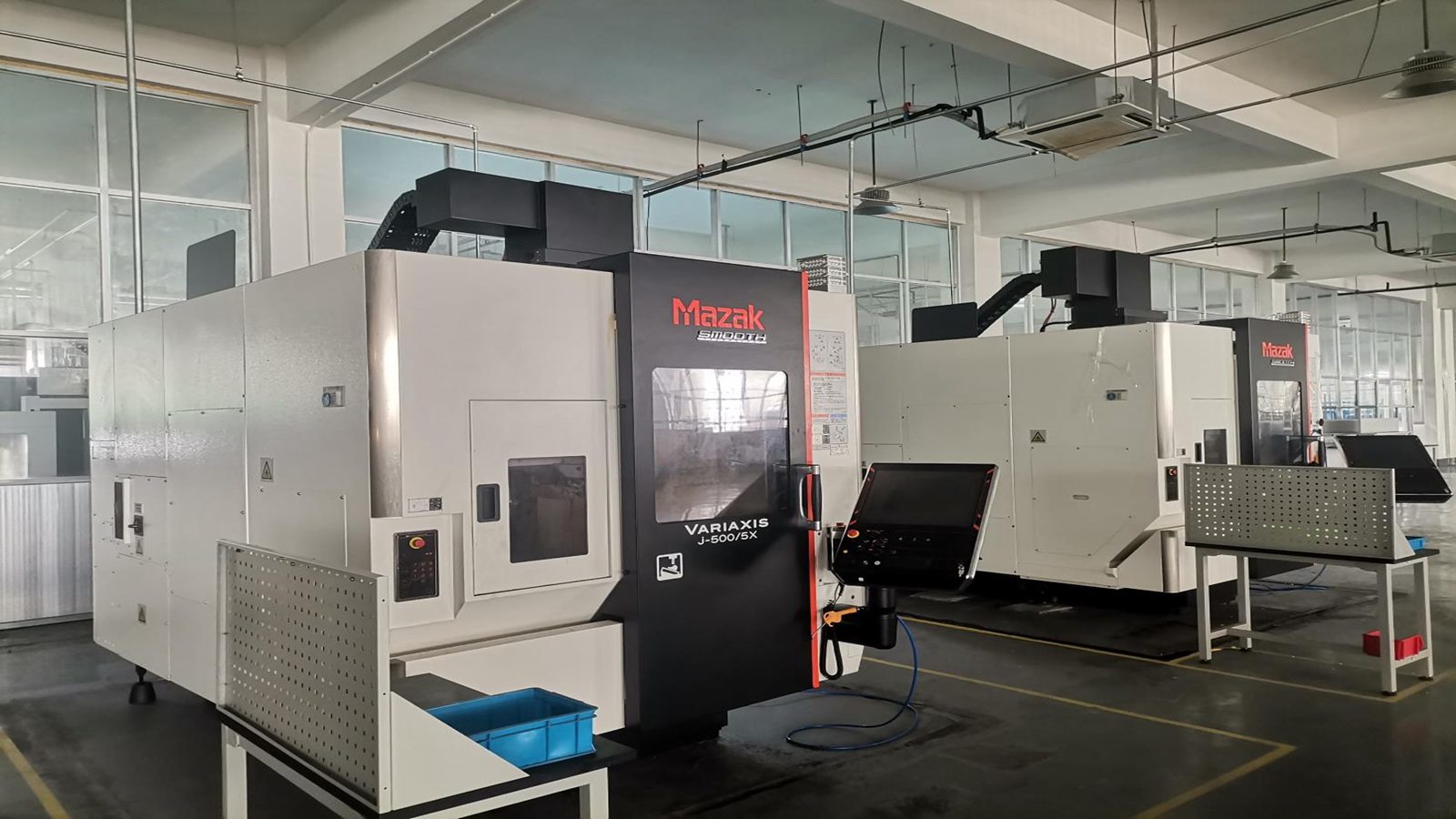
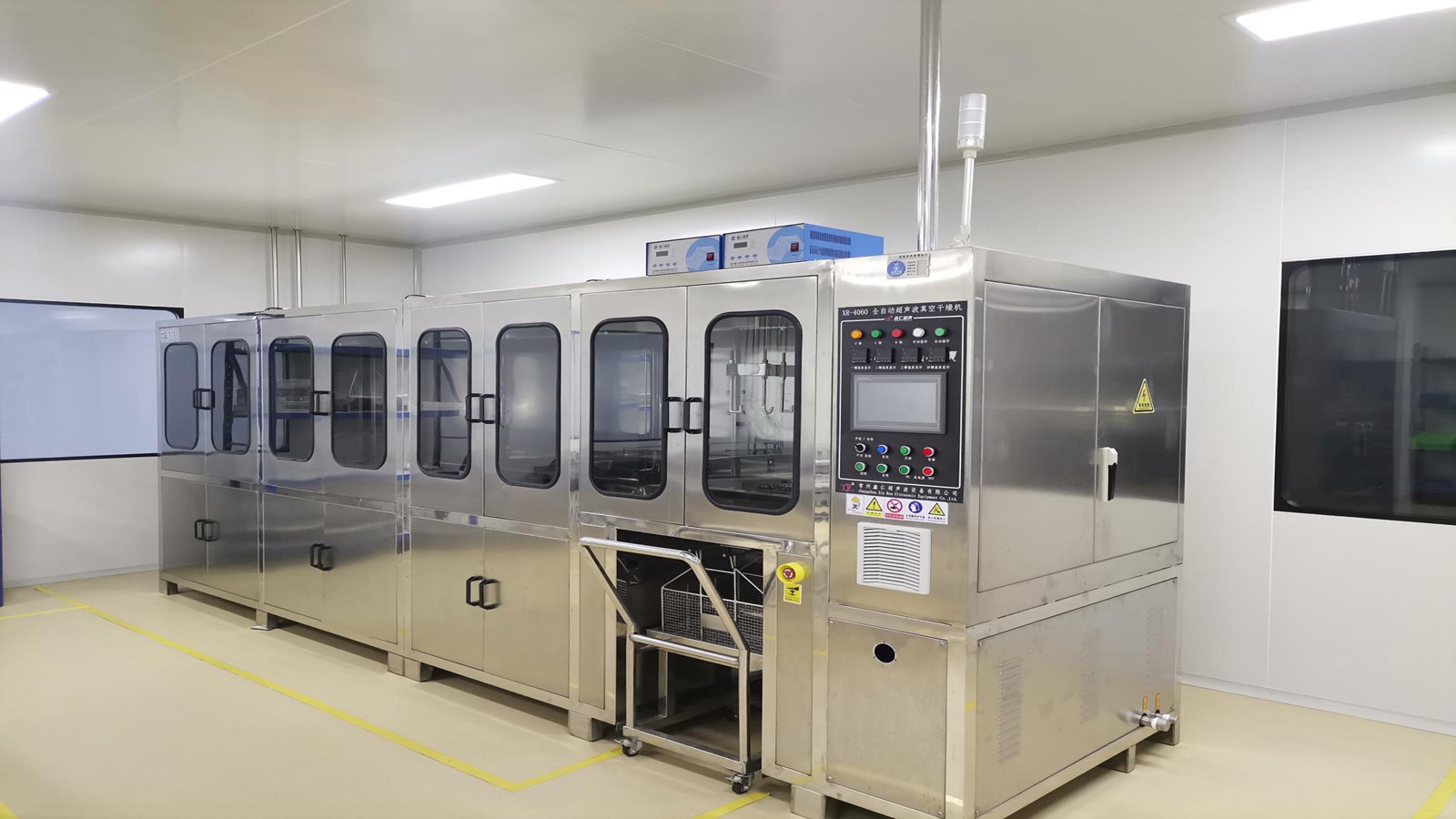
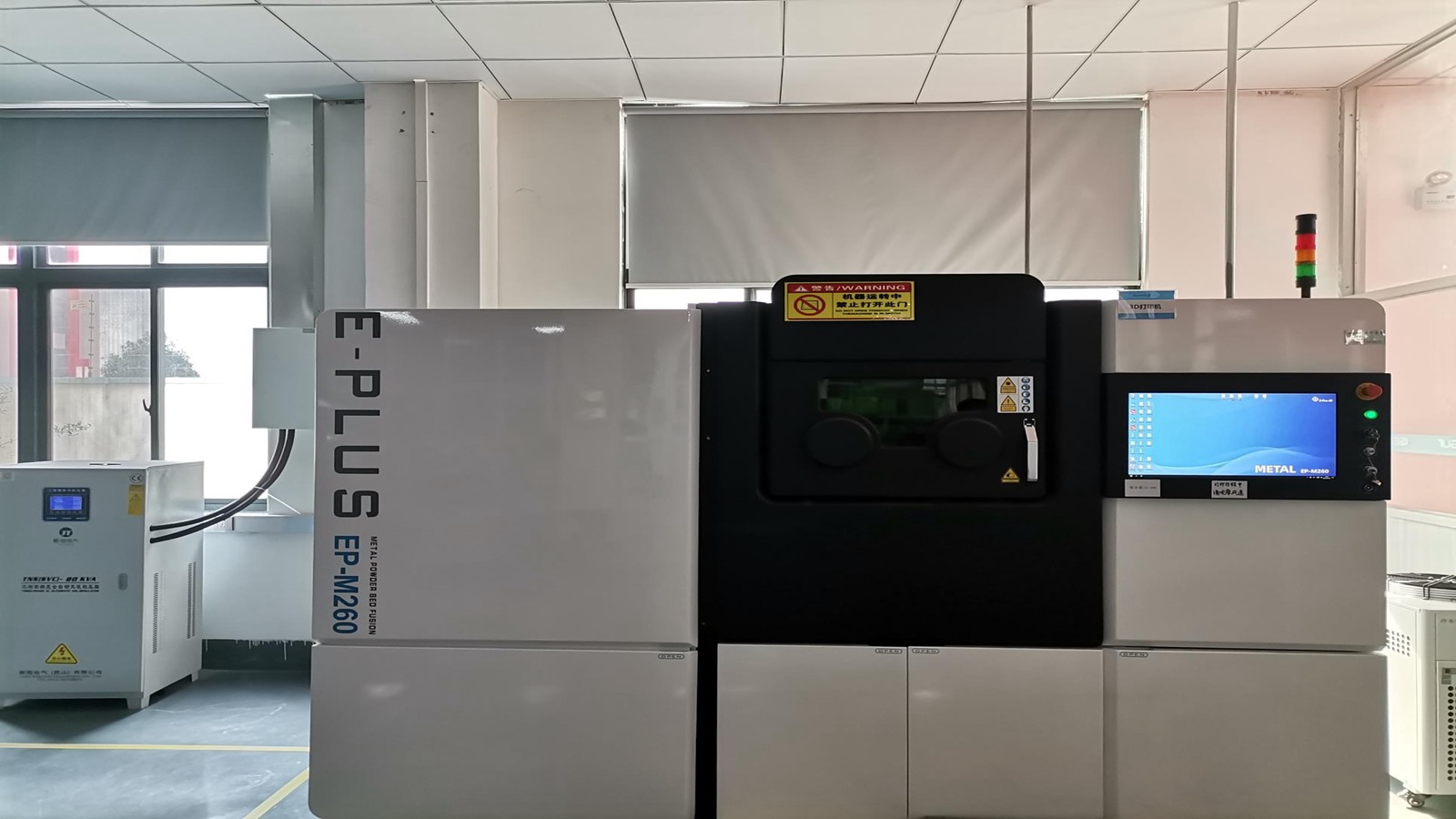
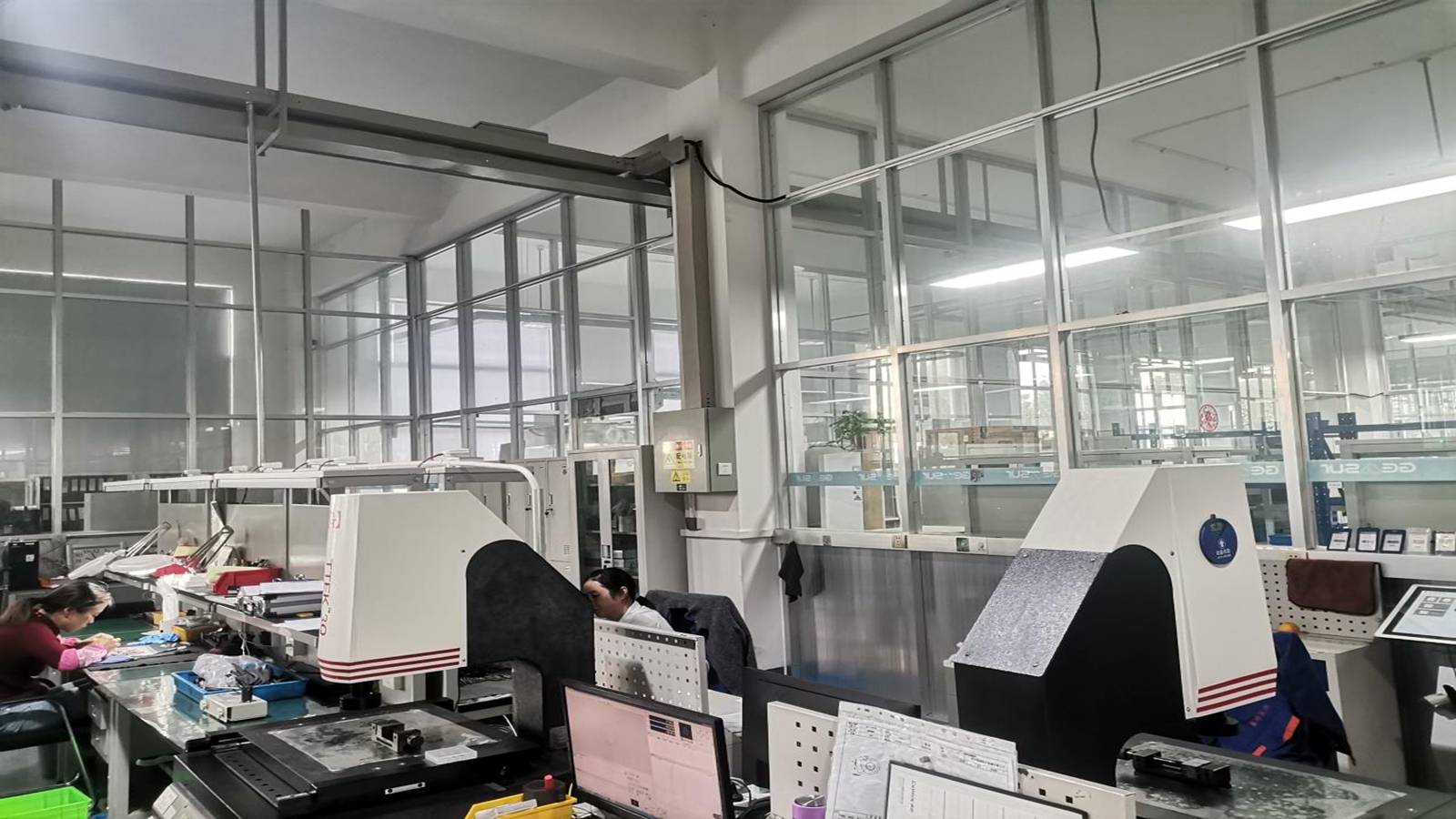
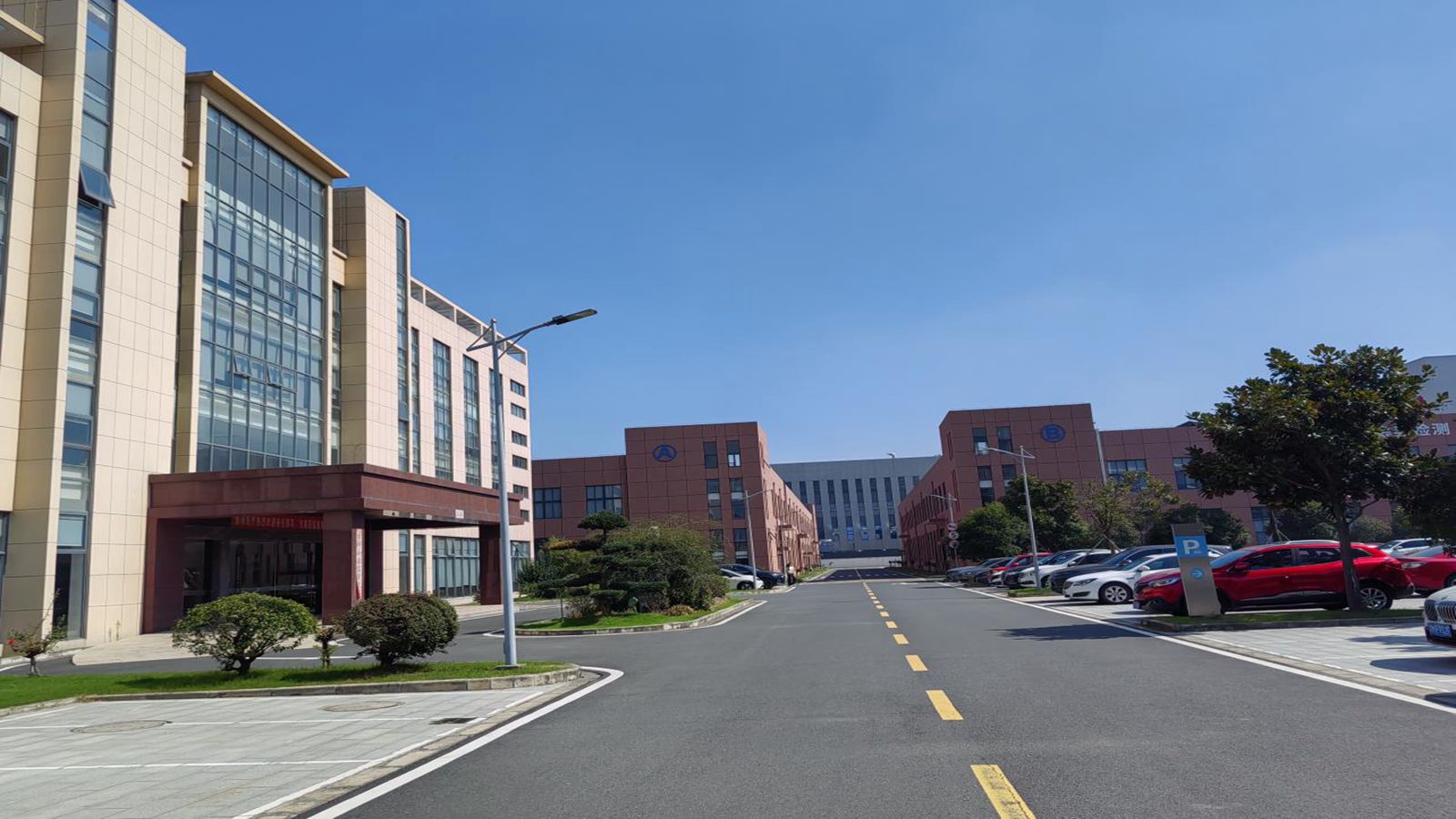
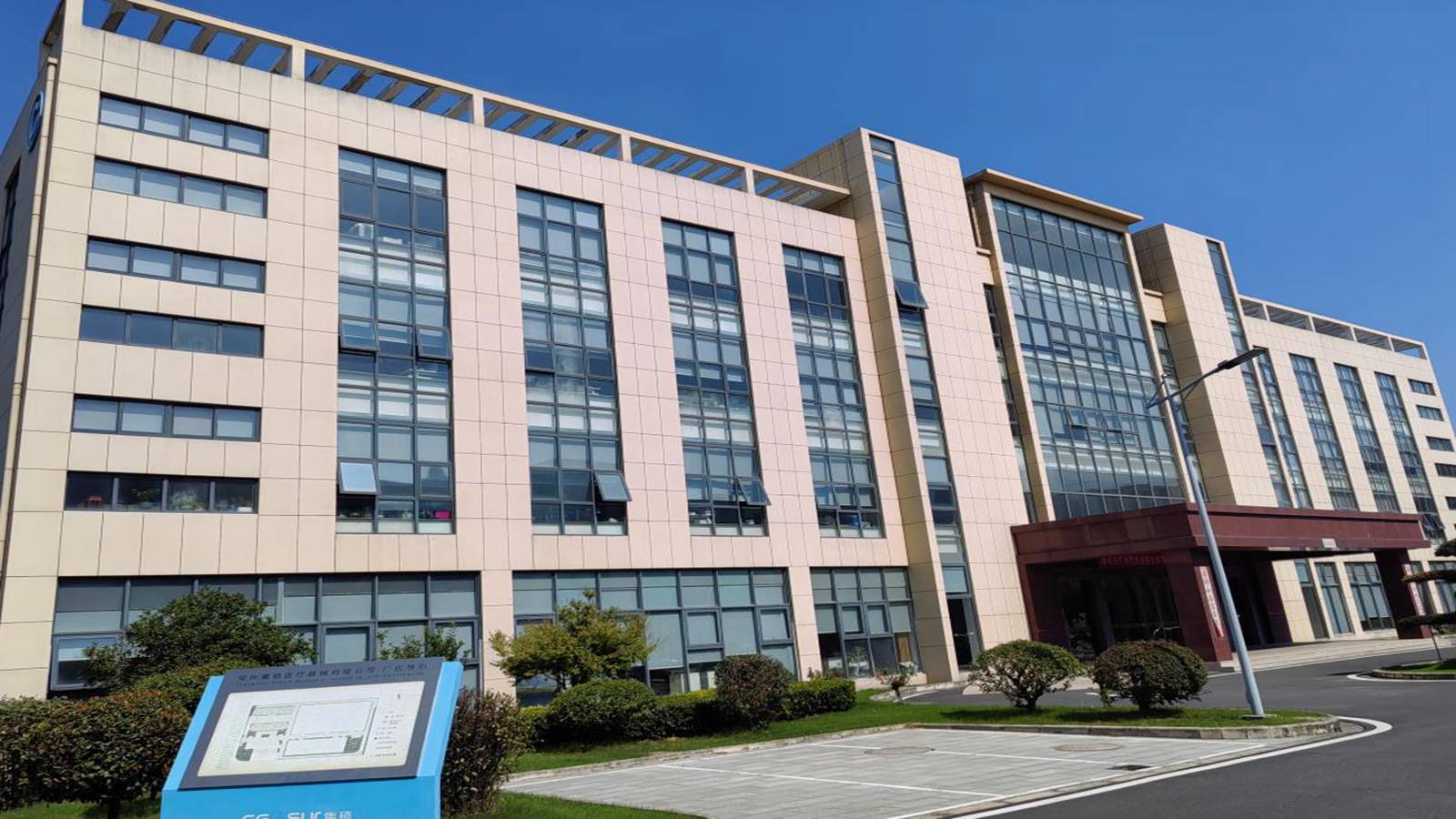
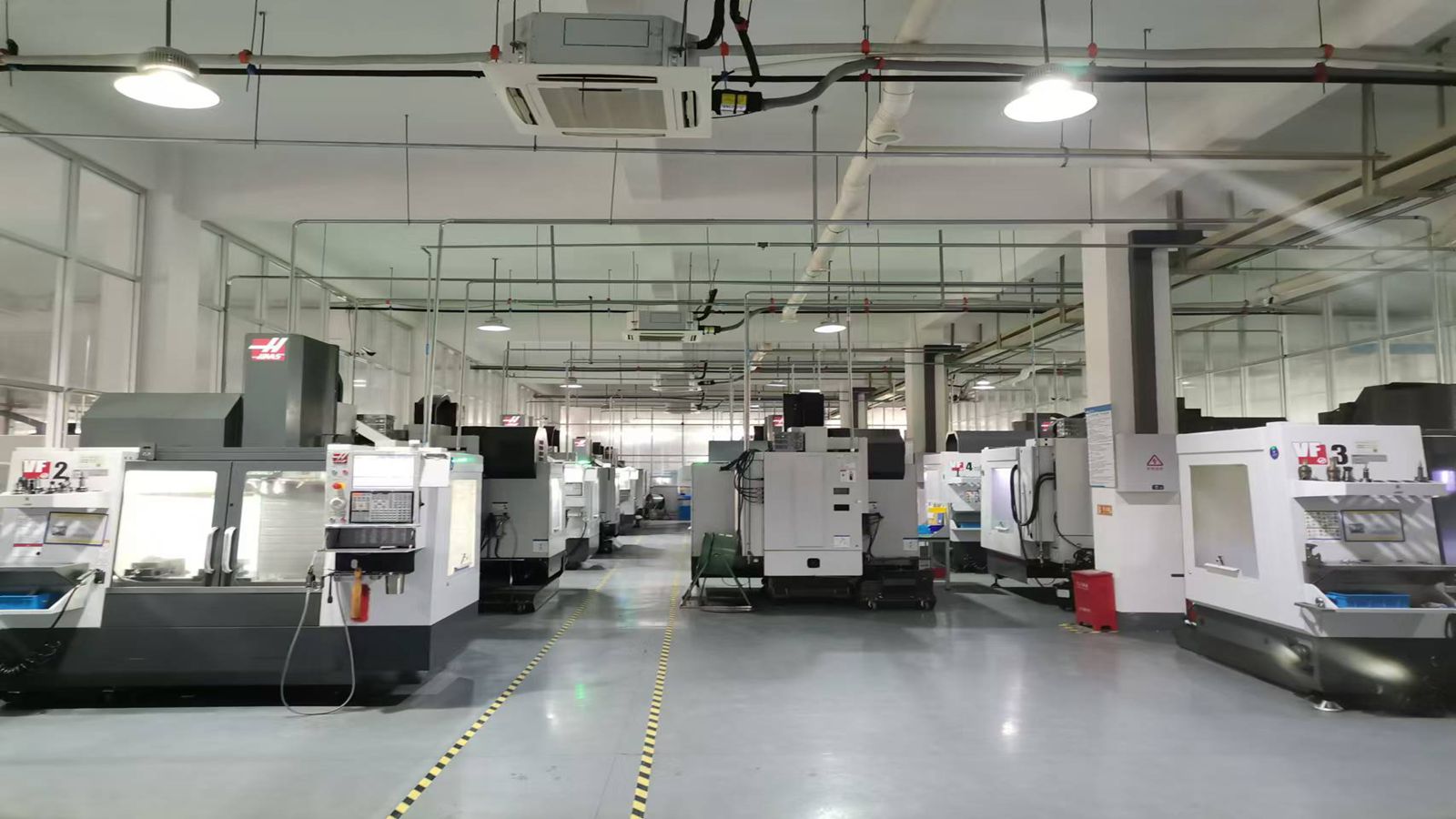
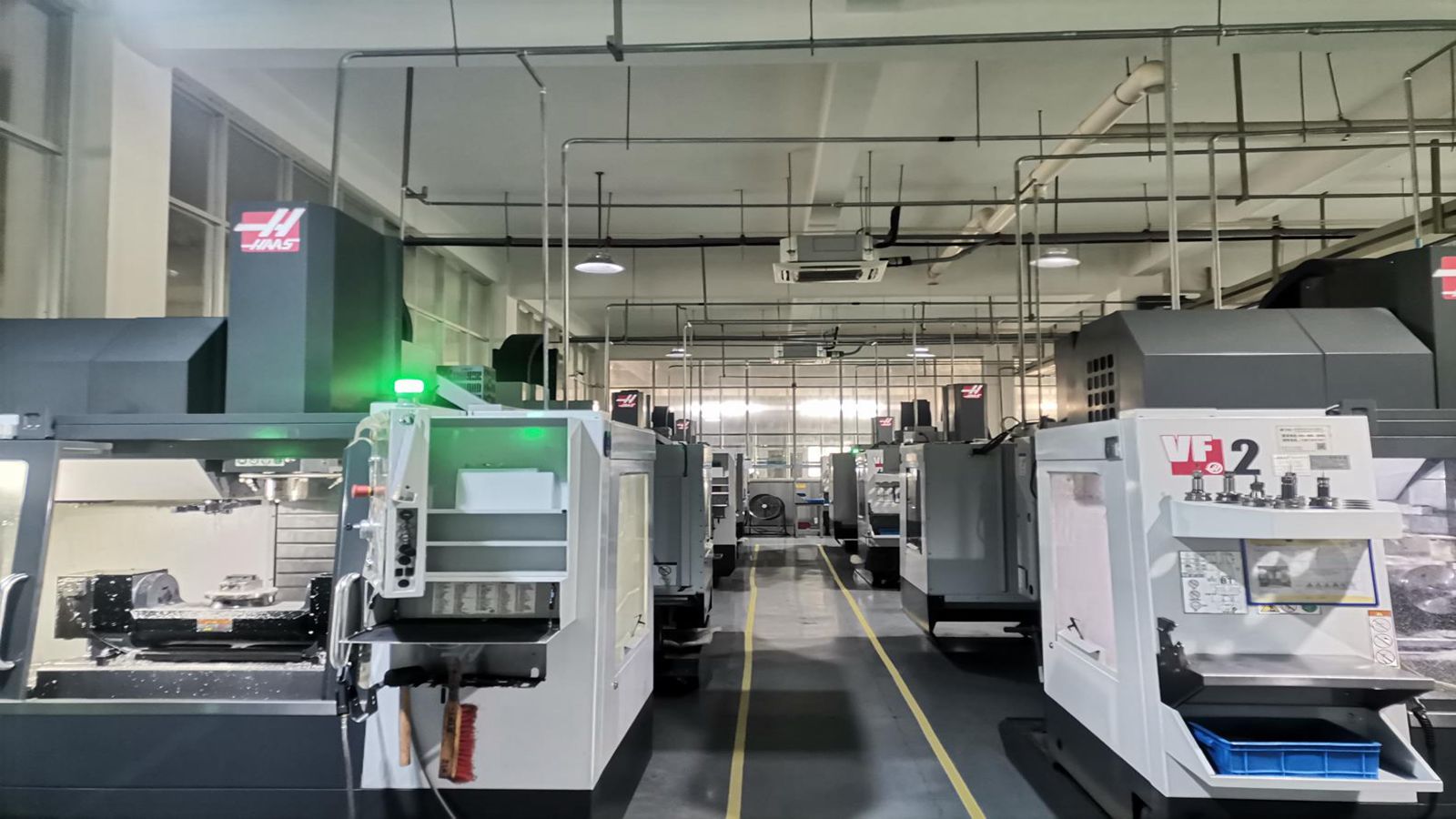
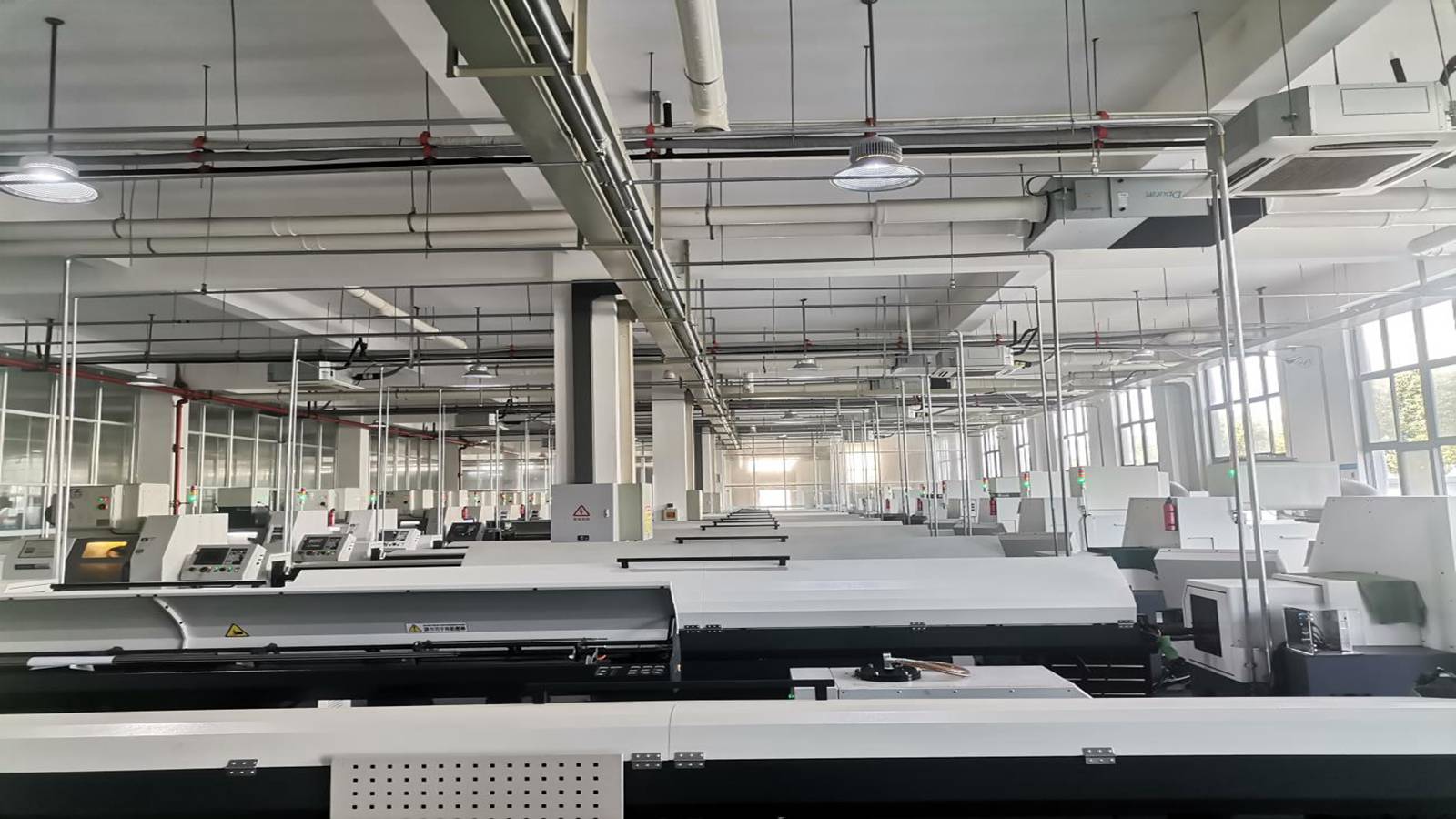
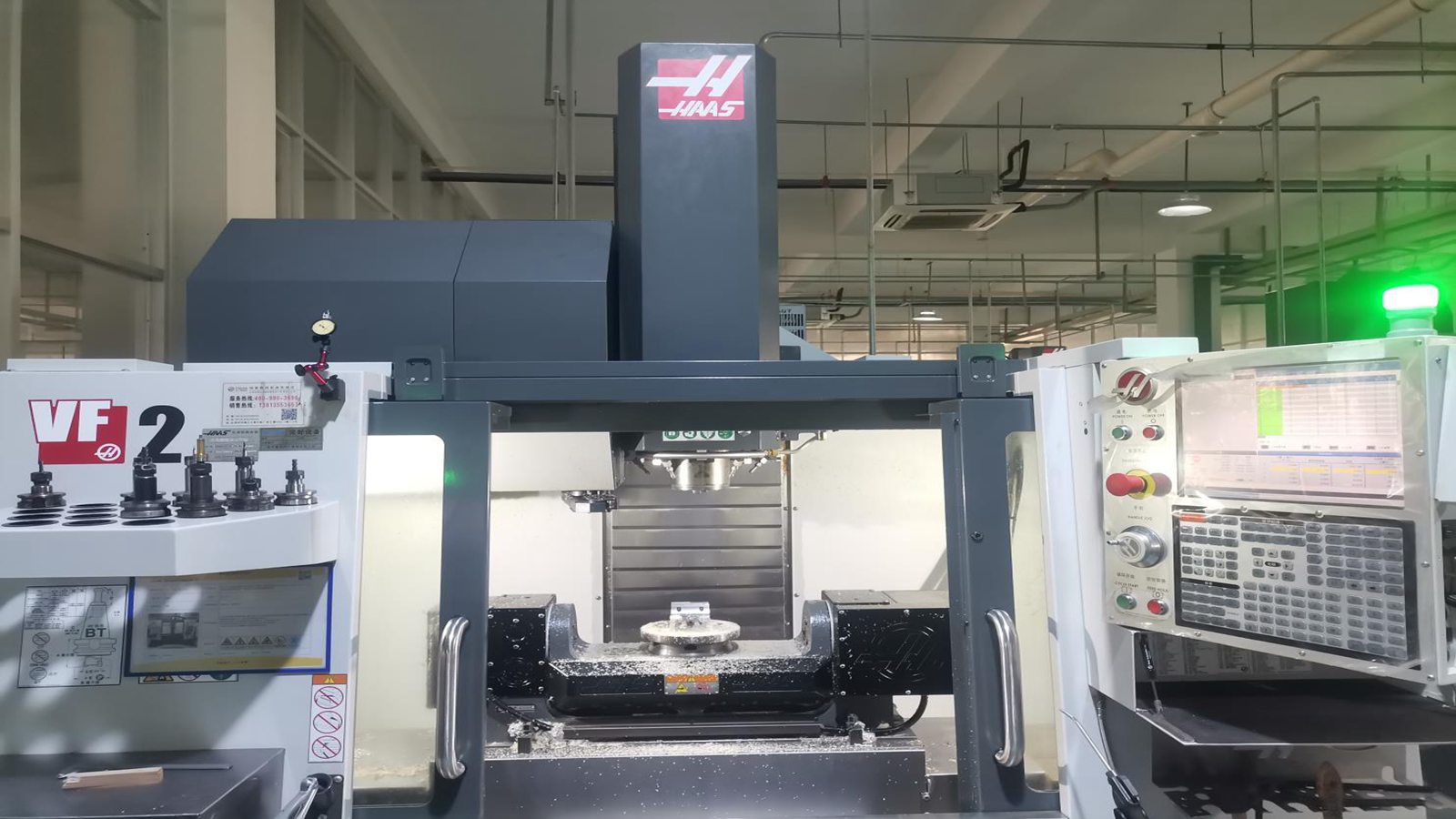
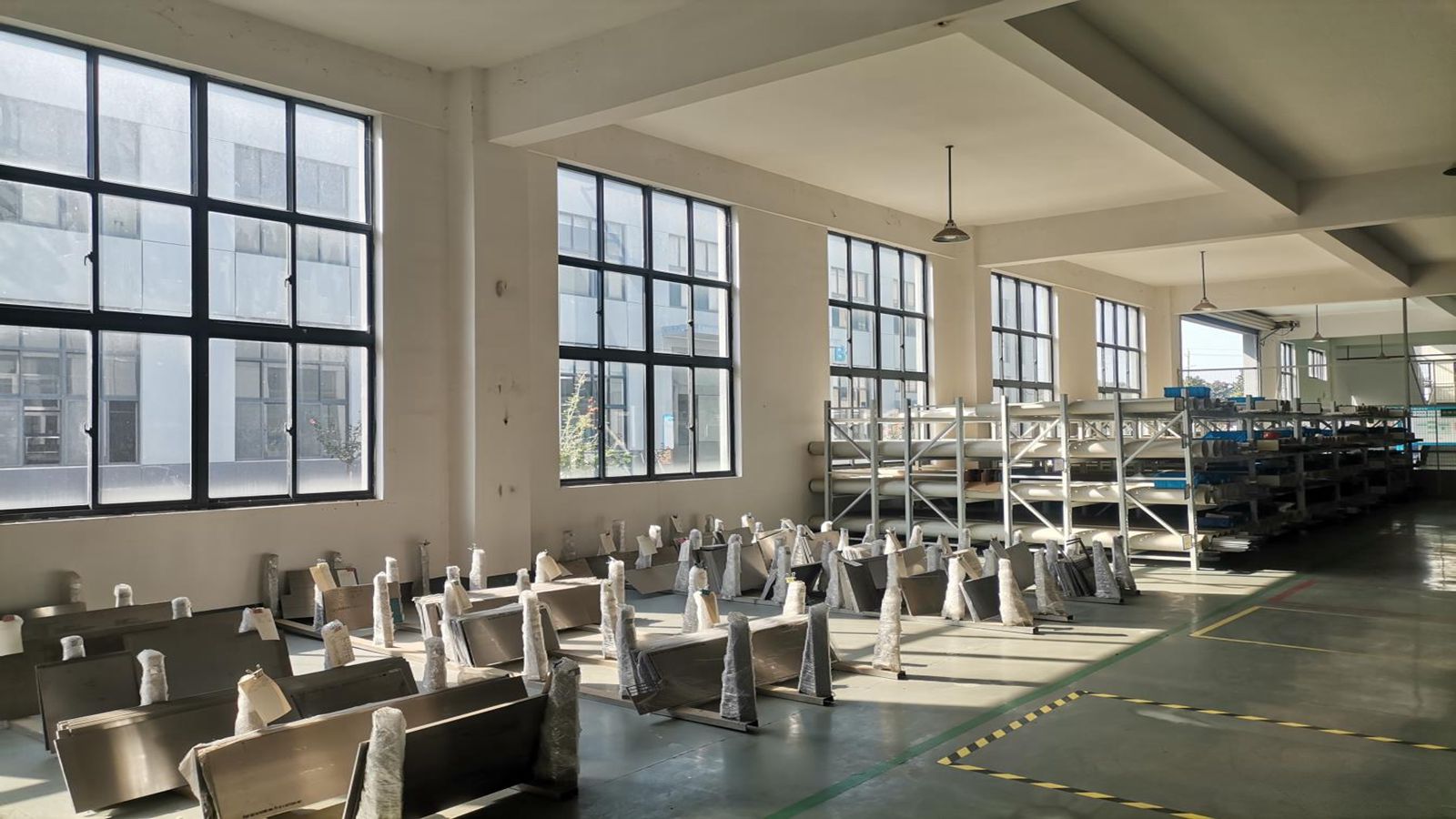
HBM Medical Apparatus And Instruments Co., Ltd. is a premier orthopedic medical equipment R&D, manufacturing, and operation enterprise in China. With a production site spanning over 30,000 square meters and equipped with more than 350 advanced processing and testing machines, we possess the industrial capacity to deliver high-precision implants and surgical instruments globally. Our quality management systems are fully certified under ISO 13485, MDSAP (Medical Device Single Audit Program), and CE (under MDR EPT 0477.MDR.25/5905 & 5973), ensuring absolute compliance with international medical regulations.
Our dedicated R&D team consists of 31 highly qualified engineers, including 1 doctorate, 11 postgraduates, and 17 graduates. This intellectual capital enables us to launch over 25 new products annually, keeping pace with the rapid technological shifts in orthopedic trauma surgery. We offer extensive customization options, including sample processing, graphic processing, and customized design-on-demand to meet the specific anatomical needs of diverse patient populations.
The global market for orthopedic trauma implants is undergoing a significant paradigm shift. Healthcare systems, hospital purchasing groups (GPOs), and international distributors are increasingly demanding high-quality implants that offer clinical equivalence to premium Western brands but at a sustainable cost structure. Key procurement trends include:
Procurement departments now prioritize suppliers with MDSAP and EU MDR certifications. This minimizes regulatory risks in multi-market registrations across the US, Europe, Canada, Australia, and Japan.
Transitioning from traditional stainless steel (316L) to high-grade titanium alloys (Ti-6Al-4V ELI) conforming to ASTM F136. Titanium offers superior biocompatibility, lower modulus of elasticity, and excellent fatigue strength.
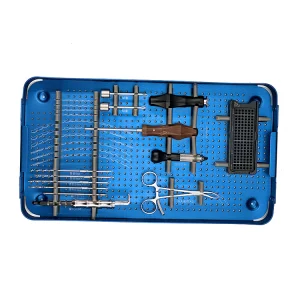
Sourcing complete systems where the intramedullary nail and its dedicated instrument kit (reamers, guides, drill bits, torque limiters) are designed and validated together to reduce intraoperative complications.
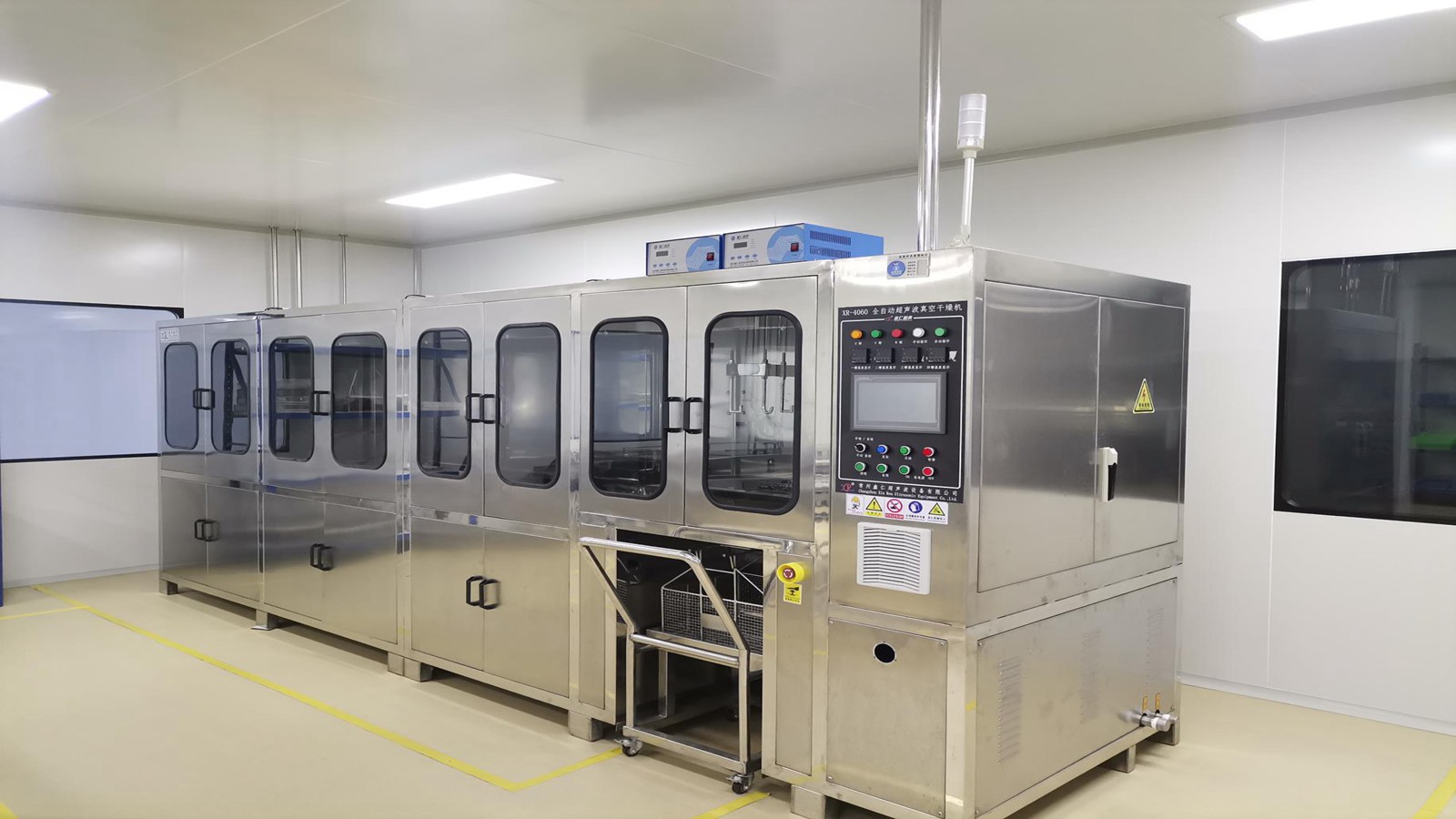
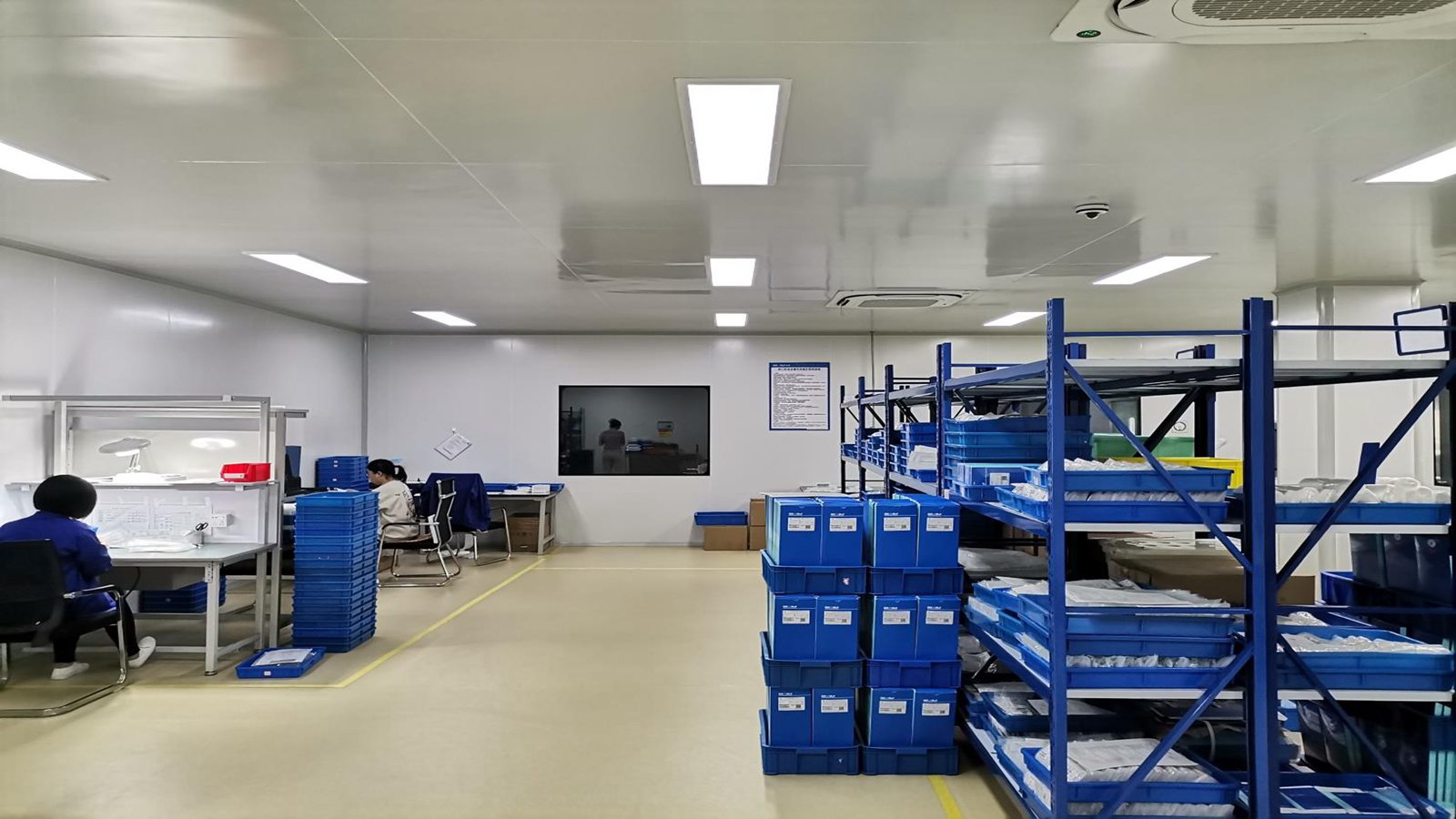
For global sourcing managers, establishing partnerships with vertically integrated Chinese manufacturers like HBM Medical mitigates supply chain disruptions. By controlling the entire workflow—from raw material traceability (titanium bar stock testing) to Swiss-type CNC machining, anodization, cleanroom packaging, and sterilization validation—we guarantee consistent quality across every production batch.
How HBM Medical is driving the next generation of orthopedic trauma implants through advanced materials, smart designs, and digital integration.
Implementation of Type II anodic oxidation and acid-etched micro-textured surfaces on titanium nails to enhance osseointegration at the proximal and distal bone-implant interfaces, reducing micro-motion and accelerating early healing.
R&D into bioabsorbable magnesium-based interlocking screws. These screws gradually degrade as bone healing progresses, eliminating the clinical need for secondary hardware removal surgeries.
Embedding micro-strain gauges and passive RFID chips within the hollow core of the intramedullary nail to monitor real-time load distribution and bone healing progress non-invasively post-surgery.
Combining preoperative CT data with electron beam melting (EBM) 3D printing to manufacture patient-specific femoral nails for complex deformities and revision trauma cases.
Entering international markets requires more than just high-quality manufacturing; it demands a robust regulatory and localized support framework. HBM Medical provides a comprehensive suite of macro solutions designed to streamline the import, registration, and clinical adoption of our orthopedic systems:
Regulatory Dossier Support: We provide complete technical files, including biocompatibility reports (ISO 10993), mechanical testing data (static and dynamic compression, torsion, and fatigue testing), and clinical evaluation reports (CER) to accelerate local FDA, ANVISA, COFEPRIS, or SFDA registrations.
OEM/ODM Customization: Leveraging our 12 specialized production lines, we offer customized laser marking, anodized color-coding (e.g., green for locking screws, blue for nails to simplify intraoperative identification), and bespoke instrument tray layouts tailored to specific surgical preferences.
Sterile & Non-Sterile Packaging: Implants can be supplied in double-sterile Tyvek packaging (validated for a 5-year shelf life) or non-sterile bulk packaging for local sterilization, allowing distributors to optimize logistics and inventory costs.
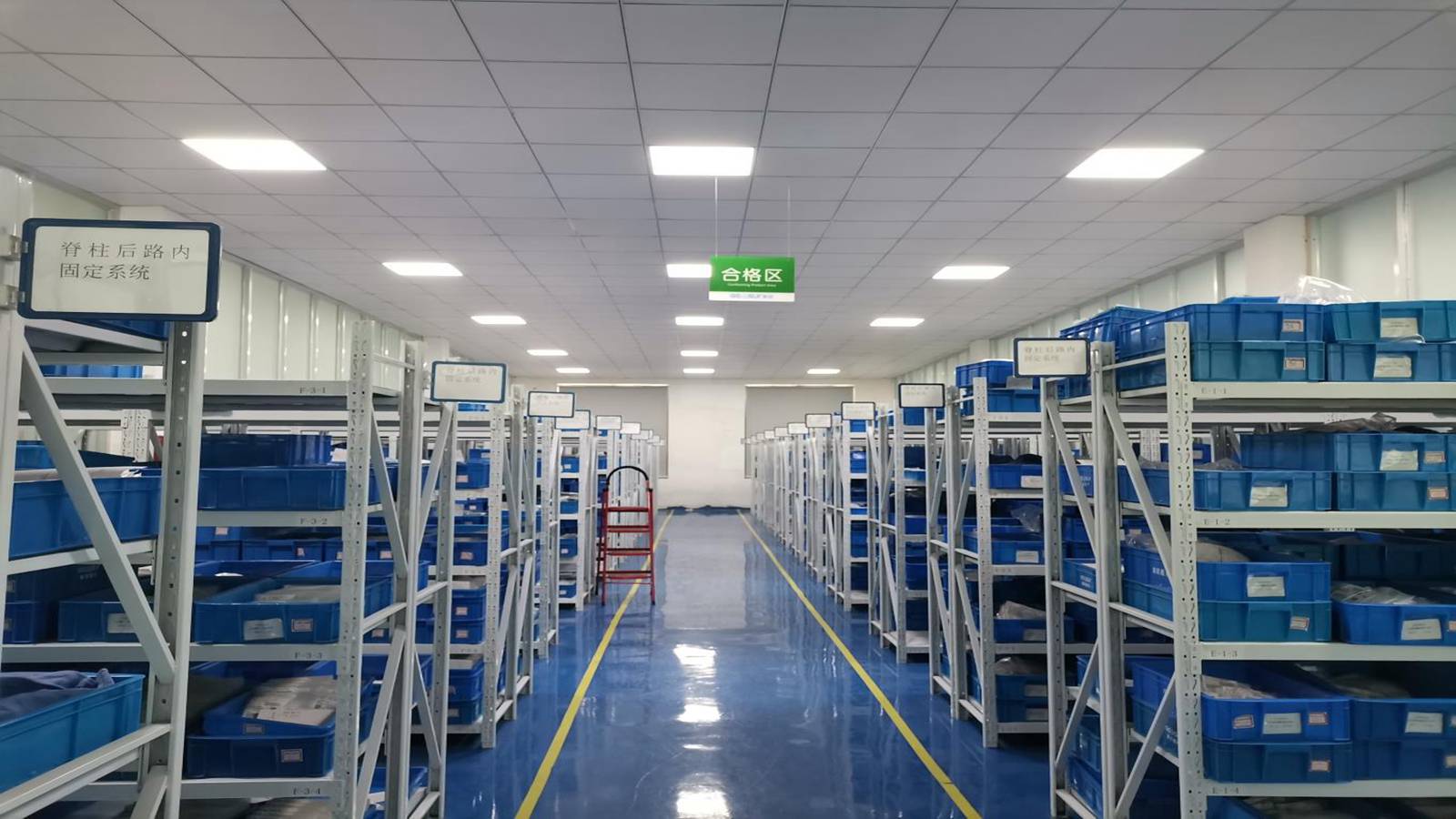
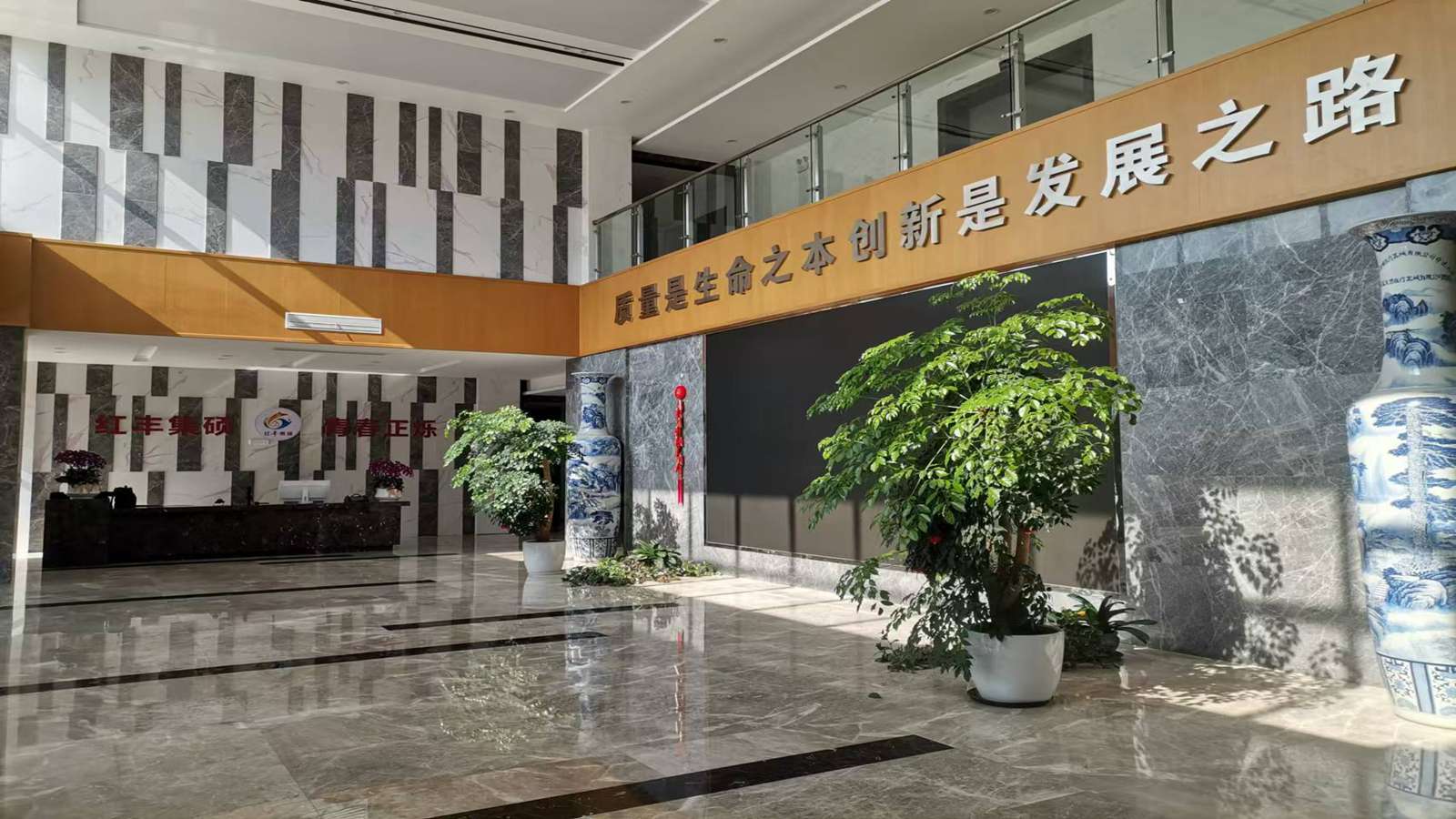
Visualizing our commitment to precision engineering, cleanroom packaging, and advanced manufacturing technologies.
Expert answers to critical technical, clinical, and procurement questions regarding femoral intramedullary nails.
Complete your clinical inventory with our highly specialized orthopedic trauma systems, joint replacement tools, and spinal implants.
 HBM Medical