Engineered for surgical precision, high-cycle durability, and absolute sterilization compliance.
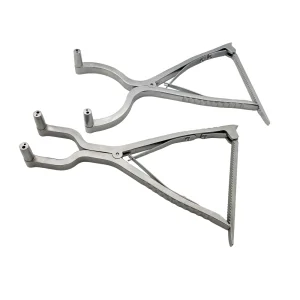
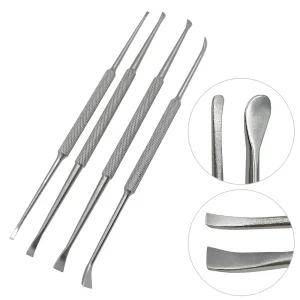
The global orthopedic surgical landscape is undergoing a profound transformation. Driven by an aging global population, the rise in minimally invasive surgeries (MIS), and the rapid expansion of Ambulatory Surgical Centers (ASCs), the demand for high-performance, highly organized, and ultra-durable orthopedic instrument trays has reached unprecedented heights. These specialized containment systems are no longer viewed as mere storage boxes; they are critical components of the sterile processing workflow, directly impacting patient safety, operating room (OR) efficiency, and hospital asset management.
In modern healthcare facilities, orthopedic instrument trays must withstand extreme thermal and chemical stresses. They are subjected to repeated cycles of high-temperature steam autoclaving, ethylene oxide (EtO) gas exposure, and low-temperature hydrogen peroxide gas plasma sterilization. Consequently, the global market has shifted toward advanced materials such as medical-grade 304/316L stainless steel, anodized aluminum alloys, and high-performance polymers like Polyphenylsulfone (PPSU). These materials ensure structural integrity, prevent corrosion, and facilitate rapid drying times, which are crucial for preventing wet packs—a major cause of sterilization failure.
"According to clinical studies, optimized instrument tray organization can reduce surgical setup times by up to 17% and minimize the risk of intraoperative instrument misplacement, directly translating to improved patient outcomes and reduced hospital overhead costs."
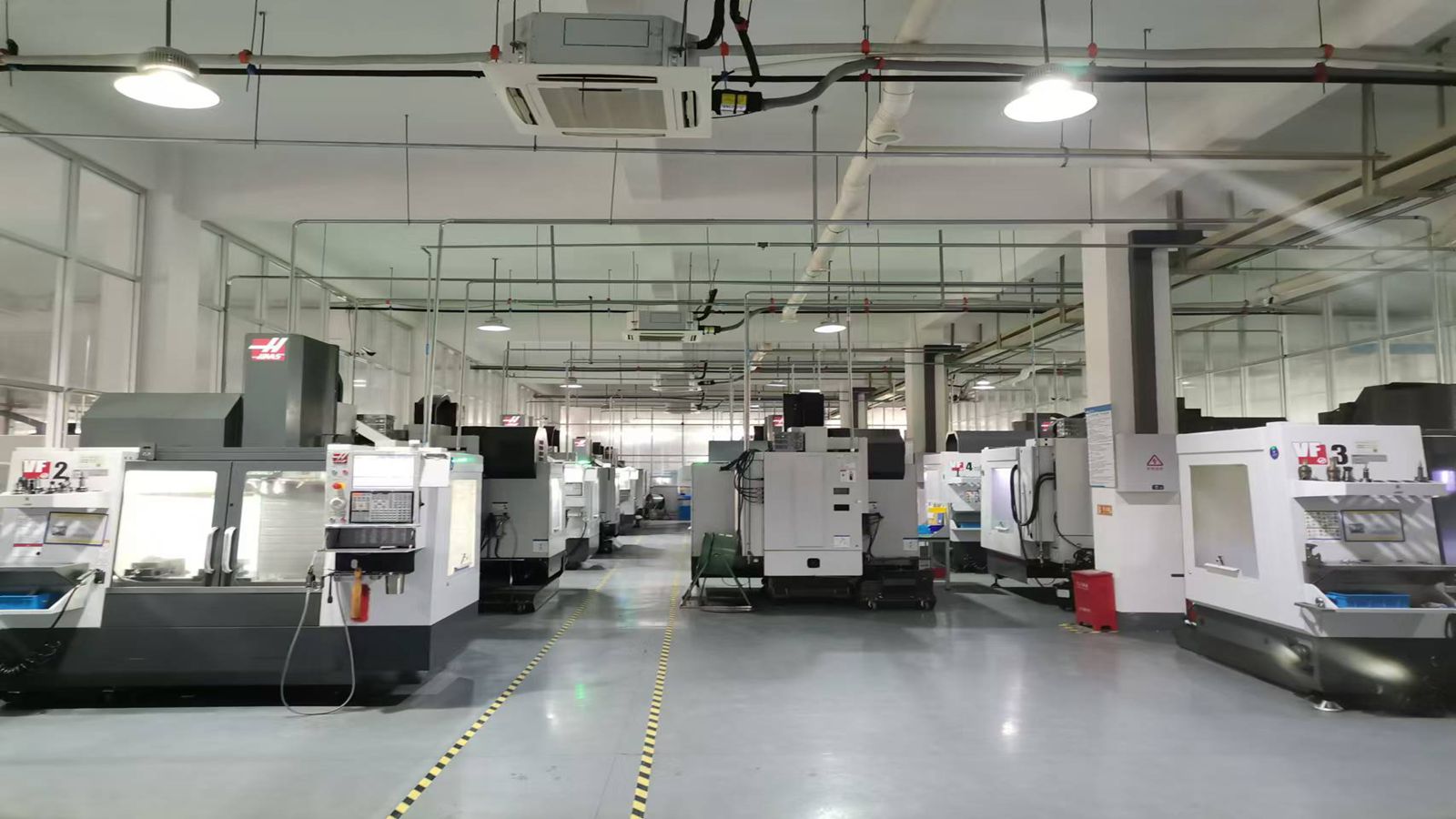
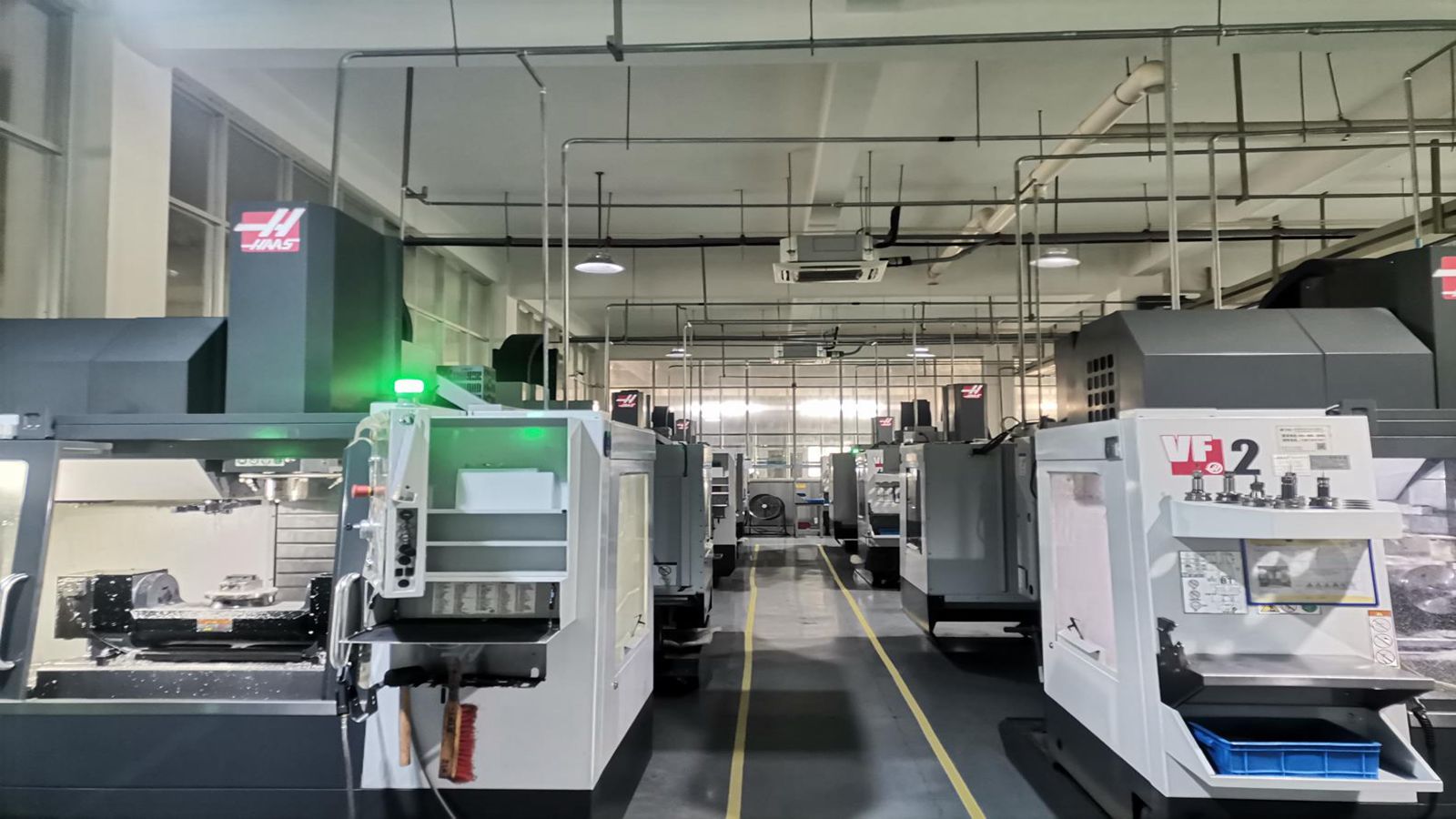
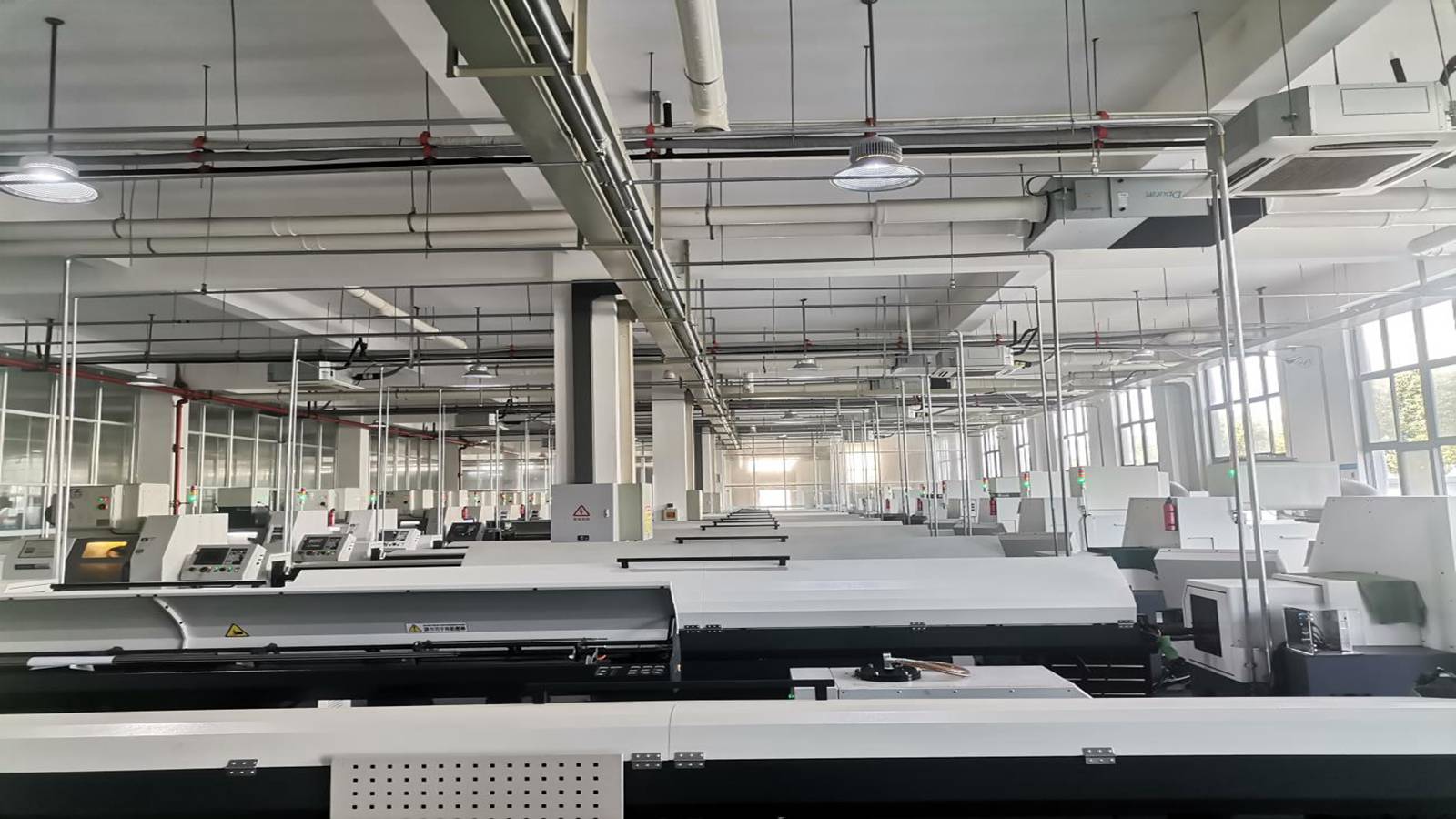
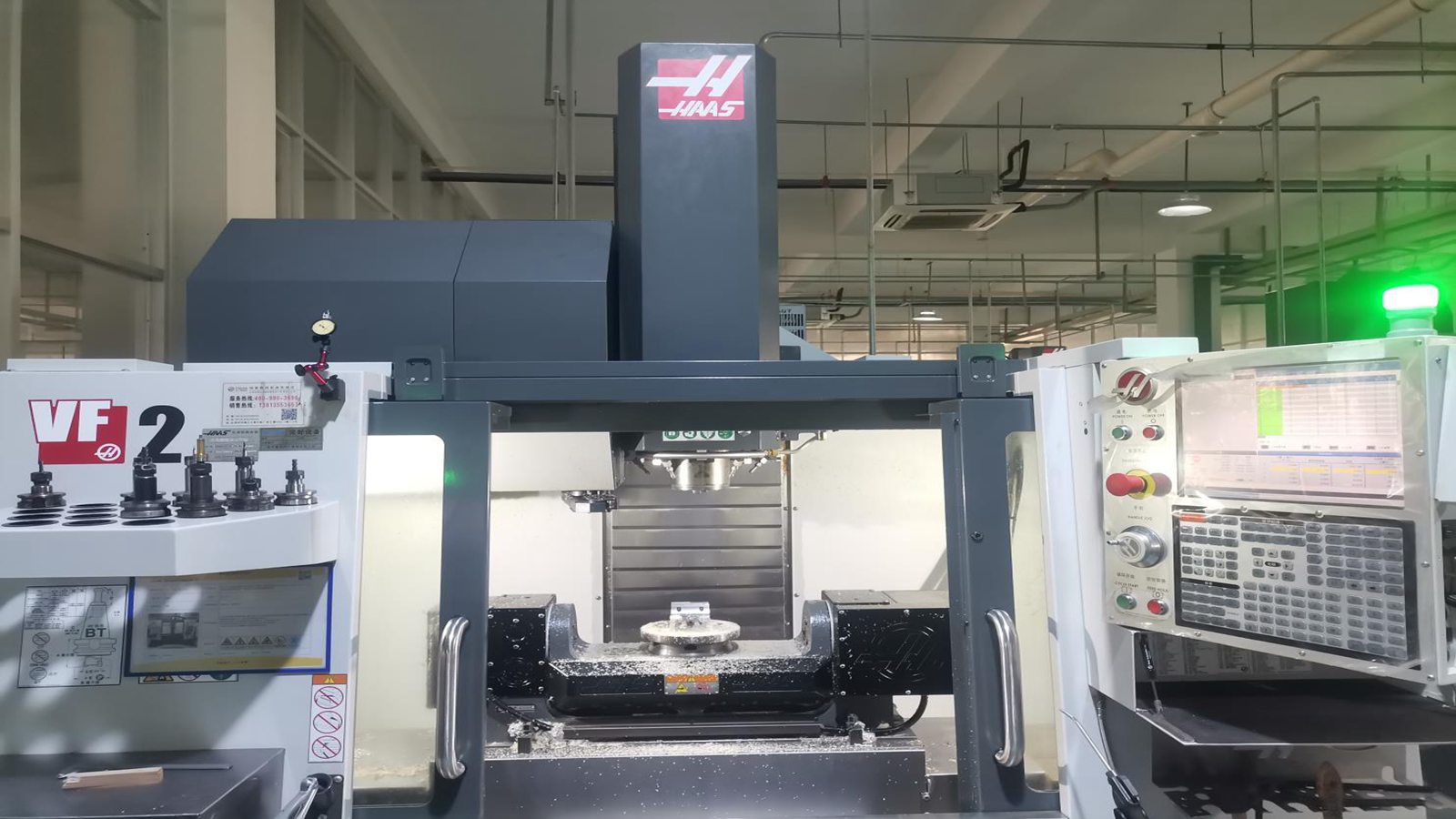
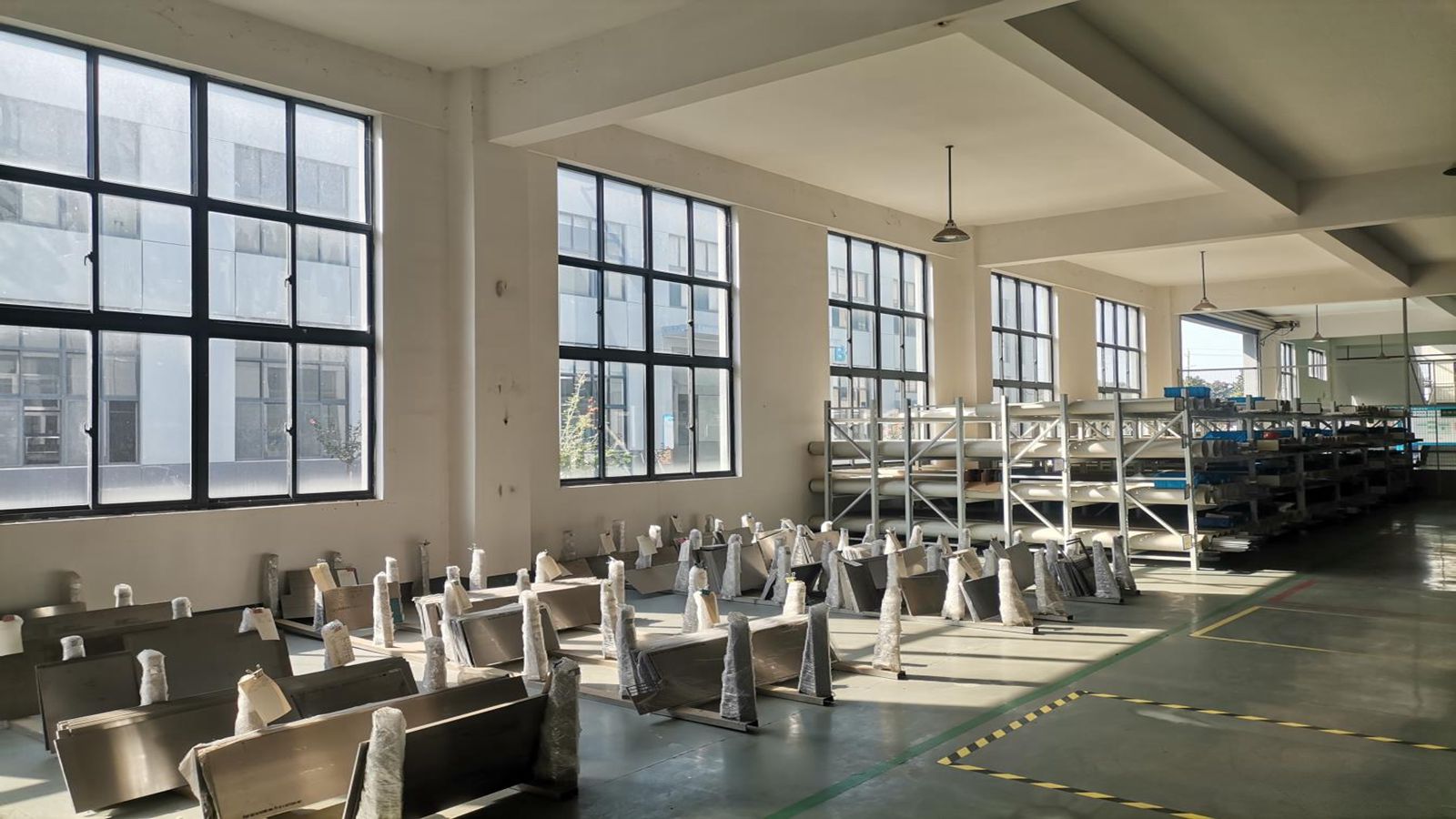
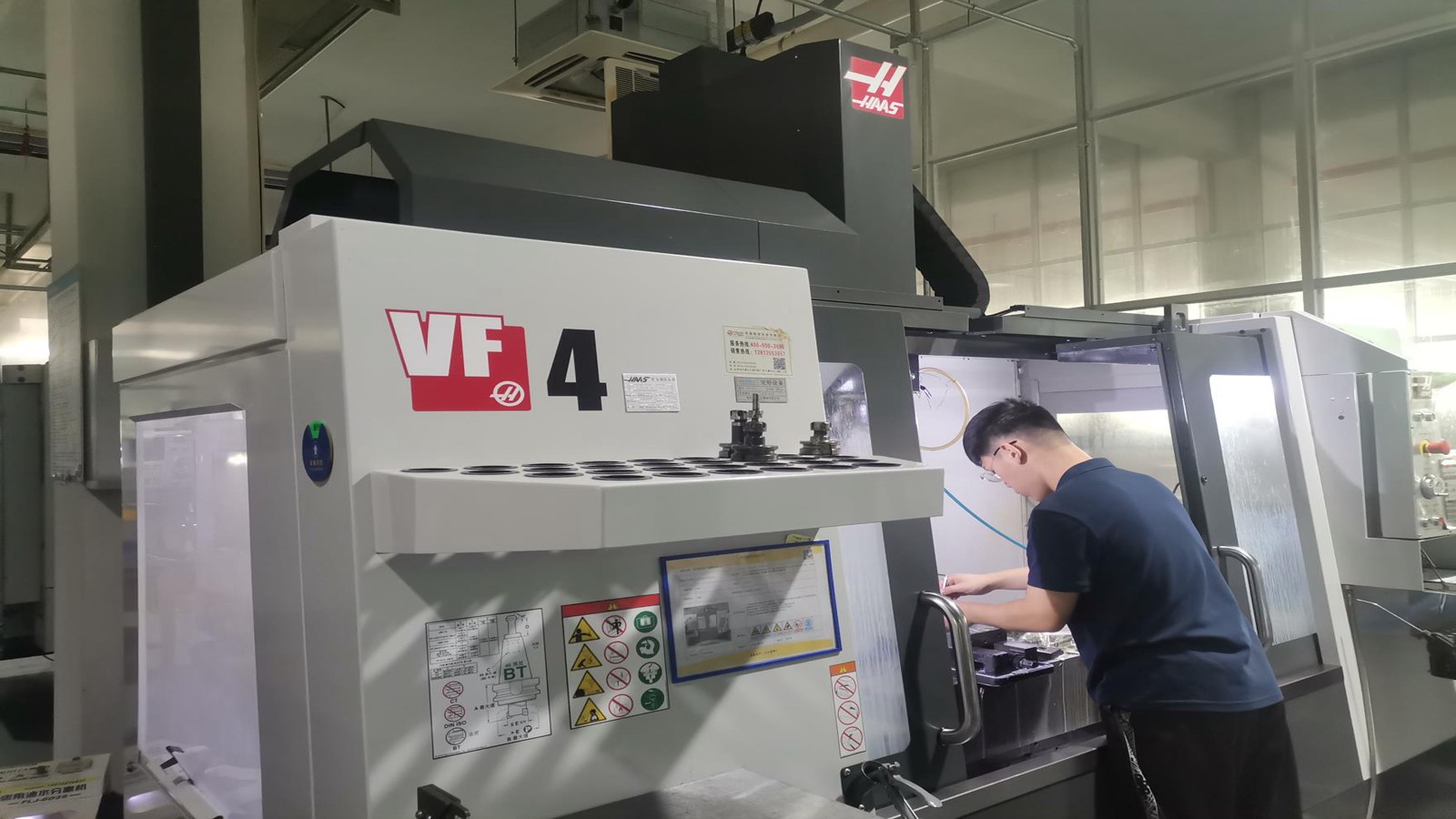
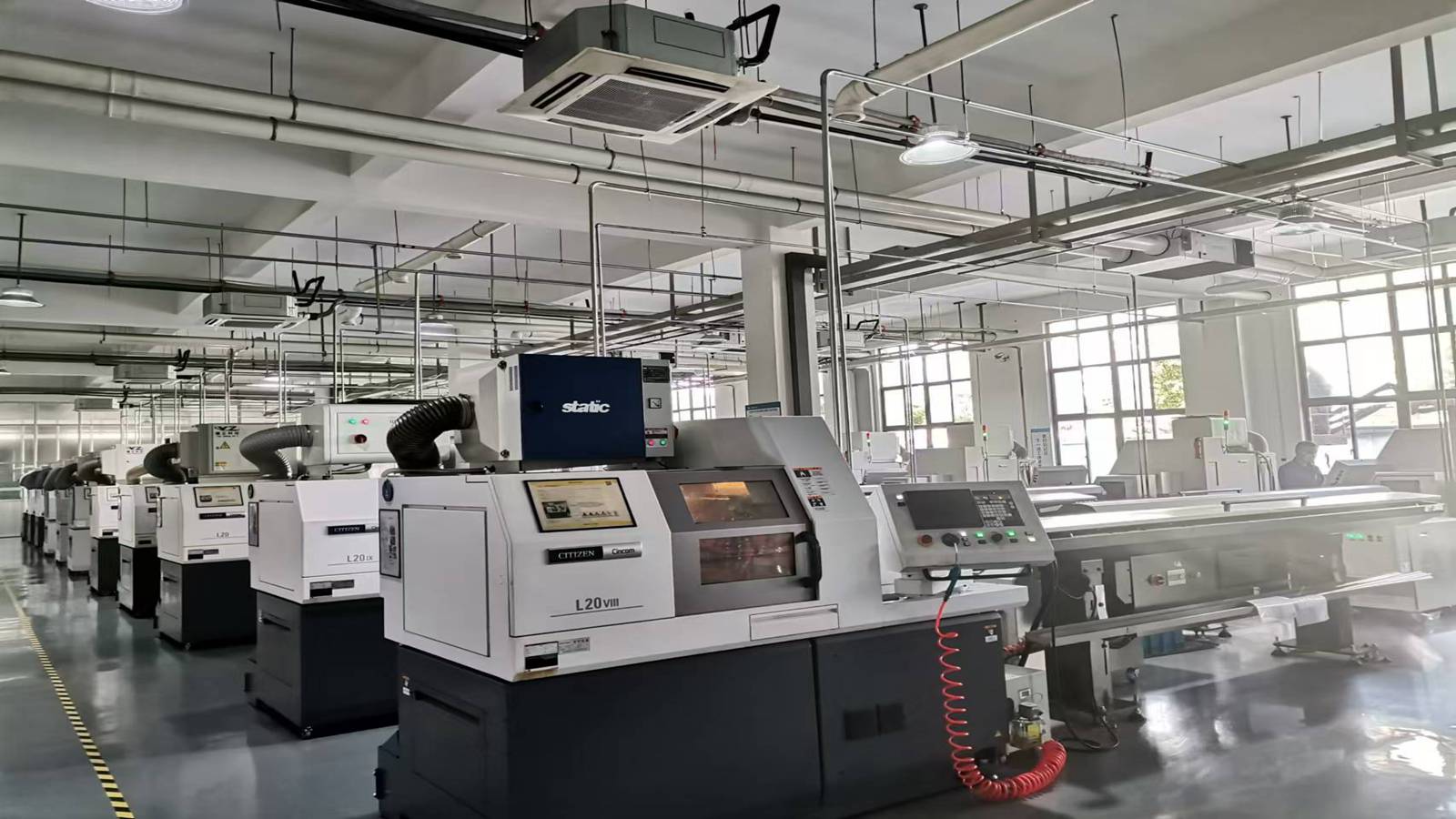
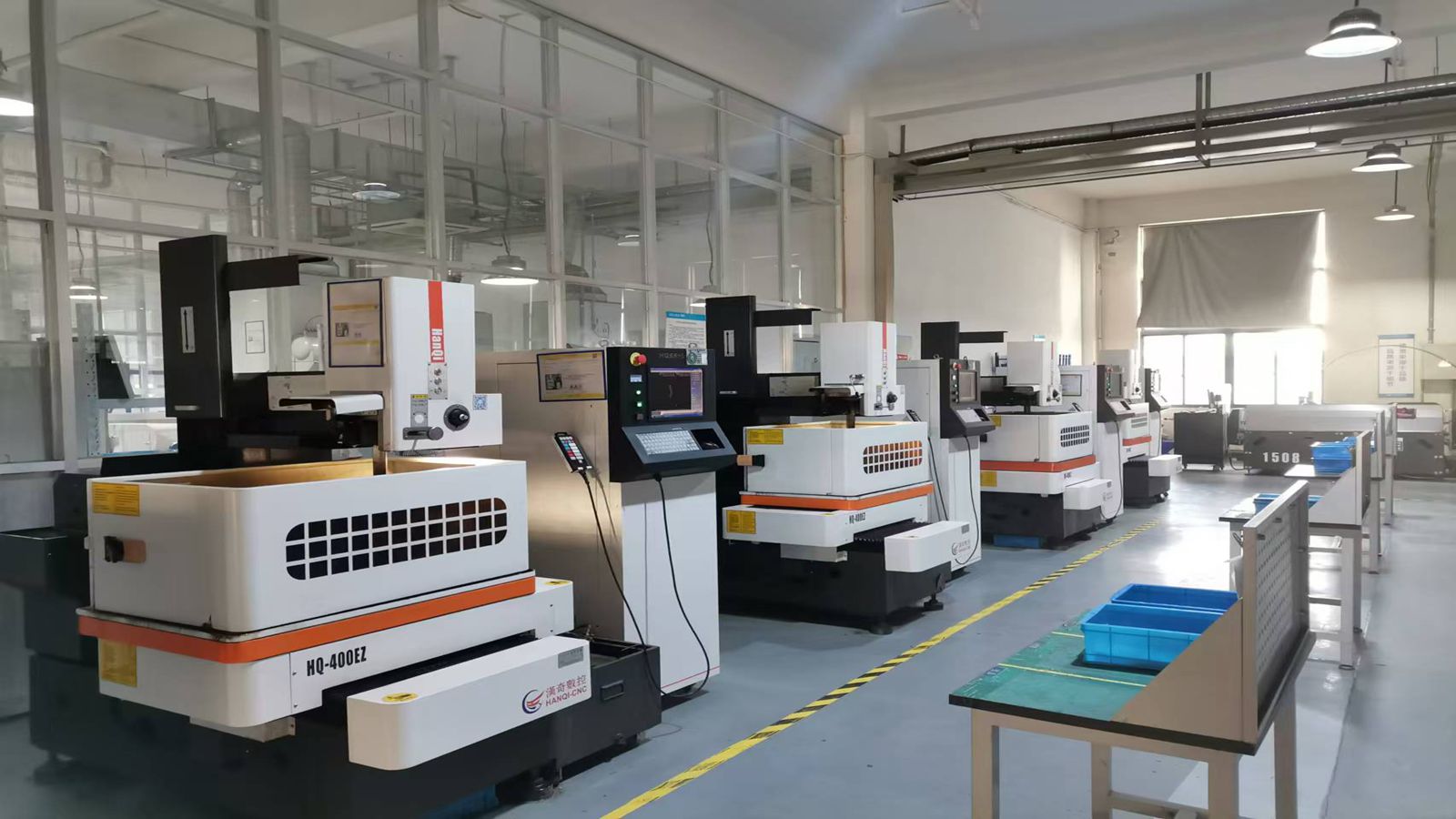
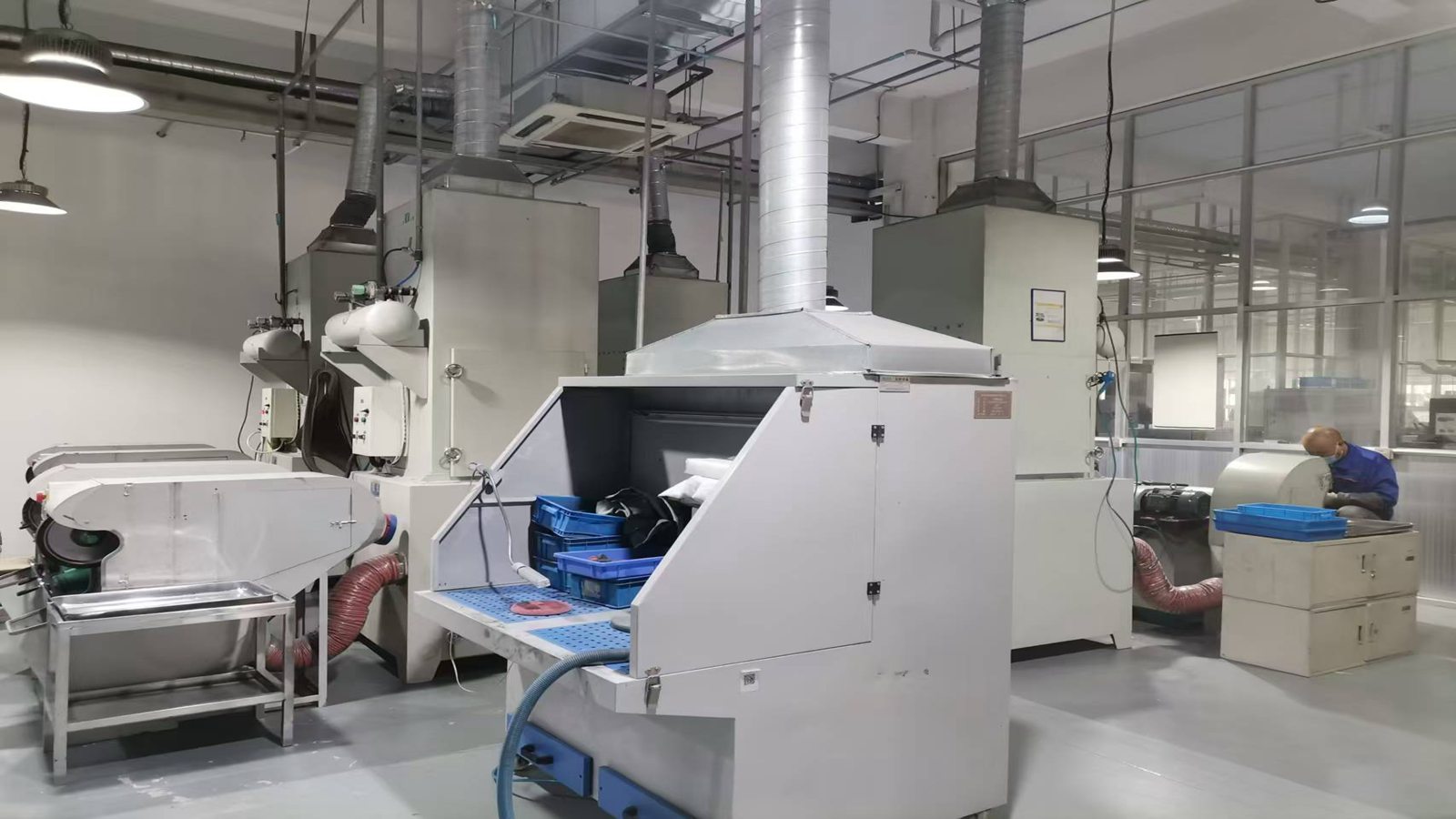
China has emerged as the undisputed epicenter for the manufacturing of orthopedic surgical instruments and sterilization trays. This dominance is not merely a result of cost competitiveness, but rather a reflection of deep industrial integration, advanced technological adoption, and unparalleled supply chain agility. Chinese factories have transitioned from traditional manufacturing to high-precision, automated smart factories utilizing multi-axis CNC machining, robotic laser welding, and automated surface treatment processes.
The efficiency advantages of Chinese orthopedic factories are built on three main pillars:
When evaluating the top manufacturers globally, procurement officers must look beyond unit price and analyze technical capabilities, material quality, customization flexibility, and regulatory compliance. Below is an analytical overview of the industry's leading manufacturers:
| Manufacturer / Brand | Key Strengths & Materials | Primary Markets | Compliance & Certs |
|---|---|---|---|
| HBM Medical | Advanced PPSU & Stainless Steel Customization, 120+ CNC Machines | North America, Europe, Asia | ISO 13485, CE MDR, MDSAP |
| Aesculap (B. Braun) | Premium Aluminum Sterilization Containers, High-end Branding | Global | FDA, CE, ISO 13485 |
| DePuy Synthes | Integrated Implant-Tray Systems, Proprietary Designs | Global | FDA, CE, ISO 13485 |
| Stryker | Highly Specialized Trauma & Joint Replacement Trays | North America, Europe | FDA, CE |
| Zimmer Biomet | Heavy-duty Custom Surgical Cassettes | Global | FDA, CE, ISO 13485 |
| Medtronic | Spine and Biologics Specialized Containment | Global | FDA, CE, MDSAP |
| Smith & Nephew | Sports Medicine & Reconstruction Instrument Trays | Europe, Americas | CE, FDA |
| HBM Medical (R&D Division) | Rapid Prototyping, OEM/ODM Custom Silicone Brackets | Global OEM Partners | ISO 13485, MDSAP |
| Tecomet | High-volume Contract Manufacturing for Top OEMs | North America, Europe | ISO 13485, FDA |
| Greatbatch Medical | Custom Orthopedic Delivery Systems & Cases | Global | ISO 13485, CE |
Sourcing orthopedic instrument trays requires a rigorous risk-assessment framework. Because these products directly interface with sterile surgical environments, a failure in tray design or material quality can lead to catastrophic surgical site infections (SSIs) or costly operational delays. Procurement managers should evaluate potential manufacturing partners based on the following criteria:
Ensure the manufacturer provides mill test certificates (MTC) for all raw materials. Trays must be fabricated from medical-grade materials such as AISI 304 or 316L stainless steel, or medical-grade polymers (e.g., Radel® PPSU). Sourcing from factories that offer 100% raw material traceability guarantees that the products will not rust, pit, or degrade after repeated autoclave cycles.
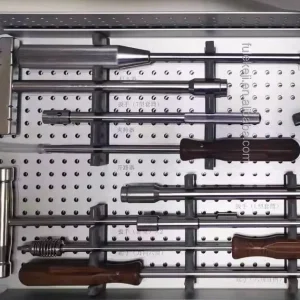
The tray design must feature optimized perforation patterns to facilitate rapid steam penetration and efficient condensate drainage. Ask the manufacturer for sterilization validation reports (conforming to ANSI/AAMI ST77 or ISO 17665 standards). A poorly designed tray with inadequate venting can trap moisture, resulting in "wet packs" that compromise sterility.
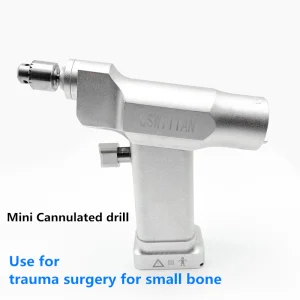
Every orthopedic implant system requires a unique layout. Sourcing partners must possess strong R&D capabilities, including 3D CAD modeling, rapid prototyping, and custom silicone bracket molding. A factory with an in-house engineering team can quickly design custom brackets, inserts, and double-decker configurations that securely hold complex instrument sets (e.g., drills, taps, screwdrivers, and plates) during transport and sterilization.
The future of orthopedic instrument trays is rapidly aligning with the broader digital transformation of healthcare. We are seeing three major trends shaping the next generation of containment systems:



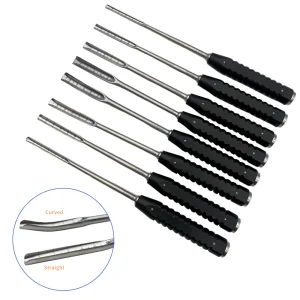
Explore our high-precision orthopedic implants, trauma plates, and specialized surgical instruments.
 HBM Medical