Explore our high-precision orthopedic instruments and implant systems engineered for superior clinical outcomes and long-term durability.
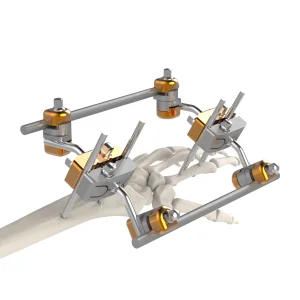
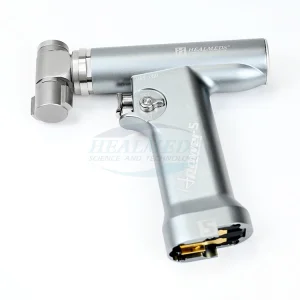
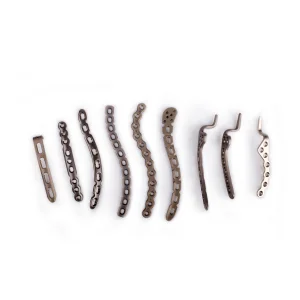
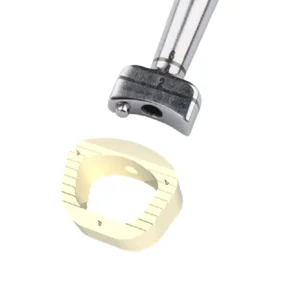
The demand for Total Elbow Arthroplasty (TEA) and radial head replacement is expanding rapidly due to an aging global population, rising post-traumatic osteoarthritis cases, and advancements in joint reconstruction techniques. The global market is transitioning toward highly customized, semi-constrained, and unconstrained implant designs that offer anatomical restoration and long-term joint stability.
As Class III medical devices, elbow replacement implants are subject to rigorous global regulatory frameworks. Manufacturers must adhere to strict ISO 13485 Quality Management Systems, MDSAP (Medical Device Single Audit Program), and secure CE and FDA clearances to guarantee clinical safety, biocompatibility, and mechanical integrity under cyclical stress.
Modern orthopedic brands and distributors rely on agile manufacturing partners capable of providing end-to-end solutions—from raw medical-grade titanium alloy sourcing to precision CNC machining, advanced surface treatments, sterile cleanroom packaging, and customized surgical instrumentation sets.
Elbow replacement surgery, although less common than hip or knee arthroplasty, represents one of the most complex challenges in orthopedic biomechanics. The elbow is a highly constrained hinge joint that experiences significant multi-axial forces during daily activities. Historically, early implant designs suffered from high rates of aseptic loosening and mechanical failure. Today, the industry has shifted toward semi-constrained linked designs and unconstrained resurfacing implants that mimic natural kinematics while minimizing stress concentration at the bone-cement interface.
From an industrial standpoint, manufacturing these implants requires an extraordinary level of technological sophistication. China has emerged as a global powerhouse in orthopedic manufacturing, leveraging advanced metallurgy, high-precision multi-axis CNC milling, and state-of-the-art surface modification technologies. By integrating robust supply chains with strict quality control, Chinese manufacturers now offer clinical-grade elbow replacement solutions that match or exceed Western standards at highly competitive wholesale structures.
Production Facility
Industry & Export Experience
Advanced CNC Machines
QA/QC Inspectors
To achieve long-term survivability in vivo, elbow replacement implants must address three fundamental challenges: biocompatibility, wear resistance, and mechanical fatigue strength. The technical roadmap of leading manufacturers focuses heavily on advanced material science and surface engineering.
The structural components of modern elbow implants—such as the humeral stem and ulnar component—are primarily fabricated from medical-grade Titanium Alloy (Ti-6Al-4V ELI) or Cobalt-Chromium-Molybdenum (Co-Cr-Mo) alloys. Titanium offers excellent biocompatibility and a modulus of elasticity closer to human cortical bone, which reduces the risk of stress shielding. Co-Cr-Mo, on the other hand, provides superior hardness and wear resistance, making it the material of choice for articulating surfaces.
The articulating liners and bearings utilize highly cross-linked UHMWPE, often infused with Vitamin E (antioxidant) to prevent oxidative degradation over time. This material combination dramatically reduces wear debris, which is the primary driver of osteolysis and subsequent implant loosening.
To facilitate cementless biological fixation, implant stems are coated with porous structures, such as Titanium Plasma Spray (TPS) or Hydroxyapatite (HA). These bioactive coatings mimic natural bone mineralogy, encouraging rapid bone ingrowth and securing a stable, long-term interface between the host bone and the prosthetic device.
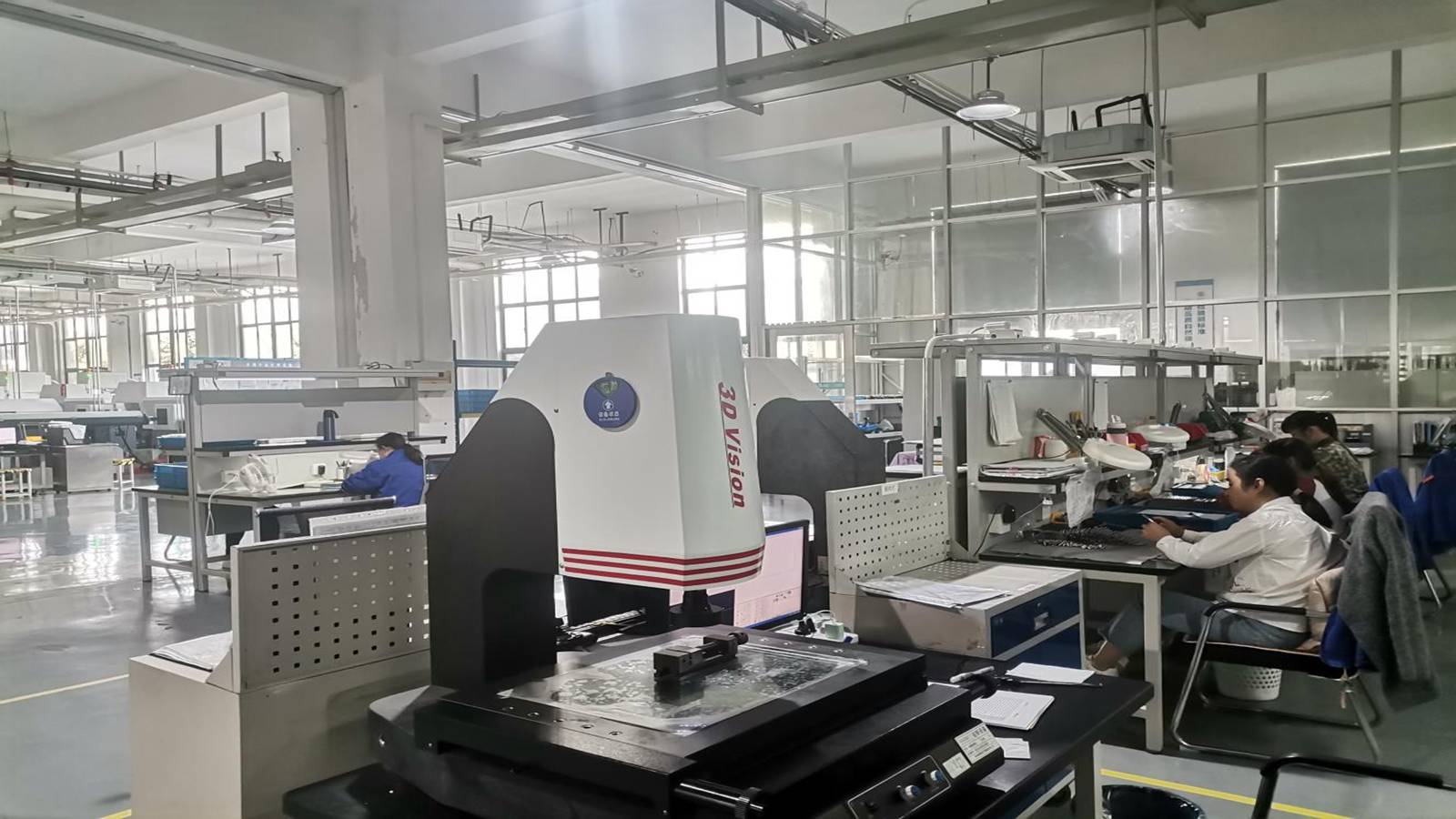
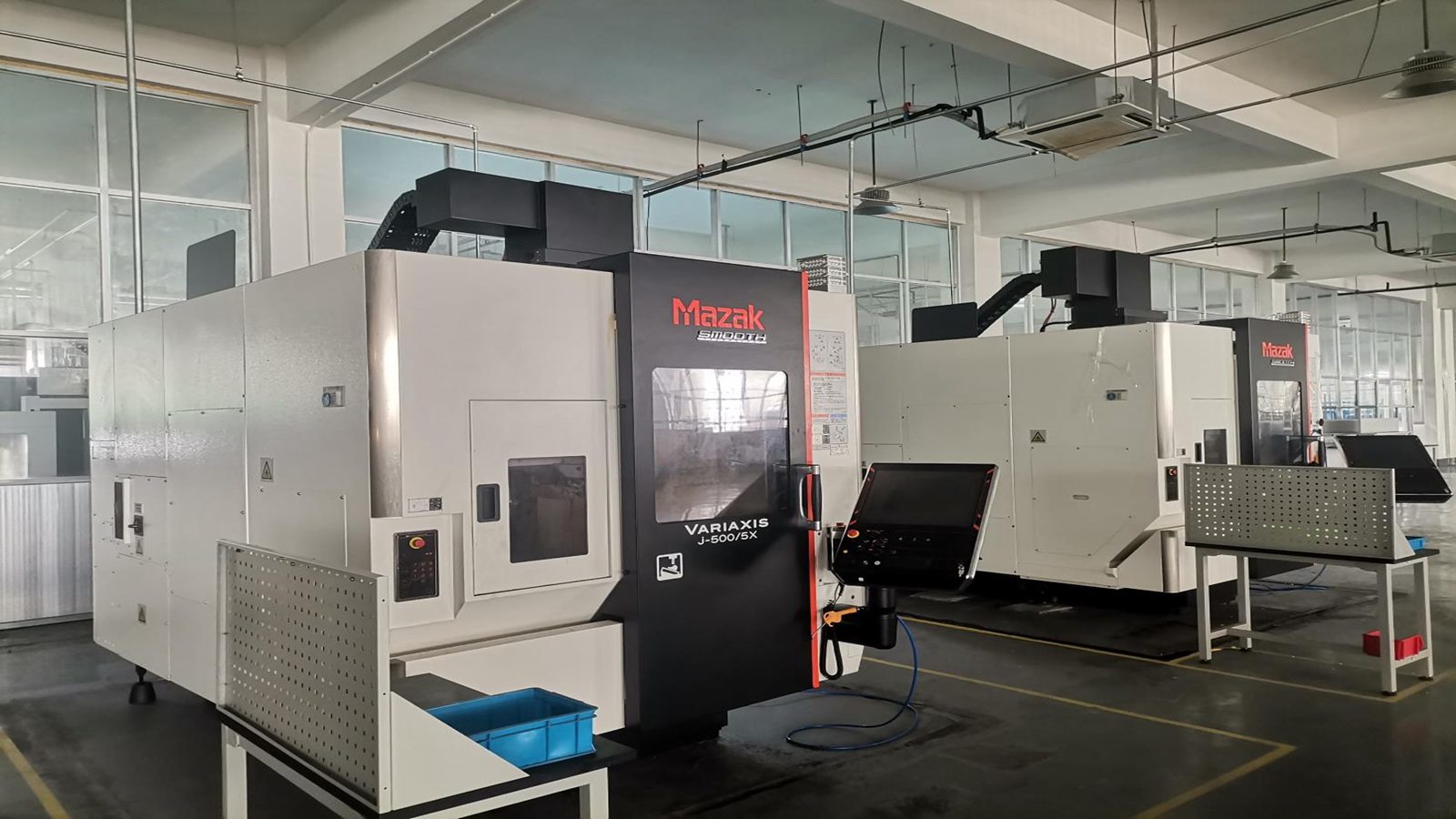
Utilizing high-end Swiss-type longitudinal lathes and 5-axis machining centers to achieve tolerances within microns, ensuring perfect anatomical fit and seamless component assembly.
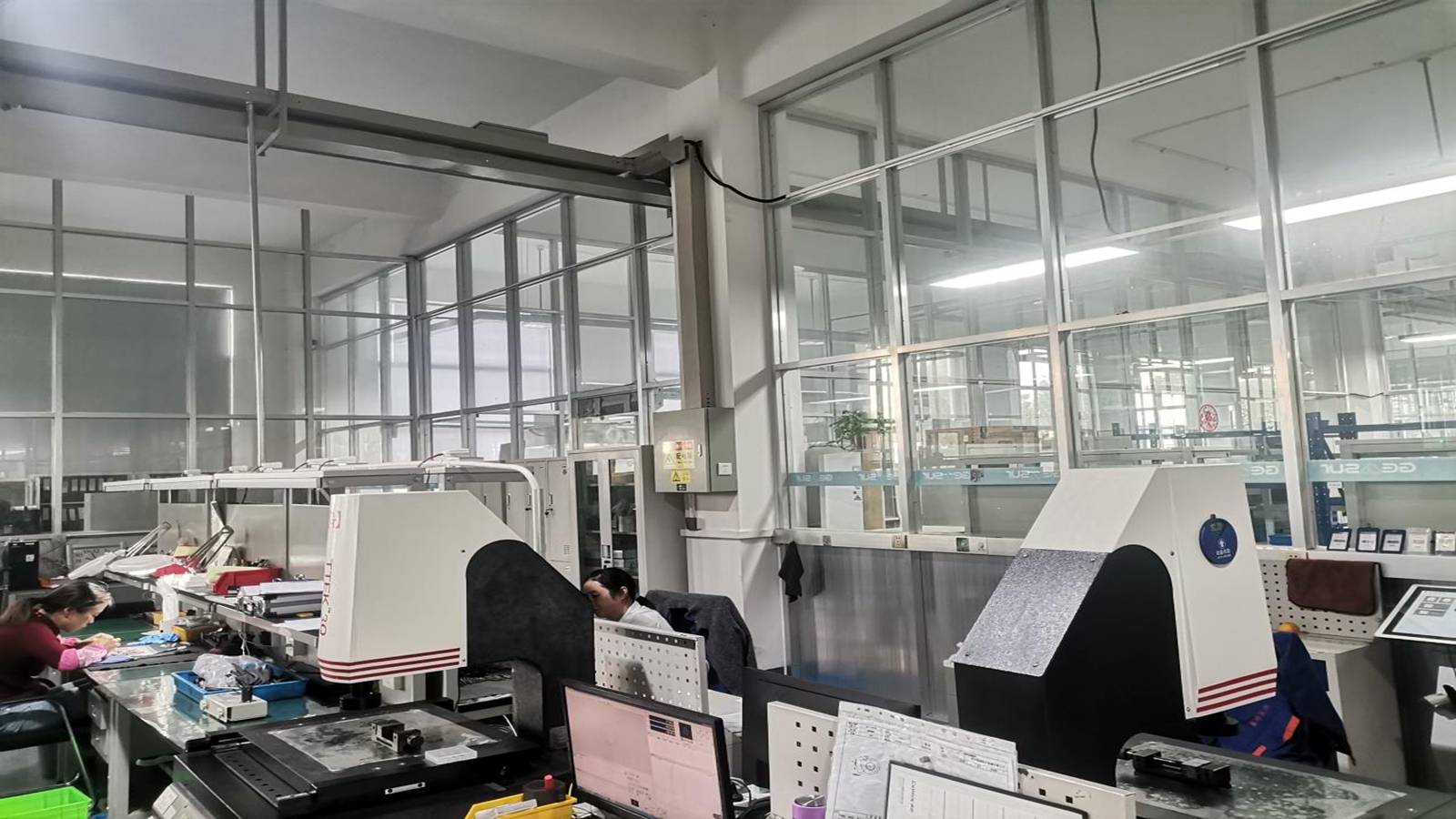
Rigorous simulator testing replicating millions of cycles of flexion, extension, and rotation to validate wear performance and fatigue limits under physiological load profiles.
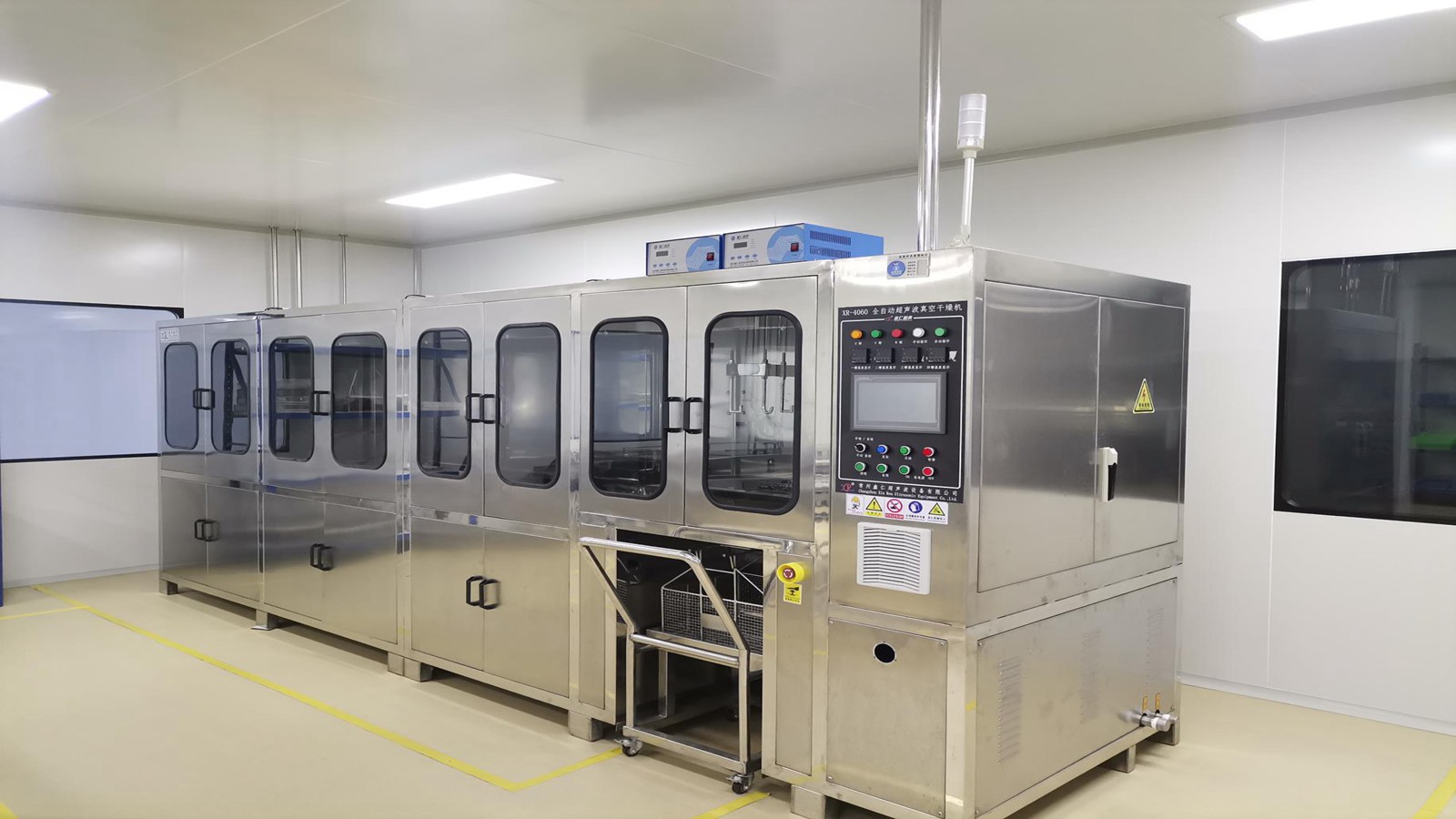
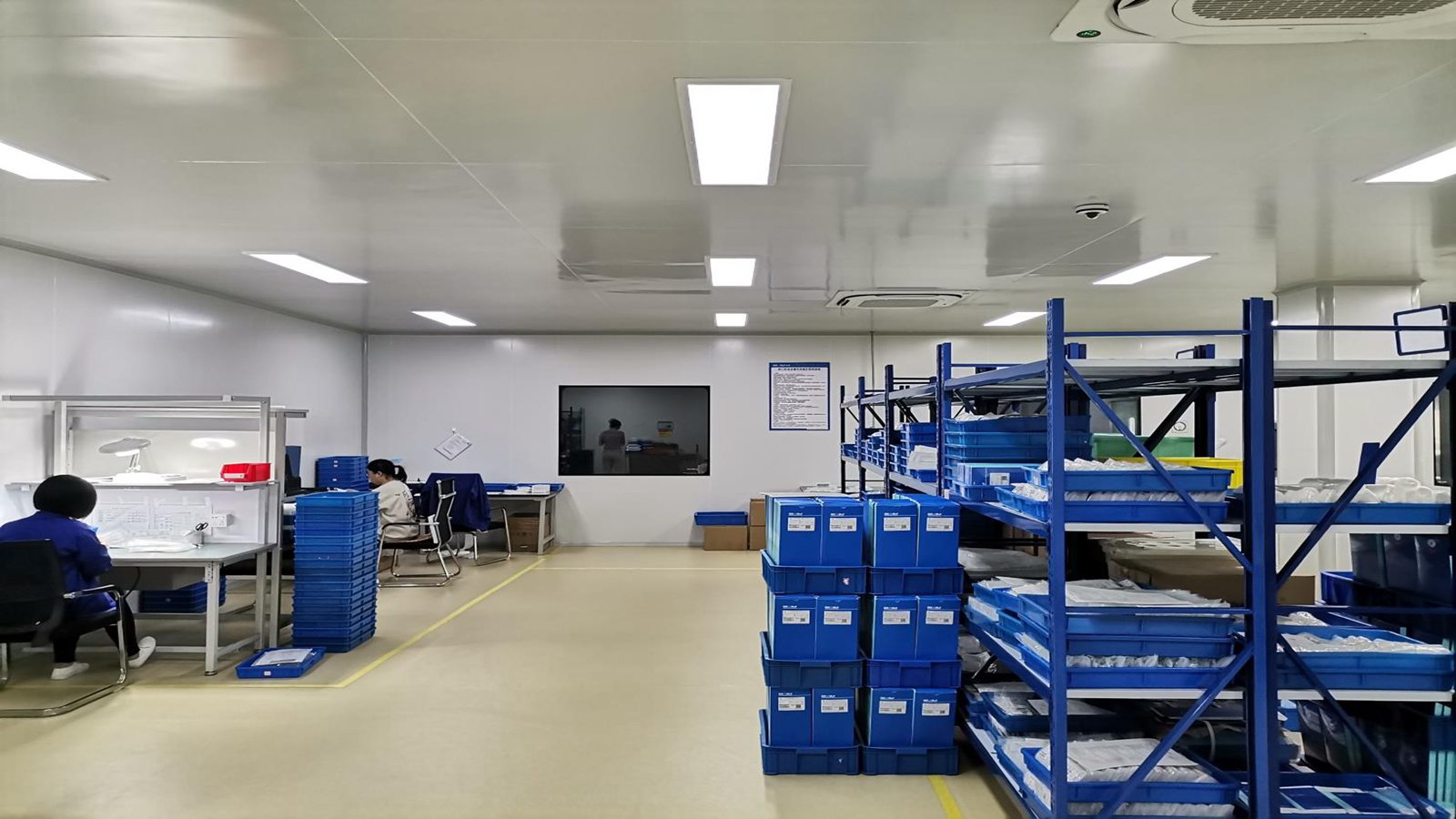
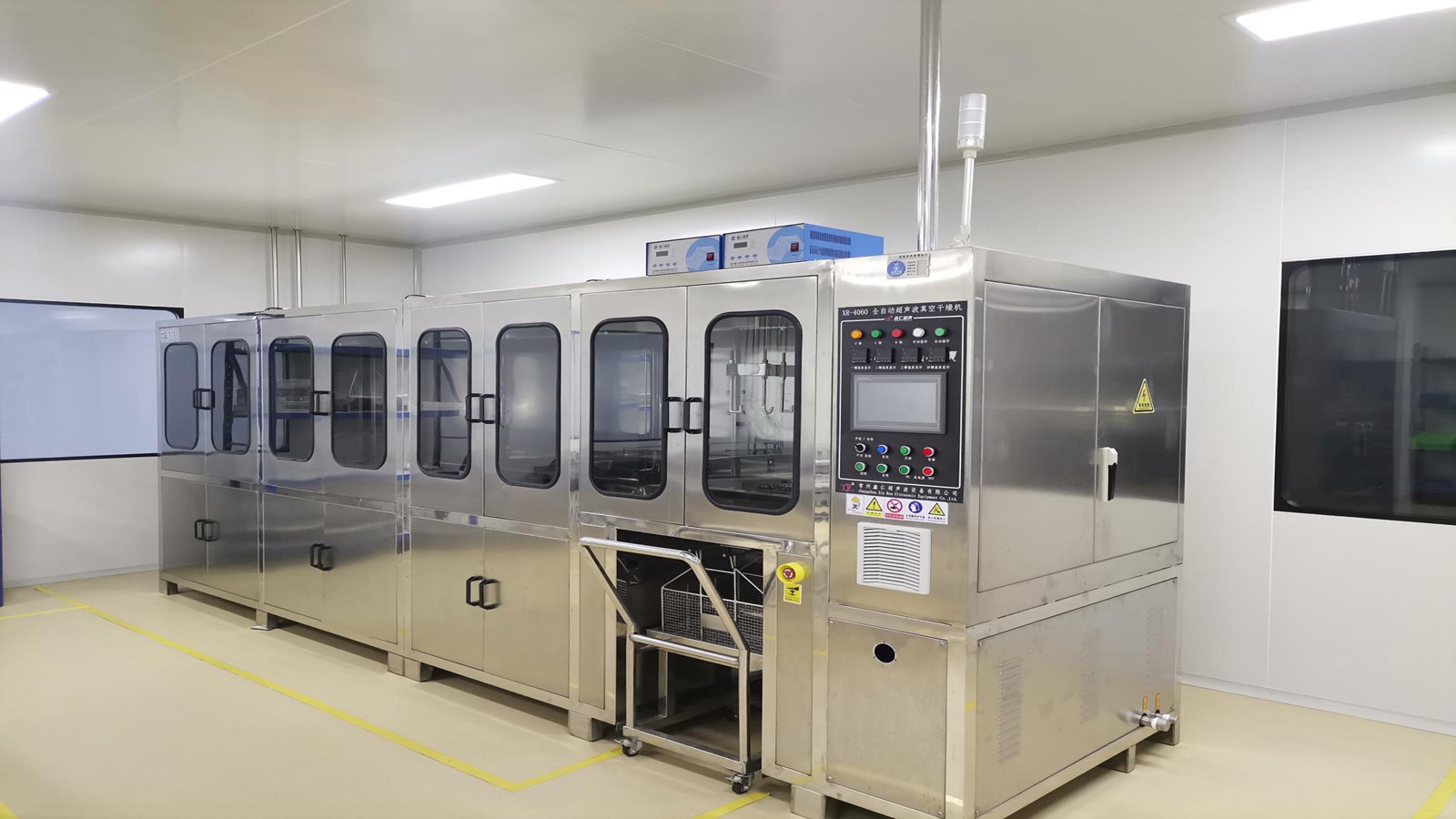
Validated Gamma Irradiation or Ethylene Oxide (EtO) sterilization processes executed within ISO Class 7 (Class 10,000) cleanrooms to guarantee absolute sterility and product safety.
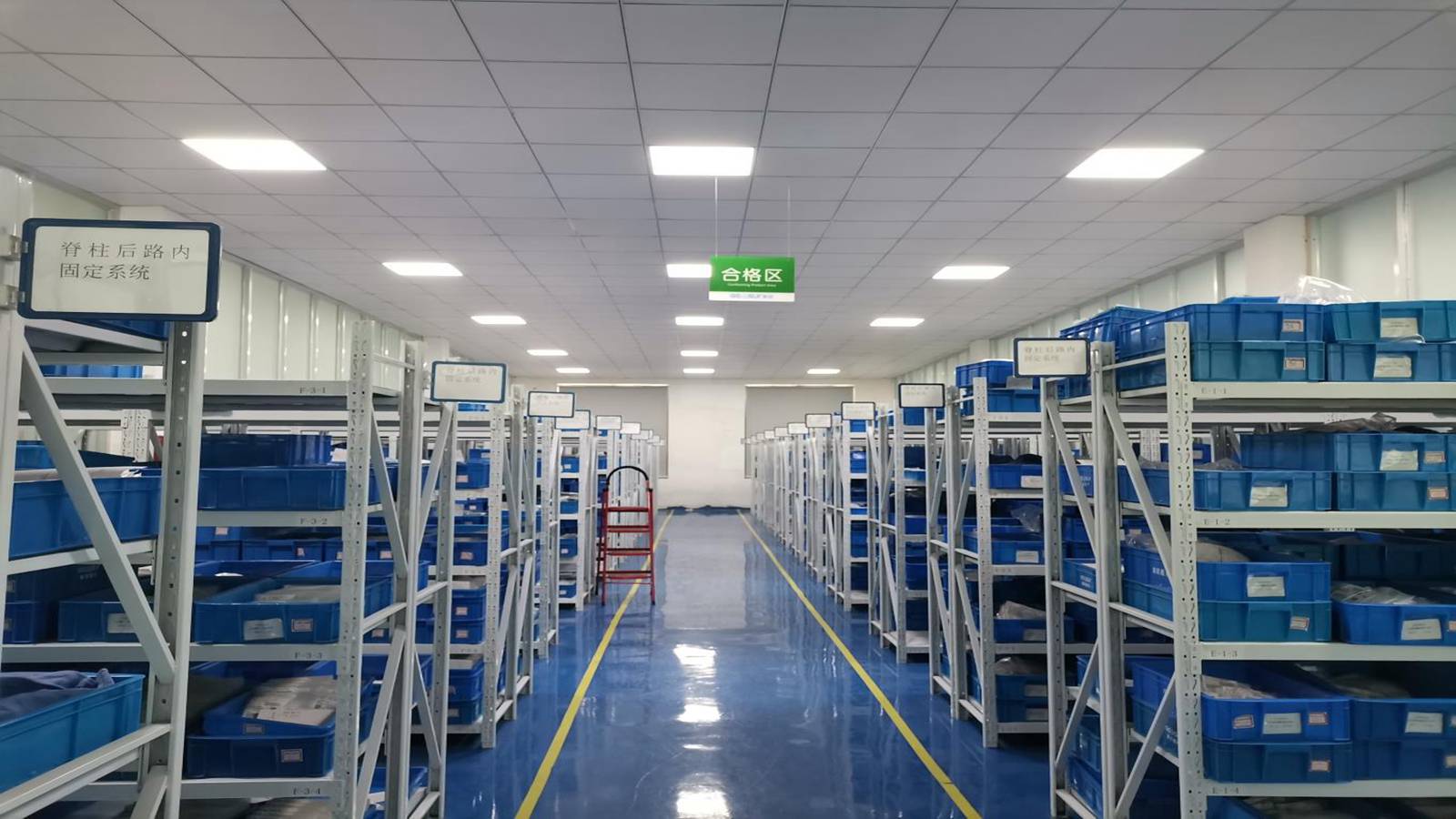
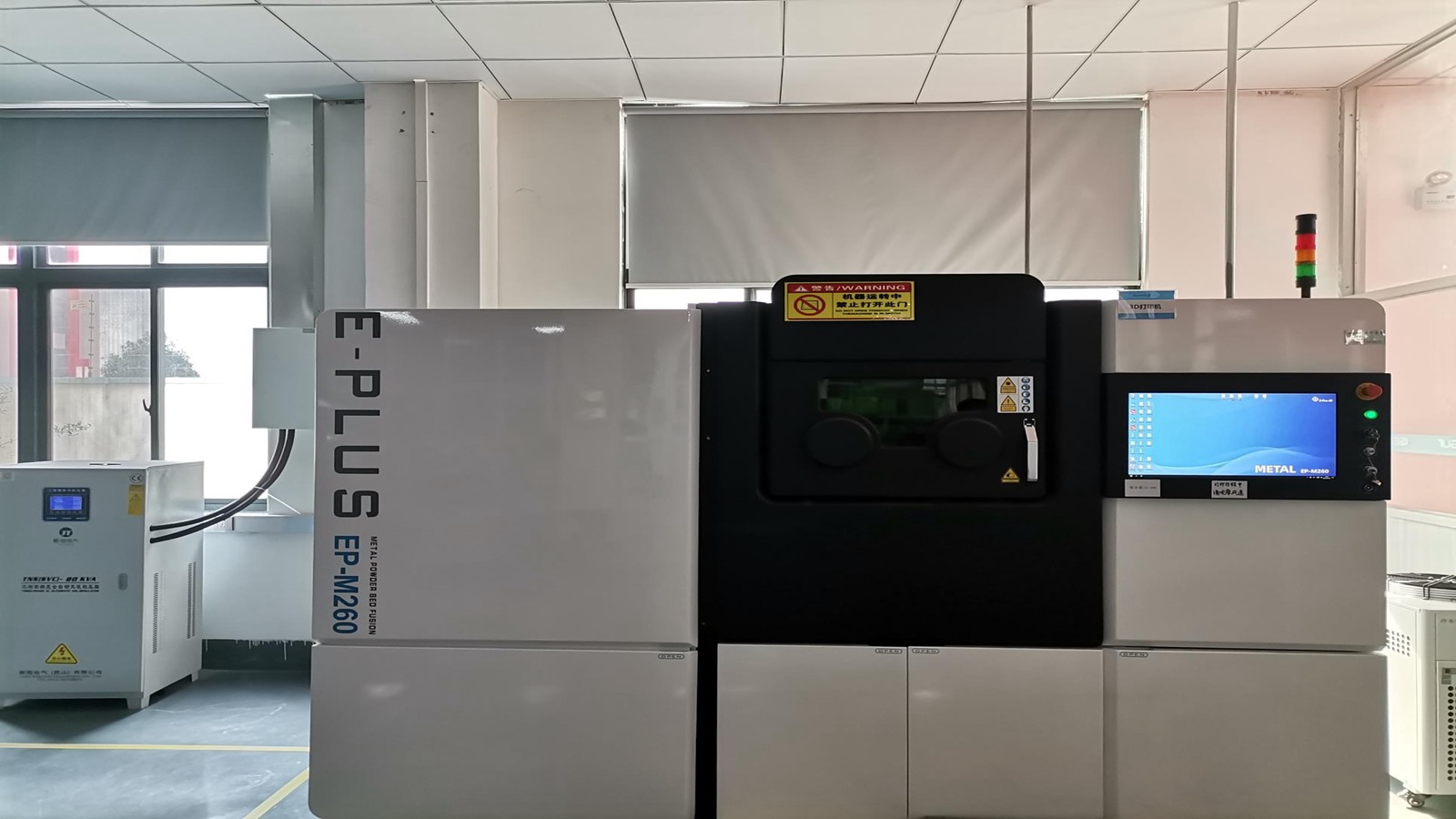
HBM Medical Apparatus And Instruments Co., Ltd. is a premier orthopedic medical device R&D, manufacturing, and operation enterprise in China. With a sprawling state-of-the-art production site spanning over 30,343 square meters, HBM is equipped with more than 350 advanced processing and testing systems, including 120 specialized production machines and 12 highly efficient production lines. Our robust manufacturing infrastructure ensures an uninterrupted supply of high-quality orthopedic implants and surgical instruments to partners worldwide.
Our core philosophy, "Integrate the Master, Health being achieved," drives us to continuously invest in talent and technological innovation. HBM boasts a powerful R&D team consisting of 31 highly qualified engineers (including 1 Doctorate, 11 Postgraduates, and 17 Graduates) dedicated to pioneering next-generation orthopedic solutions. By maintaining a quality management system that strictly aligns with international standards, HBM has secured prestigious certifications including ISO 13485, MDSAP, and multiple CE certificates (EPT 0477.MDR.25/5905 & EPT 0477.MDR.25/5973), ensuring seamless market entry across Europe, the Americas, and Asia-Pacific regions.



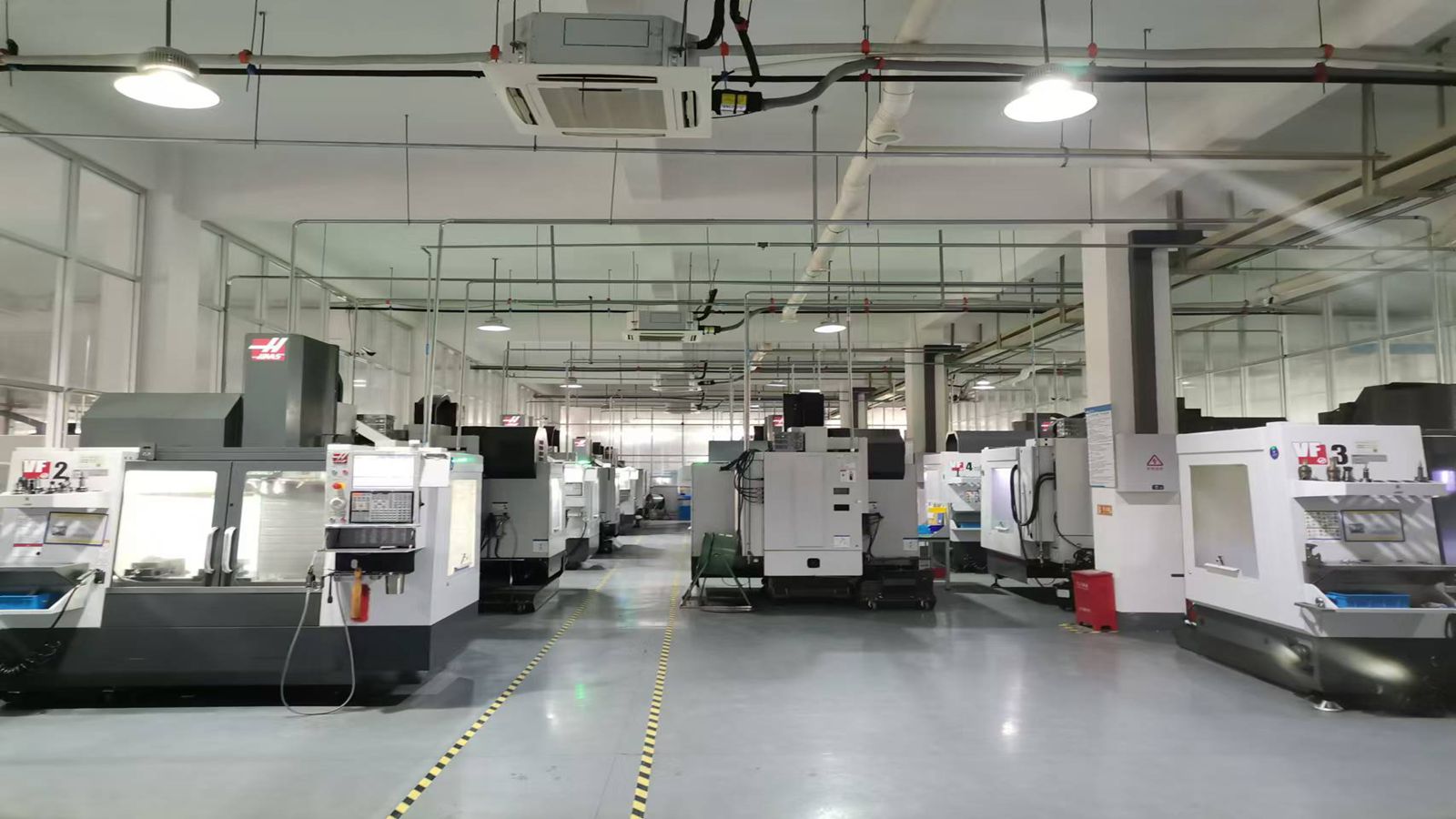
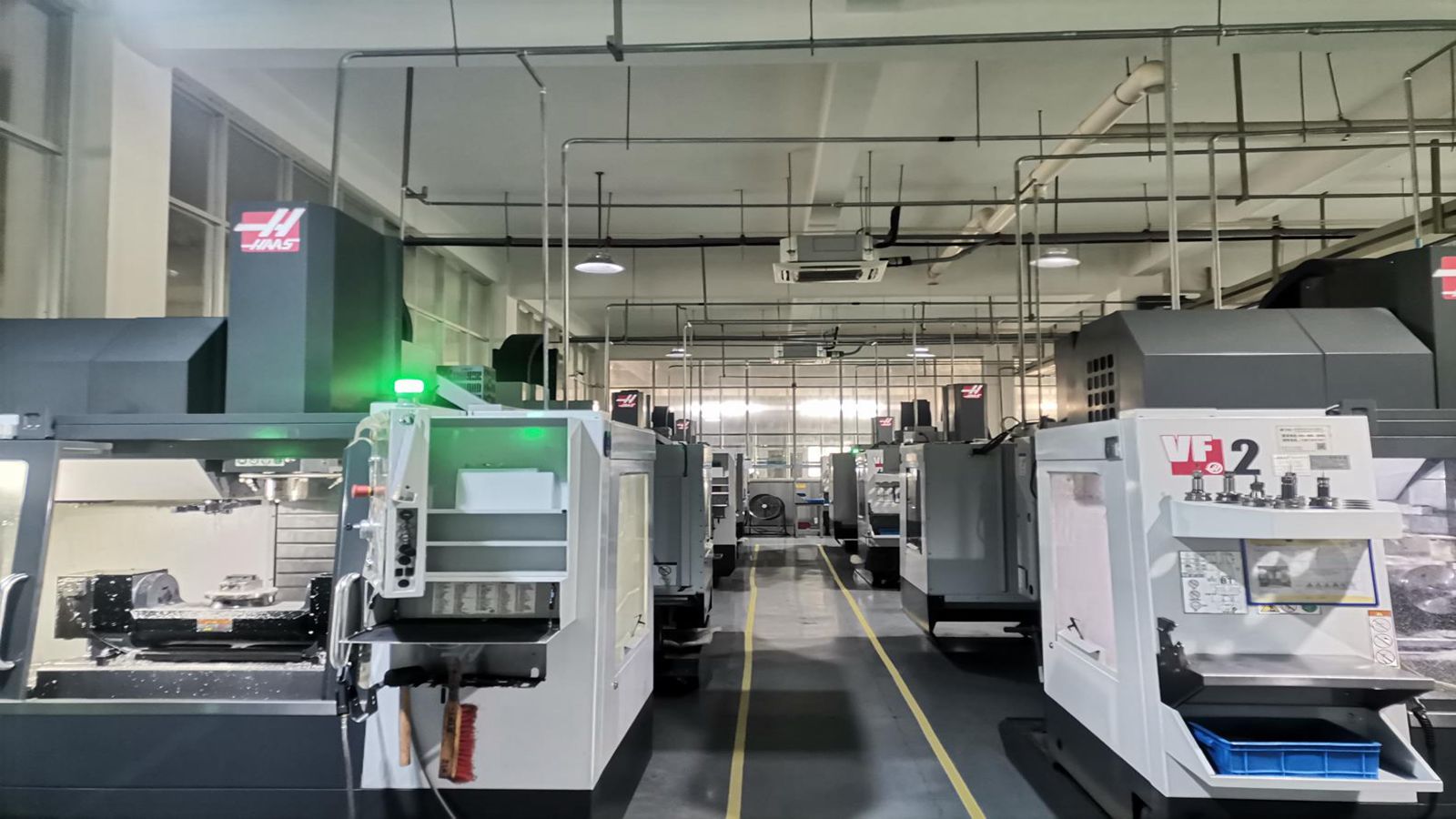
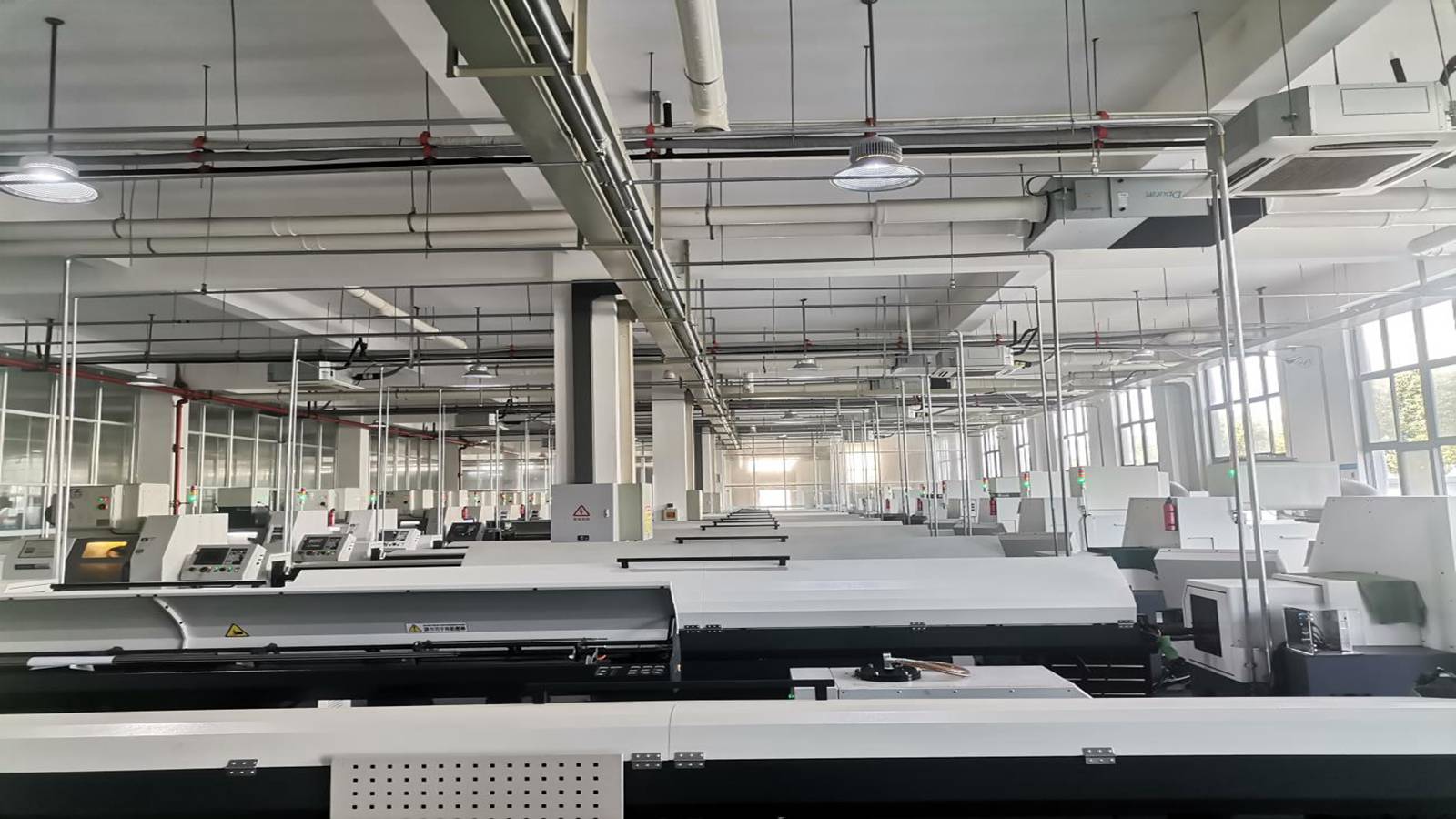
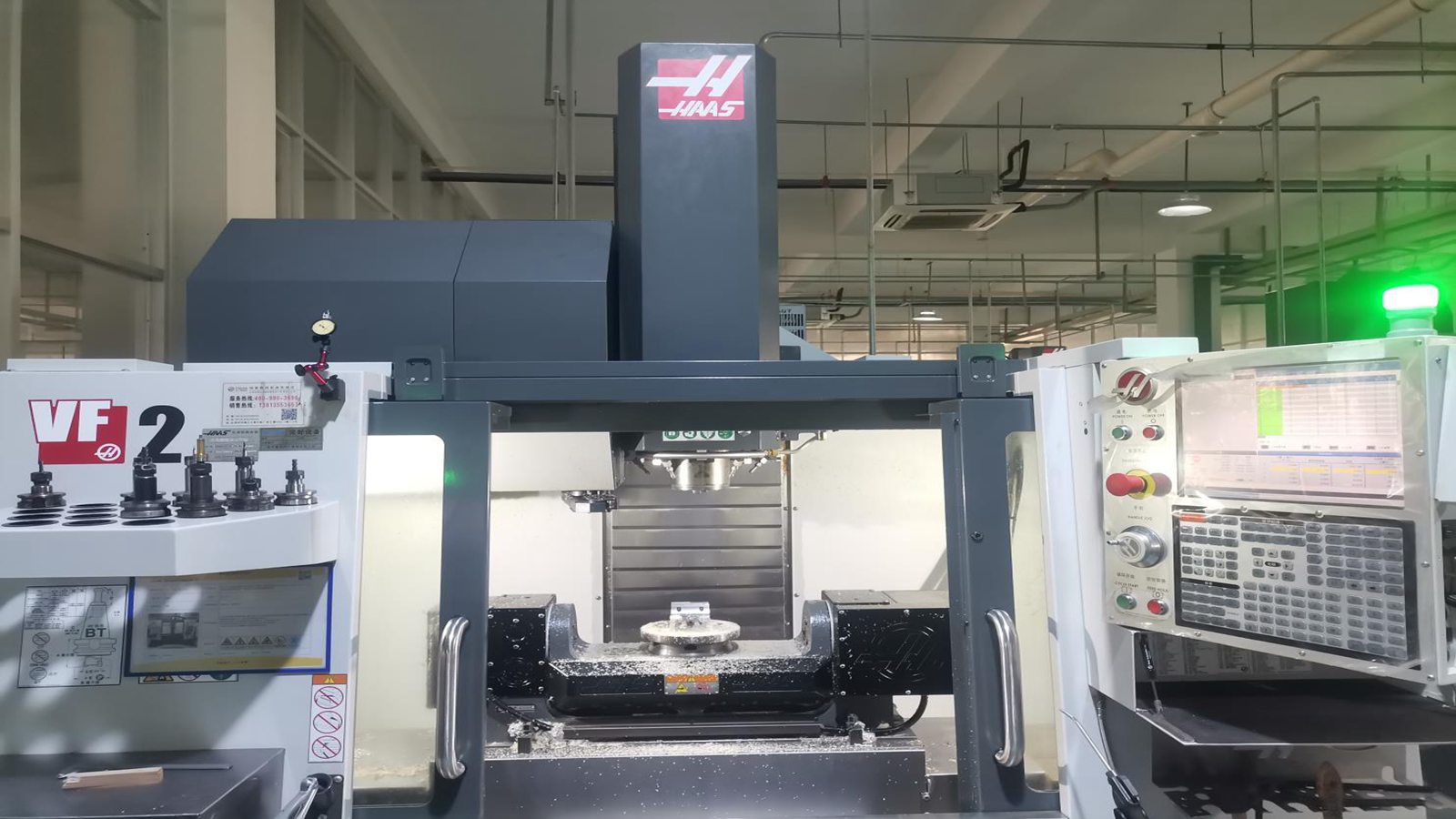

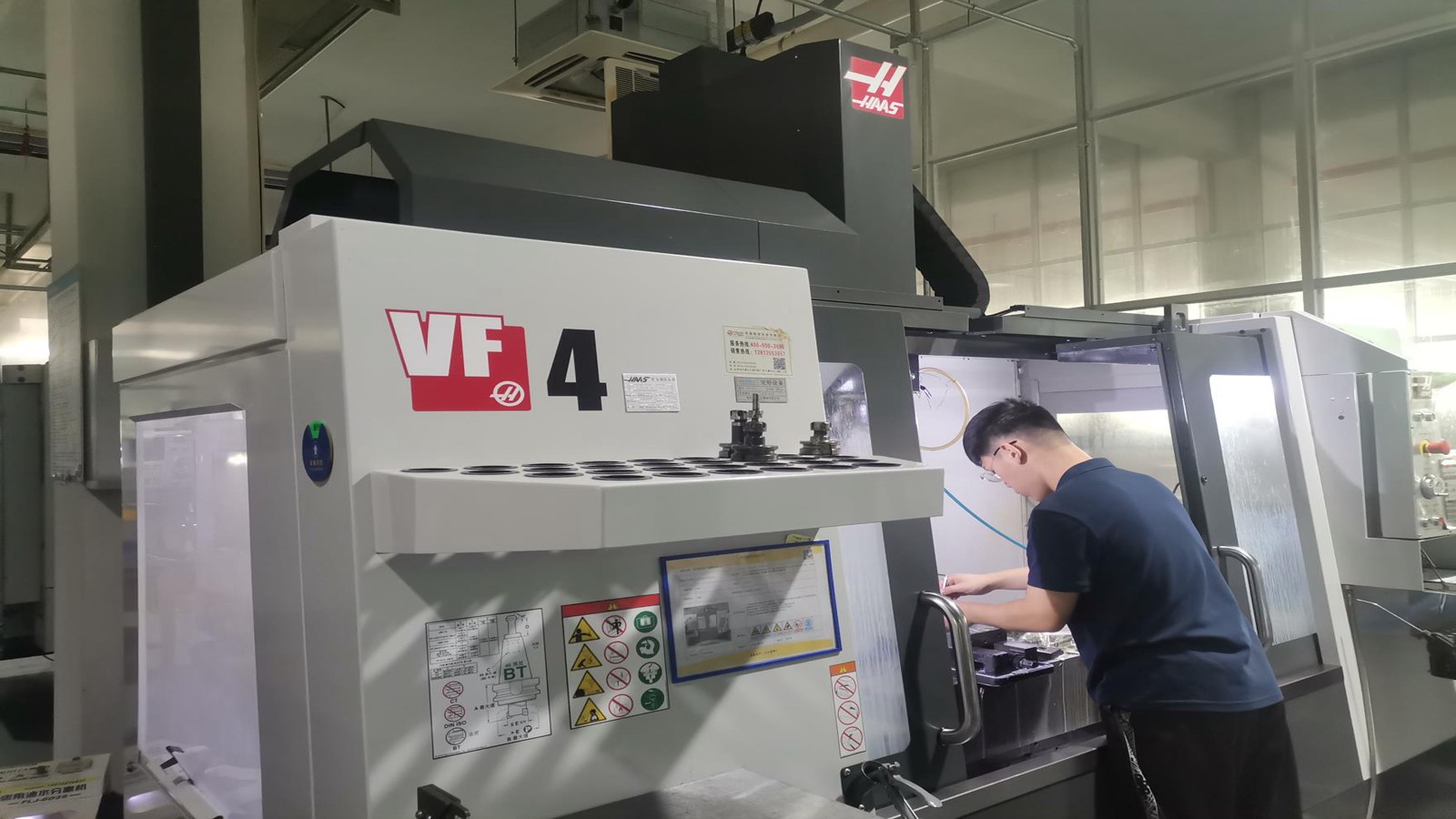
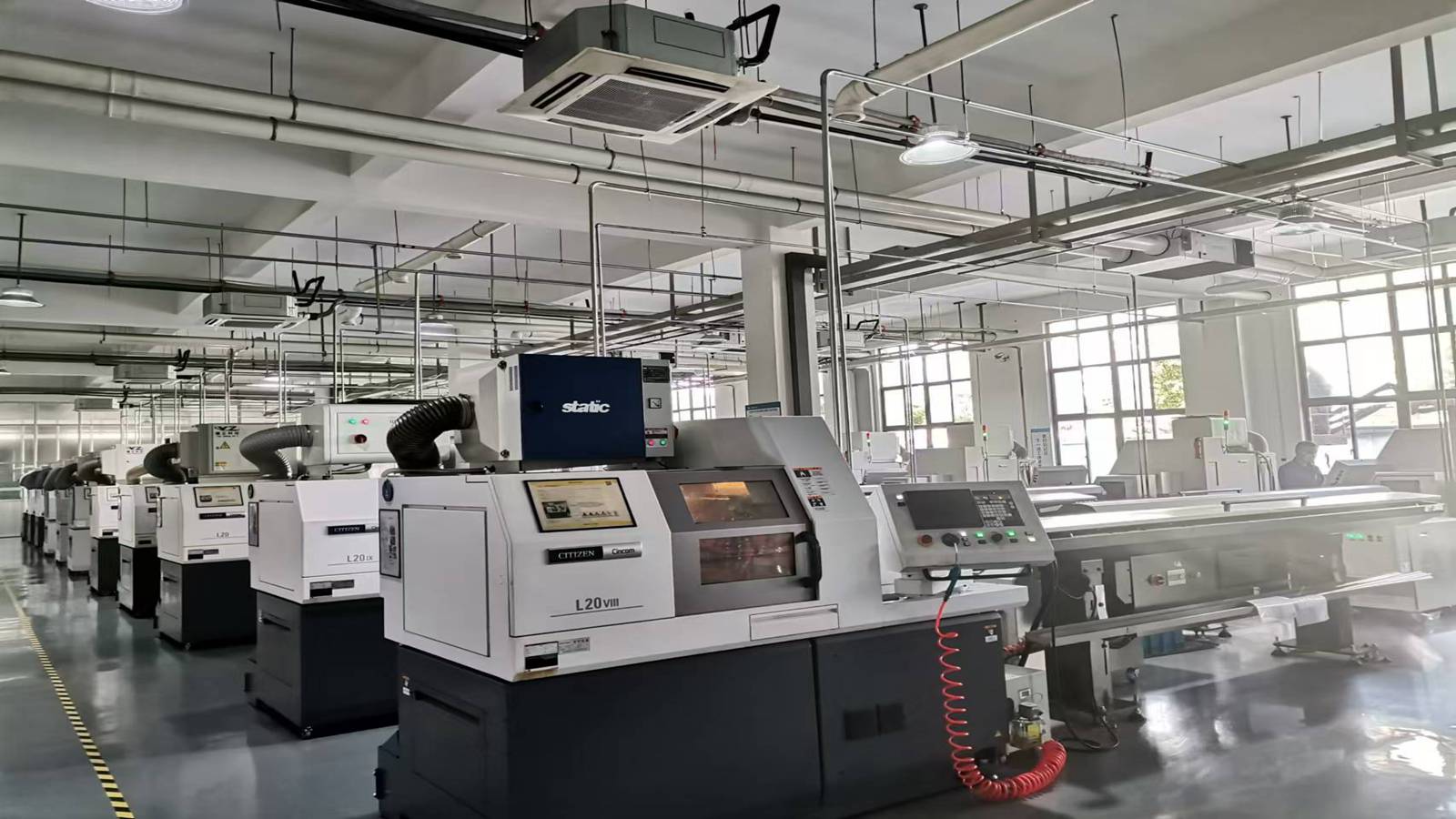
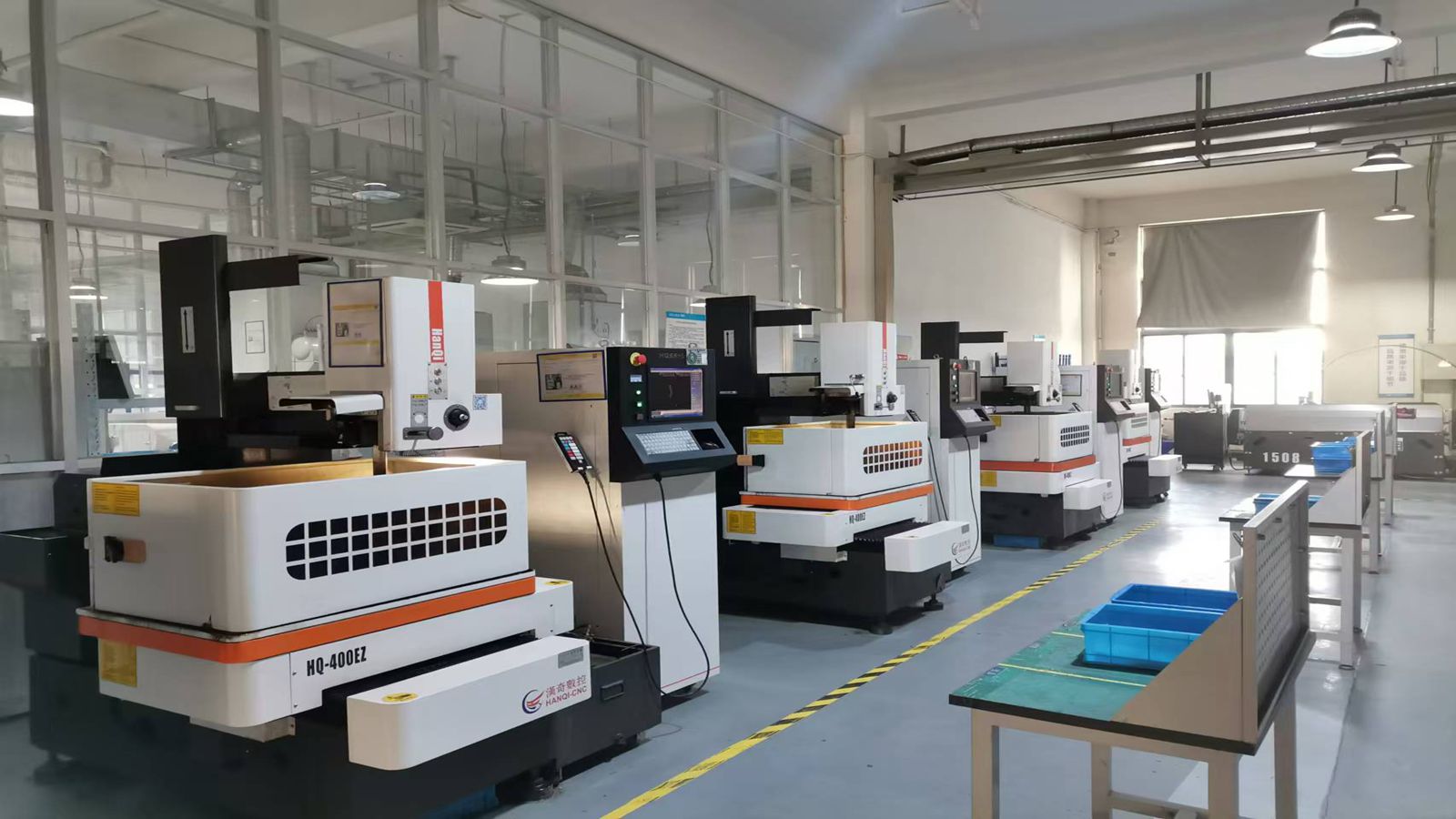
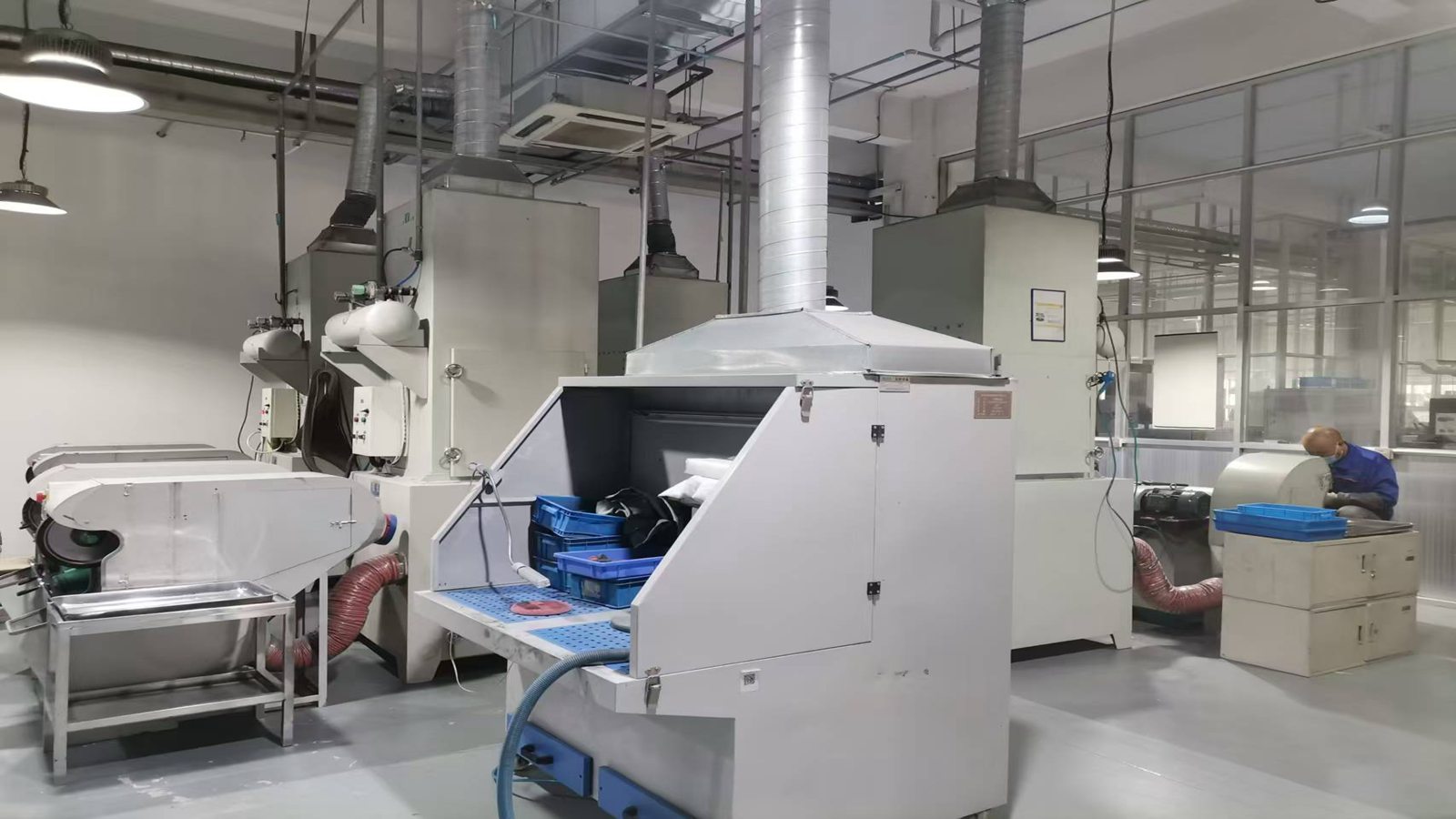
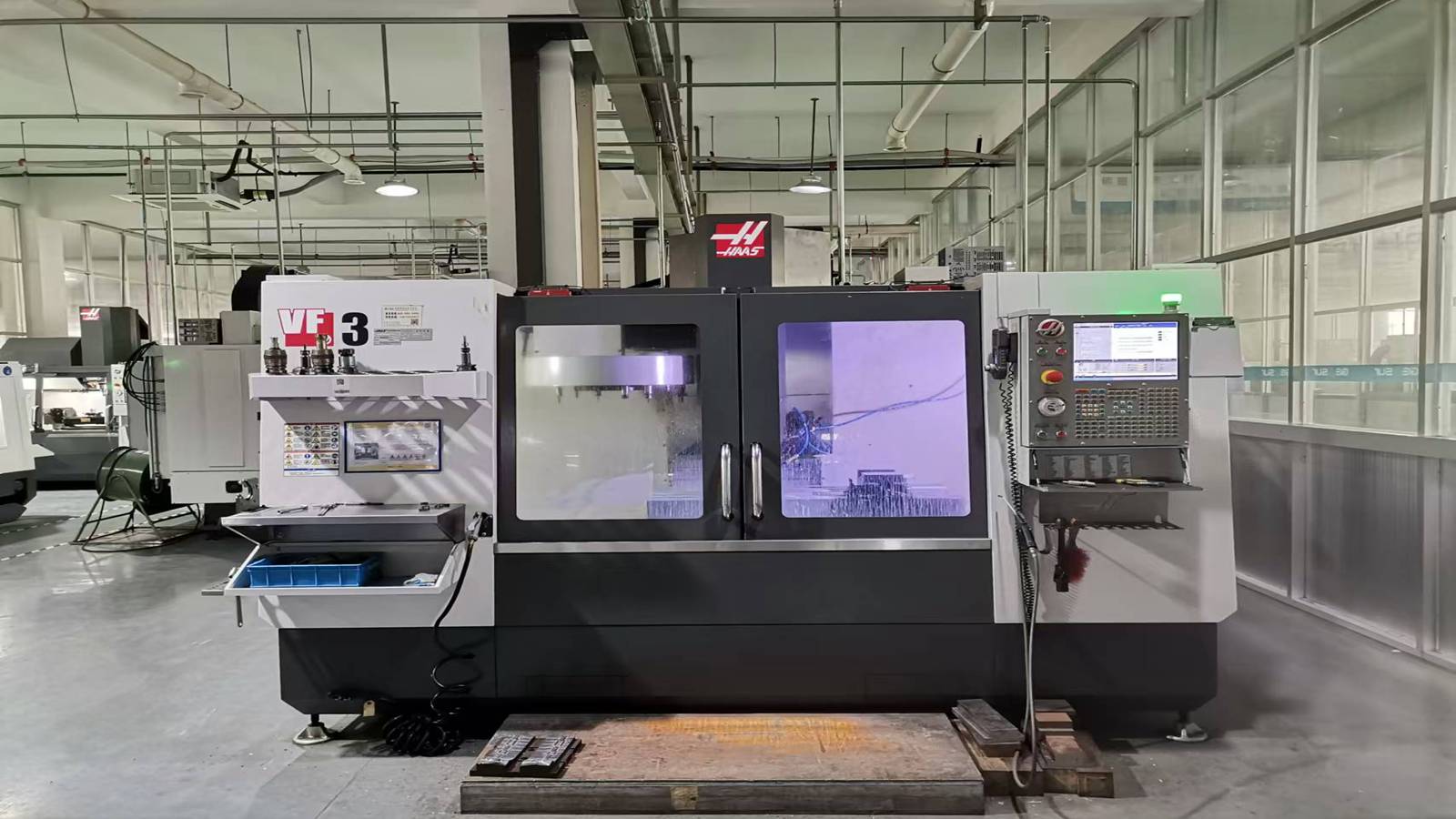
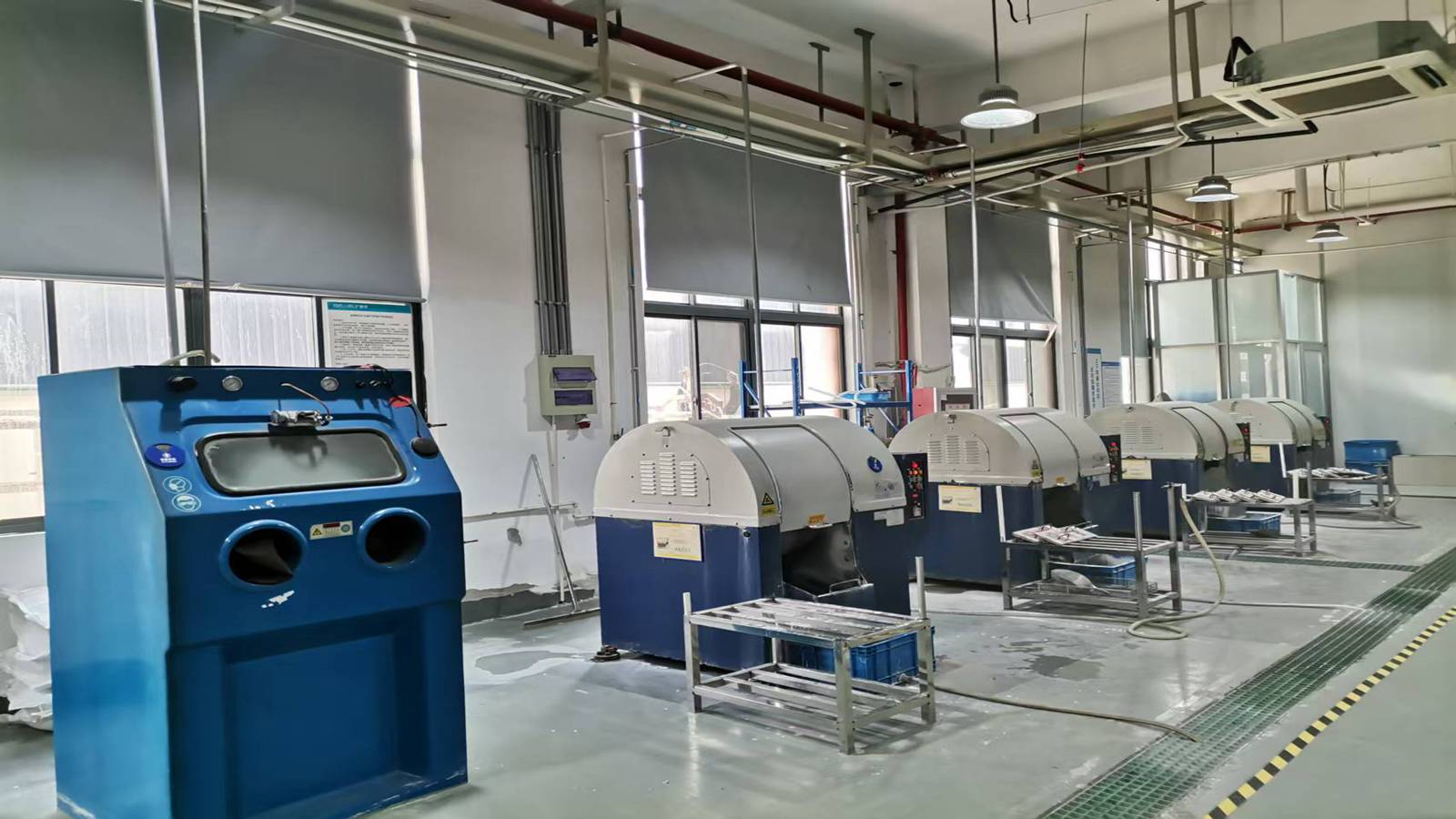
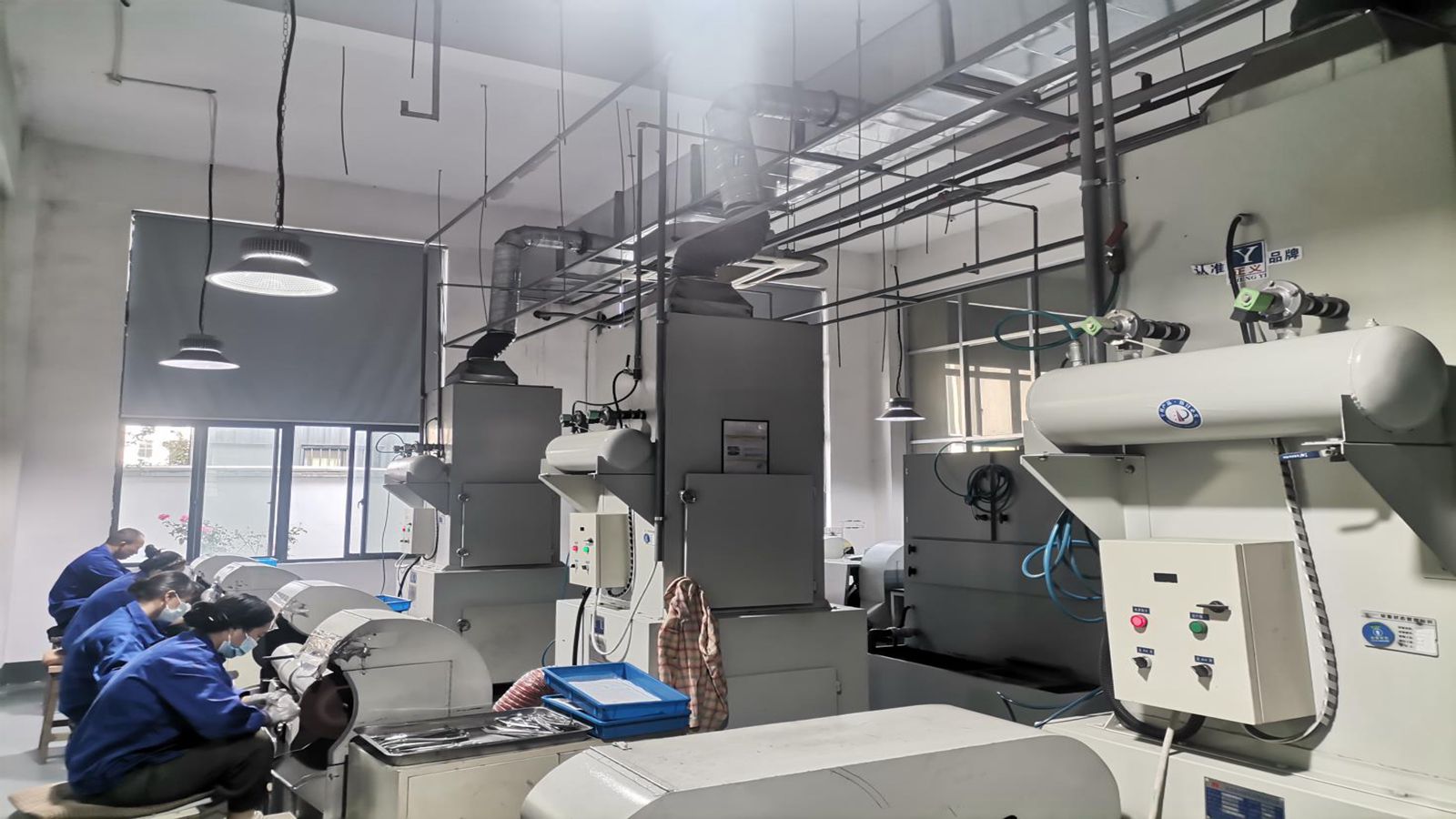
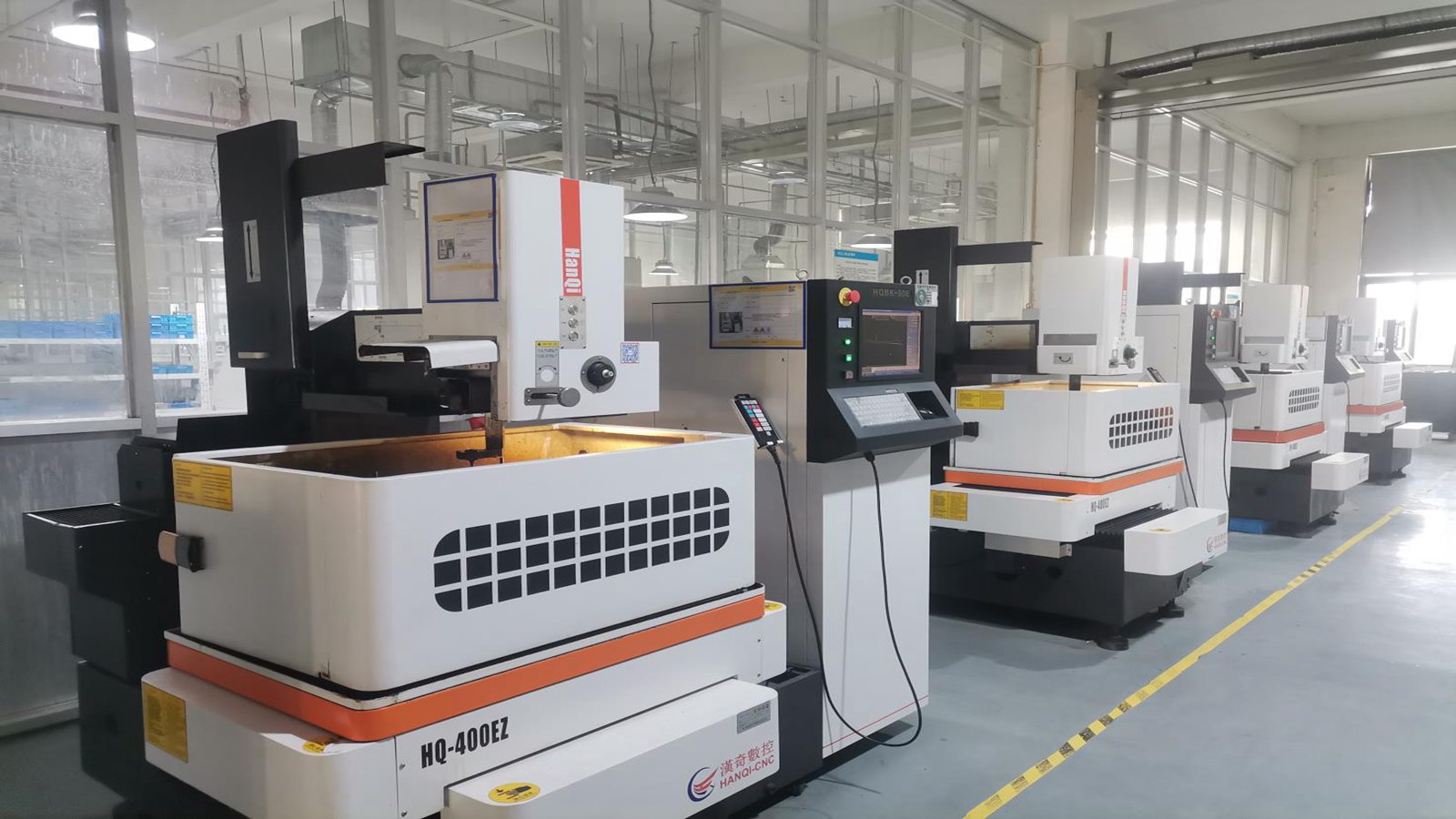
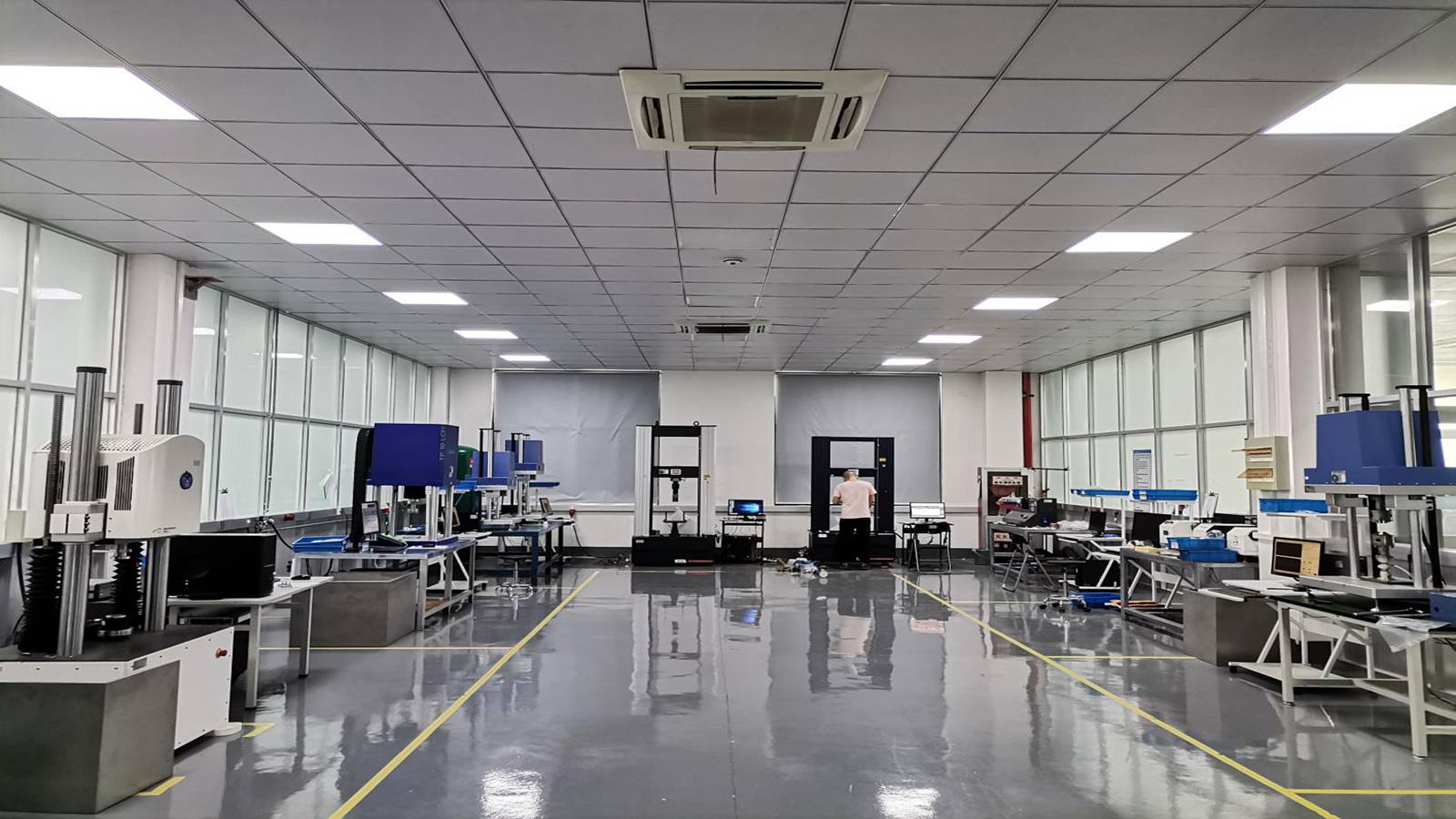
As a leading OEM/ODM partner, HBM Medical provides comprehensive, macro-level solutions tailored to the diverse needs of the global orthopedic market. We understand that different regions present unique clinical challenges, regulatory barriers, and commercial preferences.
We offer end-to-end customization services, including sample processing, graphic-based engineering, and customized-on-demand manufacturing. Whether you require modifications to stem geometry, specialized porous coatings, or custom-branded surgical instrumentation kits, our R&D team can rapidly translate your concepts into clinical-grade products.
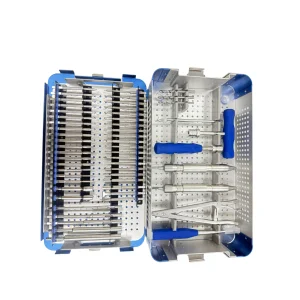
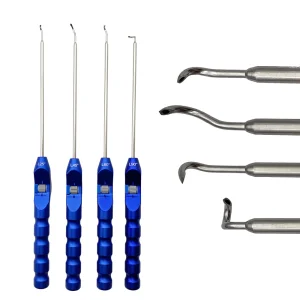
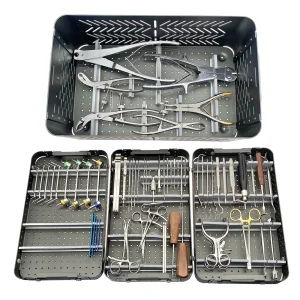
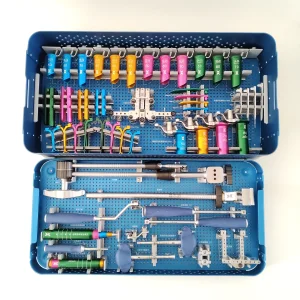
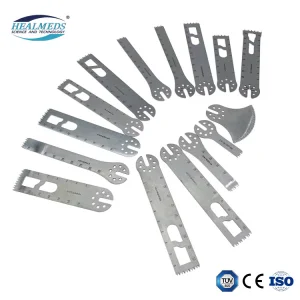
A successful joint replacement procedure relies heavily on the precision of the surgical instruments. HBM Medical manufactures complete, high-grade stainless steel and titanium surgical trial sets, cutting guides, and manual retractors. These instruments are engineered to ensure perfect alignment, precise bone cuts, and reproducible clinical outcomes.
Get answers to the most common questions regarding material standards, quality control, regulatory compliance, and wholesale partnerships.
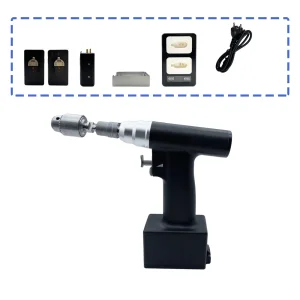
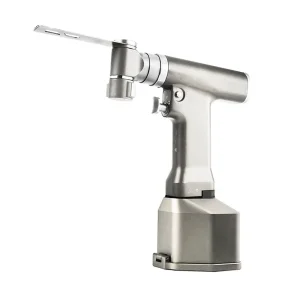
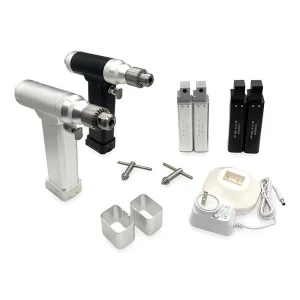
From veterinary trauma systems to advanced human spinal instrumentation, HBM Medical delivers precision-engineered clinical solutions.
 HBM Medical