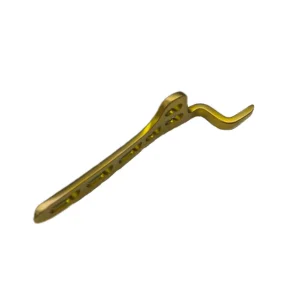
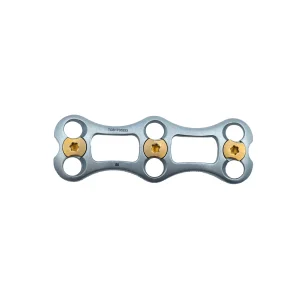
In the modern era of orthopedic surgery, the clinical demand for high-performance internal fixation systems has grown exponentially. Titanium locking plates have emerged as the gold standard for treating complex fractures, osteotomies, and non-unions. Unlike traditional dynamic compression plates, locking plate systems act as internal fixators, preserving the periosteal blood supply and providing superior mechanical stability, particularly in osteoporotic bone or comminuted fractures.
The global market for orthopedic implants is undergoing a significant paradigm shift. As healthcare systems worldwide grapple with aging populations and rising trauma cases from industrialization and transport, the demand for cost-effective, high-quality titanium locking plates has surged. China has established itself as a premier global hub for medical device manufacturing, combining advanced metallurgical engineering, state-of-the-art CNC machining, and stringent regulatory compliance to supply international markets with premium-grade implants.
Information Gain Insight: Modern clinical literature demonstrates that locking plates reduce the rate of implant failure in osteoporotic bone by up to 40% compared to non-locking systems. This is achieved by converting the loading forces from shear stress to compressive stress across the bone-plate interface.
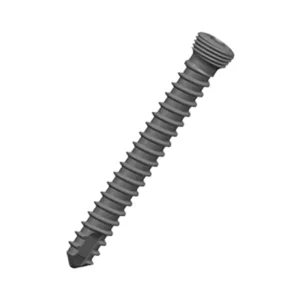
The primary engineering advantage of titanium locking plates lies in the fixed-angle stability. The screw head threads directly into the plate, creating a rigid construct without requiring the plate to be compressed tightly against the bone. This design preserves the vascularity of the periosteum, which is critical for rapid bone healing and reducing the risk of infection. Furthermore, Grade 5 Titanium (Ti-6Al-4V ELI) offers an elastic modulus closer to human cortical bone than stainless steel, significantly reducing stress shielding and promoting physiological bone remodeling.
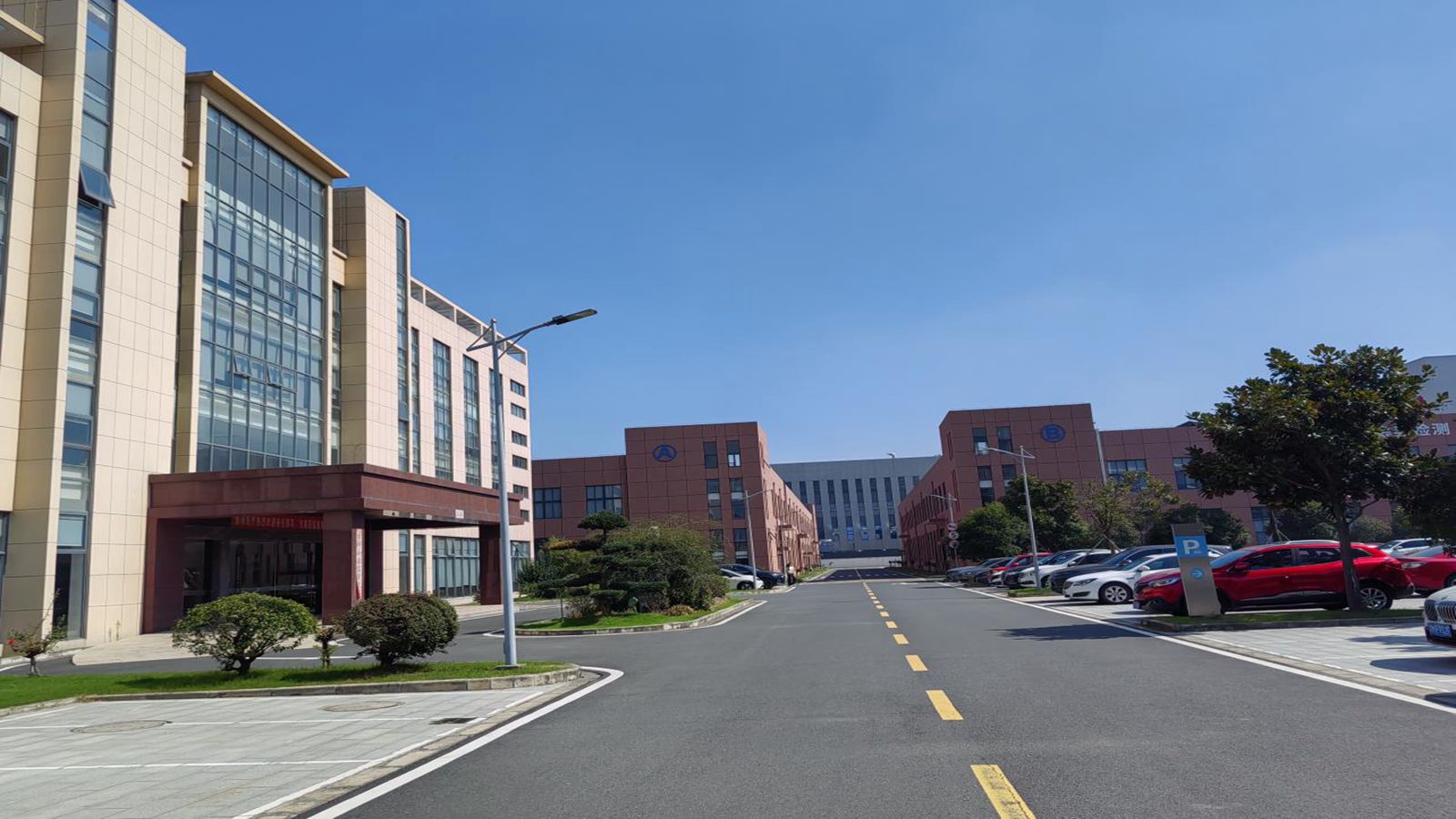
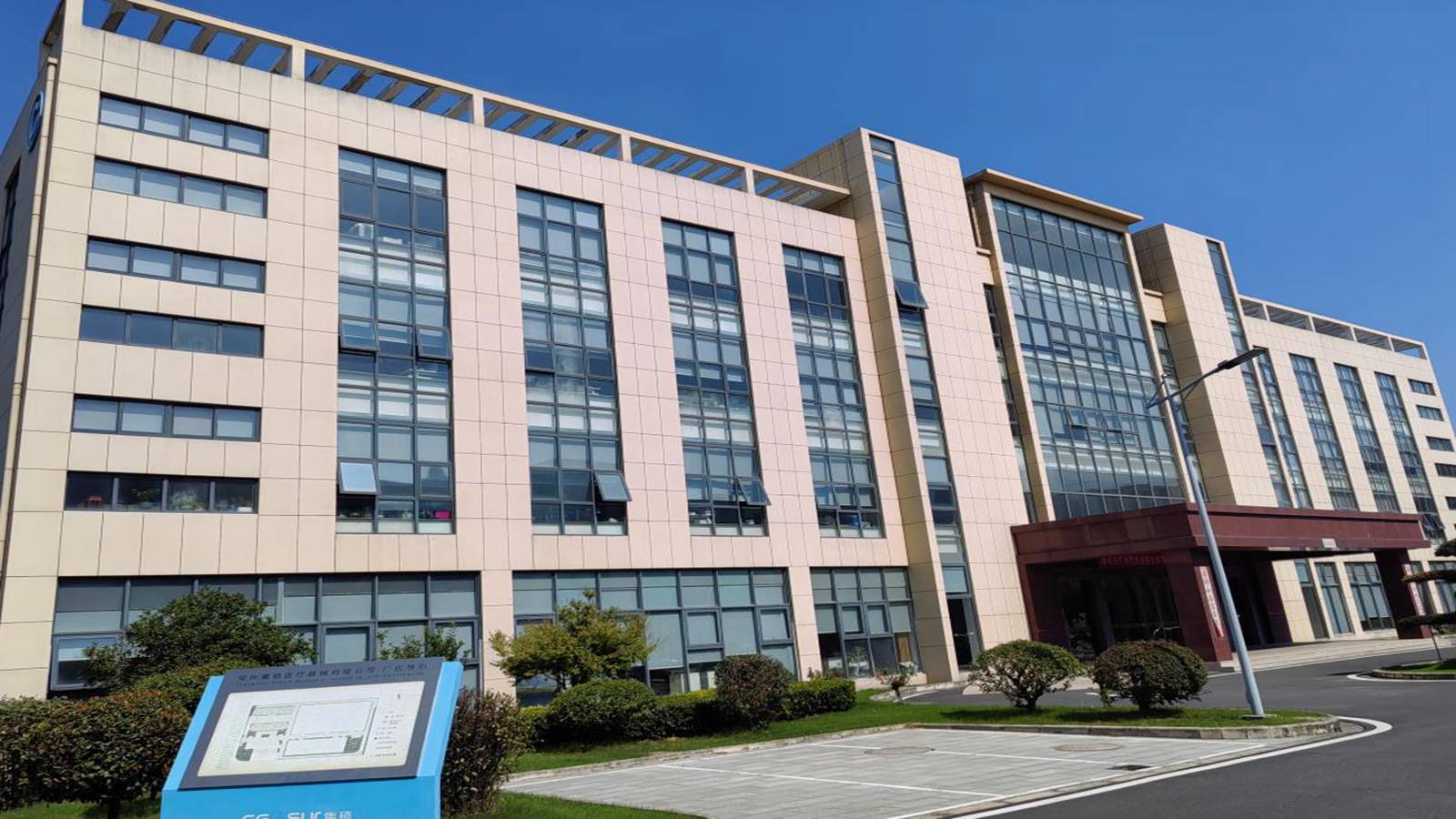
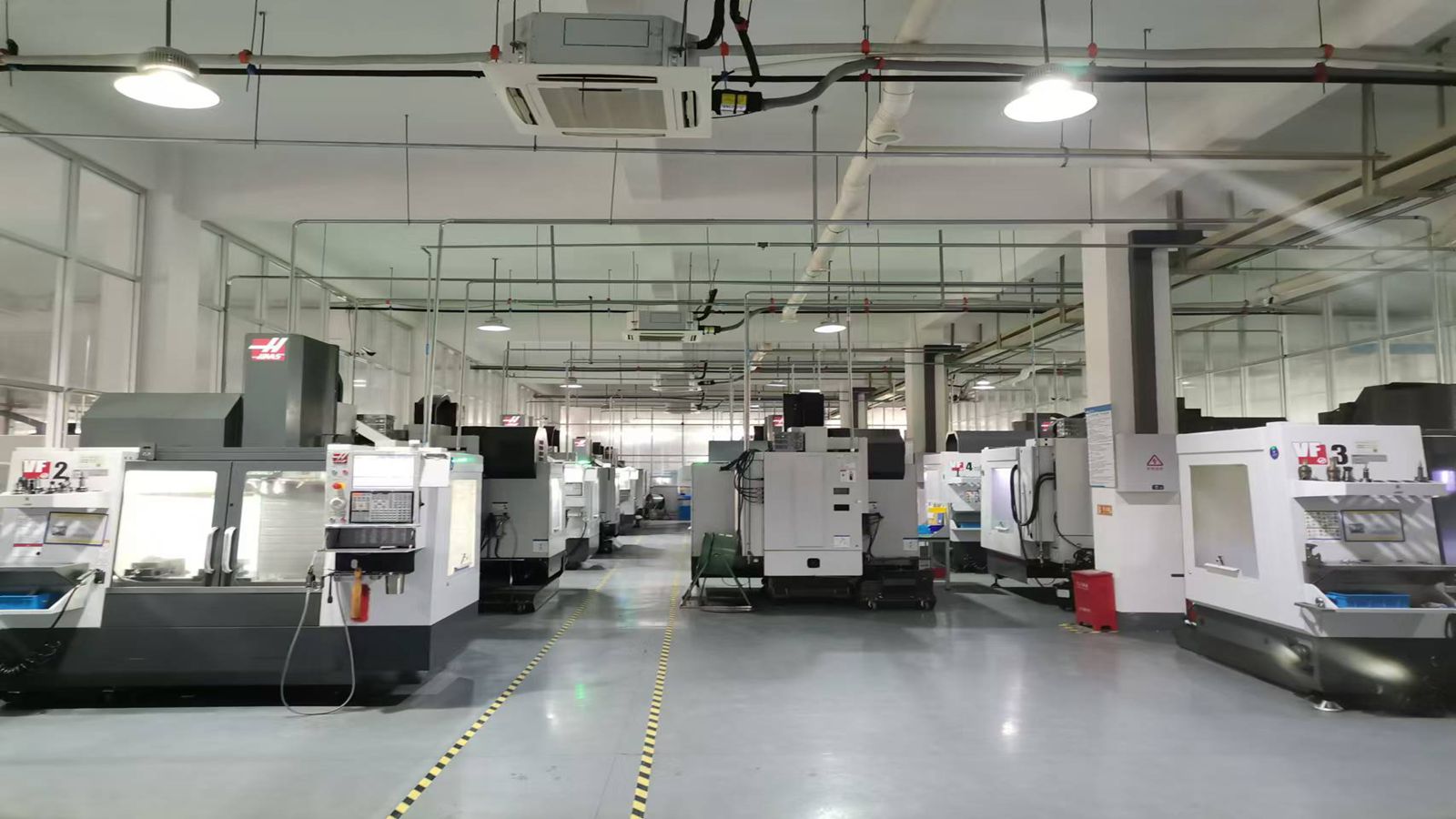
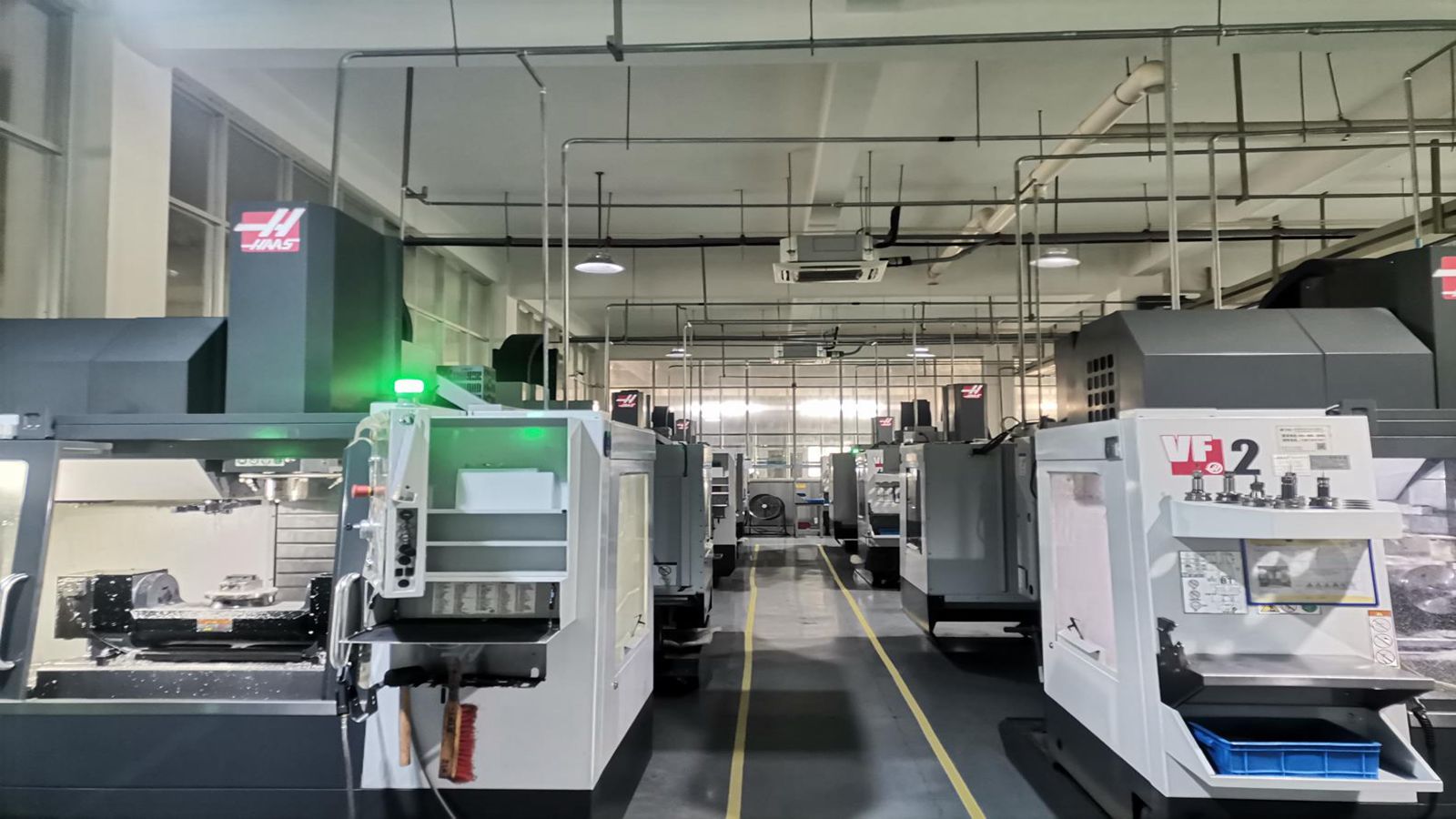
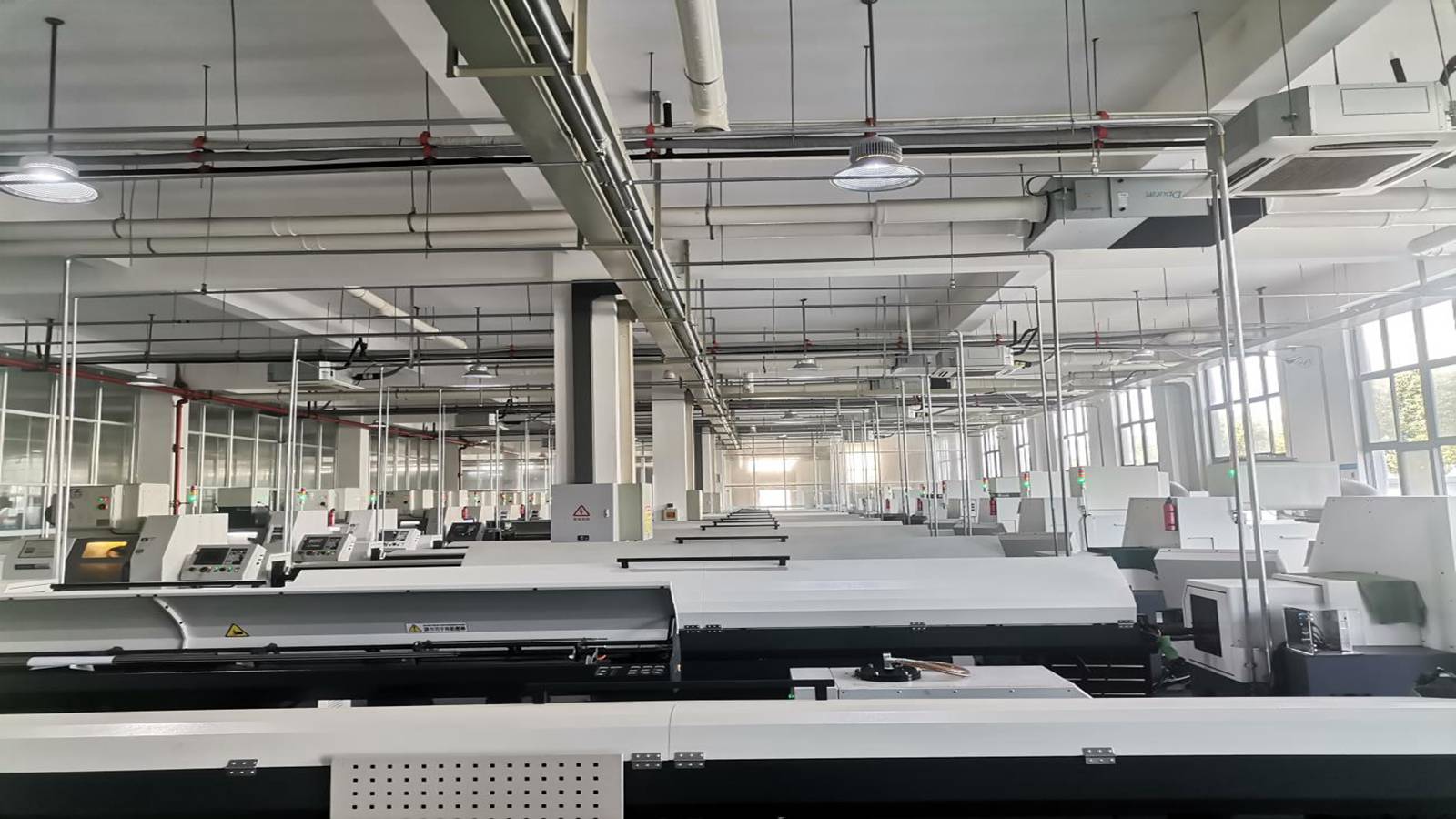
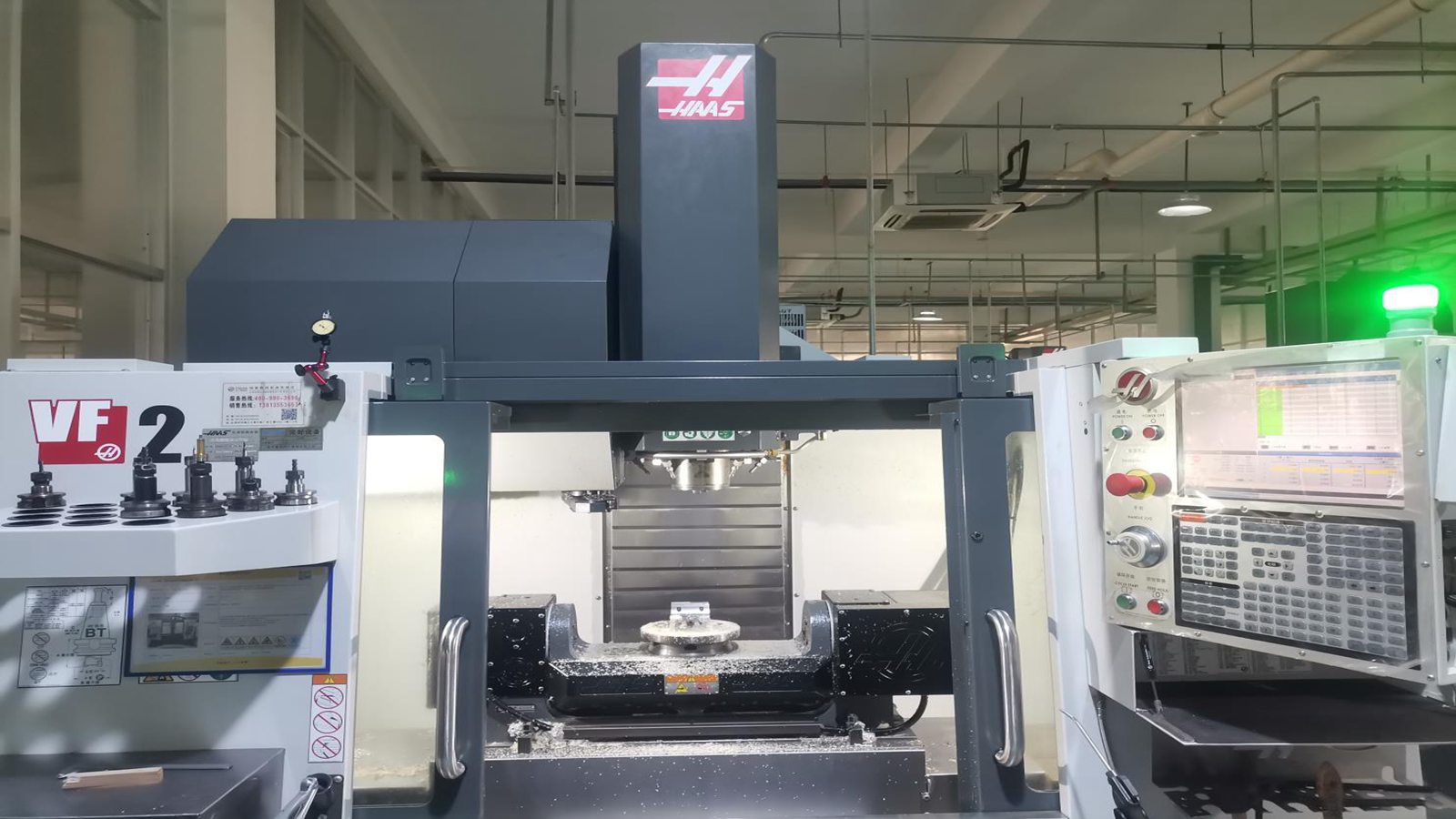
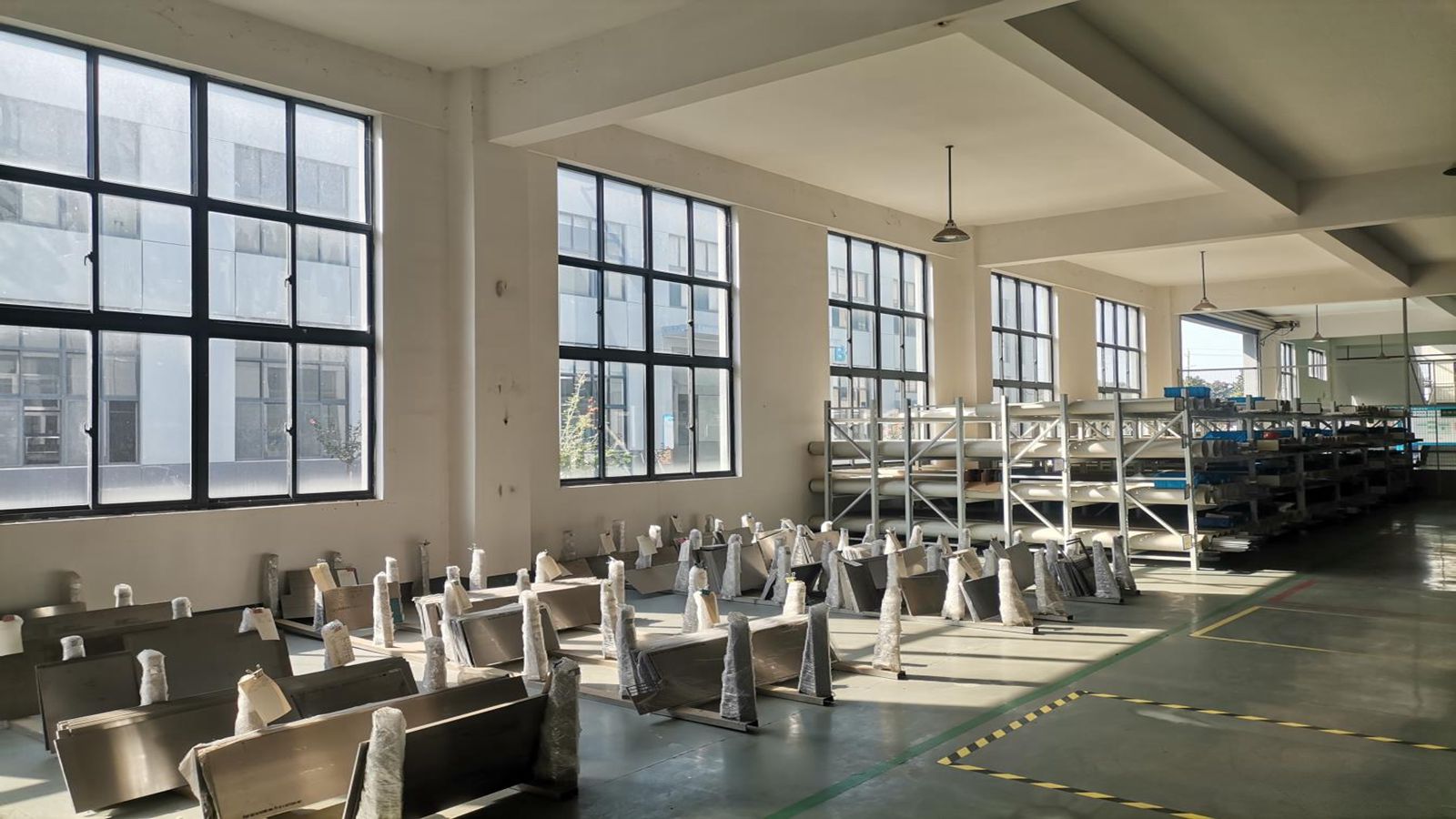
HBM Medical Apparatus And Instruments Co., Ltd. stands at the forefront of China's orthopedic medical equipment R&D and manufacturing sector. Established in 2015, the company has built a world-class production infrastructure designed to meet the rigorous demands of international healthcare standards. With a production site spanning over 30,000 square meters and equipped with more than 350 advanced processing and testing instruments, HBM Medical ensures unparalleled precision in every implant produced.
Our manufacturing capabilities are backed by a robust team of 31 dedicated R&D engineers, including 1 Doctorate, 11 Postgraduates, and 17 Graduates. This powerhouse of academic and practical expertise has driven the launch of 25 new innovative products in the last year alone, keeping HBM Medical at the cutting edge of orthopedic technology.
The future of orthopedic fixation lies in the integration of smart materials and personalized medicine. HBM Medical is actively researching and developing the next generation of titanium locking plates, focusing on three major technological frontiers:
Traditional subtractive manufacturing (CNC milling) is highly precise but limits the complexity of the implant geometry. By utilizing Selective Laser Melting (SLM) 3D printing, we can manufacture customized titanium locking plates with integrated porous structures that mimic trabecular bone. This promotes rapid osseointegration and allows for patient-specific anatomical matching, particularly useful in complex maxillofacial and oncological reconstructions.
Implant-associated infections remain a critical challenge in orthopedic trauma surgery. HBM's R&D team is pioneering the application of nanostructured silver, copper, and hydroxyapatite (HA) coatings on titanium surfaces. These coatings provide localized, sustained release of antimicrobial agents while simultaneously accelerating osteoblast proliferation, significantly reducing post-operative recovery times and infection rates.
While titanium remains the gold standard for load-bearing applications, the integration of magnesium alloys and smart sensor-embedded plates is on the horizon. These "smart implants" will be capable of monitoring real-time strain and healing progress, transmitting data wirelessly to clinicians to optimize post-operative rehabilitation protocols.
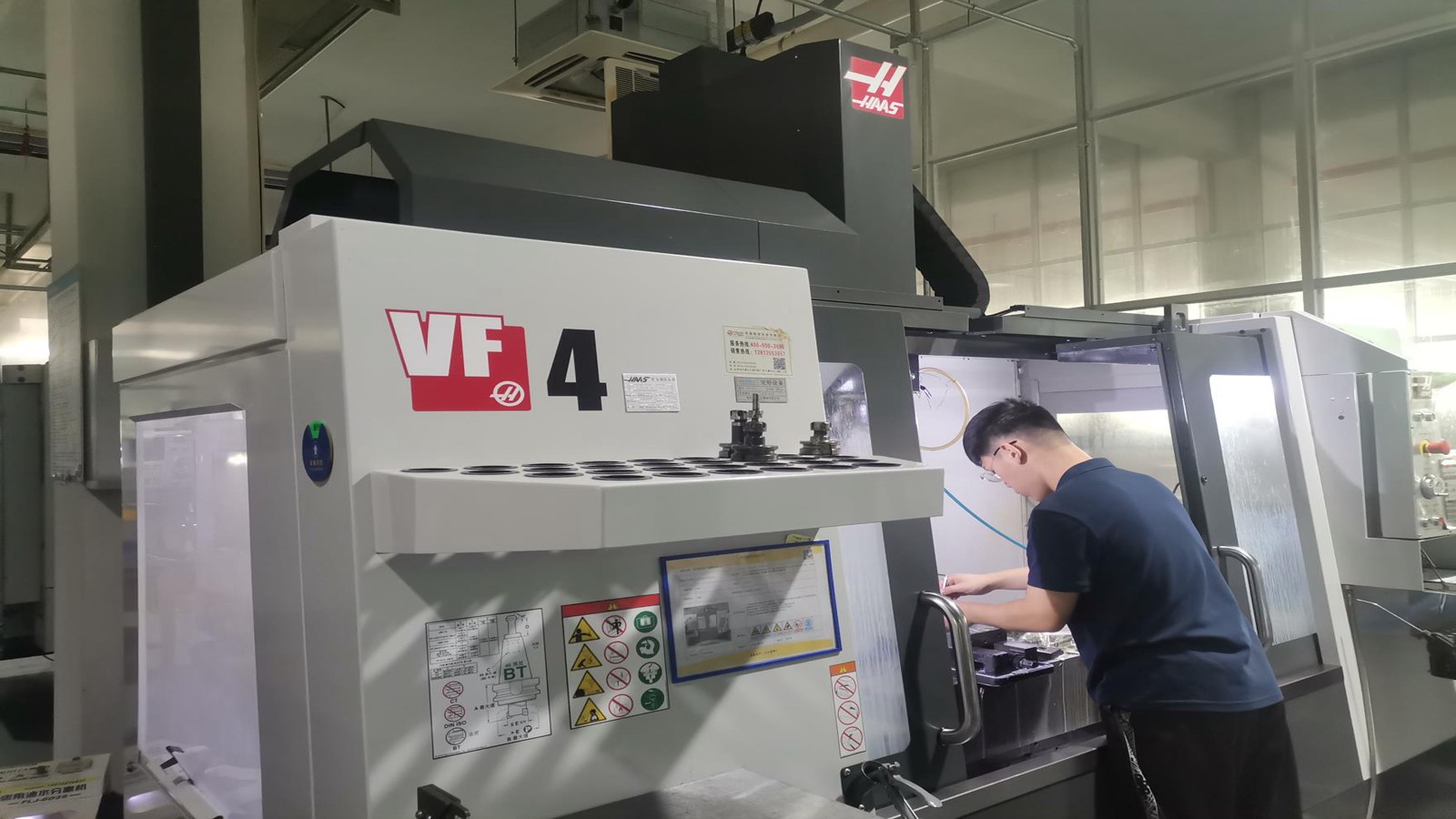
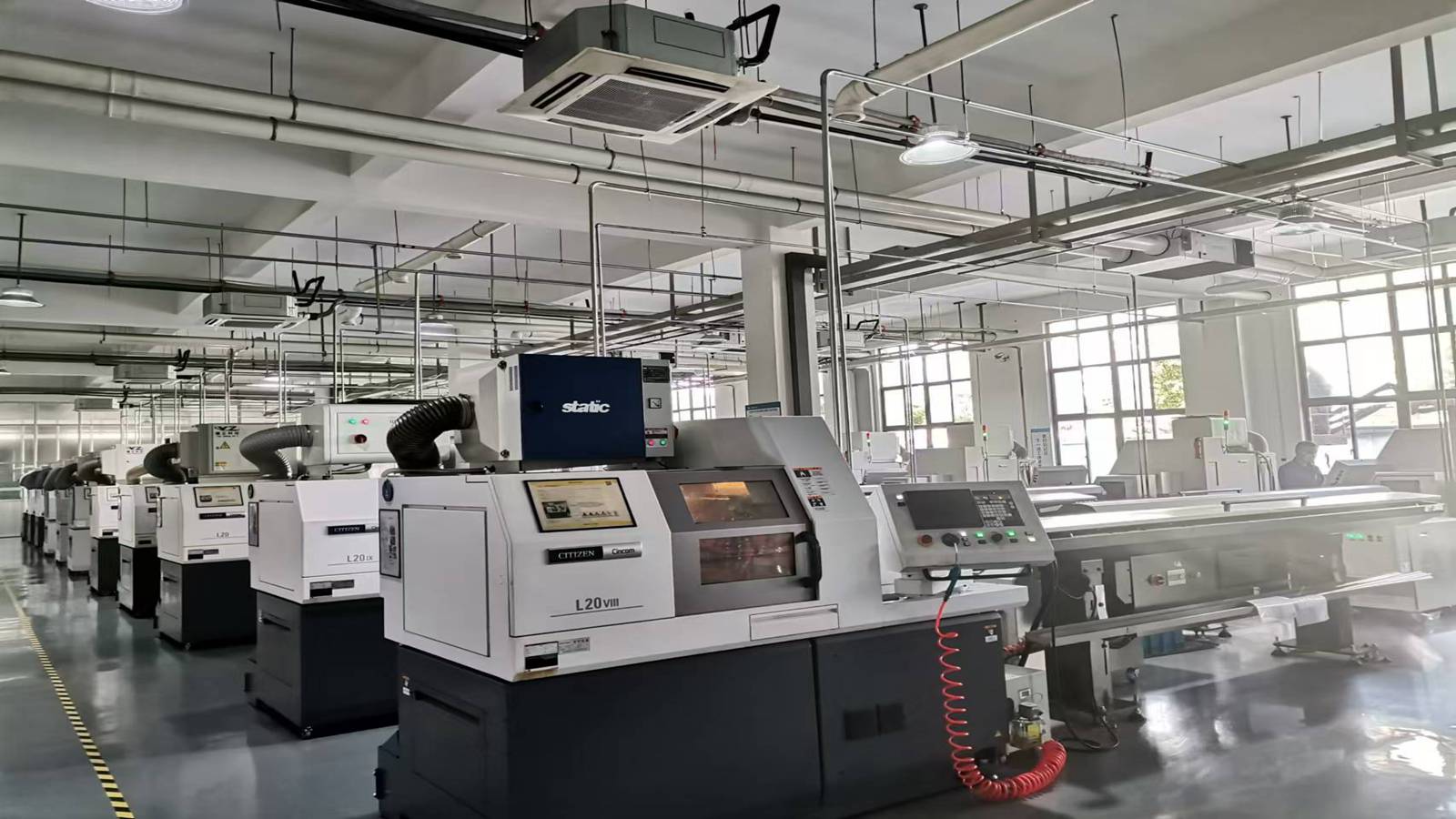
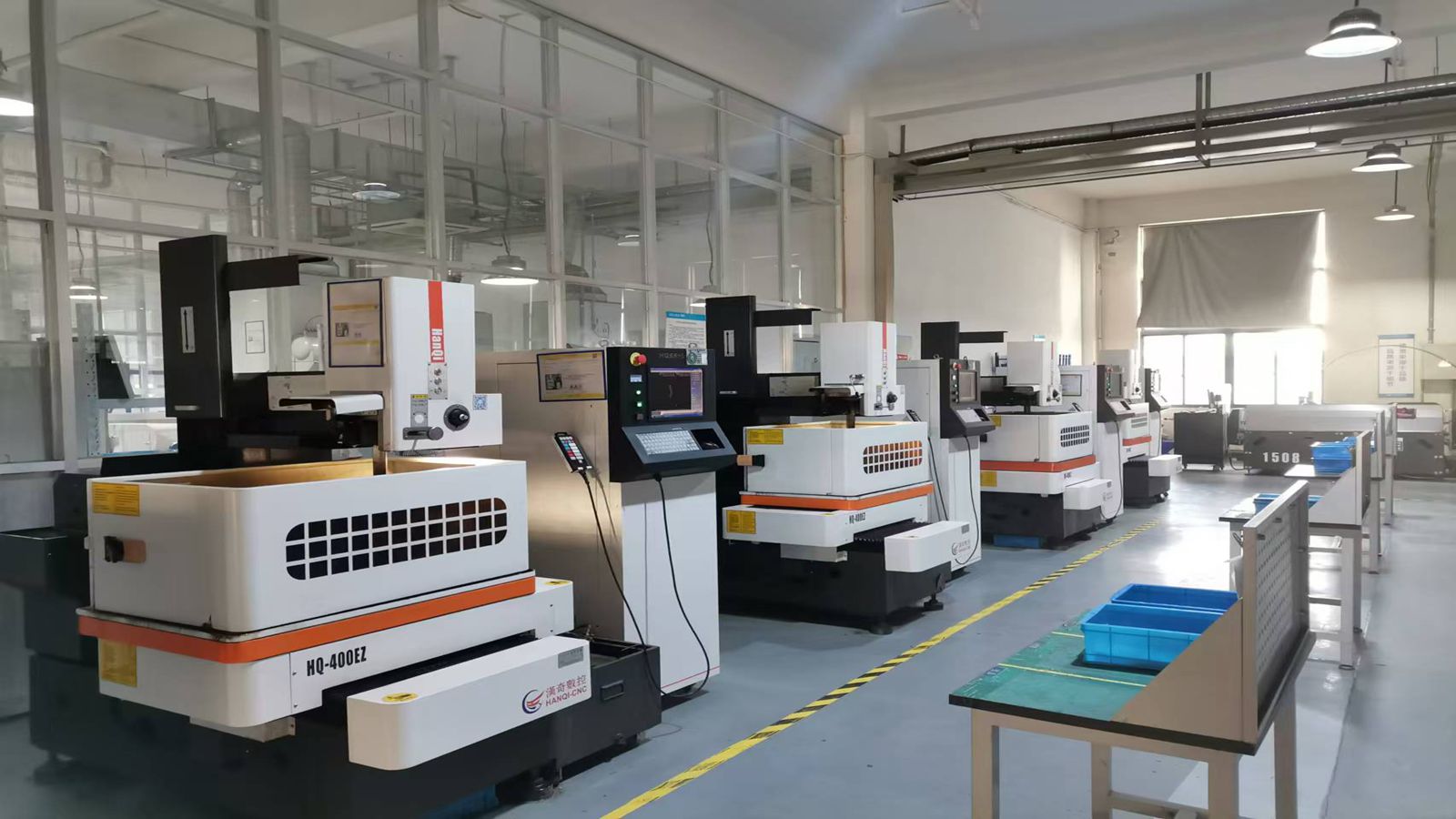
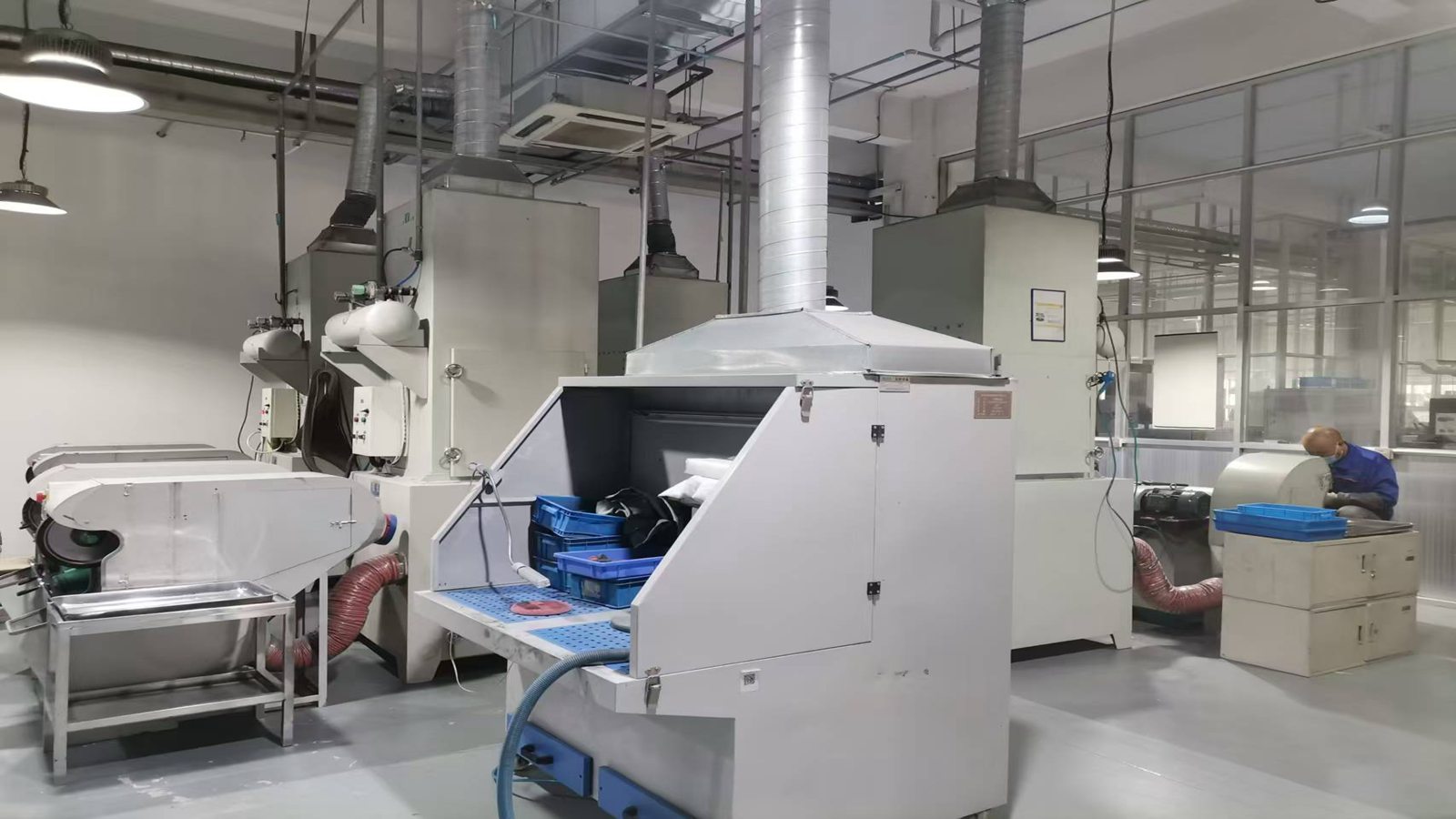
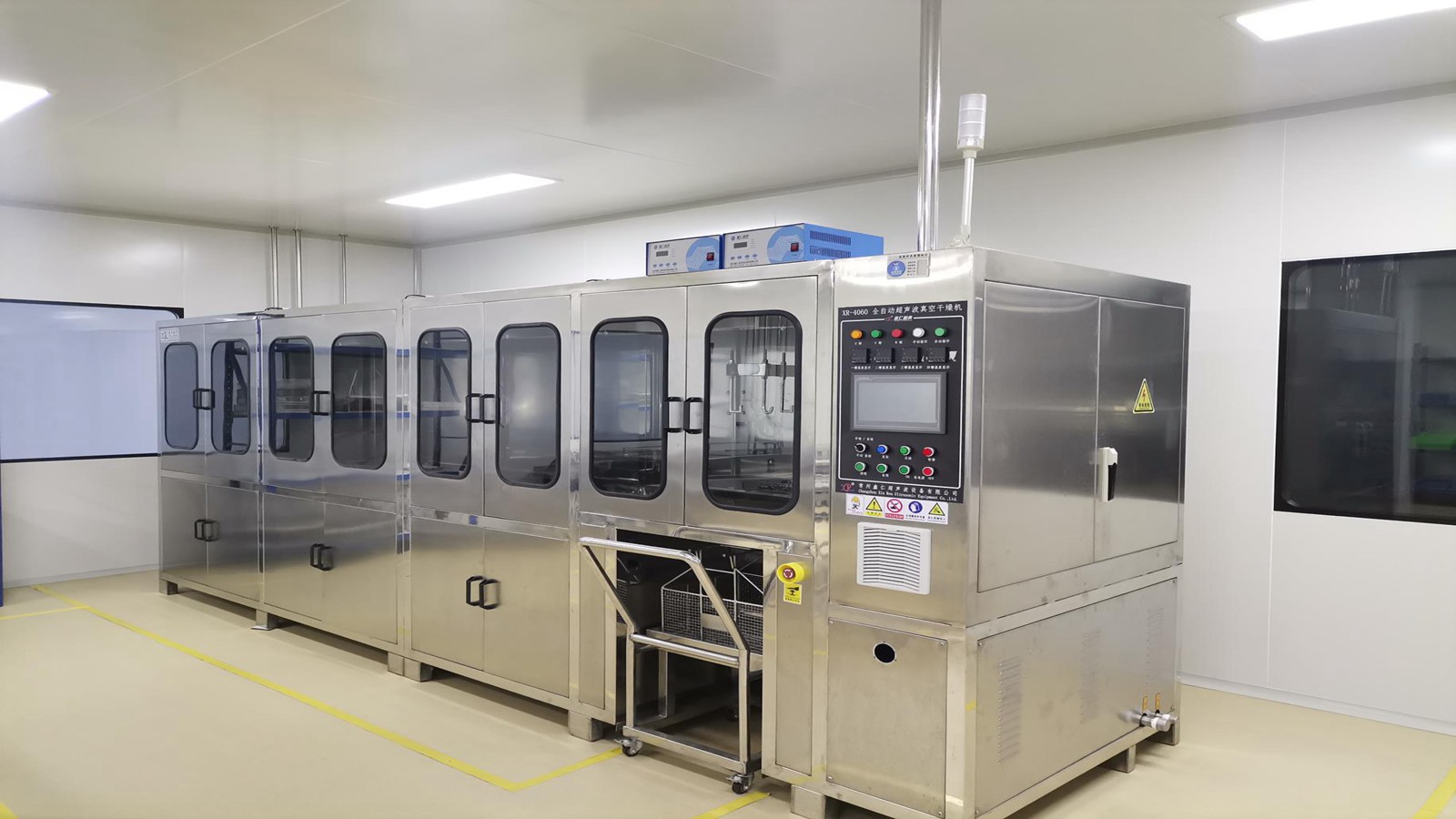
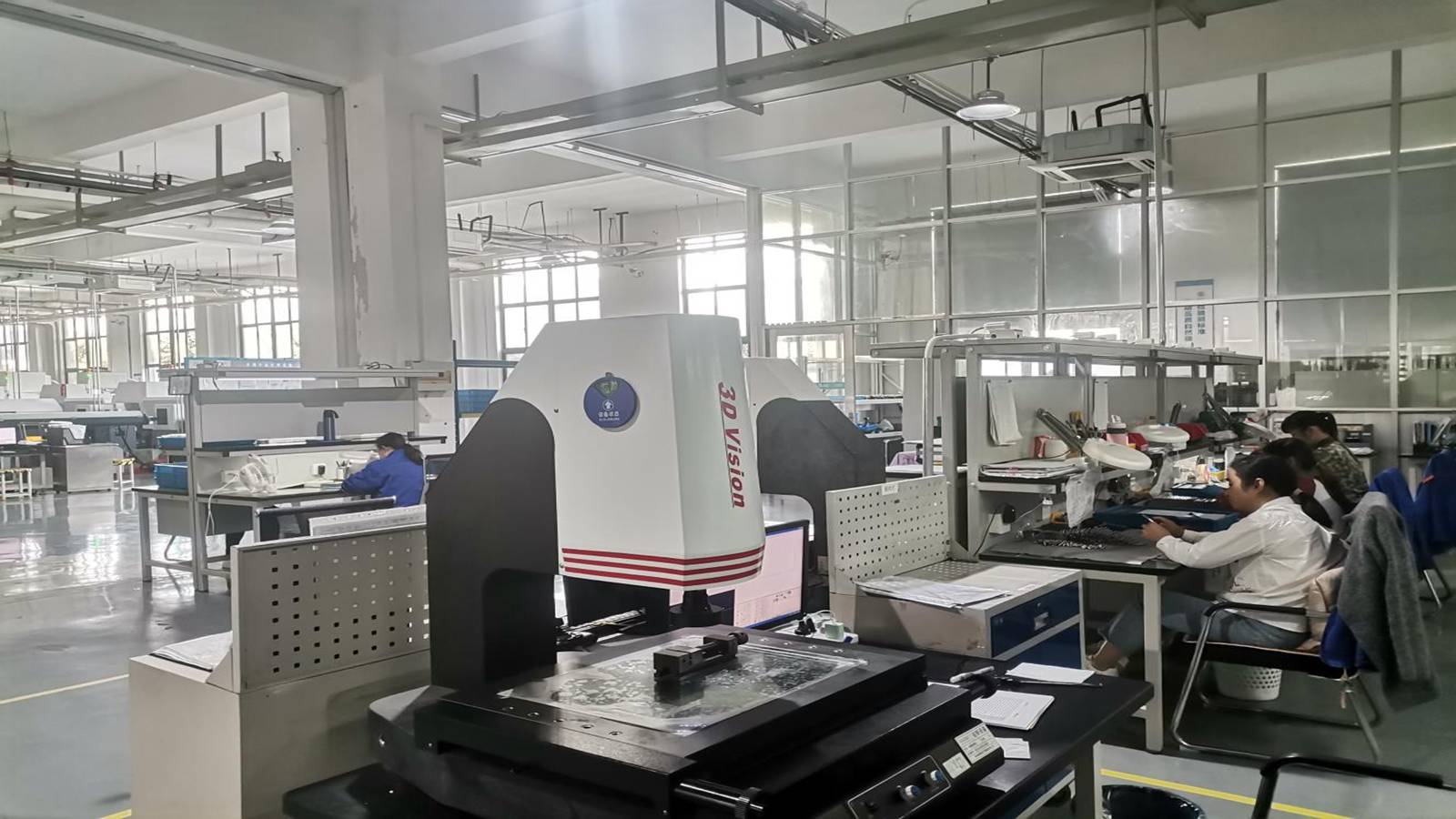
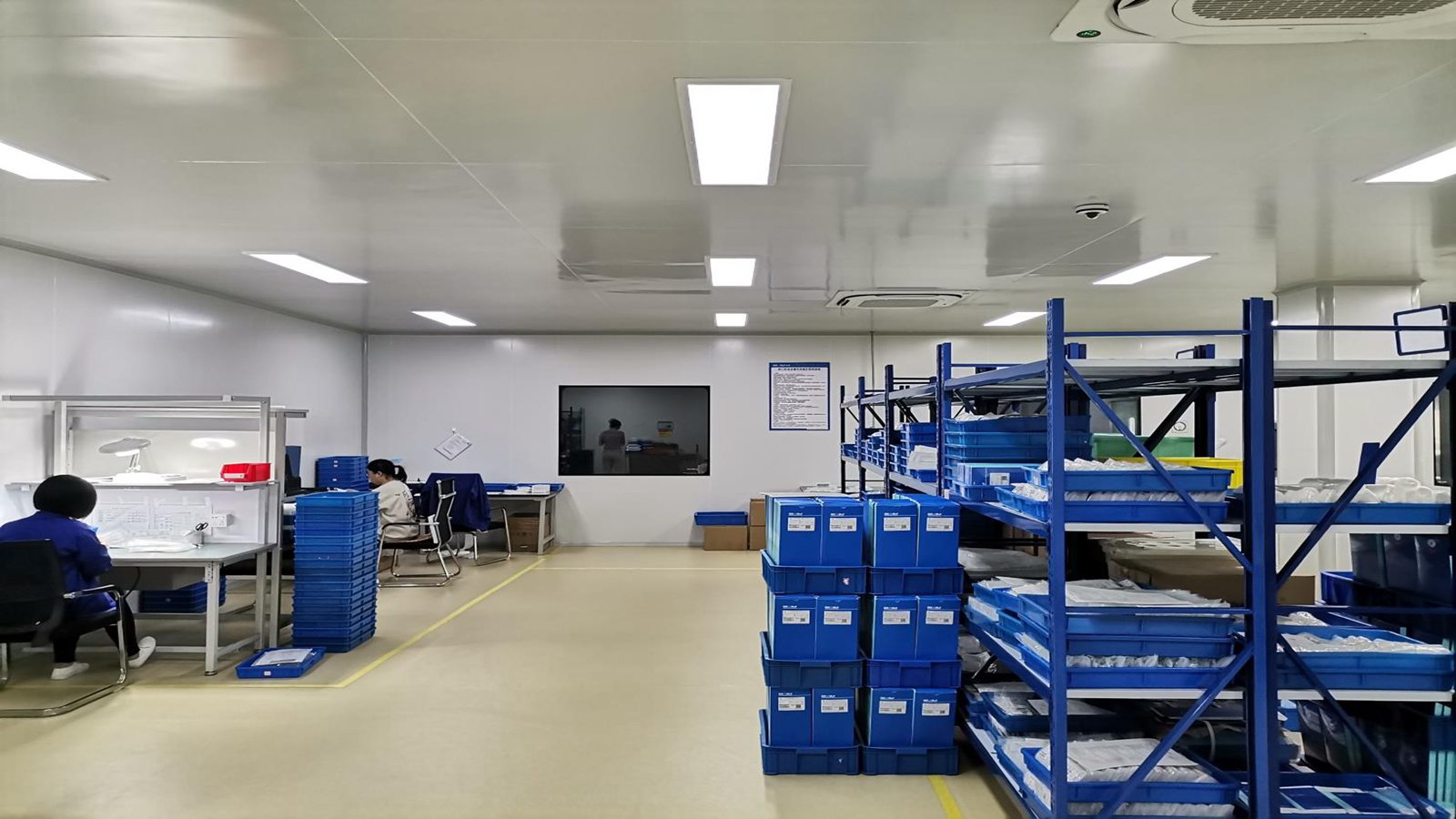
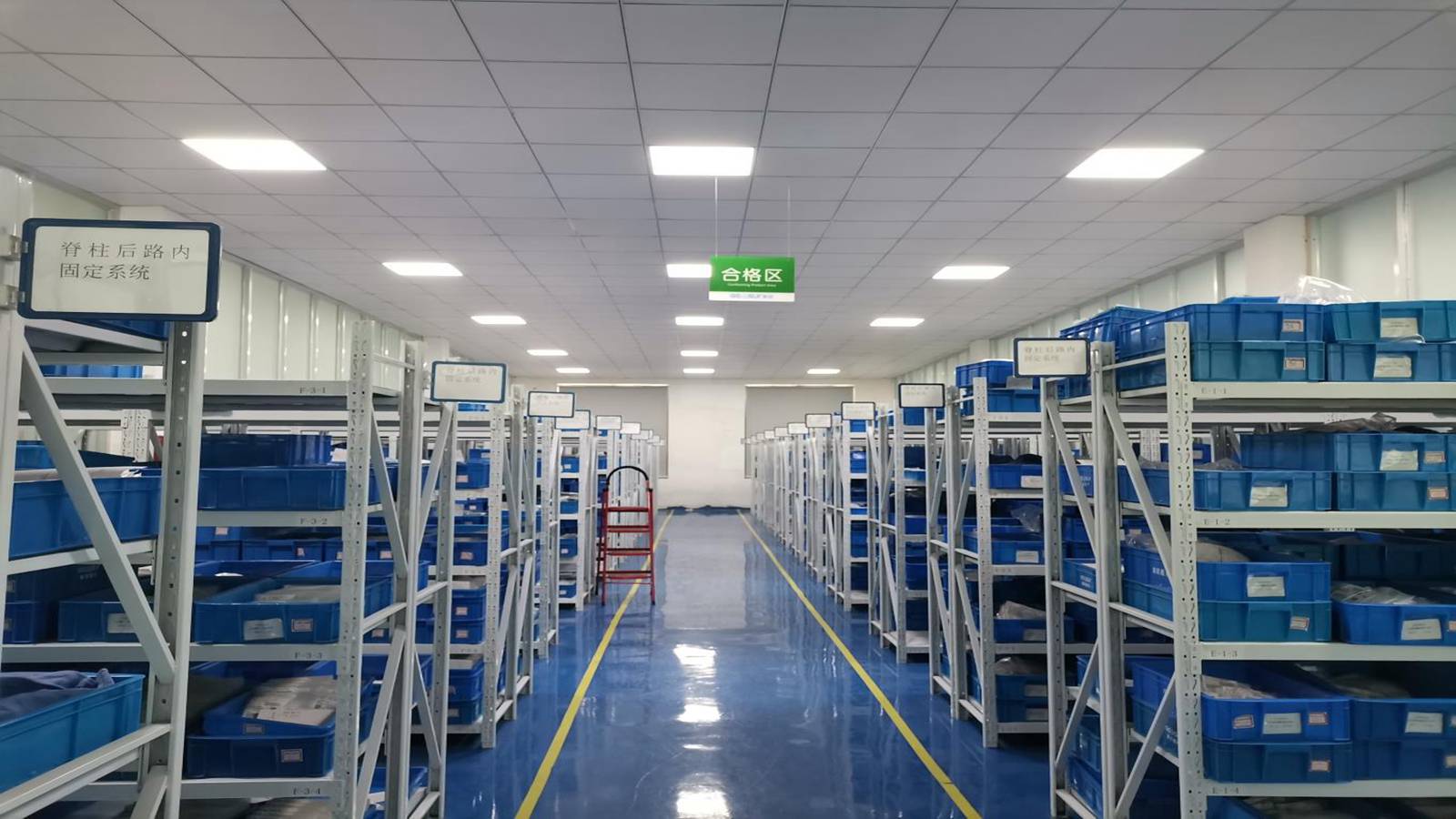
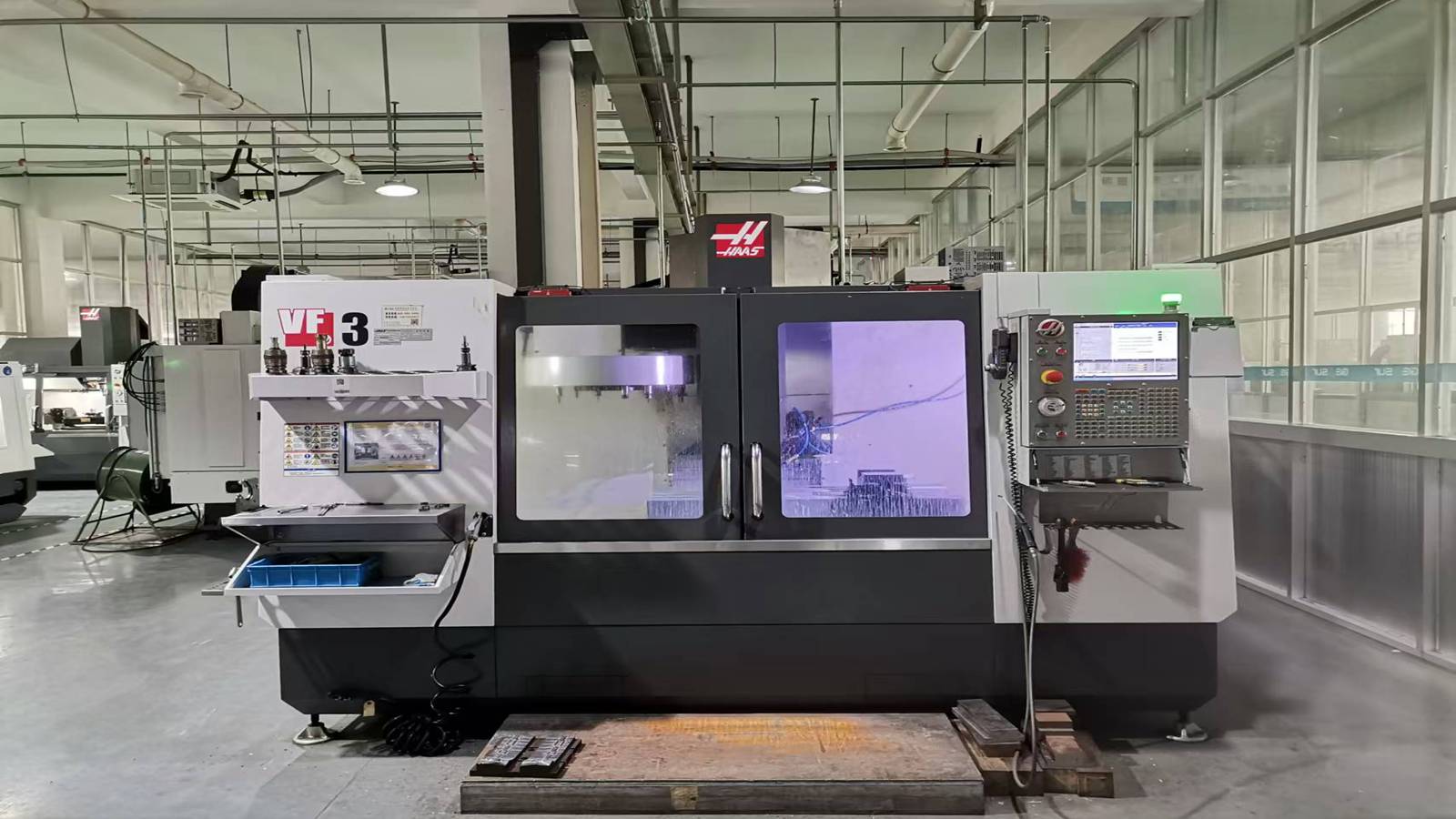
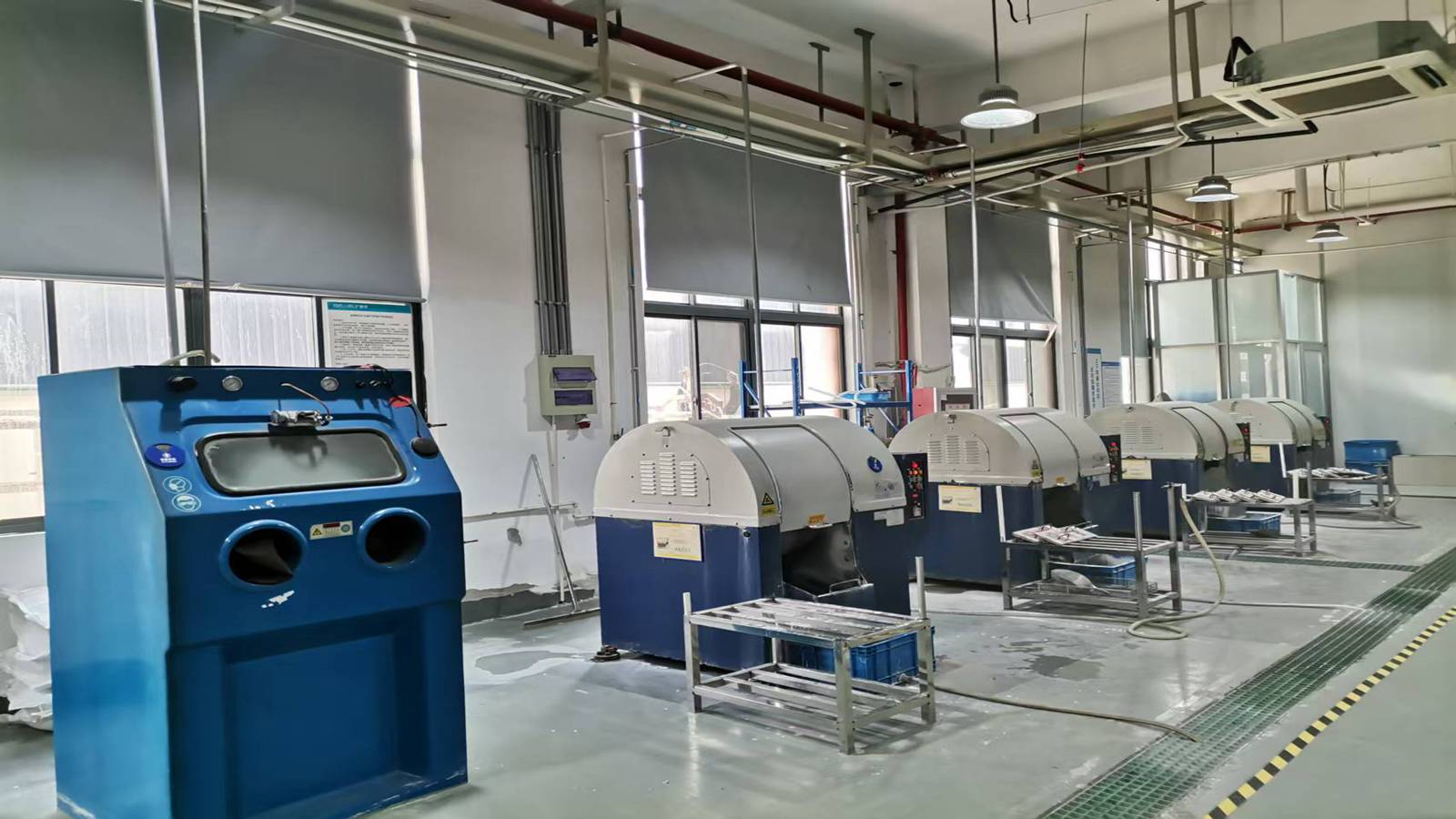
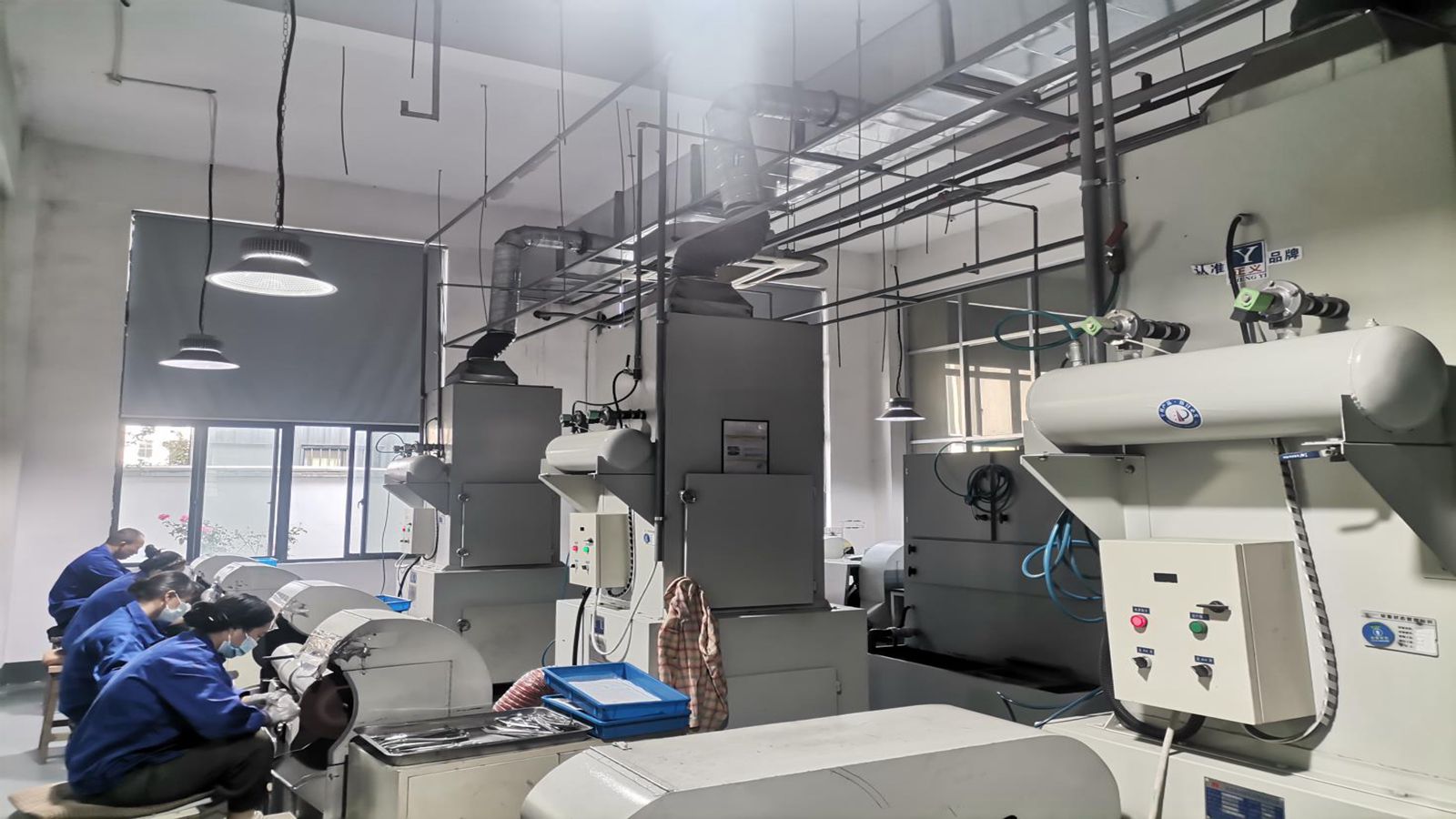
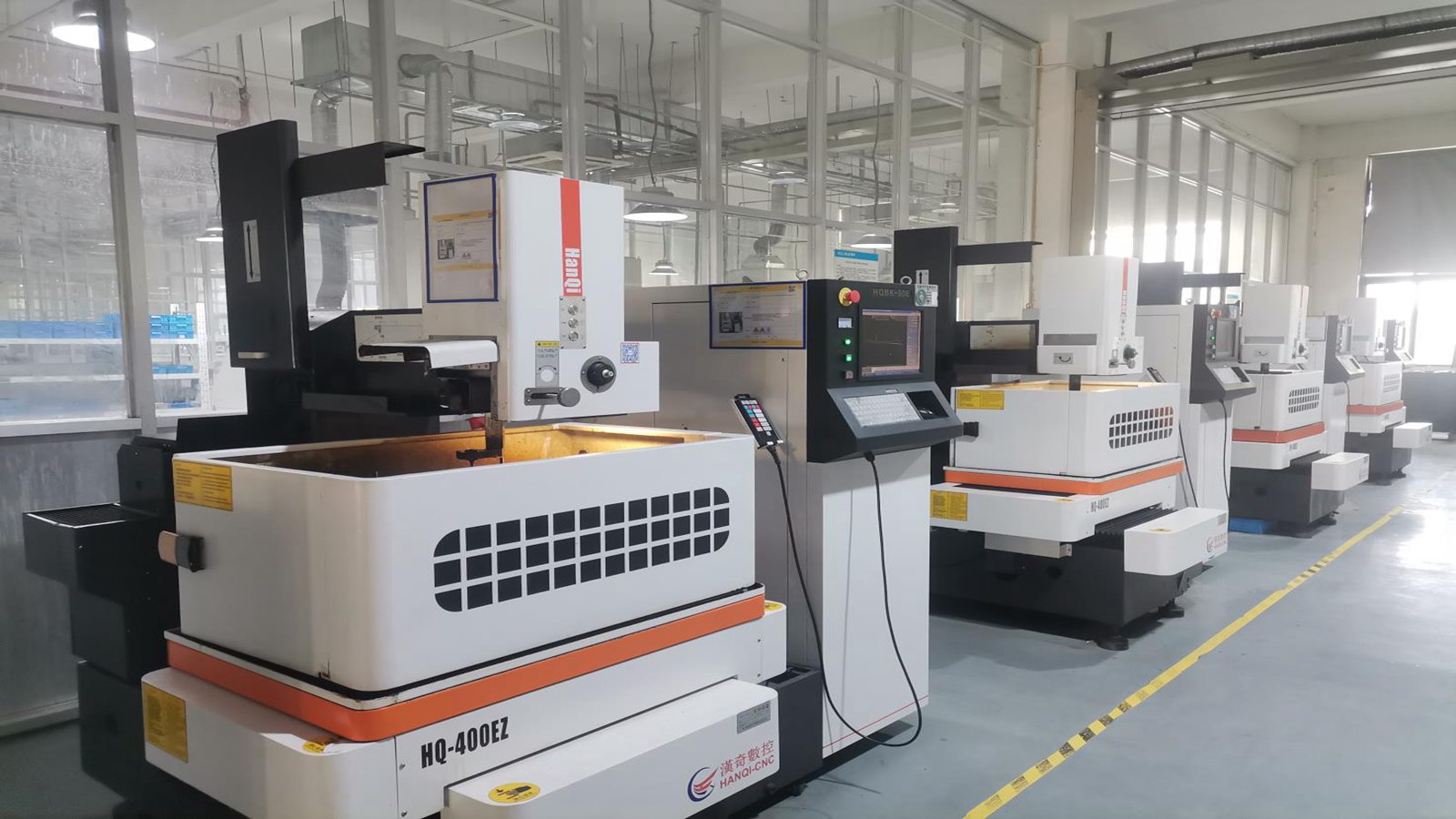
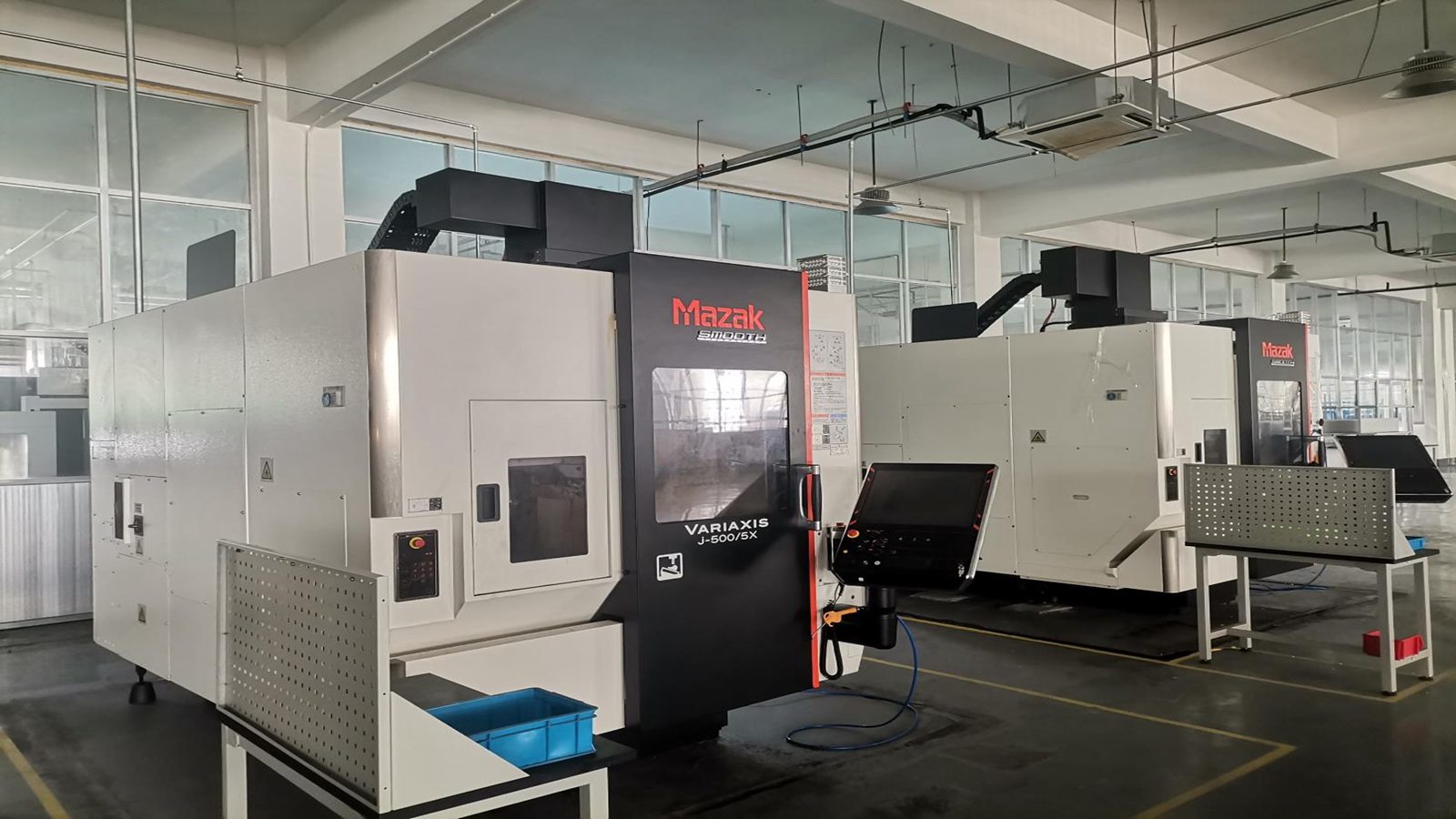
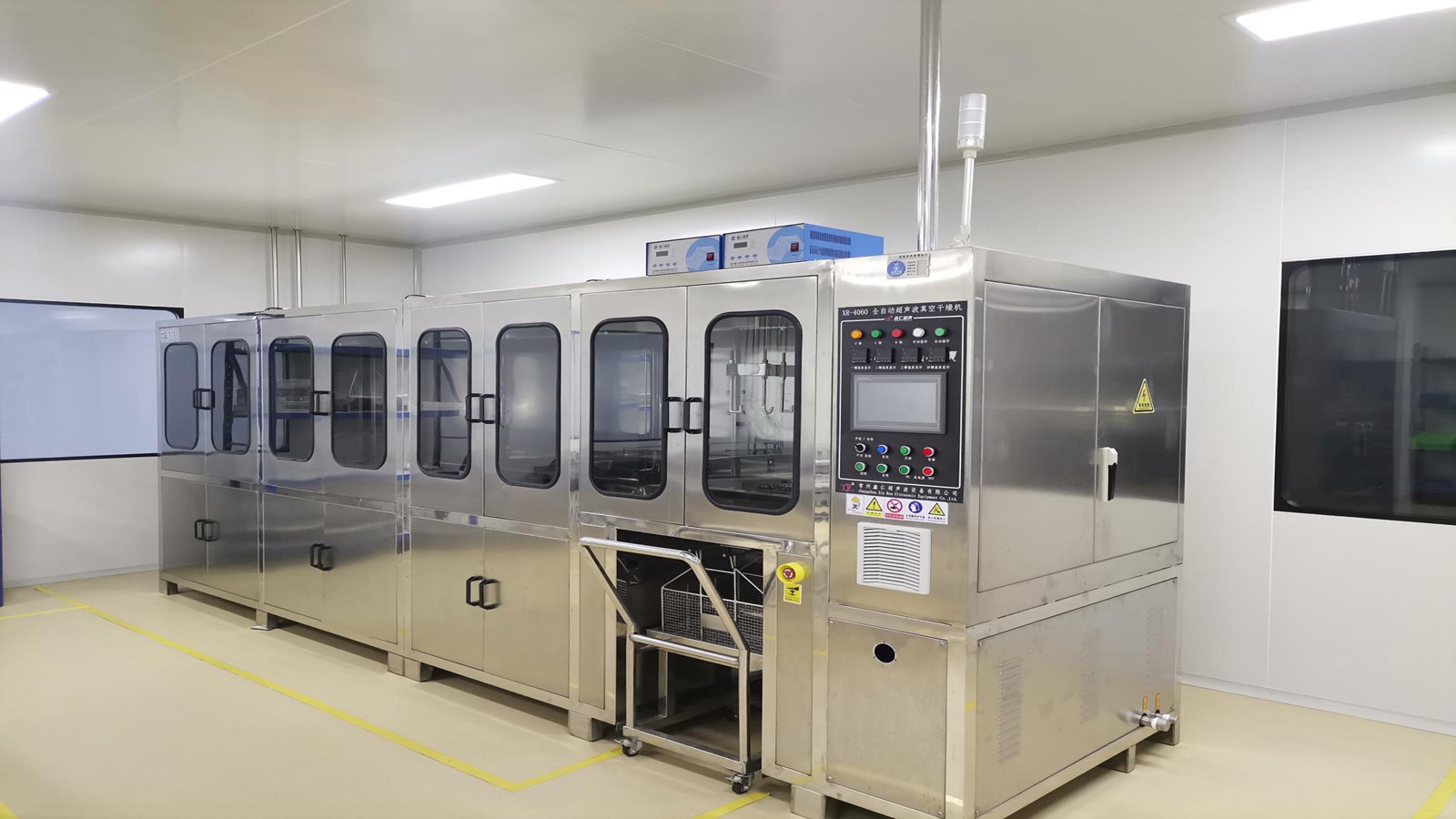
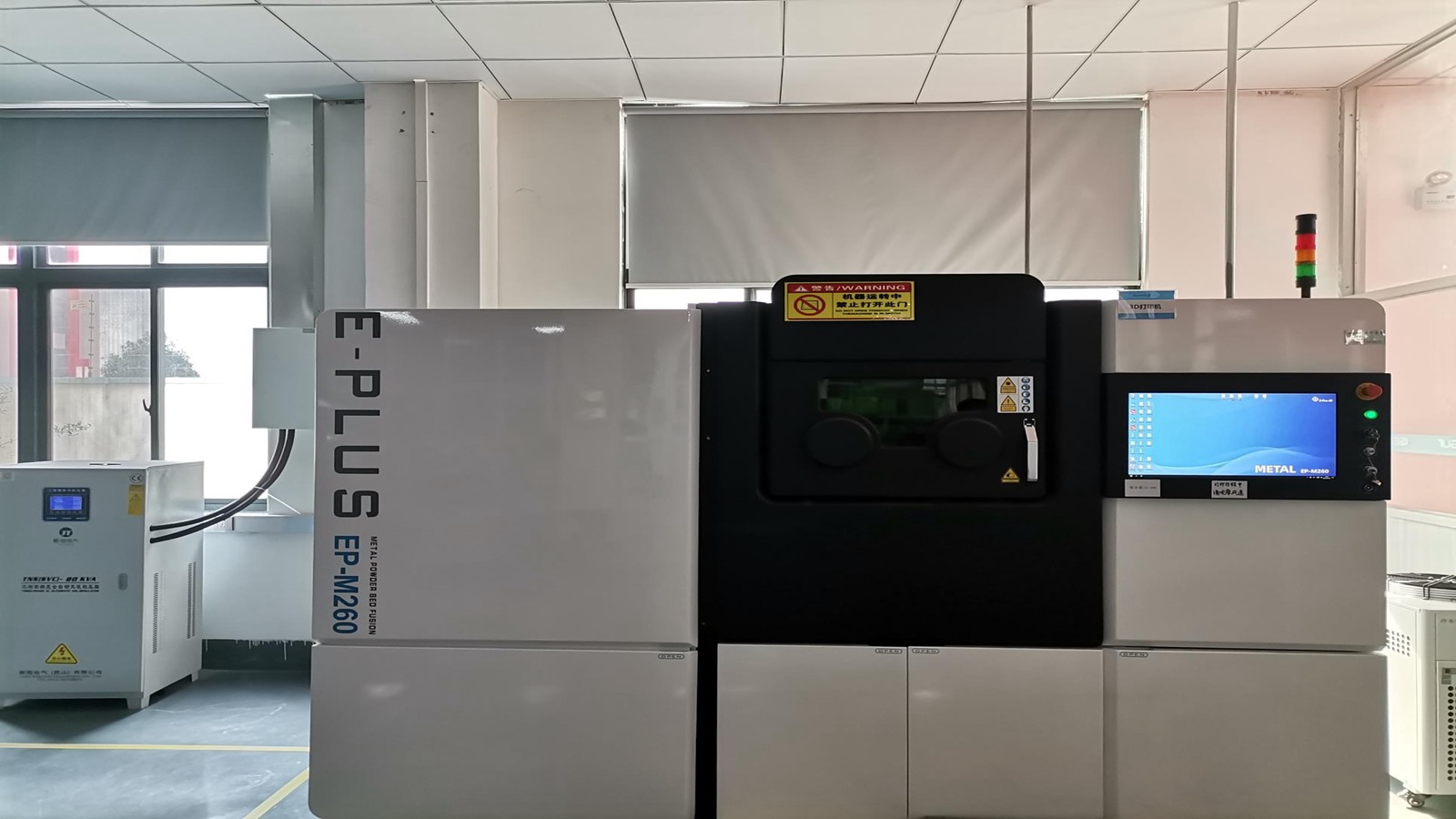
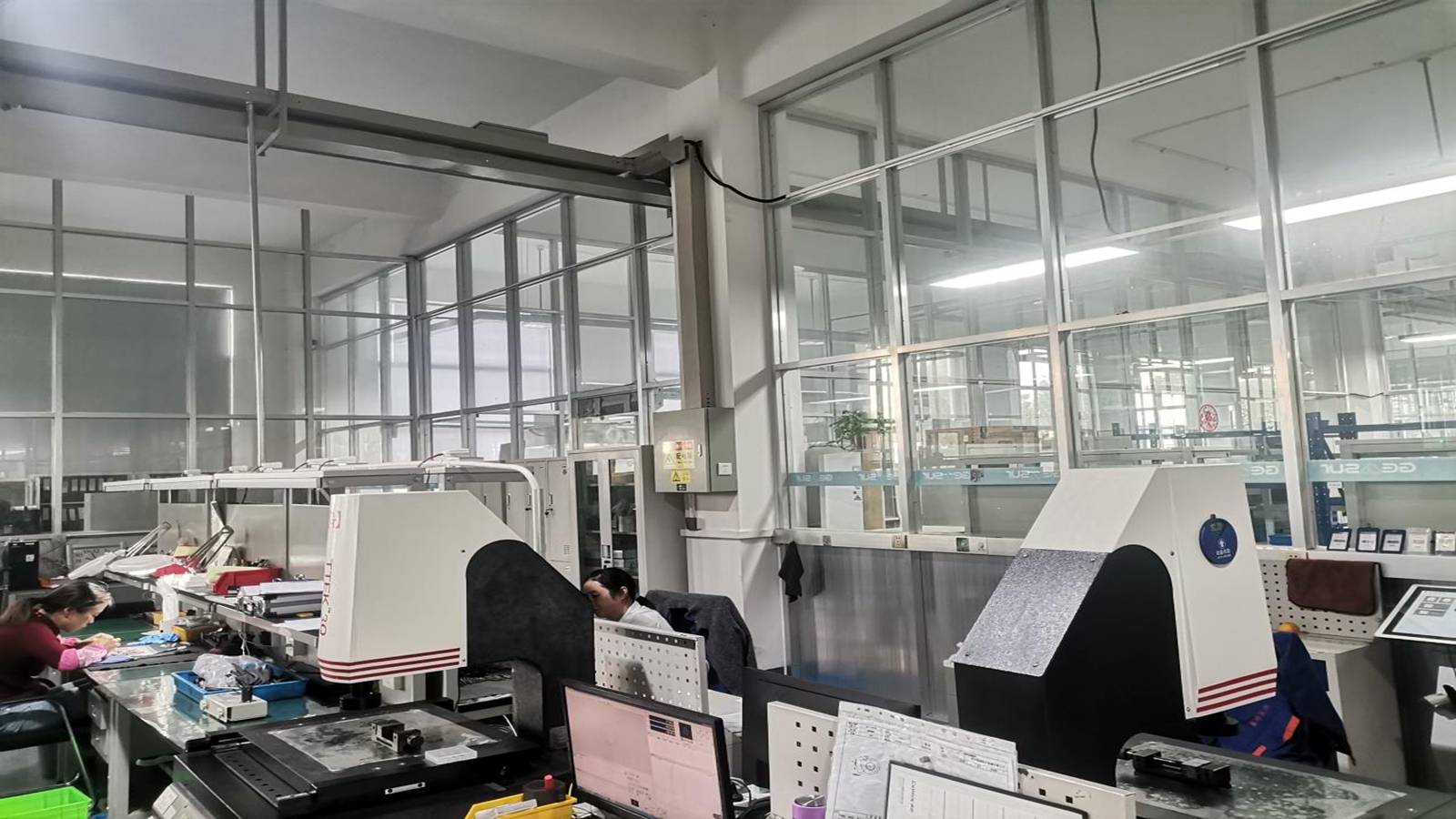
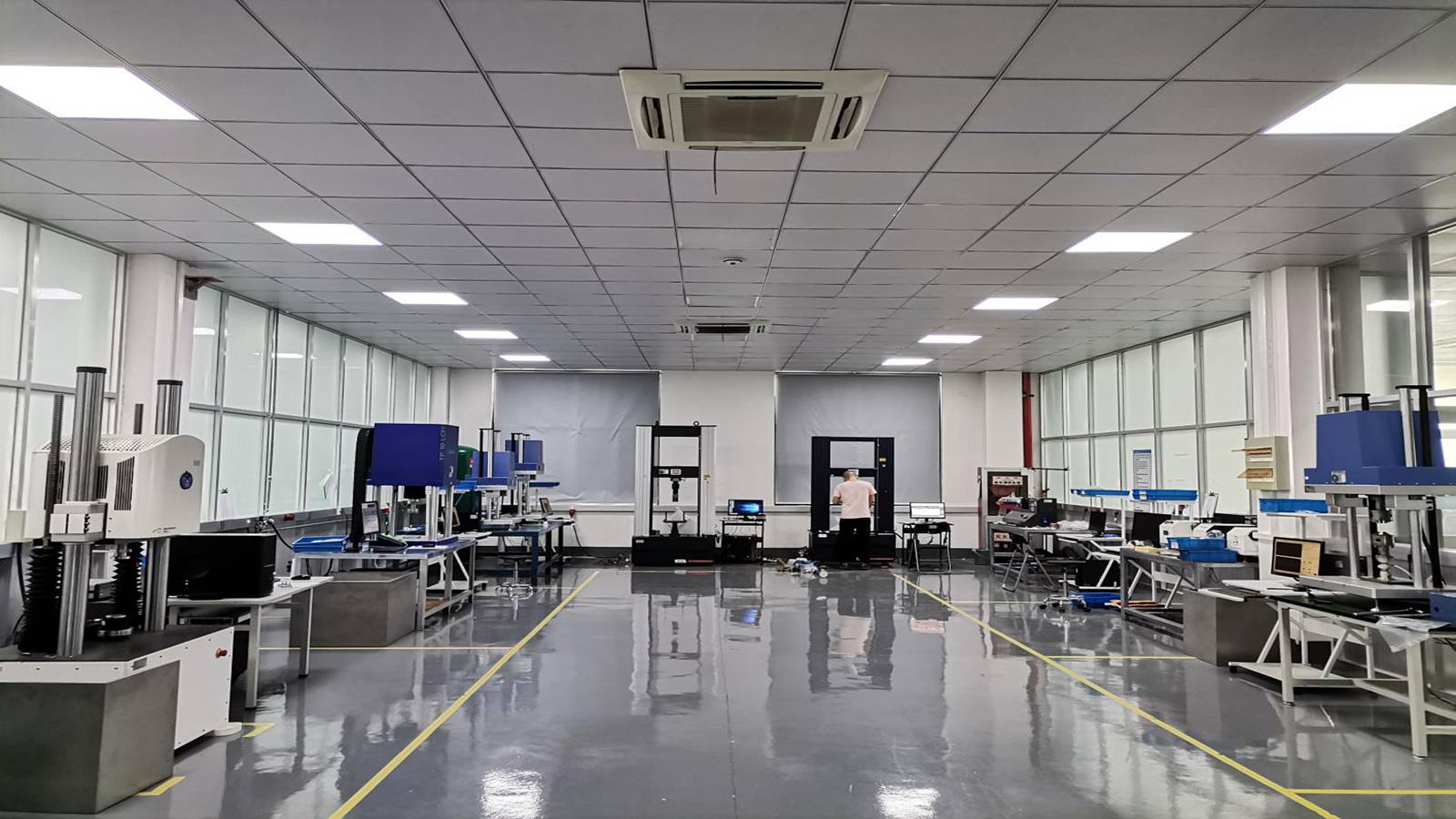
In the medical device industry, reliability is not just a metric; it is a clinical imperative. HBM Medical operates under a comprehensive quality management system that aligns with the most stringent international standards. Our facilities have successfully secured key global certifications, ensuring that our products are ready for immediate clinical deployment worldwide.
Our quality assurance protocol includes 100% raw material testing with complete traceability, in-process inspection across all 12 production lines, and rigorous final testing. With 36 dedicated QA/QC inspectors, HBM Medical guarantees that every titanium locking plate, cortical screw, and spinal rod conforms precisely to mechanical tolerances and biocompatibility profiles.
 HBM Medical