Explore our internationally certified precision instruments and implantable orthopedic systems engineered for clinical excellence.
An In-Depth Analysis of Biomechanical Engineering, Osseointegration, and Market Dynamics
The global spinal fusion market has undergone a profound paradigm shift over the past two decades. Interbody fusion cages, designed to maintain disc height, restore lordosis, and provide mechanical stability while bone fusion occurs, are at the center of this evolution. Among the materials utilized, Titanium (Ti) and its alloys (primarily Ti-6Al-4V ELI) have emerged as the gold standard for high-performance implantable spinal devices, challenging the long-standing dominance of Polyetheretherketone (PEEK).
Historically, PEEK was favored due to its radiolucency and elastic modulus similar to human cortical bone, which theoretically minimized the risk of stress shielding. However, PEEK is inherently hydrophobic and bioinert, often leading to the formation of a fibrous connective tissue capsule around the implant rather than direct bone-to-implant contact. This limitation—frequently termed "pseudoarthrosis"—has driven orthopedic researchers and manufacturers back to titanium, but with a revolutionary twist: 3D-printed porous and trabecular titanium structures.
Titanium possesses native osteoconductive properties. When engineered with micro- and nano-textured surfaces, it promotes rapid osteoblast attachment, proliferation, and differentiation directly on the implant surface.
By utilizing additive manufacturing (3D printing) to create porous titanium structures, the modulus of elasticity can be tailored to match host bone, drastically reducing the risk of cage subsidence into the vertebral endplates.
Titanium forms a stable, protective oxide layer (TiO2) instantly upon exposure to oxygen, providing unparalleled corrosion resistance and biocompatibility within the harsh physiological environment of the human body.
Today, the global commercial landscape for titanium interbody cages is characterized by a rapid transition toward highly customized, patient-specific 3D-printed devices. According to recent clinical studies, trabecular titanium cages exhibit significantly higher fusion rates and lower migration rates compared to traditional solid PEEK cages. This has led to a surge in demand from healthcare systems in North America, Europe, and the Asia-Pacific region, where minimally invasive spine surgeries (MISS) are becoming the standard of care.
The Convergence of Additive Manufacturing, Surface Science, and Smart Implants
The future of titanium interbody cages lies at the intersection of material science, advanced manufacturing, and digital healthcare. As a leading Chinese orthopedic medical device manufacturer, HBM Medical Apparatus And Instruments Co., Ltd. is actively driving the technological roadmap for next-generation spinal implants. Our R&D initiatives focus on three primary pillars:
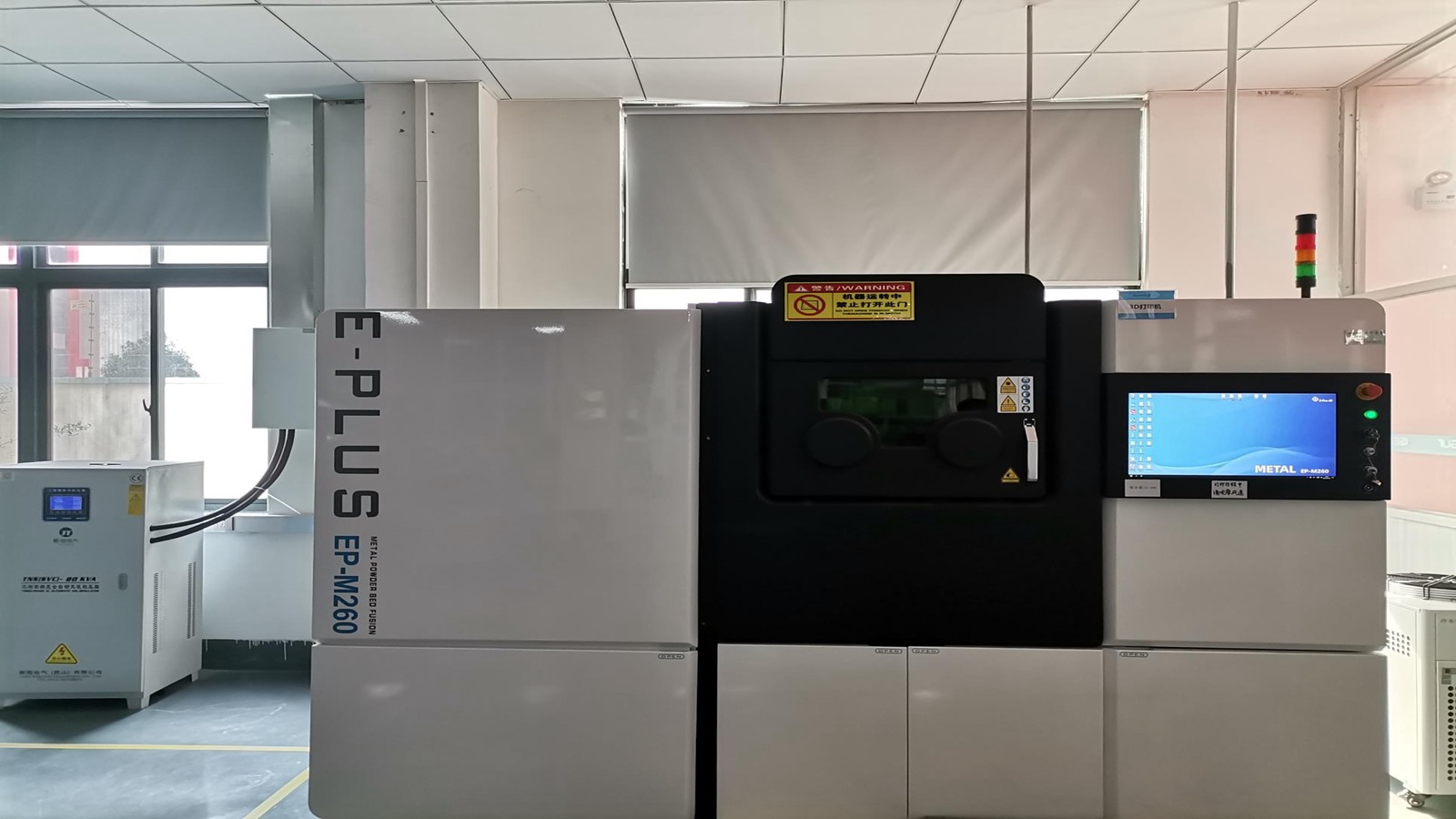
Traditional titanium implants are solid, which leads to a significant mismatch in stiffness compared to natural bone. Through advanced Selective Laser Melting (SLM) and Electron Beam Melting (EBM) 3D printing technologies, we are capable of engineering cages with open-pore structures that mimic the natural trabecular architecture of cancellous bone. The optimal pore size for bone ingrowth is scientifically proven to be between 300 and 800 microns, with a porosity of 60% to 80%. This precise configuration allows for vascularization, fluid transport, and direct bone deposition throughout the entire volume of the cage, transforming the implant from a simple mechanical spacer into an active biological scaffold.
To accelerate the early stages of osseointegration, surface modification is critical. HBM Medical is pioneering advanced chemical and electrochemical surface treatments, including:
"By combining 3D-printed macroscopic porosity with microscopic surface roughness, we achieve what we call 'Dual-Scale Osseointegration'—providing immediate mechanical stability and accelerated long-term biological fixation." — HBM Medical R&D Division
Looking ahead, the integration of micro-sensors within 3D-printed titanium cages represents the next frontier. These embedded, biocompatible sensors will monitor real-time strain, temperature, and pH levels at the fusion site. By transmitting this data wirelessly to the clinician, "smart cages" will provide objective, quantitative evidence of successful spinal fusion and early detection of complications, such as implant migration or localized infection, long before they become visible on standard X-rays or CT scans.
Tailored Clinical and Commercial Strategies for Global Healthcare Providers
Spinal pathologies vary across demographics, and so do the clinical and economic requirements of healthcare systems worldwide. HBM Medical provides comprehensive, macro-level solutions designed to address these diverse challenges, ensuring that high-quality titanium interbody cages are accessible, affordable, and optimized for specific localized clinical applications.
For posterior lumbar interbody fusion (PLIF) and transforaminal lumbar interbody fusion (TLIF), our titanium cages are designed with bulleted leading edges for easy insertion and textured surfaces to prevent posterior migration, optimizing sagittal alignment and disc height restoration.
Anterior lumbar interbody fusion (ALIF) and lateral lumbar interbody fusion (LLIF/DLIF) require larger footprints to distribute mechanical loads. Our wide-profile titanium cages maximize contact area with the vertebral endplates, significantly reducing the risk of subsidence in osteoporotic patients.
For anterior cervical discectomy and fusion (ACDF), our low-profile titanium cages feature integrated fixation screws or locking mechanisms, eliminating the need for standalone cervical plates and reducing operating times and post-operative dysphagia.
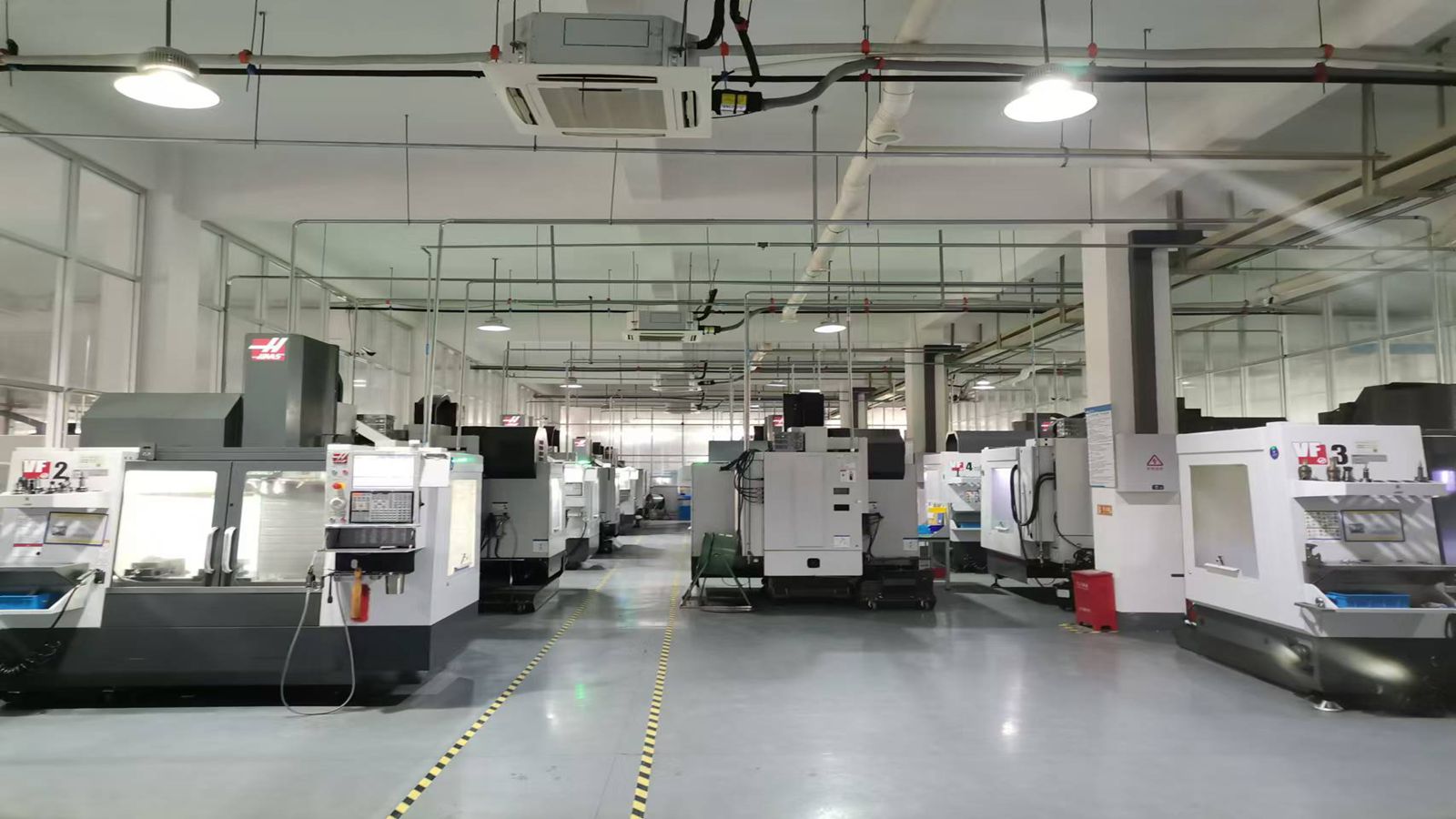
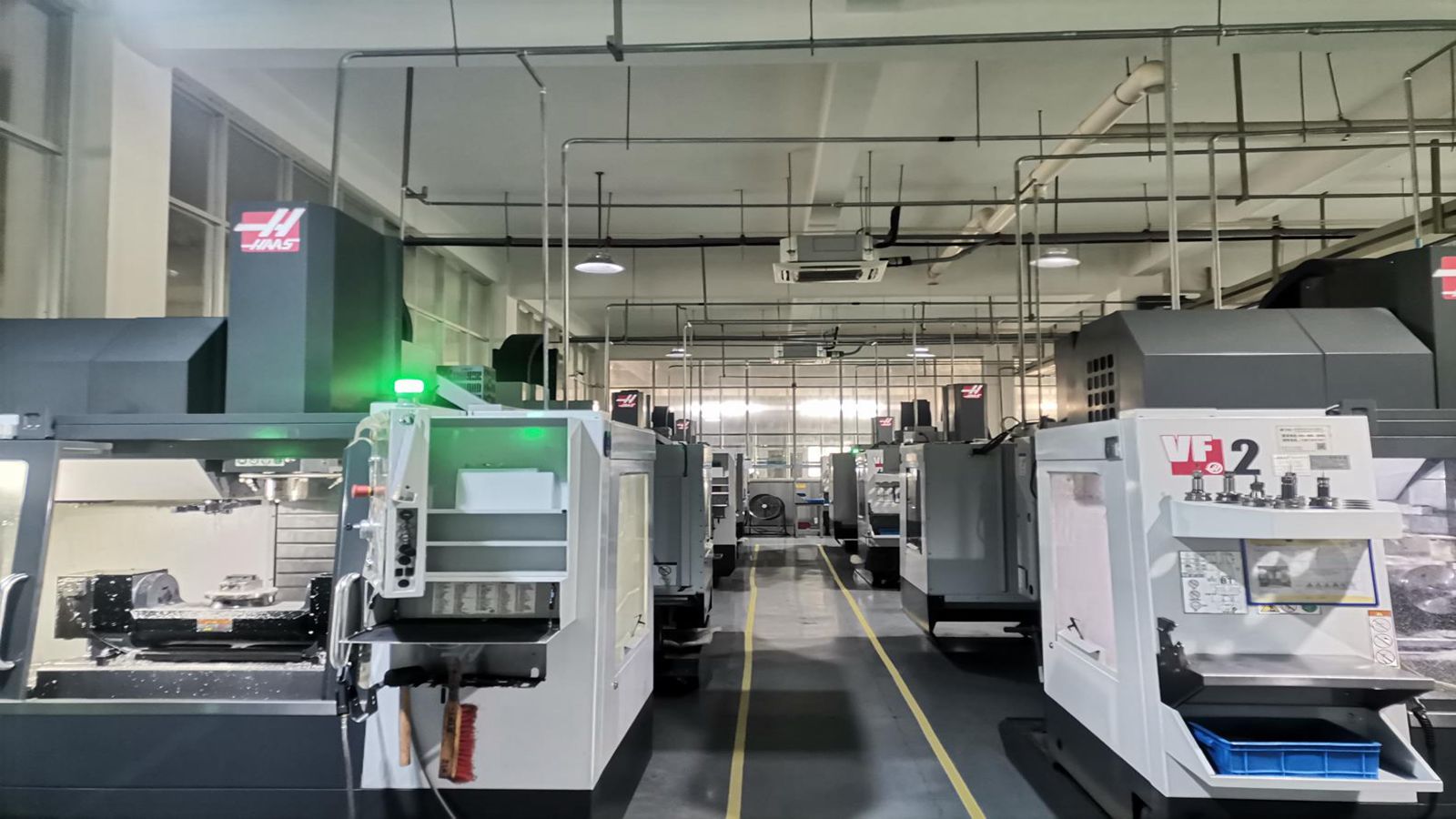
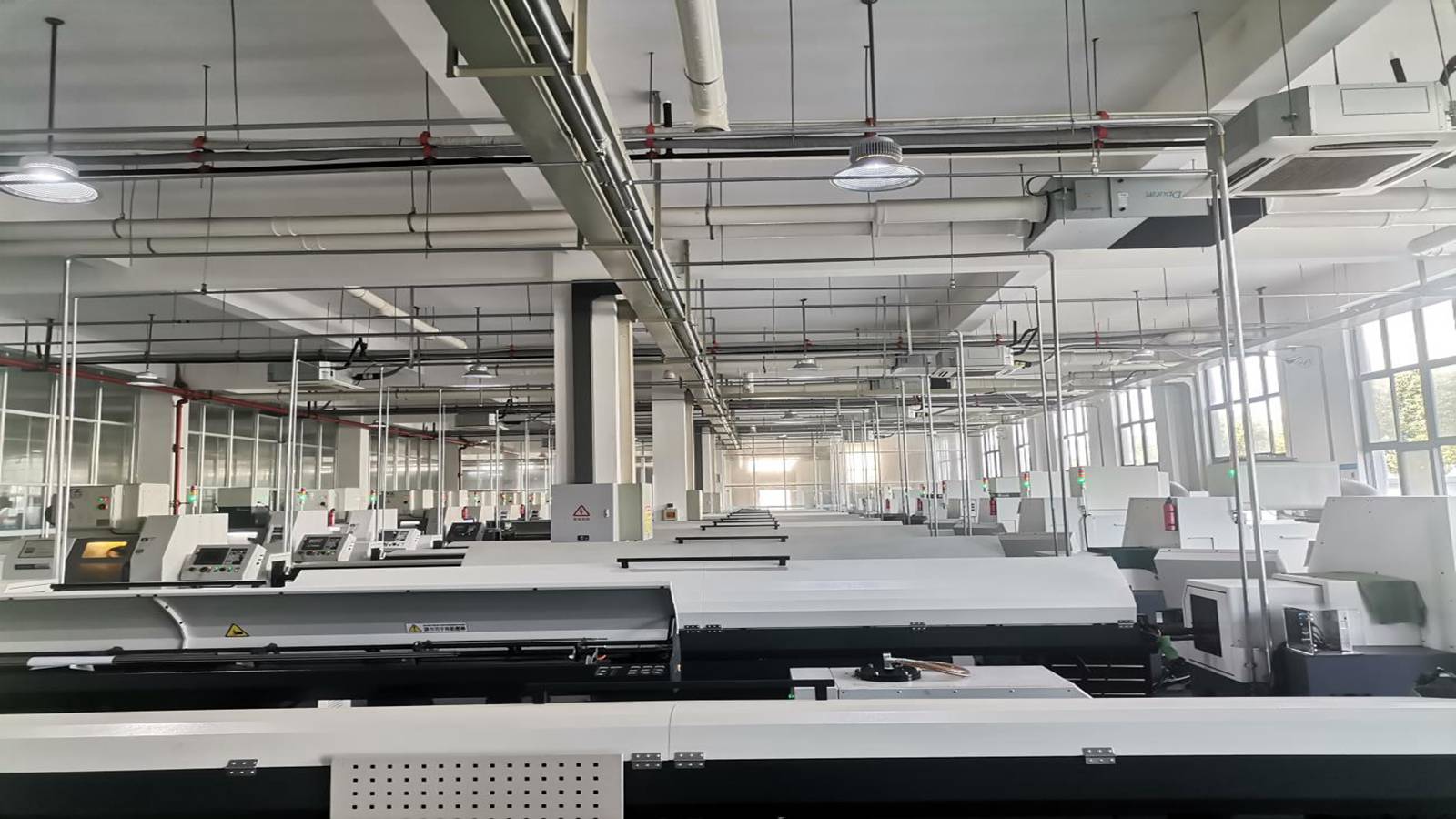
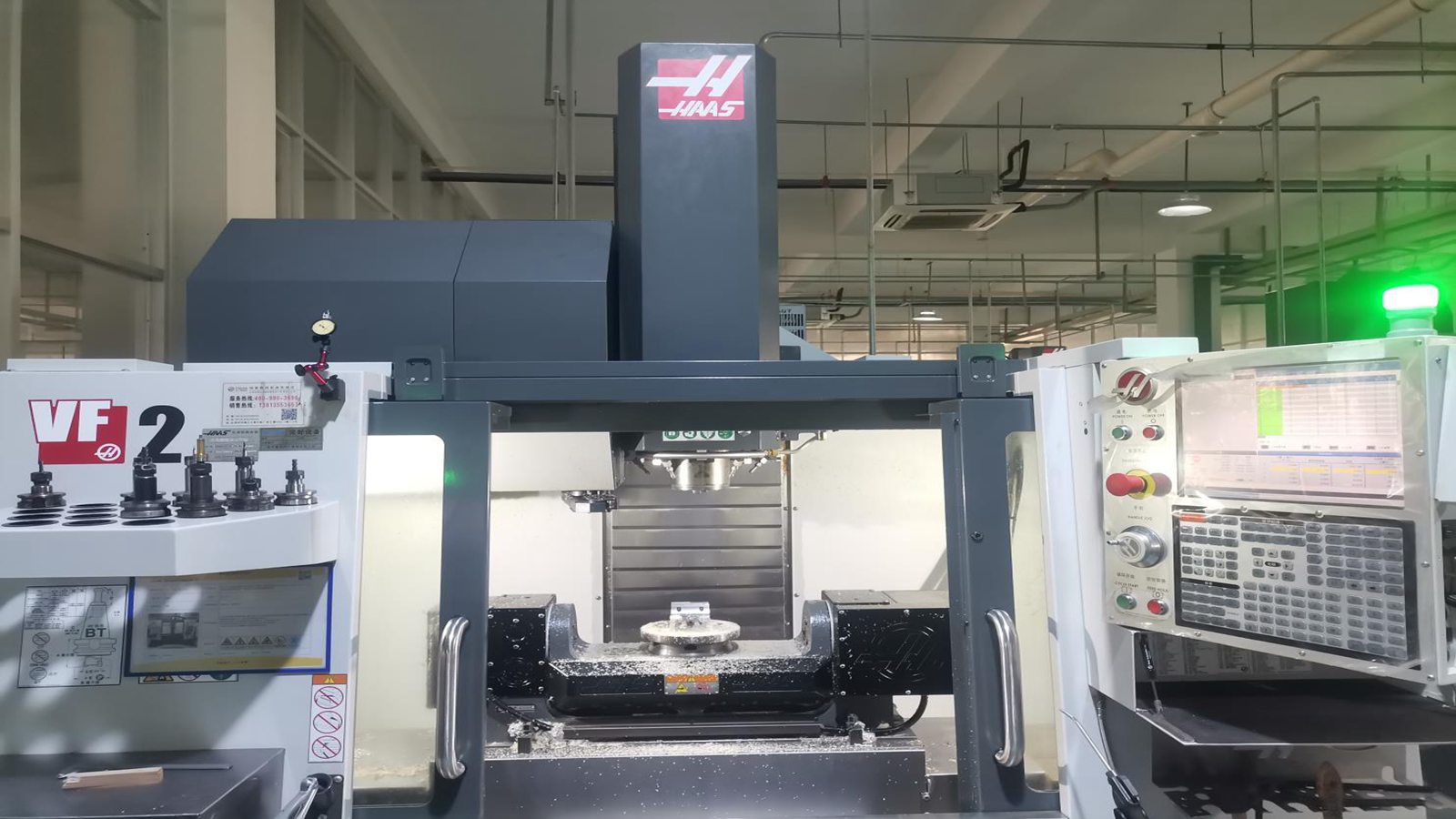
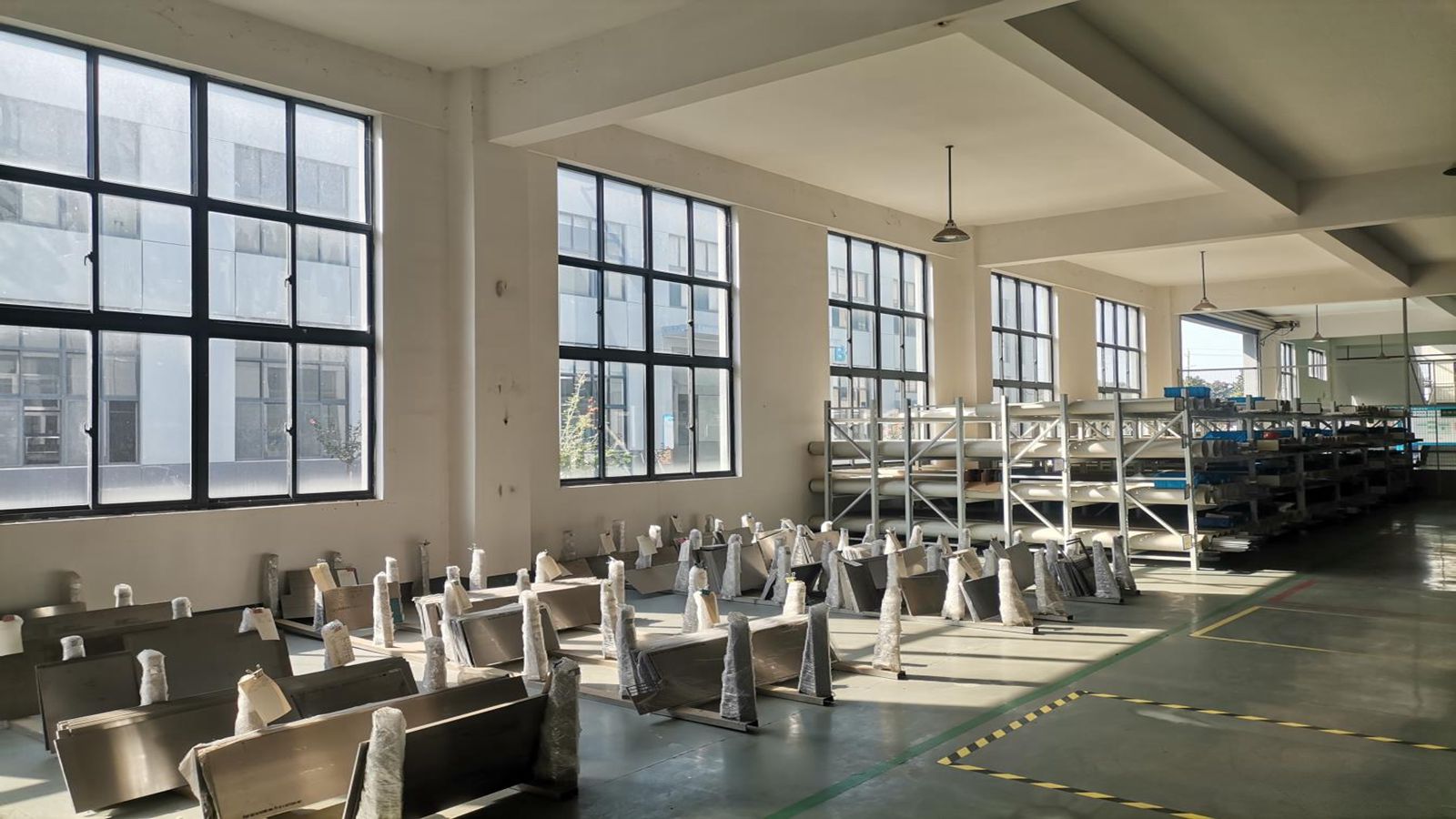
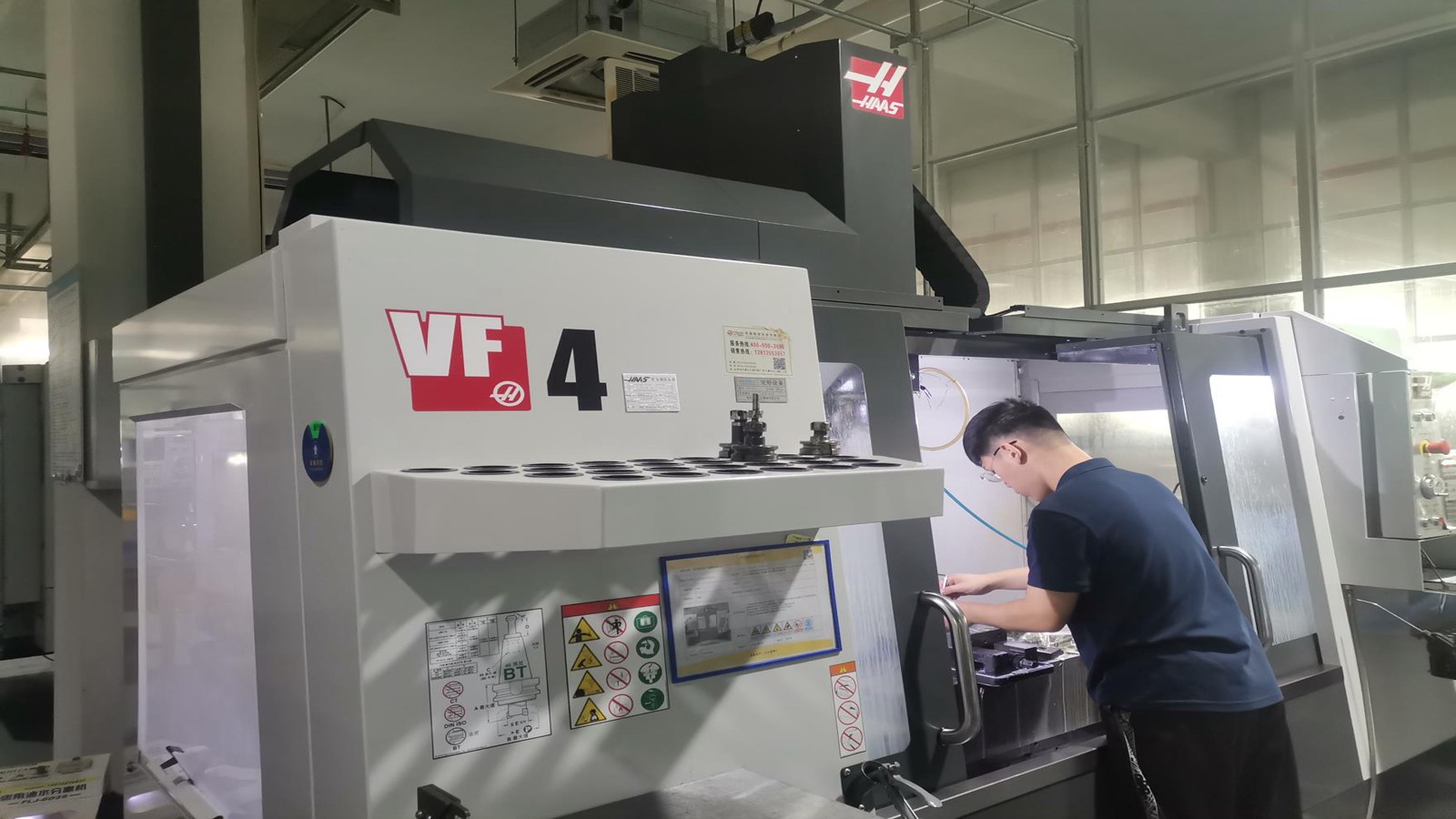
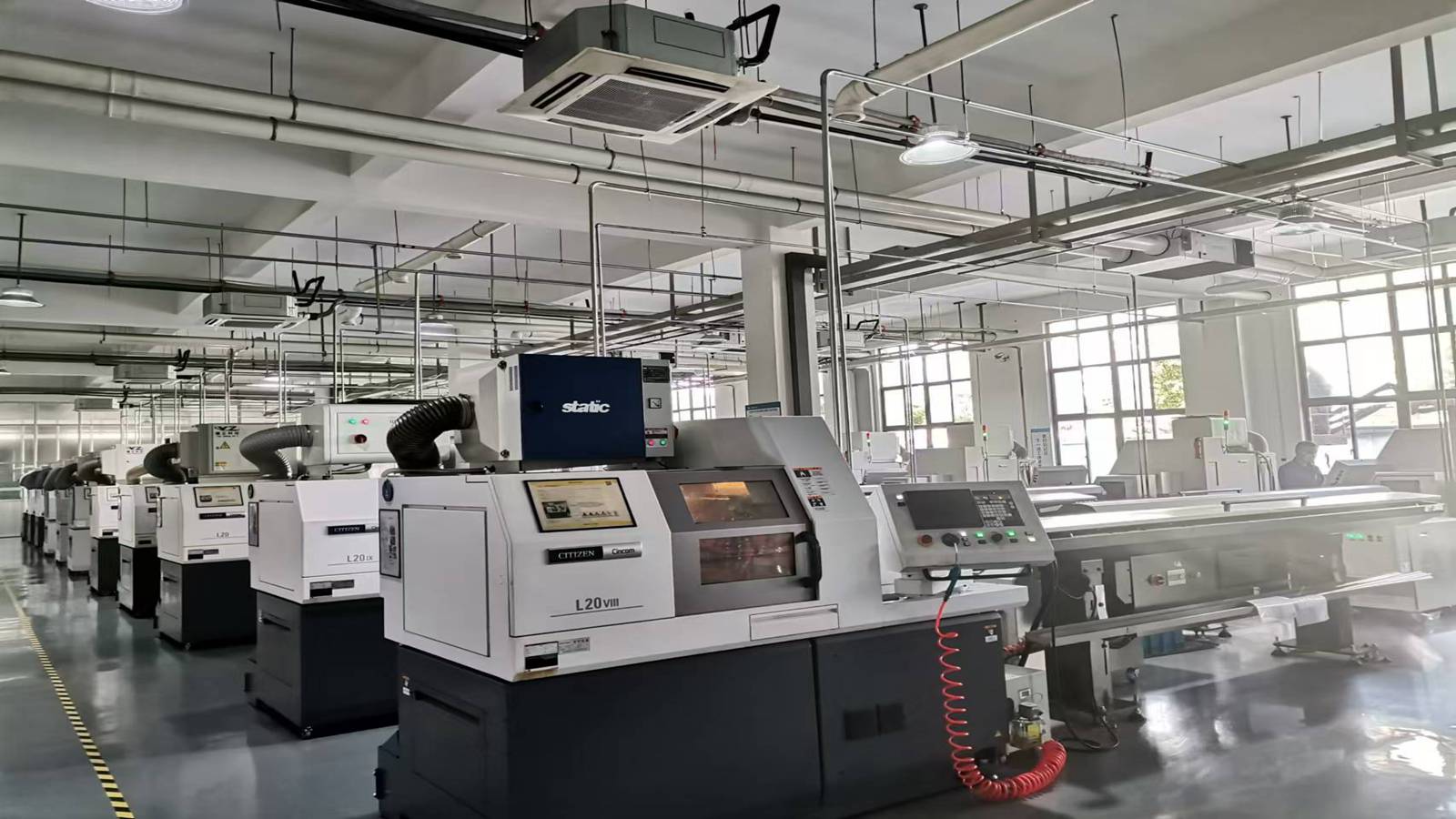
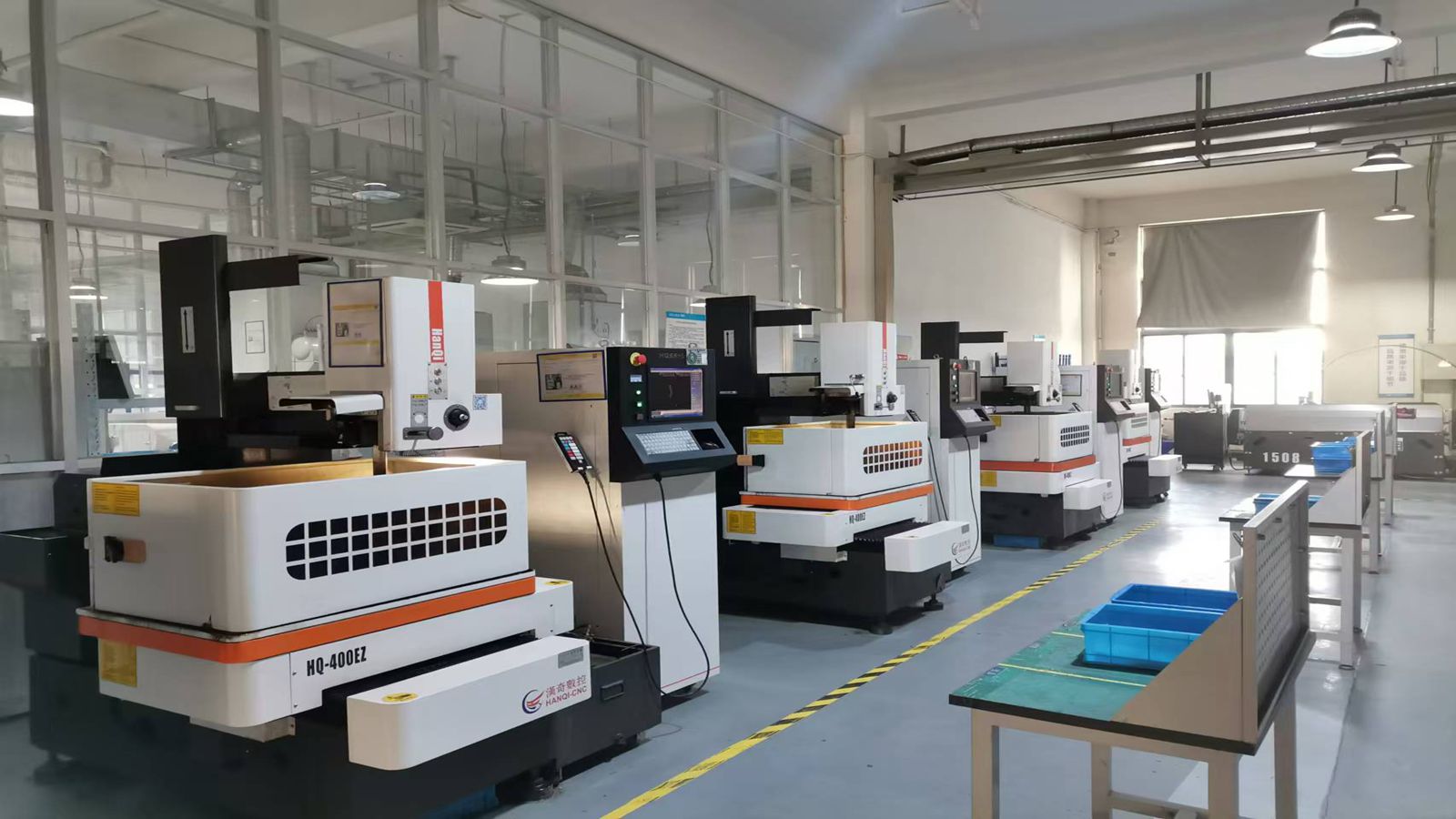
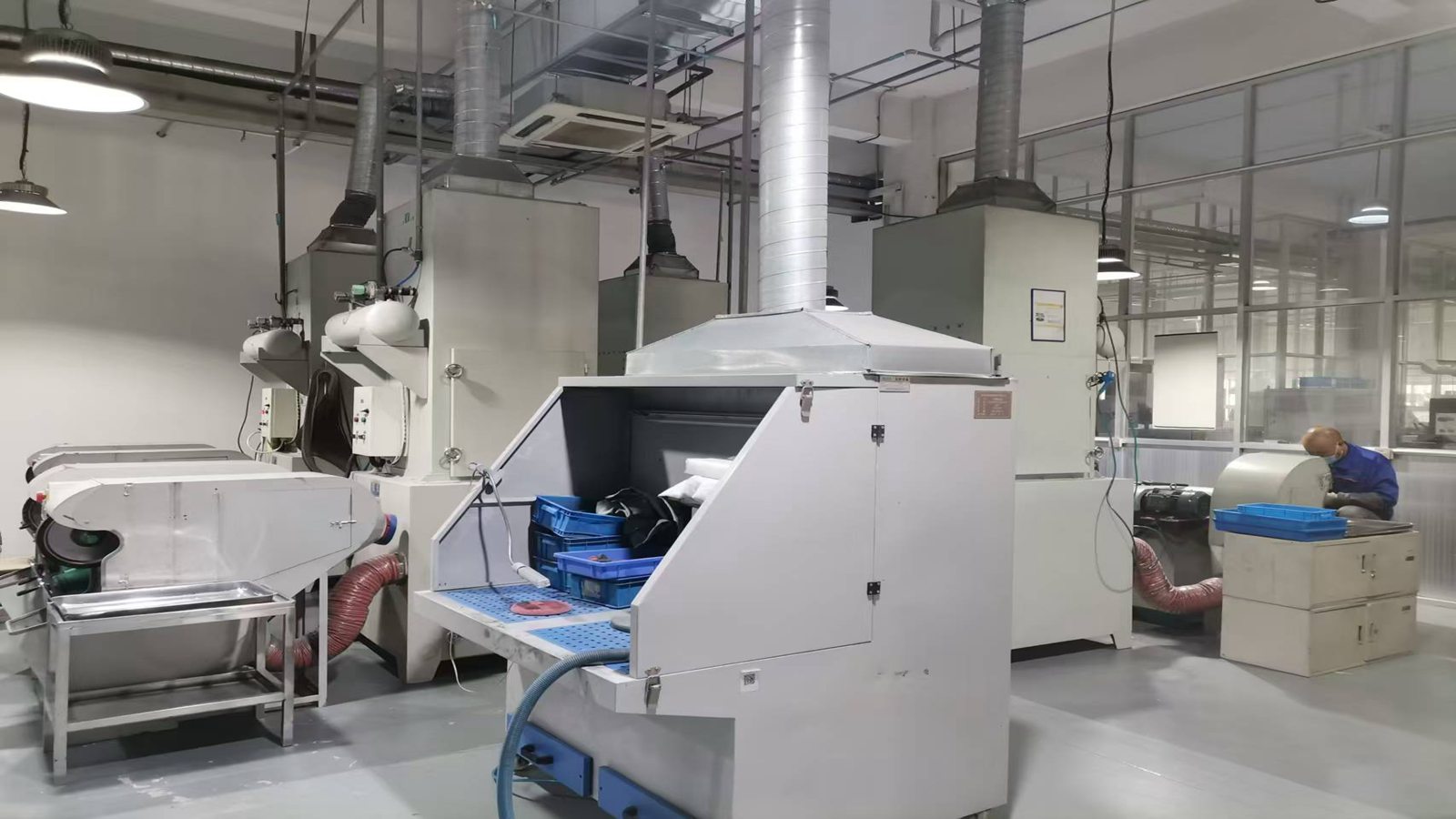
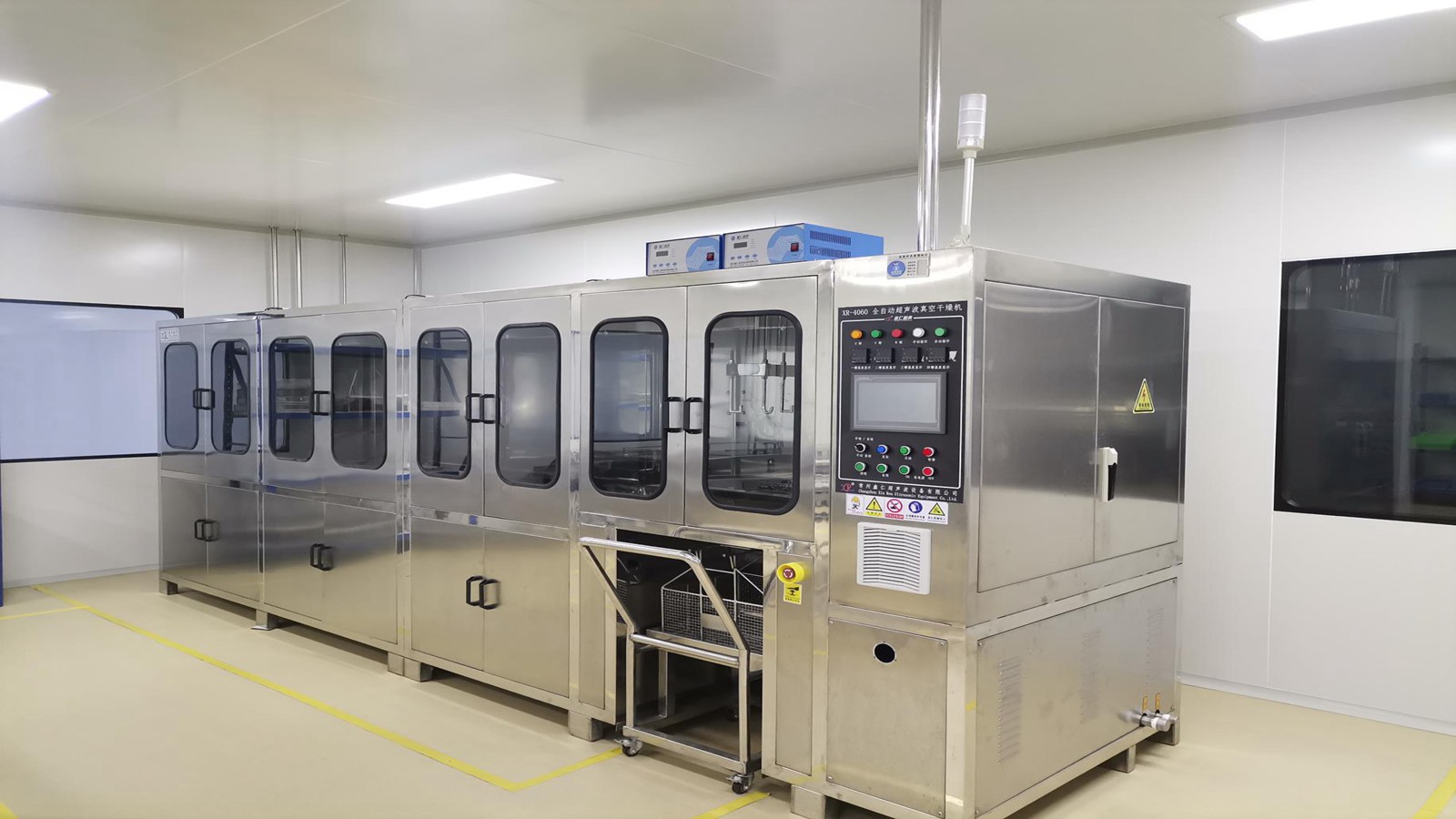
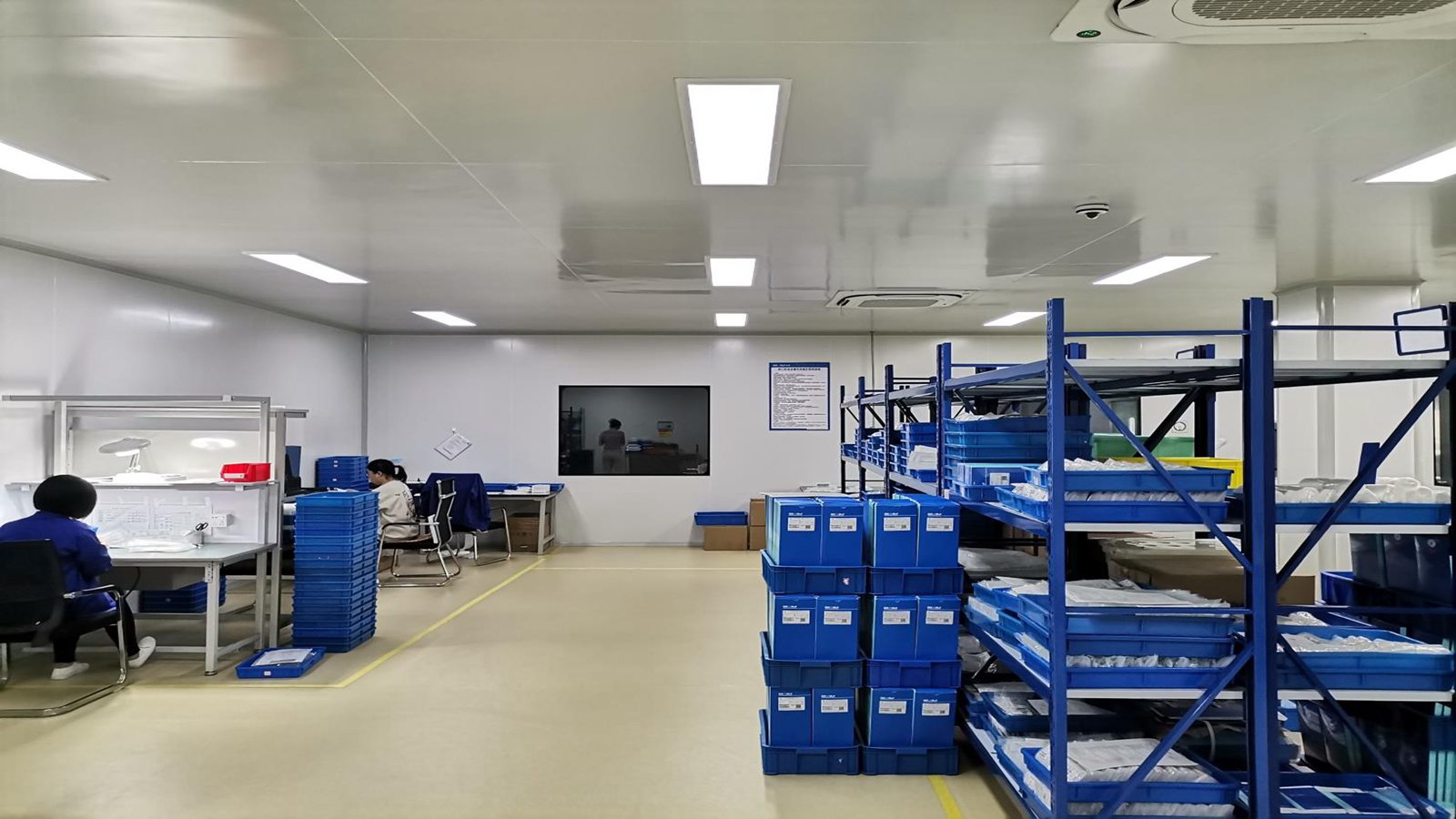
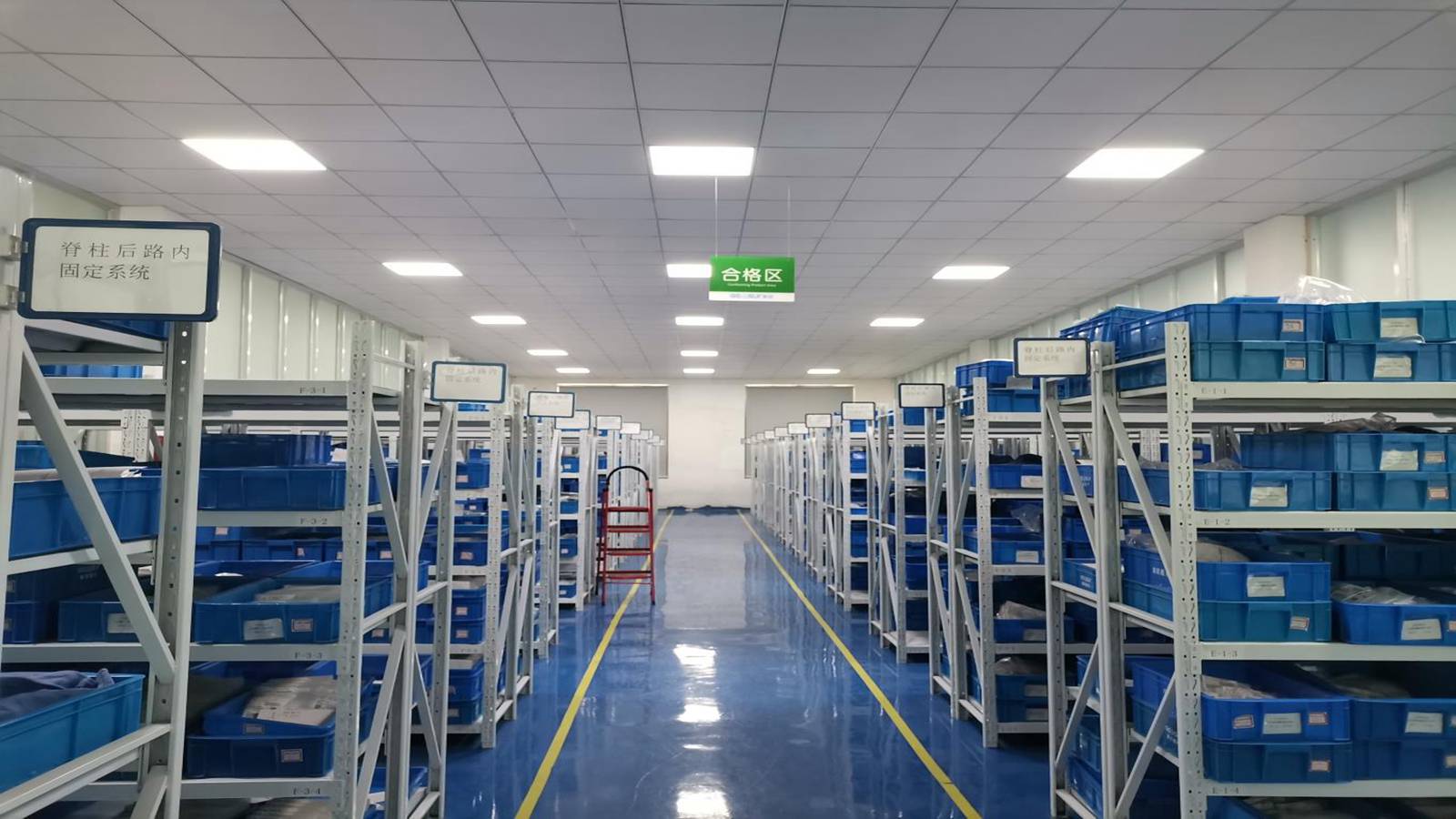
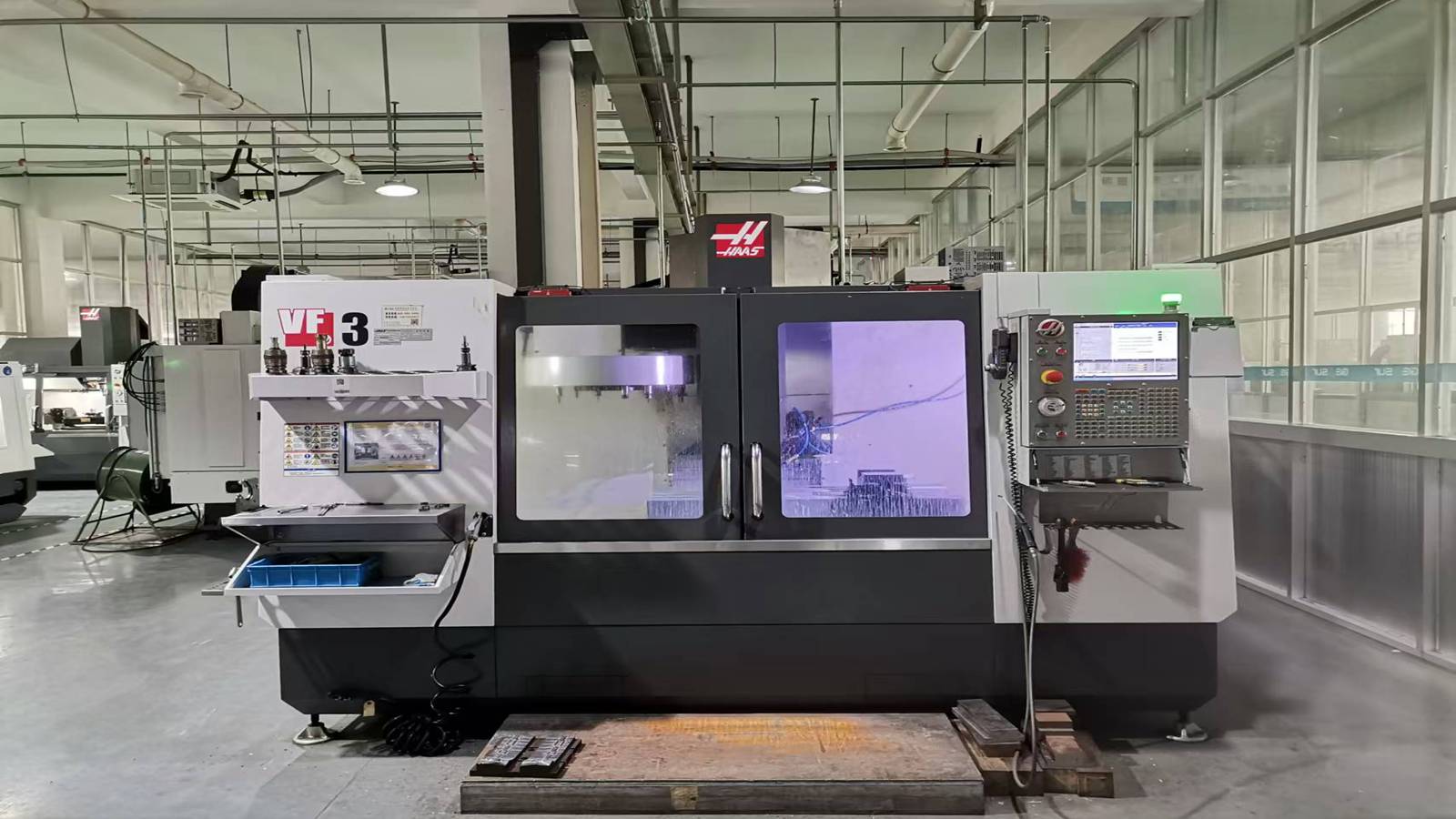
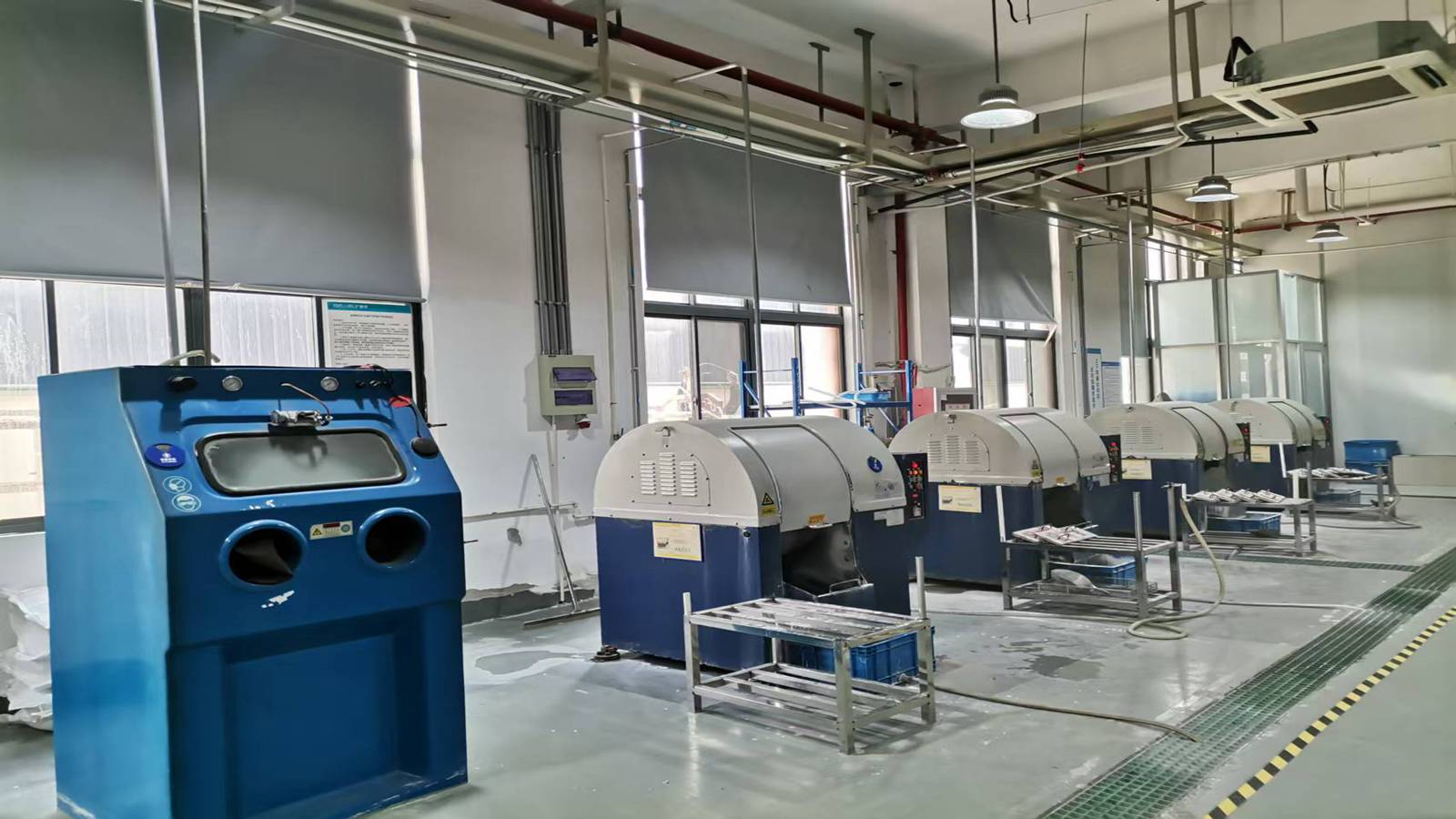
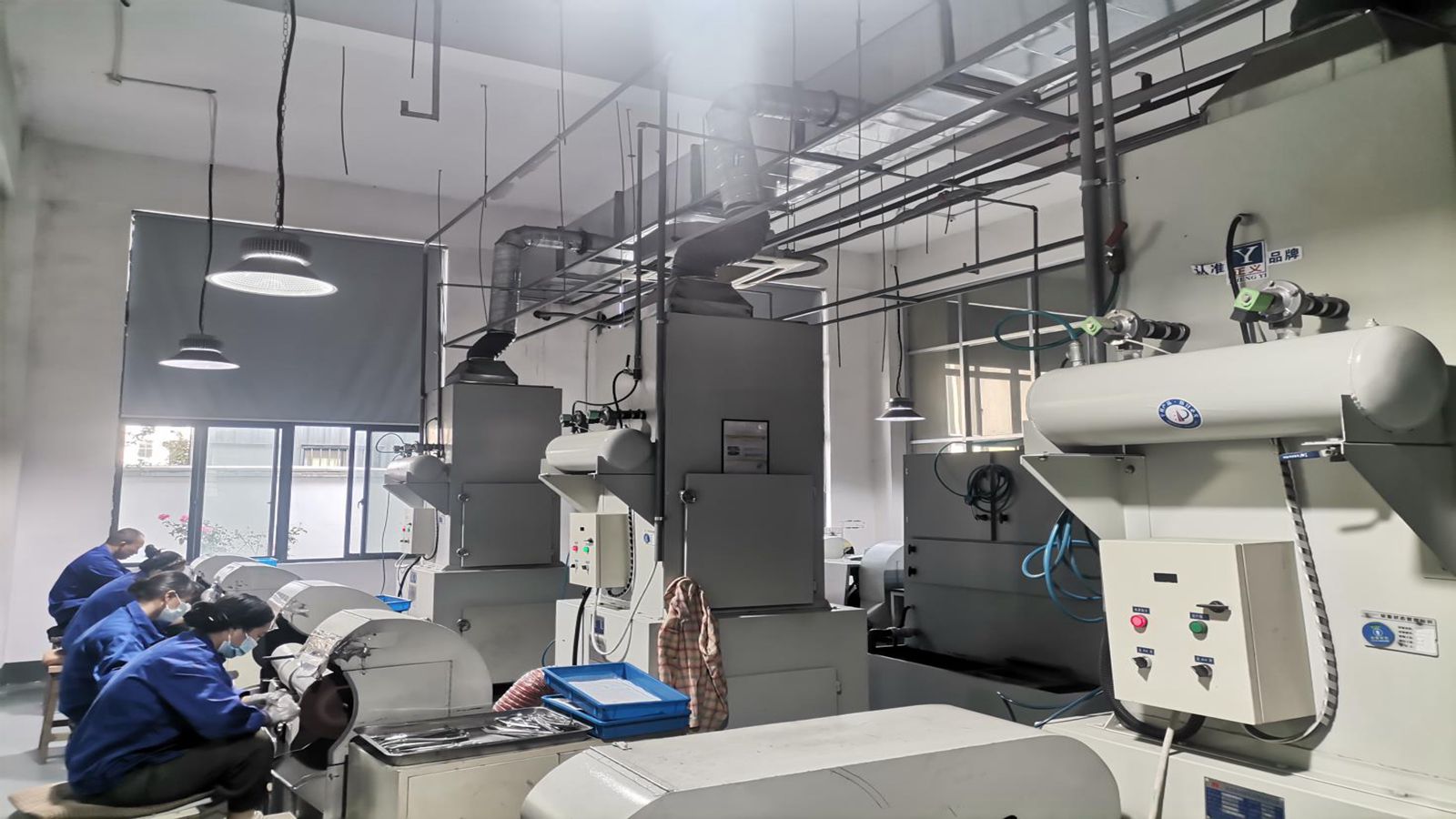
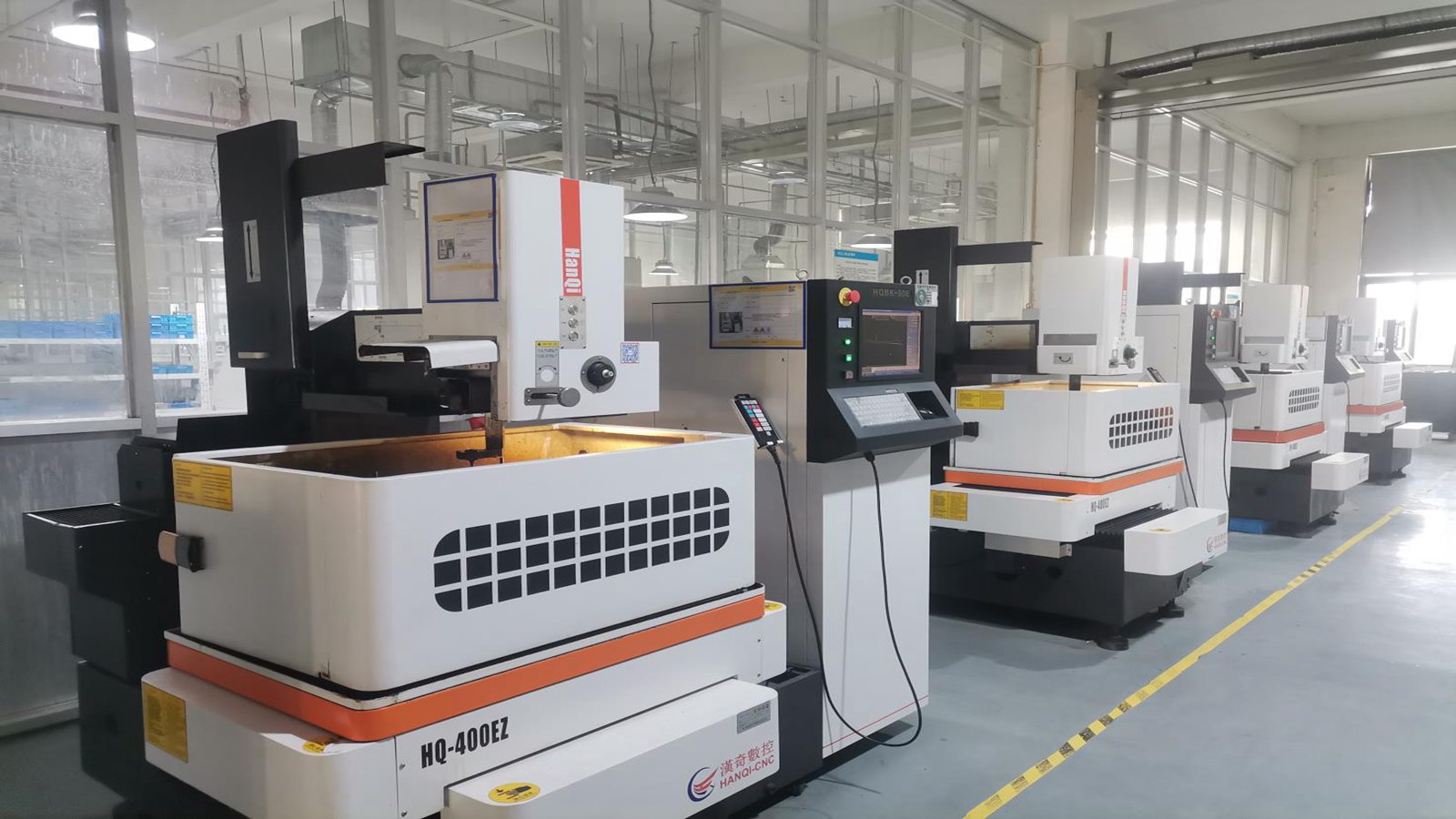
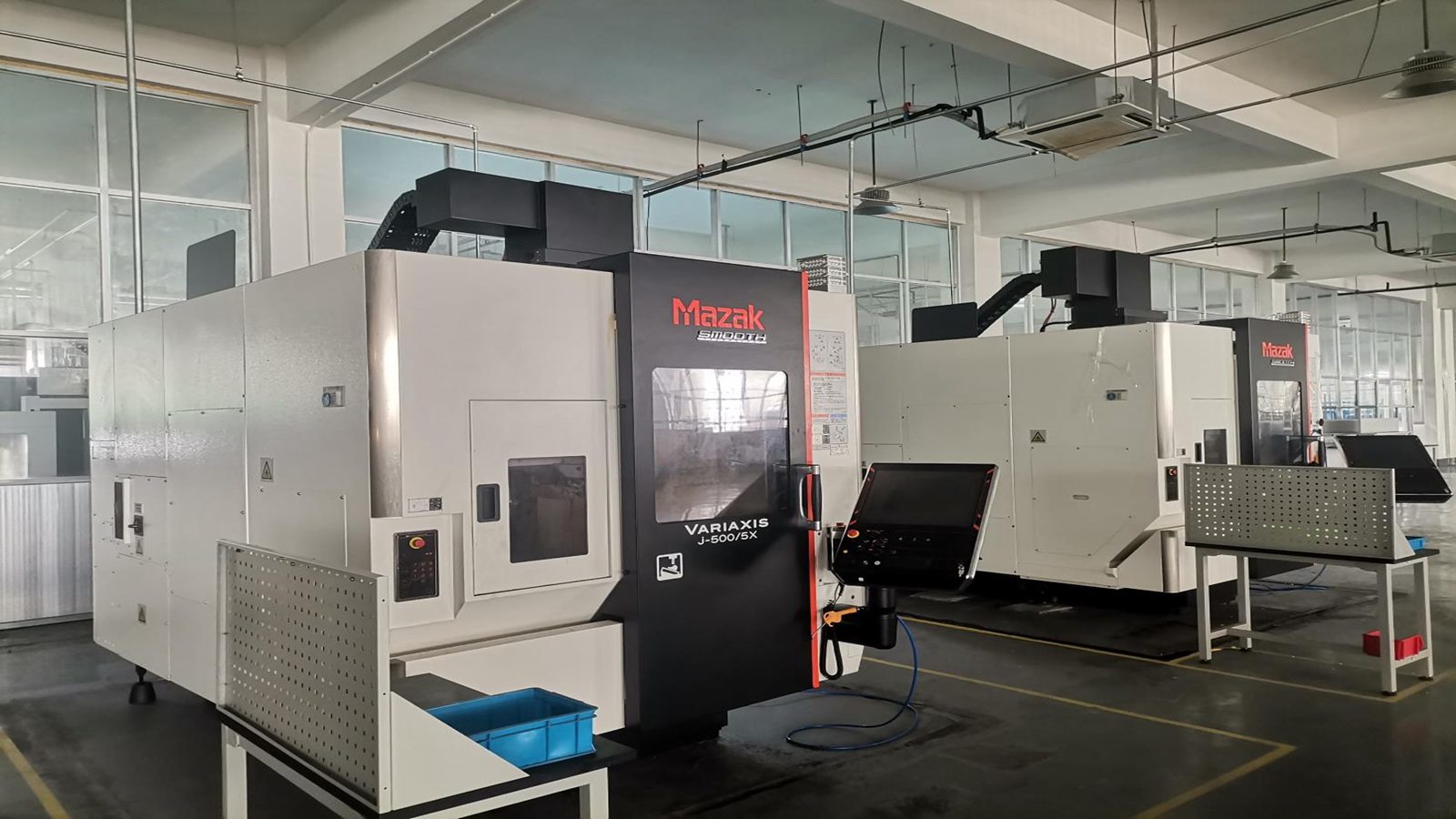
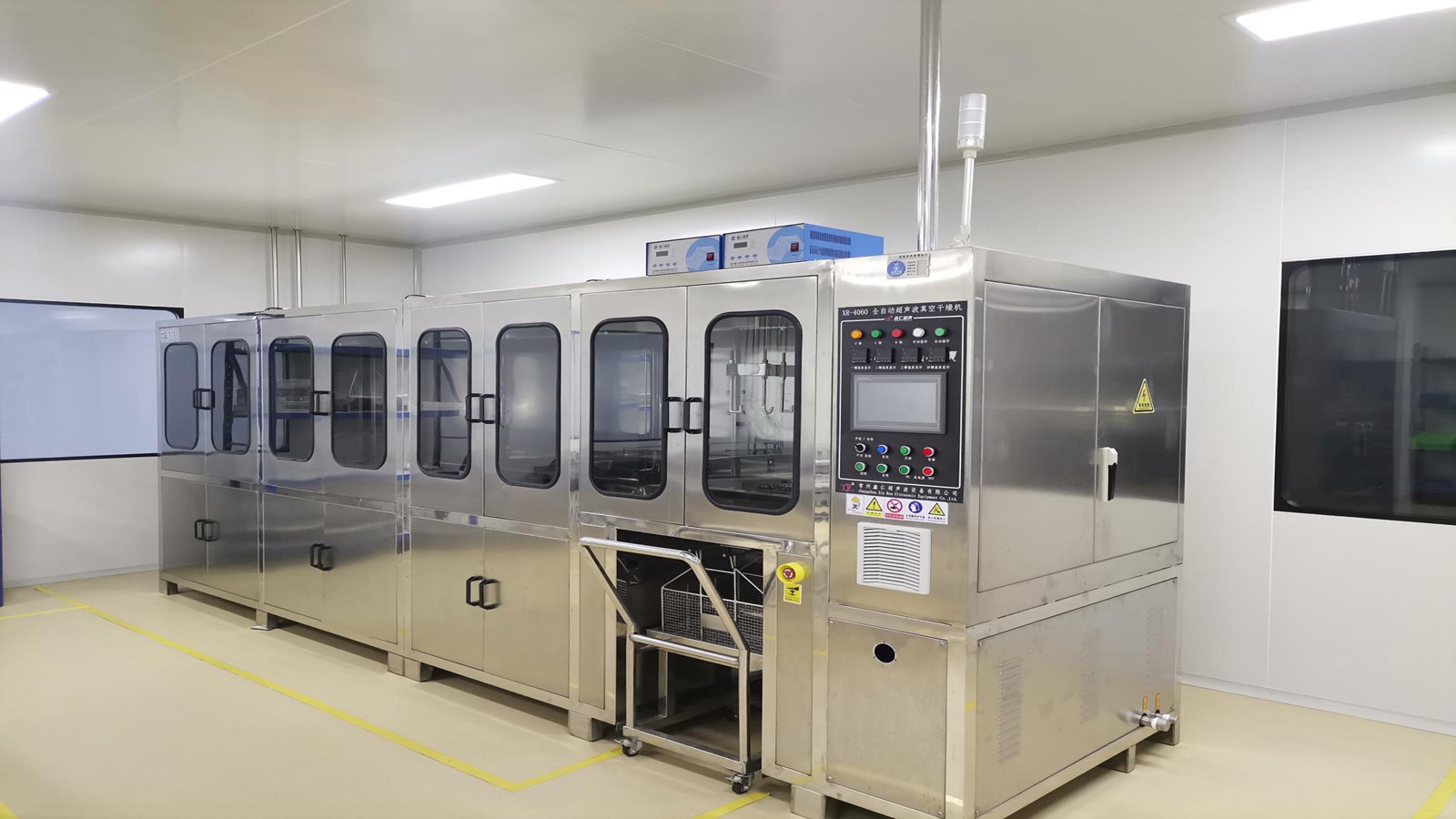
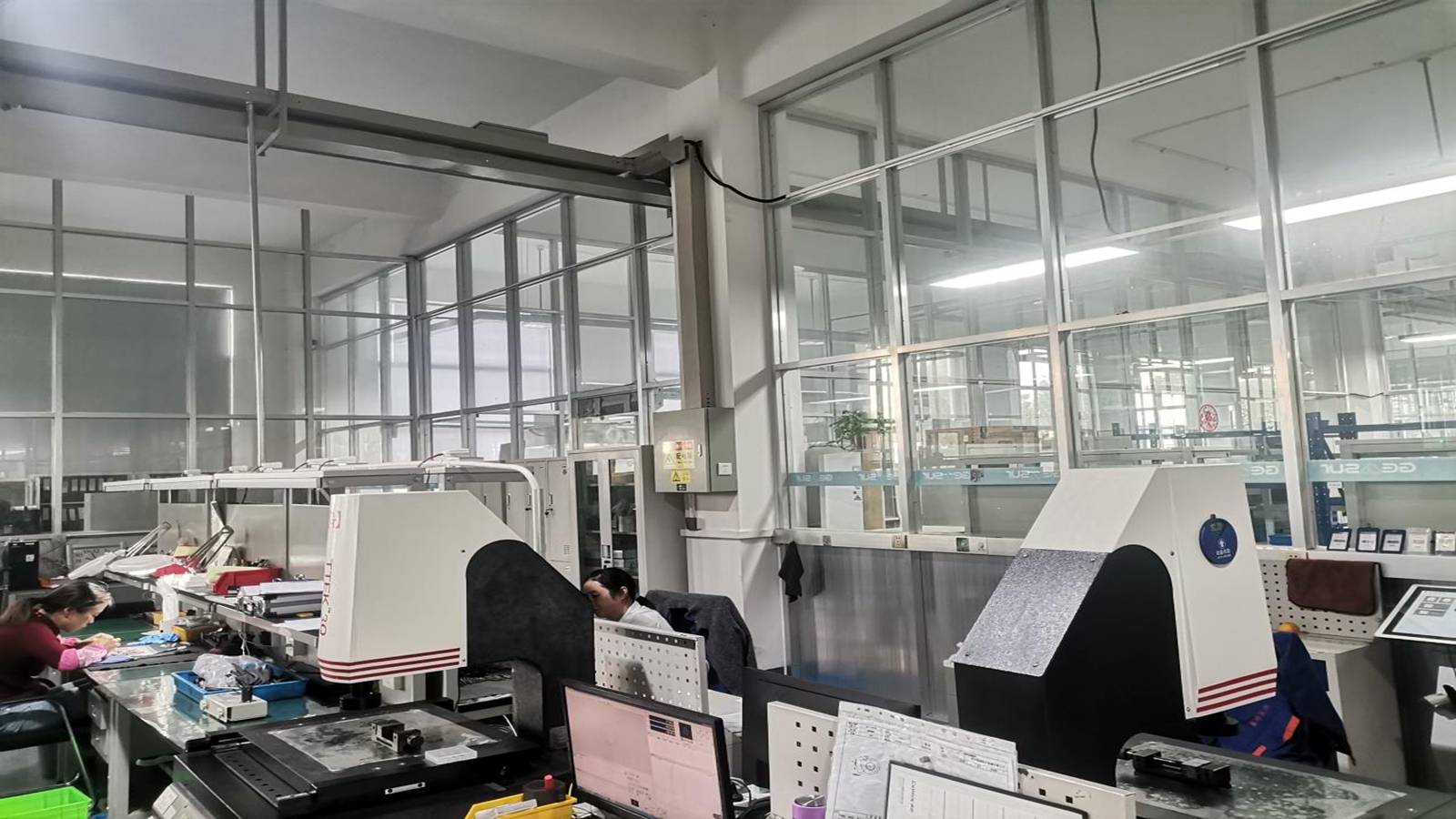
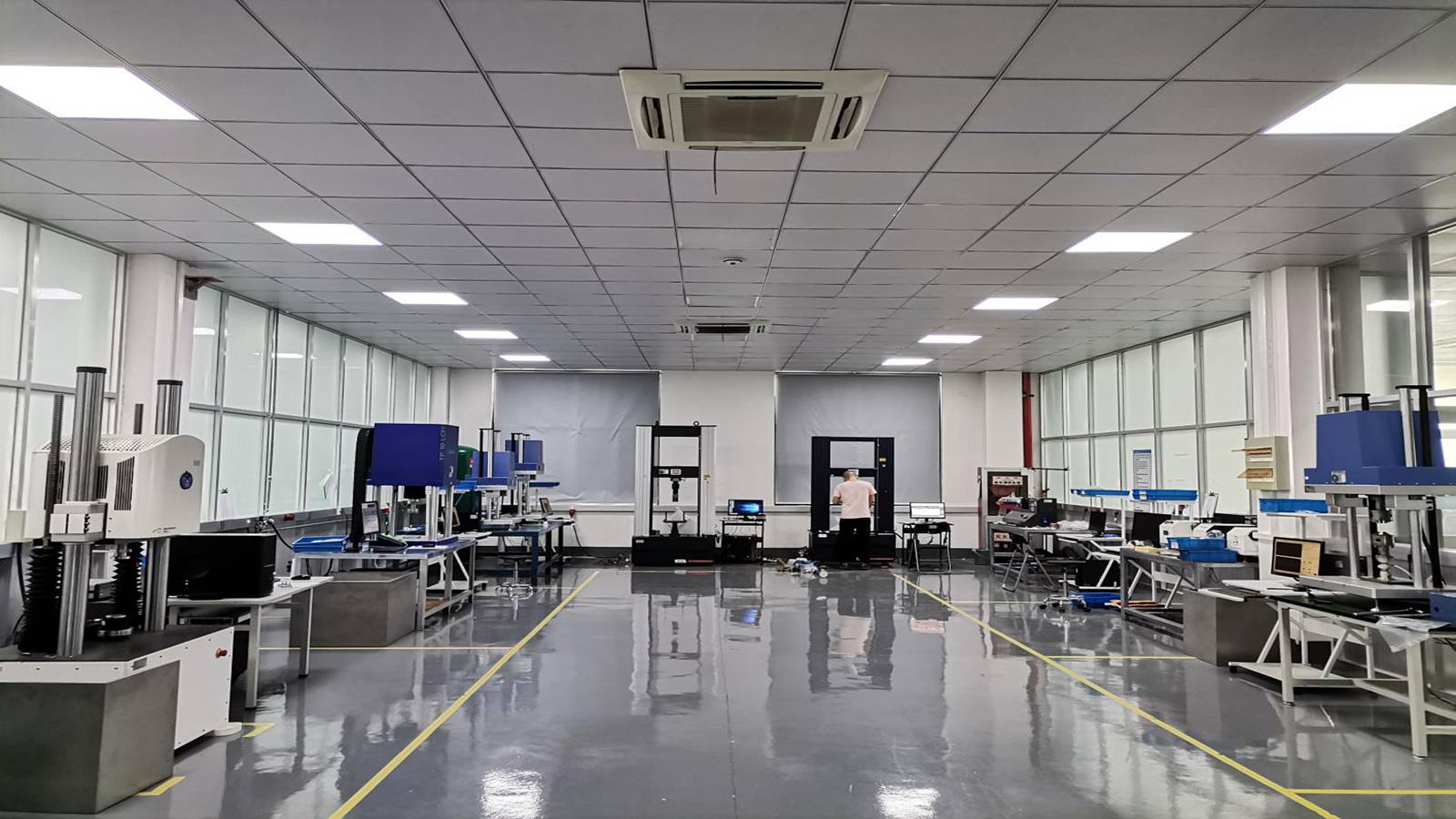
For international medical device brands, sourcing high-quality, regulatory-compliant implants is a major operational challenge. HBM Medical offers a fully integrated, turn-key OEM/ODM solution. With a production site exceeding 30,000 square meters and more than 350 advanced processing and testing machines, we possess the capacity to manufacture titanium interbody cages to the most exacting custom specifications. Our services encompass raw material sourcing (with 100% traceability), precision CNC machining, 3D printing, surface treatment, cleanroom packaging (Class 10,000/ISO Class 7), and comprehensive regulatory documentation support for CE, FDA, and MDSAP registrations.
A Trusted Partner in Global Orthopedic Manufacturing and Innovation
Established on October 15, 2015, HBM Medical Apparatus And Instruments Co., Ltd. has rapidly ascended to become a leading orthopedic medical equipment R&D, manufacturing, and operation enterprise in China. Driven by a commitment to technological innovation, product innovation, and service innovation, HBM has built a robust sales network covering the entire domestic market while expanding its footprint globally across Eastern Europe, Southeast Asia, and beyond.
Our competitive advantage lies in our exceptional human capital. HBM has prioritized a talent-first development strategy, assembling a highly qualified, multidisciplinary R&D team comprised of 31 dedicated engineers, including 1 Doctorate, 11 Postgraduate, and 17 Graduate degree holders. This powerhouse of innovation launched 25 new products in the last year alone, ensuring that our partners always have access to the latest advancements in orthopedic technology.
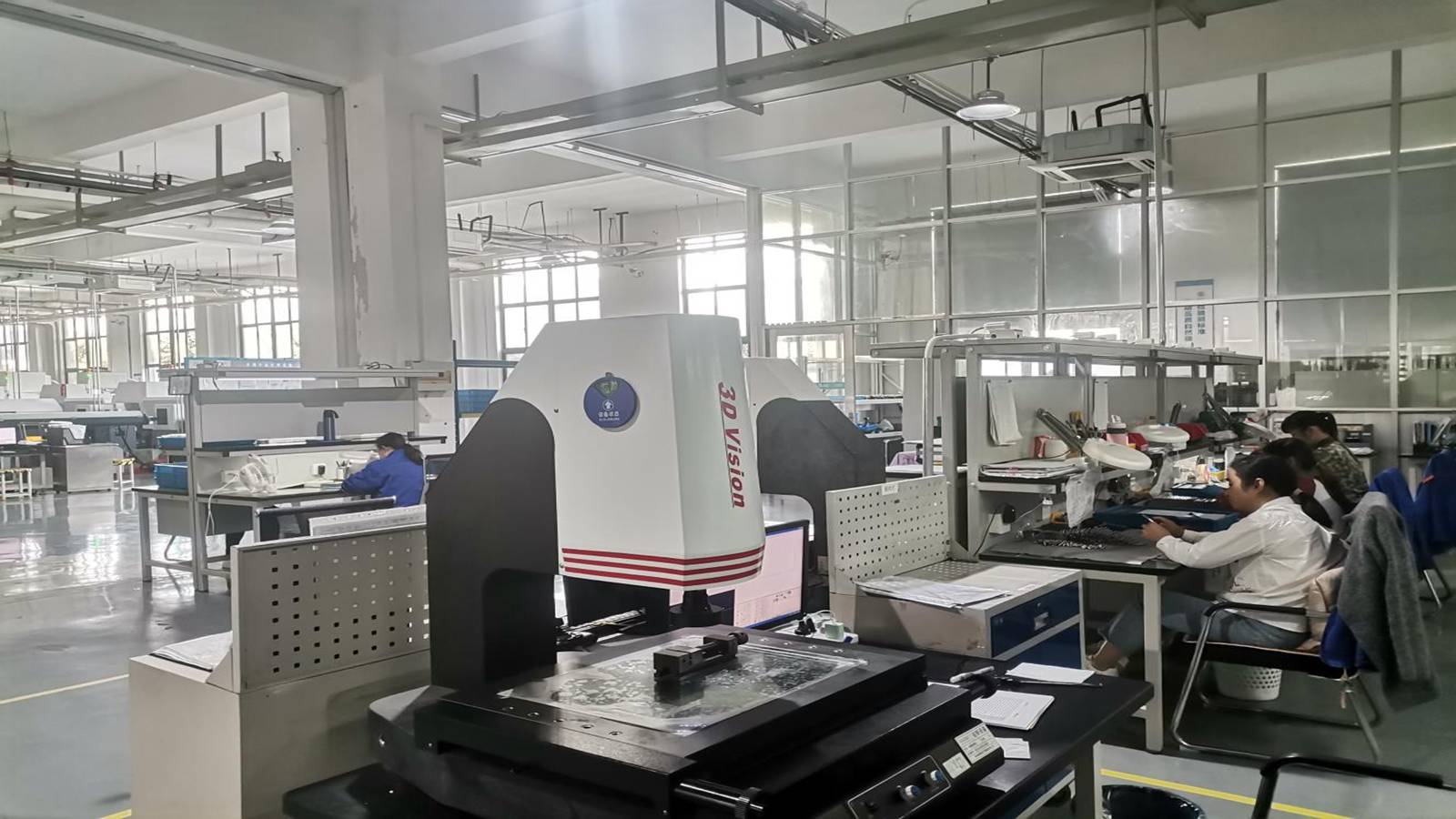
In the medical device industry, reliability is non-negotiable. HBM Medical operates under a rigorous quality management system that aligns with the highest international standards. We employ 36 dedicated QA/QC inspectors who conduct comprehensive inspections across all 12 production lines. We guarantee 100% traceability of all raw materials, utilizing only medical-grade titanium alloys sourced from certified global suppliers. Our facilities and products have successfully obtained prestigious international certifications, including ISO 13485, MDSAP, and CE (EPT 0477.MDR.25/5905 & EPT 0477.MDR.25/5973), ensuring seamless market entry and safety in clinical applications worldwide.



Engineering Parameters and Material Properties of HBM Spinal Implants
| Parameter | Solid Titanium Alloy Cages | 3D-Printed Porous Titanium Cages | Clinical Significance |
|---|---|---|---|
| Base Material | Ti-6Al-4V ELI (ASTM F136) | Ti-6Al-4V ELI Powder (ASTM F3001) | Medical-grade biocompatibility & high fatigue strength. |
| Modulus of Elasticity | 110 - 114 GPa | 3.0 - 5.0 GPa (Tailored) | Porous structure matches cortical bone (7-30 GPa) to prevent stress shielding. |
| Porosity Rate | 0% (Solid) | 60% - 80% (Open-cell) | Allows bone ingrowth and vascularization throughout the cage. |
| Pore Size Distribution | N/A | 300 - 800 μm (Optimized) | Proven range for maximum osteoblast migration and bone deposition. |
| Surface Roughness (Ra) | 0.4 - 0.8 μm | 4.0 - 7.5 μm (As-printed + Etched) | High micro-roughness enhances initial protein adsorption and cell attachment. |
| Subsidence Resistance | Moderate | Excellent (High friction coefficient) | Porous surface increases grip on vertebral endplates, preventing migration. |
Expert Answers to Critical Technical, Clinical, and Regulatory Inquiries
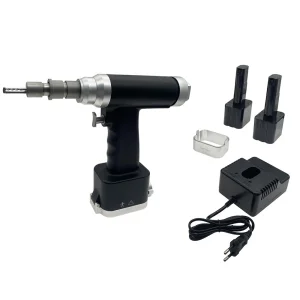
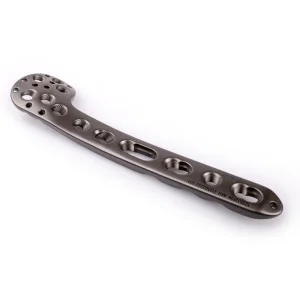
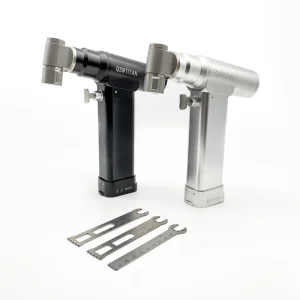
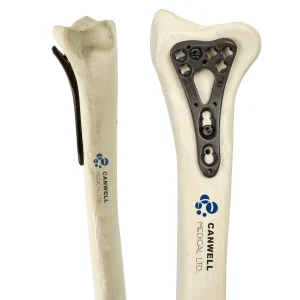
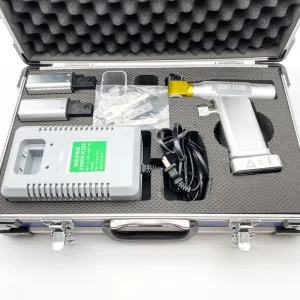
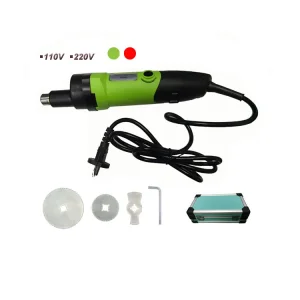
Explore our comprehensive range of high-performance surgical instruments, trauma plates, and veterinary power tools.
 HBM Medical