Rotator cuff tears (RCTs) represent one of the most prevalent musculoskeletal disorders globally, driving an exponential demand for highly reliable, biomechanically optimized, and biocompatible fixation devices. The modern surgical standard relies heavily on suture anchors—sophisticated implants designed to secure soft tissue to the glenoid footprint during arthroscopic procedures.
As clinical outcomes demand faster recovery times, minimal bone loss, and reduced revision rates, the engineering behind suture anchors has transitioned from simple metallic screws to highly complex, bio-inert polymers, bio-composite materials, and all-suture designs. For global medical device brands, distributors, and hospital procurement networks, identifying a premier China Suture Anchors for Rotator Cuff Manufacturer and Supplier is no longer merely a cost-saving measure, but a strategic partnership to secure cutting-edge R&D and robust supply chain resilience.
The global sports medicine market is undergoing rapid expansion, driven by an aging yet active population, rising sports participation, and advanced diagnostic capabilities. Procurement officers are facing unique challenges in balancing regulatory compliance, clinical efficacy, and cost-efficiency.
Global markets demand stringent regulatory pathways. Manufacturers must possess robust quality management systems certified to ISO 13485, MDSAP, and CE MDR standards to ensure seamless market entry across Europe, North America, and the Asia-Pacific region.
The shift from Titanium alloy (Ti-6Al-4V ELI) to Polyetheretherketone (PEEK) and bioabsorbable polymers (PLDLA-HA/TCP) has redefined the industry. Procurement must align with suppliers capable of precision-machining and injection-molding these advanced biomaterials.
Post-pandemic procurement strategies emphasize risk mitigation. Diversifying supply chains by partnering with vertically integrated Chinese manufacturers ensures stable lead times, cost containment, and high-volume scalability.
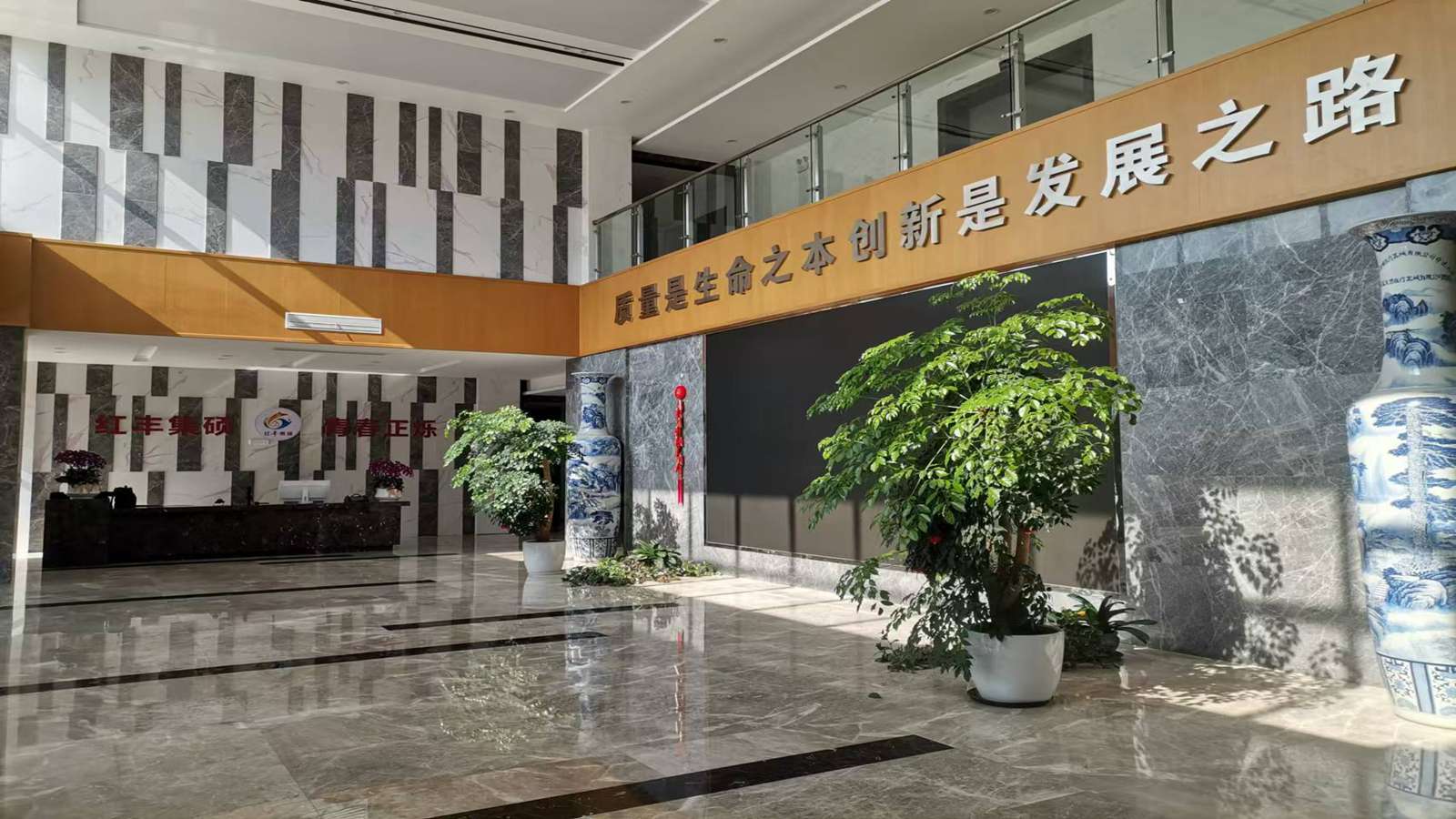
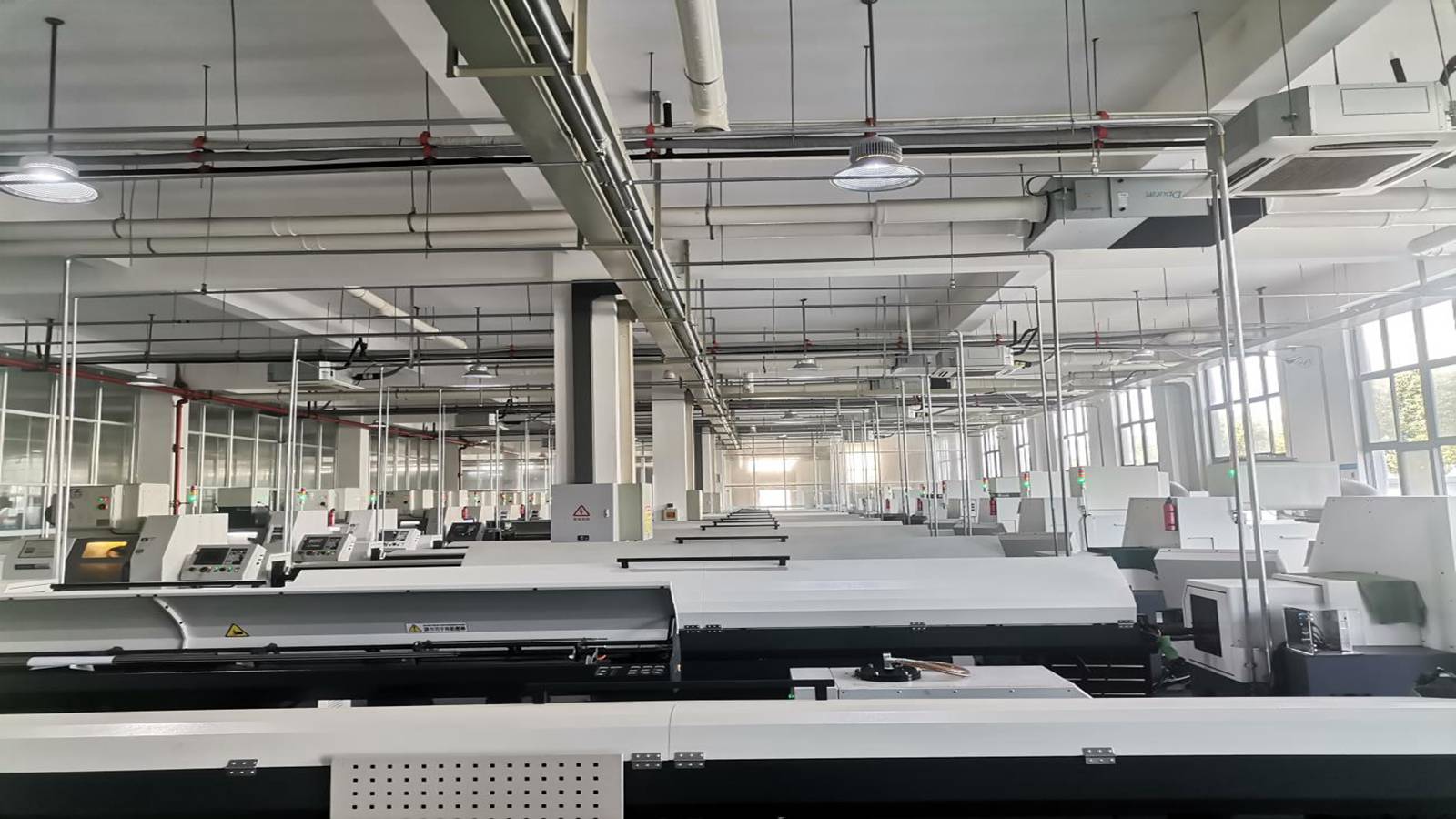
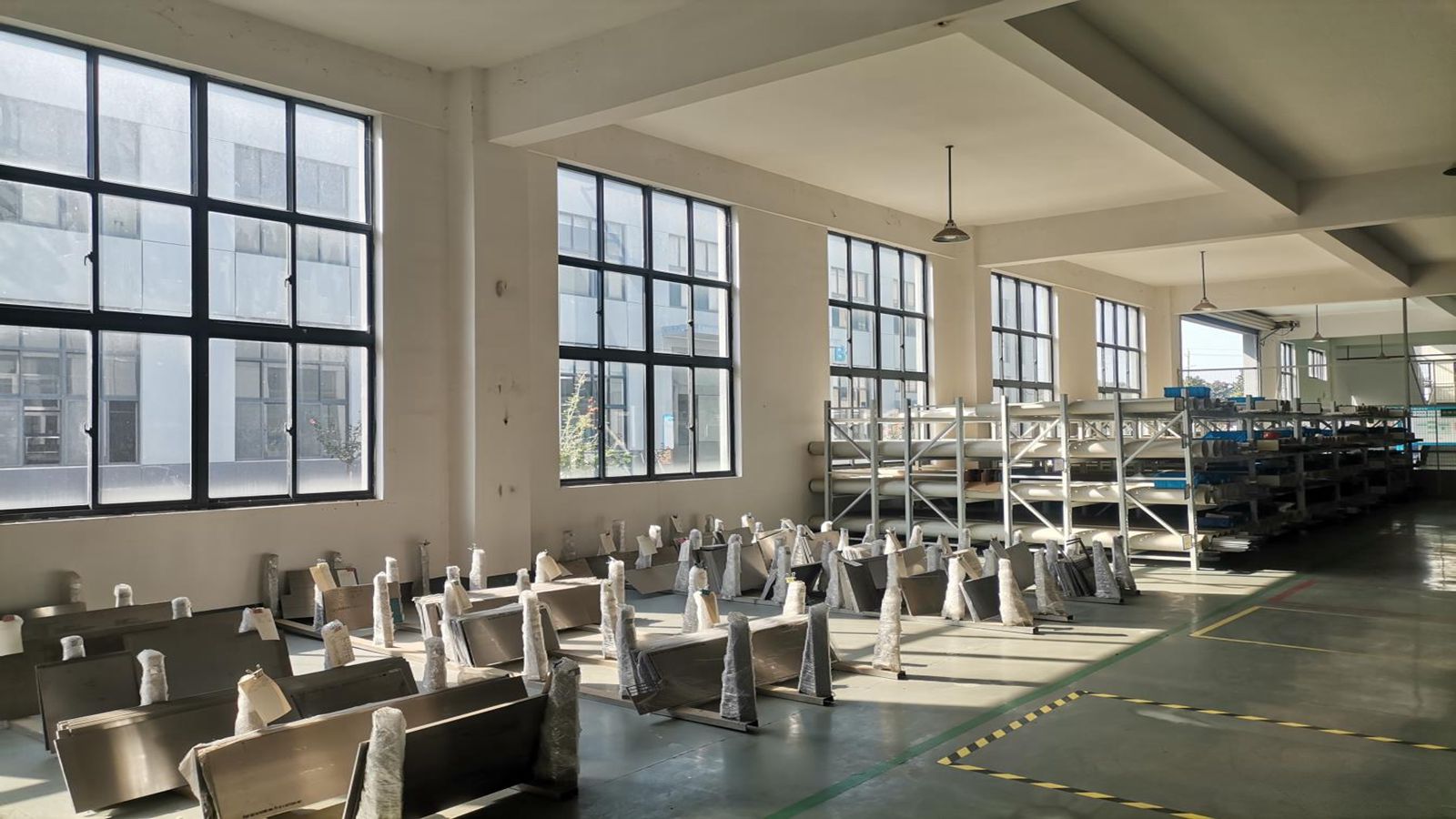
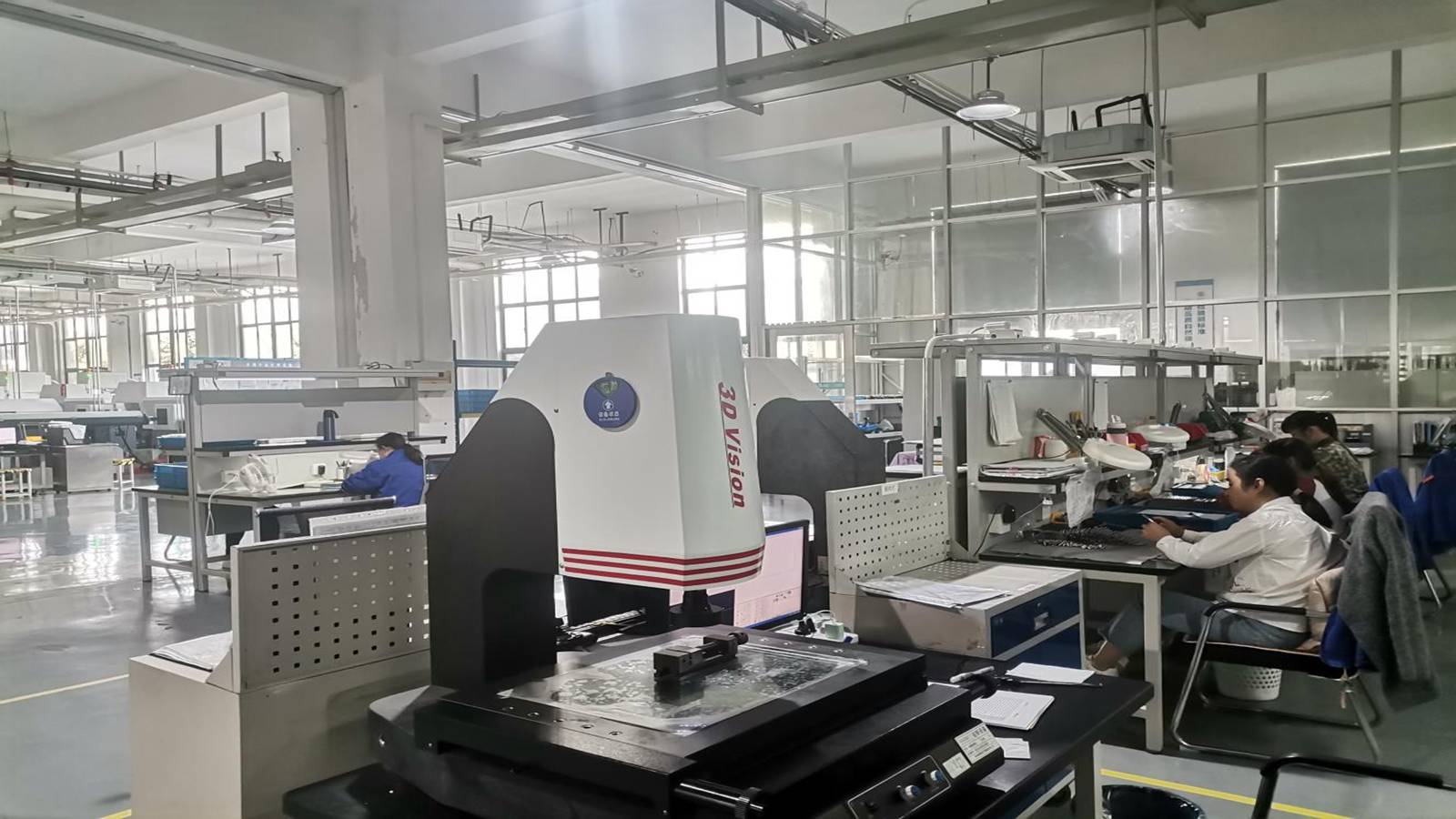
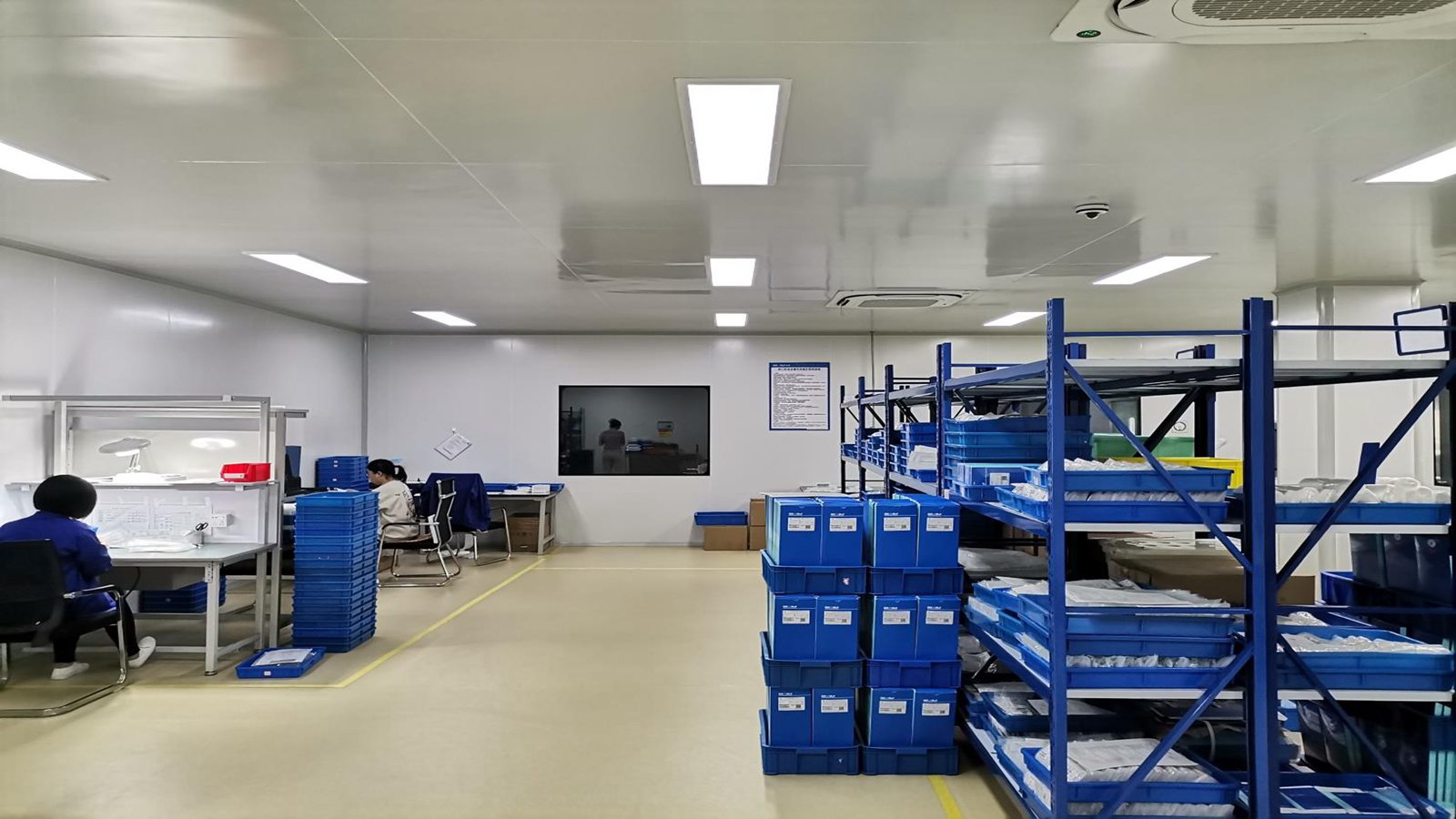
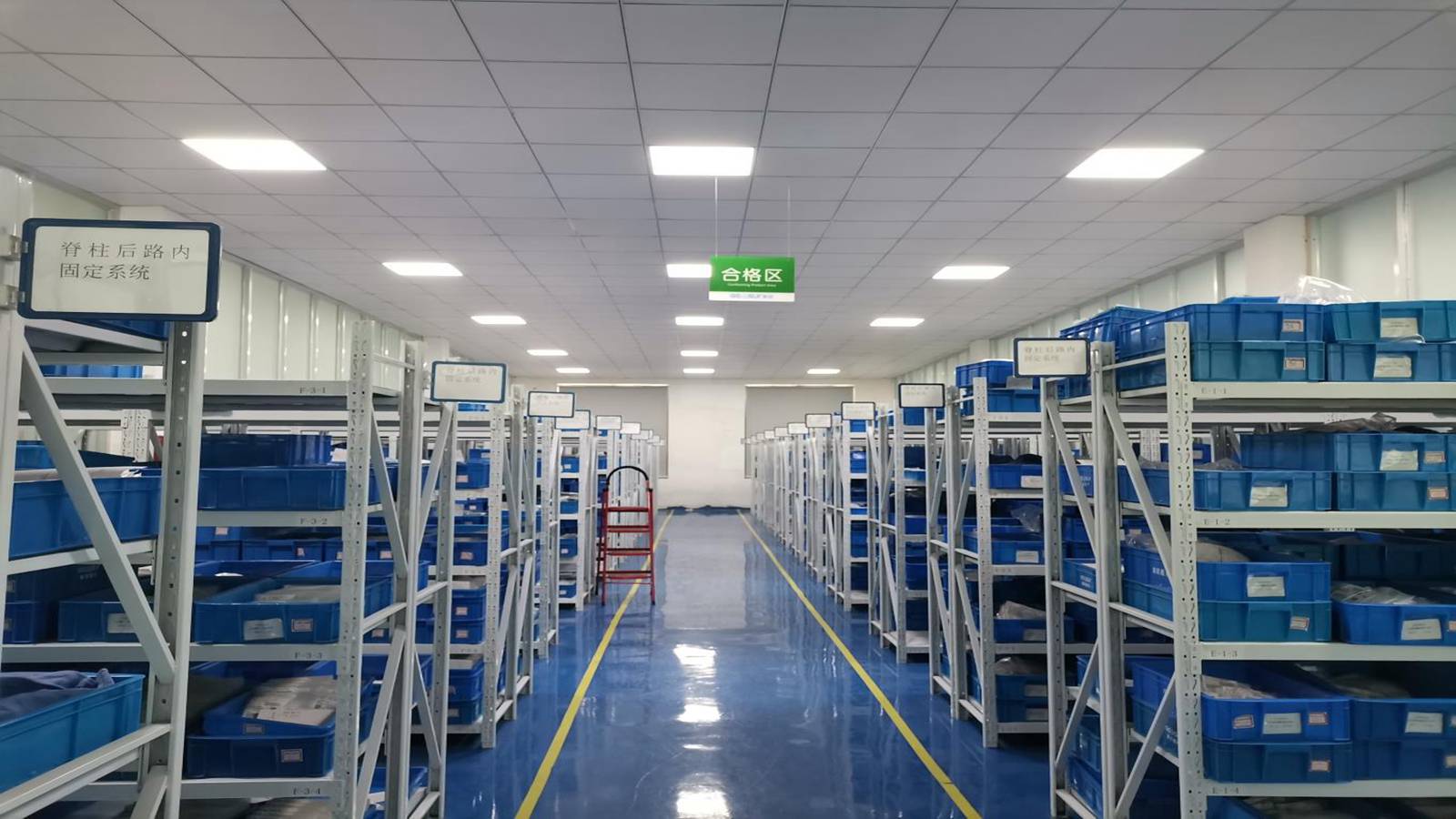
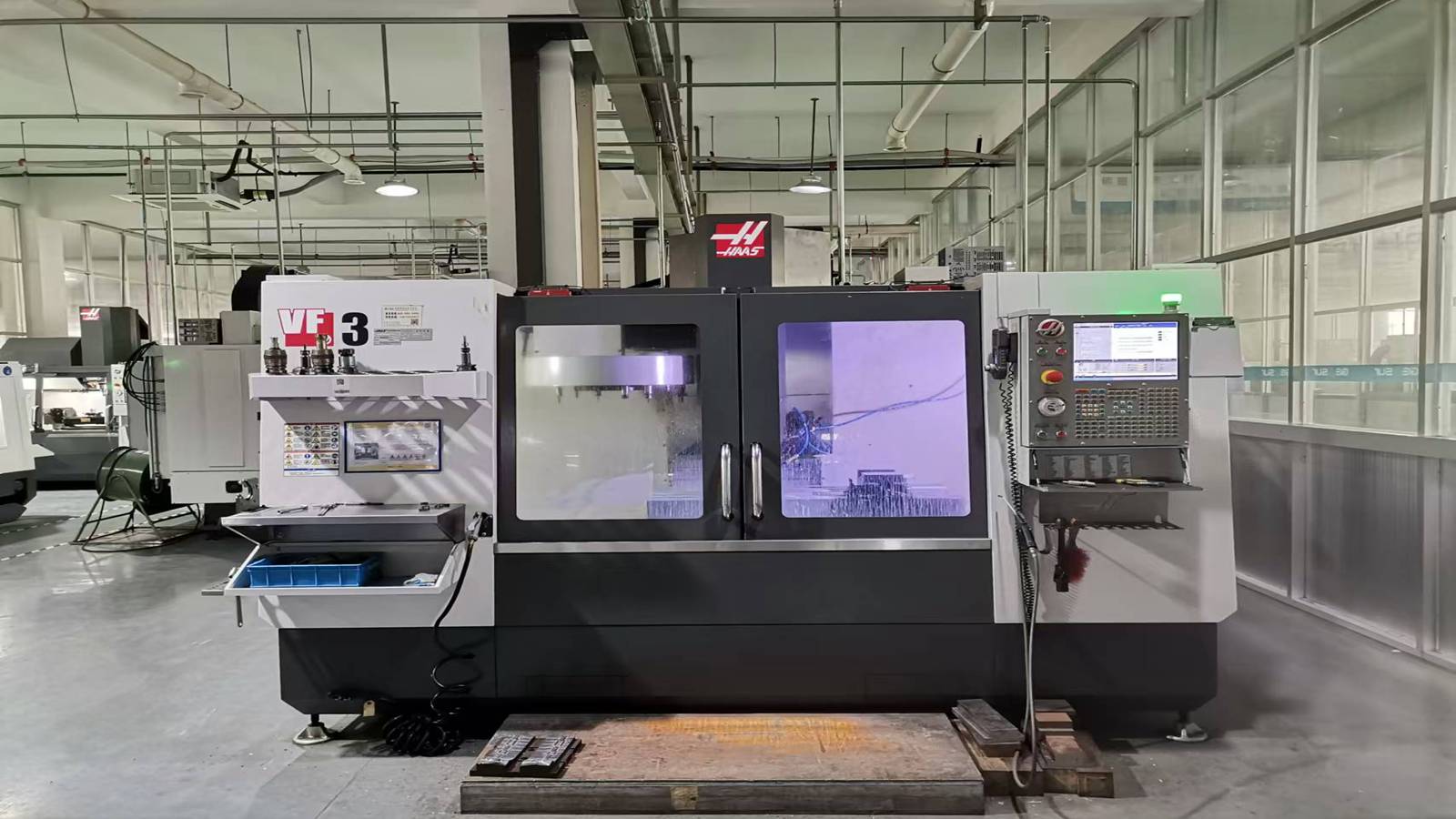
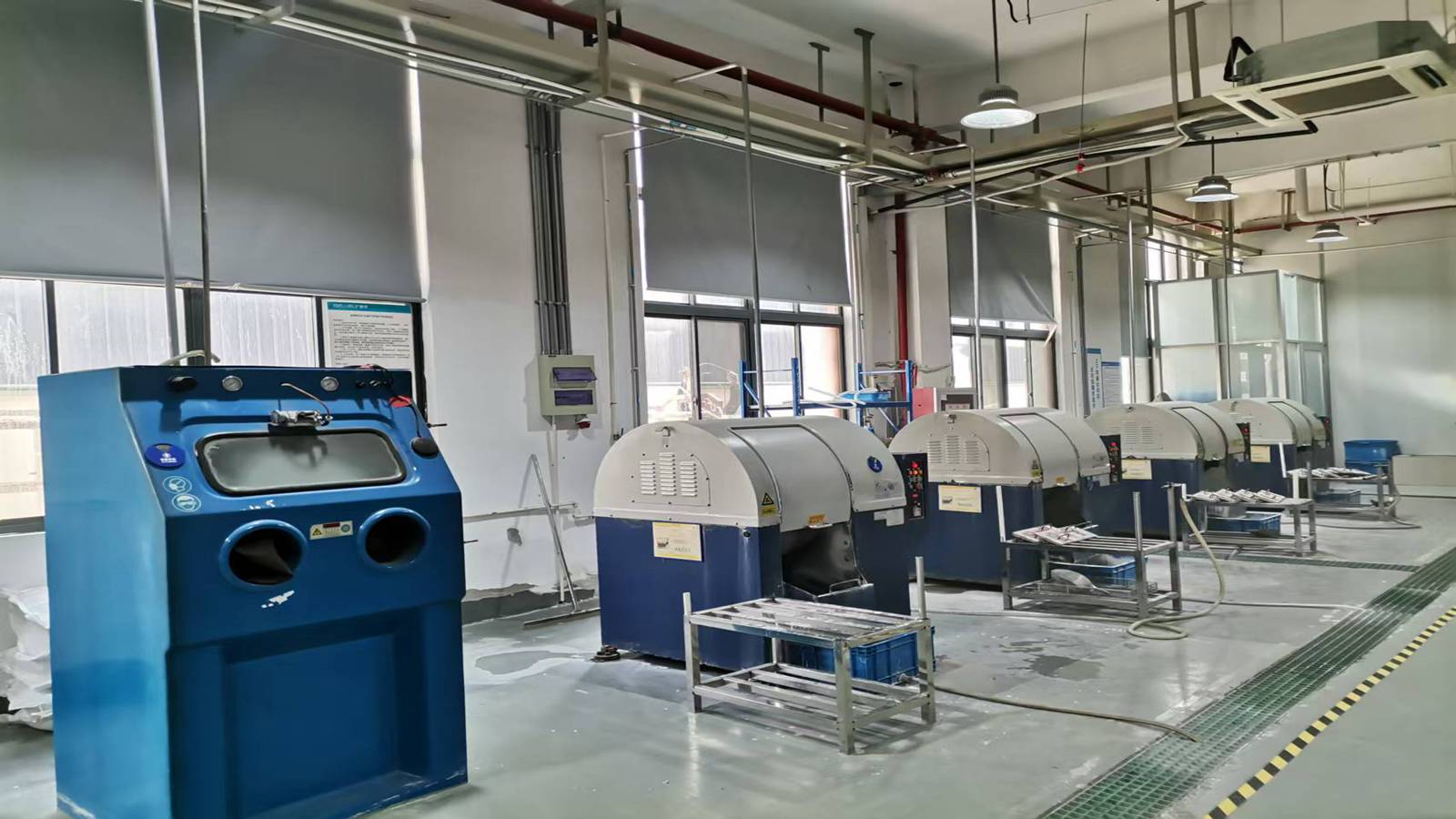
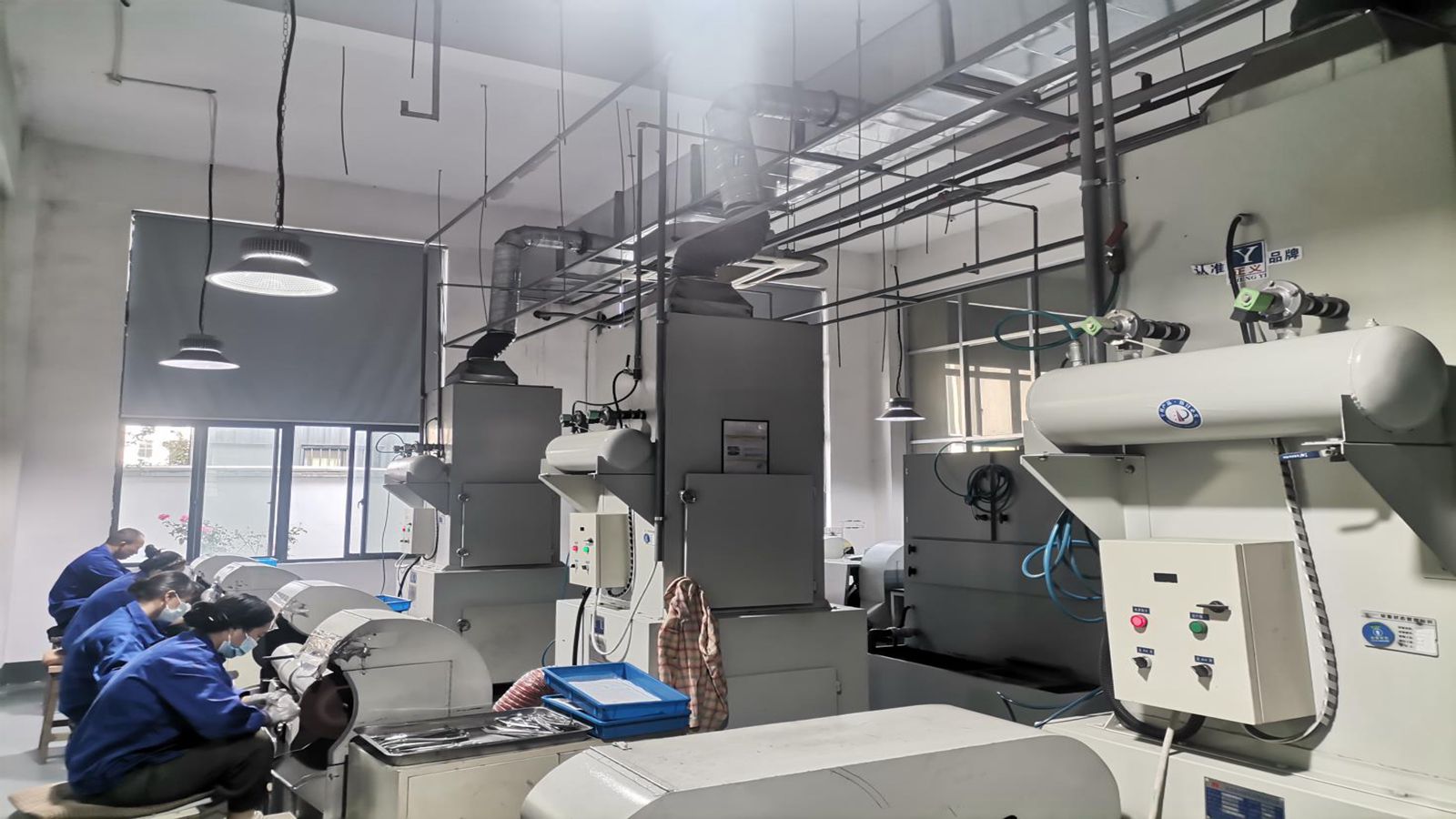
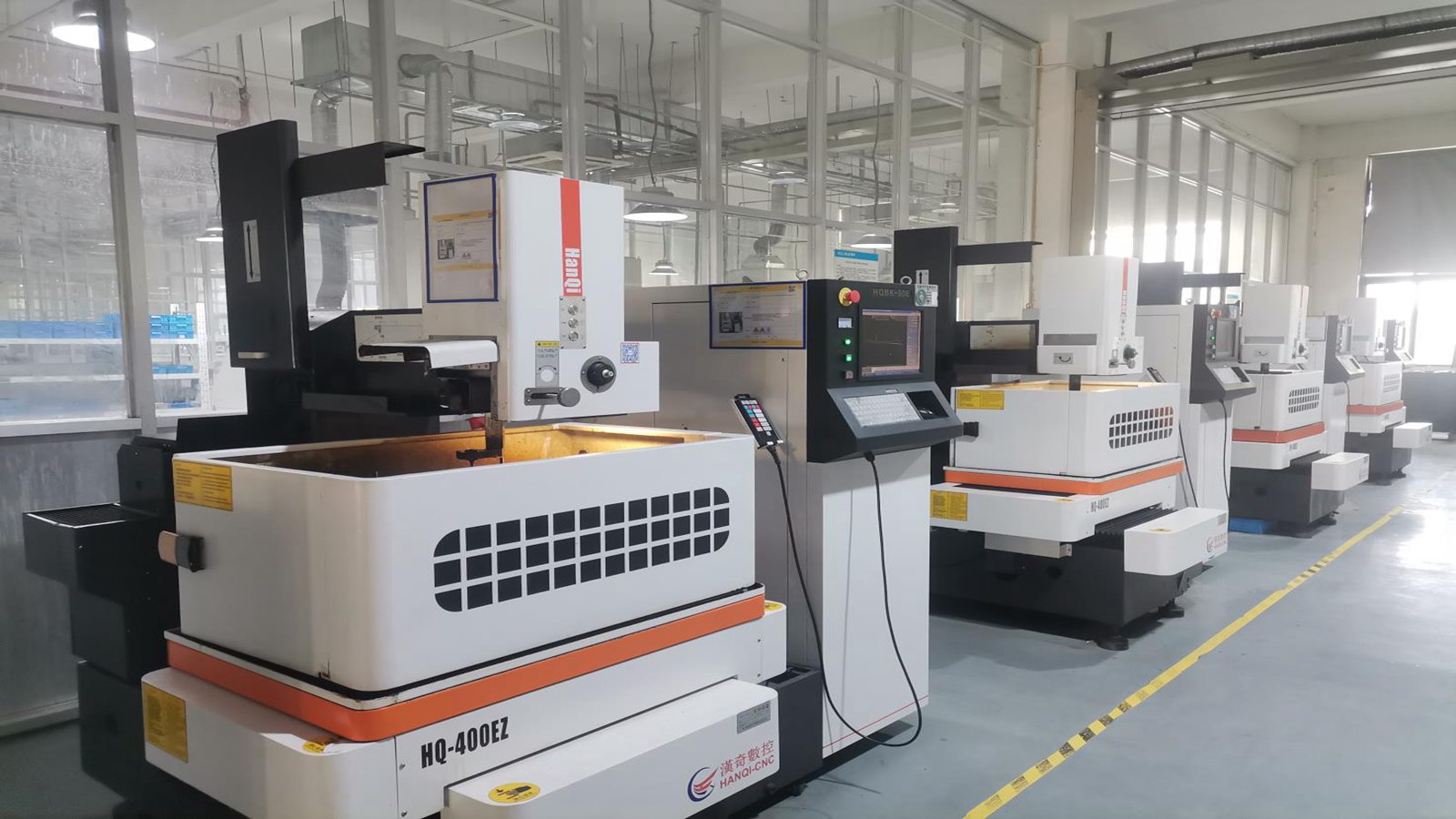
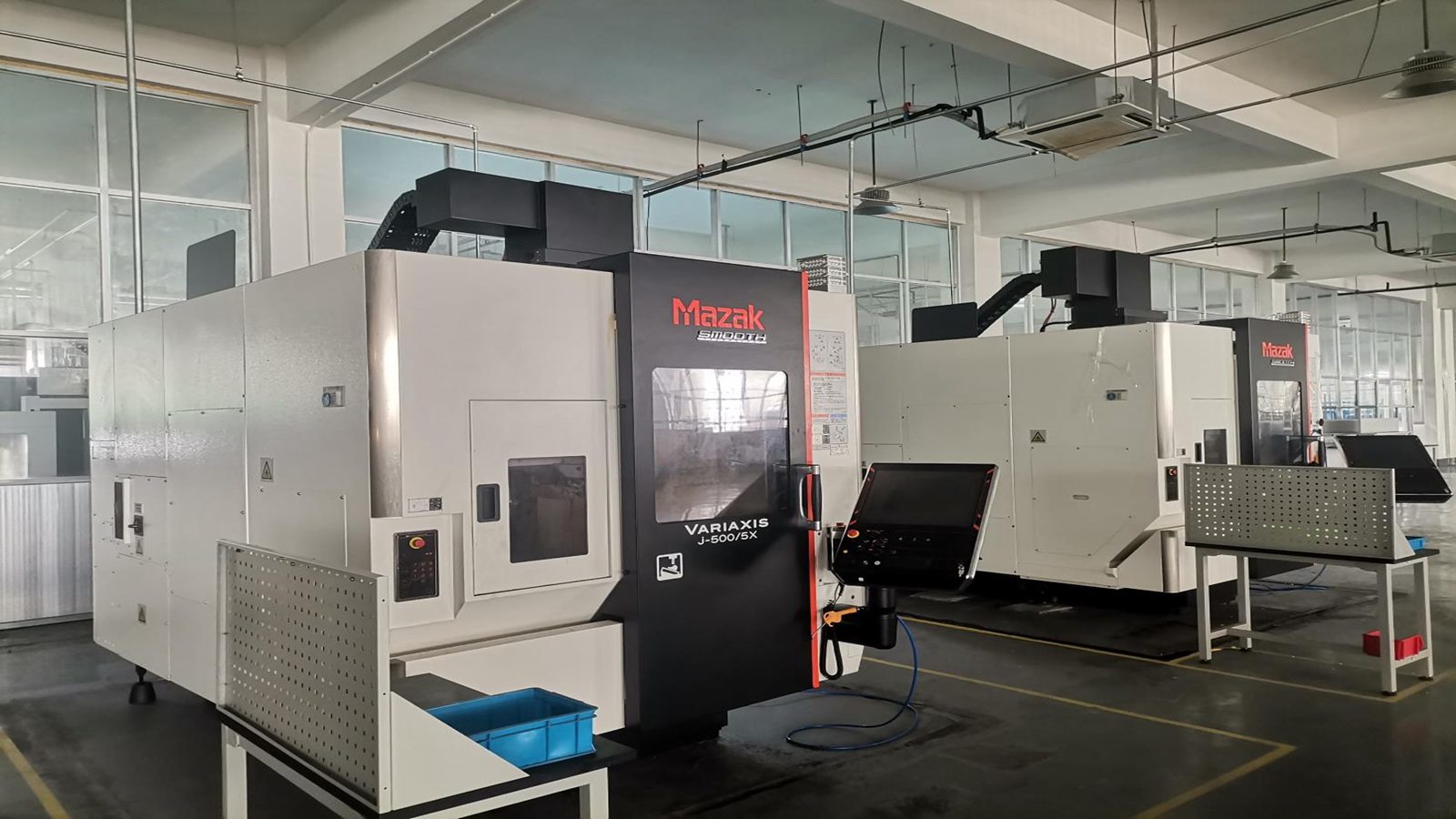
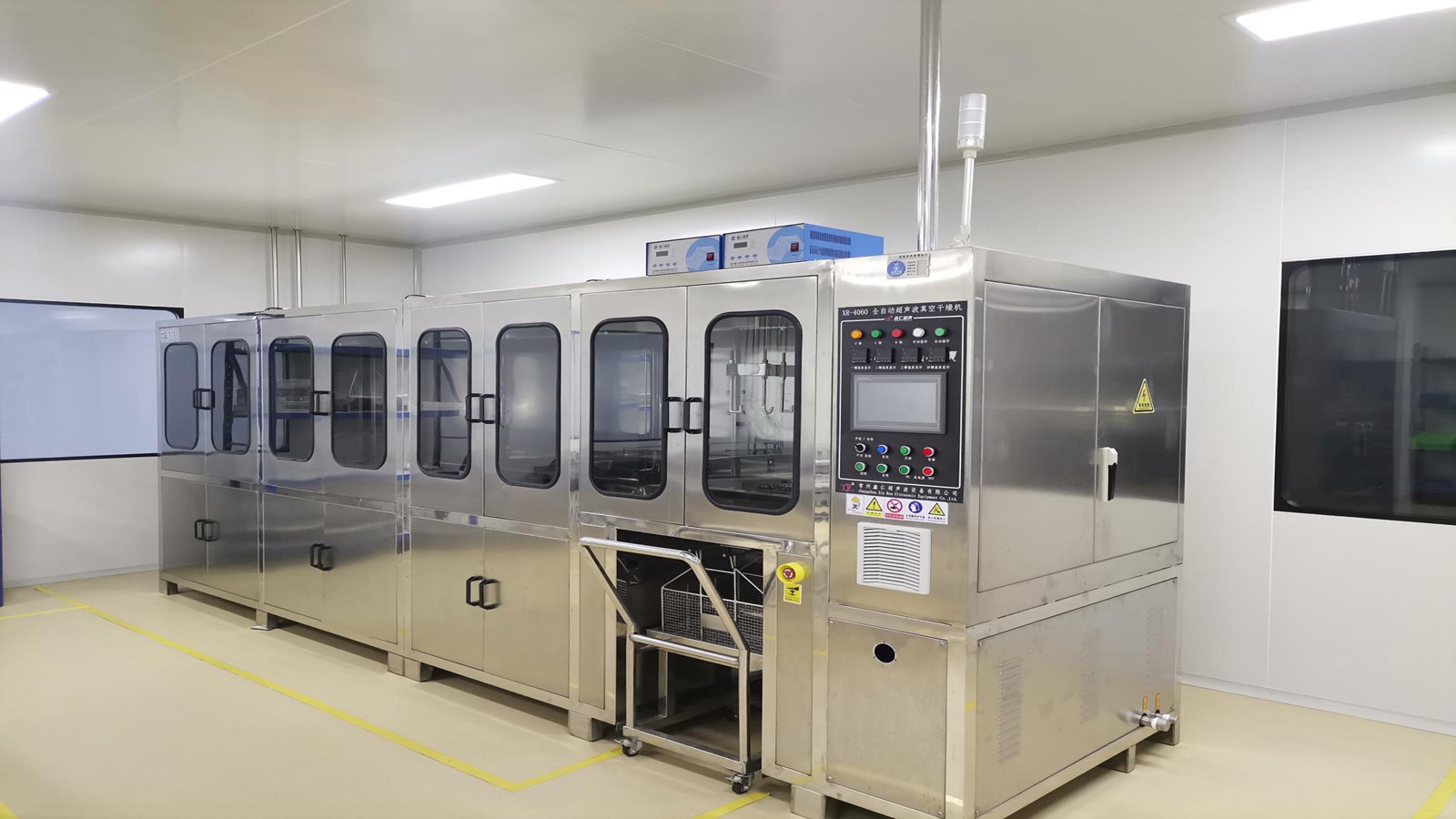
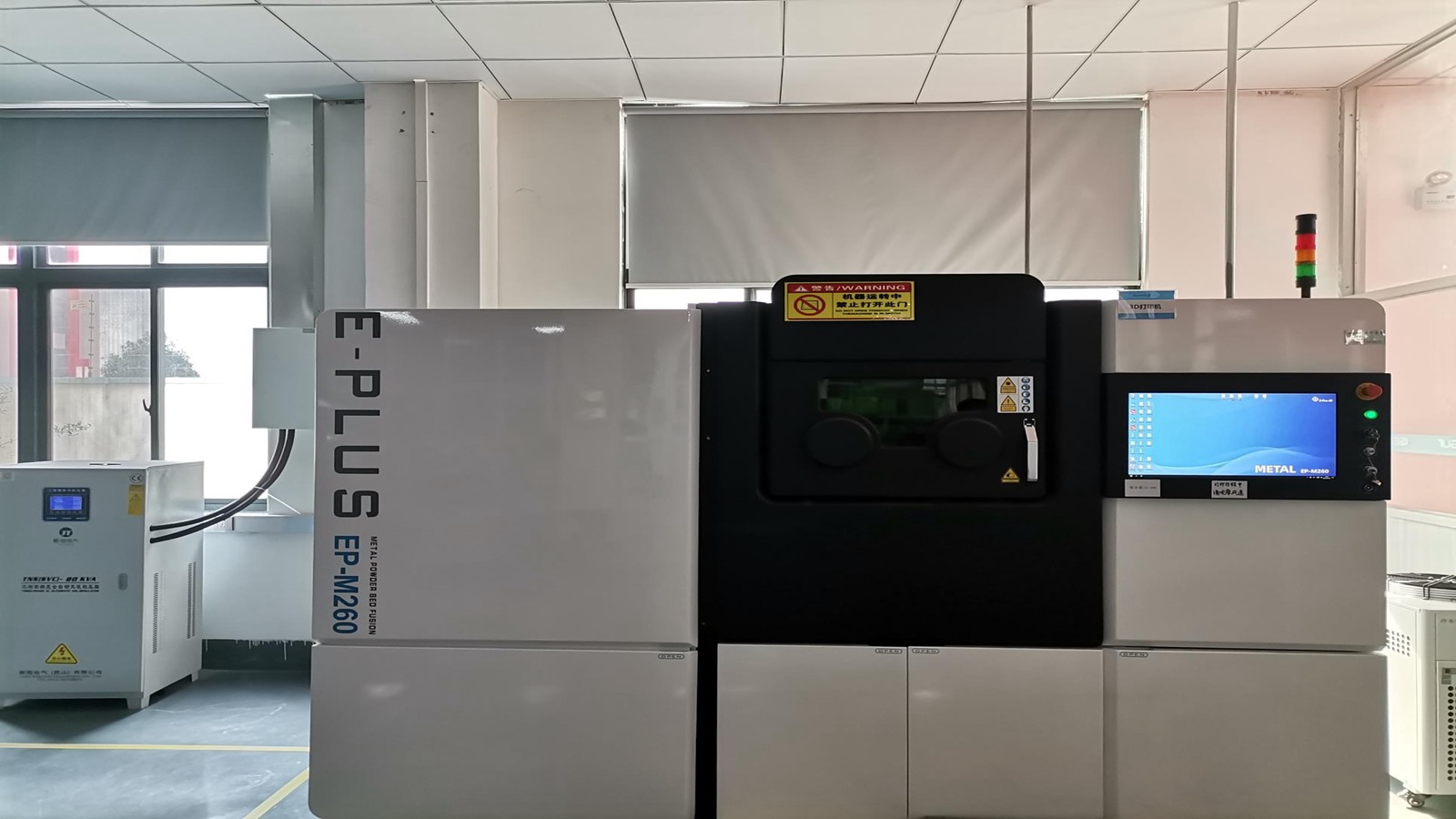
Founded in 2015, HBM Medical Apparatus And Instruments Co., Ltd. has emerged as a premier orthopedic medical equipment R&D, manufacturing, and operation enterprise in China. Spanning a state-of-the-art facility of over 30,343 square meters, HBM integrates advanced German and Swiss manufacturing technologies with rigorous quality control systems to deliver world-class sports medicine implants and surgical instruments.
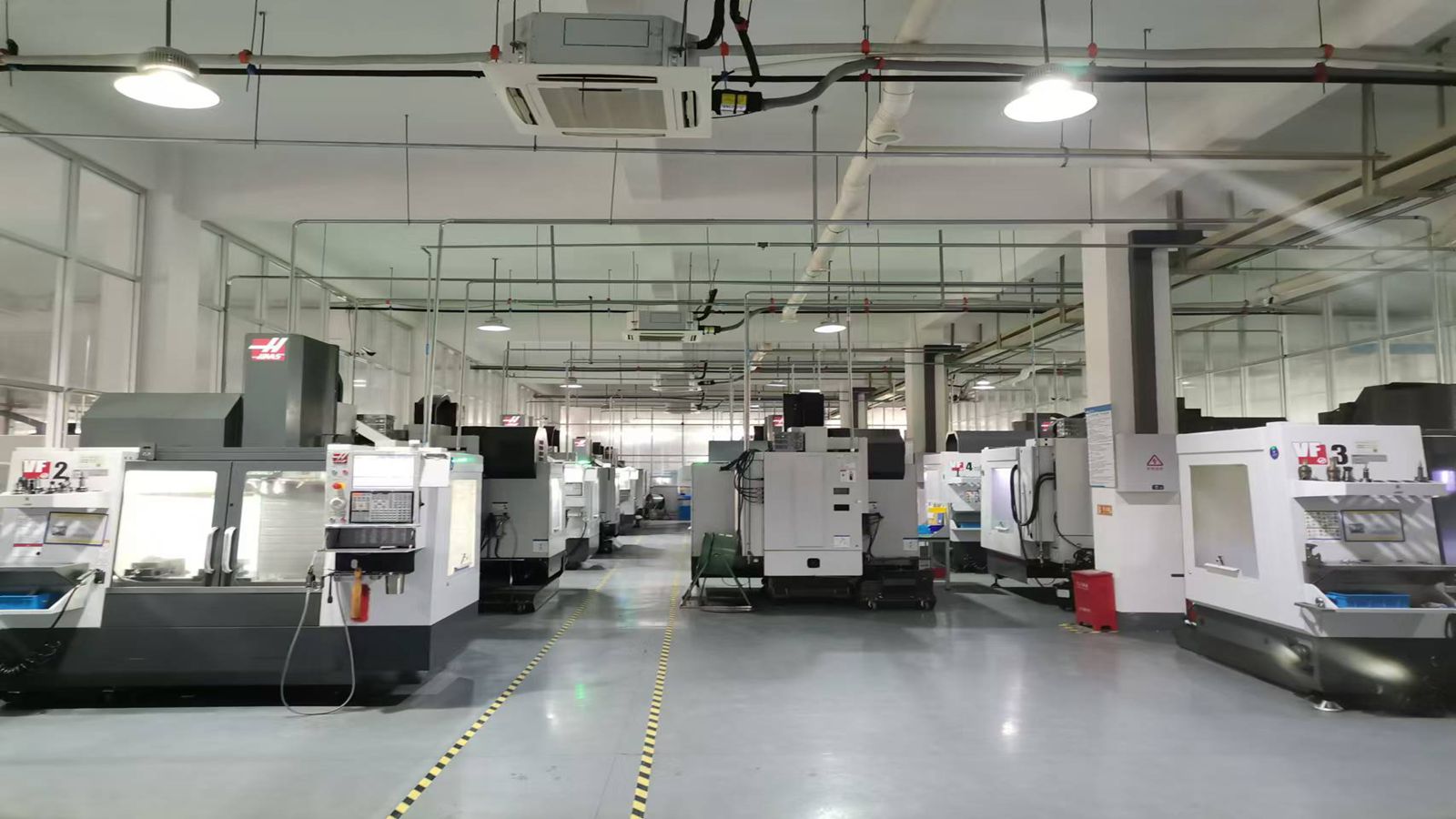
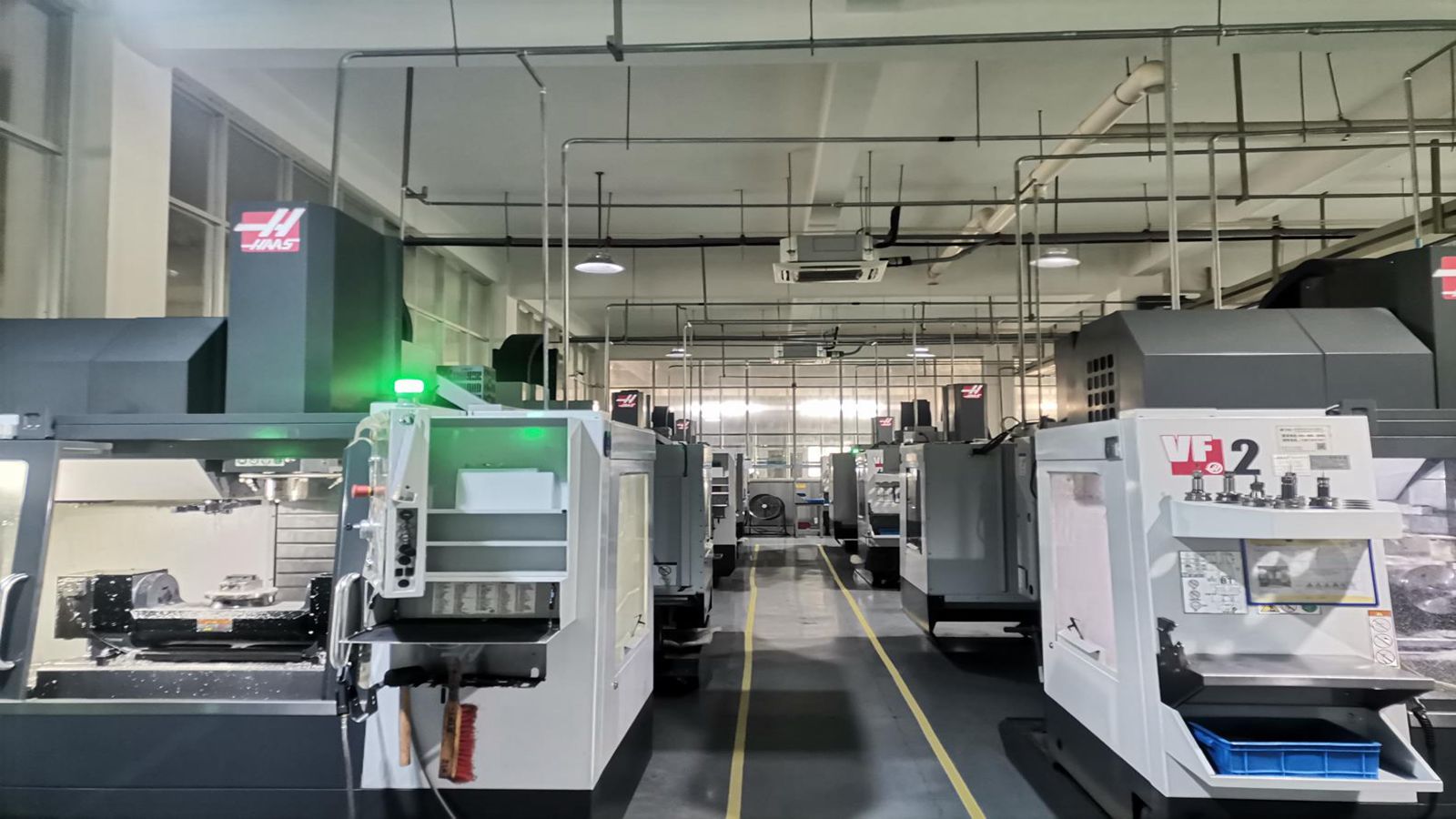
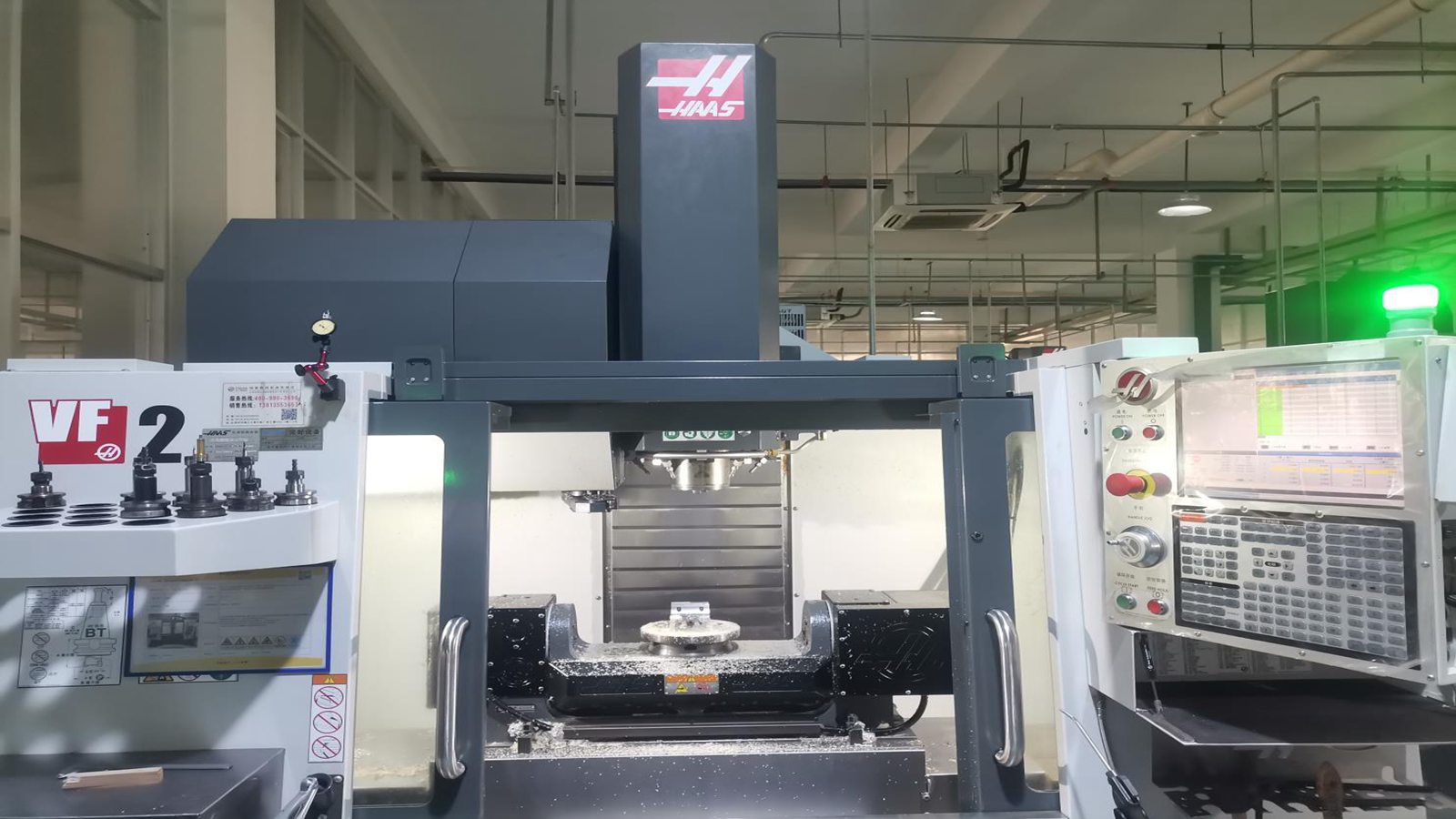
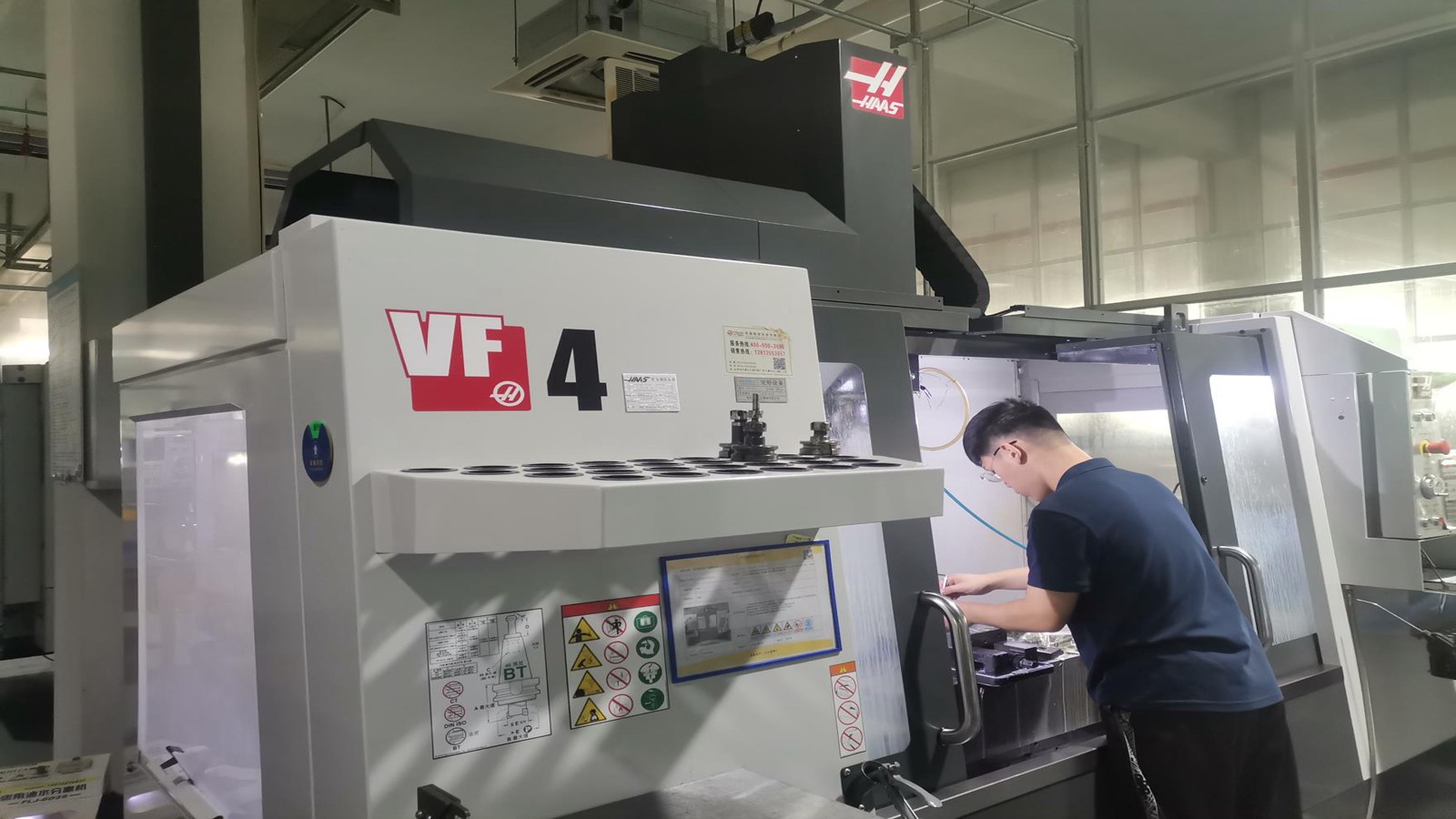
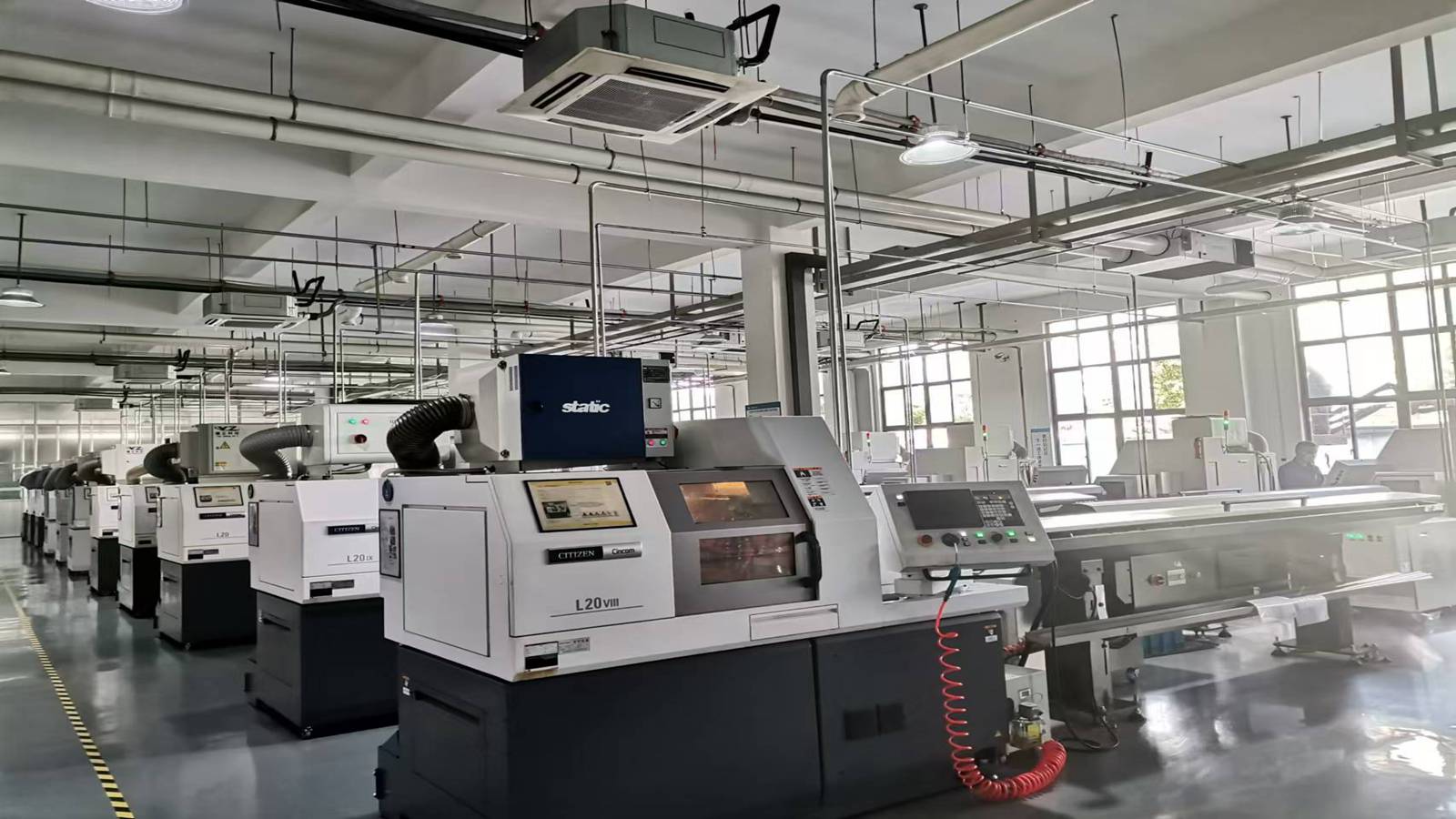
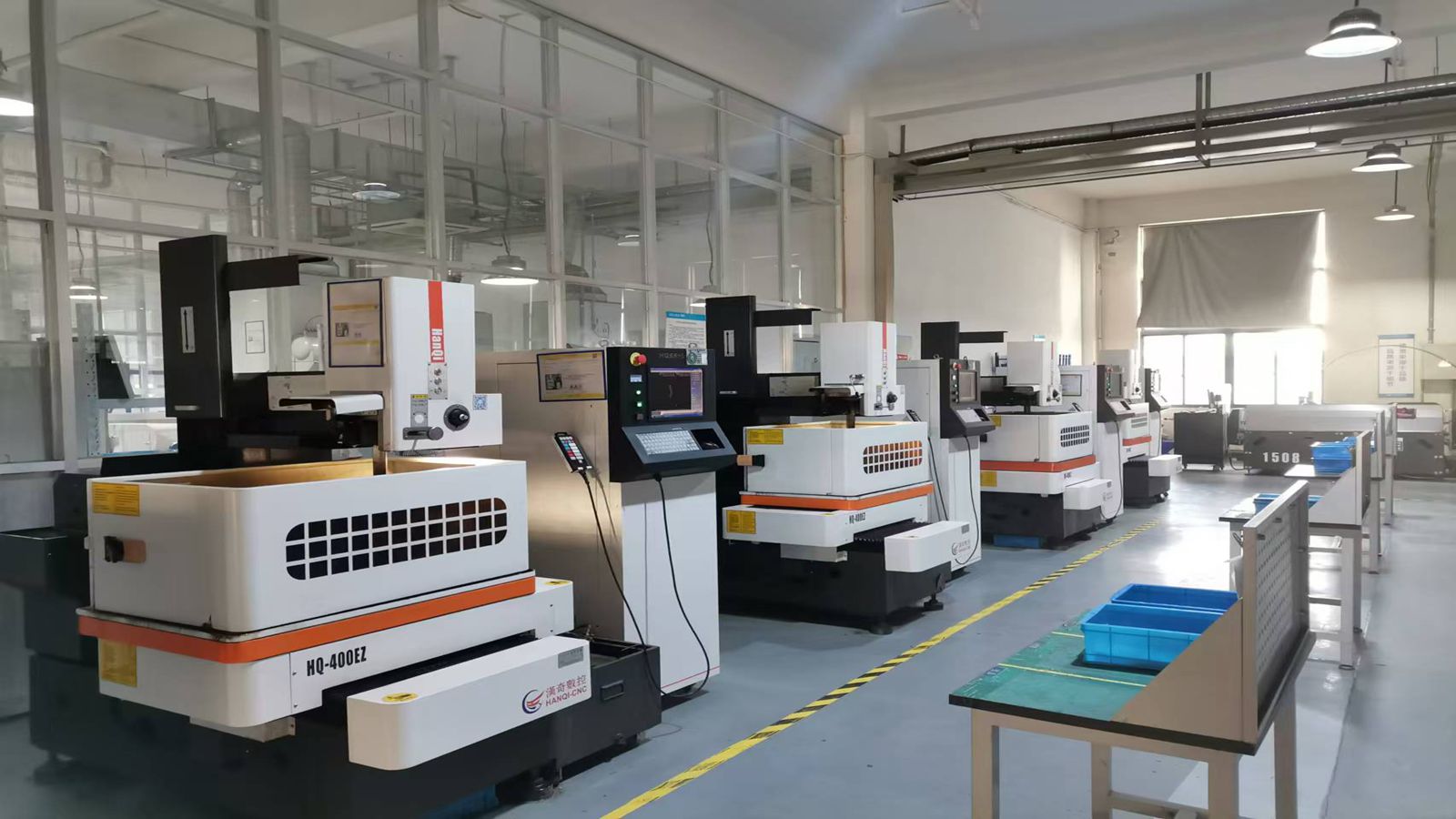
With 12 dedicated production lines and over 120 high-precision processing and testing machines, HBM possesses the capacity to scale production rapidly while maintaining microscopic tolerances. Our commitment to innovation is backed by a robust R&D team of 31 engineers, including specialists holding doctorate and postgraduate degrees in biomaterial science and mechanical engineering.
HBM is fully compliant with global medical standards, holding certifications including ISO 13485, MDSAP (C730178), and CE MDR (EPT 0477.MDR.25/5905 & EPT 0477.MDR.25/5973). This ensures our products meet the strict regulatory requirements of the European Union, North America, and other global markets.
The clinical success of a rotator cuff repair depends heavily on the interface between the bone, the anchor, and the suture. HBM's engineering team focuses on optimizing this interface through advanced material selection and design geometry.
Polyetheretherketone (PEEK) is a high-performance thermoplastic known for its excellent biocompatibility and mechanical properties. PEEK anchors exhibit a modulus of elasticity close to that of cortical bone, minimizing stress shielding and promoting stable long-term fixation. They are radiolucent, allowing for artifact-free post-operative MRI and CT imaging.
Constructed from medical-grade Titanium (Ti-6Al-4V ELI), these anchors offer unmatched pull-out strength and structural integrity. Ideal for patients with high bone density or in revision surgeries where maximum primary stability is required. HBM's titanium anchors feature self-tapping threads to simplify insertion and minimize bone trauma.
Representing the latest evolution in sports medicine, all-suture anchors require significantly smaller pilot holes (typically 1.5mm to 1.8mm), preserving precious glenoid bone stock. Upon deployment, the anchor body expands against the subcortical bone, providing exceptionally high pull-out force with minimal implant footprint.
Modern arthroscopic rotator cuff repair strategies are tailored to the tear size, tissue quality, and patient activity level. HBM's comprehensive suture anchor portfolio supports all major surgical techniques:
Operating in the highly regulated medical device sector requires more than just manufacturing capabilities. It demands a partner that understands the nuances of global compliance, traceability, and continuous quality improvement.
HBM Medical's Factory 4.0 infrastructure is designed to act as an extension of our clients' own operations. By offering comprehensive OEM, ODM, and customized on-demand processing, we enable global brands to rapidly prototype, validate, and launch next-generation sports medicine solutions.
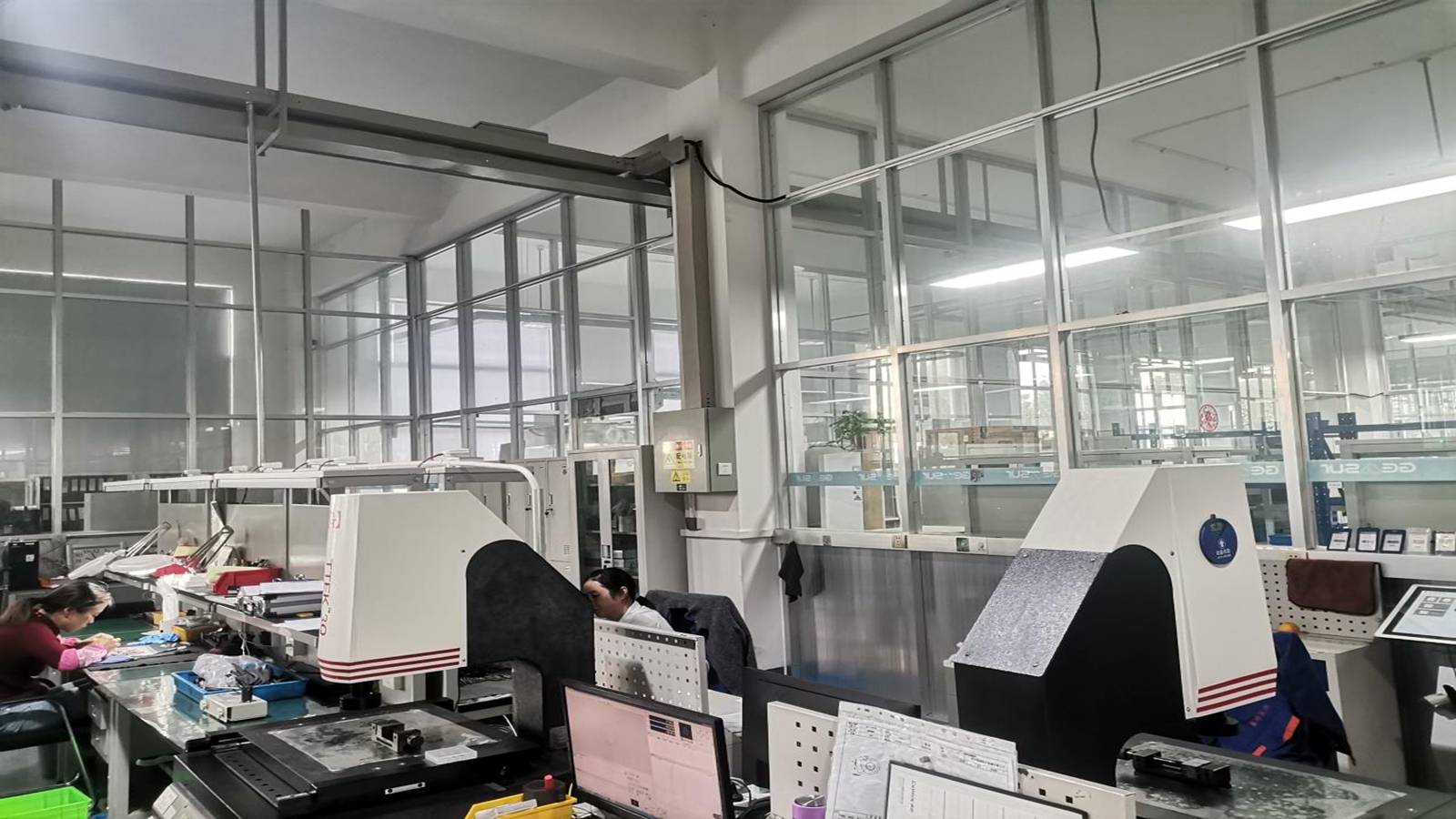
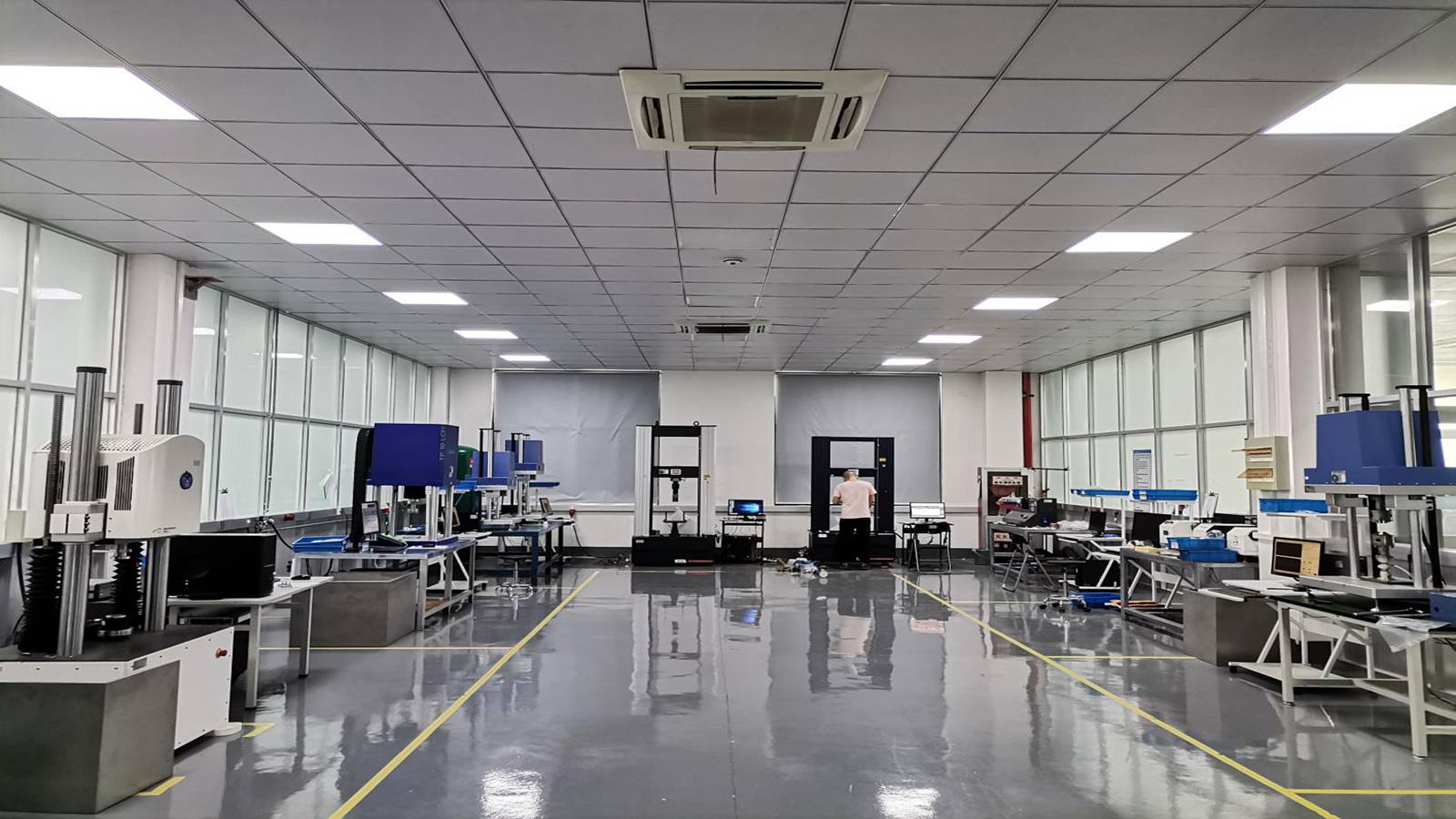
Our raw materials are sourced exclusively from world-class, certified suppliers, ensuring complete traceability from the chemical batch to the sterile packaged implant. With 36 dedicated QA/QC inspectors and a multi-tiered testing protocol (including fatigue testing, torque-to-failure analysis, and pull-out force validation), we guarantee that every implant meets or exceeds international clinical standards.
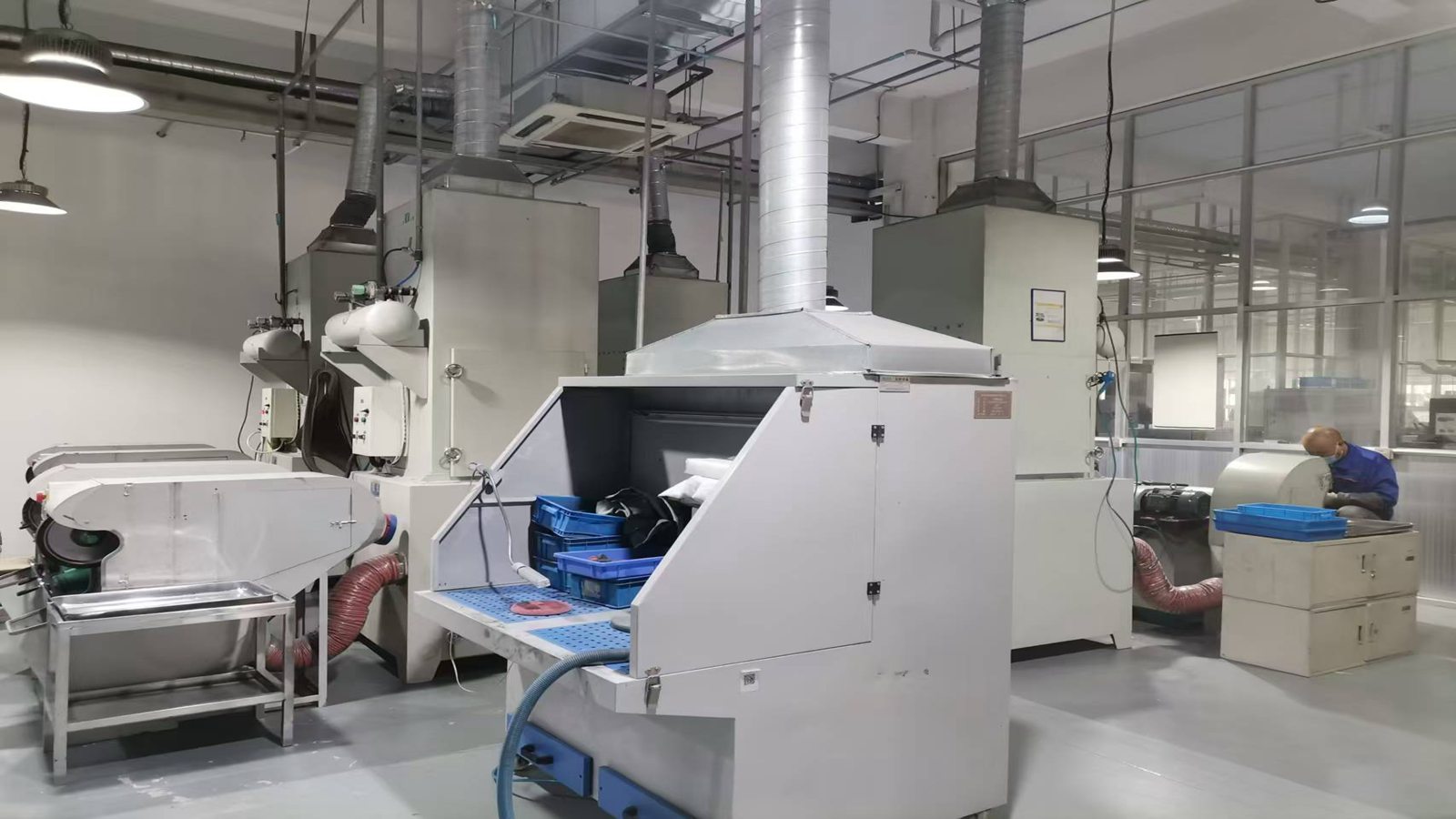
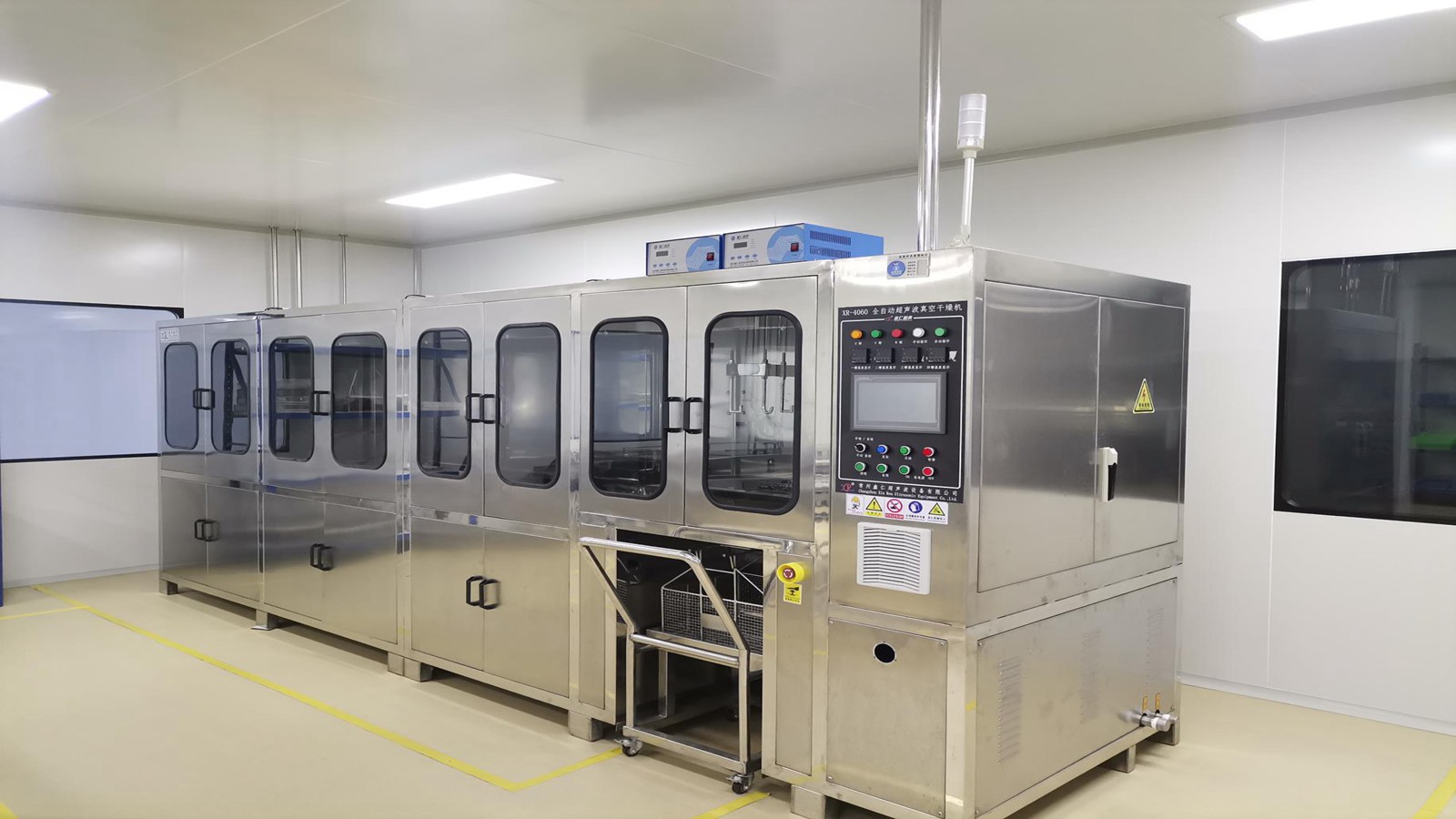
Explore HBM Medical's advanced manufacturing infrastructure, featuring Class 100,000 cleanrooms, high-precision CNC machining centers, and comprehensive quality control laboratories.


Expert answers to the most critical technical, clinical, and commercial questions regarding suture anchors for rotator cuff repair and sourcing from China.

 HBM Medical