Why is Product Innovation Crucial for Orthopedic Implants?

Time:2026-06-01 Author:Aria
0%

In the rapidly evolving field of orthopedic surgery, the importance of product innovation is paramount. Why is product innovation important for orthopedic implants? As the demand for improved patient outcomes grows, innovative solutions are essential. New technologies can enhance performance and reliability, addressing both surgeon and patient needs.

Improvements in materials and design directly impact recovery times and overall satisfaction. For instance, advanced materials reduce implant wear and tear, leading to longer-lasting results. However, innovation must balance efficacy with cost-effectiveness. High-quality implants can be expensive, and healthcare systems often grapple with budget constraints.

Continued research and development can feel like a daunting challenge. Yet, fostering an environment of creativity is crucial. Collaboration among researchers, surgeons, and manufacturers can spark breakthroughs. Innovators must reflect on failures and successes to inform future designs. Only through persistent effort can we ensure that orthopedic implants keep pace with the growing expectations of patients and healthcare providers.
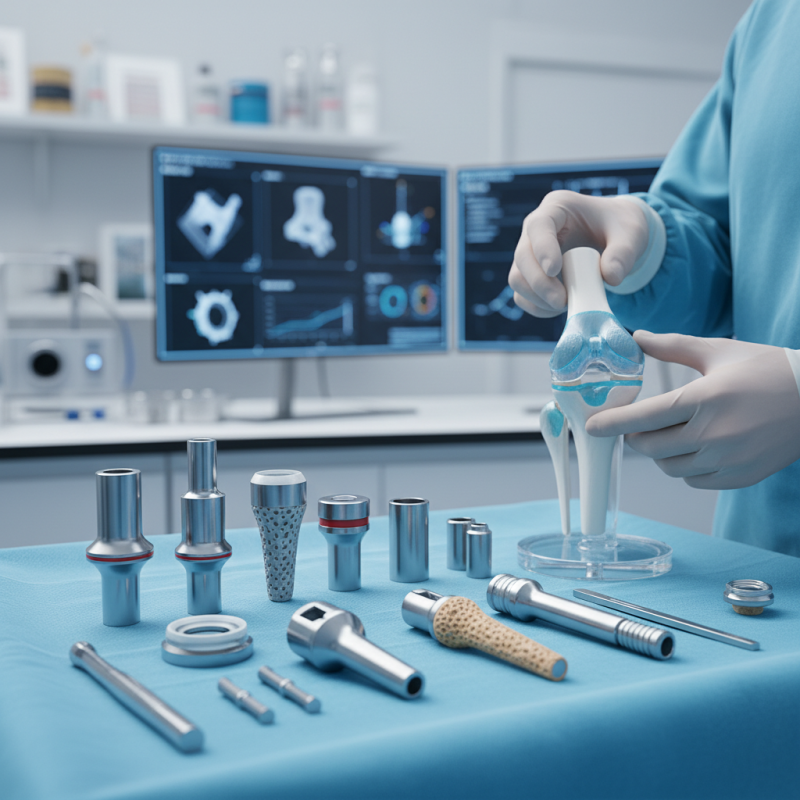
Why is Product Innovation Crucial for Orthopedic Implants?

Overview of Orthopedic Implants and Their Importance in Medicine

Orthopedic implants play a significant role in modern medicine. They are used to restore function and alleviate pain. These devices include screws, plates, and joint replacements. Surgeons rely on their durability and effectiveness. This reliance underscores the necessity of innovative design in implants.

The human body responds differently to implants. While some patients experience quick recovery, others may face complications. Successful integration into the body depends on various factors, including material compatibility. Non-biocompatible materials can cause inflammation or rejection. It is essential to choose the right materials to minimize risks.

Innovation is not just about new products. It is also about refining existing designs. Continuous improvement can lead to better patient outcomes. Researchers must assess feedback from surgeons and patients alike. Listening to real experiences leads to more effective solutions. Striving for perfection in orthopedic implants is a challenging goal, yet it remains essential for enhancing patient quality of life.

The Role of Product Innovation in Advancing Orthopedic Implant Technology

Product innovation is vital for advancing orthopedic implant technology. New materials and design approaches can enhance the biocompatibility and longevity of implants. Surgeons benefit from these advancements, allowing for quicker recovery times and better patient outcomes. Modern implants are lighter yet stronger, which improves patient mobility. Each improvement leads to increased confidence in orthopedic procedures.

Tips: Stay updated on emerging technologies. Attend conferences that highlight recent innovations. Engaging with thought leaders can provide insights into future trends.

While advancements are promising, challenges remain. Not every innovation delivers the expected results. Some new materials may cause unforeseen reactions in patients. Continuous testing and feedback are essential. Innovations must aim for real-world applicability, not just theoretical improvements.

Regular assessments of implant performance are also crucial. Surgeons should collaborate with manufacturers to monitor long-term outcomes. Collecting data on complications can guide future innovations. Identifying gaps in current technologies helps pinpoint areas for improvement, ensuring that each new product serves its purpose effectively.

Why is Product Innovation Crucial for Orthopedic Implants?

Innovation Type Description Impact on Patient Outcomes Market Demand
Biomaterials Development of new materials that better integrate with human tissue. Improved compatibility, reduced rejection rates. High demand for advanced implants.
3D Printing Customization of implants to fit individual patient anatomies. Enhanced surgical outcomes and recovery times. Increasing interest in personalized medicine.
Smart Implants Integration of sensors to monitor the status of implants in real-time. Better post-surgical monitoring and early detection of complications. Growing demand for connected health solutions.
Enhanced Coatings New coatings that promote faster healing and reduce infections. Lower infection rates and improved healing times. Rising focus on infection control in surgical settings.

Key Factors Driving Innovation in Orthopedic Implant Development

Innovation in orthopedic implants is crucial, driven by various factors. One key reason is the increasing demand for better patient outcomes. As technologies evolve, healthcare providers seek implants that enhance recovery and reduce complications. Patients expect devices that offer more comfort and longevity. The focus has shifted from merely functional designs to those that integrate seamlessly with the human body.

Another factor is the push for personalized medicine. Implants tailored to individual anatomy and lifestyle can lead to improved success rates. Surgeons increasingly rely on advanced imaging and 3D printing. These technologies allow for designs that closely mimic the natural structure of bones and joints. This personalization not only boosts confidence but also helps in minimizing the risk of revision surgeries.

Furthermore, regulatory pressures are intensifying. Agencies around the world require more rigorous testing and validation processes. This has led manufacturers to innovate continuously, ensuring compliance while also improving product safety. However, the rapidly changing landscape can overwhelm smaller companies. They face challenges in keeping up with the large players. The industry must strike a balance between innovation and practicality, ensuring that advancements remain accessible and effective.

Impact of Patient Outcomes on the Need for Innovative Orthopedic Solutions

Orthopedic implants play a vital role in enhancing patient outcomes. As technology evolves, the demand for innovative solutions grows. Traditional implants may not meet the diverse needs of all patients. Factors like age, activity level, and medical history influence the choice of implant. Innovative designs can significantly improve recovery times and overall satisfaction.

A recent study found that patients using advanced implants reported fewer complications. These devices often offer better fitting and adaptability. Customization is crucial for individual needs, as no two patients are alike. The goal is to restore mobility and quality of life effectively.

Tip: Always consider patient feedback when developing new orthopedic solutions. Collecting real-world data can guide updates in product design. This approach ensures that innovations address actual patient challenges.

Additionally, new materials in implants can reduce rejection rates. For example, bio-compatible materials help the body integrate better with the implant. Understanding material science is key to developing safer devices. Analyzing past failures can provide insights for future success.

Tip: Regular training for medical teams on the latest innovations is essential. Proper knowledge fosters trust and helps in patient education about options available. A well-informed team can lead to better patient decisions.

Current Trends and Future Directions in Orthopedic Implant Innovation

Product innovation in orthopedic implants is evolving rapidly. Recent studies show that the global orthopedic implant market is projected to reach $60 billion by 2025, driven by technological advancements and an aging population. Innovations focus on areas like biocompatibility, which improves patient outcomes. A 2022 report revealed that 30% of patients experienced fewer complications due to the use of new materials.

Additive manufacturing, such as 3D printing, plays a key role in this shift. It allows for customization of implants tailored to individual patient anatomy. Custom implants reduce surgery time and improve recovery rates. However, challenges persist. Not all materials have been adequately tested for long-term performance. Researchers are actively working to address these gaps.

Moreover, digital technologies, like AI-analyzed imaging, are enhancing pre-surgical planning. This data-driven approach can improve accuracy in implant placement. Nevertheless, integration with existing systems remains a struggle for many hospitals. The need for training and investment can slow adoption rates. Keeping pace with these complex trends is vital for the future of orthopedic implant innovation.

FAQS

: What are orthopedic implants used for?

: Orthopedic implants restore function and alleviate pain. They include screws, plates, and joint replacements.

How does the body respond to implants?

Responses vary. Some patients heal quickly; others may face complications. Success depends on material compatibility.

Why is product innovation crucial in this field?

Innovation enhances biocompatibility and longevity of implants. Surgeons benefit from quicker recovery and better outcomes.

What should surgeons consider when choosing an implant?

They must consider material compatibility. Non-biocompatible materials can cause inflammation or rejection in patients.

How can personalized medicine improve outcomes?

Tailored implants match individual anatomy and lifestyle. This approach boosts success rates and minimizes revision surgeries.

What are the challenges of new materials?

Some may cause unforeseen reactions. Continuous testing and feedback are vital to ensure safety and effectiveness.

How can manufacturers support surgeons in monitoring implants?

Collaboration is key. Regular assessments and data collection on performance guide future innovations and improvements.

What trends should professionals follow?

Stay updated on emerging technologies. Attend conferences and engage with thought leaders for future insights.

Why are regulations important in implant development?

They ensure rigorous testing and validation, promoting product safety. However, smaller companies may struggle to keep up.

What is a common reflection in developing implants?

Not every innovation meets expectations. The industry must balance creativity with practical applications for effective solutions.

Conclusion

Orthopedic implants play a vital role in modern medicine, enabling better patient outcomes through improved mobility and pain relief. As the demand for more effective solutions grows, the question arises: "Why is product innovation important for orthopedic implants?" Innovation in this field drives advancements in technology, making implants safer, more durable, and better suited to individual patient needs.

Several factors contribute to the push for innovation, including advancements in materials, the integration of smart technologies, and a greater understanding of human anatomy. Moreover, the impact of patient outcomes significantly influences the development of innovative orthopedic solutions. As we look to the future, trends such as personalized healthcare and minimally invasive procedures are likely to shape the landscape of orthopedic implant innovation, ensuring continued progress and improved patient care.

Aria

Aria

Aria is a dedicated marketing professional with a deep passion for innovative strategies and a keen understanding of our company's product offerings. With a wealth of experience in the industry, Aria excels at crafting engaging content that highlights the unique features and benefits of our......