Top Orthopedic Implants for Revision Surgery Buying Guide

Time:2026-09-14 Author:Amelia
0%

Revision surgery is not simply a second operation. It is a reconstruction problem involving failed fixation, bone loss, infection, instability, or worn bearing surfaces. The American Joint Replacement Registry’s 2024 Annual Report tracks more than three million hip and knee procedures, showing the growing need for reliable long-term implant evidence. The UK National Joint Registry also monitors revision trends, implant performance, and patient outcomes across millions of arthroplasties.

How to choose orthopedic implants for revision surgery depends on the failure mechanism, remaining bone, soft-tissue stability, and the surgeon’s reconstruction plan. A loose femoral stem needs a different solution from an infected acetabular component. CT imaging may reveal hidden bone defects. In the operating room, trial components should restore leg length, offset, and joint stability without excessive tension. Small details matter.

Javad Parvizi, MD, a leading revision-arthroplasty specialist, has emphasized, “The single most important factor in the success of revision surgery is an accurate diagnosis.” That principle should guide every purchasing decision. Hospitals should compare fixation method, porous coating, modularity, liner options, instrumentation, sterilization controls, and published survivorship data. Cost alone is a weak measure.

The uncomfortable truth? No implant system solves poor planning. Evidence may also be incomplete for newer designs. This guide therefore examines registry data, peer-reviewed studies, regulatory documentation, and practical surgical experience. It aims to help procurement teams and orthopedic specialists choose implants that fit the patient, the defect, and the revision strategy.
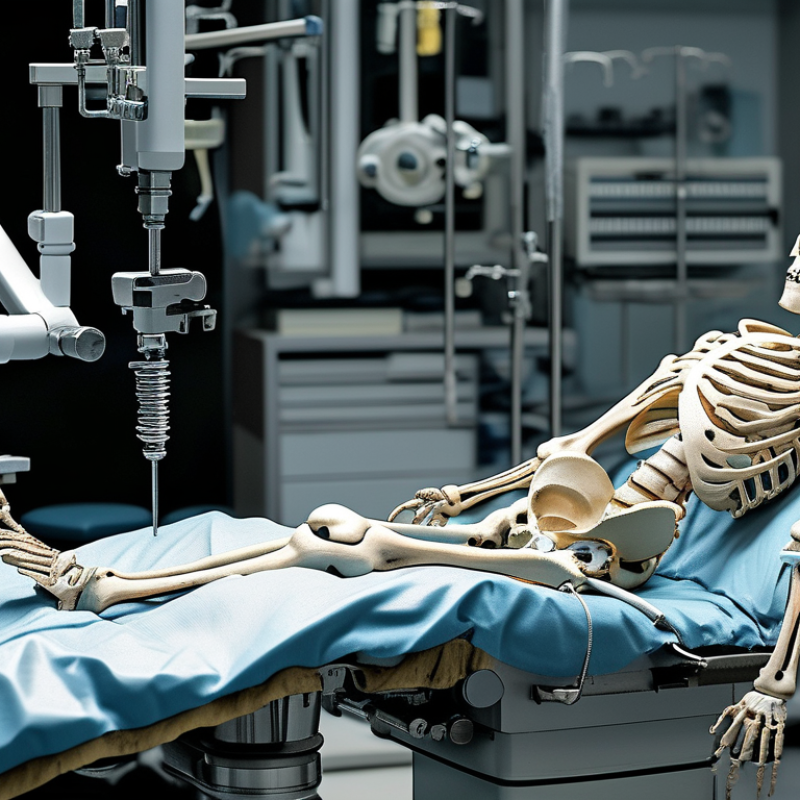
Top Orthopedic Implants for Revision Surgery Buying Guide

Revision Surgery: When Orthopedic Implants Need to Be Replaced

Revision surgery begins when an orthopedic implant no longer provides safe, reliable function. Replacement may follow loosening, fracture, infection, wear, instability, or persistent pain. Symptoms can be subtle. A patient may report a clicking sound, shorter walking distance, or difficulty climbing stairs.

A careful evaluation combines physical examination, X-rays, blood tests, and sometimes advanced imaging. A clean X-ray can still miss early loosening. That detail matters. Surgeons also review the original implant’s size, fixation method, and removal risks. Tissue samples may help identify a low-grade infection before replacement.

When buying implants for revision surgery, hospitals should assess compatibility, fixation options, and available sizes. The system may need longer stems, modular components, bone-grafting support, or enhanced fixation surfaces. Instruments must also match the implant system precisely. Delayed equipment can disrupt an otherwise well-planned operation. Documentation, traceability, sterilization, and regulatory approval require equal attention.

Patient-specific anatomy changes the decision. Severe bone loss may limit standard components. Good planning reduces surprises, but it cannot remove every risk. Surgeons should discuss possible blood loss, nerve injury, infection, and further revision with the patient. The best choice is not always the newest design. It is the option supported by clinical evidence, surgical experience, and the patient’s actual bone quality.

How to Assess Bone Loss, Joint Stability, and Surgical Complexity

Top Orthopedic Implants for Revision Surgery Buying Guide

Revision surgery begins with understanding what remains, not what is missing. Standard radiographs show alignment and fixation, while CT scans can reveal hidden bone loss. Assess the defect’s location, depth, and bone quality. A small contained defect may need structural support, but extensive loss may require porous augments, cages, or revision stems. Classifications help communication, though they cannot replace surgical judgment.

Joint stability needs equal attention. Check ligament function, component position, soft-tissue tension, and limb length. An implant with strong fixation may still fail if the joint remains unstable.

Surgical complexity rises with infection history, multiple previous operations, poor bone stock, and difficult exposure. Experienced teams should match implant geometry, fixation method, and available backup options to these risks.

Compatibility matters. A promising component is useless if the complete revision system cannot address the defect.

Tips: Review current imaging with a revision specialist. Prepare more than one fixation strategy. Confirm extraction tools and trial components before surgery. Ask whether the implant allows future adjustment. Measure twice. Small planning errors can create major problems. I have learned that intraoperative findings sometimes contradict the scan, so flexibility is essential. Document bone quality, stability testing, and the reason for each implant choice. This improves team communication and supports safer follow-up.

Choosing Implants for Hip, Knee, Spine, and Trauma Revision Cases

Revision surgery demands implants that solve a specific failure, not simply larger components. The 2024 Australian Orthopaedic Association National Joint Replacement Registry reported more than 1.9 million recorded hip and knee procedures. Its data also show that revision risk varies by patient age, fixation method, and implant design.

Examine the failure pattern first.

For hip revisions, assess bone loss with three-dimensional imaging before selecting modular stems, augments, or custom components. A porous surface may support fixation, but poor host bone can still defeat it.

For knee revisions, constrained components, metaphyseal cones, and sleeves should match ligament stability and bone defects. The American Joint Replacement Registry’s 2024 report supports registry-based surveillance, yet registry data cannot replace intraoperative judgment.

Spine revision cases require a different purchasing logic. Review the NASS evidence base, prior fusion levels, alignment, infection markers, and remaining screw purchase. Compatibility matters more than catalog breadth.

In trauma revisions, the 2023 National Trauma Data Bank report highlights the varied complexity of injury populations; therefore, plates, nails, and graft strategies need contingency options. Keep extraction tools available.

That detail is easy to miss.

Track radiographic loosening, subsidence, and reoperation rates after surgery. Public reports are useful, but definitions differ between registries. A careful buyer should verify endpoints, follow-up duration, sterilization documentation, and surgeon experience before approving an implant system.

Key Implant Features: Fixation, Compatibility, Durability, and Adjustability

In revision surgery, fixation deserves close inspection.

A stem, plate, or cage must grip remaining bone without creating unnecessary stress. For poor bone quality, surgeons may assess longer fixation zones, porous surfaces, or supplemental screws. Imaging and intraoperative findings should guide the choice.

Numbers alone can mislead.

Compatibility is equally important. The implant should connect with existing components, instruments, and available revision systems.

Check dimensions, locking mechanisms, offset options, and junction geometry before surgery. Small mismatches can cause large delays.

A detailed inventory prevents avoidable surprises.

Durability depends on load, alignment, material design, and patient activity.

Look for documented fatigue testing and clear sterilization instructions. Adjustability can help manage changing anatomy, leg length, version, and soft-tissue tension.

Modular parts offer flexibility, but every junction adds another consideration.

More options are not always better.

A common planning mistake is choosing maximum adjustability without confirming its clinical need.

Review the technical data, surgical technique, and long-term evidence with the qualified surgical team. Recheck the plan when bone loss is greater than expected. In revision work, that happens.

How to Compare Suppliers, Verify Quality, and Plan Implant Procurement

Top Orthopedic Implants for Revision Surgery Buying Guide

Revision procurement demands evidence, not attractive catalog language. The 2024 AJRR Annual Report covers more than three million hip and knee procedures, showing the value of registry-based evaluation. Compare suppliers using revision-specific outcomes, implant compatibility, and documented retrieval findings. Ask for component dimensions, fixation options, material certificates, and validated sterilization records. Traceability matters. Confirm each lot through the FDA Unique Device Identification database, where applicable. ISO 13485 certification supports quality management, but it does not prove clinical suitability. That distinction is easy to miss.

Supplier audits should examine lead times, back orders, recall procedures, and technical support during difficult cases. Request a complete history for every implant, including manufacturing lot, expiry date, and sterilization status. Review published clinical evidence, not only internal brochures. The WHO Global Patient Safety Action Plan notes that approximately one in ten patients experiences harm during healthcare, reinforcing the need for controlled procurement and verification.

Compare total cost, including instrumentation, training, urgent shipping, and unused inventory. Plan a small, validated reserve for unusual anatomy. Do not overstock. A spreadsheet can still hide weak forecasting. Reassess demand quarterly using revision volumes, surgeon preferences, and explant patterns. I would also document disagreements between surgeons and purchasing teams; those gaps often reveal assumptions that need testing.

FAQS

How should bone loss be assessed before revision surgery?

Start with current radiographs to review alignment and fixation. CT imaging can reveal hidden defects. Record the defect’s location, depth, and bone quality. Scans are helpful, but they are not perfect.

Why does joint stability matter when choosing an implant?

Check ligament function, component position, soft-tissue tension, and limb length. Strong fixation cannot correct every stability problem. Test stability carefully. Small differences matter.

Which factors make revision surgery more complex?

Infection history, repeated operations, poor bone stock, and difficult exposure increase complexity. The team should prepare matching geometry, fixation methods, and backup options. Real findings may differ from imaging.

How should hip revision implants be selected?

Assess three-dimensional bone loss before considering modular stems, augments, or custom components. Porous fixation may help, but weak host bone can still fail. Keep extraction tools and trial components available.

What should guide knee revision implant selection?

Match constrained components, metaphyseal cones, or sleeves to ligament stability and bone defects. Check whether the complete system addresses the defect. A larger component is not automatically better.

What should buyers examine for spine and trauma revisions?

Review prior fusion levels, alignment, infection markers, and remaining screw purchase. Trauma cases need contingency options for plates, nails, and graft strategies. Do not rely on one plan.

How can a hospital verify supplier and implant quality?

Request dimensions, fixation choices, material certificates, sterilization records, and lot traceability. Review independent clinical evidence, not only supplier brochures. Quality certification supports manufacturing control, but it does not prove clinical suitability.

What procurement details are easy to overlook?

Check lead times, back orders, recall procedures, technical support, expiry dates, and sterilization status. Include instruments, training, urgent shipping, and unused stock in total cost. A spreadsheet can hide weak forecasting.

How should future implant needs be planned?

Reassess demand quarterly using revision volumes, surgeon preferences, and explant patterns. Keep a small, validated reserve for unusual anatomy. Do not overstock. I may still misjudge demand.

What information should be documented after surgery?

Record bone quality, stability testing, implant choices, and the reasons behind them. Track loosening, subsidence, and reoperation rates. This supports clearer communication and safer follow-up. Documentation is not flawless, but gaps become visible.

Conclusion

Revision surgery is required when an orthopedic implant becomes loose, worn, unstable, damaged, or poorly matched to changing anatomy. A successful replacement begins with a careful assessment of bone loss, joint stability, alignment, soft-tissue condition, and overall surgical complexity. These factors help determine the appropriate implant design and fixation strategy for hip, knee, spine, and trauma revision procedures.

How to choose orthopedic implants for revision surgery depends on more than anatomical fit. Surgeons and procurement teams should evaluate fixation strength, compatibility with existing components, long-term durability, adjustability, and ease of intraoperative customization. Supplier evaluation should include material documentation, manufacturing consistency, quality verification, regulatory compliance, technical support, delivery reliability, and transparent procurement planning. By comparing these factors systematically, healthcare providers can select dependable implant solutions that support surgical precision, patient safety, and predictable long-term performance.

Amelia

Amelia

Amelia is a seasoned marketing professional with a wealth of expertise in our company’s core offerings. With an unwavering passion for driving growth and innovation, she plays a pivotal role in shaping our marketing strategies and enhancing brand visibility. A key aspect of her responsibilities......