How to Choose China Orthopedic Implants for Fast Delivery?

Time:2026-10-19 Author:Sienna
0%

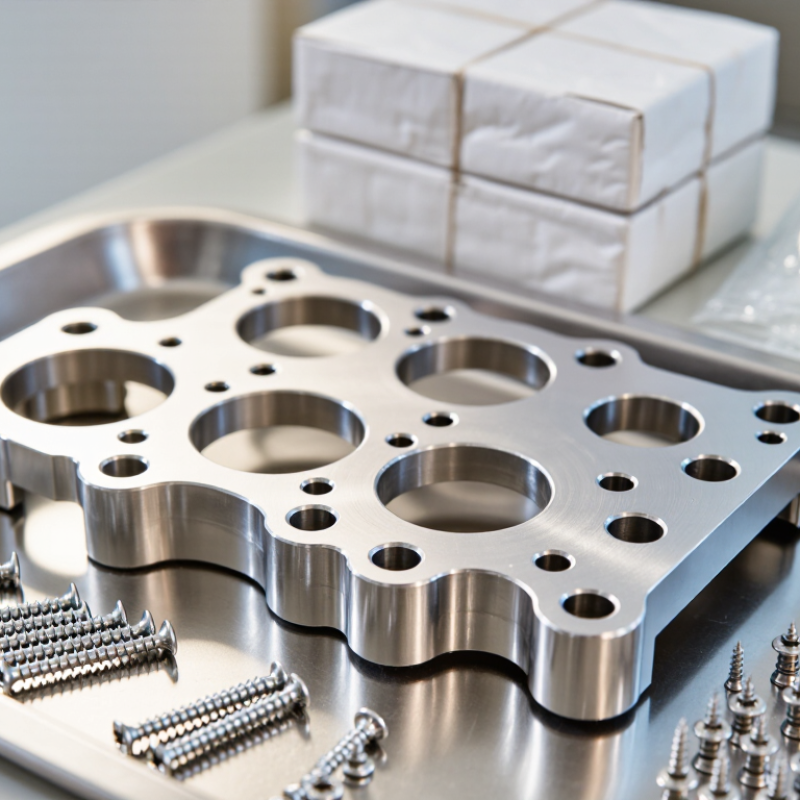
Choosing orthopedic implants from China for fast delivery requires more than comparing prices or viewing attractive product catalogs. The real question is: How to choose orthopedic implants with fast delivery without weakening clinical safety, traceability, or regulatory confidence? Hospitals and distributors should examine implant materials, design specifications, sterilization methods, packaging, and available stock. A reliable supplier can provide clear technical files, batch numbers, inspection records, and certificates relevant to the destination market. These details matter when a titanium plate arrives in a sealed package, ready for controlled storage and surgical planning.

Delivery speed depends on more than production capacity. Confirm whether the manufacturer holds finished inventory or only raw materials. Ask for realistic lead times, shipping routes, export documents, and contingency plans. Experienced suppliers should explain how they manage urgent orders, quality inspections, and replacement requests. Independent verification is valuable, especially for unfamiliar factories. References from hospitals, distributors, or orthopedic professionals can reveal practical performance that brochures often miss.

Fast delivery should never bypass surgeon preference or patient-specific requirements. Implant dimensions, fixation systems, instruments, and compatibility must match the intended procedure. A shipment may arrive quickly yet remain unusable if one screw size is missing. That risk is easy to underestimate. No supplier is perfect, and delivery estimates can change during peak demand or customs review. Therefore, buyers should use written agreements, sample evaluations, and staged orders before committing to large volumes. Careful sourcing creates a faster process that remains medically responsible, commercially reliable, and easier to audit.
How to Choose China Orthopedic Implants for Fast Delivery?

Define Clinical Needs and Delivery Requirements

How to Choose China Orthopedic Implants for Fast Delivery?

Define the clinical case before discussing speed. Specify the anatomical site, fixation method, implant material, size range, and required instruments. Speed is clinical. A surgeon may need three trial sizes for one complex fracture. The 2023 National Joint Registry report recorded more than 4.5 million procedure records, showing how implant selection must match varied surgical workflows. Confirm the supplier can provide validated dimensions, sterilization details, lot numbers, and traceability documents. Do not guess.

Delivery requirements need equal precision. Set a required arrival date, not merely “fast shipping.” Include production time, inspection time, customs clearance, and hospital receiving procedures. The World Bank’s 2023 Logistics Performance Index gave China a 3.7 score and ranked it 19th globally. That performance is strong, but it does not remove shipment-level risks. Request realistic lead-time ranges, packaging specifications, temperature controls, and backup arrangements for delayed flights or damaged cartons.

Clinical teams should review applicable market authorization and quality-system evidence before ordering. ISO 13485 certification supports process control, but it cannot replace product-specific verification. WHO’s 2022 global infection-control report estimated healthcare-associated infections affect 7 in 100 acute-care patients in high-income countries. Sterile packaging and handling therefore deserve practical scrutiny. My checklist can still miss a preferred instrument or unusual size. A short video review with the surgeon, warehouse, and distributor may prevent that mistake.

Verify Chinese Manufacturer Qualifications and Product Compliance

When purchasing China orthopedic implants for fast delivery, verify the manufacturer before discussing shipping dates. Request a valid business registration and the relevant medical device manufacturing license. Check the ISO 13485 certificate scope, dates, and issuing organization. A certificate alone does not prove product approval.

Confirm that each implant has registration or authorization required in the destination market. Review technical files, material specifications, risk assessments, and test reports. Match product codes across labels, certificates, packaging, and invoices. Paperwork comes first. Ask for lot-specific inspection records and traceability information. Sterilization validation, package integrity, and shelf-life evidence deserve close attention. A polished PDF is not enough.

For urgent orders, request written proof of available stock, batch numbers, expiration dates, and storage conditions. Confirm the exact dispatch time after quality release, not merely the production lead time. Independent sampling or a remote factory inspection can reveal gaps before payment. Do not accept vague claims. In practical sourcing reviews, teams often overvalue a short quoted lead time. Missing compliance records then create longer delays. Even a careful checklist can miss an outdated certificate, so recheck critical documents before shipment.

How to Choose China Orthopedic Implants for Fast Delivery? - Verify Chinese Manufacturer Qualifications and Product Compliance

Verification Dimension What to Verify Acceptable Evidence Why It Matters for Fast Delivery Priority
Legal Manufacturer Identity Confirm the full legal name, registered address, manufacturing site, and authorized contact details. Business registration information, manufacturing-site details, and consistent information across certificates and labels. Reduces delays caused by document corrections, customs questions, or unverified suppliers. High
China Medical Device Registration Check whether the specific implant, model, material, and intended use are registered or approved for the target market. A verifiable NMPA registration or filing record, as applicable to the device classification and product type. Unregistered or mismatched products may be stopped before export or import clearance. High
Product Classification Verify the applicable regulatory class based on implant type, invasiveness, duration of use, and intended clinical purpose. Written classification rationale and regulatory documentation matching the exact product configuration. Incorrect classification can trigger additional reviews and significantly extend lead time. High
Quality Management System Assess whether the production site operates a documented medical-device quality system. Current ISO 13485 certificate issued by a recognized certification body, with the correct site and scope. A controlled quality system supports consistent production, traceability, and faster release decisions. High
Material and Biological Safety Confirm implant materials, coatings, and patient-contact characteristics against the approved specification. Material certificates, biological evaluation records, and relevant test reports for the finished device. Missing safety evidence may delay technical review, import approval, or customer acceptance. High
Product Standards and Testing Review applicable national, international, and destination-market requirements for mechanical performance and safety. Current test reports from qualified laboratories, with sample identity and test methods clearly stated. Complete testing records reduce repeated sampling and technical clarification requests. High
Sterilization Status Determine whether the product is supplied sterile or non-sterile and verify the validated sterilization method when applicable. Sterilization validation, packaging validation, lot-release records, and stated sterilization expiry period. Sterile products require additional controls; missing records can prevent shipment release. High
Traceability and Lot Control Verify unique product identification, lot or batch numbering, raw-material traceability, and production records. Device labels, certificates of conformity, batch records, inspection reports, and traceability procedures. Clear traceability speeds quality checks, recalls, complaint handling, and customs documentation. High
Inventory Availability Confirm available quantities by exact model, size, laterality, material, and packaging configuration. Dated inventory confirmation, stock allocation record, and pre-shipment inspection plan. Stock availability is more reliable than a general statement that products are “ready to ship.” Medium
Customization Requirements Identify whether special dimensions, instruments, packaging, labeling, or engraving are required. Approved drawings, specifications, change-control records, and written production lead-time confirmation. Custom designs usually require engineering review, tooling, validation, and additional inspection. Medium
Export and Import Documents Agree on the required commercial, regulatory, shipping, and customs documents before purchase. Commercial invoice, packing list, certificate of origin when required, declaration of conformity, and applicable permits. A complete document package helps prevent customs holds and carrier rework. High
Packaging and Transport Protection Check protection against contamination, moisture, impact, and damage to sterile barriers or precision surfaces. Packaging specifications, validated packaging records where applicable, photographs, and handling instructions. Proper packaging reduces damage-related replacement shipments and delivery interruptions. Medium
Pre-Shipment Inspection Define dimensional, visual, documentation, and quantity checks before goods leave the factory. Signed inspection checklist, inspection photos, sampling plan, and certificate of conformity. Early detection of discrepancies prevents rejected deliveries and costly rework. High
Delivery Commitment Separate production time, quality-release time, export handling time, transit time, and customs time. Written delivery schedule with milestones, responsible parties, shipping terms, and contingency actions. A milestone-based schedule is more dependable than a single estimated delivery date. High
Post-Market and Complaint Support Confirm procedures for complaints, adverse-event reporting, corrective actions, and product recalls. Documented complaint-handling procedure, response contacts, and corrective-action workflow. Responsive support protects continuity of supply and supports regulatory obligations after delivery. Medium

Practical selection rule: Choose the supplier that can verify the exact product configuration, provide current compliance evidence, confirm available inventory, and commit to a documented delivery schedule. Regulatory requirements should always be checked against the destination market and the specific implant.

Compare Implant Materials, Designs, and Surgical Compatibility

Fast delivery should never outrank surgical compatibility. When sourcing orthopedic implants from China, compare materials, design logic, and clinical evidence together. Common options include titanium alloys, cobalt-chrome alloys, stainless steel, and PEEK. Each behaves differently under load, imaging, sterilization, and patient-specific conditions. Material choice is not a simple price decision. Ask for test reports, lot traceability, surface treatment details, and corrosion data. These records reveal more than polished product photographs.

Design must match the procedure and the surgeon’s technique. Plate thickness, screw angles, hole geometry, and instrument access affect operative handling. For spinal, trauma, or joint applications, qualified surgeons should review drawings and compatibility details. An implant that looks efficient online may frustrate a surgeon in a narrow surgical field. Trial components matter. Request tolerance ranges, instrument lists, sterilization instructions, and evidence for the intended anatomical site. Do not assume one instrument set fits every design.

Fast delivery depends on more than warehouse claims. Confirm available sizes, packaging status, batch release, and shipping records. Ask how shortages are handled. Reliable suppliers should provide certificates, inspection reports, and clear traceability. Independent verification remains wise. I have learned that small mismatches can delay an operation, even when the implant arrives quickly. That is an uncomfortable lesson. Leave time for surgeon approval and receiving inspection, especially when the shipment seems urgent.

Evaluate Inventory Levels, Lead Times, and Shipping Options

How to Choose China Orthopedic Implants for Fast Delivery?

Choosing China orthopedic implants for fast delivery starts with evidence, not a supplier’s promise. In procurement reviews, I request a dated inventory report, storage location, and quantities by size. Stock may exist, but not in the required configuration. Confirm lot numbers, packaging status, sterilization records, and expiry dates before reserving units. A quick video check can expose empty shelves or mixed cartons.

Lead time should be divided into production, quality release, export preparation, and transport. Ask for written timelines for each stage. For custom sizes, request a realistic manufacturing schedule, not an optimistic estimate. I have seen “in-stock” items delayed because final inspection was incomplete. That mistake is easy to repeat. Build a buffer for document corrections and verify certificates required by the destination market.

Shipping options should match urgency, destination, and handling requirements. Air freight is often faster, but it can cost more and leave less room for errors. Compare door-to-door service with airport delivery, then confirm tracking and insurance terms in writing. Use protective packaging and readable labels. Before dispatch, request photos of sealed cartons and final shipping documents.

Speed matters. Incomplete records can create a longer delay. Recheck the plan.

Confirm Documentation, Pricing, and After-Sales Support

Choosing China orthopedic implants for fast delivery requires more than checking warehouse claims. Ask for product certificates, material specifications, sterilization records, and lot traceability before payment. Confirm that each document matches the exact implant model and size. A polished PDF is not enough. Request current copies, issuing bodies, dates, and an export packing list. In procurement work, delays often begin with one missing approval or inconsistent item code. Small mismatch. Big delay.

Compare landed cost, not unit price. Ask whether the quotation includes packaging, inspection, customs documents, freight, and replacement terms. Request a written breakdown for screws, instruments, and urgent dispatch fees. Clarify currency, payment milestones, taxes, and quote validity. A cheaper implant may become expensive after air freight or rework. Pricing is rarely simple. Have a qualified clinical or regulatory professional review the documents before ordering.

Before ordering, test the after-sales system with specific questions. Who is the technical contact? What is the response time? Ask how they handle damaged packaging, incorrect sizes, or delayed batches. Require photos, investigation timelines, and replacement procedures in writing. A video call with quality staff can reveal whether answers are practical. Request support for local regulatory files and product complaints. Do not assume fast delivery means reliable support. Leave a buffer for customs review. Forecasts can be too optimistic.

FAQS

What details should be confirmed before ordering orthopedic implants?

Define the anatomical site, fixation method, material, size range, and required instruments. Clinical fit comes first. Confirm dimensions and compatibility before discussing delivery speed.

How can a hospital verify available inventory?

Request a dated inventory report with storage locations and quantities by size. Ask for lot numbers, packaging status, sterilization records, and expiry dates. Stock may not match the needed configuration.

What should a realistic lead-time estimate include?

Separate production, quality release, export preparation, transport, customs, and hospital receiving time. Request written timelines for every stage. “Fast” is too vague.

How should custom implant sizes be handled?

Request a specific manufacturing schedule for each custom size. Do not rely on optimistic estimates. Include extra time for inspection and document corrections.

Which shipping details deserve written confirmation?

Compare door-to-door delivery with airport delivery. Confirm tracking, insurance, packaging, and handling terms in writing. Air freight may be faster and more expensive.

How can sterile packaging be checked before dispatch?

Request photos of sealed cartons, readable labels, and intact protective packaging. Verify sterilization details, expiry dates, and lot traceability. A quick video review can reveal mixed cartons.

What quality documents should procurement teams review?

Check market authorization and quality-system evidence for the destination market. Process certification supports control but does not replace product-specific verification. Review the actual implant records.

How can teams reduce delivery risks?

Set a required arrival date and build a buffer for delays. Prepare backup arrangements for damaged cartons or delayed flights. My checklist may still miss an unusual instrument. A short review with clinical and logistics teams can expose that gap.

Conclusion

Choosing the right orthopedic implants for rapid delivery begins with clearly defining the clinical application, patient requirements, surgical approach, sizes, and required delivery date. To understand how to choose orthopedic implants with fast delivery, buyers should verify the Chinese manufacturer’s qualifications, quality management systems, product registrations, testing records, and compliance documents for the target market. It is also important to compare implant materials, structural designs, fixation methods, instrument compatibility, and customization options to ensure safe and efficient surgical use.

Delivery performance depends on more than production speed. Confirm current inventory, realistic lead times, packaging standards, shipping routes, and contingency arrangements before placing an order. Buyers should also review quotations carefully, including product specifications, minimum order quantities, payment terms, shipping costs, and warranty conditions. Clear documentation, responsive technical communication, traceability, and dependable after-sales support can reduce delays and help hospitals maintain continuity of care while selecting suitable orthopedic implants.

Sienna

Sienna

Sienna is a skilled marketing professional with a deep expertise in our company’s core products and services. With a passion for innovation and detail, she plays a pivotal role in crafting insightful blog posts that not only highlight the unique features of our offerings but also provide valuable......